You’re surrounded by metal parts every day—engine blocks, pump housings, valve bodies, machine frames.
Most of them come from one place: a casting foundry.
But what actually happens inside a metal casting foundry?
How does molten metal turn into precise, durable components you can rely on in the field?
In this guide, you’ll quickly get a clear view of:
- What a casting foundry is (and how it differs from casting itself)
- The real-world metal casting process from pattern to finished part
- The main foundry casting methods like sand casting, investment casting, and die casting
- How modern foundry operations use simulation, automation, and sustainability to deliver consistent quality
If you need to understand how cast parts are really made—or you’re deciding which casting foundry is right for your next project—you’re in the right place.
What Is a Casting Foundry?
When people ask me what a casting foundry actually is, I keep it simple: it’s the place where we turn molten metal into usable parts.
Casting Foundry Definition
A casting foundry is a manufacturing facility where:
- Metal is melted in furnaces
- Molds are prepared to match your part geometry
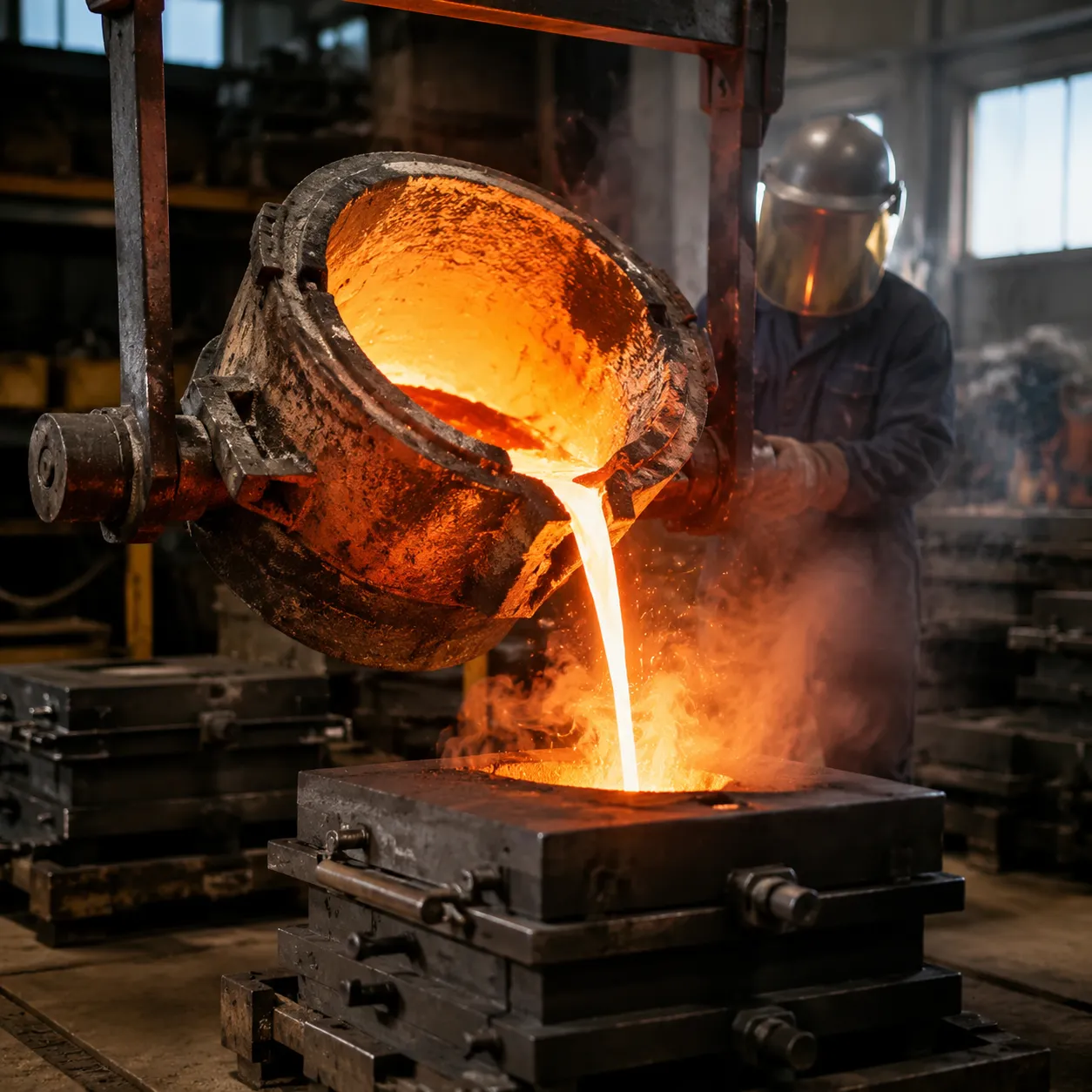
- Molten metal is poured into those molds
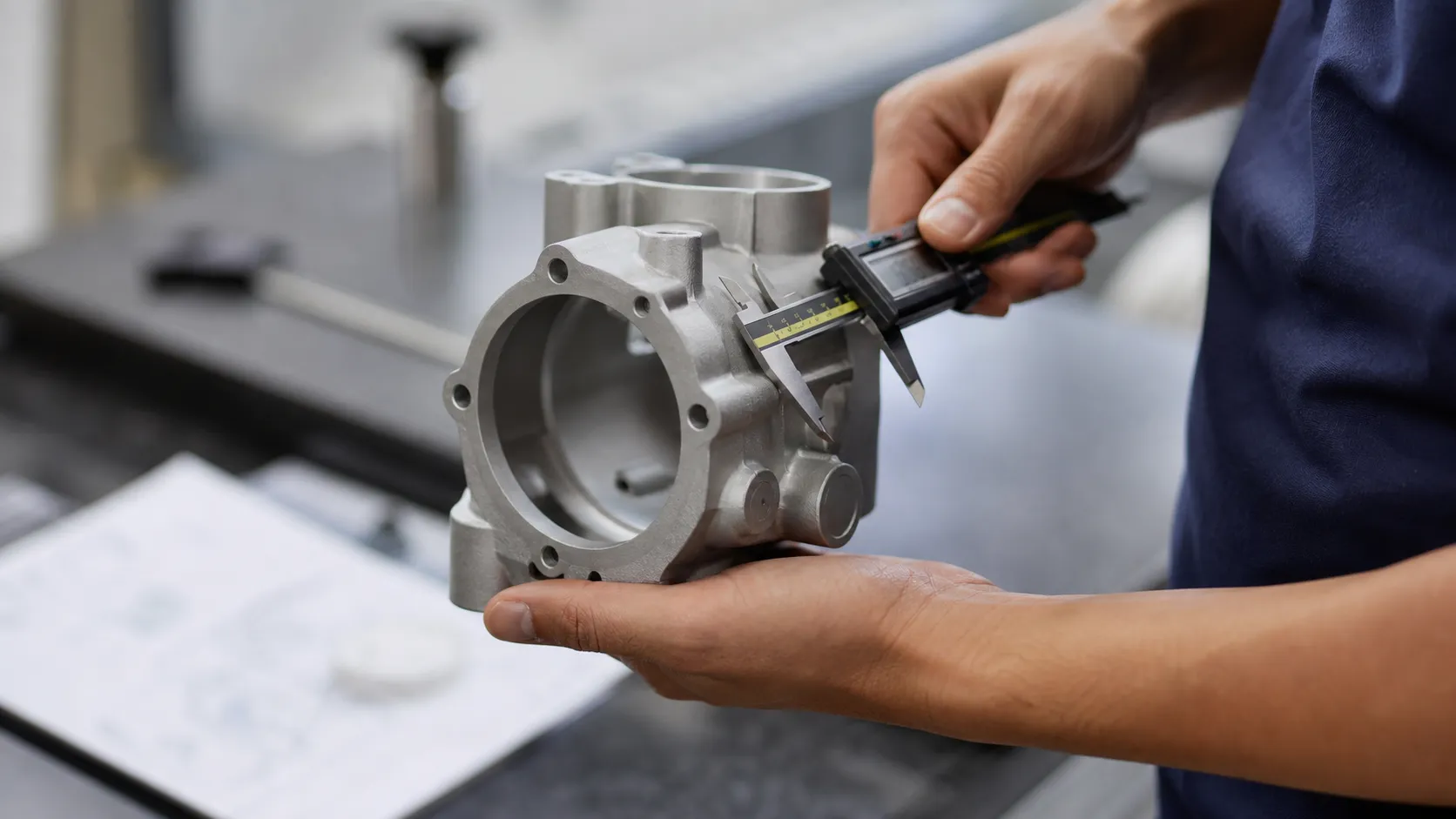
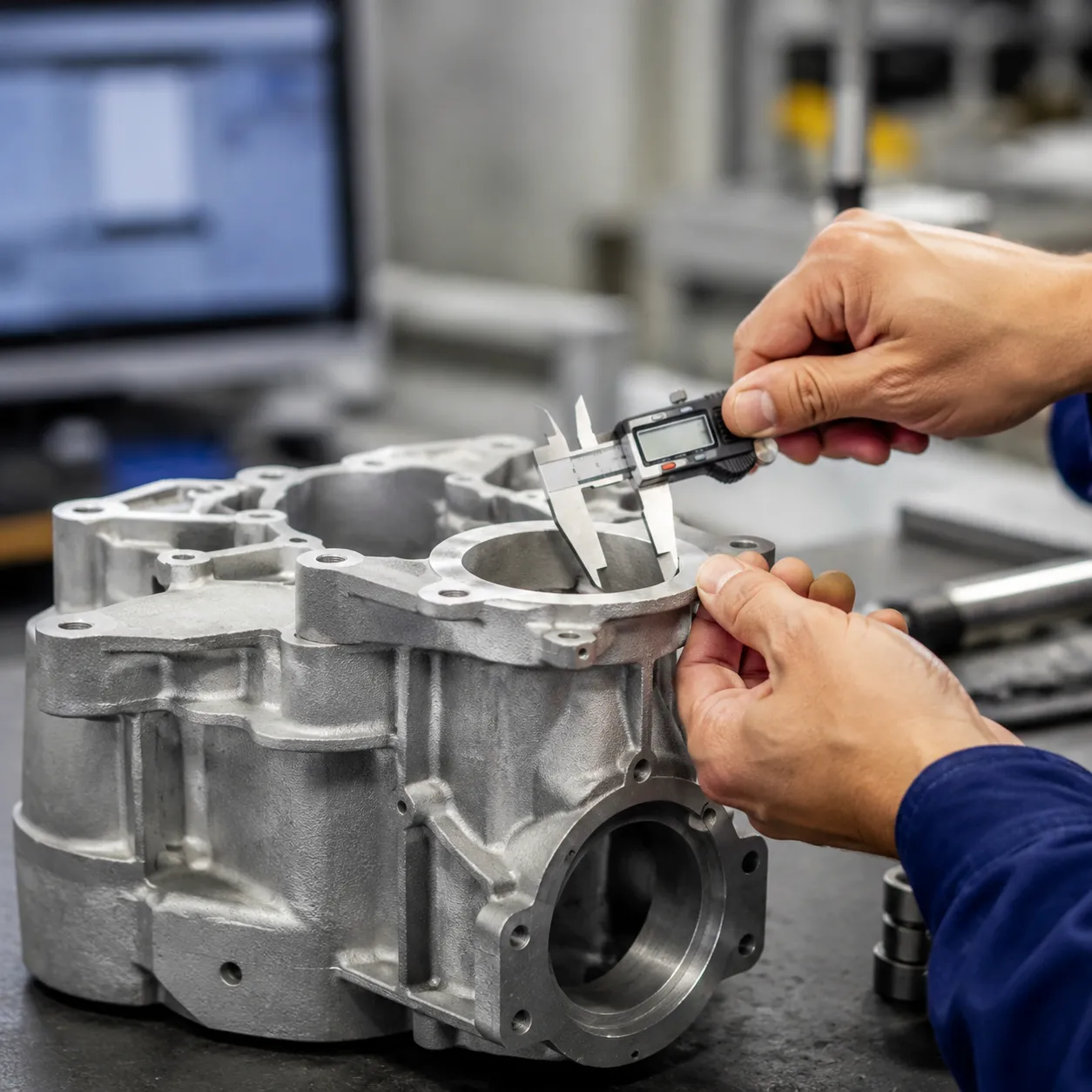
- Solid castings are cleaned, finished, and inspected for delivery
In short, a foundry is the factory, and metal castings are the products it makes.
| Term | Simple Meaning |
|---|---|
| Casting foundry | Plant that makes metal parts by pouring molten metal |
| Casting | The individual metal part produced |
| Foundry casting | The overall process and results inside the foundry |
Foundry vs. Casting Process
It’s easy to mix up foundry and casting:
- Foundry = the place + people + equipment
- Metal casting process = the steps: design → mold → melt → pour → cool → finish
You can think of my foundry as the service provider, and the casting process as the workflow we run for each part.
From Ancient Metalworking to Modern Casting Foundry
Foundries started as small workshops thousands of years ago, pouring bronze tools and weapons in sand or stone molds. Today, a modern casting foundry in the US runs:
- Controlled furnaces (induction, electric arc, gas-fired)
- Engineered molds and cores using CAD and 3D printing
- Quality systems with full traceability and testing
The core idea is unchanged—pour metal into a mold—but everything around it is now driven by data, automation, and repeatable quality.
Where a Casting Foundry Fits in the Supply Chain
If you’re an engineer or buyer, a casting foundry usually sits:
- Upstream of machining and assembly
- Directly after design/engineering in your product lifecycle
Typical flow:
| Step | Who Handles It |
|---|---|
| Part design & specs | Your engineering team |
| Casting design & DFM | Our foundry engineers |
| Metal casting & finishing | Casting foundry operations |
| Machining & assembly | Your shop or our partner network |
A good foundry acts as a manufacturing partner, not just a metal supplier.
Common Foundry Casting Terms (In Plain English)
You’ll hear these terms in any foundry and casting discussion:
- Pattern – The “master shape” used to make the mold cavity
- Mold – The negative cavity that receives the molten metal
- Core – Sand or ceramic piece used to form internal holes/voids
- Gating system – Channels that guide molten metal into the mold
- Riser – Extra reservoir of metal that feeds the casting as it shrinks
- Shakeout – Breaking the mold to remove the solidified casting
Once you understand these basics, talking with any cast iron foundry, steel casting foundry, or aluminum casting foundry becomes much easier.
Types of Casting Foundries

When you’re choosing a casting foundry in the U.S., you’re really choosing material type, casting method, and production style. Here’s how the main options break down.
Ferrous Casting Foundry (Iron & Steel)
Ferrous foundries focus on:
- Cast iron: gray iron, ductile iron, wear‑resistant irons
- Steel: carbon steel, alloy steel, stainless steel
These are the go‑to for:
- Engine blocks, housings, machine bases
- Valves, pumps, structural and heavy-duty parts
You use a cast iron foundry or steel casting foundry when you need strength, durability, and good value on medium to large parts.
Non‑Ferrous Casting Foundry (Aluminum, Brass, Bronze)
Non‑ferrous foundries handle:
- Aluminum (very common in U.S. markets), magnesium, zinc
- Brass & bronze and other copper‑based alloys
Best for:
- Lightweight automotive and aerospace parts
- Plumbing, HVAC, electrical hardware, decorative components
If you’re comparing alloy options, a detailed casting alloy guide like this one on casting alloy types, properties, and selection is a solid starting point.
Sand Casting vs. Die Casting vs. Investment Casting Foundry
Most casting and foundry shops specialize in one or two foundry casting methods:
- Sand casting foundry
- Flexible, handles large parts and many alloys
- Great for low to medium volumes
- Die casting foundry
- Uses metal molds, usually for aluminum, zinc, magnesium
- Best for high-volume, tight‑tolerance parts (auto, electronics)
- If you need high‑precision aluminum parts, a dedicated aluminum die casting service with large tonnage machines is ideal, like the kind shown in this high‑precision aluminum die casting service.
- Investment casting foundry (lost wax)
- Very fine detail, excellent surface finish
- Ideal for complex or smaller precision castings
Jobbing Foundries vs. High‑Volume Production Foundries
- Jobbing foundry
- Short runs, custom jobs, many part numbers
- Good for prototypes, spares, and low annual usage
- High‑volume production foundry
- Fewer part numbers, very high repeat volumes
- Focused on cycle time, automation, and cost per piece
Pick jobbing when flexibility matters. Pick high‑volume when your design is stable and demand is predictable.
Specialized Niche and Precision Casting Foundries
Some shops are laser‑focused on:
- Precision casting for aerospace, defense, medical, or performance parts
- Complex geometry: thin walls, tight tolerances, internal passages
- Specific alloys (e.g., high‑strength aluminum, heat‑resistant steels, nickel alloys)
These niche foundries often offer stronger engineering support and tighter process control, especially around foundry pattern making, gating, and core design.
How Size and Specialization Affect Cost, Lead Time, and Quality
Foundry size and focus change the math:
- Small / niche foundry
- Pros: closer communication, more flexibility, strong customization
- Cons: usually higher unit cost, limited capacity for big spikes
- Large / high‑volume foundry
- Pros: lower piece price at scale, more automation, robust quality systems
- Cons: higher MOQs, longer onboarding, less flexibility on changes
In practice:
- If you’re early in design → look for engineering support + DFM and a jobbing or niche foundry.
- If your volume is locked in and stable → a high‑volume sand, die, or investment casting foundry usually wins on cost and delivery stability.
Step-by-Step Metal Casting Process in a Foundry
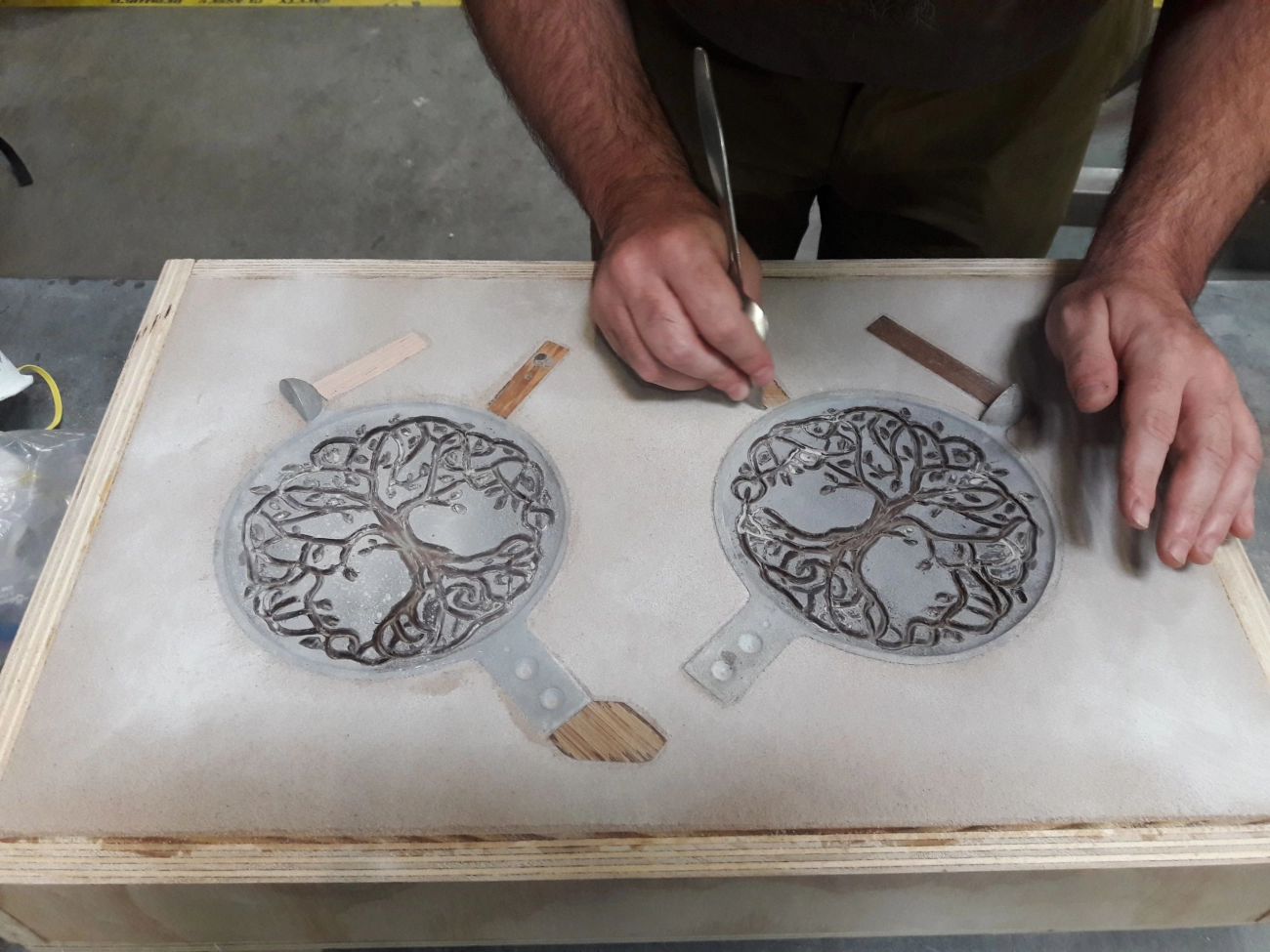
When I walk customers through the casting foundry process, I like to break it down into clear steps so you know exactly what you’re paying for and where quality is built in.
Pattern Design & Pattern Making
We start with pattern design based on your 3D model or drawing.
- Add shrinkage allowance and machining allowance
- Choose pattern material: wood, plastic, aluminum, or steel
- Design for manufacturability (DFM) to cut cost and defects
This is where we decide if sand casting, investment casting, or another foundry casting method is the right call. For parts that require higher precision alloys, I usually point customers to processes similar to those covered in this detailed guide on casting alloys and processes.
Mold Making in the Foundry
Next is mold making. Depending on your project, we use:
- Sand molds – flexible, cost-effective, ideal for low to mid volumes
- Permanent molds – reusable metal molds for repeat parts
- Ceramic shells – used in investment casting foundry work for fine details
The mold defines surface finish, dimensional accuracy, and tooling cost.
Core Making for Internal Cavities
If your casting needs holes, channels, or complex internal shapes, we make cores:
- Sand cores for most sand casting foundry jobs
- 3D-printed or shell cores for tighter tolerances and complex passages
Good core design keeps your internal geometry accurate and reduces rework.
Melting & Alloying in Foundry Furnaces
We melt metal in modern foundry furnaces such as:
- Induction furnaces – fast, clean, very controllable
- Cupola furnaces – mainly cast iron, high-volume production
- Electric arc furnaces – for steel and specialty alloys
Here we control chemistry, adding alloying elements so the metal meets your mechanical and corrosion specs. For stainless and specialty alloys, we follow practices similar to those in this [stainless steel casting process overview](https://haoyumaterial.com/stainless-steel-casting
Common Casting Methods Used in Foundries
Sand Casting Foundry Process & Uses
Sand casting is the most flexible and cost‑effective foundry casting method, especially for U.S. customers needing short runs, large parts, or frequent design changes.
How it works:
- A pattern is pressed into sand to form a mold
- Molten metal is poured into the cavity
- Once cooled, the sand is broken away and the casting is cleaned
Best for:
- Engine blocks, housings, machine bases
- Low to medium volumes
- Large and heavy parts where tooling cost needs to stay low
Investment Casting (Lost Wax) for Precision
Investment casting (lost wax) is the go‑to when you need precision metal castings with tight tolerances and fine details. We use it heavily for complex geometries and near‑net‑shape parts to minimize machining.
- Wax patterns are coated with ceramic to build a shell
- Wax is melted out, metal is poured in
- Delivers clean surfaces and accurate detail
If you’re looking at tight-tolerance aluminum components, our aluminum investment castings for precision custom parts give a good idea of the kind of accuracy and consistency you can expect.
Best for:
- Aerospace, defense, medical, and high‑end industrial parts
- Thin walls, complex internal features
- Small to medium parts with tight tolerances
Die Casting for High-Volume Production
Die casting is built for high‑volume, high‑precision metal castings, mainly in aluminum, zinc, and magnesium.
- Molten metal is forced into steel dies at high pressure
- Very fast cycle times and excellent repeatability
Best for:
- Automotive parts, consumer electronics, small hardware
- Large production runs where tooling cost can be amortized
Permanent Mold & Gravity Casting Basics
Permanent mold casting uses reusable metal molds, filled by gravity (or low pressure) instead of high pressure.
- Better surface finish and mechanical properties than sand casting
- Lower tooling cost and pressure than die casting
Best for:
- Medium volumes of aluminum or magnesium parts
- Components where consistent quality matters but volumes don’t justify full die casting
For picking alloys, our aluminum grades for casting overview breaks down common options by strength, weight, and corrosion resistance.
Centrifugal Casting for Cylindrical Parts
Centrifugal casting spins the mold at high speed while metal is poured, forcing metal to the mold wall.
Best for:
- Pipes, rings, bushings, and other cylindrical components
- Parts that demand dense, defect‑resistant walls
Comparing Casting Methods: Pros, Cons, Cost
| Method | Main Pros | Main Cons | Best Fit |
|---|---|---|---|
| Sand casting | Low tooling cost, very flexible, large parts | Rougher finish, lower accuracy | Prototypes, large castings |
| Investment casting | High precision, complex shapes | Higher part cost, slower lead time | Complex, high‑value parts |
| Die casting | Very fast, low unit cost at volume | High tooling cost, limited alloys | High‑volume production |
| Permanent mold | Good quality, reusable tooling | Not for very complex shapes | Medium volumes |
| Centrifugal casting | Very dense and clean structure | Limited to round shapes | Pipes, rings, heavy‑duty sleeves |
How to Match a Casting Method to Your Project
When I help U.S. customers pick a process, we usually narrow it down using:
- Part volume:
- Prototypes / low volume → Sand or investment casting
- Medium volume → Permanent mold or investment casting
- High volume → Die casting
- Part size & shape:
- Large / heavy → Sand casting
- Complex geometry / tight tolerance → Investment casting
- Cylindrical → Centrifugal casting
- Budget & tooling:
- Limited tooling budget → Sand casting
- Long‑term program with stable design → Die or permanent mold
If you share your 3D model, target quantity, and material requirements, I can point you straight to the best casting foundry process and method for your part.
Materials Commonly Cast in a Casting Foundry
Choosing the right metal is half the battle in any casting and foundry project. Here’s how I look at the main options and when they make sense.
Cast Iron Foundry Materials: Gray Iron & Ductile Iron
Gray iron and ductile iron are the workhorses of any cast iron foundry:
- Gray iron
- Great for: machine bases, housings, pipes, brake rotors
- Strengths: excellent vibration damping, good machinability, low cost
- Trade-offs: lower impact strength and ductility
- Ductile iron (nodular iron)
- Great for: structural parts, suspension components, heavy equipment
- Strengths: much higher toughness and elongation than gray iron, can replace steel in many cases
- Trade-offs: slightly higher cost than gray iron, tighter process control needed
If you’re targeting strong, tough parts with attractive cost, ductile iron castings are often my first recommendation. For example, many customers who come to us for welded steel parts end up moving to ductile iron cast components once we show them the cost and performance balance.
Steel & Stainless Steel Casting Foundry Capabilities
A steel casting foundry is the go-to when you need high strength and toughness:
- Carbon and alloy steels
- Uses: mining parts, gears, powertrain parts, heavy machinery
- Strengths: high strength, fatigue resistance, good weldability
- Best when safety factors and load are critical
- Stainless steel
- Uses: food equipment, pumps, valves, marine and chemical parts
- Strengths: corrosion resistance, clean surface, high temperature capability
We supply a broad range of stainless and alloy steel casting grades; if you need specific mechanical properties or corrosion performance, you’ll want to line up your spec with a suitable stainless steel and alloy steel casting grade.
Aluminum Casting Foundry Alloys
An aluminum casting foundry is ideal when weight and thermal performance matter:
- Uses: automotive housings, EV parts, compressor bodies, enclosures
- Strengths: lightweight, good thermal conductivity, easy machining, natural corrosion resistance
- Typical alloys: A356, 6061 (for cast/secondary operations), and common die casting alloys like A380
For US customers focused on fuel economy or range (auto, EV, aerospace, robotics), aluminum castings are usually the first place I look.
Brass, Bronze, and Other Non-Ferrous Foundry Alloys
A non-ferrous foundry covers copper-based and specialty alloys:
- Brass
- Uses: plumbing valves and fittings, decorative hardware, electrical parts
- Strengths: good machinability, corrosion resistance, nice appearance
- Bronze
- Uses: bushings, bearings, marine hardware, worm gears
- Strengths: excellent wear resistance, good sliding properties, marine corrosion resistance
Other alloys (zinc, magnesium, nickel-based) show up in specialized precision casting projects where weight, corrosion, or temperature are critical.
How to Choose: Strength, Weight, Corrosion, Cost
When I help a customer pick a casting material, I usually walk through these trade-offs:
- Strength & toughness
- Highest: alloy steel, stainless steel, ductile iron
- Moderate: gray iron, bronze, some aluminum alloys
- Weight
- Lightest: aluminum, magnesium
- Heaviest: cast iron, steel, copper alloys
- Corrosion resistance
- Best: stainless, aluminum, brass/bronze, some nickel alloys
- Needs coating: carbon steel, gray iron, ductile iron
- Cost (rough order, from lower material cost)
- Gray iron → ductile iron → carbon steel → aluminum → stainless → brass/bronze → high-nickel alloys
In practice, I’ll usually filter by:
- Environment (corrosive? high temp? outdoor?)
- Load and safety requirements
- Weight targets
- Budget and volume
Recyclability in the Casting Foundry Process
One big plus of foundry casting is how efficiently we can recycle scrap metal:
- Gating, risers, and defective castings go right back into the melt
- Foundries use a high percentage of scrap as charge material without sacrificing quality
- Steel, iron, aluminum, and copper alloys are all highly recyclable, which lowers both cost and carbon footprint
For US buyers who care about sustainability, foundry operations are already set up to use recycled feedstock, making casting one of the most material-efficient manufacturing routes available.
Advantages of Foundry Casting

Why casting foundry processes work for complex shapes
A modern casting foundry is built to handle shapes that would be a nightmare to machine or weld from solid stock. Thin walls, internal cavities, organic curves, and integrated features (ribs, bosses, flanges) are all easier and cheaper to create with the metal casting process than with fabrication. With the right foundry casting methods—sand casting, investment casting, or die casting—you get the geometry you want in one shot instead of multiple operations.
Cost benefits from prototype to mass production
Foundry casting scales well.
- Prototypes / low volume: Sand casting and investment casting keep tooling costs reasonable while still delivering functional metal parts you can test and ship.
- High volume: Die casting and permanent mold casting spread tooling cost over thousands of parts, dropping your per-piece price.
Compared with machining from bar or plate, casting and foundry production cuts raw material usage and cycle time, which is key if you’re building cost-sensitive parts for automotive, industrial equipment, or consumer products.
Material efficiency and metal recycling
A casting foundry is naturally set up for metal recycling. Gating, risers, and scrap are remelted and poured again, which boosts material yield and lowers your total metal cost. This is especially important for higher-value alloys like aluminum, bronze, or nickel alloys used in things like valve bodies and industrial hardware found in many OEM valve castings. Efficient melting and re-use of scrap metal in foundry operations also supports sustainability goals many U.S. customers now require.
Mechanical properties vs. fabricated parts
Castings can be tuned for strength, wear resistance, and toughness using:
- Alloy selection (cast iron, steel, aluminum, brass/bronze, etc.)
- Heat treatment (normalizing, quenching, tempering, solution treating)
Instead of welding multiple pieces (and introducing heat-affected zones and distortion), one-piece castings give more uniform properties and better fatigue performance for many metal castings applications.
Design flexibility and near-net-shape casting
Near-net-shape casting means the part comes out of the mold already very close to its final design. You only machine what really matters—critical bores, sealing faces, threads—saving time and money. Design for manufacturability in the foundry lets you:
- Combine several parts into a single casting
- Add features (bosses, pads, ribs) for easier machining or assembly
- Reduce overall weight by thinning non-critical sections
This is a big reason U.S. manufacturers lean on aluminum casting foundry and steel casting foundry partners for structural parts and housings.
When foundry casting beats other manufacturing methods
Foundry and casting win when you need:
- Complex shapes that are expensive to machine
- Medium to high volumes that justify tooling
- Strong, one-piece metal structures instead of weldments
- Good performance-to-cost ratio in harsh environments
If you’re building engine components, pump housings, valve bodies, machine bases, or custom metal castings for industrial use, partnering with a capable casting foundry usually gives you the best mix of cost, performance, and design freedom.
Casting Foundry Applications by Industry
Automotive Casting Foundry Parts
Automotive OEMs and Tier 1s rely on casting foundries for parts that have to be strong, precise, and cost-effective at volume. Typical automotive castings include:
- Engine blocks and cylinder heads
- Transmission and gearbox housings
- Suspension components and brackets
- Brake components and steering knuckles
For U.S. customers, casting and foundry partners that understand PPAP, APQP, and tight emission / fuel-efficiency targets are the ones that consistently win repeat business.
Aerospace and Defense Castings
In aerospace and defense, foundry casting is all about performance, weight savings, and traceability. Common components:
- Turbine housings and compressor cases
- Structural brackets and hinge fittings
- Precision high-temperature alloy parts for engines and exhaust systems
We work with high-end alloys similar to those used in high temperature alloy components, giving U.S. aerospace buyers the strength, temperature resistance, and certification support they need.
Construction and Infrastructure
For construction and infrastructure, a casting foundry supplies rugged parts that can handle years of abuse:
- Valves, flanges, and pipe fittings
- Manhole covers, drainage grates, and support brackets
- Structural castings for bridges and heavy civil equipment
Here, buyers care most about reliability, corrosion resistance, and on-time delivery to job sites.
Industrial Machinery and Equipment
Industrial OEMs lean on foundry and casting services for heavy-duty, long-life components such as:
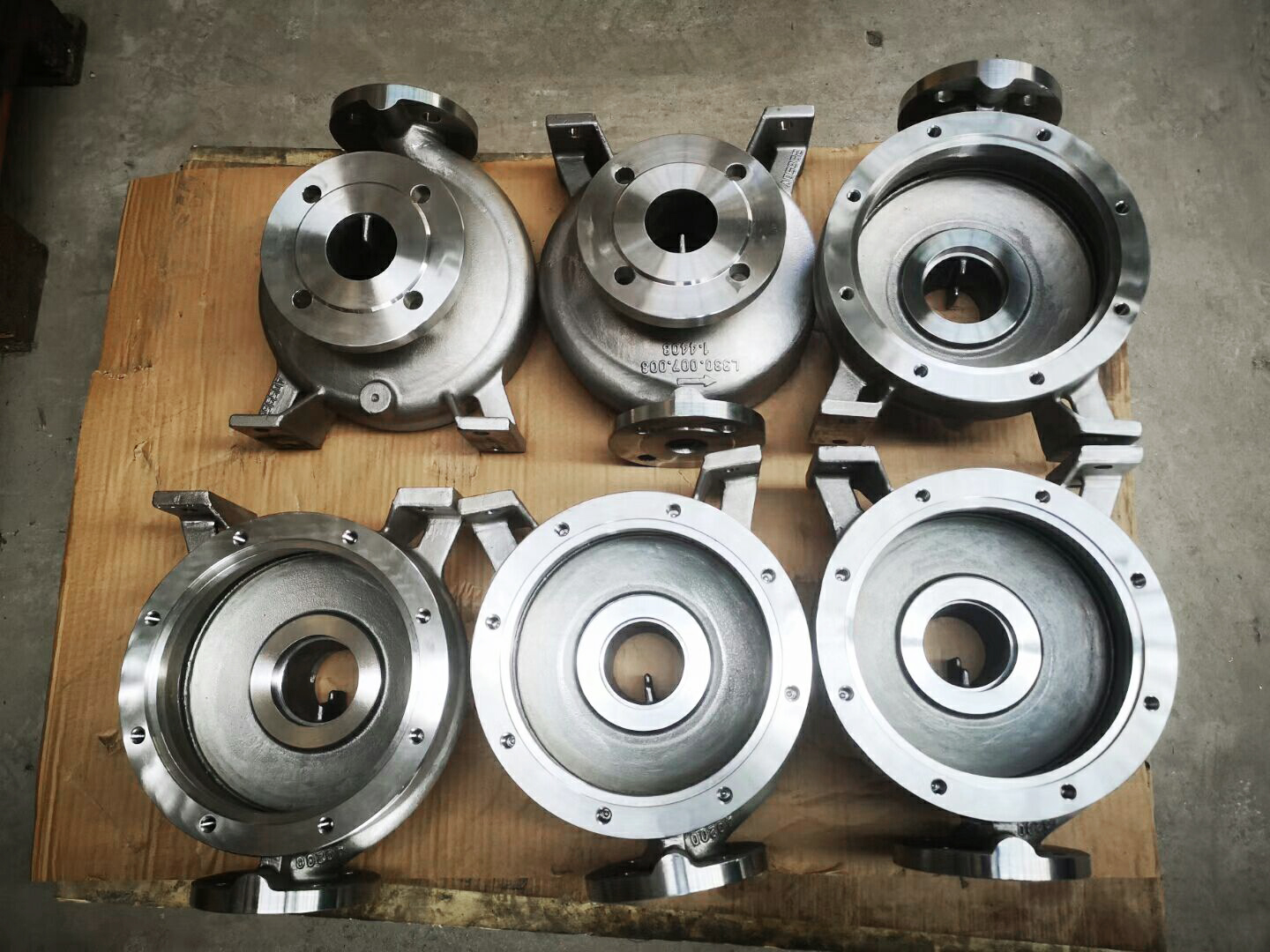
- Pump housings and impellers
- Gearbox and motor housings
- Machine bases, frames, and bearing blocks
These custom metal castings need good vibration resistance, machinability, and consistent material properties to keep factories running.
Energy Sector Castings
In wind, oil & gas, and power generation, casting foundries support critical applications:
- Wind turbine hubs and housings
- Valve bodies, wellhead parts, and pump housings
- Steam turbine casings and generator frames
U.S. energy customers usually want strong QA systems, full material certs, and proven foundry casting methods for harsh environments.
Plumbing and HVAC Castings
For plumbing and HVAC, foundries deliver high-volume, cost-efficient non-ferrous foundry parts:
- Brass and bronze valves and fittings
- Pipe connectors, manifolds, and couplers
- Mounting hardware, brackets, and decorative hardware
Machined brass and bronze components, like our own bronze curtain rod hardware, show how cast and machined metal can deliver both performance and appearance for residential and commercial projects.
Everyday Products Using Foundry Casting
You run into foundry castings all day without thinking about it:
- The engine and wheels on your car
- The HVAC system and plumbing fittings in your house
- Street drain covers and light pole bases
- Industrial machines in warehouses and plants
If it’s metal, structural, and produced in volume, chances are a casting foundry process was involved somewhere in its life.
Common Casting Defects and Quality Control in a Casting Foundry
In any casting foundry, tight quality control is what separates reliable parts from high scrap rates and headaches. Here’s how we handle foundry casting defects and keep quality consistent.
Typical Casting Defects (Plain English)
The most common casting defects you’ll see in foundry operations include:
- Porosity – Tiny holes or gas bubbles inside the metal.
- Shrinkage – Cavities or sinks where the metal shrank as it cooled.
- Misruns / Cold shuts – Areas where molten metal didn’t fully fill the mold or didn’t fuse properly.
- Inclusions – Trapped sand, slag, or oxide particles inside the casting.
All of these directly impact strength, sealing surfaces, and appearance.
Root Causes in Foundry Operations
Most defects trace back to a few main issues in the casting foundry process:
- Poor mold making or core making (loose sand, wrong permeability, damaged molds).
- Incorrect melting and pouring conditions (temperature too low/high, turbulence, dirty metal).
- Bad gating and riser design (poor feeding, trapped air, hot spots).
- Inconsistent process controls (uncontrolled sand moisture, alloy chemistry off-spec).
A disciplined foundry attacks the root cause, not just the symptom.
Inspection and Testing Methods
We combine basic checks with advanced quality control in foundry:
- Visual inspection – Surface defects, cracks, obvious misruns.
- Dimensional checks – CMM, gauges, and fixtures to confirm tolerances.
- NDT (non-destructive testing) –
- Dye penetrant for surface cracks
- Magnetic particle for ferrous parts
- Ultrasonic or X-ray for internal porosity/shrinkage
- Lab tests – Spectrochemical analysis for chemistry, hardness, tensile, and impact tests.
For more critical projects, we back our castings with detailed testing and quality documentation similar to what’s outlined in our casting inspection and quality control procedures.
Process Controls That Actually Improve Quality
A serious casting and foundry operation doesn’t “inspect quality in”; it builds quality into the process:
- Standardized melting practices and furnace checks (temperature, composition, slag control).
- Controlled molding sand properties (moisture, strength, permeability).
- Proper gating and riser design using simulation or proven templates.
- Repeatable pouring procedures (pour time, temperature, metal handling).
- SPC and traceability from heat number to final part.
This is how we keep casting defects and solutions under control long term.
How a Reliable Casting Foundry Handles Recurring Issues
When something goes wrong, a dependable industrial casting services partner will:
- Stop and quarantine suspect lots.
- Run a structured root cause analysis (5-Why, fishbone, etc.).
- Correct the process (update procedures, fixtures, or tooling).
- Validate the fix with extra inspection and documented trials.
- Share clear feedback and data with you, not excuses.
That’s the difference between a shop that “pours metal” and a casting foundry you can trust for critical, custom metal castings.
Modern Technologies in Casting Foundries
3D Printing in the Casting Foundry Process
In my casting foundry operations, 3D printing is now a core tool for patterns and sand cores.
- I use 3D-printed patterns to cut tooling lead times from weeks to days.
- Printed sand cores let us create internal passages that are impossible or insanely expensive with traditional core boxes.
- This is a big win for custom metal castings, prototypes, and low-volume industrial casting services where speed and flexibility matter.
Simulation Software for Mold Filling and Solidification
Before I ever pour molten metal, I run casting simulation software to model:
- Mold filling and venting
- Solidification and shrinkage
- Hot spots and potential casting defects
This lets me tweak gating, risers, and cooling before production, which cuts scrap, reduces rework, and boosts overall quality control in the foundry.
Automation and Robotics in Foundry Casting Lines
On higher-volume jobs, I rely on automation and robotics for:
- Automated pouring and ladle handling
- Robotic grinding, fettling, and part handling
- Consistent sand molding and core setting
This stabilizes the metal casting process, reduces labor risk, and delivers more consistent cycle times—exactly what U.S. OEMs expect on repeat programs.
Digital Tracking, Data Logging, and Industry 4.0
Modern foundry operations use full digital traceability:
- Real-time furnace temperature and chemistry logging
- RFID / barcode tracking for each heat and batch
- Digital records for inspection, testing, and certifications
For critical sectors like gas turbines and oil & gas, I tie this in with strict material controls and advanced alloys, similar to what you see in specialized high-temperature alloy solutions for gas turbine components and oil and gas applications (for example, nickel- and cobalt-based high-temperature alloys used in turbine and energy systems).
How New Tech Improves Consistency, Lead Time, and Cost
All this technology in foundry and casting directly benefits U.S. buyers:
- Consistency: Less variation, tighter tolerances, fewer surprises.
- Lead time: Faster prototypes, smoother PPAP, quicker production ramp.
- Cost: Lower scrap, less manual rework, optimized energy use.
If you’re sourcing a casting foundry partner, ask how they use 3D printing, simulation, automation, and digital tracking in their foundry casting methods—it’s a clear signal of how reliable and scalable their process really is.
Sustainability and Safety in Casting Foundries
Running a modern casting foundry in the U.S. means hitting tight specs while staying safe and sustainable. I treat sustainability and worker safety as core parts of the casting foundry process, not add-ons.
Sustainable Foundry Practices: Scrap Recycling & Metal Recovery
We design our foundry operations around closed-loop metal use:
- Scrap recycling: We recycle in-house gates, risers, and returns, plus qualified external scrap, and melt them back into new metal castings without wasting material.
- Metal recovery: Slag and dross are processed to recover residual metal, cutting raw material costs and landfill use.
- Near-net-shape casting: By dialing in foundry casting methods, we reduce machining, which saves energy and material.
This keeps costs stable and supports U.S. customers under pressure to hit sustainability targets.
Energy-Efficient Foundry Furnaces & Process Optimization
Energy is a huge cost driver in any casting foundry. We push efficiency with:
- High-efficiency foundry furnaces (induction and optimized gas systems)
- Better charge planning to shorten melt times
- Heat recovery where feasible (preheating charge, tooling, or air)
- Tight process control to prevent re-melts and scrap
If you care about total cost per part, pairing casting with efficient secondary processes like CNC turning of cast parts can further cut both energy use and unit cost.
Emission Control, Dust Collection & Waste Management
Clean air and clean floors matter for both compliance and culture:
- Baghouse systems and localized extraction on molding, grinding, and shot blasting
- VOC and fume control around melting, alloys, and coatings
- Proper classification and disposal of sand, slag, filters, and spent consumables
- Continuous monitoring to meet U.S. EPA and local standards
Good dust control also translates into tighter tolerances and fewer casting defects in sensitive applications.
Worker Safety: PPE, Molten Metal & Best Practices
A safe foundry and casting environment is non-negotiable:
- Mandatory PPE: face shields, safety glasses, flame-resistant clothing, hearing protection, and heat-resistant gloves
- Clear rules for molten metal pouring, lifting, and handling ladles
- Guarding and lockout/tagout on molding, shakeout, and finishing equipment
- Regular training, near-miss reporting, and safety audits
Strong safety culture reduces downtime, turnover, and hidden costs that ultimately show up in your piece price and delivery performance.
How Eco-Friendly Practices Affect Cost & Reputation
Sustainable, safe casting and foundry practices are not just PR:
- Lower total cost: less scrap, fewer re-melts, and less rework directly reduce cost per casting.
- More reliable supply: fewer accidents and breakdowns means steadier lead times.
- Brand leverage: U.S. OEMs increasingly prefer suppliers who can prove responsible industrial casting services and metal recycling.
If you need cast parts that align with ESG, quality, and cost requirements, partnering with a foundry that invests in sustainability and safety will simply serve you better over the long haul.
How to Choose a Casting Foundry Partner
Picking the right casting foundry partner will make or break your project. Here’s how I’d approach it if we were sitting down to spec a new part together.
Key Questions to Ask a Casting Foundry
Before you commit, ask directly:
- What materials do you pour regularly? (cast iron, steel, stainless, aluminum, brass, bronze, other non‑ferrous)
- What casting methods do you actually run in-house? (sand casting, investment casting, die casting, permanent mold, centrifugal)
- What part size/weight range can you handle?
- What industries do you mainly serve in the U.S.? (automotive, energy, marine, industrial, etc.)
- What’s your typical lead time for tooling and production runs?
- Can you handle follow-up machining, such as precision CNC work on bronze or brass parts?
If you know you’ll need secondary machining on bronze components, it helps to confirm they can coordinate or integrate precision CNC machining for bronze industrial parts.
Capabilities Checklist
Make sure the casting and foundry capabilities match your part:
| Item | What to Confirm |
|---|---|
| Materials | Iron, steel, stainless, aluminum, brass, bronze, specialty alloys |
| Foundry casting methods | Sand, investment, die casting, permanent mold, centrifugal casting |
| Part size & weight | Minimum and maximum dimensions and weight |
| Volume | Prototypes, low-volume, jobbing, or high-volume production |
| Tolerances | Typical and best‑case dimensional accuracy |
| Finishing | Heat treat, machining, coating, surface finishing |
Match their strengths to your actual production needs, not just their brochure.
Quality Systems, Certifications, and Testing
A serious casting foundry invests in quality. Ask for:
- Certifications: ISO 9001, IATF 16949 (auto), AS9100 (aero), etc.
- Testing capabilities:
- Chemical analysis (spectrometer)
- Mechanical tests (tensile, hardness, impact)
- NDT (X-ray, UT, MT, PT)
- Documentation:
- Material certs
- PPAP, FAI, inspection reports
- Traceability for heats and lots
If they can’t show you real quality reports, not just promises, that’s a problem.
Design Support, DFM, and Engineering Collaboration
Your best casting foundry partner doesn’t just pour metal; they help you design smarter parts.
Look for:
- DFM feedback on wall thickness, draft angles, fillets, gating, and risers
- Simulation tools for mold filling and solidification
- Joint review calls between your engineers and their foundry team
- Rapid prototype options (3D printed patterns or cores) for risk reduction
Good foundry and casting collaboration usually leads to near net shape casting and lower machining cost.
Lead Times, Pricing, and Communication
Get clarity upfront:
- Lead times
- Tooling pattern: __3_ weeks
- Sample approval: __3_ weeks
- Production runs: __2_ weeks
- Pricing structure
- Tooling cost vs. piece price
- Price breaks at different volumes
- Surcharges for rush orders, certifications, packing, or testing
- Communication
- Single point of contact?
- How often do they update during tooling and trial runs?
- How do they handle issues or schedule changes?
Consistent, transparent communication matters more than the lowest quote.
Red Flags: When a Casting Foundry Isn’t a Good Fit
Walk away if you see:
- Vague answers on capacity, tolerances, or real projects they’ve done
- No written process control or quality documentation
- Slow replies, inconsistent quotes, or unexplained price changes
- No willingness to review your design or offer DFM suggestions
- Overpromising on lead times that clearly don’t match their workload
- Reluctance to discuss casting defects and solutions or past problems
A strong casting foundry partner will be honest about what they can and can’t do—and will work with you like a long‑term teammate, not just a one‑time supplier.
FAQs About Casting Foundries
What is the difference between a foundry and casting?
- Casting is the process: melting metal, pouring it into a mold, and letting it solidify.
- A casting foundry is the facility (and team) that does this work—designing molds, melting metal, pouring, and finishing parts.
In short: casting = process, foundry = place + people + equipment.
How long does the casting foundry process take from RFQ to delivery?
For U.S. customers, timing depends on part complexity and order size, but typical ranges are:
- Simple repeat part: 2–4 weeks after PO
- New tooling + samples: 4–8 weeks (pattern/core design, sampling, approval)
- Production after approval: often on a 3–6 week rolling lead time
Fast-turn prototype casting foundry projects can sometimes be squeezed into 1–2 weeks with simplified tooling or 3D-printed molds/cores.
What metals and alloys can most casting foundries handle?
Most foundries focus on a specific material family and a few casting methods. Common groups:
- Cast iron foundry: gray iron, ductile iron
- Steel casting foundry: carbon steel, alloy steel, stainless steel
- Aluminum casting foundry: common die casting and sand casting alloys
- Non-ferrous foundry: copper-based alloys like brass and bronze (if you care about part weight and density, it helps to know the typical density of brass by alloy)
If you need something specific—like titanium or a specialty copper alloy—you’ll usually work with a more niche precision casting supplier.
Is foundry casting environmentally friendly and safe?
It can be, if the foundry runs modern, well-managed operations:
- Eco side: heavy use of scrap recycling, energy-efficient furnaces, and engineered sand systems.
- Safety side: strict PPE, ventilation, dust collection, and molten metal handling procedures.
Ask about sustainable foundry practices, OSHA compliance, and what they do with scrap metal and used sand. Reputable U.S. foundries are very direct about their safety and environmental controls.
How do I pick the right casting method and foundry for my part?
I always narrow it down by five filters:
- Annual volume: low (sand / investment casting), medium (permanent mold), high (die casting).
- Size & geometry: very fine detail or thin walls often push you toward investment casting or die casting; large heavy sections favor sand casting.
- Material: match to a cast iron foundry, steel casting foundry, aluminum casting foundry, or non-ferrous foundry that regularly runs your alloy.
- Tolerances & finish: tighter tolerances and smoother surfaces may need investment or die casting plus machining.
- Budget & lifecycle: consider tooling cost vs. per-part cost over the life of the program.
On a new RFQ, send:
- 3D model + drawing with critical dimensions
- Expected volumes (prototype, yearly, and peak)
- Target material and any must-have certifications
A good casting foundry will respond with:
- Recommended foundry casting method
- Rough tooling and piece-price estimates
- Any DFM (design for manufacturability) changes to save cost or improve quality.