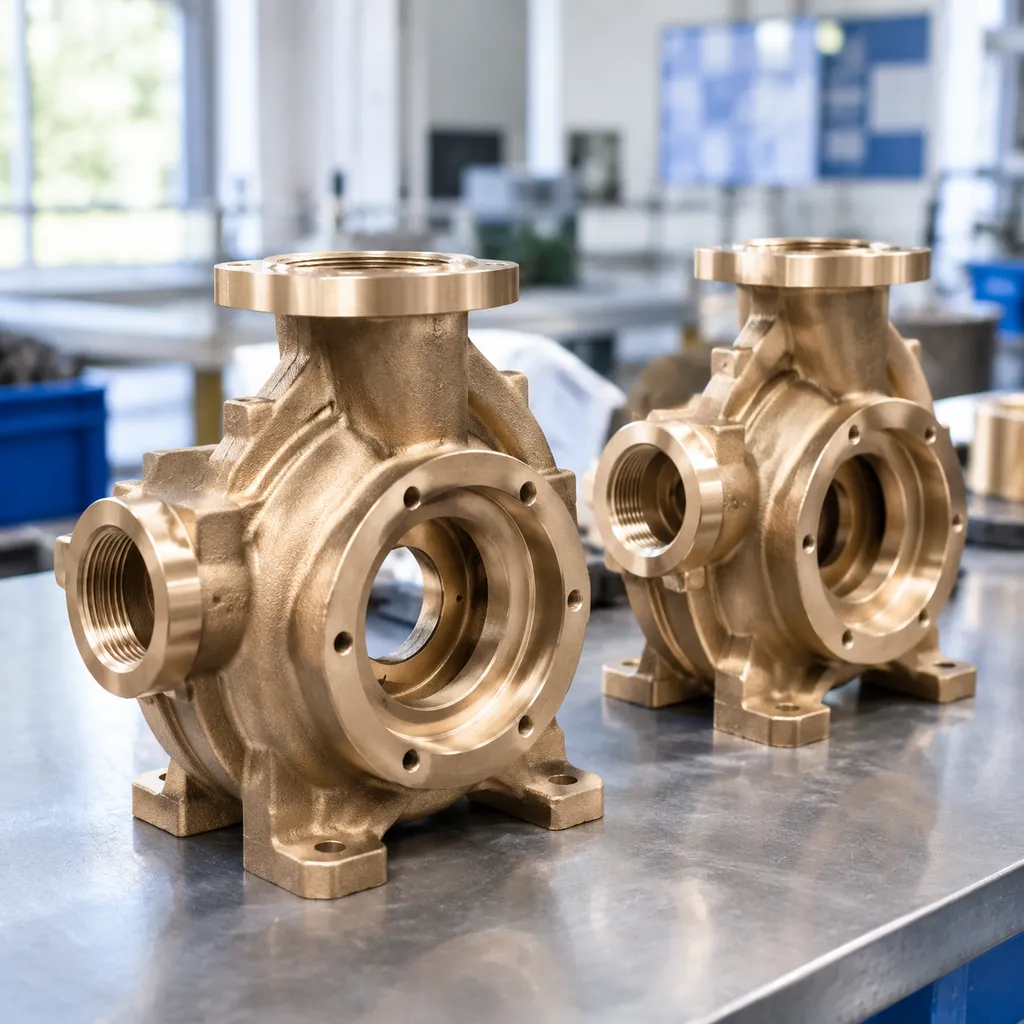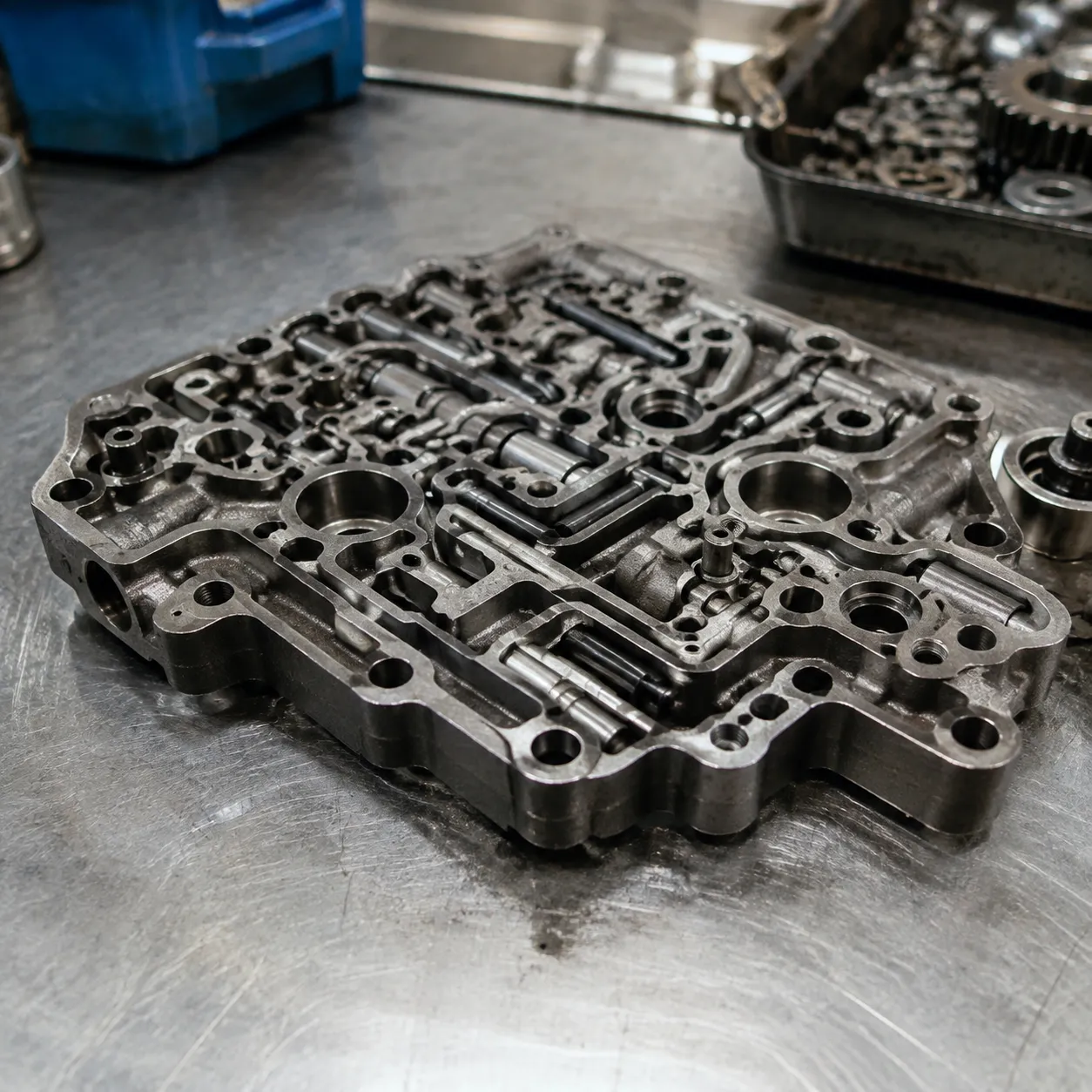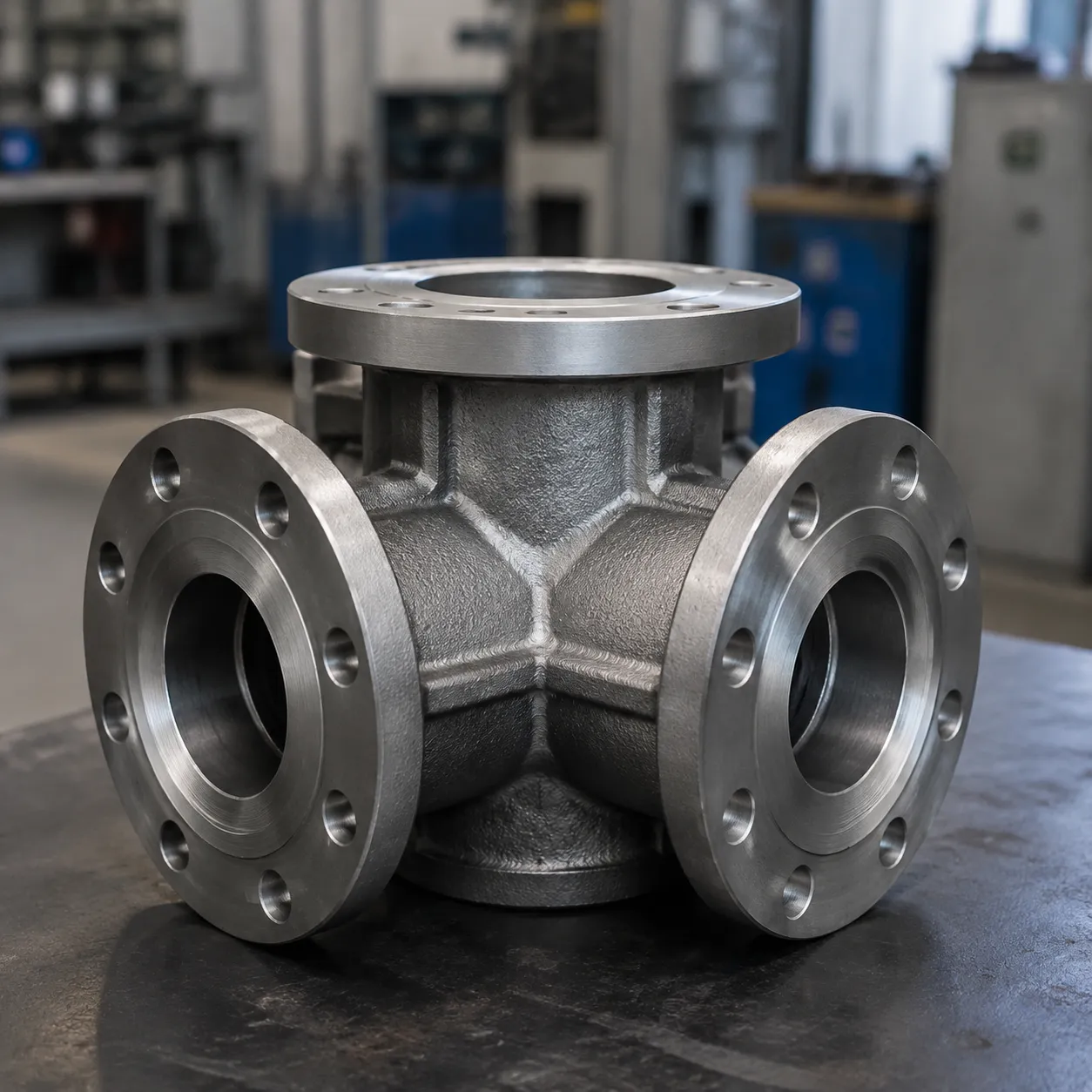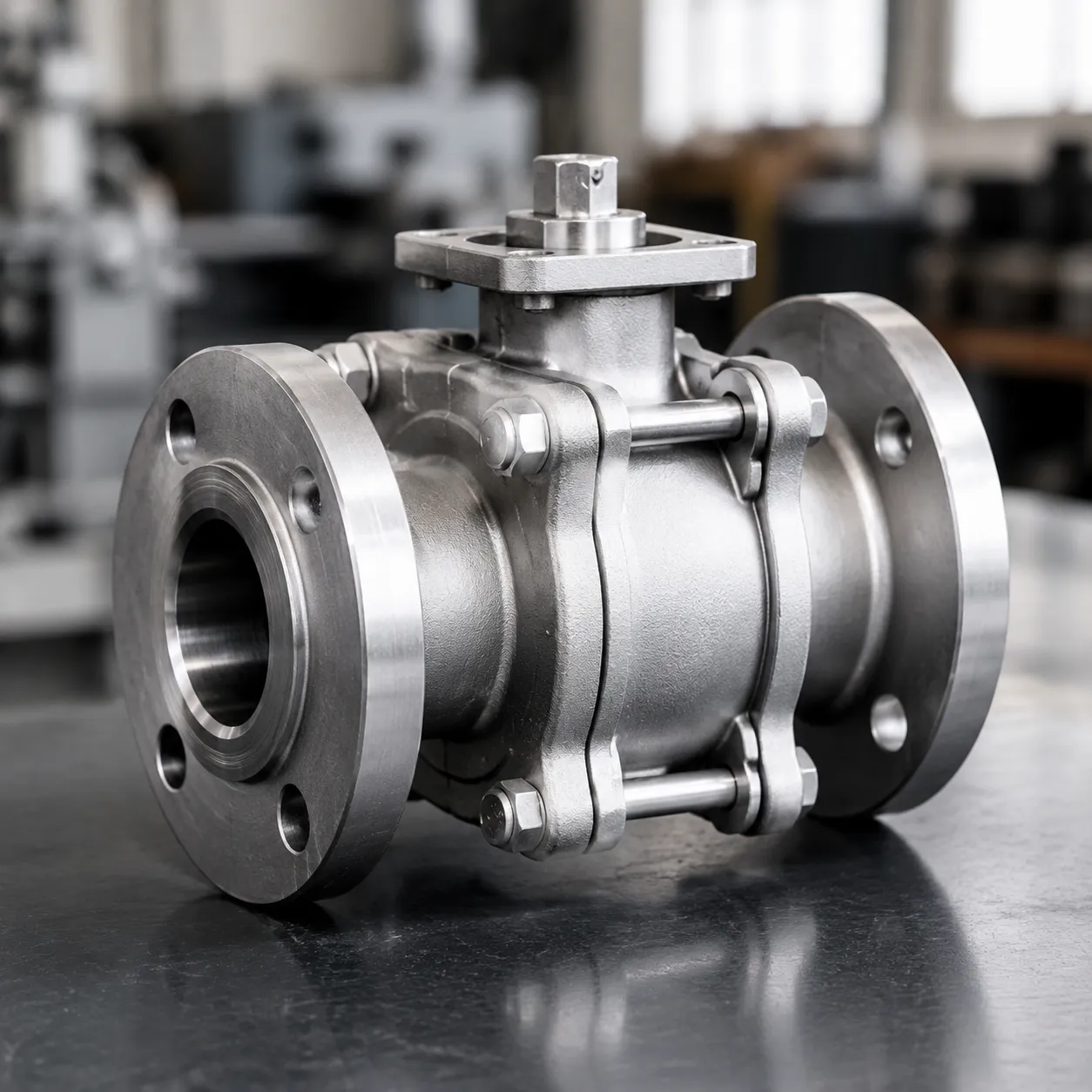
Overview
Martensitic Stainless Steel Product Overview
If you need high hardness stainless that you can heat treat like tool steel—but still expect reliable corrosion resistance—then martensitic stainless steel is likely what you’re looking for. This martensitic steel family (classic 400 series stainless steel) delivers a unique mix of strength, wear resistance, and moderate corrosion resistance in a fully magnetic stainless steel structure.
In my product lineup, I focus on martensitic stainless steel grades engineered for demanding, real-world service: hardened stainless steel for cutting edges, shaft material with tight dimensional control, and heat treatable stainless that holds up under load and abrasion. Once quenched and tempered, these martensitic stainless alloys reach high Rockwell hardness, making them ideal where wear resistant stainless steel is critical and standard austenitic grades fall short.
Who Uses Martensitic Stainless Steel?
This product range is built for engineers, buyers, and manufacturers in sectors where strength plus corrosion resistance is non-negotiable, including:
- Cutlery and knives – consumer and professional martensitic knife steel, cutlery grade stainless steel
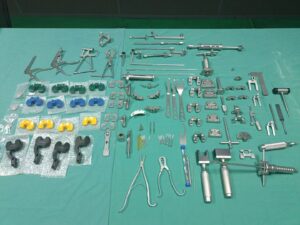
- Medical and surgical instruments – precision surgical instrument steel
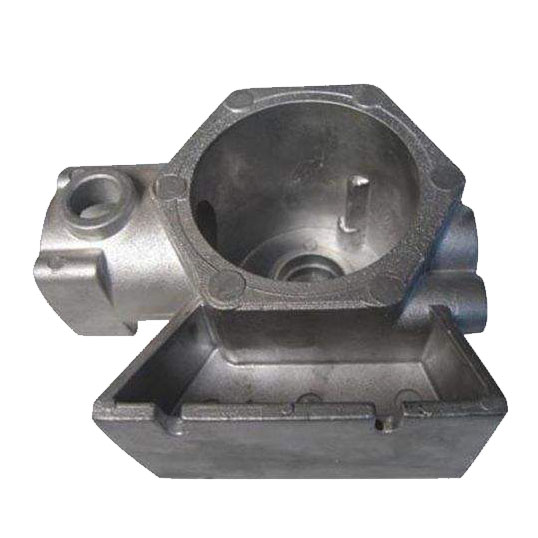
- Pumps, valves, and fittings – valve and pump stainless steel operating in mild media
- Rotating equipment and power – turbine blade material, shafts, and 431 stainless shaft material
- Tooling and molds – stainless steel for molds and tooling and wear parts
- Automotive and aerospace – quenched and tempered stainless components requiring magnetic stainless steel
Across these use cases, martensitic stainless steel offers a clear value proposition: heat treatable, high hardness stainless with dependable performance where both mechanical strength and basic corrosion resistance must be balanced in a cost-effective way.
Key Features and Benefits of Martensitic Stainless Steel
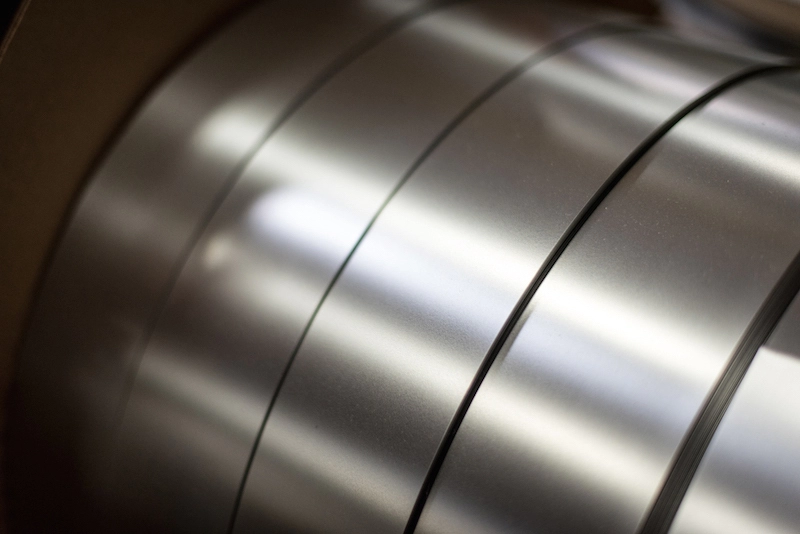
Martensitic stainless steel is my go‑to when customers in the U.S. need high hardness stainless with real-world toughness and reliable wear performance.
High Hardness and Strength After Heat Treatment
- Martensitic stainless steel is a heat treatable stainless that can be quenched and tempered to very high hardness (often up into the HRC 50+ range, depending on grade).
- This makes it ideal for martensitic knife steel, cutlery grade stainless steel, wear parts, and any application where edge retention or surface durability matters more than maximum corrosion resistance.
Wear and Abrasion Resistance
- Once hardened, martensitic steel delivers excellent wear and abrasion resistance, even under sliding, impact, or intermittent contact.
- That’s why it’s widely used in valve and pump stainless steel components, tooling, and moving parts that see repetitive loading or dirty service conditions.
Magnetic Behavior and Straight Chromium Structure
- Martensitic stainless is a magnetic stainless steel with a straight chromium (400 series) structure, so it behaves more like carbon steel in magnetic systems than austenitic grades do.
- This is a key advantage in applications where magnetic pickup, sensing, or fixturing is part of the design.
Moderate Corrosion Resistance
- As a straight chromium stainless, it offers moderate corrosion resistance in air, freshwater, and many mild industrial environments.
- It’s not on the same level as austenitic 300 series in chlorides, but with the right grade and finish it covers a lot of general-purpose “industrial stainless” needs in the U.S. market.
Toughness When Correctly Tempered
- When you temper it correctly after quenching, martensitic stainless steel balances high strength with usable toughness, reducing the risk of brittle failure.
- This makes quenched and tempered martensitic stainless a dependable choice for hardened stainless steel shafts, fasteners, and critical rotating parts.
If you’re comparing martensitic stainless to other high-performance alloys for demanding parts, it can pair well with options like our stainless steel product range for industrial applications depending on your target strength, corrosion level, and cost.
Martensitic Stainless Steel Grades Offered
We stock a full range of martensitic stainless steel grades so U.S. manufacturers can match the right material to the job instead of overpaying or compromising performance.
AISI 410 Martensitic Stainless Steel
AISI 410 is the workhorse martensitic stainless steel grade for general-purpose use.
- Good balance of strength, hardness, and cost
- Common choice for pump and valve stainless, structural parts, and basic shaft material
- Available in bar, plate, and machine-ready blanks
AISI 420 Martensitic Stainless Steel
AISI 420 is a classic cutlery grade stainless steel with higher carbon than 410.
- Higher hardness after heat treat for sharper, longer-lasting edges
- Used in knives, surgical instrument steel, molds, and wear parts
- Popular where you need hardened stainless steel with decent corrosion resistance
AISI 440C Martensitic Stainless Steel
AISI 440C is a premium high hardness stainless and wear resistant stainless steel.
- Very high hardness (HRC 58–60+ when properly heat treated)
- Excellent for martensitic knife steel, bearings, and precision components
- Ideal when you need maximum wear resistance in a heat treatable stainless alloy
Other Key Martensitic Steel Grades: 416 and 431
- 416 free machining stainless: Modified 410 with sulfur for much better machinability, perfect for high-volume turned parts and fasteners.
- 431 stainless shaft material: Higher strength and better toughness than 410; widely used for shafts, marine parts, and turbines where both strength and corrosion resistance matter.
If you’re comparing martensitic to other stainless families or alloy options, you can also look at our broader stainless and alloy steel range for mixed-material projects.
Custom Martensitic Stainless Steel Compositions
For OEMs and high-spec projects, we support custom martensitic stainless compositions:
- Tailored carbon and chromium for specific hardness and corrosion targets
- Fine-tuned chemistries for molds, tooling, powergen, and automotive programs
- Mill runs with full certification, testing, and repeatable heat-treat response
We position our martensitic stainless lineup for real-world U.S. production needs: consistent quality, predictable martensitic stainless properties, and reliable lead times from prototype to full-scale runs.
Chemical composition of martensitic stainless steel
Martensitic stainless steel is built around a straight chromium system with enough carbon to allow hardening by heat treatment. That’s what makes it a true martensitic steel and a go‑to hardened stainless steel for U.S. manufacturers.
Chromium and carbon ranges
Most martensitic stainless steel grades fall in these ranges:
- Chromium (Cr): ~11–18%
- Carbon (C): ~0.08–1.10%
In simple terms:
- Higher carbon = higher hardness and wear resistance after quench and temper.
- Higher chromium = better corrosion resistance, but it must stay in solution and not all locked up in carbides.
Key alloying elements and grade differences
Typical martensitic stainless composition also includes:
- Manganese (Mn): ~1% max – helps with deoxidation and strength.
- Silicon (Si): ~1% max – improves strength and oxidation resistance.
- Molybdenum (Mo): 0–1.5% – boosts pitting resistance and high‑temperature strength.
- Nickel (Ni): up to ~2.5% in some grades like 431 – adds toughness and some corrosion resistance.
- Sulfur (S): added in 416 free‑machining stainless (around 0.15%) to improve machinability, at the cost of some toughness and corrosion resistance.
This is why:
- 410 stainless steel (low C, ~11.5–13.5% Cr) is a balanced, general‑purpose martensitic stainless.
- 420 stainless steel (higher C, ~12–14% Cr) reaches higher hardness, ideal for cutlery grade stainless steel and surgical instrument steel.
- 440C stainless steel (high C, ~16–18% Cr) delivers very high hardness and wear resistance, common in martensitic knife steel and precision bearings.
How composition affects hardness and corrosion
The chemistry directly drives performance:
- Hardness & strength
- More carbon and chromium carbides = higher achievable HRC after quench and temper.
- Grades like 440C can reach very high hardness for wear resistant stainless steel applications.
- Corrosion resistance
- More chromium and molybdenum = better resistance in air, water, and mild chemicals.
- Too much carbon without proper processing can form excess carbides and reduce effective chromium, lowering corrosion resistance.
- Machinability vs performance
- Sulfur in 416 improves machining for U.S. job shops and OEMs, but slightly reduces toughness and corrosion resistance compared with cleaner grades like 410 or 420.
For near‑net‑shape parts or complex geometries, we also support custom martensitic stainless compositions through our stainless steel casting capabilities, using controlled chemistries similar to those used in high‑quality stainless steel cast components.
Mechanical properties of martensitic stainless steel
Martensitic stainless steel is all about strength, hardness, and wear resistance after heat treatment. That’s why it’s a go-to hardened stainless steel for U.S. manufacturers who need performance, not just corrosion resistance.
Strength by martensitic stainless steel grade
Typical room-temperature mechanical properties (quenched & tempered):
- 410 martensitic stainless steel
- Tensile strength: ~ 700–1,100 MPa (100–160 ksi)
- Yield strength: ~ 450–900 MPa (65–130 ksi)
- 420 martensitic stainless steel (higher carbon)
- Tensile strength: ~ 800–1,300 MPa (115–190 ksi)
- Yield strength: ~ 550–1,000 MPa (80–145 ksi)
- 440C martensitic stainless steel (high hardness stainless)
- Tensile strength: can exceed 1,900 MPa (275+ ksi) at high hardness
- Yield strength: typically 1,300+ MPa (190+ ksi)
Values vary with section size, exact martensitic stainless composition, and heat treatment, but across the board martensitic steel delivers far higher strength than standard austenitic 304/316.
Hardness after quench and temper (HRC)
After proper austenitizing, quenching, and tempering, martensitic stainless alloys reach:
- 410 stainless: ~ HRC 30–45
- 420 stainless: ~ HRC 48–52 (up to ~54 in some cases)
- 440C stainless: ~ HRC 56–60+ (typical knife and bearing range)
Higher tempering temperature = lower hardness but better toughness. Lower tempering temperature = higher hardness and wear resistance, but reduced impact toughness.
Impact toughness and elongation
Martensitic stainless properties are very dependent on hardness:
- At high hardness (HRC 50+)
- Low elongation (often <10%)
- Limited impact toughness; not ideal for heavy shock loads
- At moderate hardness (HRC 30–40)
- Better elongation (10–15% or more depending on grade)
- Much improved impact resistance and resistance to brittle failure
In critical applications (turbine blade material, valve and pump stainless steel components), we dial in the heat treatment to balance strength with enough toughness for real-world service.
Annealed vs quenched and tempered martensitic stainless
Martensitic stainless steel behaves very differently in the annealed state compared to quenched and tempered:
- Annealed condition
- Lower tensile and yield strength
- Lower hardness (~HB 170–220, roughly HRC below 20)
- Much higher ductility and easier machining/forming
- Quenched and tempered condition
- High strength and high hardness (true quenched and tempered stainless)
- Reduced elongation and more notch-sensitive
- Designed for wear, load, and dimensional stability in service
For U.S. customers, we typically supply 410 stainless steel bar, 420 stainless steel plate, and 440C stainless steel round bar in a condition that matches your process: annealed for machining, or fully heat treated where you need finished performance. If you’re combining martensitic stainless components with high-temperature alloys in the same system, it often makes sense to review both mechanical and thermal behavior together, similar to how we approach our high-temperature alloy products.
Physical properties of martensitic stainless steel
Martensitic stainless steel (400 series) gives a strong mix of stability, heat resistance, and magnetic behavior that works well in real-world U.S. manufacturing and OEM environments.
- Density: Most martensitic stainless grades (410, 420, 440C, 431) sit around 7.7–7.8 g/cm³ (0.278–0.282 lb/in³). This makes them slightly lighter than carbon steel but still heavy enough for solid, rigid components like shafts, fasteners, and custom alloy steel flanges.
- Thermal conductivity: Compared with carbon steel, martensitic stainless steel has moderate thermal conductivity, typically 20–25 W/m·K at room temperature. That works well for:
- Mold and tooling inserts that need controlled heat flow
- Pump and valve parts that see temperature swings but must hold tolerances
- Electrical resistivity: Martensitic stainless alloys are more electrically resistive than carbon steel, usually around 0.6–0.8 µΩ·m. They’re not used as conductors, but this higher resistivity helps in some sensing, heating, and power-generation hardware where controlled resistance is a plus.
- Thermal expansion & dimensional stability: Coefficients of thermal expansion are typically 9.5–11.0 × 10⁻⁶ /°F (17–20 × 10⁻⁶ /°C) from room temp to a few hundred °F. In practice, that means:
- Parts stay dimensionally stable under normal operating temperatures
- Quenched and tempered martensitic steel holds tighter tolerances than many high-alloy tool steels when cycled hot and cold
- Magnetic permeability: Martensitic stainless steel is strongly magnetic in both annealed and hardened states. Permeability is higher than austenitic stainless, so it’s a good fit when you need:
- Magnetic response for sensors, couplings, and holding fixtures
- A magnetic stainless steel with better hardness and wear resistance than mild steel
These physical properties make martensitic stainless steel a smart choice for hardened stainless steel components where weight, heat flow, and magnetic behavior all matter.
Heat Treatment of Martensitic Stainless Steel
Heat treatment is what turns martensitic stainless steel from “just stainless” into a true hardened stainless steel with high wear resistance and strength. Done right, you get the hardness you need without killing toughness.
Austenitizing: Temperatures & Soak Time
For most martensitic stainless steel grades (410, 420, 440C, 431, etc.):
- Austenitizing range: typically 950–1100°C (1740–2010°F) depending on grade and carbon level
- Common practice:
- 410 / 416: ~980–1010°C (1795–1850°F)
- 420: ~980–1040°C (1795–1900°F)
- 440C: ~1040–1100°C (1900–2010°F)
- Hold time: usually 20–45 minutes at temperature after parts are uniformly hot (longer for thicker cross-sections)
- Goal: fully dissolve carbides, form a uniform austenite, and prep the microstructure for maximum hardness on quench.
Quenching: Media & Cooling Practice
To form martensite, these steels must be cooled fast enough from austenitizing:
- Oil quench is common for 410, 420, 431 to reduce cracking risk.
- High-pressure gas quench (vacuum furnaces) is popular in US shops for distortion control on 440C and precision parts.
- Air or interrupted quench can work for lower-carbon martensitic grades or less demanding hardness targets.
- Keep parts separated, avoid sharp corners when possible, and use fixtures to control distortion, especially for knife steel and pump/valve components.
Tempering: Target Hardness vs. Toughness
Tempering converts brittle as-quenched martensite into a more stable structure and tunes hardness:
- Typical tempering range: 150–600°C (300–1110°F)
- Low temper (300–400°F / 150–200°C):
- Maximum hardness for cutlery grade stainless steel and surgical instrument steel
- 420: ~50–54 HRC; 440C: up to 58–60 HRC
- Medium temper (400–600°F / 200–315°C):
- Used where a balance of strength and toughness is needed (shafts, turbine parts, fasteners)
- Slight drop in hardness, noticeable gain in toughness
- High temper (600–1110°F / 315–600°C):
- More toughness and stress relief for valve and pump stainless steel and structural components
- Hardness drops further but parts are more forgiving in service.
Double tempering is common on higher-carbon martensitic stainless steel grades like 440C to stabilize retained austenite and improve dimensional stability.
Balancing Hardness, Strength, and Ductility
In real-world US applications, you rarely chase maximum HRC alone—you balance performance against risk:
- Knives, cutting tools, surgical instruments:
- Higher hardness, lower tempering temps, strict control of quench and grind to avoid edge cracking.
- Shafts, pump parts, turbine blade material, fasteners:
- Medium hardness, higher tempering temps to boost toughness and resistance to shock loading.
- Mold and tooling applications:
- Focus on wear resistant stainless steel with stable hardness plus good polishing behavior.
We support full heat-treatable stainless solutions from raw material through cast or forged shapes. For parts that need both precision geometry and optimized microstructure, we often supply near-net martensitic stainless components via our investment casting of steel alloy parts, then fine-tune properties with tailored heat treatment cycles.
Applications of Martensitic Stainless Steel
Martensitic stainless steel is our go-to when customers in the U.S. need high hardness stainless with real-world toughness and controlled corrosion resistance. Here’s where these martensitic stainless steel grades win in day-to-day industrial use.
Cutlery, knives, and surgical instruments
We use 410, 420, and 440C martensitic stainless steel for:
- Kitchen knives, hunting knives, and cutlery – high edge hardness, good wear resistance, and easy re-sharpening.
- Surgical instruments and medical tools – stable hardness after heat treatment and consistent performance under repeated sterilization.
For demanding medical implants and precision components, solutions like our knee and femoral condyle implant materials show how controlled hardness and corrosion resistance matter in real use (see our advanced femoral condyle implant components).
Pumps, valves, and shaft components
Martensitic stainless is a proven valve and pump stainless steel for:
- Pump shafts, valve stems, and seats
- Rotors and couplings in fluid systems
Grades like 410 and 431 stainless shaft material offer a strong mix of strength, hardness, and moderate corrosion resistance in water, steam, and mild chemical service.
Turbine blades, bearings, and power generation parts
In power and energy, martensitic steel works well where wear, temperature, and stress are all in play:
- Turbine blades and buckets
- Bearings, rings, and wear parts
- Power generation components in fossil and some nuclear power applications
Here, quenched and tempered stainless gives high strength, reliable fatigue resistance, and magnetic behavior for monitoring and control systems.
Industrial molds, tooling, and fasteners
For industrial tooling, we supply martensitic stainless alloy for:
- Plastic molds, die components, and tooling inserts
- High-strength stainless fasteners and wear plates
The combination of high hardness, dimensional stability after heat treatment, and straight chromium stainless chemistry makes it ideal for repeated impact and sliding wear.
Aerospace and automotive martensitic components
In the U.S. aerospace and automotive markets, martensitic stainless is a staple for:
- Drive shafts, gear components, and transmission parts
- Actuator parts, pins, and structural hardware
- High-load fittings and brackets
Designers pick martensitic stainless steel when they need magnetic stainless steel with tight dimensional control, strong fatigue resistance, and the ability to dial in hardness through heat treatment without jumping to exotic alloys.
Corrosion resistance of martensitic stainless steel
Martensitic stainless steel gives you moderate corrosion resistance with high hardness, which is why it’s so popular for knives, pumps, and mechanical parts in the U.S. that see wear and only mild corrosive exposure.
Performance in air, freshwater, and mild chemicals
In typical service, martensitic stainless steel holds up well:
| Environment | Performance (410 / 420) | Notes |
|---|---|---|
| Dry indoor air | Very good | Minimal rust risk with basic care |
| Outdoor air (non-marine) | Good | Light staining if not cleaned |
| Freshwater (non-stagnant) | Good | Common for shafts, pumps, valves |
| Mild alkaline/neutral cleaners | Fair–Good | Avoid long-term soaking |
| Light industrial atmosphere | Fair–Good | Wipe-down and oiling recommended |
For more aggressive media or higher corrosion demands, we’ll usually point customers to austenitic grades or alternative alloys like our corrosion-resistant titanium alloys.
Comparison with austenitic and ferritic stainless steels
- Versus austenitic (304, 316):
- Much harder and stronger when heat treated
- Lower corrosion resistance, especially in chloride and acidic environments
- Magnetic, easier to detect and handle in many industrial setups
- Versus ferritic (430, etc.):
- Higher strength and wear resistance
- Corrosion resistance is similar or slightly lower, depending on grade and condition
Limits in chloride-rich and aggressive environments
Martensitic stainless is not a marine or heavy-chemical workhorse:
- Weak spots:
- Saltwater, sea spray, de-icing salts (road brine)
- Strong acids, chlorides, bleach-type cleaners
- Tight crevices and stagnant water
- Risks:
- Pitting and crevice corrosion
- Stress corrosion cracking under load in chloride media
If your part lives near the coast, in chemical plants, or in salt-heavy service, we usually recommend a different stainless or even copper-based alloys from our copper alloy portfolio.
Surface finishing and maintenance tips
You can stretch the life of martensitic stainless steel with basic finishing and care:
- Best finishes:
- Fine ground or polished (less surface roughness = less corrosion sites)
- Passivated to remove free iron and boost corrosion resistance
- Simple maintenance (especially for U.S. shop and field use):
- Rinse off salt, coolant, and dirt regularly
- Dry parts instead of leaving them wet or submerged
- Use non-chloride cleaners where possible
- Light oil or corrosion inhibitor on critical edges, tools, and shafts
Handled right, martensitic stainless steel delivers a solid balance of corrosion resistance, hardness, and wear performance for real-world American manufacturing and end-use conditions.
Machining martensitic stainless steel
Machinability of 410, 420, 440C martensitic steel
410, 420, and 440C martensitic stainless steel all machine differently, and that matters a lot for your cycle time and tooling cost:
- 410 stainless steel bar and plate – Best machinability of the three. Machines similar to a medium-carbon steel when supplied in the annealed or normalized condition.
- 420 martensitic stainless – Higher carbon means higher hardness and more tool wear. Keep it in the annealed state for heavy machining, then heat treat.
- 440C hardened stainless steel – Very abrasive once hardened (high carbon + high chromium carbides). Rough machine before heat treat whenever possible and reserve hard machining for finishing only.
For U.S. job shops doing knife parts, small tooling, or precision components, I usually recommend machining these grades in the annealed or sub-critical tempered condition to protect tools and improve chip control.
Advantages of free-machining martensitic 416
If you want martensitic stainless with real productivity, 416 free-machining stainless is the workhorse:
- Sulfur additions give excellent chip break and shorter cycle times
- Lower tool wear compared with 410 and 420 in similar hardness
- Ideal for high-volume turned parts like shafts, valve components, and fasteners
- Still heat treatable to a useful hardness, though not as high as 420 or 440C
Whenever a customer asks for a “machinable 410,” I usually point them to 416 free machining stainless if the application allows sulfur and slightly lower corrosion resistance.
For complex cutlery or custom blade work where grip design and fine details matter, we often pair our stainless with premium finishing like the ones used in our gold titanium alloy knife machining service.
Cutting tools, speeds, and coolant tips
To get consistent results when machining martensitic stainless steel grades like 410, 420, 440C, and 416:
Cutting tools
- Use carbide inserts or solid carbide tools for production work
- Apply coated carbide (TiAlN, AlTiN) for 420 and 440C, especially in dry or high-heat operations
- For drilling and tapping, use high-quality cobalt HSS or coated HSS
Speeds and feeds (starting points)
- 410 / 420 (annealed):
- Carbide turning: 250–450 SFM, moderate feeds
- HSS drilling: 30–60 SFM
- 440C (annealed):
- Carbide turning: 150–300 SFM
- HSS drilling: 20–40 SFM
- 416 free machining:
- Carbide turning: 350–600 SFM (can push higher with good rigidity)
Always tune speeds to your machine rigidity, setup, and tool grade.
Coolant and process tips
- Run plenty of coolant – preferably high-pressure, water-soluble cutting fluid
- Keep tools sharp; don’t “nurse” dull tools on 440C or you’ll spike heat and work hardening
- Avoid rubbing – use positive feeds and avoid too-light cuts
- For tapping, use form taps or high-performance cut taps with strong lubrication
If you need help dialing in feeds/speeds for a specific martensitic stainless steel grade or part geometry, I can walk you through a setup that balances tool life with throughput.
Welding martensitic stainless steel
Welding martensitic stainless steel (410, 420, 440C, 431, etc.) takes more care than austenitic grades, but it’s very manageable if you control heat input and follow the right steps.
Weldability challenges and cracking risks
Martensitic stainless is hardenable and has higher carbon, which makes it prone to:
- Cold cracking and hydrogen cracking in the heat-affected zone
- Hard, brittle microstructures if it cools too fast after welding
- Loss of corrosion resistance if welds aren’t properly tempered
To reduce cracking risks on martensitic steel and hardened stainless steel, we keep heat input moderate, avoid high restraint joints, and use low-hydrogen processes and consumables.
Preheating and post-weld heat treatment
For most martensitic stainless steel grades, we use:
- Preheat: typically 400–600°F (200–315°C) depending on grade and section size
- Interpass control: keep the joint warm and avoid big temperature swings
- Post-weld heat treatment (PWHT): tempering after welding to restore toughness, reduce hardness, and relieve stress
On critical parts like shafts, turbine components, or valve bodies, PWHT is essential to balance hardness, strength, and ductility.
Filler metal selection for martensitic grades
Choosing the right filler is key for reliable martensitic stainless welds:
- Match or slightly overmatch strength with martensitic fillers for 410, 420, 431
- Use austenitic stainless fillers (e.g., 309/310) when you need better crack resistance or are joining to carbon steel
- Favor low-hydrogen electrodes and wires designed for quenched and tempered stainless
If you’re combining welded martensitic parts with CNC-turned components, aligning the weld procedure with your machining plan can save a lot of finishing time; we often recommend pairing this with optimized setups from our CNC turning process and materials guide.
Available Forms and Specifications for Martensitic Stainless Steel
We stock and process martensitic stainless steel in the most common industrial forms so you can match the grade to your part design without extra hassle.
Common Product Forms
Our martensitic stainless steel products are available as:
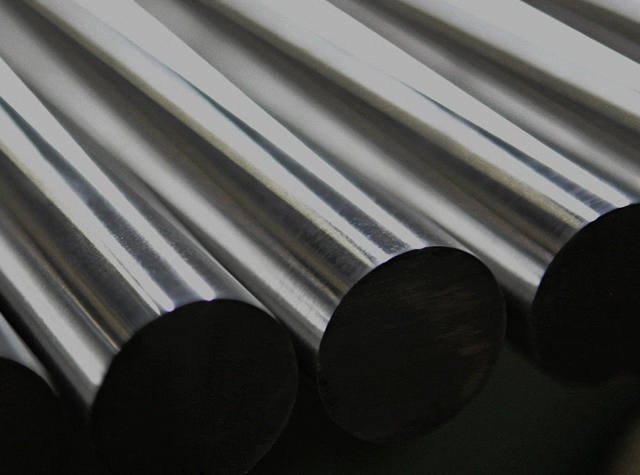
- Bars: round, hex, and square bar for shafts, fasteners, and machined components
- Plates & Sheets: for wear plates, cutlery blanks, tooling, and structural parts
- Coils & Strips: for springs, knives, blades, and stamped parts
- Custom Forgings & Near-Net Shapes: forged rings, blocks, and shaped parts to cut your machining time and material waste
Alongside stainless, we also support precision metal supply across other alloys through our broader industrial metal products catalog.
Standards and Specifications
We supply martensitic stainless steel grades in full compliance with major standards, including:
- AISI / SAE: traditional 400 series martensitic stainless grades (410, 420, 440C, 416, 431, etc.)
- ASTM: common specs such as ASTM A276 for stainless steel bars and shapes
- UNS: unified numbering for clear grade identification and traceability
- EN / ISO equivalents: for projects with European or global engineering requirements
Every martensitic stainless steel grade can be ordered with mill certs and test reports so your team can match chemistry, mechanicals, and specs to your print without compromise.
Choosing a Martensitic Stainless Steel Supplier
Picking the right martensitic stainless steel supplier matters more than most people think. It affects part quality, delivery reliability, machining performance, and total cost.
Quality Control & Certification
For martensitic stainless steel (410, 420, 440C, 416, 431, etc.), I always lock in tight quality control:
- Mill test reports (MTRs) with full chemical analysis and mechanical properties
- Heat traceability from melt to finished bar, plate, or forging
- Certs on request: ASTM, AISI, UNS, EN, RoHS/REACH if needed
- In-house or third-party testing: hardness, tensile, impact, microstructure
You should be able to get certificates and test reports quickly, not hunt them down after the fact.
Stable Supply, Pricing, and Logistics
For US customers, reliability is everything:
- Local stock of common martensitic stainless grades and sizes
- Predictable lead times for custom sizes and alloy casting or near-net shapes
- Locked-in pricing windows for big programs and repeat buys
- Flexible shipping: LTL, full truckload, or export packing for global plants
That combination keeps your line running and your cost per part under control.
Technical Support for Grade Selection & Design
Martensitic stainless steel can be tricky. You want a supplier who actually understands it, not just resells it:
- Help choosing between 410, 420, 440C, 416, 431 based on hardness, corrosion, and machinability
- Recommendations on heat treatment, surface finish, and allowable tolerances
- Support for casting solutions when you need complex shapes, including options like precision lost-wax casting
- Feedback on design-for-manufacturing (DFM) so parts run cleanly in US machine shops
That’s how you get martensitic stainless steel that actually works in your application, not just looks good on a spec sheet.
Technical data sheets for martensitic stainless steel
I provide complete technical data sheets for every martensitic stainless steel grade we supply, so your engineers and buyers can move fast and make clean decisions.
Grade‑specific martensitic stainless steel data
You’ll get grade-focused sheets for each martensitic stainless steel grade (410, 420, 440C, 416, 431 and specials), including:
| Section | What’s Included (Typical) |
|---|---|
| Chemical composition | C, Cr, Ni, Mo, Mn, Si, S, P ranges + martensitic stainless composition notes |
| Mechanical properties | Tensile, yield, elongation, impact, hardness by condition |
| Physical properties | Density, thermal expansion, thermal conductivity, resistivity |
| Product forms | Bar, plate, sheet, coil, forging, near-net shapes |
| Standards | AISI / ASTM / UNS / EN equivalents for martensitic steel |
Where needed, we also include property curves (e.g., hardness vs tempering temperature) to help you dial in performance on quenched and tempered martensitic stainless steel.
Heat treatment and processing guides
For heat treatable stainless grades, we add simple, shop-friendly processing guides:
- Austenitizing ranges and soak times by martensitic stainless steel grade
- Recommended quench media (oil, air, polymer) and cooling rates
- Tempering charts for target HRC levels and toughness balance
- Notes on distortion control, preheat, and stress relief for hardened stainless steel
If you’re building or optimizing a process route, our guides pair well with the broader process and alloy guidance in our casting and alloy selection resource.
Material certificates and test reports
Every shipment can ship with full traceable documentation:
- Mill test certificates (MTC / MTR) with actual heat chemistry
- Mechanical test reports (tensile, hardness, impact if ordered)
- Heat treatment records for quenched and tempered martensitic stainless
- Additional testing (UT, PT, microstructure, corrosion) on request
All documents are backed by our in‑house inspection and lab workflow, aligned with the testing practices shown in our testing and quality control overview.
Martensitic Stainless Steel FAQ
Difference: martensitic vs austenitic stainless
| Feature | Martensitic Stainless Steel | Austenitic Stainless Steel |
|---|---|---|
| Microstructure | Martensite (heat treatable) | Austenite (non–heat-treatable) |
| Magnetic? | Yes, strongly magnetic | Typically non-magnetic (may be slight) |
| Hardness | Can be very hard after heat treatment | Medium hardness, not hardenable by quench |
| Corrosion resistance | Moderate to good | Generally higher, especially 304/316 |
| Main use | Knives, tools, shafts, wear parts | Tanks, piping, food equipment, structures |
If you need high hardness + wear resistance, martensitic steel is usually the better choice. If you need top-end corrosion resistance and formability, austenitic wins.
Maximum hardness for key martensitic stainless grades
Typical maximum hardness after proper quench and temper:
| Grade (martensitic stainless) | Max Hardness (approx.) |
|---|---|
| AISI 410 | ~ HRC 40–45 |
| AISI 420 (high C) | ~ HRC 50–54 |
| AISI 440C | ~ HRC 58–60+ |
| AISI 431 | ~ HRC 35–40 |
Actual values depend on section size, heat treatment, and tempering temperature. We review each application and heat treat spec with you before production.
Food and medical suitability
- Food contact:
- 420 and 440-type martensitic stainless are widely used in cutlery, blades, and some food-processing tools.
- For wet, salty, or acidic food environments, austenitic grades (like 304/316) are usually preferred for better corrosion resistance.
- Medical use:
- Certain martensitic grades (like specific 420/440 variants) are used for surgical instrument steel because of their hardness and edge retention.
- Biocompatibility and surface finish must meet FDA and relevant standards; we follow customer drawings and specs closely.
For project-specific compliance questions, we usually walk customers through requirements similar to what we cover in our detailed material FAQs and support resources.
Lead times and availability by size and grade
Lead time depends on grade, size, and processing:
| Item | Typical Situation (US customers) |
|---|---|
| Stock bar / plate (410 / 420) | Often ready or short lead |
| 440C round bar & precision | Usually 2–4 weeks with processing |
| Custom sizes / forged shapes | Typically 4–8+ weeks, project-based |
| Heat treated / machined parts | Add 1–3 weeks for processing |
We keep core 400 series stainless steel sizes flowing with stable pricing and can lock in delivery windows for repeat orders so your production schedule stays predictable.