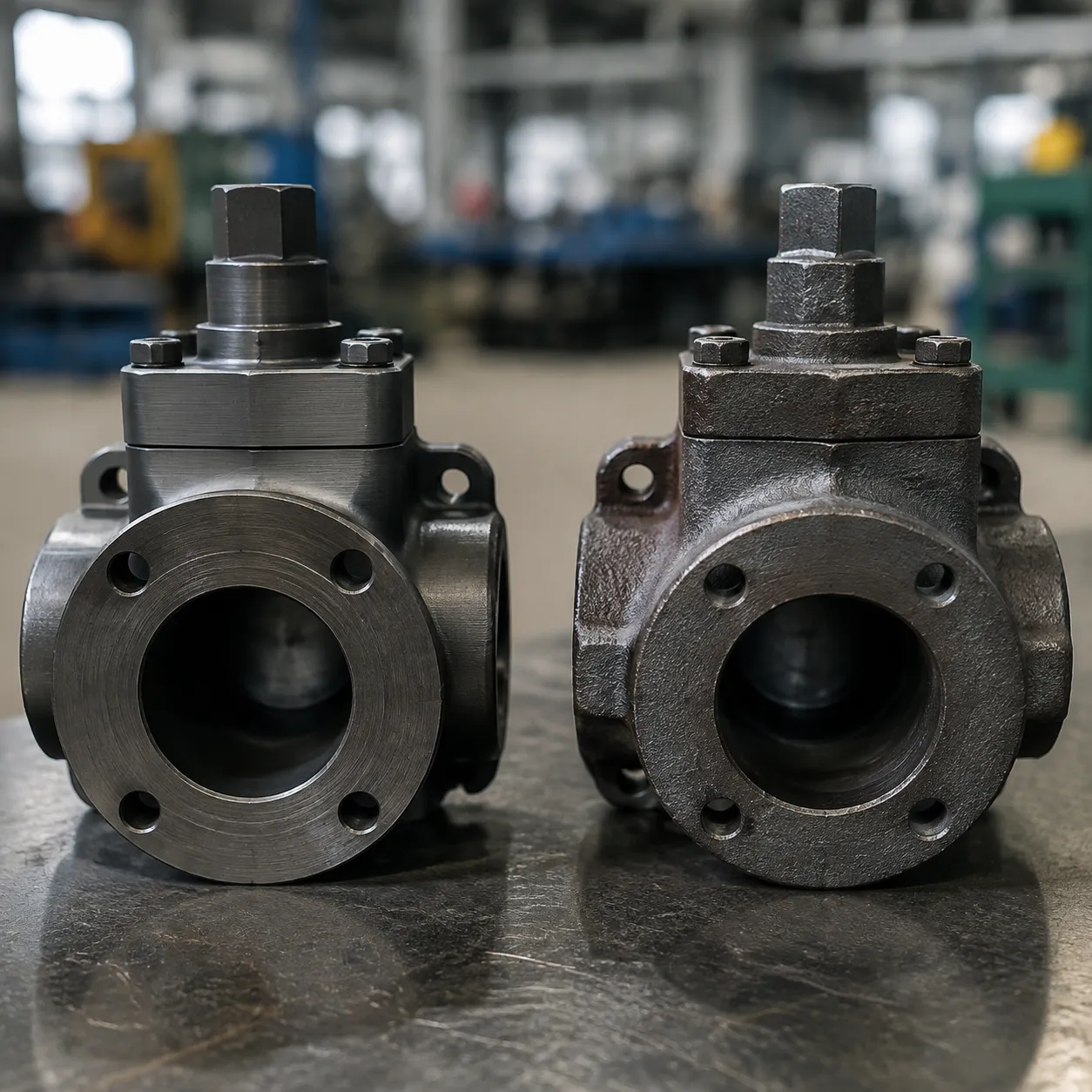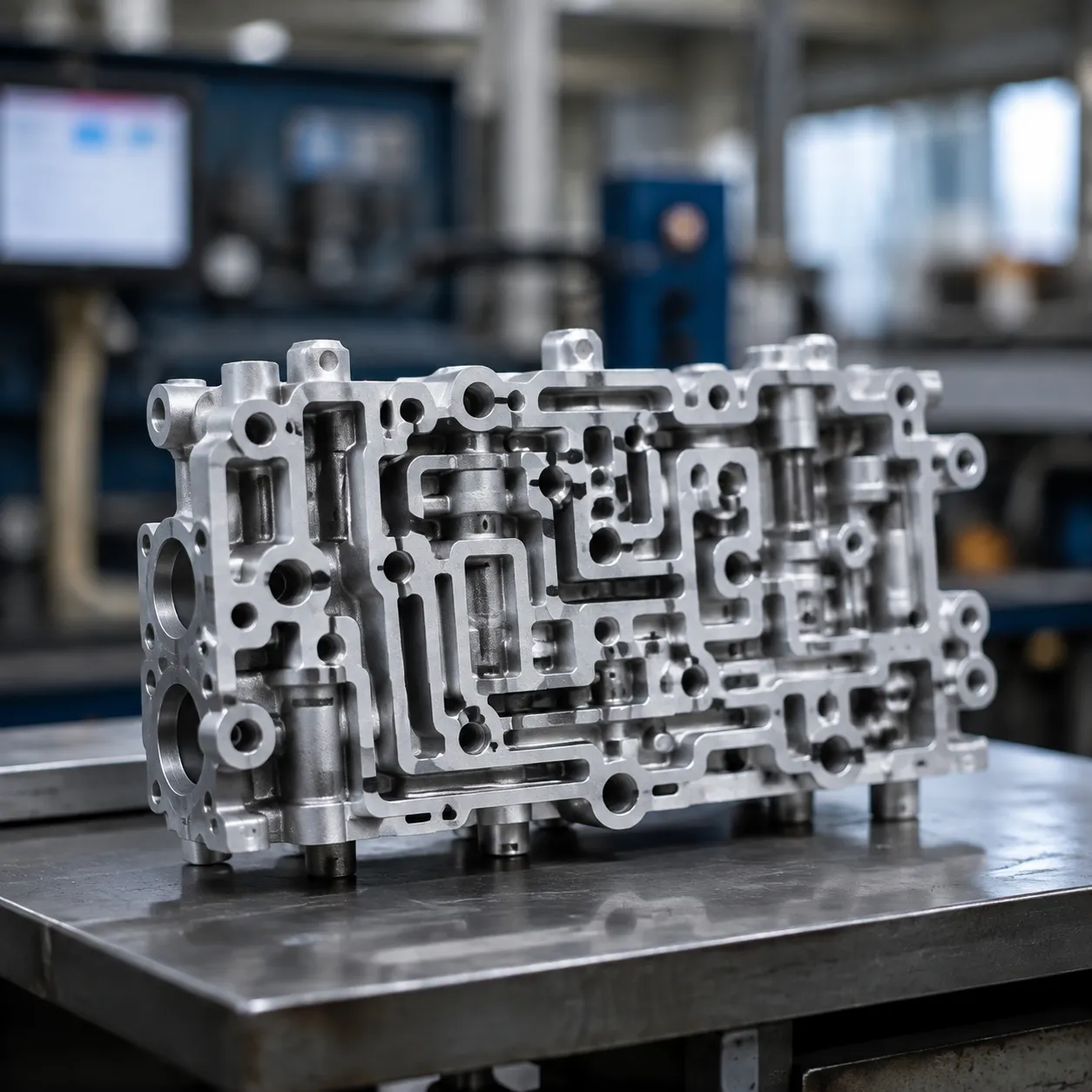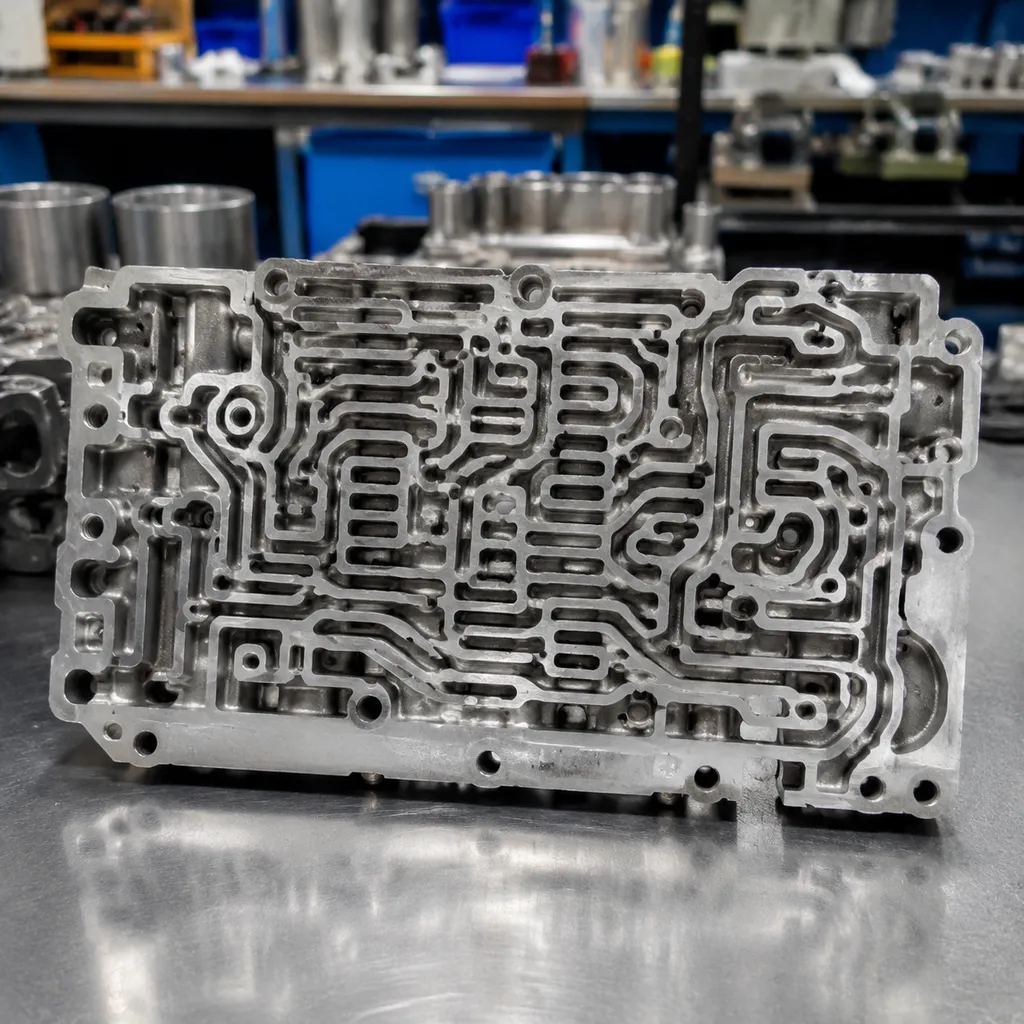

Optimize production with machining casting. Learn how combining precision CNC and casting cuts costs and ensures tight tolerances for complex parts.
You might already know that raw castings rarely meet aerospace-grade tolerances straight from the mold.
But machining complex parts entirely from solid billet? That destroys your budget and wastes material.
There is a smarter way.
By mastering machining casting, you get the best of both worlds: the cost-efficiency of near-net shapes and the extreme precision of CNC finishing.
In this post, you’re going to learn exactly how to bridge the gap between the foundry and the machine shop to deliver high-performance components for less.
Let’s dive in.
Why Cast Then Machine? The Technical & Economic Advantages
Are you tired of seeing 80% of your expensive raw material turn into scrap on the shop floor? That is the expensive reality of machining complex parts entirely from solid billet. At Vastmaterial, we use machining casting strategies to bridge the gap between high-volume production and precision engineering.
By combining the geometric freedom of casting with the high accuracy of CNC machining, we deliver components that are both structurally superior and cost-effective.
Near-Net-Shape Efficiency
The primary advantage of near-net-shape casting is massive material conservation. Instead of carving a complex shape out of a solid block, we cast the metal to within millimeters of the final geometry.
- Material Savings: We typically reduce material removal requirements by 60–80%.
- Cycle Time: Less material to remove means significantly shorter machining cycles.
- Tool Life: Reduced cutting load extends the lifespan of expensive CNC tooling.
Cost Breakdown: Casting vs. Billet Machining
Deciding between cast then machined workflows and machining from solid depends on volume and complexity. Here is how the costs generally break down:
| Cost Factor | Machining from Solid (Billet) | Machining Casting (Hybrid) |
|---|---|---|
| Material Waste | High (High scrap rate) | Low (Recyclable runners/gates) |
| Initial Tooling | Low (Standard workholding) | Medium/High (Mold/Pattern creation) |
| Per-Piece Labor | High (Longer run times) | Low (Rapid finishing passes) |
| Scalability | Linear costs (Expensive at volume) | Economies of scale (Cheaper at volume) |
Achieving Precision Tolerances & Strength
While casting creates the shape, casting machining perfects the fit. Casting alone cannot hold the tight tolerances required for bearing surfaces or sealing faces. However, it offers metallurgical advantages that wrought billet often lacks.
- Microstructure: Cast structures are isotropic, meaning they have uniform strength in all directions, unlike the directional grain flow of rolled billet.
- Complex Geometries: We can cast internal undercuts and complex cores that are physically impossible to machine from the outside.
- Precision Finishing: We use CNC machined castings protocols to hit critical tolerances (e.g., ±0.005mm) on specific features while leaving non-critical surfaces as-cast to save money.
When to Choose Cast + Machine vs. Solid CNC
Not every part requires a mold. We recommend transitioning to a machined castings workflow when:
- Volume: Production runs exceed 50–100 units (offsetting tooling costs).
- Complexity: The part requires excessive material removal (deep pockets or complex contours).
- Material: You are using hard-to-machine alloys (like Superalloys or Stainless Steel) where roughing from solid is cost-prohibitive.
- Weight: You need to minimize part weight through internal coring.
Would you like me to calculate the break-even point for converting your current machined parts into castings?
The Custom Machining Casting Process Step-by-Step
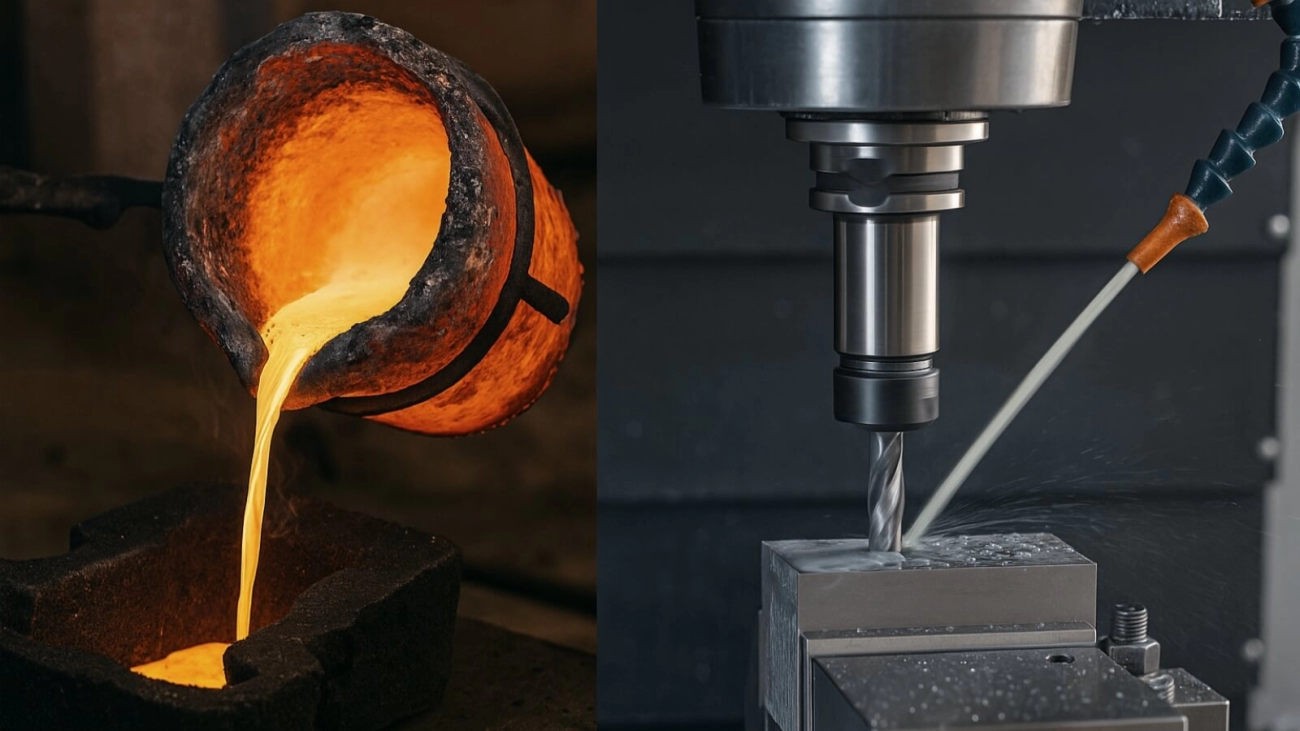
Creating a high-quality machined casting isn’t as simple as pouring metal and tossing it into a CNC mill. It requires a tightly integrated workflow where the foundry and the machine shop operate as one unit. We approach every project with the final geometry in mind, ensuring that the transition from raw cast to finished part is seamless and cost-effective.
Here is how we execute the machining casting workflow:
1. Casting Method Selection
Everything starts with choosing the right foundry process based on your volume and tolerance needs.
- Investment Casting: Best for complex geometries and stainless investment casting processes where we need tight tolerances and minimal material removal.
- Sand Casting: Ideal for large, heavy components where surface finish is secondary to structural integrity.
- Die Casting: The go-to for high-volume runs, particularly when utilizing aluminum die casting services that require speed and consistency.
2. Pattern Prep & DFM for Machinability
We don’t just design for the pour; we design for the cut. Our Design for Manufacturability (DFM) reviews determine exactly how much machining allowance (extra stock) is needed. Too much stock wastes cycle time; too little leaves non-cleanup areas. We optimize the mold to ensure specific features, like bores and mating surfaces, have sufficient material for secondary machining of castings.
3. Pouring and Initial Shakeout
Once the mold is ready, we pour the molten alloy. After solidification, the part goes through shakeout and gating removal. At this stage, it is a “raw” casting. It has the general shape but lacks the precision surfaces required for assembly.
4. Fixturing and Alignment Strategies
This is often the most critical step in CNC machined castings. Unlike cutting from a square billet, a raw casting has irregular surfaces. We design custom fixtures that locate the part based on specific datum points established during the casting design. This ensures precise alignment so that when the CNC tool touches the metal, it is cutting exactly where it should relative to the internal structure.
5. Roughing to Precision Finishing
We break the machining casting operations into three phases:
- Roughing: Rapid removal of the casting “skin” and heavy stock. This relieves internal stresses.
- Semi-Finishing: bringing features close to size and establishing true geometry.
- Precision Finishing: The final pass that achieves the required dimensional tolerances and surface roughness (Ra).
6. Rigorous Inspection Protocols
We validate the final component using advanced metrology. This includes Coordinate Measuring Machines (CMM) to verify complex 3D geometries against the CAD model and surface profilometry to check smoothness. For critical applications, we also employ Non-Destructive Testing (NDT) to ensure no subsurface porosity was exposed during the machining process.
of Process Steps
| Step | Action | Key Focus |
|---|---|---|
| Selection | Choose casting type | Cost vs. Tolerance balance |
| DFM | Design mold & allowances | Optimize for minimal material removal |
| Setup | Custom Fixturing | Secure holding of irregular shapes |
| Machining | Roughing & Finishing | Achieving final casting tolerances |
| QC | CMM & NDT | Verifying specs and integrity |
Would you like me to detail the specific tolerance differences between raw castings and the final machined components?
Key Operations in Machining Casting

Transforming a raw blank into a precision component requires a strategic approach. We don’t just cut metal; we engineer the process to maintain the structural integrity of the cast material while hitting tight geometric tolerances. Whether it’s a simple bracket or a complex housing, secondary machining of castings is where the part truly becomes functional.
Here is how we execute the critical steps in the machining casting workflow:
- 5-Axis Milling for Complex Geometries: Many castings feature organic shapes, undercuts, and compound angles that standard 3-axis machines can’t touch without multiple refixturing steps. We use 5-axis milling to machine complex contours in a single setup, ensuring superior positional accuracy between features.
- Precision Turning: For cylindrical components like pump housings or valve bodies, we utilize CNC turning centers. This ensures perfect concentricity and perpendicularity of flanges relative to the main bore, correcting any minor misalignments from the casting process.
- Drilling, Boring, and Tapping: Cast holes are often just “locators” or are cast solid to avoid porosity issues. We bore these out to precise diameters and tap threaded holes to ensure fastener reliability.
- Surface Finishing for Seals: Raw castings typically have a rough texture (Ra 6.3 $mu$m or higher). We machine critical mating faces to achieve smooth finishes (Ra 0.8–1.6 $mu$m). While machining gets us close, some applications require us to integrate specific surface treatment protocols to maximize corrosion resistance and sealing performance.
By strictly controlling these operations, we ensure that every CNC machined casting we deliver matches the exact specifications of your engineering prints. Starting with a solid precision casting foundation allows us to focus on these finishing touches that define quality.
Comparing Machining Operations
| Operation | Feature Focus | Typical Goal |
|---|---|---|
| 5-Axis Milling | Contours & Undercuts | Reduced setup time & high geometric accuracy |
| CNC Turning | Cylindrical features | Concentricity & runout control |
| Boring | Internal diameters | H7/H8 hole tolerances |
| Face Milling | Sealing surfaces | Flatness & Ra 0.8–1.6 $mu$m finish |
Would you like me to detail the specific material selection criteria for optimizing machining speeds and feeds in the next section?
Material Selection: Which Alloys Machine Best After Casting?
Choosing the right material for a machining casting project is a balancing act. We need an alloy that flows smoothly into the mold to create complex geometries, but also maintains enough machinability to be finished precisely without destroying our CNC tools. At Vastmaterial, we guide our clients toward materials that offer the best “cast-then-machined” performance.
Stainless Steels: Handling Work-Hardening
Stainless steel, particularly the 300 series (like 304 and 316), is the industry standard for corrosion resistance. However, for machined castings, these grades present a specific challenge: work-hardening. If the cutter dwells in one spot too long or takes a shallow cut, the material hardens instantly, making subsequent passes difficult.
- 304/304L: Excellent general corrosion resistance but requires rigid fixturing and aggressive feed rates to prevent hardening.
- 316/316L: Adds molybdenum for superior pitting resistance. We use specialized tooling coatings to manage the heat generation here.
Alloy Steels for High-Strength Components
When you need superior mechanical properties like toughness and wear resistance, low-alloy steels are the go-to. Grades like 4140 and 4340 are fantastic for heavy-duty cast steel components. These materials respond well to heat treatment after casting and generally machine more predictably than stainless steel.
We often recommend specific investment casting steel alloy options that are formulated to reduce porosity, ensuring that when we machine into the part, we don’t uncover subsurface defects.
Aluminum (A356): The Lightweight Champion
For aerospace and automotive applications, aluminum castings CNC machining is our most common operation. The A356 alloy is the gold standard here. It offers high strength and ductility (after T6 heat treatment) and machines like butter compared to steel. This allows for extremely high spindle speeds and rapid material removal rates, significantly lowering the cost per part.
Machining Superalloys (Inconel, Hastelloy)
For extreme environments—think jet engines or chemical reactors—we turn to superalloys. Machining Inconel 625 or 718 is a different ballgame. These materials maintain high strength at high temperatures, which means they resist cutting forces aggressively.
- Tool Life: We expect faster tool wear and factor this into the cost.
- Strategy: We use advanced ceramic inserts and slow, deliberate cutting paths to maintain precision.
Material Machinability Comparison
To help you decide, here is a quick breakdown of how common casting alloys perform on the machine floor:
| Material Family | Common Grades | Castability | Machinability Rating | Primary Challenge |
|---|---|---|---|---|
| Aluminum | A356, 356 | Excellent | High | Chip evacuation |
| Alloy Steel | 4140, 8620 | Good | Medium | Surface finish requirements |
| Stainless Steel | 304, 316, 17-4PH | Good | Low-Medium | Work-hardening |
| Superalloys | Inconel, Hastelloy | Fair | Low | Rapid tool wear |
Whether you are looking for standard stainless steel or alloy steel components, selecting the right grade early in the design phase ensures we can hold tight tolerances without blowing the budget.
Would you like me to create the next section on “Tolerances, Surface Finish & Quality Standards” to detail how we achieve precision?
Machining Casting Tolerances & Quality Standards
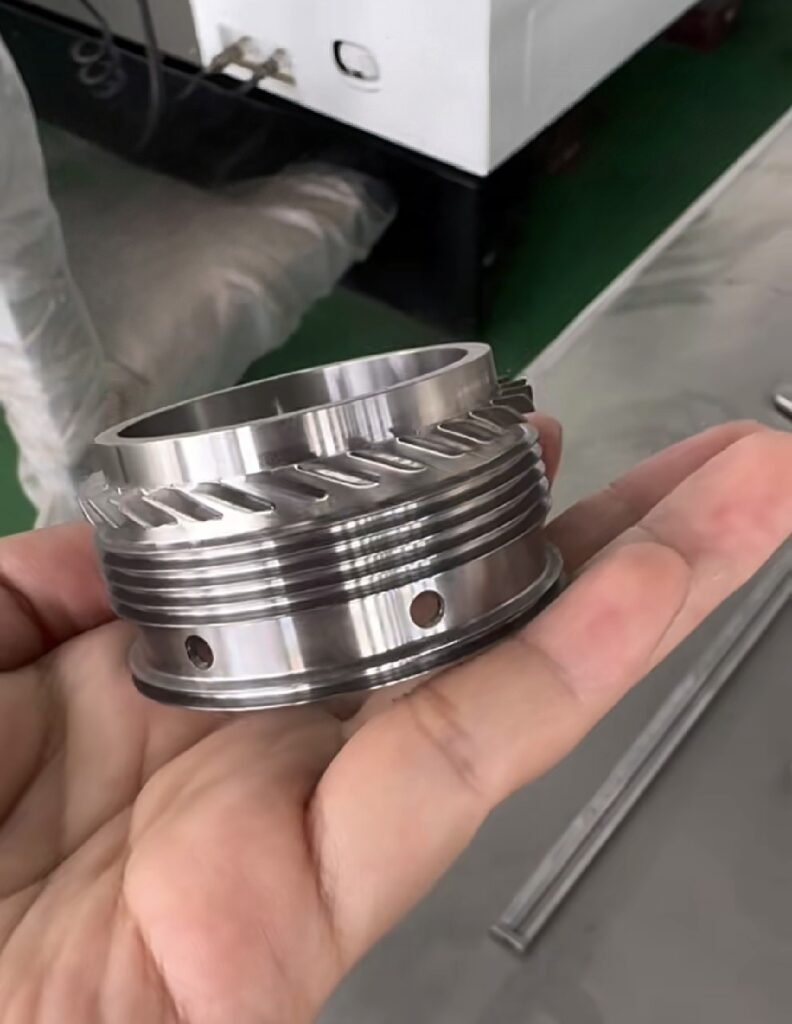
When bridging the gap between a raw foundry part and a finished component, understanding the delta between casting tolerances and final specifications is critical. While modern casting methods are getting more precise, they rarely meet the tight geometric requirements of high-performance assemblies without secondary operations.
Comparing As-Cast vs. CNC Precision
In our machining casting workflow, we view the cast surface as a starting point. Standard investment castings might hold tolerances around ±0.005 inch per inch, but sand castings can vary significantly more. To achieve the functional requirements of a mating surface or a bearing bore, we rely on CNC machined precision.
Here is a quick breakdown of the tolerance shift we typically manage:
| Feature Type | Typical As-Cast Tolerance | CNC Machined Tolerance |
|---|---|---|
| Linear Dimensions | ±0.010″ – ±0.030″ | ±0.0005″ – ±0.002″ |
| Flatness | 0.005″ – 0.020″ | < 0.0005″ |
| Hole Diameter | ±0.005″ | ±0.0002″ (Reamed/Bored) |
| Surface Finish (Ra) | 63 – 125 µin | 16 – 32 µin |
Managing Machining Allowances
A critical aspect of Design for Manufacturing (DFM) is determining the correct machining allowances. This is the extra “stock” material added to the casting pattern to ensure the CNC tool has enough material to cut into for a clean surface, without removing so much that it wastes cycle time or exposes porosity deep inside the wall.
- Too little stock: The tool may “skip” over low spots in the casting, leaving unmachined patches (non-clean up).
- Too much stock: Increases tooling wear and cycle time, driving up costs unnecessarily.
GD&T and Traceability
For critical features, simple linear tolerances aren’t enough. We utilize Geometric Dimensioning & Tolerancing (GD&T) to control the true position, concentricity, and parallelism of the machined casting. This ensures that parts don’t just measure correctly individually but assemble perfectly every time.
This level of precision is non-negotiable in industries requiring high-performance components. For instance, achieving the requisite runout and surface balance for aluminum alloy rims machining services requires strict adherence to GD&T protocols to ensure safety and performance at speed.
ly, we back our processes with AS9100 traceability and ISO 9001 certifications. This means every heat number, material batch, and dimensional inspection report is documented. Whether it’s a medical device or an aerospace bracket, you get full visibility into the quality chain.
Would you like me to analyze your current casting drawings to recommend optimal machining allowances for cost reduction?
Real-World Applications & Success Stories
When we combine the design freedom of casting with the precision of CNC machining, we unlock capabilities that standard fabrication just can’t match. We see machining casting taking center stage across industries where failure isn’t an option and geometric complexity is high.
Aerospace Components
In aerospace, weight reduction and heat resistance are everything. We frequently handle CNC machined castings for structural brackets and turbine blades. These parts often utilize superalloys detailed in our Inconel alloys guide, where the rough shape is cast to minimize waste, and critical mating surfaces are machined to micron-level tolerances.
Automotive Innovation
From engine blocks to transmission housings and suspension arms, the automotive sector relies on machined castings for mass production.
- Engine Blocks: Casting creates complex internal cooling channels that machining from a solid block can’t achieve.
- Precision: Secondary machining ensures cylinder bores and mounting points are perfectly concentric.
Oil & Gas and Medical Sectors
- Oil & Gas: High-pressure valve bodies and pump impellers require the structural integrity of a continuous cast grain structure to prevent leaks under extreme pressure.
- Medical: We produce surgical instrument housings and implant-grade components. Materials like those used in cobalt alloy casting are essential here for their biocompatibility and wear resistance, requiring specialized tooling to machine effectively.
Case Study: Weldment vs. Single Casting
One of our most impactful success stories involved converting a client’s 12-piece welded assembly into a single investment casting machining project. By switching to a monolithic cast part:
- Strength: We eliminated potential failure points at the weld seams.
- Accuracy: Distortion from welding heat was removed.
- Cost: Total manufacturing cost dropped by 30% due to reduced labor.
Would you like me to analyze your current welded assemblies to see if a single machined casting could save you money?
Overcoming Common Challenges in Machining Castings
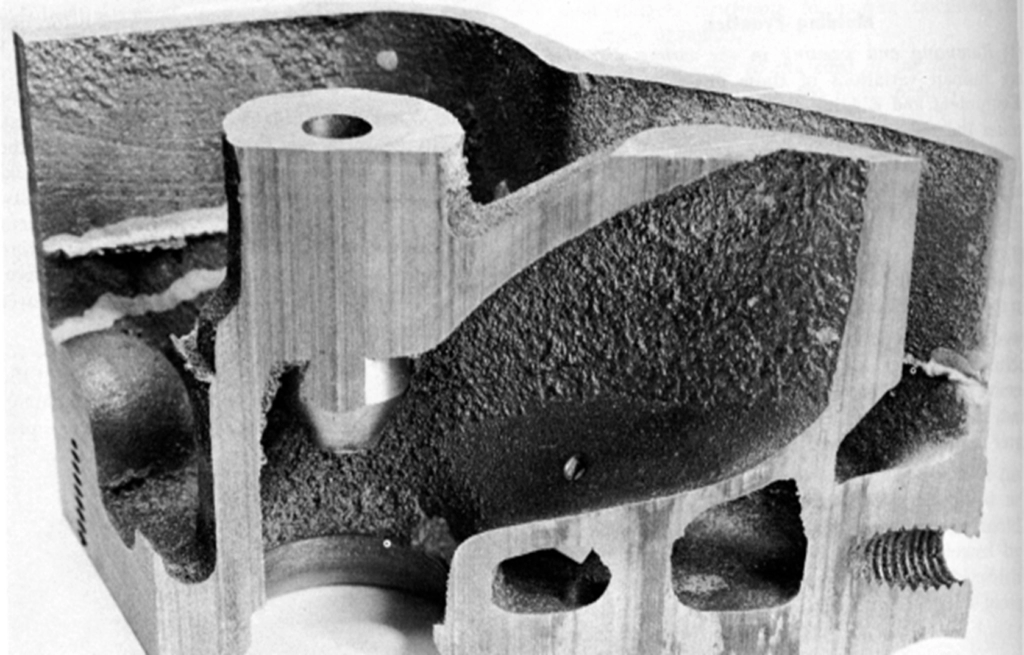
When we tackle machining casting projects, we aren’t just cutting metal; we are managing the inherent inconsistencies of solidified alloys. Unlike standard bar stock, a machined casting comes with a unique set of variables that require experienced process control. If these aren’t managed correctly, you end up with scrapped parts and broken tools.
Handling Defects: Porosity and Hard Spots
The biggest hurdle in secondary machining of castings is uncovering sub-surface defects. Porosity (air pockets) or inclusions (foreign material) often only appear after we cut through the outer skin.
- Porosity: We use NDT (Non-Destructive Testing) before machining to identify voids so we don’t waste machine time on bad parts.
- Hard Spots: Rapid cooling can create extremely hard sections in the metal. This is particularly common in cast steel components, where unexpected hard spots can shatter carbide cutters instantly. We mitigate this through precise heat treatment (normalizing or annealing) prior to machining to ensure a uniform microstructure.
Optimizing Machinability and Surface Finish
Getting a consistent surface finish after machining requires balancing feed rates with the material’s condition. Some alloys are “gummy,” while others are abrasive. We optimize machinability ratings by adjusting our coolant strategies and tool coatings. This ensures that every batch looks identical, meeting strict Ra requirements regardless of slight variations in the raw casting.
Controlling Distortion and Allowances
Removing the outer layer of a casting releases internal residual stresses. If we remove material too aggressively, the part will warp or twist out of tolerance.
- Stress Relief: We often perform stress-relieving cycles before final finishing.
- Allowances: We carefully calculate machining allowances—leaving enough material to clean up the surface, but not so much that we induce heavy distortion during removal.
By anticipating these issues, we ensure that the final casting machining process yields a component that is dimensionally stable and structurally sound.
Would you like me to outline our specific quality control checklist for verifying machined casting tolerances?
Why Choose Vastmaterial for Your Machining Casting Needs
At Vastmaterial, we understand that managing two separate vendors—a foundry for the raw parts and a machine shop for finishing—is a recipe for delays and finger-pointing. We solved this by integrating everything under one roof. When you choose us for your machining casting projects, you get a seamless transition from liquid metal to the final precision component.
Integrated In-House Capabilities
We control the entire process. Our facility houses both advanced casting lines (investment, sand, and die) and a state-of-the-art CNC suite. This includes high-precision CNC turning services and 5-axis milling centers capable of handling complex geometries that standard 3-axis machines can’t touch. By keeping the machined castings process internal, we ensure accountability and tighter quality control at every stage.
Client-Centric DFM and Rapid Prototyping
We don’t just print parts; we optimize them. Our engineering team conducts thorough Design for Manufacturability (DFM) reviews before we pour a single ounce of metal. We analyze your CAD files to identify features that might cause porosity or drive up machining costs unnecessarily. If you need to validate a design first, our rapid prototyping services allow you to test fit and form quickly.
The Vastmaterial Advantage:
- No MOQ Restrictions: Whether you need a single prototype or a production run of 10,000 units, we handle it. We support US startups and established enterprises alike.
- Global Logistics: We handle the shipping logistics to get parts to your dock on time, navigating customs and freight so you don’t have to.
- Total Cost Reduction: By optimizing the “cast then machine” workflow, we reduce waste and machine time, directly lowering your price per part.
Comparing Vastmaterial vs. Traditional Sourcing
| Feature | Vastmaterial (One-Stop Shop) | Traditional Sourcing (Split Vendors) |
|---|---|---|
| Responsibility | Single point of accountability | Blame game between caster and machinist |
| Lead Time | Streamlined (concurrent engineering) | Slow (shipping between vendors) |
| Scrap Rate | Immediate feedback loop corrects defects | High scrap discovered late in machining |
| Cost | Optimized machining casting workflow | Markups stacked on markups |
We are committed to delivering high-quality CNC machined castings that meet your exact specifications without the headache of managing a fragmented supply chain.