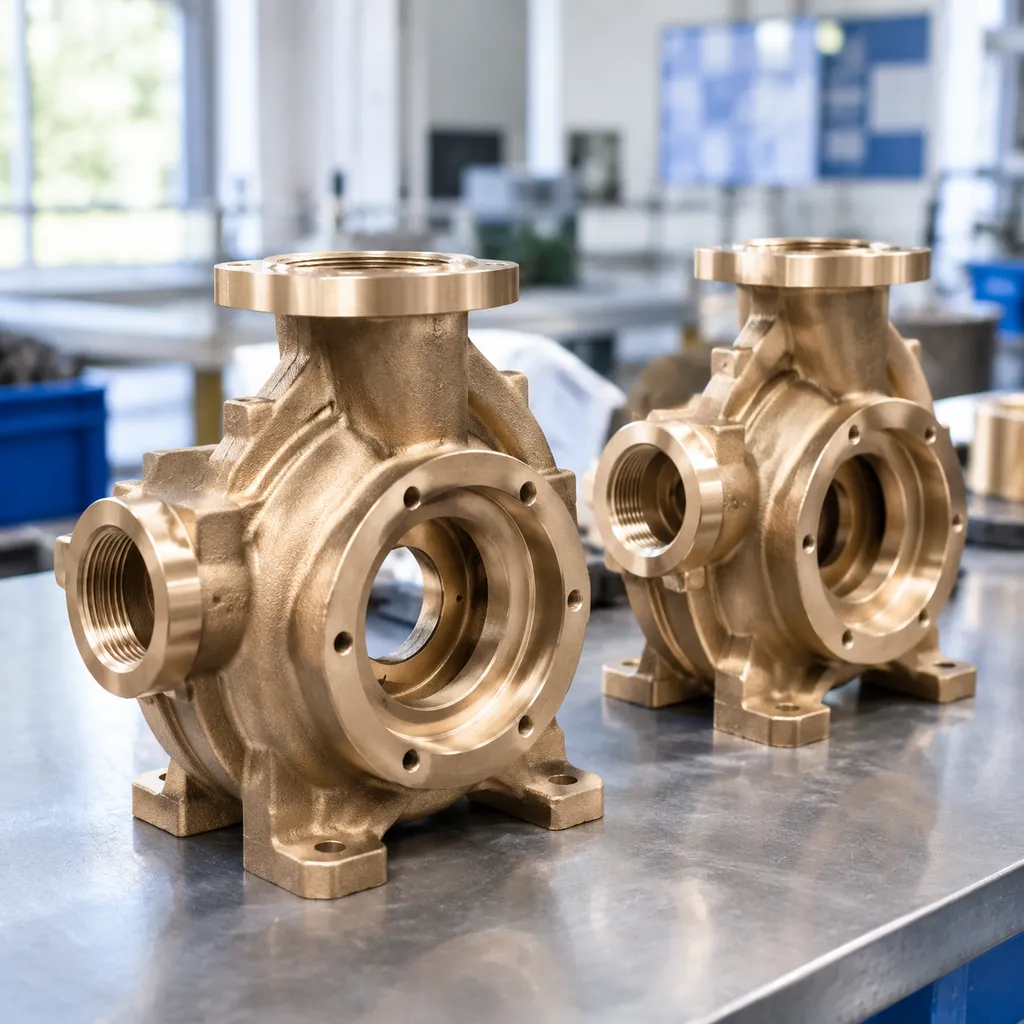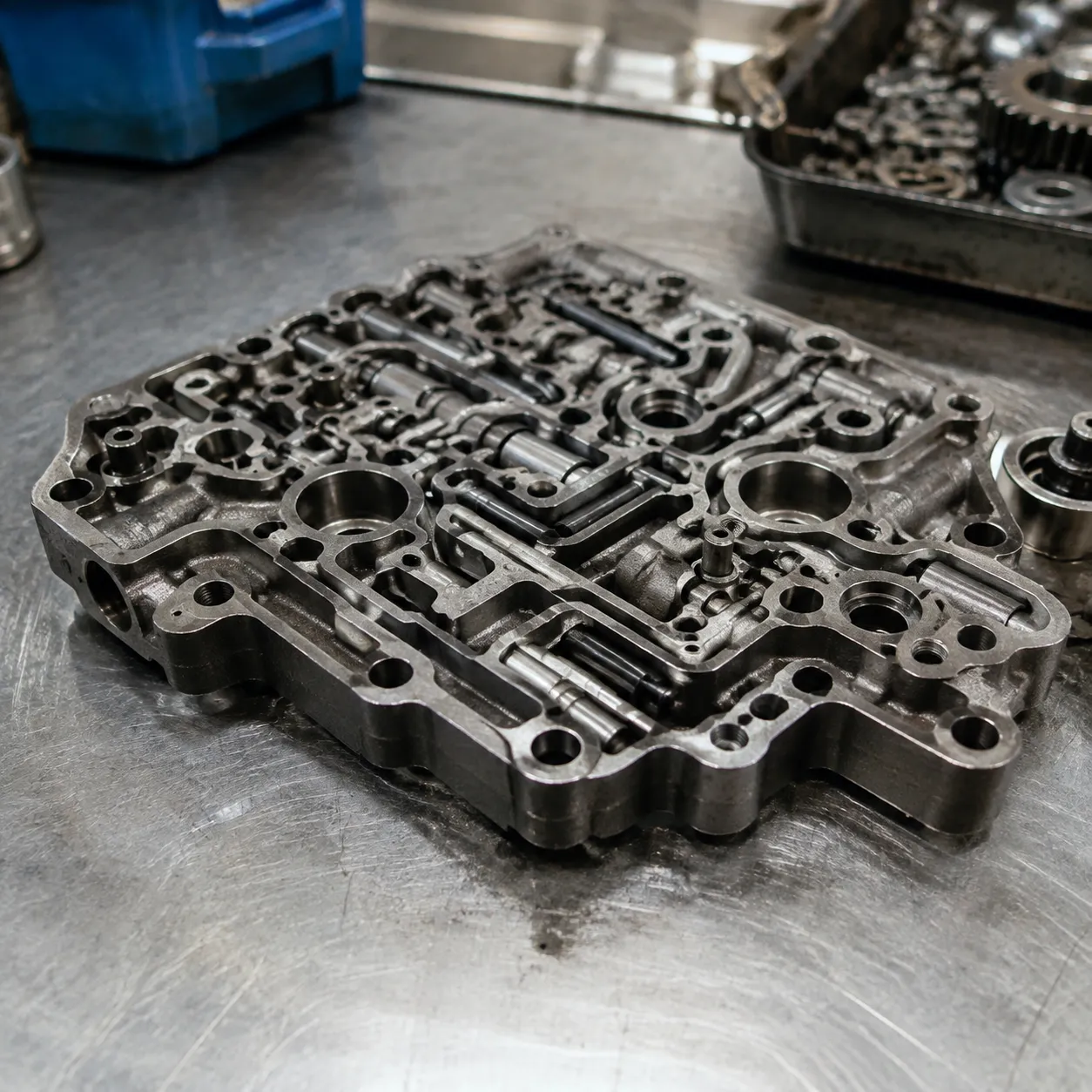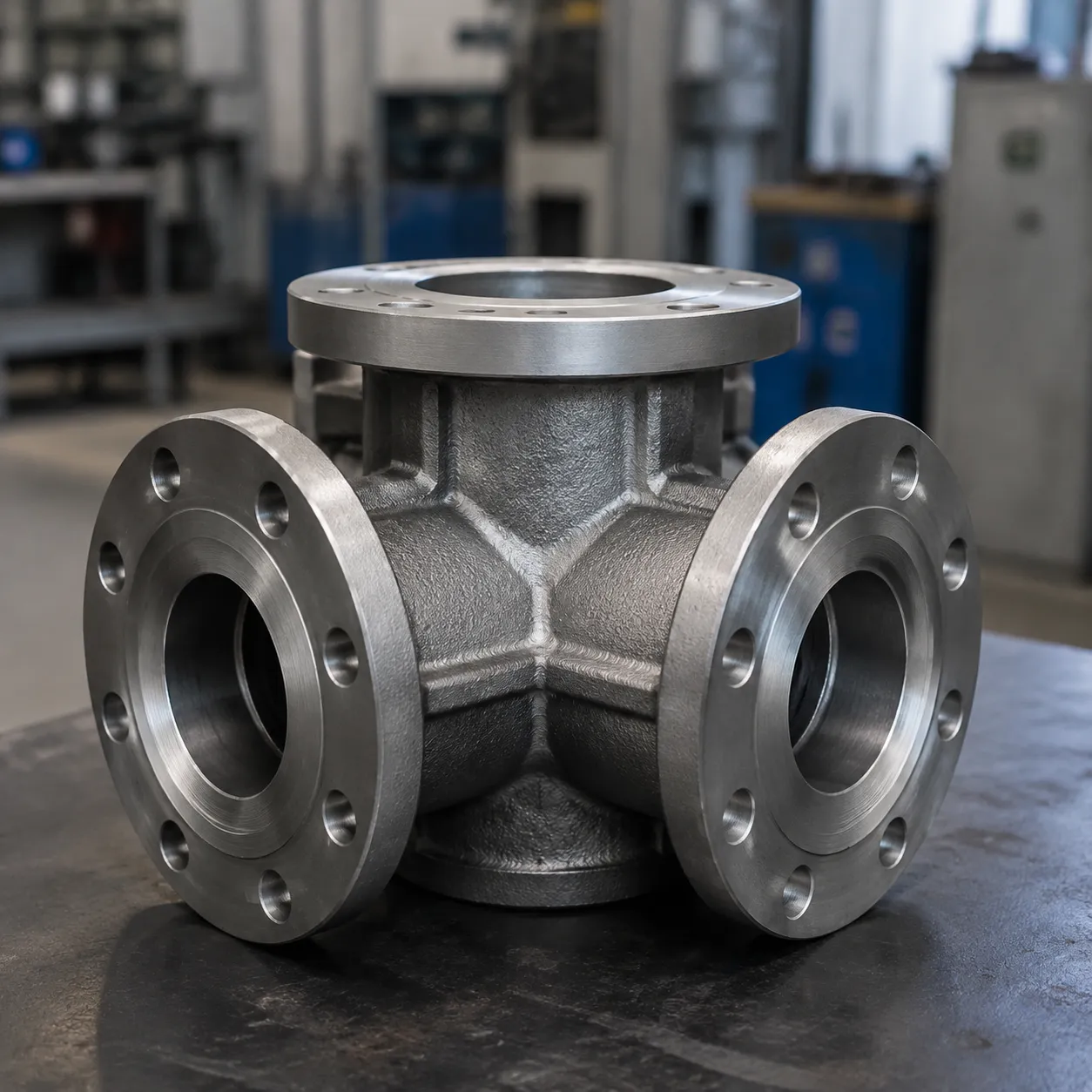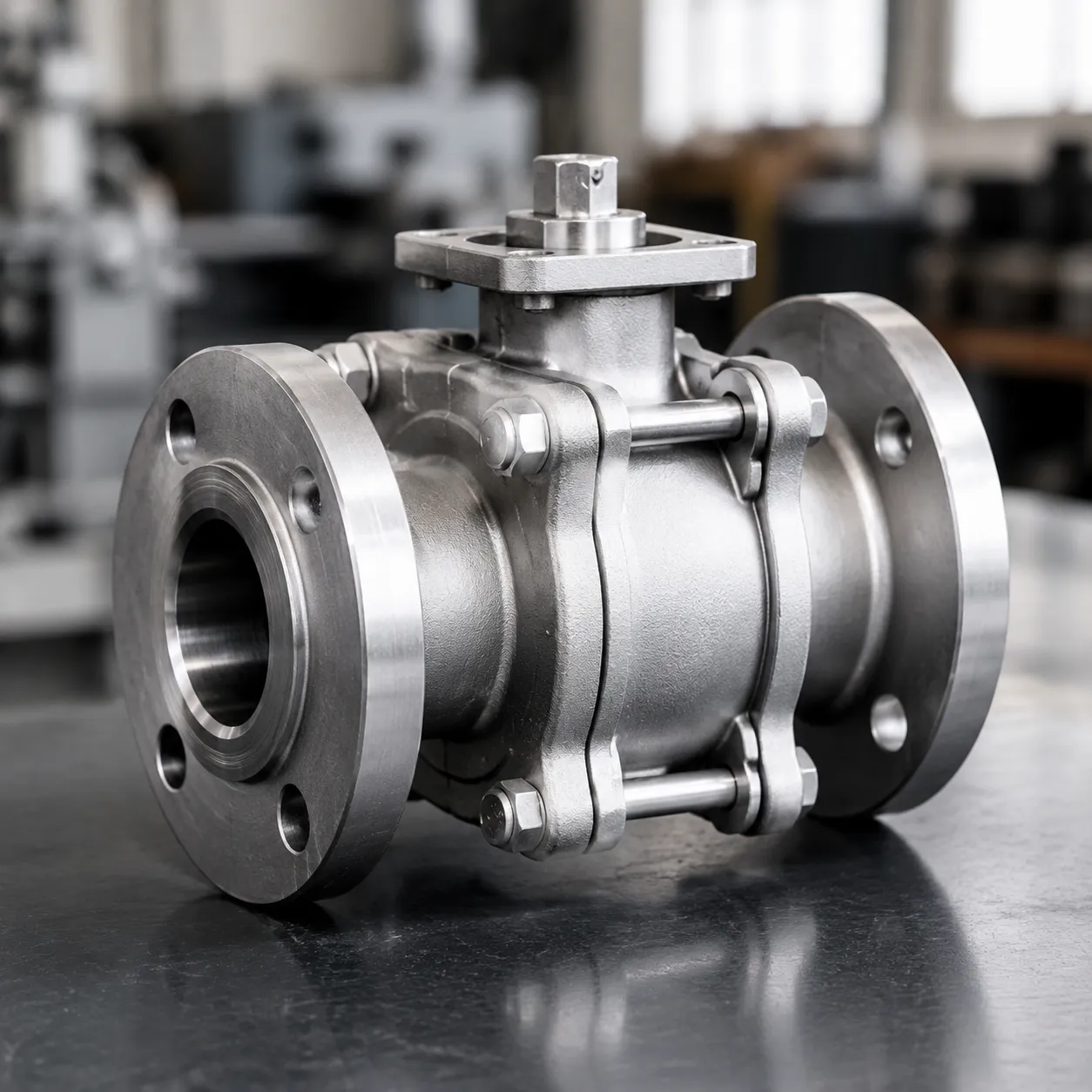

Overview
Key Features of 17-4PH Stainless Steel
At vastmaterial, we recognize that 17-4PH stainless steel is the definitive choice for applications requiring a precise balance of high strength and moderate corrosion resistance. Also known as Type 630, this martensitic PH stainless grade is the undisputed workhorse of the precipitation hardening stainless family. We stock this alloy because it effectively solves the trade-off between durability and structural integrity that engineers often face.
Here is why 17-4PH stands out in the market:
- Exceptional Strength: Through simple low-temperature heat treatments, this alloy achieves high tensile strength and hardness levels that standard austenitic grades cannot match.
- Corrosion Resistance: It significantly outperforms standard hardenable stainless steels (like 410) and rivals 304 stainless in most environments.
- Heat Handling Capabilities: The material maintains excellent mechanical properties and oxidation resistance up to approximately 600°F (316°C).
- Processing Versatility: It can be machined in the solution-annealed condition and then hardened to meet specific design requirements, minimizing distortion.
Why It Matters
| Feature | Benefit |
|---|---|
| High Strength | Ideal for heavy-duty aerospace and structural components. |
| Corrosion Resistance | Suitable for chemical processing and marine environments. |
| Simple Heat Treatment | Allows for adjustable strength levels (e.g., H900, H1150). |
Would you like me to detail the specific chemical composition breakdown next?
Equivalent Grades and Standards
When sourcing materials for critical projects, matching the exact specification on your blueprint is non-negotiable. While most of us in the industry simply call it 17-4PH, you will often see it listed under various designations depending on the governing body or location. At vastmaterial, we ensure our inventory meets these rigorous global standards to keep your supply chain running smoothly.
In the United States, the most common call-outs are UNS S17400 and AISI 630 (or Type 630 stainless). For our aerospace clients, we strictly adhere to AMS 5643, which dictates tighter controls for bars, forgings, and rings.
Here is a quick breakdown of how 17-4 PH steel translates across international standards:
| Standard / Region | Designation |
|---|---|
| USA (UNS) | UNS S17400 |
| USA (AISI) | Type 630 |
| USA (ASTM) | ASTM A564 / A693 |
| USA (AMS – Aerospace) | AMS 5643 |
| Europe (DIN / EN) | 1.4542 / X5CrNiCuNb16-4 |
| Japan (JIS) | SUS630 |
Whether your specs demand the 1.4542 stainless steel equivalent for European exports or the standard UNS S17400 for domestic manufacturing, we certify that our material hits the chemical and mechanical benchmarks required for these grades.
Note: Always confirm if your project requires AMS 5643 specifically, as this aerospace-grade specification involves more stringent testing than standard commercial ASTM A564.
Next Step
Do you have a specific standard or grade equivalent you need to cross-reference for your current project? Let me know, and I can verify stock availability for that exact spec.
17-4PH Chemical Composition per ASTM A564
To understand why 17-4PH stainless steel performs the way it does, you have to look at the recipe. The name itself is a dead giveaway: it stands for approximately 17% Chromium and 4% Nickel. However, that’s just the baseline. The real game-changer in this alloy is the addition of Copper.
Unlike standard 300-series stainless, we introduce Copper to the mix to enable the precipitation hardening reaction. This specific element—which is usually the star of our copper alloy lineup—is what allows the material to achieve such high strength levels during heat treatment. We strictly adhere to ASTM A564 and UNS S17400 specifications to ensure the chemistry is balanced perfectly for weldability and corrosion resistance.
Here is the precise breakdown of the elements we control in our production:
| Element | Content (%) | Function in Alloy |
|---|---|---|
| Chromium (Cr) | 15.00 – 17.50 | Provides the primary corrosion resistance. |
| Nickel (Ni) | 3.00 – 5.00 | Balances the structure and adds toughness. |
| Copper (Cu) | 3.00 – 5.00 | The hardening agent responsible for high strength after aging. |
| Manganese (Mn) | 1.00 max | Improves hot working properties. |
| Silicon (Si) | 1.00 max | Used for deoxidation. |
| Niobium + Tantalum (Nb+Ta) | 0.15 – 0.45 | Stabilizes the alloy and prevents intergranular corrosion. |
| Carbon (C) | 0.07 max | Kept low to maintain toughness and weldability. |
Key Takeaways on Chemistry:
- Balance is Key: The specific ratio of Chrome to Nickel gives it the corrosion resistance of 304 but the strength of 410.
- Trace Control: We keep Sulfur (S) and Phosphorus (P) extremely low to ensure the material remains clean and machinable.
- Stabilization: The inclusion of Niobium (Columbium) helps stabilize the carbides, making this an excellent choice for parts requiring high reliability.
We don’t just mix metal; we engineer it. By maintaining tight control over this composition, we guarantee that every bar or plate meets the rigorous demands of aerospace and industrial applications.
Would you like me to detail the mechanical properties and strength data for H900 and H1150 conditions next?
17-4PH Mechanical Properties and Strength Data
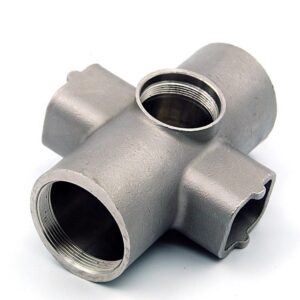
When we talk about 17-4PH mechanical properties, we are looking at one of the most versatile datasets in the stainless world. The real magic of UNS S17400 (Type 630) lies in its ability to be heat-treated to a wide range of strength levels. Unlike standard austenitic grades that rely solely on cold working for strength, we can dial in the specific hardness and tensile specs you need through simple precipitation hardening.
Whether you need the brute force of the H900 condition or the improved ductility of H1150, understanding these numbers is critical for application success. Below is a breakdown of the typical strength capabilities we see in our stock material, compliant with ASTM A564.
Typical Mechanical Specs by Condition
We supply 17-4PH in the Solution Annealed (Condition A) state, but most of our US clients machine it and then age it to one of the following conditions.
| Condition | Tensile Strength (min) | Yield Strength (0.2% Offset) | Elongation | Hardness (Rockwell C) |
|---|---|---|---|---|
| Condition A (Annealed) | ~ 150 ksi (1035 MPa) | ~ 110 ksi (760 MPa) | – | ~ 30-33 HRC |
| H900 Condition | 190 ksi (1310 MPa) | 170 ksi (1170 MPa) | 10% | 40-47 HRC |
| H1025 Condition | 155 ksi (1070 MPa) | 145 ksi (1000 MPa) | 12% | 35-42 HRC |
| H1150 Heat Treatment | 135 ksi (930 MPa) | 105 ksi (725 MPa) | 16% | 28-37 HRC |
Interpreting the Strength Data
Choosing the right heat treatment dictates how the metal behaves in the field:
- H900 Condition (Peak Strength): This is the sweet spot for maximum hardness and tensile strength. If you need a part that won’t budge under high stress—like aerospace fittings or pump shafts—this is your go-to. However, you trade off some ductility here.
- H1150 & Double H1150: By aging the material at a higher temperature ($1150^circ F$), we significantly increase ductility and impact toughness. This is vital for applications operating in freezing temperatures or where the part might face shock loading.
- Condition A: While you can use it in this state, we don’t usually recommend it for service because it is prone to stress-corrosion cracking. It serves mainly as the “blank canvas” for fabrication before the final age hardening.
By controlling the aging temperature, we help you strike the perfect balance between the high strength of martensitic PH stainless and the necessary toughness for your specific operating environment.
Pro Tip: Always account for a slight contraction during the hardening process. While 17-4PH has very low distortion compared to standard carbon steels, precision parts should be machined with this minute size change in mind.
Need specific strength test reports for your next project? Would you like me to pull a sample Mill Test Certificate (MTR) to show you the exact values we are hitting on our current stock?
Heat Treatment and Aging Process Guide for 17-4PH
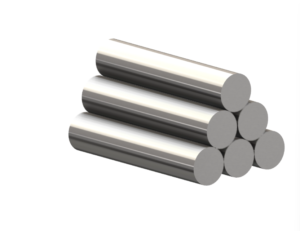
The real versatility of 17-4PH stainless steel comes from its response to heat treatment. As a martensitic PH stainless alloy, we can significantly tailor its mechanical properties—balancing hardness against toughness—simply by adjusting the aging temperature. This unique characteristic is why 17-4 ph steel is a go-to choice for manufacturing high-stress components.
Condition A: The Foundation
Most of the material we supply comes in Condition A (Solution Annealed). In this state, the metal has been heated to approximately 1900°F (1040°C) and cooled to allow the formation of a martensitic structure.
While Condition A offers moderate strength, it is rarely used in service without further processing. If you are utilizing a stainless steel casting process or machining raw bar stock, applying a subsequent aging cycle is critical to unlocking the alloy’s full potential and stabilizing its dimensions.
Achieving Peak Performance
To harden the material, we perform precipitation hardening (aging). This involves heating the steel to a specific temperature, holding it for a set time, and then air cooling. This process precipitates copper-rich particles throughout the matrix, reinforcing the structure.
We strictly follow AMS 5643 and ASTM A564 standards to ensure consistency. Here are the two most common conditions we process:
- H900 Condition:
- Process: Heat to 900°F (482°C) for 1 hour, air cool.
- Result: This delivers the maximum tensile strength and hardness available for this alloy. It is ideal for applications where wear resistance and high strength are non-negotiable.
- H1150 Heat Treatment:
- Process: Heat to 1150°F (621°C) for 4 hours, air cool.
- Result: This cycle reduces strength slightly but significantly increases ductility and impact toughness. It is often preferred for parts that must withstand shock loading without fracturing.
| Condition | Temperature | Hold Time | Key Characteristic |
|---|---|---|---|
| H900 | 900°F | 1 Hour | Max Strength & Hardness |
| H1025 | 1025°F | 4 Hours | Balanced Properties |
| H1150 | 1150°F | 4 Hours | Max Toughness & Ductility |
By controlling these variables, we ensure that the 17-4PH stainless steel you receive is perfectly tuned for its specific environment, whether that’s an aircraft engine or an offshore rig.
Physical Properties of 17-4PH Stainless Steel
When selecting a material like 17-4PH stainless steel, looking beyond just yield strength is critical. The physical characteristics of UNS S17400 often dictate whether the material can withstand specific environmental stresses like heat cycles or magnetic fields. Because this is a martensitic PH stainless, it behaves quite differently than the common 300-series austenitic grades you might be used to.
Magnetic Permeability
One of the most frequent questions we field is about magnetism. Unlike Type 304, Type 630 stainless is ferromagnetic. This means 17-4PH is magnetic in all heat-treated conditions (including annealed and hardened states). This property is vital if you are designing for magnetic sorting systems or need to avoid interference with sensitive instrumentation. For a deeper dive into this behavior, understanding whether 17-4 stainless steel is magnetic is essential for precision applications.
Density and Modulus
For weight calculations in aerospace and machinery, relying on accurate data is non-negotiable.
- Density: 0.280 lb/in³ (7.75 g/cm³)
- Modulus of Elasticity: 28.5 x 10⁶ psi (196 GPa) in tension.
Thermal Properties
17-4PH offers decent thermal conductivity, but like most stainless steels, it is lower than carbon steel. If your parts will be exposed to fluctuating temperatures, you must account for thermal expansion to prevent seizing or warping.
Key Physical Data Points:
| Property | Value (Approx) |
|---|---|
| Melting Range | 2560°F – 2625°F (1404°C – 1440°C) |
| Specific Heat | 0.11 BTU/lb-°F (0.46 kJ/kg-°K) |
| Thermal Conductivity | 124 BTU-in/hr-ft²-°F (at 300°F) |
| Electrical Resistivity | 800 nΩ·m (Annealed) |
Would you like me to outline the specific stock options and forms available at vastmaterial next?
Available Forms of 17-4PH at vastmaterial
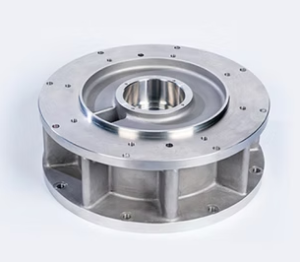
At vastmaterial, we understand that sourcing aerospace grade steel requires flexibility and reliability. We don’t just list products; we maintain a robust inventory of 17-4PH stainless steel in various configurations to meet the immediate demands of US manufacturers, from rapid prototyping to full-scale production runs.
Whether you are machining complex components or fabricating structural parts, we have the right form factor ready to ship.
Stock Options and Customization
We offer a comprehensive range of supply forms to minimize your machining time and material waste. Our inventory includes:
- 17-4PH Round Bar: Available in a wide range of diameters, ideal for fasteners, shafts, and valve components. We stock both cold-finished and hot-rolled conditions.
- 17-4PH Plate and Sheet: We carry various thicknesses perfect for structural applications. For clients needing precise shapes, our guide on laser cutting metal sheets details how we can process these materials to your exact specifications.
- Custom Forgings: For high-stress applications requiring superior grain structure, we supply open die and closed die forgings.
- Powder: High-quality powder for additive manufacturing (3D printing) applications.
We can also provide material in specific heat-treated conditions, such as H900 or H1150, upon request. Tell us your dimension and property requirements, and we will deliver the exact UNS S17400 solution you need.
Common Industries and Applications for 17-4PH
17-4PH isn’t just a lab specimen; it’s a workhorse. Because it perfectly balances high strength with solid corrosion resistance, you’ll find UNS S17400 doing the heavy lifting in some of the most unforgiving environments on the planet. From the depths of the ocean to high-altitude flights, this alloy delivers reliability where failure simply isn’t an option.
We supply 17-4 PH steel to a variety of sectors that demand material integrity:
- Aerospace: Often referred to as aerospace grade steel, this material is a standard requirement for structural parts, landing gear, and turbine blades. We understand the critical nature of these components and ensure our stock meets the rigorous safety standards of the aerospace industry.
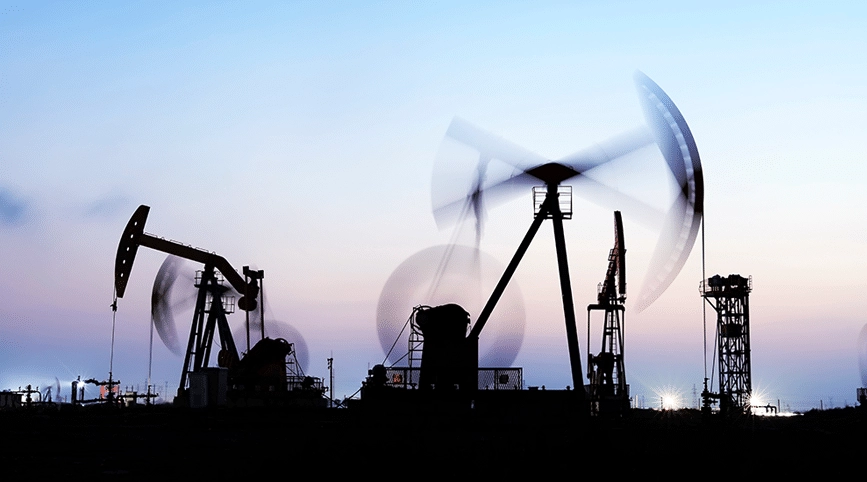
- Oil and Gas: In the energy sector, equipment faces extreme pressure and corrosive chemicals. Type 630 stainless is the go-to choice for high-stress gate valves, pump shafts, and drilling tools essential for efficient oil and gas operations.
- Medical Technology: Because it maintains high strength and can withstand repeated sterilization cycles, it is frequently used for surgical instruments and precision orthopedic implants.
- Marine Engineering: While 316 stainless is common for general corrosion resistance, 17-4PH is preferred for propeller shafts and desalination equipment that require significantly higher tensile strength.
- Power Generation: It is also widely utilized in reactor components and turbine blades within the nuclear and chemical processing fields.
Would you like me to detail the specific machining and fabrication best practices for 17-4PH in the next section?
Machining and Fabrication Tips for 17-4PH
When working with 17-4PH stainless steel, the material’s condition dictates your approach. In our experience at vastmaterial, successful fabrication comes down to balancing hardness with ductility. While Type 630 stainless is more machinable than other high-strength precipitation-hardening grades, following best practices ensures you don’t burn through tooling or compromise the part’s integrity.
Machinability Best Practices
Machining 17-4PH in the solution-treated Condition A is standard, but it can be somewhat “gummy” and prone to chip drag. For the smoothest operations and best surface finish, we recommend machining in the H1150 heat treatment condition. In this overaged state, the material behaves similarly to 304 stainless but with better chip control.
- Coolant is Key: Always use a high-quality lubricant or coolant to manage heat and prevent work hardening.
- Tooling: Use carbide tools with positive rake angles to cut cleanly through the tough structure.
- Speed Control: Keep speeds moderate and feeds consistent. Dwelling in the cut will cause the material to glaze and harden instantly.
Welding and Forming
One of the standout features of 17-4 ph steel is its excellent weldability. Unlike many martensitic stainless steels, it does not typically require preheating before welding.
- Welding: It handles Shielded Metal Arc Welding (SMAW) and Gas Tungsten Arc Welding (GTAW) effectively. We suggest using a matching filler metal to maintain the mechanical properties across the weld zone.
- Forming: Cold forming should be done in Condition A. However, be prepared for significant springback due to the alloy’s high yield strength. For complex shapes, hot forming between 1742°F and 2192°F (950°C and 1200°C) is often the better route.
Next Step
Do you need specific speed and feed charts for your CNC setup or advice on post-weld heat treatment? Let me know, and I can provide detailed parameters for your machine shop.
Corrosion Resistance: 17-4PH vs. 304 and 410
One of the biggest selling points of 17-4PH stainless steel is that it doesn’t force you to choose between raw strength and longevity. In the steel business, we usually see a trade-off: as you harden stainless steel (like standard martensitic grades), you typically sacrifice corrosion resistance. 17-4PH (UNS S17400) disrupts that rule, giving you the durability needed for harsh industrial environments without rotting away.
How It Stacks Up Against the Standards
We frequently replace standard grades with 17-4PH when customers face premature failure in the field. Here is how it compares to the two most common alternatives:
- Vs. 410 Stainless: Type 410 is a standard martensitic grade known for hardness. However, in humid atmospheres or mild chemical environments, 410 tends to rust relatively quickly. 17-4PH offers vastly superior resistance compared to 410. It is the clear winner for components like pump shafts or valve stems that need to survive moisture.
- Vs. 304 Stainless: Type 304 is the “kitchen sink” standard for corrosion resistance. In most mild environments, 17-4PH stands toe-to-toe with Type 304. The major difference is mechanical: while 304 yields easily under high stress, 17-4PH maintains structural integrity.
For projects involving extreme saltwater exposure or highly aggressive chloride environments where even precipitation-hardening grades might be pushed to their limit, you might consider stepping up to duplex stainless steel for maximum pitting resistance. However, for most high-strength aerospace and oil & gas applications, 17-4PH is the sweet spot.
Performance at a Glance
| Feature | 410 Stainless | 304 Stainless | 17-4PH (Type 630) |
|---|---|---|---|
| Corrosion Resistance | Low (Basic) | High (Standard) | High (Comparable to 304) |
| Yield Strength | Medium/High | Low | Very High |
| Magnetism | Magnetic | Non-Magnetic | Magnetic |
| Ideal Application | Cutlery, basic wear parts | Food processing, chemical | Aerospace, Marine, Oil & Gas |
Next Step
If you aren’t sure if the corrosion resistance of 17-4PH is enough for your specific chemical environment, send me your project specs—I can help you review the NACE standards compatibility.
Quality Assurance and Certifications
When dealing with 17-4PH stainless steel, especially for critical applications in aerospace and oil & gas, you need more than just a promise—you need proof. We understand that traceability and adherence to strict standards are non-negotiable for US manufacturers. Every piece of UNS S17400 we supply undergoes rigorous inspection to ensure it meets the chemical and mechanical properties you expect.
We adhere to rigorous testing and quality protocols to guarantee that our material performs exactly as specified. Whether you require material certified to AMS 5643 for aerospace components or ASTM A564 for industrial use, we provide the documentation to back it up.
Documentation and Compliance
We ensure total transparency with every order. Our quality assurance process includes:
- Mill Test Certificates (MTC): Full EN 10204 3.1 certification provided with all shipments, detailing chemical composition and mechanical test results.
- Third-Party Inspection: We welcome and facilitate third-party testing (TPI) from agencies like SGS or ABS upon request.
- Aerospace Compliance: Verification of heat treatment conditions (like H900 or H1150) to meet Aerospace grade steel specifications.
- Ultrasonic Testing: Ensuring the material is free from internal defects and voids.
Would you like me to draft the next section on “Why Partner with vastmaterial?” to highlight your specific supply chain advantages?
Why Partner with vastmaterial for 17-4PH?
When you need 17-4PH stainless steel that meets strict aerospace or industrial standards, you can’t afford delays or quality issues. We treat your projects like our own, acting as a seamless extension of your supply chain. Whether you need UNS S17400 for a rush prototype or a full production run, we have the inventory and expertise to deliver.
We utilize an advanced manufacturing process to handle custom cuts and specific heat treatments before shipping. Here is why US manufacturers choose us:
- Extensive Inventory: We stock a wide range of 17-4PH round bar, sheet, and 17-4PH plate ready for immediate dispatch.
- Custom Processing: From precision cutting to achieving the specific H900 condition, we tailor the material to your print.
- Competitive Economics: We offer mill-direct pricing without the hassle, keeping your material costs down without sacrificing quality.
- Certified Quality: All material meets AMS 5643 and ASTM A564 standards with full traceability.
Next Step: Would you like a rapid quote for a specific size or condition of 17-4PH today?
Frequently Asked Questions About 17-4PH Stainless Steel
At vastmaterial, we handle inquiries about 17-4PH daily. Whether you are an engineer specifying materials for an aerospace project or a machinist trying to figure out the best feed rate, getting the details right matters. Here are the answers to the most common questions we receive.
What is the difference between H900 and H1150 conditions?
This is the most frequent question we get regarding heat treatment. The difference lies in the trade-off between strength and ductility (toughness) based on the aging temperature.
- H900 Condition: The material is aged at 900°F. This produces the maximum tensile strength and hardness but offers the lowest ductility. It is brittle compared to other conditions.
- H1150 Heat Treatment: The material is aged at 1150°F. This reduces the strength slightly but significantly increases the impact toughness and ductility.
Quick Comparison:
| Feature | H900 Condition | H1150 Condition |
|---|---|---|
| Strength | Ultra-High | Moderate-High |
| Toughness | Low | High |
| Application | Gears, Aircraft Structures | Valve Stems, Heavy Shafting |
Is 17-4PH difficult to machine?
17-4PH stainless steel is generally machineable, but the condition of the material dictates how easy the job will be. In the annealed state (Condition A), it behaves similarly to Type 304, though it can be somewhat “gummy” and tough on tools.
For the best surface finish, many of our US clients prefer machining material that has already undergone the H1150 heat treatment. It breaks chips better than the annealed condition. If you need complex shapes created with high precision, our investment casting steel alloy services can often reduce the need for extensive machining by delivering near-net-shape parts right out of the gate.
How does 17-4PH hold up in seawater?
UNS S17400 offers excellent corrosion resistance, generally superior to the 400-series hardenable stainless steels and comparable to Type 304 in most environments.
- Flowing Seawater: It performs very well and is a standard choice for marine propeller shafts.
- Stagnant Water: Like many stainless grades, it can be susceptible to pitting or crevice corrosion if left in stagnant seawater for long periods.
Is 17-4PH magnetic?
Yes. Unlike the austenitic 300-series (like 304 or 316) which are non-magnetic, 17-4PH is martensitic. This means it is magnetic in all conditions (both annealed and heat-treated). If your project requires a non-magnetic material, this grade is not the right fit.
Can you weld 17-4PH?
Absolutely. 17-4PH has excellent weldability and does not usually require pre-heating like other high-strength steels. We successfully weld it using standard fusion and resistance methods. For the best mechanical properties, we recommend post-weld heat treatment to match the base metal’s precipitation hardening condition.
Need specific technical data? Reach out to us directly, and we can help you select the right temper for your application.