What Makes 300 Series Stainless Steel Unique?
When we talk about the most versatile and widely utilized alloys in the manufacturing world, 300 series stainless steel is invariably at the top of the list. What separates this group from other steels is its austenitic microstructure. This face-centered cubic crystal structure is achieved through a specific chemical balance, primarily consisting of 16% to 26% Chromium and 6% to 22% Nickel. This composition doesn’t just change the metal’s internal architecture; it fundamentally alters how the material behaves under stress and in corrosive environments.
Key Characteristics of the 300 Series
To help you understand why we recommend this series for so many applications, here is a breakdown of its defining physical properties:
- Superior Corrosion Resistance: The high chromium content reacts with oxygen to form an invisible, self-healing passive oxide layer. This barrier is what defines corrosion resistant stainless, protecting the metal from rusting even when scratched or damaged.
- Non-Magnetic Properties: In its annealed (softened) state, the 300 series is a non-magnetic stainless steel. This is a crucial distinction from other steel grades, making it ideal for medical and electronic applications where magnetic interference is a concern.
- Response to Cold Working: While non-magnetic initially, the structure is responsive. When we process cold worked stainless steel (through rolling, bending, or drawing), the deformation can induce a slight magnetic response and significantly increase tensile strength.
Austenitic vs. Martensitic and Ferritic Grades
It is important to distinguish the 300 series from its counterparts. Unlike martensitic and ferritic grades (typically the 400 series), which are magnetic and can be hardened by heat treatment, the austenitic stainless steel 300 series is hardened strictly through cold working. We prioritize the 300 series when ductility, toughness, and maximum corrosion resistance are more critical than surface hardness.
Key Mechanical and Physical Properties
When we look at 300 series stainless steel, we aren’t just looking at a shiny metal; we are looking at a material defined by an incredible balance of strength, ductility, and resistance. As an austenitic stainless steel, its physical makeup allows it to perform in environments where other metals would simply fail.
Tensile Strength, Yield Strength, and Hardness
The mechanical baseline for this series is impressive. In its annealed condition, the 300 series typically offers a yield strength around 30-40 ksi (205-275 MPa) and a tensile strength of roughly 75-90 ksi (515-620 MPa).
However, these numbers aren’t static. One of the best features of this material is how it responds to work hardening. Through cold working, we can significantly boost the hardness and tensile strength without losing too much toughness. This makes cold worked stainless steel ideal for structural components that need to take a beating.
Performance in Extreme Temperatures
Most metals have a specific comfort zone, but the 300 series is an outlier. It exhibits excellent toughness at cryogenic temperatures, meaning it doesn’t become brittle and shatter when frozen—a critical factor for low-temp processing equipment.
On the other end of the spectrum, grades like 304 and 310 retain their strength well when the heat cranks up. They resist oxidation and scaling at temperatures that would warp carbon steel. If your project involves extreme heat environments, looking into specialized high-temperature alloy options within the austenitic family is often the smartest move for long-term durability.
Corrosion Resistance Capabilities
This is the main reason why industries rely on corrosion resistant stainless. The 300 series forms a passive chromium oxide layer that self-heals in the presence of oxygen.
- Atmospheric: Virtually immune to rust in standard outdoor environments.
- Acidic: excellent resistance to organic acids (like those found in food processing).
- Chloride: While 304 handles general exposure well, we often step up to 316 (which contains molybdenum) for marine environments to prevent pitting corrosion from salt.
Weldability and Formability
From a manufacturing standpoint, 300 series stainless steel is a dream to work with. Its high ductility allows for complex deep drawing and forming operations without cracking. Unlike the 400 series, it is readily weldable by all standard fusion methods, often without requiring pre-heating or post-weld annealing. This formability reduces fabrication costs and lead times for custom parts.
| Property | Typical Range (Annealed) |
|---|---|
| Density | 7.9 – 8.0 g/cm³ |
| Melting Point | 1400 – 1450°C (2550 – 2650°F) |
| Elongation | 40% – 60% |
| Modulus of Elasticity | 28 – 29 x 10⁶ psi |
Would you like me to detail the specific chemical composition differences between the popular grades like 304 and 316 in the next section?
Popular 300 Series Grades and Their Differences

When we talk about 300 series stainless steel, we aren’t just talking about one metal. It is a family of austenitic stainless steel alloys, each tweaked to handle specific jobs. While they all share that non-magnetic, corrosion-resistant DNA, the devil is in the details—specifically, the chemical composition.
The Standard Bearers: 304 vs 316 Stainless
The most common question we get is about the battle of 304 vs 316 stainless.
- 304/304L Stainless Steel: This is the most widely used grade globally, often called “18-8” because of its 18% chromium and 8% nickel composition. It is the standard for food equipment and general infrastructure. It’s tough, forms well, and handles standard corrosion just fine. The “L” version (304L) has lower carbon to prevent weld decay.
- 316/316L Stainless Steel: If your project is near the ocean or involves chemicals, 304 won’t cut it. We step up to 316 stainless steel by adding molybdenum in stainless steel (usually 2-3%). This addition drastically improves resistance to pitting from chlorides and acids. It is the definitive marine grade stainless steel.
Specialized Grades for Heat and Strength
Beyond the big two, we utilize specific alloys for extreme conditions. When selecting materials for complex industrial parts, consulting a comprehensive casting alloy guide helps determine if these specialized 300 series grades are the right fit for your manufacturing process.
- 321 and 347: These are stabilized grades. We add Titanium (to 321) or Niobium (to 347) to prevent intergranular corrosion when the metal is heated between 800°F and 1500°F. They are essential for aircraft exhaust stacks and manifolds.
- 301: This grade is known for its high work-hardening rate. When we cold work 301, it achieves incredible tensile strength, making it perfect for springs and structural parts.
- 309 and 310: These are the heat-resistant heavyweights. With higher chromium and nickel content, they resist oxidation at temperatures up to 2000°F, commonly found in furnace parts and kiln linings.
Chemical Composition and Performance Matrix
Here is a quick breakdown to help you compare the stainless steel chemical composition and primary uses of these grades.
| Grade | Key Alloy Difference | Primary Characteristic | Common Application |
|---|---|---|---|
| 304 | 18% Cr, 8% Ni | Excellent Formability | Kitchen equipment, piping |
| 316 | Added Molybdenum | Chloride Resistance | Marine hardware, chemical tanks |
| 321 | Added Titanium | Weld Stability | Aircraft exhaust, expansion joints |
| 301 | Lower Cr/Ni ratio | High Strength (Cold Worked) | Springs, conveyor belts |
| 310 | 25% Cr, 20% Ni | High Temp Oxidation Resistance | Furnace parts, burners |
Choosing the right grade in the 300 series usually comes down to two factors: the environment (corrosive or clean) and the temperature the part will face.
Common Applications by Industry

The 300 series stainless steel family is the undisputed workhorse of modern industry. Because these alloys offer a versatile mix of corrosion resistance and formability, we see them utilized everywhere from sterile labs to harsh outdoor environments. Here is how specific sectors rely on stainless 300 grades to get the job done.
Food and Beverage Processing Equipment
Sanitation is the top priority here. We primarily rely on food grade stainless steel (mostly Grade 304) because it resists organic acids found in milk, fruit, and meat. It features a non-porous surface that bacteria can’t hide in, making it easy to clean and sanitize.
- Common uses: Brewing vats, pasteurization pipes, industrial mixers, and commercial countertops.
Medical and Pharmaceutical Tools
In healthcare, materials must be strictly biocompatible and capable of withstanding harsh sterilization methods. Austenitic stainless steel like 316L is the standard choice because it doesn’t react with bodily fluids and holds up against repeated autoclaving.
- Common uses: Surgical instruments, orthopaedic implants, and pharmaceutical storage tanks.
Marine and Coastal Hardware
Saltwater destroys lesser metals quickly. For these environments, marine grade stainless steel (Grade 316) is essential. The added molybdenum gives it superior resistance to chloride pitting. whether you are building boat fittings or coastal infrastructure, 300 sery stainless steel provides the necessary defense against the ocean air.
Chemical and Petrochemical Units
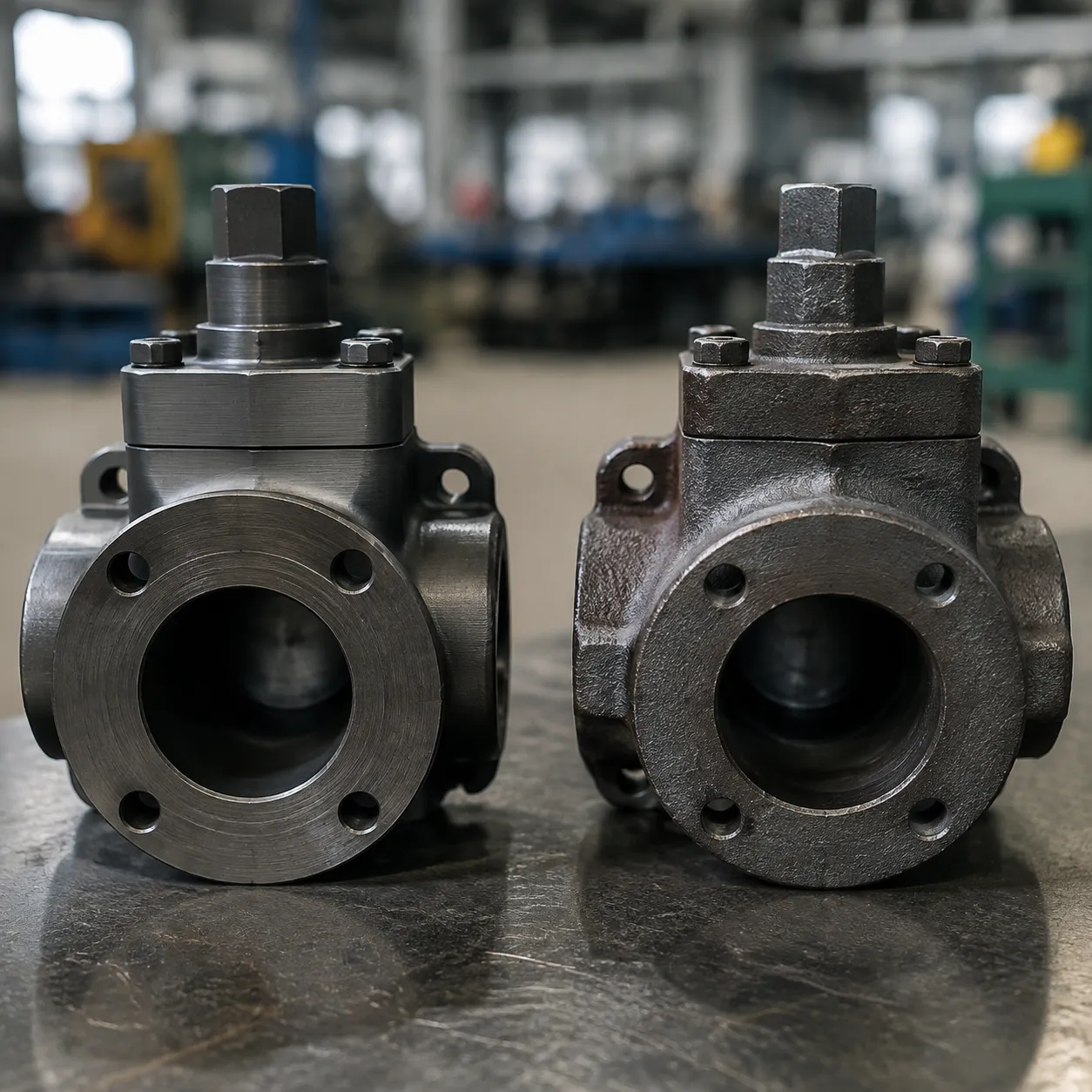
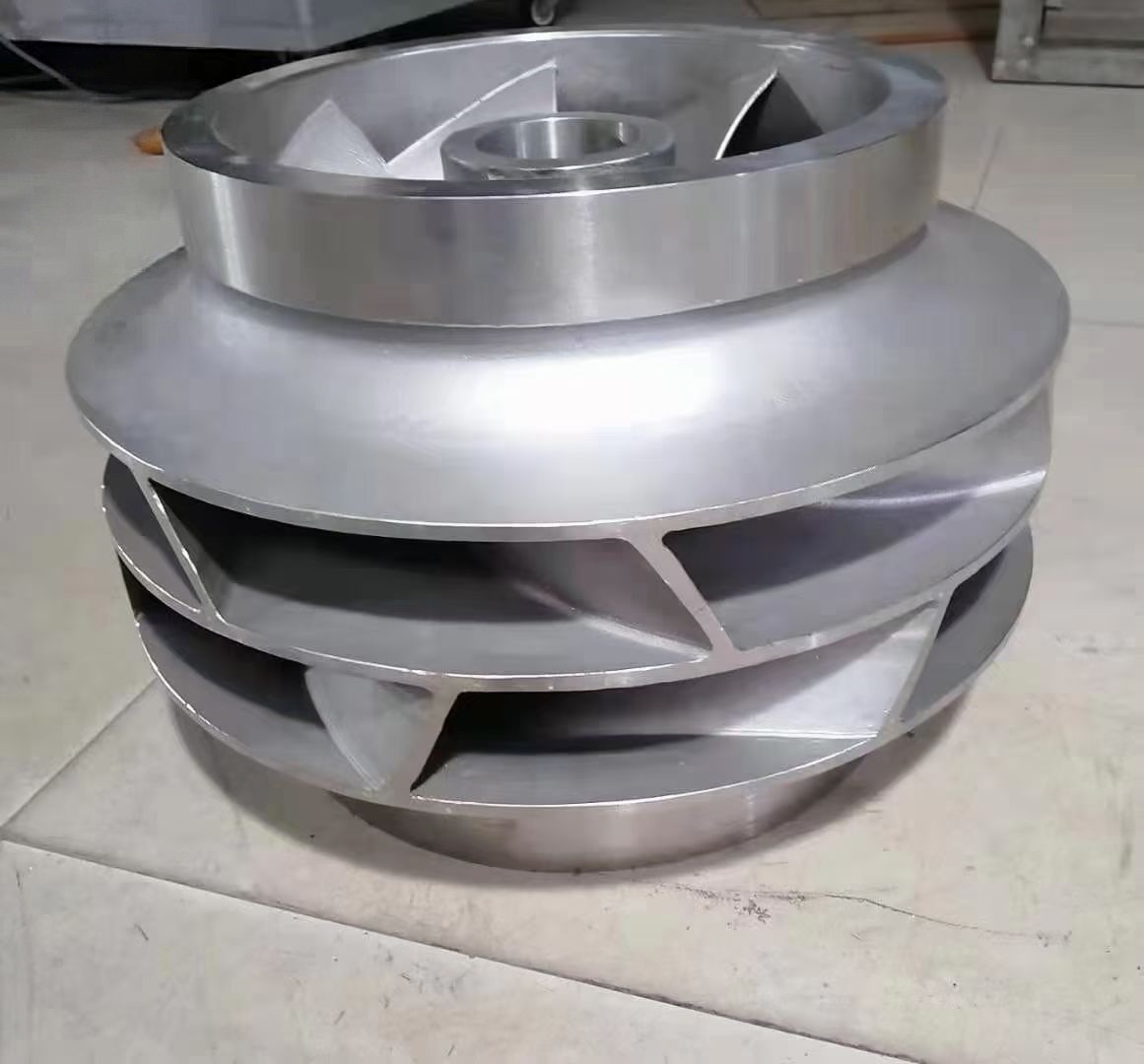
Processing plants deal with extreme heat and aggressive chemicals. We need components that won’t fail under pressure. Many of these complex valves, pumps, and fittings are manufactured using the stainless steel casting process to ensure seamless durability and leak-proof performance. Grades like 309 and 310 are often favored here for their high-temperature oxidation resistance.
Architecture and Structural Components
Architects specify sery 300 stainless steel because it combines aesthetic appeal with structural integrity. It requires minimal maintenance and keeps its finish for decades, even in polluted urban atmospheres.
- Structural uses: Cladding, roofing, handrails, and support beams.
Industry Decision Matrix:
| Industry | Primary Grade | Key Requirement |
|---|---|---|
| Food & Bev | 304 / 304L | Hygiene and acid resistance |
| Marine | 316 / 316L | Chloride (salt) resistance |
| Industrial | 309 / 310 | High-heat tolerance |
| Medical | 316L | Biocompatibility |
300 Series vs. 400 Series Stainless Steel
When selecting materials for a project, the choice often narrows down to 300 series stainless steel versus the 400 series. While both are steel alloys, their microstructures and applications are vastly different. The primary distinction lies in the nickel content; the 300 series contains nickel (making it austenitic), whereas the 400 series generally does not (making it ferritic or martensitic).
Magnetism and Corrosion Resistance
This is the quickest way to identify your metal. 300 series stainless steel is usually non-magnetic in its annealed state. In contrast, the 400 sery steel is magnetic. If you are unsure about the specific grade you are holding, understanding magnetic properties in stainless steel can help you identify the material instantly.
regarding durability, 300 series grades (like 304 and 316) offer superior corrosion resistant stainless capabilities compared to the 400 series. The nickel and chromium combination creates a self-repairing passive oxide layer that stands up well to oxidizing acids and atmospheric corrosion. The 400 series offers moderate resistance but will rust much faster in harsh environments.
Cost Analysis and Hardenability
- Hardenability: If you need a material that can be hardened by heat treatment (like for knife edges or surgical instruments), the 400 series is your choice. The 300 series stainless steel cannot be hardened by heat treatment; it can only be hardened through cold working.
- Cost: Because nickel is a commodity metal with fluctuating prices, the 300 series is typically more expensive than the 400 series. However, for long-term applications requiring low maintenance, the upfront cost of our stainless steel products in the 300 series often pays off by avoiding replacement costs.
Decision Matrix: Choosing the Right Series
To simplify your sourcing decision, use this comparison matrix to match your project requirements with the correct alloy family.
| Feature | 300 Series (Austenitic) | 400 Series (Ferritic/Martensitic) |
|---|---|---|
| Magnetic Permeability | Non-magnetic (becomes slightly magnetic when cold worked) | Magnetic |
| Corrosion Resistance | Excellent (High resistance to acids/salts) | Fair to Good (Lower resistance) |
| Heat Treatment | Cannot be hardened by heat | Can be hardened (Martensitic grades) |
| Formability | Excellent ductility (great for drawing/forming) | Fair ductility |
| Primary Use | Chemical tanks, food processing, marine hardware | Cutlery, shafts, automotive exhaust, turbine blades |
| Cost | Higher (due to Nickel) | Lower |
Next Step: If you are unsure if your application requires the high corrosion resistance of the 300 series or the hardness of the 400 series, send us your project specs for a quick consultation.
International Equivalent Grades for 300 Series Stainless Steel
When we manage global supply chains, relying solely on American standards isn’t enough. While we typically use AISI (American Iron and Steel Institute) designations here in the United States, your suppliers in Europe or Asia likely operate under EN, JIS, or GB standards. Understanding stainless steel equivalent grades is crucial to maintaining quality control, regardless of where your raw material originates.
Cross-Reference of Global Standards
Below is a quick reference guide matching the most popular 300 series stainless steel grades to their international counterparts. While these are considered equivalents, always check the specific mill test reports for exact chemical composition.
| AISI (USA) | EN (Europe) | JIS (Japan) | GB (China) | Key Feature |
|---|---|---|---|---|
| 304 | 1.4301 | SUS 304 | 06Cr19Ni10 | Standard “18-8” stainless |
| 304L | 1.4307 | SUS 304L | 022Cr19Ni10 | Low carbon, better weldability |
| 316 | 1.4401 | SUS 316 | 06Cr17Ni12Mo2 | Added molybdenum for corrosion resistance |
| 316L | 1.4404 | SUS 316L | 022Cr17Ni12Mo2 | Low carbon marine grade |
| 321 | 1.4541 | SUS 321 | 06Cr18Ni11Ti | Titanium stabilized |
| 310S | 1.4845 | SUS 310S | 06Cr25Ni20 | High-temperature oxidation resistance |
Global Sourcing and Specification Alignment
Navigating stainless steel equivalent grades requires attention to detail. A “comparable” grade does not always mean identical performance. Minor variations in elements like Nickel or Molybdenum can impact how the material behaves during processing. For instance, if you are setting up precision CNC machining with tight tolerances, even slight deviations in the alloy’s hardness or grain structure between a JIS SUS 304 and an AISI 304 can affect tool life and finish quality.
Tips for Alignment:
- Specify Ranges, Not Just Grades: When ordering from overseas, define the required range for critical elements (like Carbon or Chromium) rather than just stating “304”.
- Verify the Standard: Ensure the stainless steel chemical composition meets the specific standard required for your application (e.g., ASTM vs. EN standards often have slightly different allowable impurities).
- Certification: Always demand dual-certification (e.g., certified to meet both AISI 316 and EN 1.4401) whenever possible to simplify inventory management.
Next Step
Would you like me to create a checklist for verifying mill test reports against these international standards?
How to Select the Right 300 Series Grade
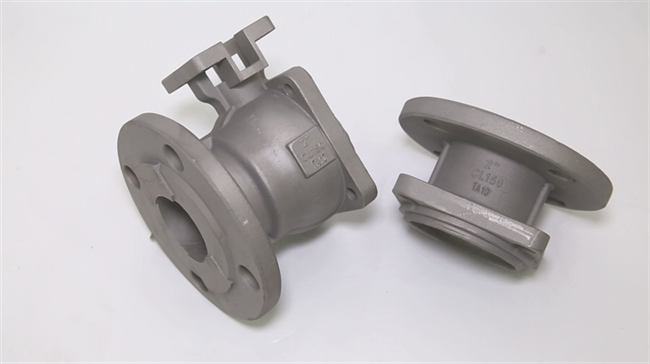
Selecting the correct alloy from the 300 series stainless steel family is about more than just picking a metal that doesn’t rust; it is about matching specific chemical properties to your operating environment. When we help clients navigate their options, we use a systematic approach to balance performance with budget, ensuring you don’t over-engineer or under-spec the material.
Step-by-Step Decision Factors
To zero in on the perfect grade, we look at three critical variables:
- Corrosion Environment: This is the big one. If your components are indoors or in mild atmospheric conditions, 304 stainless steel is the industry standard and most cost-effective choice. However, if the part is exposed to salt water, chlorides, or industrial acids, you must upgrade to 316 stainless steel. The molybdenum addition in 316 provides the pitting resistance necessary for marine or chemical processing environments.
- Temperature Range: While austenitic stainless steel is known for toughness, extreme heat changes the game. For intermittent heating above 800°F (425°C), we often recommend stabilized grades like 321 or 347 to prevent carbide precipitation during welding. Conversely, for cryogenic applications, the 300 series retains excellent toughness where other steels turn brittle.
- Mechanical Load: Standard annealed 300 series grades are relatively soft. If your application demands high tensile strength or spring properties, you should look at cold worked stainless steel options, such as Grade 301, or consider whether your load exceeds the yield strength of standard 304/316. While 300 series steels are versatile, extreme high-temperature high-stress environments might require moving up to superalloys, such as those used in high-temperature nickel alloy springs.
Cost Constraints and Regulations
Budget often dictates the final decision, but the cheapest initial cost isn’t always the best value. 304 vs 316 stainless is a common debate; 304 is cheaper, but if it corrodes in a year, the replacement costs dwarf the savings.
You must also adhere to regulatory standards. For food grade stainless steel applications, you are typically restricted to grades that meet FDA or NSF standards for sanitation and cleanability. Similarly, medical devices often strictly require biocompatible grades like 316L (low carbon) to prevent reactions within the body.
Avoidance of Common Selection Pitfalls
A frequent mistake I see is overlooking galvanic corrosion. Even the most corrosion resistant stainless can fail if it is bolted to a dissimilar metal (like aluminum or carbon steel) in the presence of an electrolyte (like saltwater). Always consider the entire assembly, not just the individual part. Additionally, ensure you specify low-carbon variants (like 304L or 316L) if you plan on heavy welding to avoid intergranular corrosion in the heat-affected zone.
Next Step: Are you unsure if your current environment requires the extra protection of Grade 316? I can help you analyze your corrosion risks to see if Grade 304 is sufficient or if an upgrade is necessary.
Precision Manufacturing with 300 Series Stainless Steel
When we work with 300 series stainless steel, we aren’t just shaping metal; we are engineering durability. Because this austenitic stainless steel is tougher and tends to work-harden faster than other grades, it requires specific expertise in manufacturing to maintain tight tolerances without destroying tooling.
Investment Casting and CNC Capabilities
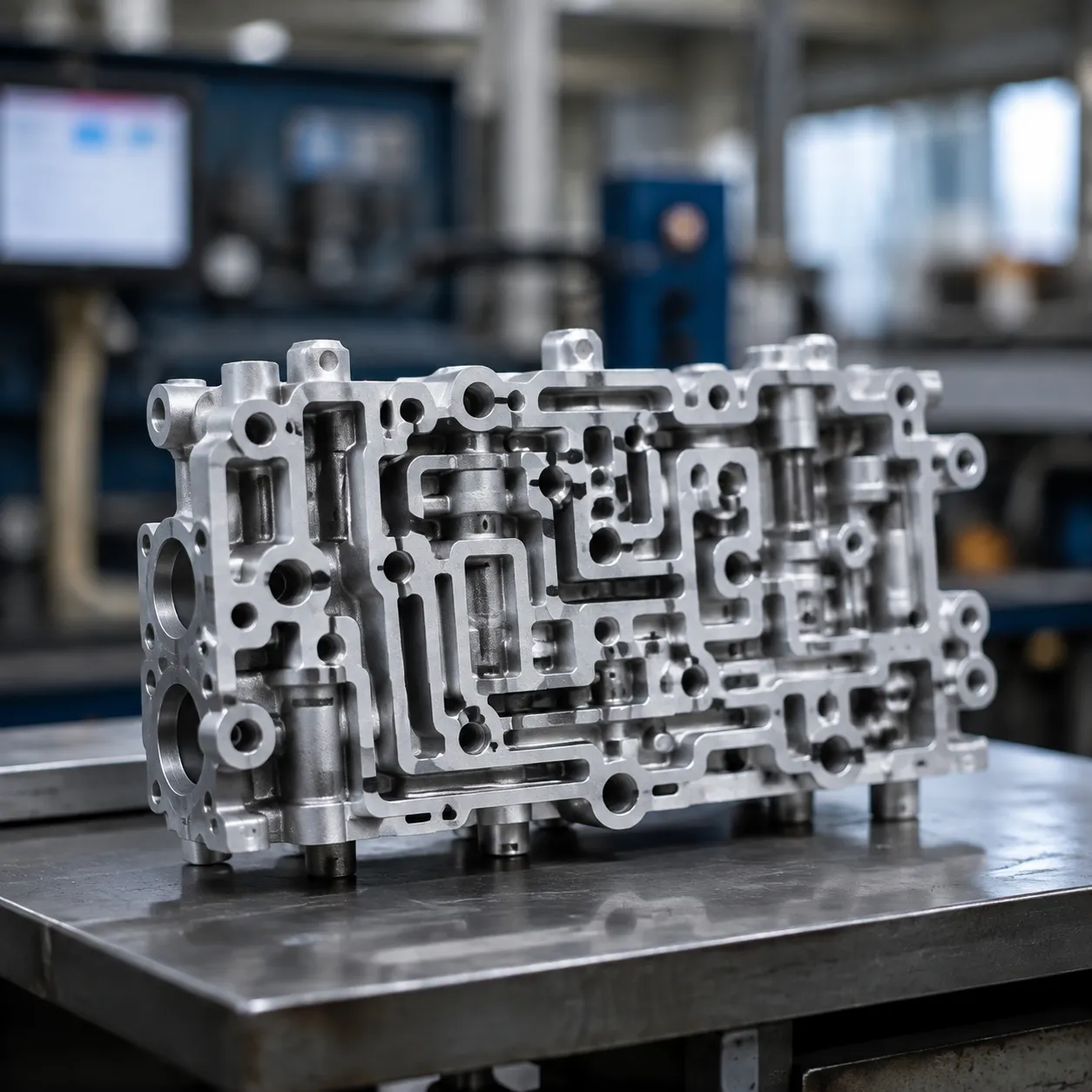
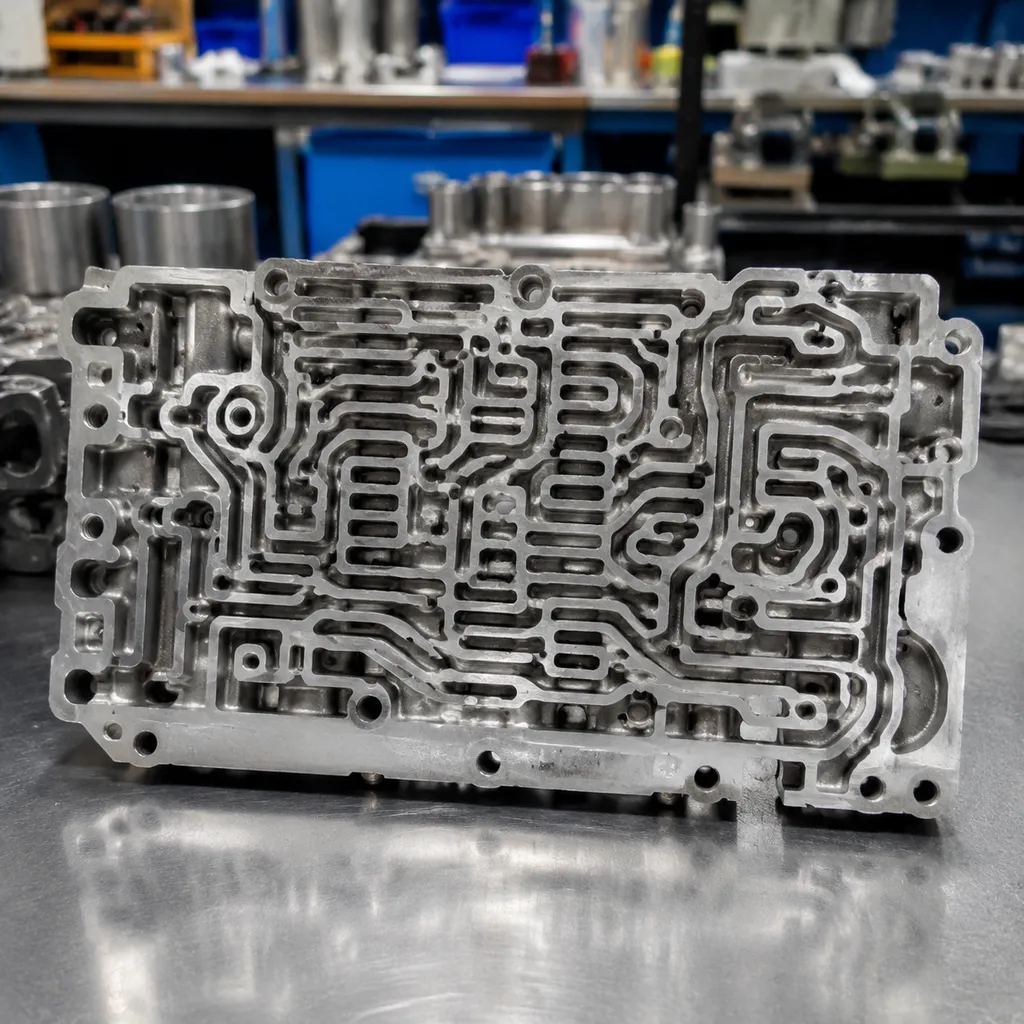
For complex geometries where machining from a solid block would be too costly or wasteful, we rely on high-quality precision casting services to achieve near-net shapes. This is particularly effective for 304 and 316 stainless steel components used in fluid handling or marine hardware.
When extreme precision is required, CNC machining is the standard. We utilize advanced tooling setups to manage the gummy nature of the 300 series, ensuring that threaded holes and mating surfaces meet exact specifications.
Surface Finishing Options
The surface finish of 300 series alloys often dictates their corrosion performance. We offer a variety of finishes to suit the application:
- Passivation: Essential for removing free iron from the surface and maximizing the natural oxide layer.
- Electropolishing: Common in food grade stainless steel and pharmaceutical applications to reduce surface roughness and bacterial attachment.
- Bead Blasting: Provides a uniform, matte texture that hides handling marks on architectural parts.
Quality Assurance and Certification
You can’t eyeball quality with high-performance alloys. We adhere to strict quality assurance protocols to ensure every batch of sery 300 stainless steel meets global standards.
- Material Certification: Verification of chemical composition (checking Chromium and Nickel levels).
- Dimensional Inspection: Using CMM (Coordinate Measuring Machines) for complex geometries.
- Standard Compliance: Full adherence to ASTM, EN, and ISO specifications to ensure the stainless steel equivalent grades align with your engineering requirements.
Would you like me to outline the “FAQ: 300 Series Stainless Steel” section next?
FAQ: 300 Series Stainless Steel
Here are the answers to the most common questions we get regarding these alloys. We keep it simple so you can make the right manufacturing decisions without getting bogged down in textbook definitions.
What is 300 series stainless steel?
300 series stainless steel is a family of austenitic stainless steel alloys. This means they are composed primarily of chromium (usually 18%) and nickel (usually 8%), which gives them excellent corrosion resistance and formability. Unlike standard carbon steels or alloy steel vs stainless steel comparisons where strength is often the focus, the 300 series is prioritized for its ability to resist rust and maintain structural integrity in harsh environments.
Is 300 series stainless steel magnetic?
Generally, no. In its annealed (softened) state, non-magnetic stainless steel is the standard for the 300 series. However, there is a catch. If the metal undergoes heavy cold working (bending, forming, or machining), it can become slightly magnetic. This is distinct from the 400 series, which is always magnetic.
What is the main difference between 304 and 316?
The biggest difference lies in the chemical composition, specifically the addition of molybdenum in stainless steel grade 316.
| Feature | 304 Stainless Steel | 316 Stainless Steel |
|---|---|---|
| Key Element | Chromium + Nickel | Chromium + Nickel + Molybdenum |
| Best For | Kitchens, indoor structures, general piping | Marine environments, chemical processing, medical tools |
| Corrosion Resistance | Excellent (General) | Superior (Resists chlorides/salt) |
| Cost | More Affordable | Higher Premium |
Can you heat treat 300 series to harden it?
No. You cannot harden 300 series stainless steel using heat treatment. This is a common misconception. These grades are non-hardenable by heat; they only harden through cold working (strain hardening). If you need a grade that hardens via heat treatment, you should be looking at martensitic grades (like the 400 series) or precipitation-hardening grades.
Why choose 300 series over 400 series?
You choose the 300 series when corrosion resistance and ductility are your top priorities.
- Choose 300 Series: If your part faces moisture, chemicals, or needs to be welded extensively.
- Choose 400 Series: If you need a magnetic steel, higher hardness, or wear resistance (like in cutlery), and corrosion is a secondary concern.
We often recommend 316 stainless steel for projects requiring maximum durability in salt-heavy US coastal regions, while 304 stainless steel remains the workhorse for most interior industrial applications.