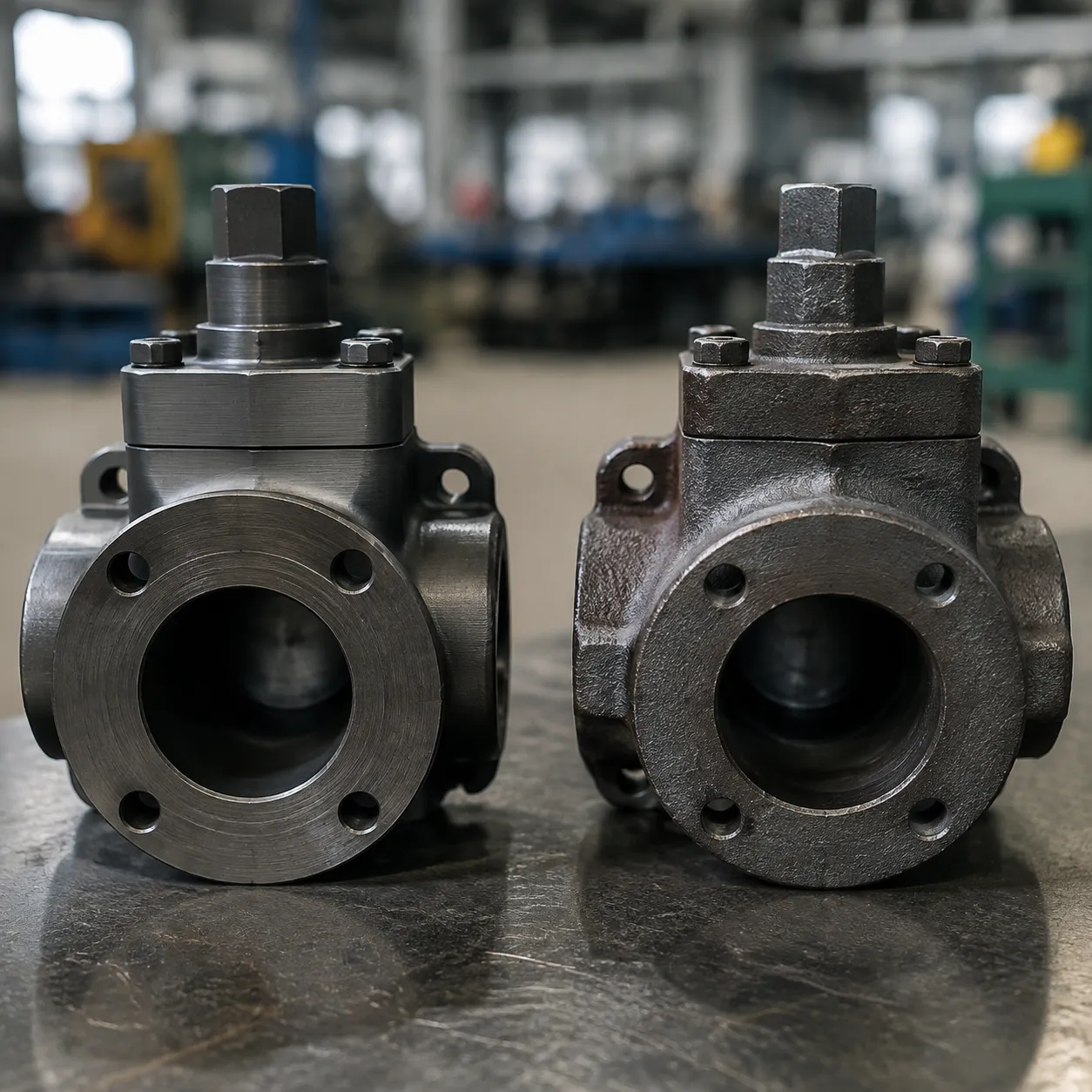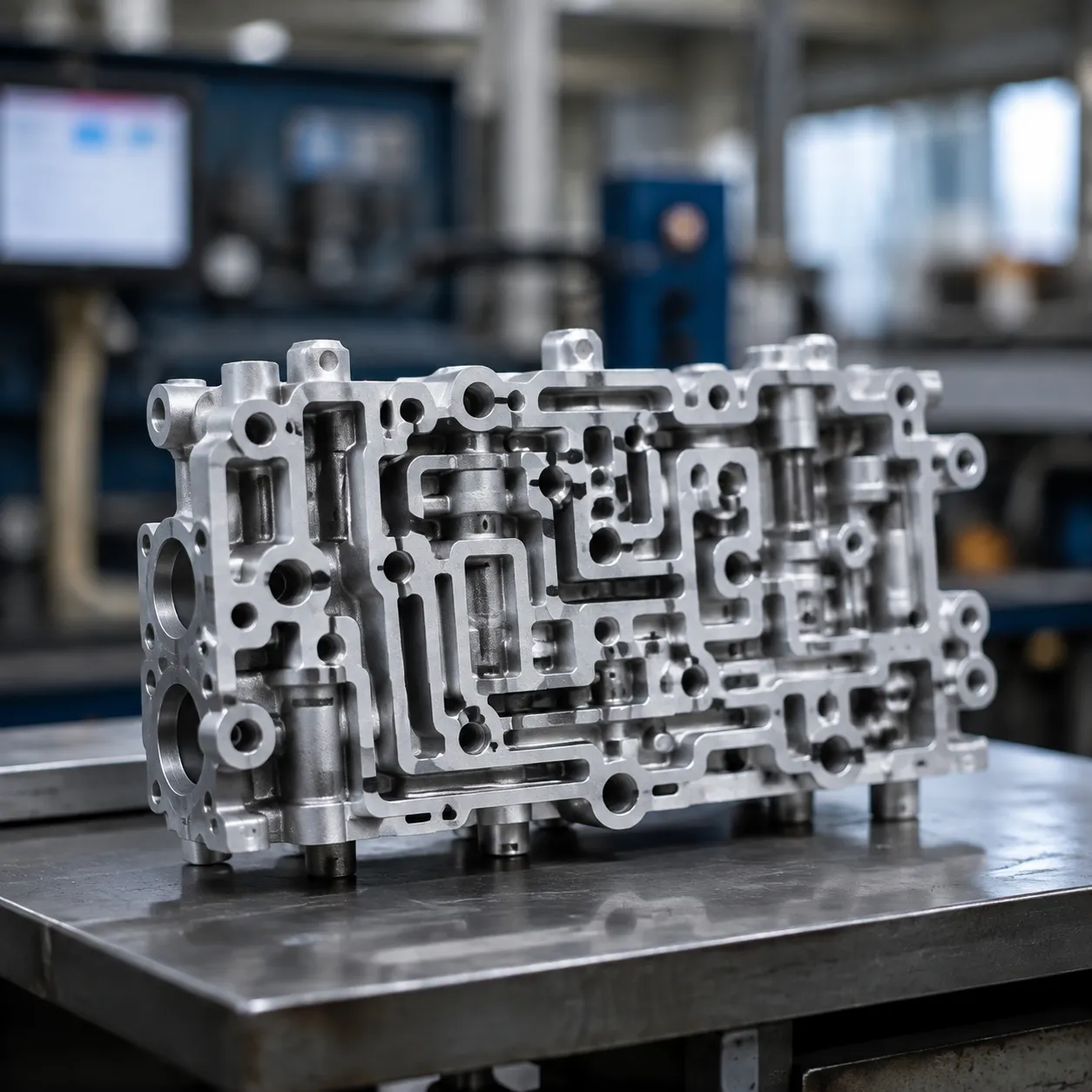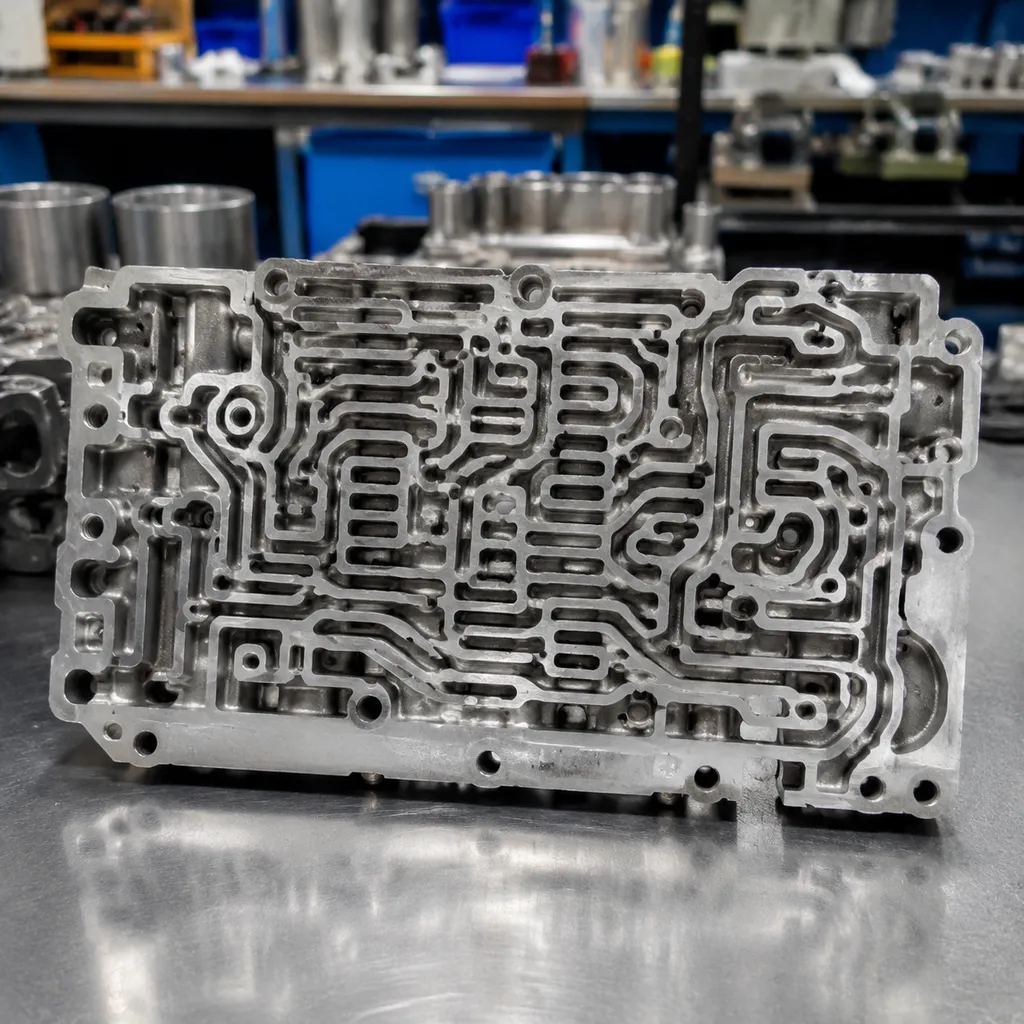

Defining High-Security Standards in American Casting & Manufacturing
When you are moving high-value cargo across borders, the last thing you can afford is a security seal that fails under stress or hides manipulation. In the logistics world, “good enough” is a liability. We understand that meeting the rigorous expectations often associated with American casting & manufacturing requires an absolute obsession with detail. It is not just about molding plastic or pouring metal; it is about engineering trust into every single unit. To ensure supply chain security solutions actually work, we adhere to strict manufacturing protocols that rival any American casting and manufacturing corporation.
The Critical Role of Material Integrity
The foundation of a tamper-evident seal is the raw material. You cannot build a high-security device out of recycled, low-grade scrap. We distinguish strictly between materials based on their function in the seal:
- ABS (Acrylonitrile Butadiene Styrene): We use high-impact ABS for the outer casing of bolt seals. It offers superior shock resistance, ensuring the seal survives the rough handling of international shipping without accidental breakage.
- Polycarbonate: This is critical for transparent locking housings. Unlike softer plastics that deform, polycarbonate fractures if someone tries to manipulate the internal mechanism, providing immediate visual evidence of tampering.
Precision Die-Casting for Tamper-Proof Components
For the core locking mechanisms, we utilize a high-pressure die-casting manufacturing process. Unlike sand casting or simple machining, die-casting forces molten metal (typically zinc or aluminum alloys) into mold cavities at extreme pressure.
This process creates a dense, non-porous metal structure with exceptional tensile strength. A die-cast locking body is virtually impossible to pry open without destroying the seal entirely. This level of precision ensures that the locking mechanism engages perfectly every time, a standard of quality often sought after in American premium casting products.
ISO 17712:2013 and C-TPAT Compliance
Manufacturing muscle means nothing without certification. To navigate the global market, specifically entering the United States, your seals must meet the “H” (High Security) classification. We engineer our high-security bolt seals to strictly adhere to ISO 17712 compliant seals standards.
Compliance guarantees two things:
- Physical Strength: The seal passes testing for impact, shear, bend, and tensile strength.
- Tamper Evidence: The design prevents manipulation without leaving a trace.
Meeting these standards is mandatory for C-TPAT cargo compliance (Customs-Trade Partnership Against Terrorism). Using non-compliant seals can lead to severe delays at US Customs and border inspections. We ensure our manufacturing output meets these critical benchmarks, providing the security necessary for global trade.
Core Product Categories for Diverse Industry Needs
We understand that securing a supply chain requires more than a “one-size-fits-all” approach. Whether you are managing international freight or local retail distribution, our product lineup is engineered to meet the rigorous expectations often associated with top-tier American casting & manufacturing standards. We control the entire production cycle, ensuring every seal performs exactly as intended in the field.
High-Security Bolt Seals
Our bolt seals are the frontline defense for shipping containers and heavy trucks. We utilize Q235A low-carbon steel for the pin and bush, encased in durable ABS plastic. A critical feature here is the anti-spin mechanism; this design prevents the bolt from being rotated at high speeds to defeat the lock, a common method of tampering.
- Security Level: ISO 17712 “H” (High Security)
- Material: Galvanized steel + ABS coating
- Application: C-TPAT cargo compliance, shipping containers, rail cars
- Production: Our specialized casting foundry techniques ensure the steel core maintains high tensile strength against cutting and impact.
Cable and Wire Seals
When you need versatility for valves, tankers, or irregular locking points, custom cable seals are the answer. We use non-preformed galvanized steel wire technology. This is a vital security feature: if the wire is cut, it unravels immediately, making it impossible to re-thread or hide evidence of tampering. The locking body is typically made from aluminum alloy or heavy-duty steel, providing a robust barrier against opportunistic theft.
Plastic and Indicative Seals
Not every application requires a bolt cutter to remove. For retail distribution, airline trolleys, and tote bags, plastic truck seals and pull-tight seals offer efficient tamper evidence. These are “indicative” seals—they show visual proof of access rather than acting as a physical barrier.
| Feature | Bolt Seals | Cable Seals | Plastic Seals |
|---|---|---|---|
| Primary Use | Heavy Cargo / Containers | Tankers / Valves | Retail / Logistics |
| Material | Steel / ABS | Aluminum / Steel Wire | PP / PE Plastic |
| Locking Type | Barrier (Requires Cutters) | Adjustable Length | Pull-Tight / Fixed |
| Security Class | High Security (H) | High or Medium | Indicative |
By leveraging advanced manufacturing capabilities, we deliver tamper-evident security seals that rival domestic American casting and manufacturing corporation products in quality, while offering the scalability needed for global operations.
The Manufacturing Edge: Why Precision Matters
In the security seal industry, precision isn’t just a buzzword; it’s the defining factor between a secure shipment and a compromised supply chain. We understand that meeting the rigorous standards expected of American casting & manufacturing requires a dual-process approach. We combine high-pressure die-casting for structural strength with advanced injection molding for tamper evidence.
Technical Comparison: Injection Molding vs. Metal Casting
To achieve ISO 17712 compliance, we utilize a hybrid manufacturing strategy. The die-casting manufacturing process creates the robust metal core necessary for high-security applications, while injection molding provides the customizable ABS shell. Understanding material properties, such as those detailed in our A356 aluminum vs 6061 cast comparison, ensures we select the right alloy for maximum durability.
| Feature | Metal Die-Casting | Injection Molding |
|---|---|---|
| Primary Material | Carbon Steel, Aluminum Alloy, Zinc | ABS, Polypropylene (PP) |
| Function | Structural integrity, tensile strength, locking mechanism | Tamper evidence, color coding, branding surface |
| Security Level | High Security (Barrier) | Indicative |
| Typical Application | Bolt seal pins, cable lock bodies | Plastic truck seals, bolt seal coatings |
Customization: Laser Marking and Serialization
Security hardware is useless without proper tracking. We employ high-precision laser marking and serialization to ensure every seal is unique and traceable. Unlike traditional ink printing which can fade or be scrubbed off, laser engraving burns the data into the material, creating a permanent mark that withstands harsh shipping environments.
- Barcoding: High-contrast 1D and 2D barcodes for automated scanning.
- Sequential Numbering: Prevents duplication and aids in logistics loss prevention.
- Logo Branding: Custom thermal stamping or laser etching to reinforce brand identity.
Vastmaterial’s Approach to OEM/ODM
We operate as a direct industrial casting supplier, eliminating the layers of middlemen often found in the supply chain. Our OEM security seal production capabilities allow us to adapt rapidly to client specifications, whether that involves modifying the locking length of a cable seal or developing a custom mold for a specific bolt seal design. By controlling the entire production line—from raw material sourcing to final assembly—we ensure that our output matches the quality expectations of the American casting & manufacturing sector while offering faster turnaround times on bulk orders.
Sourcing Security Seals: Comparing Global Manufacturers
When procurement teams start looking for tamper-evident security seals, established domestic names like American Casting & Manufacturing often set the benchmark for quality. However, the modern supply chain is global, and sourcing strategies have evolved. The debate between “Made in USA” and global sourcing isn’t just about price anymore—it is about finding a balance between strict compliance, availability, and cost-efficiency. Whether you choose a local provider or a global partner, the physical security of the cargo relies on the seal’s ability to resist manipulation, not just where it was cast.
Navigating the ‘Made in USA’ vs. Global Sourcing Debate
For many US-based logistics managers, sticking with a local entity like American Casting & Manufacturing Corporation feels like the safe bet for quick support. However, global manufacturers have closed the gap by adhering to the exact same ISO 17712 compliant seals standards required by US Customs.
The reality of logistics loss prevention is that criminals don’t care about the country of origin; they care about the tensile strength and the locking mechanism. By sourcing from a direct global factory that utilizes a rigorous manufacturing process, businesses can often secure high-volume orders of high-security bolt seals at a fraction of the cost without sacrificing C-TPAT cargo compliance.
Key Supplier Checklist: Certifications, Lead Times, and Direct Manufacturing
To ensure you aren’t trading security for savings, every potential security seal manufacturer should be vetted against a strict checklist. A reliable partner for supply chain security solutions must offer transparency in their production capabilities.
Essential Supplier Criteria:
- ISO 17712:2013 Certification: Mandatory for international shipping. If they can’t prove it, walk away.
- Production Capacity: Can they handle a rush order of 50,000 units without a six-week lead time?
- Customization: Do they offer laser marking and serialization in-house to prevent duplication?
- Material Quality: Verification of raw materials, such as ABS plastic and galvanized steel wire.
Why Factory-Direct Sourcing Eliminates Middleman Markups
The biggest advantage of working with a direct industrial casting supplier rather than a distributor is cost control. Many local suppliers re-brand products made overseas, adding a markup for inventory management. By going factory-direct, you gain access to OEM security seal production capabilities. This allows for specific modifications—like unique color coding or barcode placement—that a middleman might not accommodate. We focus on delivering heavy-duty container seals straight from the production line to your dock, ensuring you pay for the product quality, not the logistics of a third-party reseller.
Why Vastmaterial is Your Partner for Industrial Security
Finding a reliable security seal manufacturer involves more than just comparing prices; it requires a partner who understands the rigorous standards often associated with industry leaders like American Casting & Manufacturing. At Vastmaterial, we bridge the gap between global manufacturing efficiency and the strict compliance required by US logistics chains. We operate as a comprehensive solution provider, ensuring that your supply chain security meets international benchmarks without the inflated costs of domestic middlemen.
Commitment to ISO Quality Standards
We take compliance seriously. Just like the expectations set for American Casting & Manufacturing Corporation, our production facilities adhere strictly to ISO 9001 quality management systems. More importantly for cargo security, our high-security seals are certified under ISO 17712:2013. This ensures that every bolt and cable seal we produce meets the “H” (High Security) classification necessary for C-TPAT compliance, giving you peace of mind for cross-border shipping.
To achieve this level of reliability, we utilize advanced production methods for our metal components, leveraging techniques similar to our precision investment casting services for complex metal parts to ensure the internal locking mechanisms are robust and tamper-proof.
Comprehensive Security Seal Catalog
We don’t just offer one type of seal; we provide a full spectrum of tamper-evident solutions designed to meet diverse industrial needs:
- High-Security Bolt Seals: Built with carbon steel and ABS coating for heavy-duty container security.
- Cable Seals: Adjustable length seals featuring non-preformed galvanized wire, perfect for securing valves and tankers.
- Plastic & Indicative Seals: Cost-effective pull-tight options for retail, tote boxes, and airline trolleys.
- Meter Seals: Specialized designs for utility providers (water, gas, electric) to prevent unauthorized access.
Client-Centric B2B Services
We understand that businesses looking for American premium casting quality also need efficient procurement processes. Our business model is strictly B2B, focusing on high-volume production with factory-direct pricing. By sourcing directly from us, you eliminate distributor markups while gaining access to rapid customization options, including laser engraving of logos, barcodes, and sequential numbering. We prioritize fast turnaround times and clear communication, making us a strategic partner for your long-term security procurement.
FAQ: Common Questions About Security Seal Manufacturing
What specific standards must American casting and manufacturing meet for C-TPAT?
For any American casting & manufacturing operation—or international supplier—to meet C-TPAT (Customs-Trade Partnership Against Terrorism) requirements, strict adherence to ISO 17712:2013 is non-negotiable. This standard defines the physical strength of the seal. To qualify as a “High Security” (H) seal, the product must pass rigorous testing at an accredited lab, including:
- Tensile Test: Measuring the force required to pull the seal apart.
- Shear Test: Testing resistance to cutting blades.
- Bending Test: Ensuring the metal shaft doesn’t snap easily under flexibility stress.
- Impact Test: Verifying durability against blunt force at different temperatures.
It’s not enough to just look tough; the manufacturing process must ensure the seal physically prevents unauthorized access to shipping containers.
How does the die-casting process affect the tensile strength of a bolt seal?
The manufacturing method plays a massive role in security. We utilize high-pressure die casting because it creates a denser, more uniform metal structure compared to sand casting or machining. The industrial die-casting process benefits the seal’s integrity by eliminating internal air pockets (porosity) that could act as weak points.
When we cast the locking mechanism or the metal body of a cable seal, the high pressure ensures the material is solid throughout. This directly translates to higher tensile strength, making it much harder for thieves to break the seal by pulling or prying.
Can Vastmaterial match the customization options of US-based manufacturers?
Absolutely. We understand that logistics loss prevention relies on tracking, which is why we offer the same, if not better, customization capabilities as domestic suppliers. Our facility is equipped for:
- Laser Marking: Permanent engraving that cannot be scrubbed off.
- Serialization: Sequential numbering for easy inventory management.
- Barcoding/QR Codes: High-resolution printing for automated scanning systems.
- Custom Branding: Adding your company logo directly onto the seal body.
We provide these OEM security seal production services with rapid turnaround times, ensuring you don’t have to sacrifice customization for cost savings.
What is the difference between indicative seals and barrier seals?
Understanding this distinction is key to choosing the right product:
- Indicative Seals: These are typically plastic truck seals or light-gauge wire seals. Their primary job is to show visual evidence of tampering (broken seal). They can be removed by hand or with simple household scissors. They do not provide physical protection.
- Barrier Seals: These include high-security bolt seals and heavy-duty cable seals. They are designed to physically bar entry. They are made of steel and require heavy-duty bolt cutters to remove. For international shipping and C-TPAT compliance, you almost always need a barrier seal.