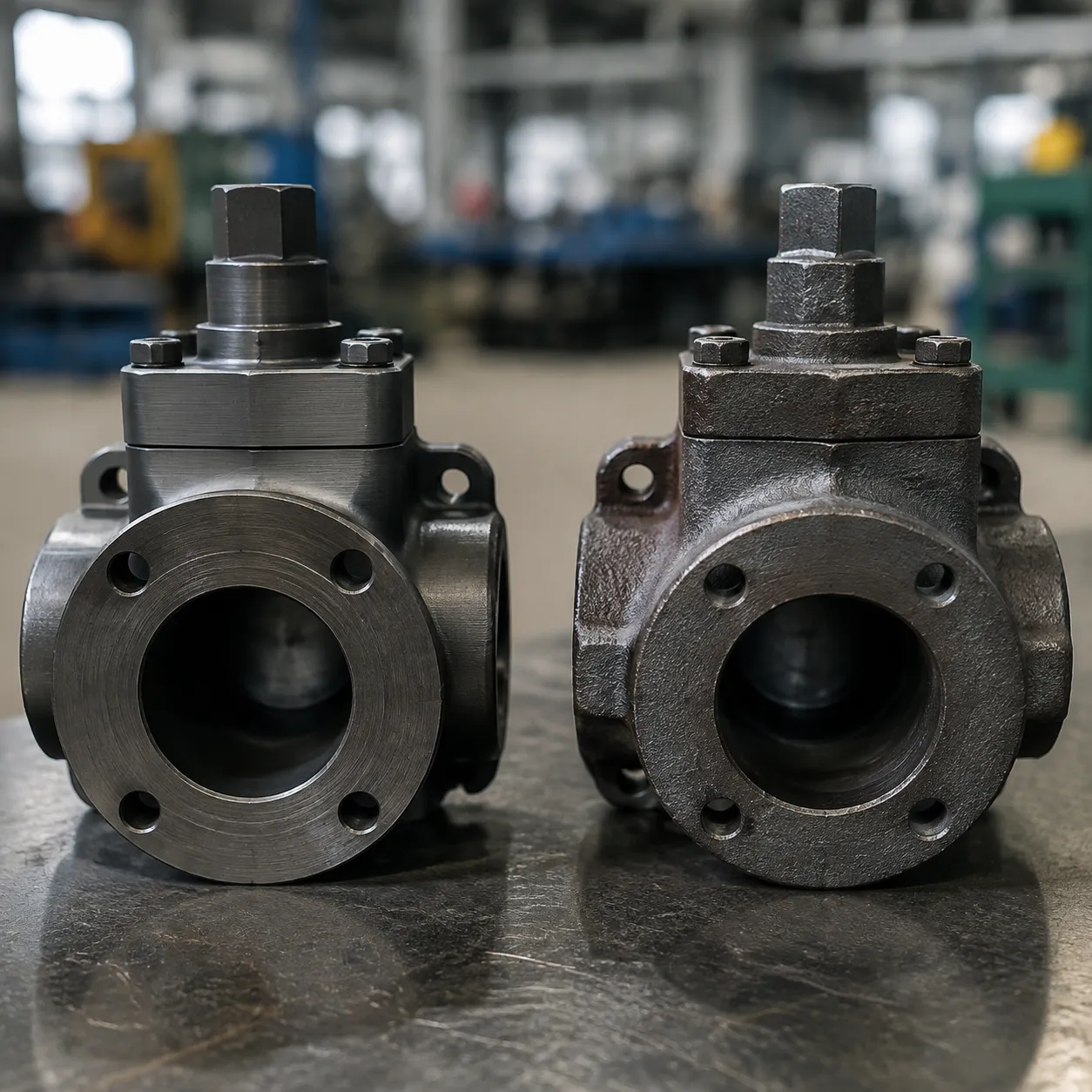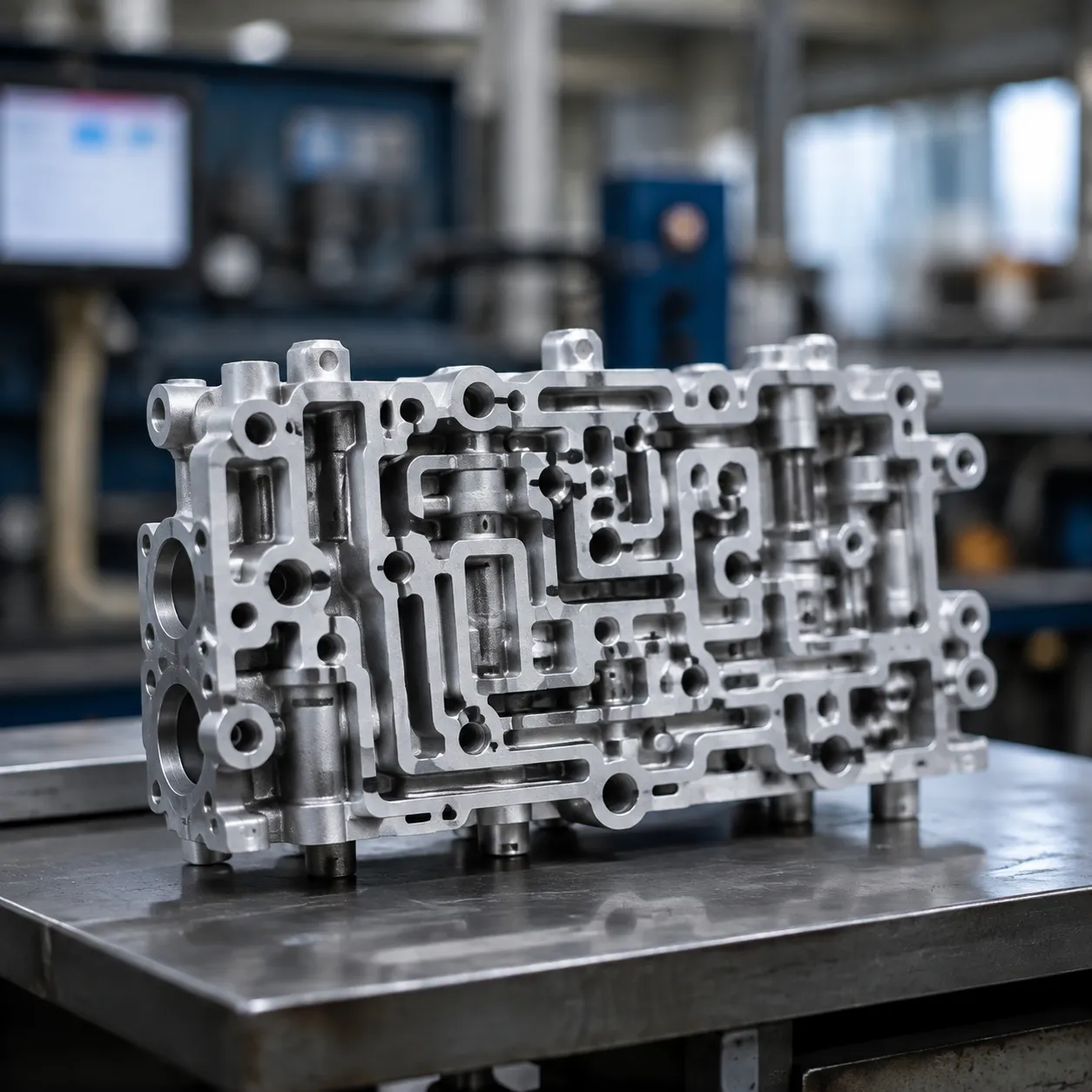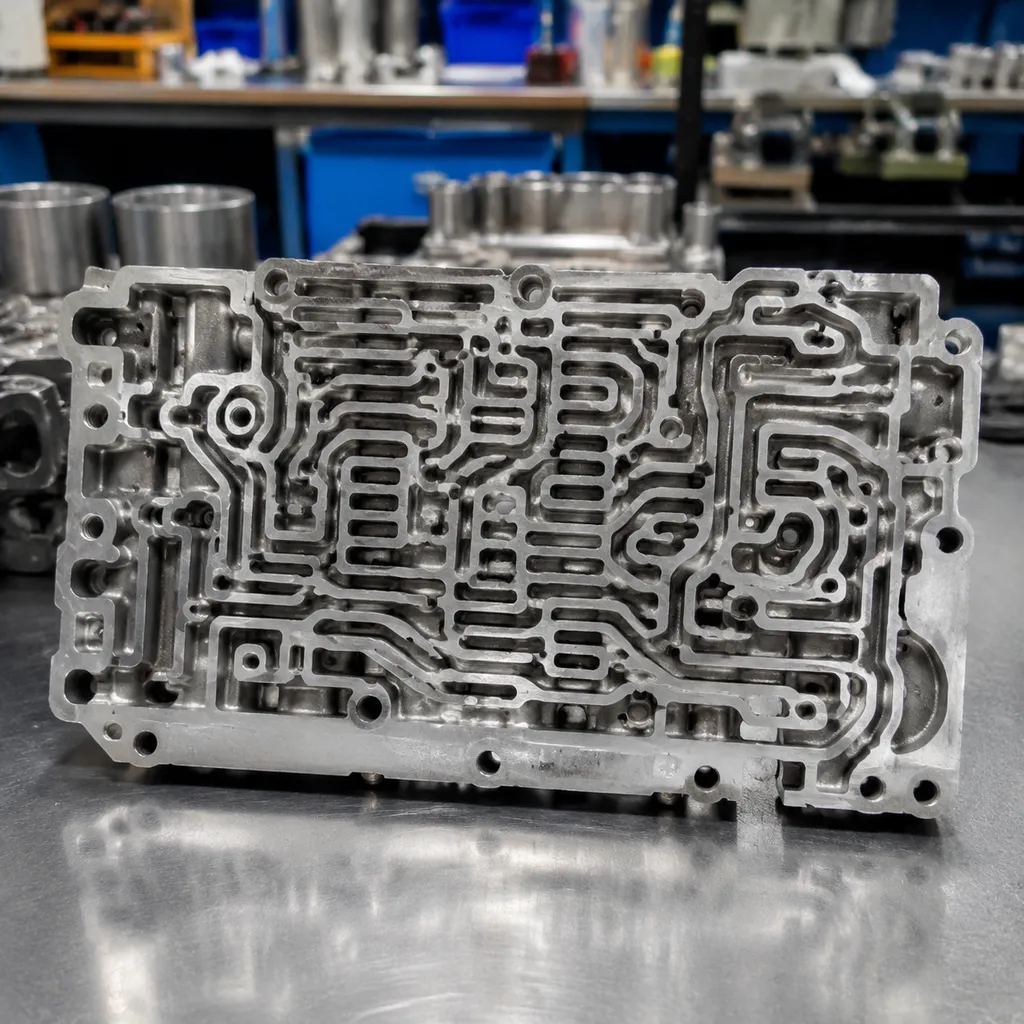
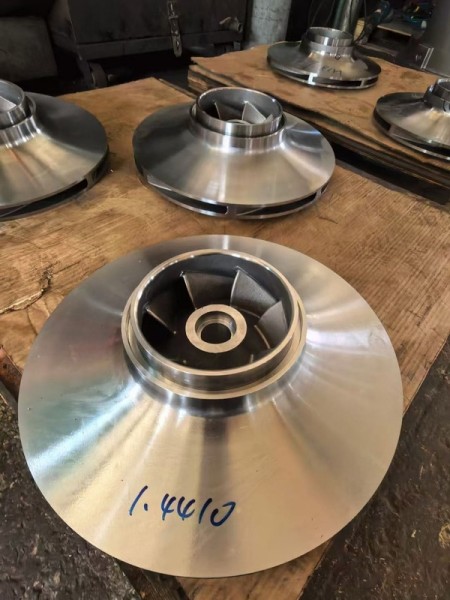
Understanding the Core Processes
At Haoyu Material, we navigate the intricacies of heavy-duty manufacturing every day. When clients approach us for large-scale components like rotor shafts or mill housing, the first technical decision often revolves around the difference between forging and casting. While both methods transform raw metal into usable parts, they achieve this through fundamentally different physical mechanisms that dictate the final component’s strength, integrity, and application.
Understanding casting vs forging is critical because the manufacturing method directly impacts the lifespan and reliability of parts used in demanding sectors like mining, steel production, and wind power. We don’t just manufacture; we engineer solutions based on whether a part needs the intricate geometry of a casting or the superior structural integrity of a forging.
What is Casting?
Casting is a process that begins with liquidity. We heat material—typically carbon steel, alloy steel, or stainless steel—until it becomes molten metal. This liquid is then poured into a prepared mold that contains a negative impression of the desired shape. Once the metal cools and solidifies, we remove the mold to reveal the component.
At our facility, we utilize heavy-duty sand casting to produce massive, complex parts that would be impossible or too costly to machine from a solid block.
- Key Characteristic: Excellent for creating complex internal cavities and intricate designs.
- Process Flow: Melting $rightarrow$ Pouring $rightarrow$ Solidification $rightarrow$ Cleaning.
- Result: A near-net shape component that minimizes initial material waste.
What is Forging?
Forging is all about compressive force and plastic deformation. Unlike casting, we never melt the metal into a liquid state during the shaping phase. Instead, we heat a solid billet or ingot to a malleable temperature and apply massive pressure using hydraulic presses or hammers to shape it.
This process is the backbone of our production for high-stress components like step shafts, eccentric shafts, and gear blanks. By physically forcing the metal into shape, we alter its internal properties for the better.
- Key Characteristic: Achieves superior grain structure alignment, following the contour of the part.
- Process Flow: Heating $rightarrow$ Deforming (Pressing/Hammering) $rightarrow$ Heat Treatment $rightarrow$ Machining.
- Result: A part with exceptional impact resistance and mechanical strength, free from the porosity issues often found in castings.
The 5 Key Differences Between Forging and Casting
At Haoyu Material, we utilize both manufacturing methods depending on the specific mechanical requirements of the project. While both processes start with raw metal, the path to the final component creates distinct differences in performance and application. Here is the breakdown of the difference between forging and casting.
Grain Structure and Integrity
The most critical distinction lies in the internal structure. When we forge a component, we apply massive compressive force to solid metal. This process refines the grain structure and creates a continuous flow that follows the shape of the part. This alignment significantly boosts tensile strength, impact resistance, and the fatigue limit.
In contrast, casting involves pouring molten metal into a mold where it solidifies. The grain structure here is random. While modern casting techniques are robust, they generally lack the directional strength found in forged steel.
Design Complexity and Tolerances
If your design features intricate internal cavities, thin walls, or complex non-symmetrical geometries, casting is often the only viable option. It allows us to achieve near-net shape results, minimizing the amount of material removal required later.
Forging is restricted to simpler geometries like blocks, rings, and shafts. Because the metal is solid during shaping, we cannot force it into highly complex voids. Consequently, forged parts usually require a larger machining allowance to reach the final specifications.
Material Options Available
We handle a wide range of materials, including carbon steel, alloy steel, and stainless steel.
- Casting: Offers greater flexibility in alloy composition. We can add specific elements to the melt to achieve unique properties (like heat resistance or wear resistance) that might make the metal too brittle to forge.
- Forging: Requires materials that possess enough ductility to undergo plastic deformation without cracking.
Cost Implications: Tooling vs. Unit Price
The cost effectiveness of forging vs casting depends heavily on production volume and size.
- Casting: Generally involves higher initial tooling costs for molds and patterns. However, for high-volume runs or complex shapes, the unit price drops significantly.
- Forging: Open die forging (which we use for large parts) has lower tooling costs but higher processing costs per unit due to the energy and labor required.
Surface Finish and Potential Defects
Forged parts typically exhibit a cleaner surface finish and superior structural integrity. The primary advantage of forging is the elimination of internal voids.
Castings, by nature of the solidification process, are susceptible to metallurgical porosity (tiny air pockets) or shrink cavities. To ensure reliability, our professional casting foundry employs rigorous non-destructive testing, such as Ultrasonic Testing (UT), to guarantee that every cast component meets heavy-duty industrial standards.
Side-by-Side Comparison Table
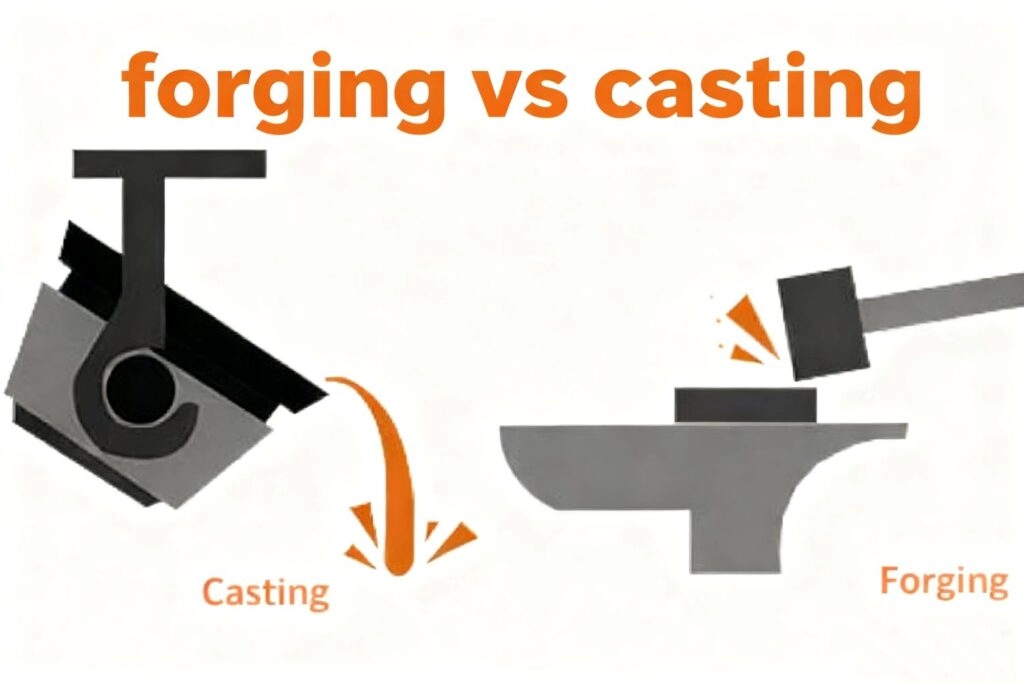
When deciding between forging vs casting for heavy industrial components, seeing the technical specs side-by-side helps clarify the best path for your project. At Haoyu Material, we utilize both methods depending on whether the priority is maximum structural integrity or geometric complexity.
The table below outlines the critical differences in grain structure, integrity, and manufacturing limits.
| Feature | Forging (Haoyu Process) | Casting (Haoyu Process) |
|---|---|---|
| Grain Structure | Aligned grain flow follows the part shape; superior directional strength. | Uniform, granular structure; isotropic properties but no grain flow alignment. |
| Internal Integrity | High density; compressive force eliminates internal voids and porosity. | Potential for metallurgical porosity or shrink cavities if not controlled. |
| Design Complexity | Best for simpler, symmetrical shapes like shafts and rings. | Ideal for intricate designs, internal cavities, and complex geometries like ductile iron cast components. |
| Mechanical Properties | Higher tensile strength, impact resistance, and fatigue limit. | Good compressive strength, though generally lower ductility than forged parts. |
| Machining Allowance | Typically requires more machining to reach final dimensions. | Can be produced closer to near-net shape, reducing material waste. |
| Heat Treatment | Responds consistently to treatment due to refined grain. | Critical for homogenizing structure and relieving internal stresses. |
This comparison highlights why forging is the go-to for high-stress parts like rotor shafts, while casting remains essential for complex housings and bases. Understanding these trade-offs ensures you select the process that balances performance with cost-efficiency.
When to Choose Which Process?
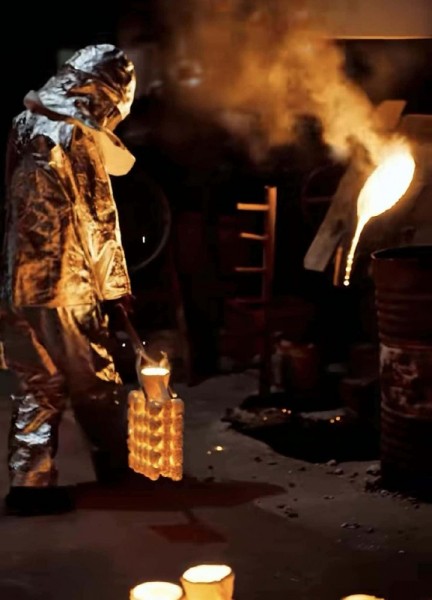
Deciding between forging vs casting ultimately comes down to the specific demands of your application. At Haoyu Material, we analyze the mechanical load, design geometry, and volume requirements to recommend the right path. While cost is always a factor, the performance of the final component in heavy-duty environments—like steel mills or mining operations—is the priority.
Scenarios for Choosing Casting
Casting is generally the preferred method when geometry dictates the manufacturing approach. If your design features intricate details, internal cavities, or complex cross-sections that would be impossible or too expensive to machine from a solid block, casting is the answer. It allows us to achieve a near-net shape, significantly reducing the machining allowance required later.
You should opt for casting when:
- Complex Designs: The part requires internal chambers, thin walls, or non-symmetrical shapes.
- Massive Scale: You need extremely large components, such as heavy machinery housings or mill bases, which exceed the capacity of standard forging presses.
- Specific Alloy Requirements: You are using materials that have poor plasticity and are difficult to forge.
- Cost Efficiency: For lower volume production of large, complex parts, casting minimizes tooling costs compared to creating multiple forging dies.
When evaluating production methods, understanding the nuances of sand casting vs die casting processes is crucial for balancing precision with production volume.
Scenarios for Choosing Forging
Forging is the standard for safety-critical components where failure is not an option. The process uses compressive force to refine the grain structure alignment of the metal, following the shape of the part. This results in superior mechanical properties, making forged parts ideal for high-stress applications.
You should opt for forging when:
- High Strength Requirements: The component must withstand extreme tensile strength loads and impact resistance.
- Cyclic Loading: The part involves rotation or repetitive stress (like our step shafts, rotor shafts, and eccentric shafts), requiring a high fatigue limit.
- Structural Integrity: You need a dense material structure free from metallurgical porosity or voids.
- Uniformity: The application demands consistent mechanical properties throughout the entire cross-section of the part.
The Role of Material Quality in Manufacturing
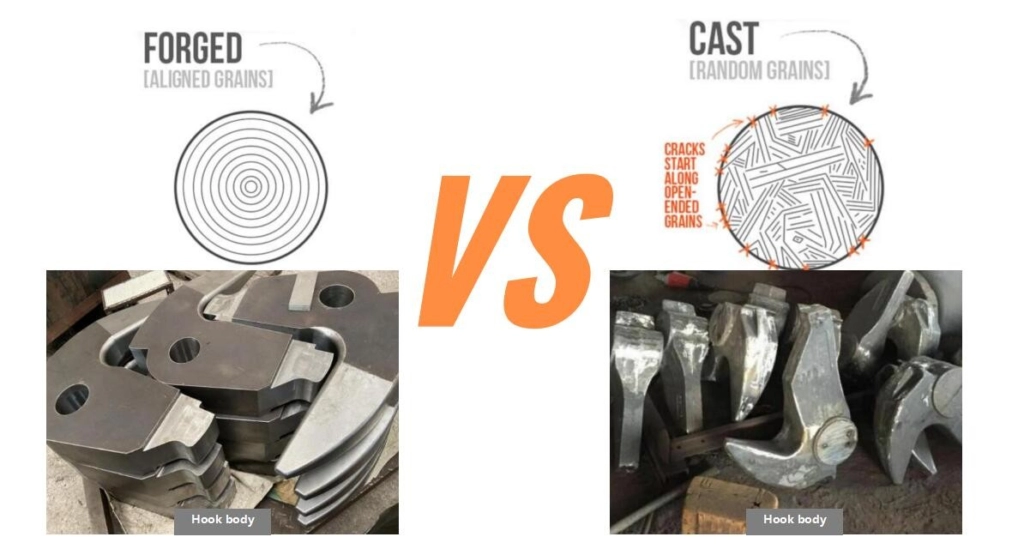
The debate regarding the difference between forging and casting often overshadows a critical factor: the quality of the raw material itself. A perfect manufacturing process cannot fix flawed metal. Whether we are pouring molten metal for a casting or applying massive compressive force for a forging, the alloy composition dictates the baseline performance of the final component.
At Haoyu Material, we emphasize that achieving high tensile strength and durability starts before the shaping process begins. Understanding the specific properties of your base metal, such as the trade-offs found in our alloy steel vs stainless steel comparison, is essential for predicting longevity in heavy-duty applications like mining or wind power.
Critical Quality Factors
To ensure our large-scale shafts and rings meet rigorous industrial standards, we focus on three main pillars of material quality:
- Purity of the Melt: Controlling the chemical composition during the melting phase prevents unwanted impurities that lead to structural weakness.
- Heat Treatment: After the metal is shaped, precise heat treatment (quenching and tempering) is required to unlock the full mechanical potential, enhancing the fatigue limit and hardness.
- Non-Destructive Testing (NDT): We employ in-house Ultrasonic Testing (UT) and Magnetic Particle Testing (MT) to verify that the internal structure is sound, regardless of whether the part was forged or cast.
Frequently Asked Questions About Metal Fabrication
Is forged steel stronger than cast steel?
In most heavy-duty applications, yes. The difference lies in the grain structure alignment. When we apply massive compressive force during the forging process, the metal’s internal grain flows with the shape of the part. This plastic deformation results in superior tensile strength, higher impact resistance, and a much better fatigue limit compared to castings. Cast parts, while strong, can occasionally suffer from metallurgical porosity (tiny air pockets) formed when the molten metal solidifies, which can compromise structural integrity under extreme stress.
Is casting cheaper than forging?
It often depends on the design complexity and production volume. Casting is generally more cost-effective for intricate parts because it achieves a near-net shape right out of the mold. This significantly reduces the machining allowance—you don’t have to cut away as much excess material. While the initial tooling costs for molds can be higher, the per-unit cost drops for larger runs. If you are looking for a reliable steel casting company to handle complex geometries, casting usually offers the best balance of price and performance for non-critical structural parts.
Can you forge complex shapes?
Forging is somewhat limited when it comes to geometric complexity. It is ideal for symmetrical components like shafts, rings, and blocks. Because the process involves pounding or pressing solid metal, it cannot easily create internal cavities, thin walls, or undercuts. For highly detailed designs requiring tight tolerances and intricate features, we recommend our precision investment casting services for complex metal parts. This method allows us to create specific shapes that would be impossible or prohibitively expensive to machine from a solid forged block.