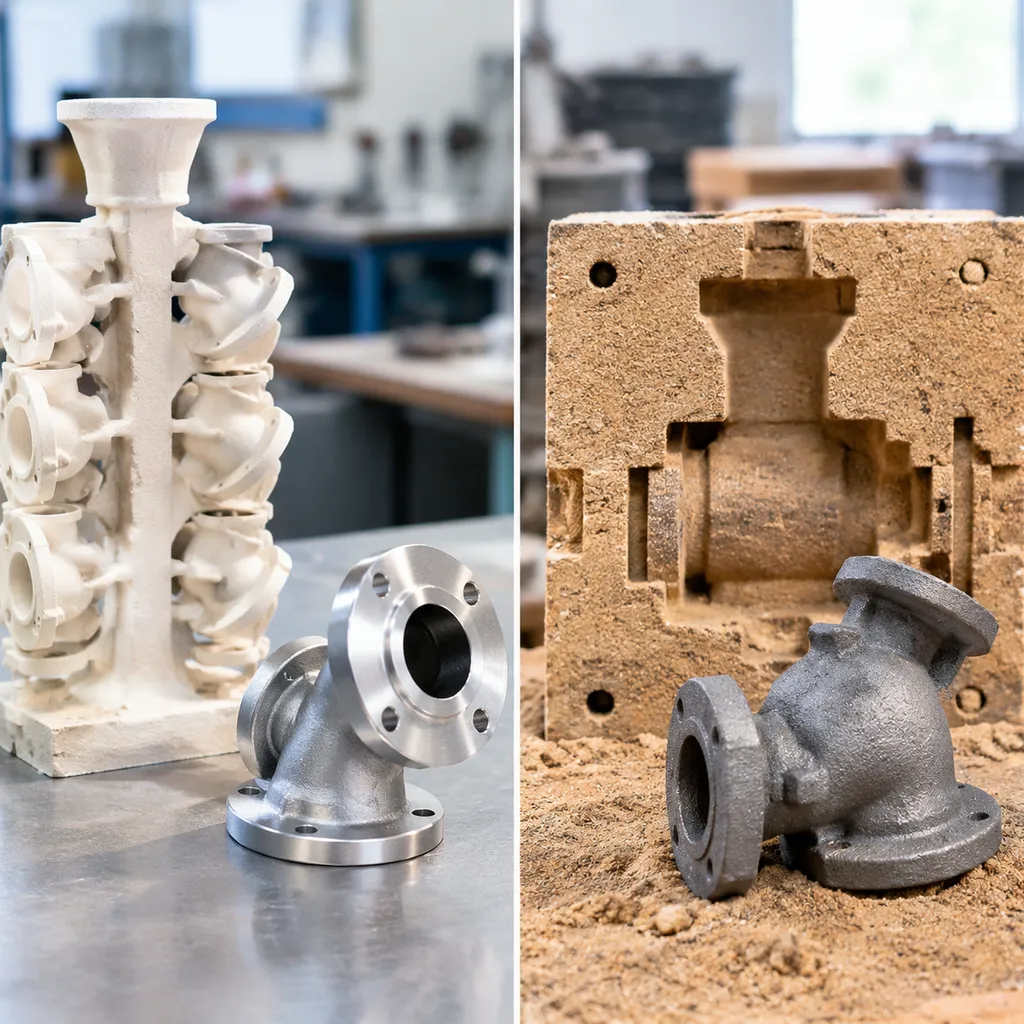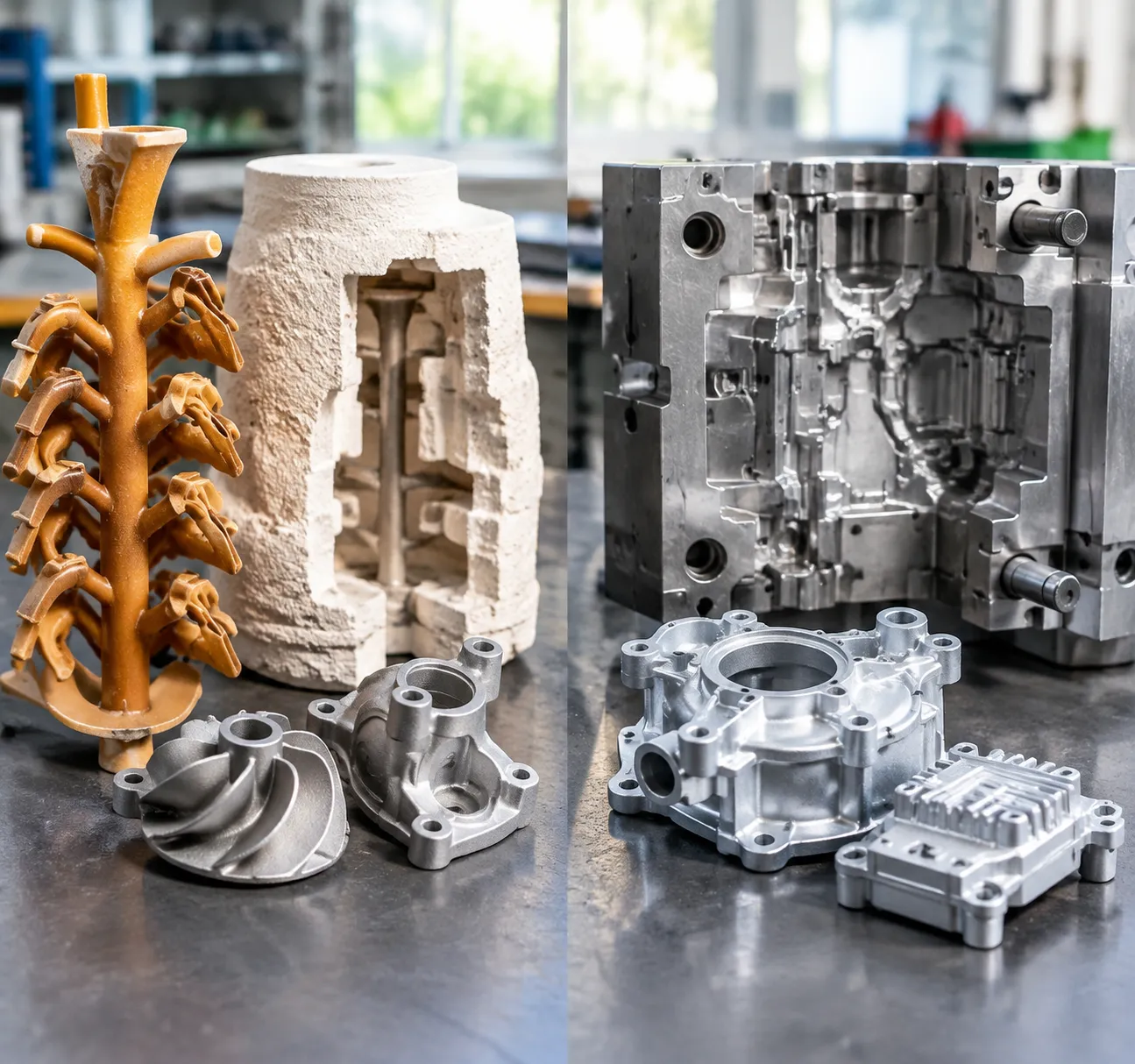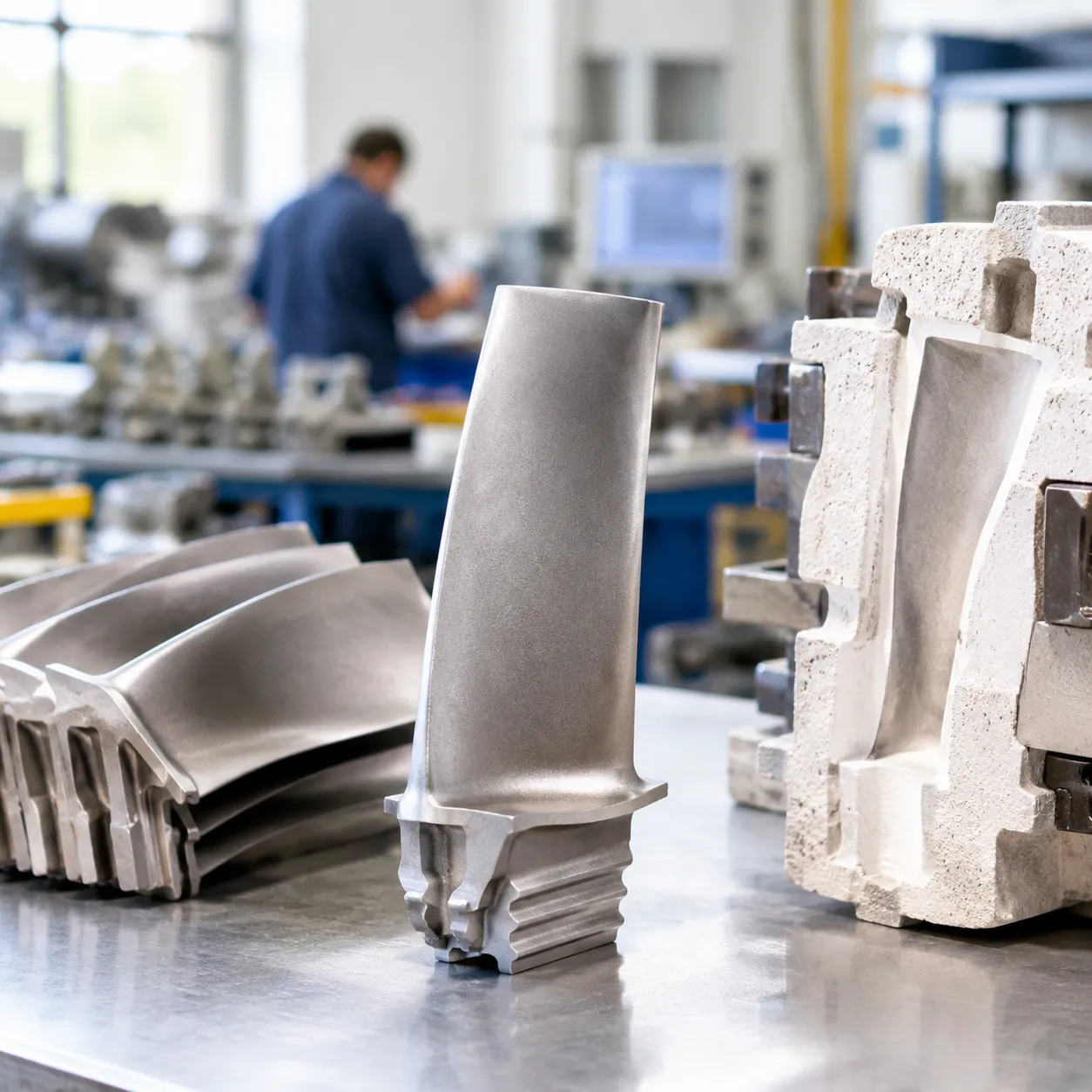
Explore high-quality investment materials for casting including silica sol binders and zircon flours to ensure precision and reduce defects.
Are you struggling to achieve a flawless surface finish on your metal parts?
Selecting the right investment for casting—from the binder to the refractory flour—is the single biggest variable in your foundry’s success.
As an industrial material specialist at Vastmaterial, I know that a weak shell leads to costly defects. I’m going to share insights based on real metallurgical science, not just general theory.
In this guide, you’ll discover the critical differences between Zircon, Mullite, and Silica Sol, and how to engineer the perfect mold for high-precision results.
Let’s optimize your process.
Understanding the Investment Casting Shell System
In the world of precision manufacturing, the term “investment” refers to the ceramic mold that surrounds—or “invests”—the wax pattern. At Haoyu Material, we know that the integrity of this shell is the single most critical factor in achieving tight tolerances and superior surface finishes. When sourcing investment for casting, you aren’t just buying sand and binder; you are engineering the vessel that defines your final product’s quality.
Gypsum-bonded vs. Ceramic Shell Investments
There is often confusion between the two primary types of investment molds. It is vital to select the right system based on the alloy you are pouring:
- Gypsum-bonded Investments: Typically used for non-ferrous metals with lower melting points, such as gold, silver, and aluminum. These are common in jewelry and art casting but lack the heat resistance for industrial steel applications.
- Ceramic Shell Investments: This is our area of expertise. Designed for the lost wax process involving ferrous metals (stainless steel, carbon steel) and superalloys, these shells rely on high-grade refractory materials. We manufacture the core components—Silica Sol binders and refractory aggregates—that allow these shells to withstand pouring temperatures exceeding 1600°C without cracking or degrading.
The Layering Concept: Face Coat vs. Backup Coats
A robust ceramic shell casting mold is built in layers, each serving a distinct purpose in the investment and casting cycle. We advise our clients to treat the slurry composition differently for the primary and secondary layers to optimize both performance and cost.
1. The Face Coat (Primary Layer)
This is the most critical layer because it is in direct contact with the molten metal. It determines the surface roughness (Ra) and fine detail reproduction.
- Material: We recommend high-purity Zircon Powder and Zircon Sand for this layer.
- Function: Zircon offers exceptional refractoriness and chemical inertness, preventing the metal from reacting with the mold (burn-in) and ensuring a smooth finish.
2. The Backup Coats (Secondary Layers)
Once the detail is captured, the shell needs structural integrity to support the weight of the molten metal.
- Material: We supply Mullite Sand and Powder (Calcined Kaolin) for these layers.
- Function: Mullite provides the necessary mechanical strength and thermal stability. It builds up the shell thickness efficiently while maintaining enough porosity for gas to escape during the pour.
By combining a premium Zircon face coat with a sturdy Mullite backup, bonded by our stable Silica Sol, foundries create an investment system that is both dimensionally accurate and cost-effective.
The Backbone of the Shell: Binders (Silica Sol)
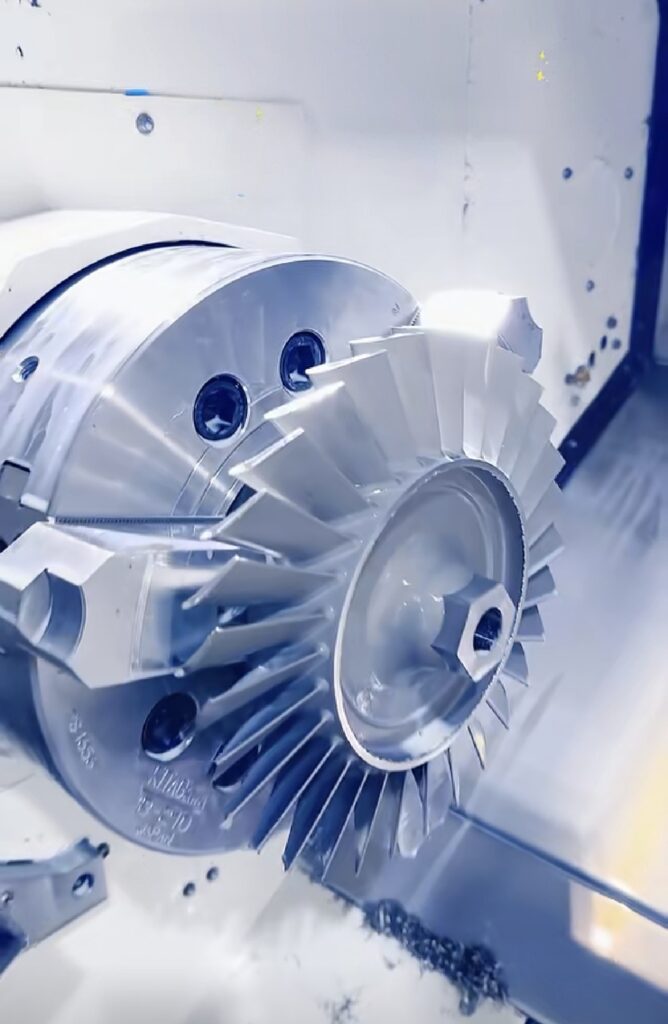
What is Silica Sol in Casting?
In the world of precision manufacturing, the binder is the unsung hero that holds everything together. Silica Sol (Colloidal Silica) acts as the primary adhesive agent in the investment for casting process. It is an aqueous dispersion of nano-sized silica particles that, when mixed with refractory powders like Zircon or Mullite, creates the ceramic slurry.
Unlike traditional bonding agents, high-quality Silica Sol provides the necessary strength to the ceramic shell during the dewaxing and firing stages. It ensures that the mold retains its shape under extreme heat, which is critical for maintaining tight tolerances in a professional lost wax casting foundry. Without a reliable binder, the ceramic shell would crumble before the metal is even poured.
Key Properties: Particle Size and Stability
The performance of a Silica sol binder comes down to chemistry. We focus heavily on particle size distribution and chemical stability to ensure consistent results.
- Particle Size: The nano-scale silica particles provide a massive surface area, allowing for exceptional bonding strength between refractory grains. This directly influences the surface finish and dimensional accuracy of the final metal part.
- SiO2 Content: Our standard grades typically feature around 30% silica concentration (SiO2), striking the right balance between shell strength and permeability.
- Stability: Maintaining a pH range between 8.5 and 10.5 prevents the binder from gelling prematurely in the tank. This stability is vital for maintaining a consistent viscosity in your refractory slurry over long production runs.
Why Switch to Water-Based Binders?
The industry is aggressively moving away from alcohol-based binders (like Ethyl Silicate) toward water-based Silica Sol systems. The reasons for this shift in investment and casting consumables are practical and economic:
- Safety & Environment: Water-based binders eliminate the fire hazards and VOC emissions associated with alcohol solvents, creating a safer foundry environment.
- Slurry Life: Silica Sol slurries have a much longer pot life, reducing material waste and the frequency of mixing new batches.
- Shell Strength: These binders produce a denser, stronger ceramic shell that resists cracking during the autoclave dewaxing phase.
By utilizing a stable water-based system, foundries can achieve a superior surface finish while reducing overall production costs.
The Body of the Shell: Refractory Aggregates
The “investment” in investment for casting isn’t just about the liquid binder; the refractory aggregates are the actual bones of the ceramic shell. Without the right sand and powder, the shell won’t hold up against the thermal shock of molten metal. We supply specific aggregates designed to handle extreme heat while maintaining strict dimensional stability.
Zircon (Sand & Flour) for Face Coats
The primary layer, or face coat, is the most critical part of the mold because it comes into direct contact with the molten metal. For this layer, we rely heavily on Zircon.
- Zircon Flour (Powder): We use fine mesh sizes (typically 200 or 325 mesh) in the primary slurry. This fine powder ensures the internal surface of the mold is perfectly smooth, which directly improves the surface roughness (Ra) of the final casting.
- Zircon Sand: Applied as the primary stucco application immediately after dipping. It locks the slurry in place and provides the initial structural integrity.
High-quality Zircon is essential because it is chemically inert. It does not react with molten steel, preventing common defects like burn-in or rough surfaces. Our casting services and material supply depend on this high refractoriness to produce clean, precision parts every time.
Mullite (Sand & Powder) for Backup Coats
Once the face coat is secure, we need to build thickness and strength without breaking the bank. This is where Mullite (calcined kaolin) comes in. It serves as the ideal material for the backup layers of the ceramic shell casting.
- Cost-Efficiency: Mullite is more economical than Zircon, making it perfect for the bulk of the shell.
- Permeability: We supply Mullite in various grain sizes (like 16-30 or 30-60 mesh). These larger grains create a porous structure, allowing gases to escape during the pour so they don’t get trapped in the metal.
- Strength: It provides the mechanical strength needed to support the weight of the molten metal without bulging.
The Role of Fused Silica in Thermal Expansion
Controlling the thermal expansion coefficient is vital for maintaining dimensional accuracy. If the shell expands or contracts too much during the pour, the final metal part will be warped or cracked.
While Zircon and Mullite are our staples, understanding how silica behaves is key. Fused silica is often valued in the industry for its near-zero thermal expansion. In a robust investment for casting system, the goal is to balance these materials. The refractory aggregates must remain stable through the dewaxing autoclave process and the final high-temperature pour. By selecting materials with consistent thermal properties, we ensure the shell stays true to the original wax pattern dimensions.
Critical Factors When Selecting Investment Materials
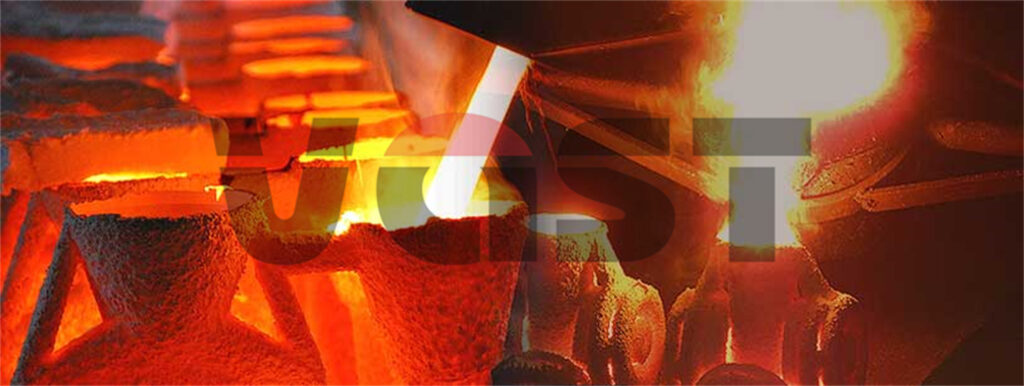
Choosing the right investment for casting isn’t just about price; it’s about ensuring the ceramic shell acts exactly how you need it to during the pour. At Haoyu Material, we see the shell as the most critical variable in the foundry. If the refractory slurry fails, the casting fails. Here are the non-negotiable properties we focus on when manufacturing our silica sol and zircon products to ensure process stability.
Refractoriness: Withstanding Pouring Temperatures
The primary job of the investment is to hold its shape against molten metal without softening or fusing. The material must have a melting point significantly higher than the alloy being poured. For ferrous applications, we rely on high-purity Zircon (ZrO₂) because it maintains dimensional accuracy even under extreme thermal stress. This thermal stability is essential when working with high-performance materials found in our Inconel alloys guide, where pouring temperatures push the limits of standard ceramics.
Chemical Inertness: Preventing Surface Pitting
A major issue in investment and casting is the reaction between the molten metal and the mold face. If the investment material is chemically active, it can react with metal oxides, leading to surface pitting or “burn-on.”
- Stability: Our Zircon flour is chemically inert, meaning it doesn’t react with acidic or basic slags.
- Clean Release: This inertness ensures the shell breaks away cleanly, reducing the need for aggressive mechanical cleaning or secondary surface treatment services.
Permeability: Allowing Gas Escape
While the shell needs to be strong, it cannot be airtight. During the pour, gases from the molten metal and air trapped in the mold cavity need an escape route. If the investment shell is too dense, that gas gets trapped inside the metal, causing porosity defects. We balance this by controlling the particle size distribution in our backup materials (Mullite sand), creating a structure that is strong yet permeable enough to vent gases naturally.
Particle Size Distribution (Mesh Size Matters)
The mesh size of your refractory aggregates dictates both the surface finish and the shell strength. It’s a balancing act we help our clients navigate:
- Face Coat (Fine Mesh): We supply 200 to 325 mesh powders (Zircon or Silica) to ensure the slurry replicates the finest details of the wax pattern for low surface roughness (Ra).
- Backup Coat (Coarse Mesh): Larger grains, such as 10-20 or 30-60 mesh sands, are used to build bulk and strength quickly.
- Consistency: We strictly screen our materials to ensure the particle distribution is uniform, preventing weak spots in the shell structure.
Common Casting Defects From Poor Investment Materials
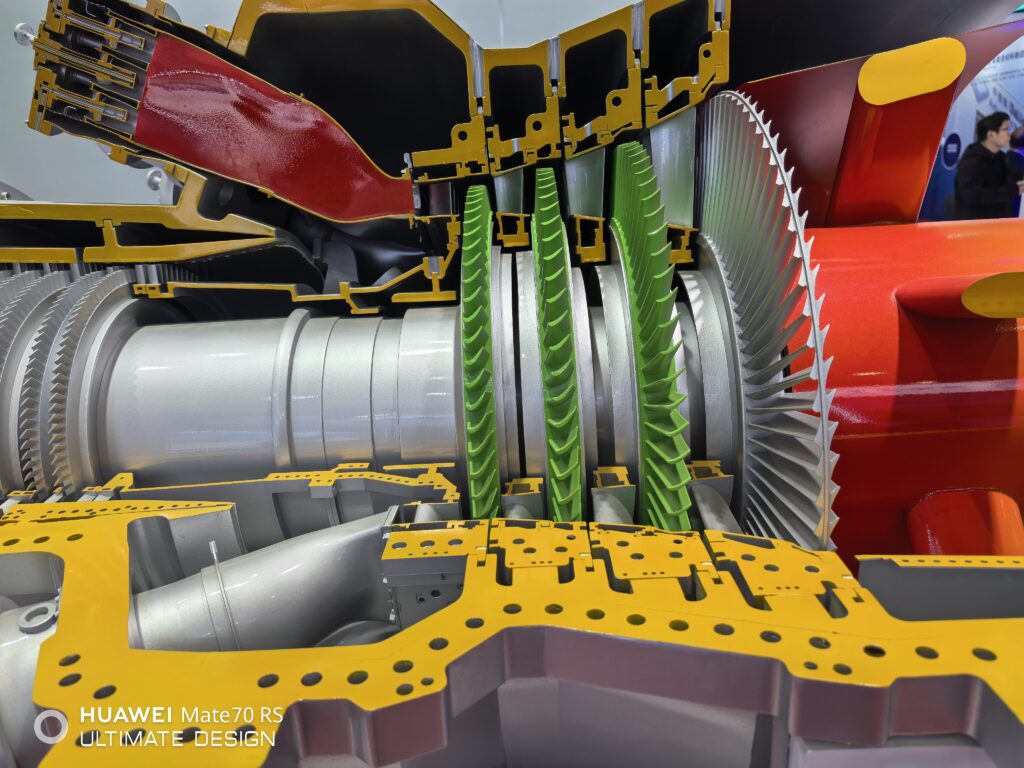
When we talk about investment for casting, the quality of your shell materials directly dictates your scrap rate. You can have the most precise wax patterns in the industry, but if the ceramic shell fails, the casting fails. Using inconsistent or low-grade investment and casting materials often leads to defects that require expensive rework or result in total part rejection.
Surface Roughness (Ra) Issues
The primary layer—the face coat—is responsible for the surface finish of the final metal part. If the refractory slurry contains coarse particles or air bubbles due to poor wetting, the metal replicates those imperfections. We often see high Surface roughness (Ra) when the Zircon flour used in the dip is not fine enough (typically -325 mesh is required). This is especially critical in the stainless investment casting process, where a smooth, polished finish is often a major requirement for the end application.
Shell Buckling and Cracking
Shell integrity is everything. Buckling usually happens during the dewaxing autoclave cycle or pre-heating. If the thermal expansion of the face coat doesn’t align with the backup coats, the shell layers delaminate or crack.
- Buckling: Occurs when the inner shell layer separates and bulges inward, causing a depression in the casting.
- Cracking: Often results from weak Silica sol binder or insufficient drying time between dips, leading to metal flashing across the part.
Metal Penetration Causes
Metal penetration happens when molten metal physically pushes into the voids of the ceramic shell, creating a rough, sand-paper-like surface that is a nightmare to grind off. This is distinct from simple roughness; it is an intrusion defect.
- The Cause: Usually, the refractory slurry viscosity was too low, or the stucco sand (like Mullite sand) was applied before the dip drained sufficiently.
- The Fix: Ensuring a tight, dense prime coat prevents the liquid metal from finding gaps under pressure.
How Quality Materials Prevent Defects
Using premium investment for casting materials isn’t just about buying the most expensive sand; it’s about chemical and physical consistency. Quality materials ensure dimensional accuracy and predictable behavior under heat. By controlling the particle size distribution and binder stability, a precision casting foundry can virtually eliminate shell-related defects. Consistent materials allow us to maintain stable slurry parameters, ensuring that the shell is permeable enough to vent gas but strong enough to hold the metal.
The Vastmaterial Advantage: Consistency in Chemistry
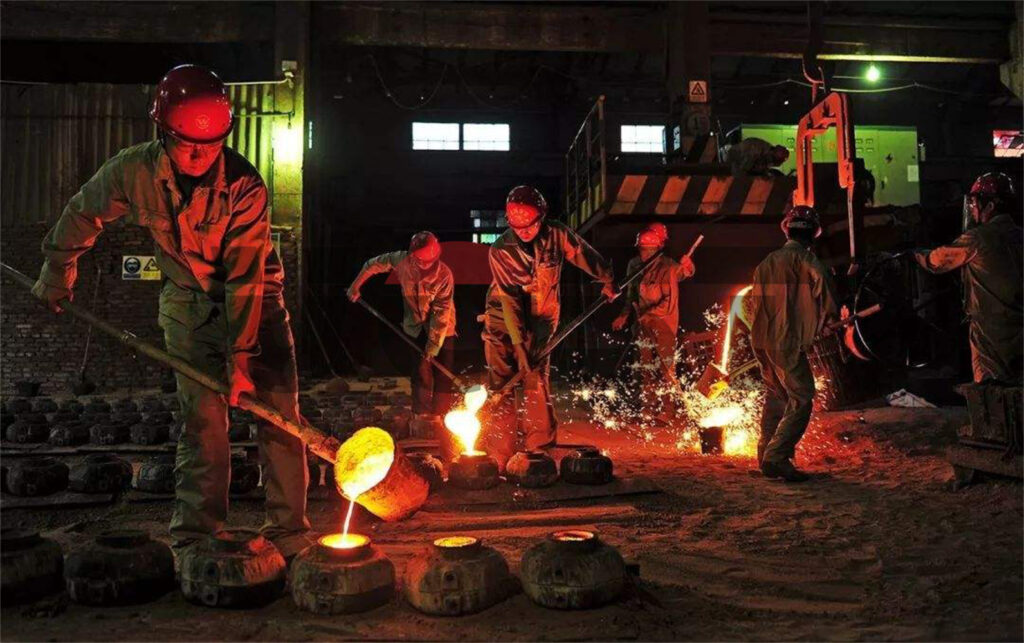
In the world of investment for casting, material variability is the enemy of precision. If your binder chemistry fluctuates or your refractory purity drops, your shell system fails. We built our reputation on eliminating those variables. We don’t just supply raw materials; we provide the chemical stability required to maintain tight dimensional accuracy and surface finish in high-performance foundries.
Lab-Tested Quality and SiO2 Content
We treat our material production with the same precision you apply to your casting process. Our Silica Sol (colloidal silica) is manufactured with strict control over SiO2 content—typically maintained at optimal concentrations (like 30%) to ensure the binder provides maximum shell strength without compromising shell permeability.
Every batch of investment and casting material that leaves our facility undergoes strict analysis. Our rigorous testing and quality control protocols verify particle size distribution and chemical composition before shipment. This ensures that when you mix your refractory slurry, the slurry viscosity behaves exactly as predicted, batch after batch.
Our Quality Assurance Focus:
- High Purity: Keeping impurities like Iron Oxide (Fe2O3) low in our Zircon flour to prevent reactions with molten metal.
- Stable pH: Ensuring Silica Sol remains within the 8.5–10.5 range for optimal binder life.
- Thermal Stability: Verifying the thermal expansion coefficient of our Mullite and Zircon products to prevent shell cracking during the dewaxing autoclave cycle.
Customization for Specific Foundry Needs
We understand that a foundry casting aerospace turbine blades has different requirements than one producing general industrial valves. Whether you are dealing with ferrous vs. non-ferrous casting, we tailor our materials to fit your process. We can adjust the mesh sizes of our Mullite sand and Zircon aggregates to suit your specific stucco application method, ensuring the perfect interlock between the primary and backup layers.
Ensuring Supply Chain Stability
Relying on traders can introduce uncertainty into your production line. As a factory-direct manufacturer, we control the entire supply chain from raw material processing to final export. This allows us to offer competitive pricing without sacrificing quality. We maintain high-volume production capacities to ensure that your supply of investment powder and binders is never interrupted, keeping your foundry running smoothly.
Frequently Asked Questions About Investment Casting Materials
What is the best investment material for stainless steel?
For stainless steel and other high-melting-point ferrous alloys, the chemical stability of your investment for casting is critical. We strongly recommend a Silica Sol binder system paired with Zircon flour (typically 325 mesh) for the primary face coat. Zircon is chemically inert and has high refractoriness, meaning it won’t react with the molten stainless steel, preventing surface pitting and “burn-in.” For the backup layers, Mullite sand is the ideal choice to provide structural strength and breathability without the high cost of using Zircon for the entire shell.
How does slurry viscosity impact casting quality?
Controlling the viscosity of your refractory slurry is the single most important variable in the shell-room. If your slurry is too thick, it won’t flow into intricate details, leading to air bubbles and poor surface definition. If it’s too thin, the ceramic shell won’t build sufficient thickness on the wax pattern, resulting in a weak mold that can crack during the dewaxing autoclave cycle or metal pouring. We work with foundries to dial in the specific gravity of our binders, ensuring the investment and casting process remains consistent from batch to batch. Unlike the permanent molds used in industrial die casting processes, investment casting relies entirely on the integrity of this disposable shell.
Why is Zircon preferred for the primary layer?
The primary layer, or face coat, is what directly touches the molten metal, so it dictates the final surface roughness (Ra). Zircon flour is preferred over fused silica or alumina because of its incredible density and fine particle size. It creates a tight, smooth interface that resists metal penetration. This ensures that when the shell is removed, the casting surface is clean, reducing the need for heavy machining or grinding. Using high-purity Zircon ensures that the thermal expansion is controlled, keeping the dimensional accuracy tight across the entire production run.