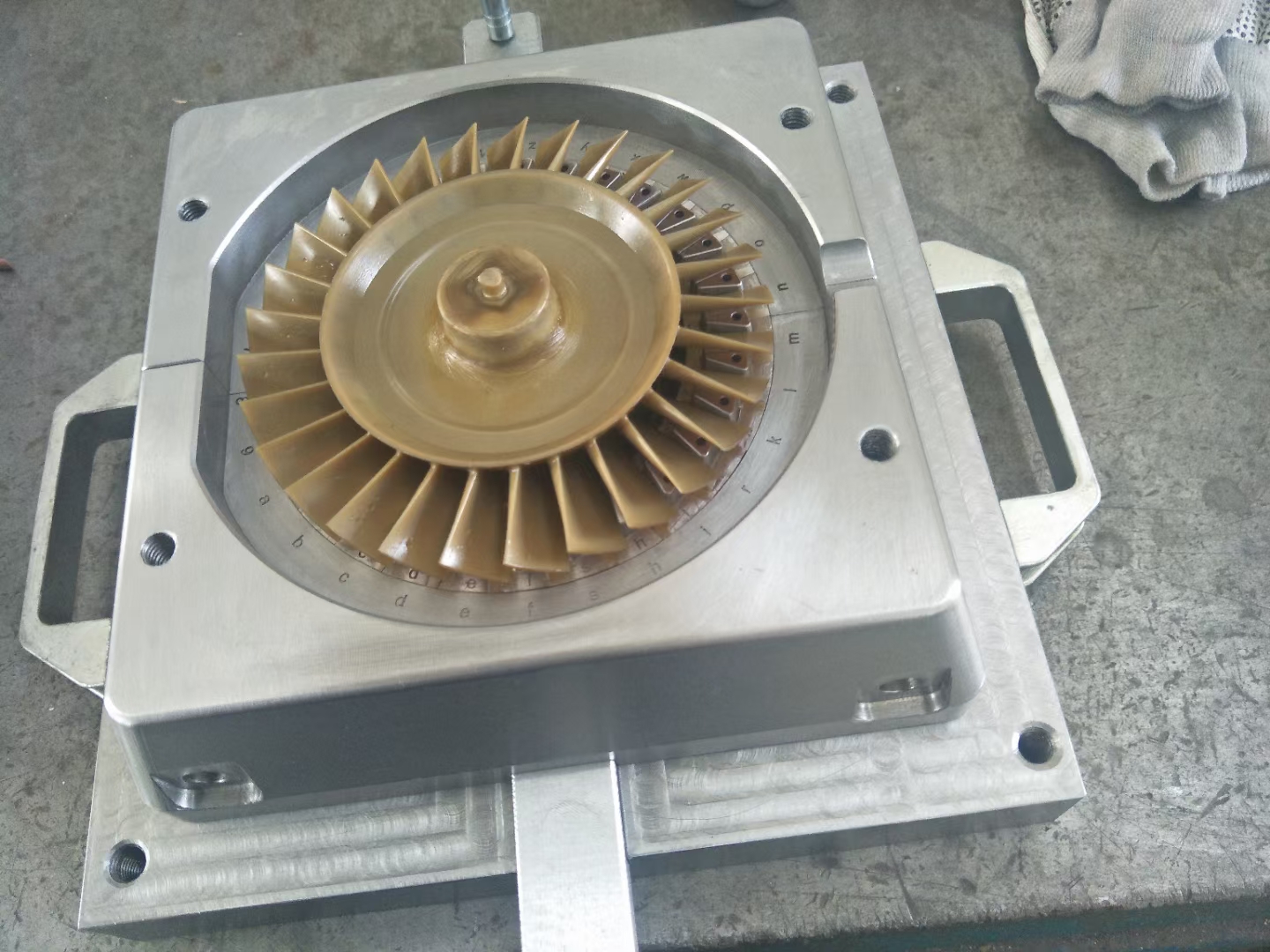
Overview
Premium stainless steel mold steel grades 1.2083 1.2316 and AISI 420 with high corrosion resistance mirror polish and custom milling services.
Why Choose Stainless Steel for Molds?
Selecting the right material is critical for long-term production efficiency. At Haoyu Material, we see a significant shift toward stainless steel mold bases and inserts for high-performance applications. Standard tool steels often require expensive plating or frequent maintenance to combat oxidation, but our stainless grades offer a robust solution to these common manufacturing pain points.
Overcoming Rust and Maintenance Limitations
Standard carbon steels are prone to rusting, especially in humid climates or during extended storage periods. This oxidation forces molders to stop production for cleaning and re-polishing, killing efficiency.
- Reduced Downtime: Our corrosion-resistant tool steel maintains its surface integrity, minimizing scheduled maintenance.
- Storage Safety: Molds can be stored without heavy protective coatings, ensuring they are ready for immediate use.
- Cooling Channel Protection: Stainless steel prevents rust buildup in water lines, maintaining consistent thermal conductivity and cycle times.
Solutions for Corrosive PVC and Humid Environments
When molding chemically aggressive resins like PVC, POM, or flame-retardant plastics, acidic gasses are released during processing. These acids rapidly corrode standard steel, causing pitting and flash. We supply grades like 1.2316 and 1.2083, which are specifically engineered to withstand these harsh chemical environments without degrading.
Achieving SPI A1/A2 Mirror Finishes
For optical parts and high-gloss consumer electronics, surface finish is everything. Imperfections in the steel structure lead to pitting during polishing.
- High Purity: Our stainless grades undergo strict quality control to ensure low inclusion levels.
- Uniform Hardness: Consistent microstructure allows for SPI A1/A2 mirror polish finishes, essential for lenses and transparent components.
- No Plating Required: Achieve a high-gloss surface naturally, eliminating the risk of chrome plating peeling off and ruining the part.
Meeting Hygiene Standards for Medical Molding
Medical grade molding and food-packaging applications demand sterile, contaminant-free tooling. A stainless steel mold provides a clean, non-reactive surface that complies with strict hygiene regulations. By eliminating the need for surface treatments that could potentially contaminate the final product, we help manufacturers ensure safety and compliance in sensitive industries.
Technical Specifications & Grade Selection
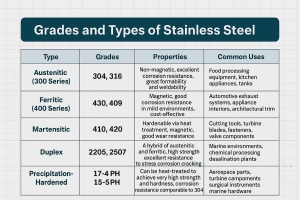
Selecting the right stainless steel mold material is the foundation of a successful production run. We focus on supplying high-purity grades that balance machinability with durability. Our inventory primarily revolves around two industry-standard grades: 1.2083 (AISI 420) and 1.2316, both optimized for specific molding environments.
Grade 1.2083 (AISI 420): The Polishing Specialist
This grade is our top recommendation for molds requiring a mirror polish finish. As a high-chromium martensitic stainless steel, 1.2083 offers exceptional wear resistance after heat treatment. It is the standard choice for optical lenses and high-gloss cosmetic parts where surface perfection is non-negotiable.
- Condition: Supplied in annealed condition (soft).
- Processing: Requires hardening and tempering after machining.
- Best For: Optical parts, medical syringes, and abrasive plastics.
Grade 1.2316: The Corrosion Fighter
For chemically aggressive resins like PVC, we supply 1.2316. This is a pre-hardened stainless steel with improved corrosion resistance due to higher chromium and molybdenum content. Since it comes pre-hardened, you avoid the risks of dimensional distortion associated with heat treating finished inserts. This stability is crucial when transitioning from a prototype medical device to full-scale production tooling.
- Condition: Pre-hardened (Quenched and Tempered).
- Processing: Ready for machining and EDM immediately.
- Best For: PVC pipe fittings, food containers, and humid processing environments.
Chemical Composition & Hardness Comparison
We adhere to strict chemical standards to ensure consistent HRC hardness and machinability. Below is the breakdown of our primary stainless mold steels.
| Specification | Grade 1.2083 (AISI 420) | Grade 1.2316 (X38CrMo16) |
|---|---|---|
| Carbon (C) | 0.36% – 0.42% | 0.33% – 0.45% |
| Chromium (Cr) | 12.5% – 14.5% | 15.5% – 17.5% |
| Molybdenum (Mo) | N/A | 0.80% – 1.30% |
| Delivery Hardness | ~230 HB (Annealed) | 280 – 325 HB (Pre-hardened) |
| Working Hardness | 50 – 54 HRC (After Heat Treat) | 30 – 34 HRC (As Supplied) |
| Primary Feature | High Polishability & Wear Resistance | Superior Corrosion Resistance |
Heat Treatment Requirements
- 1.2083: Must be vacuum hardened to achieve the 50-54 HRC range required for high-wear applications. We recommend sub-zero treatment for maximum dimensional stability.
- 1.2316: No further heat treatment is typically required. However, if surface hardness needs to be increased for specific wear areas, nitriding can be applied, though it may slightly reduce corrosion resistance.
Key Performance Benefits of Stainless Mold Steel
Switching to stainless steel for your mold base and inserts isn’t just about preventing rust; it’s a strategic investment in production efficiency. We see firsthand how corrosion-resistant tool steel solves the chronic headaches associated with processing chemically aggressive resins like PVC or operating in high-humidity environments. By utilizing grades like 1.2083 or 1.2316, you effectively eliminate the need for costly secondary surface plating, ensuring the mold cavity remains pristine over millions of cycles.
Our commitment to advanced R&D and technology ensures that the material structure is uniform, which is critical for high-end applications. Here is how stainless mold steel improves your bottom line:
- Optical Grade Polishability: For lens manufacturing or high-gloss consumer electronics, surface finish is everything. Our stainless grades are free from significant inclusions, allowing for a flawless mirror polish finish (SPI A1/A2) without the risk of pitting during the polishing process.
- Reduced Maintenance Costs: Standard steels require constant cleaning and greasing to prevent oxidation during downtime. Stainless molds significantly reduce this maintenance burden, keeping your press running longer.
- Extended Mold Life: The high hardness and wear resistance of these materials maintain dimensional stability, ensuring consistent part quality even in high-volume production runs.
Performance Comparison: Stainless vs. Standard Steel
| Feature | Standard Tool Steel (e.g., P20) | Stainless Mold Steel (e.g., 1.2083) |
|---|---|---|
| Corrosion Resistance | Low (Requires Plating) | Excellent (Native Protection) |
| Polishing Potential | Good | Superior (Optical Grade) |
| Cooling Efficiency | Standard | Consistent Thermal Conductivity |
| Suitability for PVC | Poor (Risk of Gas Corrosion) | High (Acid Resistant) |
| Maintenance Needs | High (Rust Prevention) | Low |
Industrial Applications for Stainless Steel Molds

Switching to a stainless steel mold base isn’t just about preventing rust; it’s about meeting the strict regulations of high-end manufacturing sectors. We see a massive shift toward stainless grades in industries where part purity and mold longevity are non-negotiable.
Medical Devices and Cleanroom Tooling
In the medical sector, contamination is the enemy. Medical grade molding requires steel that maintains a pristine surface even after repeated sterilization cycles and exposure to humid cleanroom environments. Our stainless stocks ensure that molds for syringes, vials, and surgical tools remain free from oxidation, preventing any risk of particulate contamination in the final product.
FDA-Compliant Food Packaging
For food and beverage applications, hygiene standards are just as rigorous. Molds used for caps, closures, and containers must be easy to clean and resistant to water corrosion. Using stainless steel eliminates the need for chrome plating, which can peel and contaminate food products, ensuring your operation remains FDA-compliant and safe.
Optical Lenses and High-Gloss Electronics
When surface finish defines the product quality, standard tool steel falls short. Optical grade mold steel (specifically ESR grades) provides the pure microstructure needed for mirror polish finishes. This is critical for manufacturing:
- Optical Lenses: Headlights, cameras, and magnifying components.
- Consumer Electronics: High-gloss bezels and screens requiring zero pitting or grain marks.
Molding Chemically Aggressive Resins
Processing resins like PVC and POM releases acidic gases that eat away at standard steel within days. PVC injection molding demands the high chromium content found in our stainless grades (like 1.2083 or 1.2316) to neutralize this chemical attack. Understanding the specific benefits and grades of stainless steel is crucial when dealing with these corrosive materials to prevent premature mold failure and flash issues.
Custom Processing Services at vastmaterial
At vastmaterial, we understand that modern machine shops need more than just raw stock; you need materials that are ready for immediate production. We bridge the gap between raw supply and final manufacturing with our comprehensive raw material to ready-block solutions. Instead of shipping excess weight and wasting your machine time on roughing operations, we deliver precision milled steel blocks tailored to your exact dimensions.
Our in-house capabilities allow us to control quality and dimensions at every stage of the supply chain:
- 6-Side Milling & Squaring: We process oversized forged blocks into perfectly squared dimensions, significantly reducing your setup and cycle times.
- Precision Surface Grinding: For applications requiring tight tolerances, we provide surface grinding to ensure superior flatness and parallelism.
- Ultrasonic Testing (UT): We guarantee internal soundness. Every block undergoes rigorous UT inspection to ensure there are no hidden cracks, voids, or inclusions before it leaves our floor.
Whether you are sourcing material for general equipment manufacturing or specialized optical tooling, our value-added services ensure you receive a defect-free, machine-ready stainless steel mold base every time.
Comparative Analysis: Stainless vs. Standard Tool Steel
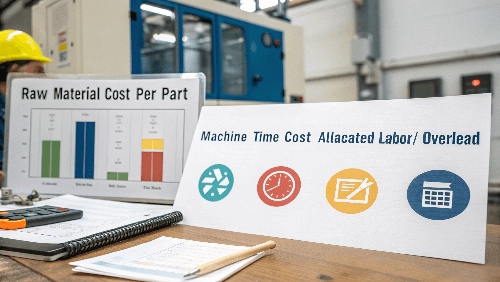
Stainless Steel vs. P20/H13: Cost vs. Lifecycle Value
When selecting materials for a stainless steel mold, we often encounter customers weighing the initial raw material cost against long-term performance. Standard grades like P20 are industry workhorses for general-purpose molding, offering ease of machining at a lower price point. H13 provides excellent toughness and heat resistance, making it suitable for high-temperature applications.
However, neither P20 nor H13 can match the corrosion resistance of stainless grades like 1.2083 (AISI 420) or 1.2316. While the upfront cost of stainless steel is higher, the lifecycle value is significantly greater for specific applications. Standard tool steels require constant protection against oxidation, especially in humid climates or during storage. A stainless mold base naturally resists rust, reducing the labor and chemicals needed for preservation.
ROI Analysis for High-Volume Production Runs
For prototype or low-volume runs, standard tool steel is often sufficient. However, for high-volume production, the Return on Investment (ROI) for stainless steel becomes clear. The cost of the steel block is typically a small fraction of the total mold manufacturing cost (often less than 15%), yet the steel quality dictates the mold’s longevity.
- Reduced Maintenance: Stainless channels do not rust, ensuring consistent cooling efficiency and cycle times over millions of shots.
- Downtime Reduction: Eliminating the need to polish away rust or repair pitted surfaces keeps production lines running.
- Part Quality: Consistent surface finish reduces scrap rates.
Investing in high-quality stainless steel from the start prevents expensive production interruptions later, maximizing profitability over the mold’s life.
When to Upgrade to Stainless for Specific Resin Types
Upgrading to a corrosion-resistant tool steel is not just a luxury; it is a technical necessity for processing chemically aggressive resins. We strongly recommend upgrading to stainless steel grades when molding the following materials:
- PVC (Polyvinyl Chloride): Releases hydrochloric acid gas during processing, which rapidly pits and corrodes standard steel.
- POM (Acetal) and Flame-Retardant Resins: These materials release corrosive byproducts that attack the mold surface.
- Optical Plastics (PC/PMMA): While not necessarily corrosive, these require a mirror polish finish. Stainless grades like ESR-remelted 1.2083 provide the high purity and structural uniformity needed to achieve SPI A1/A2 finishes without the risk of inclusions found in standard steels.
Logistics, Stock, and Supply Chain
We understand that waiting for materials kills production schedules. That is why we maintain a massive inventory of stainless steel products, specifically focusing on high-demand grades like AISI 420 Mod / 1.2083 and pre-hardened 1.2316. With over 10,000 tons of stock available, we can rapidly deploy standard and custom-sized blocks without the long lead times typical of mill runs. This readiness allows us to move from order confirmation to processing almost immediately.
Shipping heavy steel across the ocean requires robust protection. We do not cut corners on packaging. Every precision milled steel block is treated with industrial-grade anti-rust oil, wrapped in moisture-barrier film, and secured in reinforced wooden crates. This ensures your corrosion-resistant tool steel arrives in the exact condition it left our factory, free from environmental damage. Our logistics team manages the entire heavy freight process, handling export documentation and coordinating secure transport to deliver your stainless steel mold materials directly to your facility.
Frequently Asked Questions (FAQ)
Can 1.2083 stainless steel be welded?
Yes, 1.2083 stainless steel can be welded, but it requires strict process control. Since this is a high-carbon martensitic grade, we strongly recommend pre-heating the mold block and performing post-weld heat treatment. This prevents cracking in the heat-affected zone (HAZ) and ensures the welded area maintains consistent hardness with the rest of the tool.
What is the difference between 1.2083 and 1.2316?
The primary difference lies in the delivery condition and corrosion performance. 1.2083 (AISI 420) is typically supplied in an annealed state and must be heat-treated to achieve high hardness and a mirror finish. 1.2316 is generally supplied as a pre-hardened stainless steel, offering superior corrosion resistance right off the shelf, which is critical for molding acidic plastics like PVC. You can learn more about the broader material family in our guide to 400 series stainless steel properties.
Do you provide Mill Test Certificates with shipments?
Absolutely. We believe in total transparency regarding material quality. Every shipment of stainless steel mold blocks from Haoyu Material includes a comprehensive Mill Test Certificate (MTC). This document verifies the chemical composition, hardness values, and results of ultrasonic flaw detection to ensure the steel is sound and ready for machining.
What is the maximum hardness achievable for these grades?
For 1.2083, professional vacuum heat treatment typically achieves a hardness range of 50–54 HRC, providing the rigidity needed for high-precision optical parts. 1.2316 is usually supplied pre-hardened at approximately 28–32 HRC, balancing machinability with corrosion resistance, though specific hardening processes can increase this depending on the application requirements.