Learn what ABS material is its meaning properties advantages uses and how Acrylonitrile Butadiene Styrene compares to other plastics.
What Is ABS Material?
When you see ABS material on a product spec sheet, it’s referring to a common engineering plastic used in everything from LEGO bricks to car interiors and 3D printing filament.
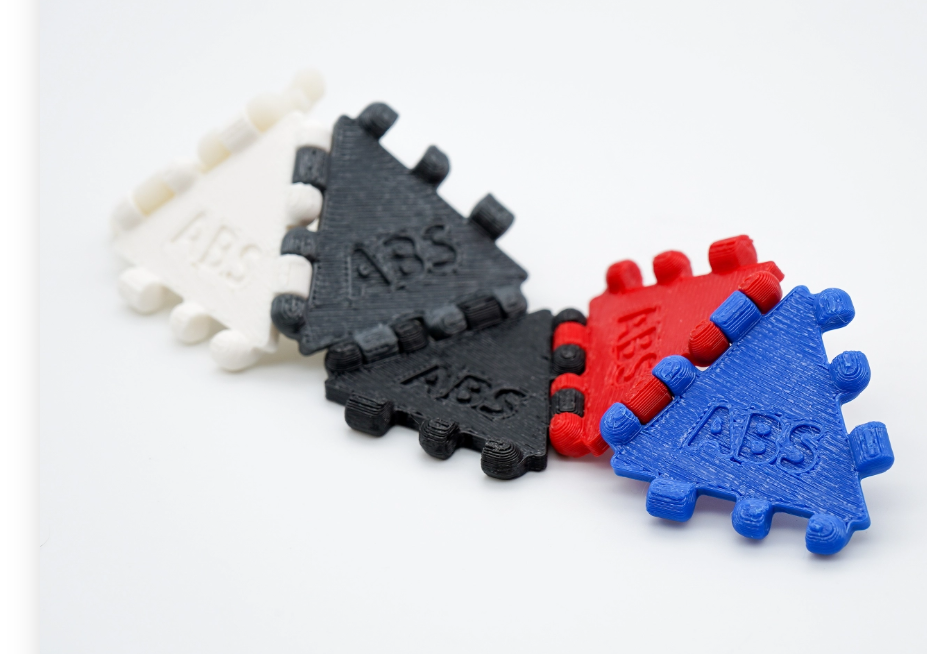
ABS stands for Acrylonitrile Butadiene Styrene. It’s a thermoplastic polymer, which means it softens when heated and hardens when cooled, and this cycle can be repeated. That makes ABS an ideal injection molding material and a go-to choice for ABS molding and ABS 3D printing.
At its core, ABS plastic is a durable engineering thermoplastic that offers a strong balance of:
- Impact resistance (it doesn’t crack easily when hit)
- Strength and rigidity (it holds its shape under load)
- Good surface finish (smooth, easy to paint or texture)
Because of these ABS properties, it sits in a sweet spot between cheap commodity plastics and high-end engineering plastics. In my own products and projects, I rely on ABS when I need an impact resistant plastic that’s still cost-effective and easy to manufacture at scale.
People in 3D printing, manufacturing, and DIY care about ABS because:
- It’s widely available as ABS filament for 3D printing
- It handles real-world use better than many hobby plastics
- It’s tough enough for automotive plastic parts and electronic housings material
- It machines, glues, and finishes well for functional prototypes and everyday parts
So when you ask, “What is ABS material, what material is ABS, or what is material ABS used for?”, the short answer is: it’s a versatile, impact-resistant thermoplastic used wherever you need strong, durable, and practical plastic parts.
ABS material composition
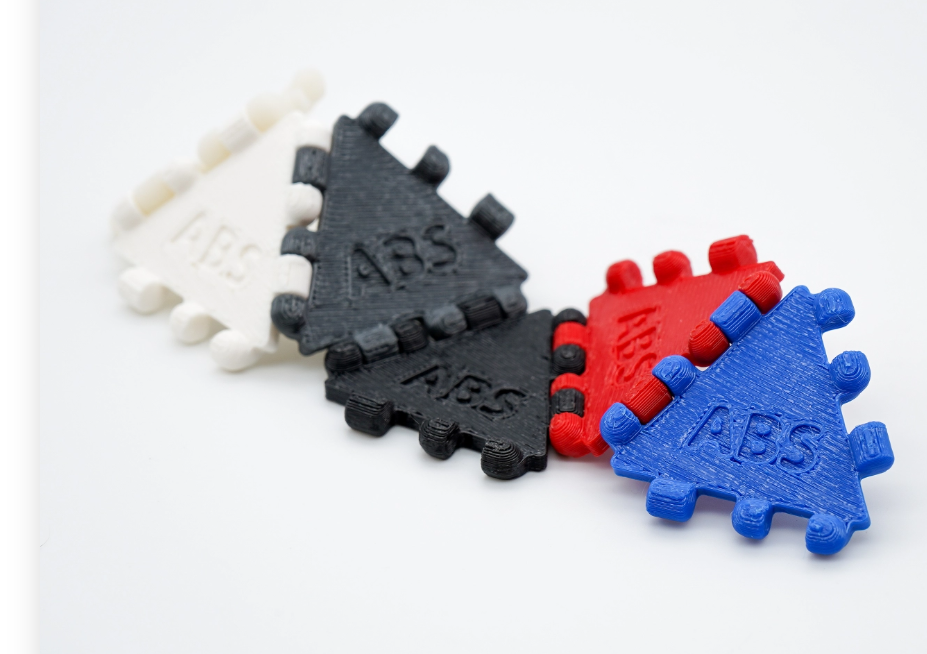
When people ask “what is ABS material made of,” they’re really asking about its three building blocks: acrylonitrile, butadiene, and styrene. Together, these turn ABS plastic into a durable engineering thermoplastic that balances strength, toughness, and easy processing.
- Acrylonitrile gives ABS its backbone. It boosts rigidity, heat resistance, and chemical resistance, so parts hold their shape better under load and stand up to oils, greases, and many household chemicals. This is a big reason ABS plastic works well in automotive plastic parts and electronic housings material.
- Butadiene is all about toughness. It adds rubbery segments into the structure, which absorb impact instead of cracking. That’s why ABS is known as an impact resistant plastic and is trusted for things like helmets, tool housings, and durable consumer goods.
- Styrene improves flow and finish. It makes the thermoplastic polymer easier to mold and gives a smooth, glossy ABS surface finish that can be textured, painted, or printed. This is key for high-volume ABS molding and consistent appearance across parts.
Most commercial ABS is made by a process called emulsion polymerization. In simple terms, the three monomers are mixed in water with surfactants and initiators so they react in tiny droplets, creating a fine, uniform plastic resin. That resin is later pelletized and sent to manufacturers for injection molding material, extrusion, or ABS filament for 3D printing.
If you’re comparing materials for durable parts, it can help to look at how other engineered materials like high‑performance aluminum casting alloys balance strength, processability, and cost alongside ABS.
Key Properties Of ABS Material
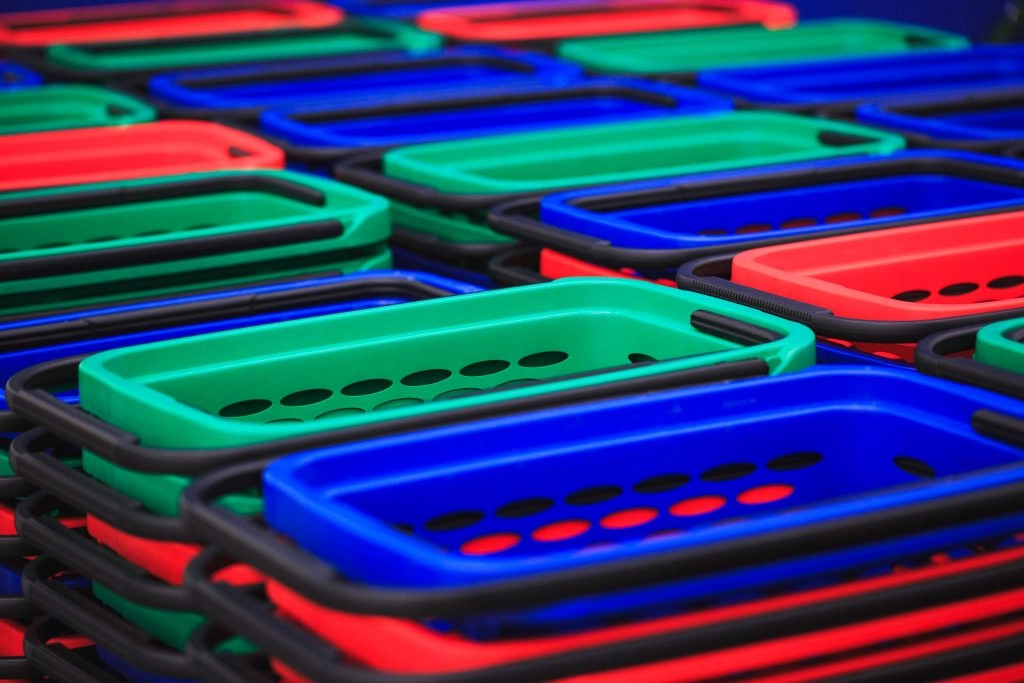
When people ask “what is ABS material,” they’re usually trying to understand how it performs in real use. ABS (Acrylonitrile Butadiene Styrene) is an engineering thermoplastic with a very balanced property profile, which is why it shows up everywhere from car interiors to 3D printed parts.
Mechanical properties of ABS plastic
ABS is known as an impact resistant plastic with solid all‑around strength:
- High impact resistance: It absorbs shocks well, making it ideal for housings, tools, and automotive plastic parts that take daily abuse.
- Good tensile strength and stiffness: It’s rigid enough to hold shape under load, while still offering some flex instead of snapping.
- Durable toughness: It handles repeated stress and minor impacts without cracking, which is why it’s popular in functional prototypes and rugged consumer products.
If you’re comparing materials for structural parts, it’s helpful to look at data like impact strength and tensile strength for both plastics and metals on the same project; for example, many teams review plastic options alongside the tensile strength of aluminum when dialing in performance.
Physical properties: ABS density and surface finish
As a thermoplastic polymer, ABS is:
- Low to medium density: ABS density is roughly 1.0–1.1 g/cm³, so parts feel solid but not heavy.
- Amorphous structure: It doesn’t have a sharp melting point, which helps with molding and bonding.
- Good surface finish: It can be molded with smooth, glossy, or textured surfaces, and it takes paint and printing well, so it’s common for visible covers and electronic housings.
Thermal properties and ABS heat resistance
ABS plastic offers:
- Moderate heat resistance: Typical working temperatures land around 80–100°C (176–212°F) depending on grade.
- Heat deflection temperature (HDT): Many standard ABS grades hold shape under load near 80–95°C, which is usually enough for indoor, room‑temperature, and slightly warm environments.
- Stable in everyday conditions: Inside homes, offices, and vehicles (away from direct heat sources), ABS keeps its form and function reliably.
Chemical resistance and electrical insulation
ABS material meaningfully balances toughness with protection:
- Chemical resistance: It stands up well to many oils, fats, and some household chemicals, but strong solvents (like acetone) can attack the surface.
- Electrical insulation: ABS is a good electrical insulator, which is why it’s a common electronic housings material for chargers, cases, and small appliances.
Limitations in high-heat and outdoor use
ABS advantages are strong indoors, but there are clear limits:
- High‑heat limitations: Above its softening range, ABS can warp, deform, or lose strength, so it’s not the right choice near engines, ovens, or continuous high‑temperature environments.
- Poor UV resistance: Without UV stabilizers, ABS tends to yellow, fade, and become brittle outdoors, especially in direct sun.
- Outdoor performance: For long‑term outdoor use, I usually recommend UV‑stabilized ABS or alternatives like ASA or polycarbonate blends.
Advantages of ABS Material
ABS material is one of my go-to choices when I need an impact resistant plastic that can handle real-world use. As an engineering thermoplastic, ABS offers a strong mix of toughness, rigidity, and durability that fits many U.S. manufacturing, automotive, and consumer product needs.
Impact Resistant Plastic For Demanding Use
ABS plastic is tough. It absorbs shocks and drops without cracking, which is why it’s common in automotive interior parts, power tool housings, luggage, and protective gear. If you’re building something that will be handled roughly, transported often, or see daily wear and tear, ABS material is a reliable choice.
Strong, Rigid, Yet Not Brittle
One of the biggest advantages of ABS is its balance of strength, rigidity, and flexibility:
- It’s stiff enough to hold shape and resist bending under load.
- It’s not brittle, so it won’t snap easily under impact.
- It has good dimensional stability, so parts stay accurate after molding or machining.
This balance makes ABS a standout durable engineering plastic for parts that need structure and long-term performance.
Easy To Process And Manufacture
ABS is friendly to most common manufacturing methods, which keeps production simple and costs under control:
- Injection molding material for high-volume parts
- Extrusion for profiles, sheets, and pipes
- ABS molding for complex shapes with tight tolerances
- ABS filament for 3D printing for functional prototypes and small-batch parts
If you’re combining ABS with metals in one part, insert molding is often a smart option, and our detailed insert molding guide on materials and process can help you dial in design and cost.
Cost-Effective Thermoplastic For Mass Production
Compared to many other engineering plastics, ABS is cost-effective. It offers:
- Lower material cost than high-end plastics like polycarbonate in many cases
- Short cycle times in injection molding
- High repeatability for large production runs
This makes ABS plastic ideal when you need consistent quality across thousands or millions of parts without blowing up the budget.
Great Surface Finish, Paintability, And Bonding
ABS material also wins on appearance and finishing options:
- Smooth, clean surface finish straight from the mold
- Easy to paint, texture, or print on for branding and color matching
- Compatible with common glues and solvents for strong bonding
- Good fit with other components like metal or aluminum alloy inserts when you need hybrid assemblies
If you need an injection molding material that looks good, feels solid, and stands up to daily use, ABS plastic delivers a strong mix of performance, finish quality, and cost.
Disadvantages and limitations of ABS material
ABS material is a strong, versatile thermoplastic, but it’s not perfect. Before you choose ABS plastic for a project, it’s important to understand where it falls short.
Moderate heat resistance and softening
ABS has only moderate heat resistance. It can start to soften and deform when:
- Exposed to continuous temperatures near its heat deflection limit
- Left in hot cars, near engines, or close to heating elements
If you need a high‑heat injection molding material or a part that lives right next to hot metal components (for example, in assemblies that also use tough alloys like investment casting steel), ABS may not be the best call.
Poor UV resistance and outdoor yellowing
ABS plastic does not like the sun:
- Prolonged UV exposure causes yellowing and color fade
- Surface can become brittle and chalky over time
- Outdoor parts need UV‑stabilized grades or paint for protection
For long‑term outdoor use, many U.S. customers switch to more UV‑stable engineering thermoplastics.
Warping and shrinkage in ABS 3D printing
With ABS filament for 3D printing, warping is one of the biggest complaints:
- Parts can lift off the bed as they cool and shrink
- Corners curl, causing dimensional inaccuracy and failed prints
- Enclosures, heated beds, and tuned settings are almost mandatory
If you want easy, low‑maintenance printing, PLA is more forgiving. ABS 3D printing shines when you need tougher, more durable engineering plastic, but it takes more dialing in.
Lower scratch resistance vs other plastics
Compared with some engineering plastics like polycarbonate or certain filled nylons:
- ABS surface can scratch and scuff more easily
- Glossy finishes show wear faster on consumer products
- Extra coatings or texture are often used to hide marks
For high‑touch surfaces, I usually spec a textured ABS surface finish or a protective coating.
Environmental and health considerations
ABS material is generally safe in everyday use, but processing and disposal need attention:
- Melting and 3D printing ABS release fumes and ultrafine particles; I always recommend good ventilation or filtration
- It’s not biodegradable, and careless disposal adds to plastic waste
- ABS is recyclable in many streams, but real‑world collection in the U.S. is still limited
If sustainability is a priority, it’s worth comparing ABS to more recyclable plastics or bio‑based options for your specific application.
Common ABS Material Uses
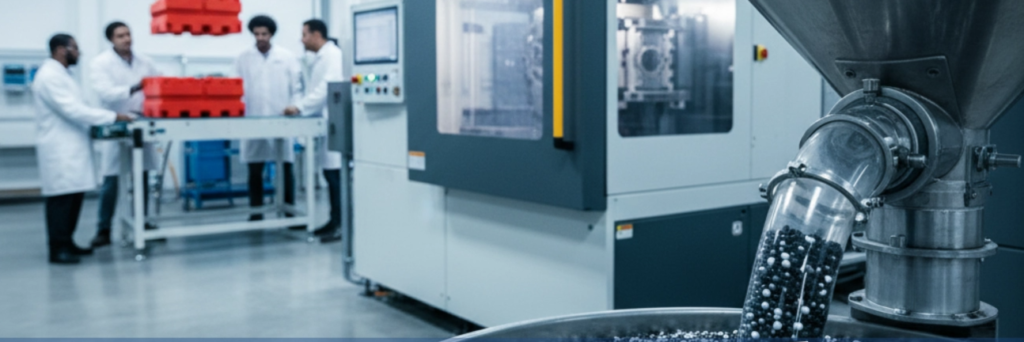
ABS material shows up everywhere in daily life because it’s a tough, impact resistant plastic that’s still easy to mold, machine, and finish.
- Automotive parts: ABS plastic is widely used for dashboards, interior trim, pillar covers, bumper inserts, and panels where a durable, rigid, and good‑looking surface is needed. When we pair ABS housings with metal parts from processes like precision CNC machining and casting, we get strong, lightweight automotive assemblies that hold up on U.S. roads.
- Consumer products: LEGO bricks, toys, hard-shell luggage, helmets, vacuum cleaners, and small appliance housings often use ABS material because it keeps its shape, takes color well, and survives drops and rough handling.
- Electronics housings: Many electronic devices rely on ABS for enclosures, keyboard keys, remote controls, power tool bodies, and device cases. ABS plastic offers good electrical insulation, solid impact resistance, and a clean surface finish for branding and labels.
- Industrial and plumbing components: ABS is common in machine covers, light-duty guards, manifolds, valves, and black ABS pipes and fittings. It’s a go-to engineering thermoplastic when you need a rigid, reliable part without the cost of higher-end engineering plastics or metal castings like custom aluminum investment cast parts.
- Prototyping and 3D printing: ABS filament for 3D printing is popular for functional prototypes, jigs, fixtures, and short‑run production parts. Compared with more brittle materials, ABS material gives strong, durable test parts you can tap, drill, and lightly machine after printing.
ABS vs Other Plastics
ABS vs Polycarbonate (PC)
When I compare ABS material to polycarbonate, I look at three things: impact, heat, and appearance.
- Impact strength: PC is tougher and handles heavy impact better than ABS plastic, which is already an impact resistant plastic. For safety goggles, shields, or high-impact housings, PC wins.
- Transparency: ABS is opaque; polycarbonate can be crystal clear. If you need see-through parts, PC is the move.
- Heat performance: PC has higher heat resistance than ABS and holds shape better at high temperatures. ABS is fine for most indoor housings and automotive interior parts, but not for sustained high-heat zones.
If I need rugged, clear, or high-heat parts, I’ll spec PC. For cost-effective, durable engineering plastic housings and interior components, ABS material usually makes more sense.
ABS vs PLA for 3D Printing
For ABS 3D printing, I focus on performance over convenience.
- Durability: ABS filament for 3D printing beats PLA in toughness, impact resistance, and long-term use. It’s better for functional parts, fixtures, and housings that get handled a lot.
- Ease of printing: PLA is easier to print, less warping, and works on open printers. ABS needs a heated bed, often an enclosure, and good tuning.
- Biodegradability: PLA is plant-based and more biodegradable. ABS is a petroleum-based engineering thermoplastic and not biodegradable.
If you want quick, low-stress prints and visual models, use PLA. If you want strong, functional parts that can take some abuse, ABS is the better choice.
ABS vs Polypropylene (PP)
ABS material and polypropylene fill different roles.
- Rigidity vs flexibility: ABS is stiffer and holds shape better; PP is more flexible and bend-resistant (hinges, clips, living hinges).
- Chemical resistance: PP offers better chemical resistance than ABS, especially for aggressive chemicals and many solvents.
- Feel and finish: ABS has a nicer surface finish and takes paint better than PP, which is harder to paint and bond.
For rigid housings and precision plastic components, I lean on ABS plastic. For chemical containers, flexible parts, and living hinges, PP is usually the smarter pick.
ABS vs PVC and Other Common Plastics
Compared with PVC and similar low-cost plastics:
- Cost and performance: ABS is usually a bit more expensive than basic PVC but offers better impact resistance, less brittleness, and better aesthetics for visible parts.
- Processing: ABS molding and injection molding material processing is cleaner and easier than many PVC compounds that release more fumes at high temperature.
- Applications: PVC fits pipes, wire insulation, and building materials. ABS is better for automotive plastic parts, electronic housings material, and consumer products where look, feel, and strength matter.
In manufacturing, I may pair ABS plastic parts with metal components made through processes like industrial die casting when I need a hybrid of strength and design freedom.
How I Choose ABS or Alternatives
When I decide whether to use ABS material or another thermoplastic polymer, I run through this quick checklist:
- Need rigid, impact resistant plastic with good surface finish? Go with ABS.
- Need highest impact and heat, or transparency? Choose polycarbonate.
- Need easy, low-warp 3D printing and eco-friendlier material? Use PLA.
- Need flexible parts and strong chemical resistance? Choose polypropylene.
- Need low-cost, basic building or piping material? PVC or similar may be enough.
For most U.S. customers who want durable engineering plastic for housings, interior car parts, and strong 3D printed parts, ABS material hits the best balance of price, strength, and processability.
Processing and Fabrication of ABS Material
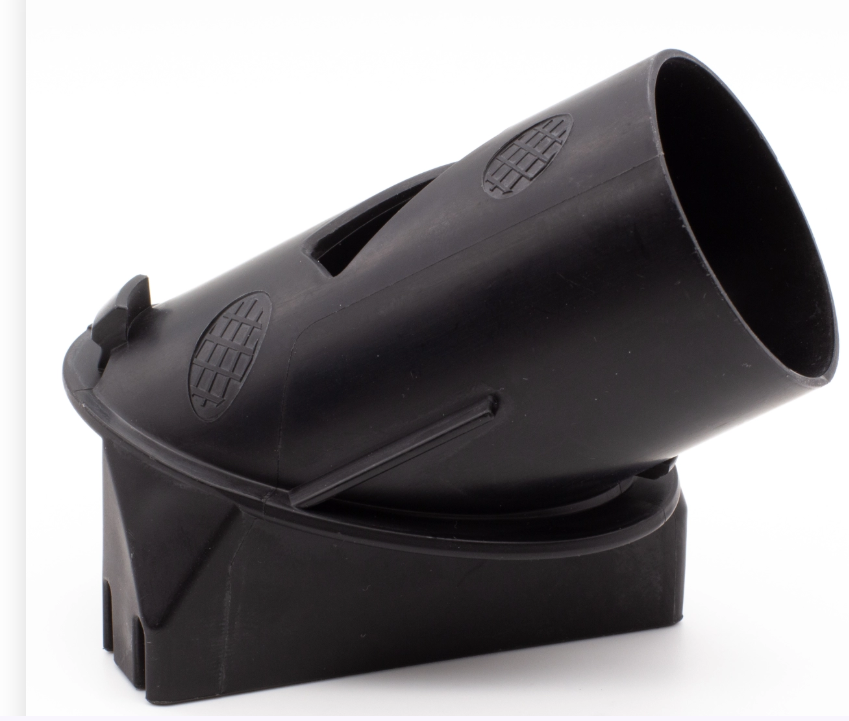
Injection molding ABS material
ABS plastic is easy to mold, but it likes stable process settings. For most ABS molding, I keep these basics in mind:
- Melt temperature: usually around 410–470°F (210–245°C), depending on the grade.
- Mold temperature: 120–180°F (50–80°C) for better surface finish and less warpage.
- Moderate injection speed and pressure to fill quickly but avoid burn marks and sink.
- Design tips: use uniform wall thickness, generous radii, and ribs instead of thick sections to cut down on shrinkage and internal stress.
If you’re already using metal tooling or outsourced parts, the same approach you use for precision work like in a CNC turning setup applies: control your process, and ABS will reward you with stable parts.
ABS 3D printing settings
ABS filament for 3D printing needs more care than PLA, but the payoff is stronger, more durable parts:
- Bed temperature: 90–110°C with a good adhesive (PEI, glue stick, or ABS slurry).
- Nozzle temperature: 220–250°C, tuned to your specific ABS filament.
- Enclosure: keep the printer enclosed to reduce warping and layer splitting.
- Ventilation: always run a vent or filter; ABS fumes and styrene odor can be irritating indoors.
Machining, drilling, and cutting ABS material
ABS is very machinable and works well with standard shop tools:
- Use sharp HSS or carbide tools with moderate speeds to avoid melting.
- Support the part well to prevent vibration and chipping on edges.
- For drilling, use standard twist bits, back off frequently to clear chips and heat.
- When cutting sheets, fine-tooth blades and steady feed help keep edges clean.
Painting, bonding, and finishing ABS plastic
ABS surface finish is one of its big advantages:
- Painting: lightly sand (400–600 grit), clean with isopropyl alcohol, then use a plastic-compatible primer and acrylic or automotive-style topcoat.
- Bonding: ABS cements, acetone-based solvents, or epoxies give strong joints; for quick assembly, cyanoacrylate (super glue) also works.
- Finishing: wet sanding, light vapor smoothing (with proper safety), or polishing will upgrade appearance on visible consumer parts.
Common ABS processing defects and fixes
Most ABS defects come down to heat and cooling control:
- Warping and shrinkage: use even wall thickness, proper cooling, heated molds or print beds, and an enclosed build area.
- Sink marks and voids: avoid thick sections, add ribs, and increase packing pressure/time.
- Surface defects: dial in temperature and venting, and keep tools and molds clean.
- Cracking and stress: reduce internal stress with better gate location, lower injection speed, and, if needed, a short annealing cycle after molding.
ABS Safety And Environmental Impact
Is ABS Plastic Safe For Everyday Use?
ABS material is generally considered safe for everyday consumer use. It’s a stable engineering thermoplastic that doesn’t contain BPA or plasticizers like phthalates, and it’s widely used in automotive interiors, appliance housings, and consumer products across the U.S. When fully molded and cooled, ABS plastic does not off-gas significant chemicals under normal use conditions and is considered a durable, impact resistant plastic for daily handling.
Food-Contact And ABS Toxicity
Whether ABS plastic is safe for food contact depends on the exact formulation and local regulations. Some ABS grades are certified for limited food-contact applications, but many are not. I always tell customers:
- Check for explicit “food-grade” or FDA-compliant ABS.
- Avoid exposing ABS containers to high heat in microwaves or ovens.
- Don’t use standard 3D printed ABS parts for long-term food storage, because layer gaps can trap bacteria and printing additives may not be food-safe.
In normal use, ABS toxicity risk is low; the main concerns appear during high-temperature processing, not everyday handling.
Recyclability Of ABS Material
ABS is a recyclable plastic, often marked with recycling code #7 – Other because it doesn’t fit into the standard PET/HDPE categories. In the U.S., curbside recycling for ABS plastic is still limited, but:
- Many industrial users and manufacturers grind and reprocess ABS internally.
- Specialized recyclers accept ABS from automotive plastic parts, electronic housings material, and offcuts from ABS molding.
From a sustainability angle, ABS sits between basic commodity plastics and metals; it’s more recyclable than many composite materials, but still depends on local recycling infrastructure. If you’re interested in comparing materials, guides that break down density, composition, and reuse—like this overview of the composition and industrial uses of brass alloys—are helpful models for understanding material life cycles.
Emissions And Fumes From ABS Processing And 3D Printing
The main health concern with ABS material is fumes when it’s heated:
- Injection molding and extrusion: Workers need proper ventilation and fume extraction; burning or overheating ABS can release irritating vapors and trace styrene.
- ABS 3D printing: Printing ABS filament produces ultrafine particles and noticeable odor. I recommend:
- Printing in a well-ventilated room or enclosed printer with filtration.
- Avoiding ABS printing in bedrooms or small, closed spaces.
- Never burning or melting ABS over open flames.
With good ventilation and standard safety practices, emissions can be managed effectively in both shop and home settings.
Eco-Friendly Alternatives To ABS
ABS plastic offers a strong balance of durability and cost, but it’s still a fossil-based thermoplastic and not biodegradable. If you’re prioritizing environmental impact, consider:
- PLA for 3D printing: Easier to print and made from renewable sources (corn, sugarcane), though less heat resistant than ABS.
- Recycled ABS: Parts made from post-consumer or post-industrial ABS help close the loop.
- Polycarbonate/ABS blends with recycled content: Used in some automotive and electronics applications to improve impact performance while incorporating recycled feedstock.
- Design-for-disassembly: Choosing fasteners instead of permanent adhesives so ABS components can be separated and recycled more easily.
For U.S. manufacturers and DIY users, the practical approach is to use ABS where its performance is necessary, keep scrap streams clean for recycling, and switch to greener materials where impact resistance and heat performance are less critical.