Learn what a non ferrou metal is with clear definition properties examples and uses from vastmaterial.
What Is a Non-Ferrous Metal?
When you type “what’s a non ferrou metal” or “what is non ferrou metal” into a search bar, you’re usually looking for a simple, no-nonsense meaning. In plain terms, a non-ferrous metal is any metal that has little or no iron in it. Aluminum, copper, brass, and bronze are classic examples.
People misspell it as “non ferrou metal” all the time when they’re in a hurry, but the question behind it is serious. You might be:
- A student trying to understand the difference between ferrous and non-ferrous metals
- A DIYer or maker choosing between aluminum vs steel for a project
- An engineer or designer looking for lightweight metals or corrosion resistant metals
- A buyer or sourcing manager comparing non-ferrous scrap metal value and long-term cost
Non-ferrous metals matter because they solve real problems that everyday steel can’t:
- They resist rust, so they survive outdoors, in marine, and chemical environments
- They’re often lighter, which is critical for vehicles, aerospace, and portable products
- Many are excellent electrical conductivity metals, perfect for wiring and electronics
- Most non-ferrous metals and alloys are highly recyclable, adding long-term value
As a materials supplier, I pay close attention to how customers search and what they actually need. When someone asks “what’s a non ferrou metal,” what they really want is the right material choice for a real project, at the right performance and price.
What Are Non Ferrous Metals?
When people ask “what’s a non ferrou metal” or “what is a non-ferrou metal,” they’re really asking about metals that have little to no iron in them. That’s the core non-ferrous metals definition: aluminum, copper, zinc, brass, and similar materials that are not based on iron or steel.
Ferrous vs. non-ferrous meaning
- Ferrous metals = iron-based metals like carbon steel, cast iron, and stainless steel. They usually rust, are magnetic, and are heavier.
- Non-ferrous metals = metals with no significant iron content, like aluminum, copper, brass, bronze, zinc, lead, and nickel-based alloys.
How non-ferrous metals differ from steel and iron
Because they don’t rely on iron, non-ferrous vs ferrous metals behave very differently:
- Rust and corrosion: Non-ferrous metals don’t rust like carbon steel. Many of them naturally form a protective surface layer, which is why we use them as corrosion resistant metals in construction, marine, and chemical environments.
- Magnetism: Most non-ferrous metals are non-magnetic, which matters in electronics, medical equipment, and any setup where magnetic fields cause problems.
- Weight and strength: Many non-ferrous metals are lightweight metals with high strength-to-weight, like aluminum alloys used in aerospace and automotive.
- Electrical and thermal behavior: Copper and aluminum are top electrical conductivity metals, which is why they dominate in wiring, busbars, and power systems.
When I’m helping customers choose materials, this lack of iron is usually the deciding factor. If you need light weight, no rust, and strong electrical performance, you’re almost always looking at a non-ferrous metal or a non-ferrous alloy. For example, our engineered aluminum alloy materials are designed specifically for that balance of low weight, strength, and corrosion resistance in US manufacturing and construction projects:
You can see how we tune those properties here in our aluminum alloy product lineup.
Non Ferrous Metals vs Ferrous Metals
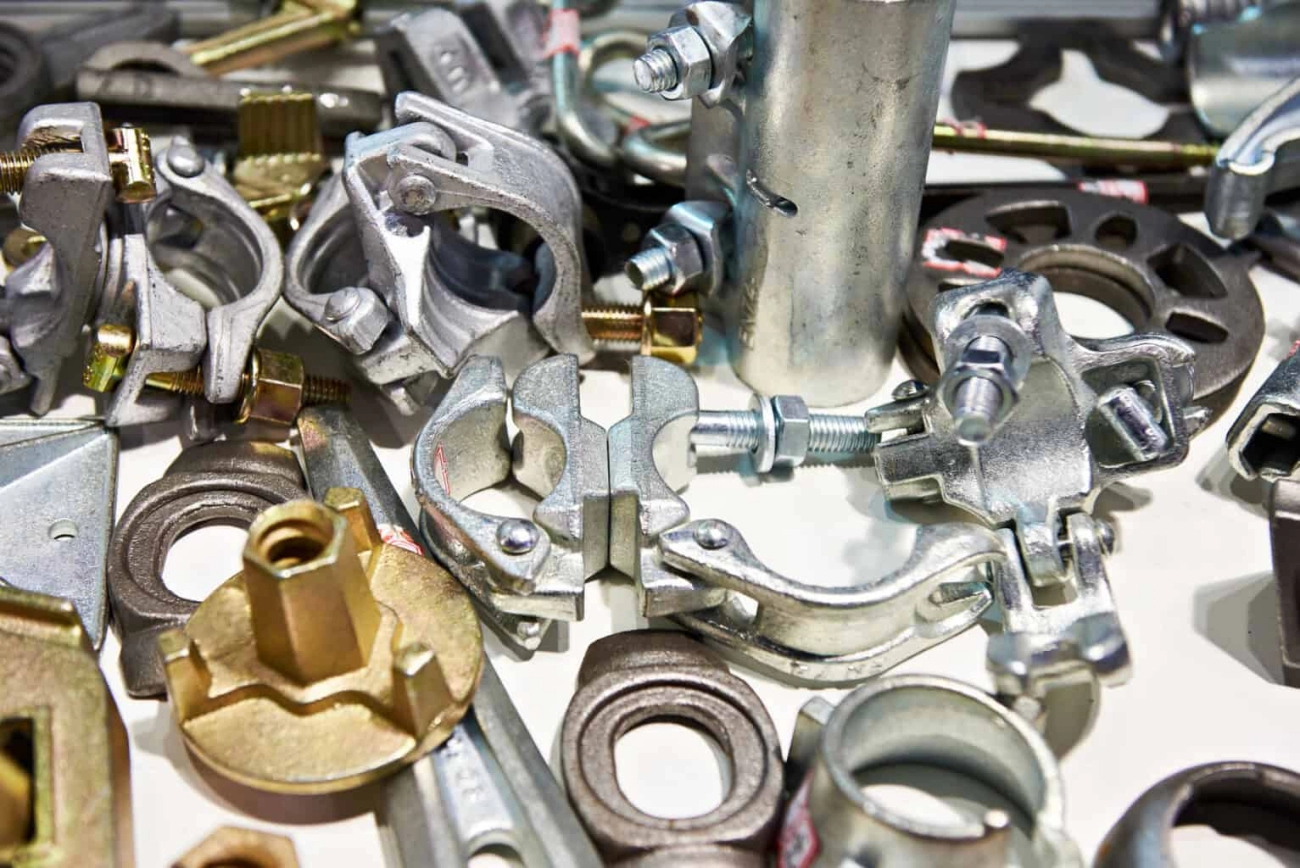
When people search “what’s a non ferrou metal,” they usually want a simple non ferrous vs ferrous comparison they can use in real decisions. Here’s the quick breakdown.
Basic Non Ferrous vs Ferrous Comparison
- Ferrous metals: Metals that contain a significant amount of iron (like carbon steel, cast iron, low-alloy steel).
- Non-ferrous metals: Metals with little to no iron content (like aluminum, copper, brass, bronze, zinc, titanium).
The iron content is what drives most of the differences between ferrous and non-ferrous metals in performance, cost, and typical applications.
Iron, Rust, and Corrosion
- Ferrous metals with iron will usually rust when exposed to moisture and oxygen, unless they’re protected or alloyed (like stainless steel).
- Non-ferrous metals do not rust the same way. Many form a protective oxide layer (aluminum, copper) or naturally resist corrosion, which is why they’re common in marine, chemical, and outdoor environments.
- When I design parts for harsh environments or think about high-performance castings, I often lean on non-ferrous alloys and processes similar to those used by an aerospace casting manufacturer for high-performance alloy components.
Magnetic vs Non-Magnetic in Real Use
- Most ferrous metals are magnetic, which matters in motors, transformers, and tools that need magnetic properties.
- Most non-ferrous metals are non-magnetic, which is essential in:
- Electronics and sensors that can’t be disturbed by magnetic fields
- Medical equipment (MRI rooms, certain surgical tools)
- Defense and aerospace components where magnetic signatures must stay low
Weight, Strength, and Durability
- Ferrous metals (like steel) are usually heavier but offer high strength and toughness at a lower price. They’re the go-to for structural frames, beams, rebar, and heavy machinery.
- Non-ferrous metals include many lightweight metals like aluminum and titanium, which give you high strength-to-weight ratio. That’s why they show up in aircraft parts, performance cars, and weight-sensitive components.
- Durability is often about environment:
- Ferrous: durable in dry, controlled conditions
- Non-ferrous: durable where corrosion resistant metals are a must
Cost, Availability, and Typical Use Cases
- Ferrous metals are generally cheaper and widely available. You see them in:
- Building structures and bridges
- Automotive frames and chassis
- Tools, pipes, machine bases
- Non-ferrous metals usually cost more per pound, but they pay off when you need:
- Non-magnetic metals for electronics and instrumentation
- Electrical conductivity metals like copper for wiring and busbars
- Lightweight metals for aerospace, EVs, and high-end equipment
- Long-term durability where rust would destroy a ferrous option
In simple terms: if you need low cost and high raw strength, ferrous metals (steel, iron) win. If you need corrosion resistance, low weight, non-magnetic behavior, or high conductivity, a non ferrou metal is usually the right call.
Key Properties of Non-Ferrous Metals
When people ask “what’s a non ferrou metal,” they usually want to know what makes these metals different in real use. Non-ferrous metals share a few core properties that make them valuable in U.S. manufacturing, construction, and DIY work.
Core properties in plain language
Non-ferrous metals (like aluminum, copper, brass, and bronze) are metals with little to no iron. Because they don’t rely on iron, they behave differently than everyday steel:
- They don’t rust the same way steel does
- Most are non-magnetic
- Many are lighter but still strong
- They usually conduct electricity and heat very well
Corrosion resistant metals
Non-ferrous metals are known as corrosion resistant metals because they don’t form red rust like carbon steel. Aluminum builds a thin oxide layer that protects it, while copper and brass form stable surface films instead of flaking rust. That’s why you see non-ferrous metals in gutters, roofing, HVAC coils, marine hardware, and chemical equipment where moisture, salt, or chemicals would destroy regular steel.
Non-magnetic metals
Most non-ferrous metals are non-magnetic. This matters when:
- You’re designing electrical enclosures and don’t want magnetic interference
- You’re building medical or lab equipment around sensitive sensors
- You need tools and fasteners that don’t stick to magnets around MRI units or strong magnetic fields
Aluminum, copper, brass, and many non-ferrous alloys stay non-magnetic, which is a big plus for specialized U.S. industrial and electronics applications.
Lightweight metals and strength-to-weight
Aluminum is the best-known lightweight non-ferrous metal. It offers high strength-to-weight ratio, which makes it ideal for:
- Auto and truck parts where fuel efficiency matters
- Trailers, ladders, and racks that need to be strong but easy to move
- Aerospace and structural parts where every pound counts
Using a non-ferrous lightweight metal often lets you cut weight without giving up critical strength.
Electrical conductivity and thermal performance
Many non-ferrous metals are excellent electrical conductivity metals:
- Copper is the standard for wiring, busbars, and power connectors
- Aluminum is widely used in power lines and some busbar systems to save cost and weight
They also move heat efficiently, so you see non-ferrous metals in heat sinks, radiators, and die cast parts. When you’re working with aluminum casting, good thermal performance is a key reason it’s widely used in high-volume parts and components made with the industrial die casting process.
Formability, machinability, and finish
Non-ferrous metals are usually easier to form and machine than many high-strength steels:
- Good formability for bending, drawing, and deep forming
- Clean machinability for turning, milling, and drilling
- Attractive surface finish that can be polished, anodized, plated, or painted
This makes non-ferrous materials popular for visible parts, fittings, consumer products, and detailed castings that need tight tolerances and good looks right out of the mold.
Recyclability and long-term scrap value
Non-ferrous metals hold their value as non-ferrous scrap:
- Copper, aluminum, brass, and other non-ferrous scrap metals are highly recyclable
- They can be melted and reused with minimal loss of performance
- Scrap yards pay a premium for clean non-ferrous scrap compared to common steel
For U.S. manufacturers, fabricators, and even small shops, recycling non-ferrous metals improves total lifecycle value and reduces waste costs, while keeping valuable material in the circular economy.
Examples of Non Ferrous Metals
When people ask “what’s a non ferrou metal,” they’re usually thinking about the metals they see every day. Here are the non-ferrous metals you’ll run into most often and what they’re good at.
Common Non-Ferrous Metals
- Aluminum (Al) – The go-to non-ferrous metal for lightweight structures. It’s strong for its weight, easy to machine, and naturally corrosion resistant. I rely on aluminum investment castings when I need precise, low-weight parts for U.S. customers in automotive, equipment housings, and fixtures, often using custom aluminum precision castings for tight tolerance work.
- Copper (Cu) – The classic copper non-ferrous metal for wiring and electronics. It offers excellent electrical and thermal conductivity, so you see it in electrical cables, busbars, PCB features, motors, and HVAC components.
- Zinc (Zn) – Commonly used in coatings and galvanizing to protect steel from rust. Zinc also shows up in die-cast parts, hardware, and small mechanical components where good corrosion resistance and low-cost casting matter.
- Lead (Pb) – Dense and soft, used in radiation shielding, balance weights, and some specialty solders. Because of health regulations in the U.S., I only consider lead where it’s strictly necessary and compliant.
- Tin (Sn) – Often used in coatings and solder alloys. Tin resists corrosion and bonds well, which is why it’s a key part of electronics solder and food-safe coatings.
- Nickel (Ni) – A non-ferrous metal that boosts corrosion resistance and high-temperature strength in alloys. You’ll see nickel in batteries, plating, and heat resistant non-ferrous alloys for industrial equipment.
- Titanium (Ti) – A high strength lightweight metal used where performance matters: aerospace components, medical implants, high-end sporting goods, and critical fasteners. It offers excellent strength-to-weight and corrosion resistance but at a higher cost.
- Precious metals (Au, Ag, Pt) – Gold, silver, and platinum are non-ferrous metals with exceptional electrical conductivity and corrosion resistance. They’re used in jewelry, high-reliability connectors, contacts, and specialized industrial and electronic applications where failure isn’t an option.
Common Non Ferrous Alloys
What Makes an Alloy Non-Ferrous?
A non-ferrous alloy is any metal mix that has little to no iron. The base metal is usually aluminum, copper, nickel, or titanium, so the alloy keeps the key non-ferrous properties: good corrosion resistance, low or no magnetism, and strong electrical or thermal conductivity.
Brass and Bronze Alloys
Two of the best-known non-ferrous alloys are:
- Brass – mostly copper + zinc
- Warm yellow color (often used as a gold look-alike)
- Great machinability and good corrosion resistance
- Common in fittings, valves, hardware, musical instruments
- Bronze – mostly copper + tin (sometimes with aluminum, nickel, or phosphorus)
- Reddish-brown color, harder than brass
- Excellent wear and corrosion resistance
- Used in bearings, bushings, marine parts, and sculptures
In short, brass is easier to machine and polish, while bronze is tougher and handles harsher environments better.
Common Non-Ferrous Alloys Used in Industry
Across US manufacturing and construction, I see the same non-ferrous alloys over and over:
- Aluminum alloys (like 6061, 7075): structural parts, frames, aerospace and automotive components; often paired with controlled aluminum tensile properties for lightweight strength (see these detailed aluminum tensile tests and data).
- Copper alloys (brass, bronze, cupronickel): electrical connectors, plumbing fittings, marine hardware.
- Nickel alloys (Inconel-type): high-temperature and heat resistant non-ferrous alloys for turbines, chemical plants, and refineries.
- Titanium alloys: high strength, low weight, and excellent corrosion resistance for aerospace, medical, and high-performance automotive parts.
How Alloying Changes Strength, Corrosion, and Color
When we add other elements to a non-ferrous metal, we can tune its behavior:
- Strength – magnesium and zinc in aluminum, or tin in copper, can boost strength while keeping weight low.
- Corrosion resistance – nickel, chromium, and aluminum can make alloys last longer in saltwater or chemicals.
- Color and finish – zinc in brass shifts color toward yellow; tin in bronze gives that darker, classic look; nickel can create a whiter, stainless-like tone.
That’s why many high strength lightweight metals and corrosion resistant metals are non-ferrous alloys, not pure metals.
Where You’ll See These Alloys in Real Products
You’ll run into non-ferrous alloys in products you use every day:
- Home and building – brass door hardware, faucets, bronze bushings in HVAC equipment, aluminum window frames.
- Automotive and aerospace – aluminum wheels, engine parts, structural brackets, titanium fasteners.
- Electronics and power – copper and brass connectors, terminals, and busbars made via precision investment casting services for complex metal parts when tight tolerances are critical (as in this type of advanced casting for precision components).
- Marine and chemical – bronze propellers, cupronickel heat exchangers, nickel alloys in pumps and valves.
If you’re choosing materials for a project, understanding these common non-ferrous alloys helps you match the right metal to your performance, cost, and durability targets.
Applications of Non Ferrous Metals
Non-ferrous metals show up everywhere in daily life, especially in the U.S. where reliability, safety, and long service life matter.
Everyday applications of non-ferrous metals
You’ll see non-ferrous metals in:
- Phone and laptop housings (aluminum)
- Door and window hardware (brass, aluminum)
- Home appliances, fixtures, and décor pieces (copper, brass, bronze)
These materials give a clean look, resist rust, and hold up well in busy homes and commercial spaces.
Electrical and electronics uses
Because they’re excellent electrical conductivity metals, non-ferrous metals dominate electrical and electronics:
- Copper non-ferrous conductors for cables, busbars, and connectors
- Aluminum non-ferrous wiring in power distribution, especially where weight and cost matter
- Tin, nickel, and precious metals on circuit boards and connectors for stable, low-resistance contacts
For industrial power systems, I rely on copper busbars and precision bronze components, often made through specialized bronze CNC machining services, to keep current flowing safely and efficiently.
Aerospace and automotive uses
High strength lightweight metals are critical when every pound counts:
- Aluminum as non-ferrous metal for body panels, wheels, engine components
- Titanium in performance and aerospace parts where strength, heat resistance, and corrosion resistance are all required
- Nickel-based non-ferrous alloys in turbochargers and high-temperature zones
This is where the strength-to-weight advantage of non-ferrous vs ferrous really pays off in fuel savings and performance.
Construction, plumbing, and HVAC
In U.S. construction, non-ferrous metals show up wherever corrosion and long-term reliability matter:
- Copper pipes and fittings for plumbing and HVAC
- Aluminum non-ferrous profiles for curtain walls, doors, and windows
- Brass valves, faucets, and control components for durable water handling
Non-ferrous metals help reduce leaks, rust stains, and early replacement cycles in homes and commercial buildings.
Marine and chemical environments
For coastal, marine, and chemical plant projects, corrosion resistant metals are a must:
- Copper-nickel and bronze hardware on boats and docks
- Aluminum and titanium structures exposed to salt spray
- Non-ferrous alloys in pumps, valves, and heat exchangers in chemical processing
Here, the difference between ferrous and non-ferrous metals is obvious—steel rusts quickly, while the right non-ferrous alloy keeps working.
Recycling and circular economy
Recycling non-ferrous metals is a big part of their value:
- Non-ferrous scrap metal value stays high, especially for copper, aluminum, and nickel
- Most non-ferrous metals can be recycled repeatedly with minimal loss of properties
- Scrap collection and reuse cut energy use and support a more circular economy
For U.S. buyers and engineers, choosing non-ferrous materials often means better performance today and better scrap value at the end of the product’s life.
When to Choose Non Ferrou Metal (Non-Ferrous Metals)
How to Decide: Non Ferrous vs Ferrous
If you’re asking “what’s a non ferrou metal and when should I use it?”, here’s the quick logic I use on real projects:
| Question | If YES → Choose | If NO → Usually OK With |
|---|---|---|
| Will it see moisture, salt, or chemicals? | Non-ferrous (aluminum, copper, brass) | Ferrous (carbon steel) |
| Do I need it non-magnetic? | Non-ferrous (copper, brass, aluminum) | Ferrous is fine |
| Is weight a big issue? | Lightweight non-ferrous metals | Standard steel/iron |
| Do I need high electrical/thermal conductivity? | Copper, aluminum | Steel |
| Is lowest initial cost the top priority? | Often ferrous | Sometimes non-ferrous |
When Corrosion Resistant Metals Are a Must
Pick non-ferrous metals when you can’t afford rust or heavy corrosion:
- Outdoor hardware, coastal installs, and marine parts
- HVAC coils, condensers, and fittings
- Plumbing components, valves, and fittings carrying water or chemicals
- Architectural trim and panels that must stay clean and bright
For example, many customers switch to aluminum, copper, or brass parts from my shop instead of painted steel when they want long-term, low-maintenance performance.
When Non-Magnetic Metals Solve Problems
Non-magnetic metals matter more than most people think:
- Electrical panels and sensitive electronics (no magnetic interference)
- MRI rooms, lab equipment, and sensors
- Precision instruments and measuring tools
In these cases, I usually recommend non-ferrous options like copper, brass, bronze, or certain high-temperature nickel alloys (you’ll see these a lot in nickel alloy components and springs).
Balancing Cost vs Performance
Non-ferrous metals typically cost more per pound, but they can pay off:
- Lower maintenance: less rust, less repainting
- Longer service life: especially in harsh environments
- Better performance: lighter weight, better conductivity, better appearance
For budget-focused jobs in dry, indoor conditions, carbon steel usually wins. For higher-value projects where failure is expensive, non-ferrous metals are the better long-term deal.
Typical Choices Buyers Make
Most US buyers I work with follow patterns like:
- Aluminum: lightweight frames, brackets, covers, enclosures
- Copper: electrical busbars, power connectors, wiring hardware
- Brass/bronze: plumbing, valves, fittings, decorative hardware
- Zinc-based parts: die-cast hardware, protective coatings, fasteners
If you’re unsure, I usually suggest you list your top 2–3 priorities (corrosion resistance, weight, cost, appearance) and pick the non-ferrous or ferrous option that aligns best. For more specialized brass choices, many customers compare alloys using guides like this red brass vs yellow brass comparison.
Advantages and Limitations of Non Ferrous Metals
When I pick a material for a real project in the U.S., I look at non-ferrous metals as a long-term investment, not just a line item cost. They bring clear strengths, but also real trade-offs compared with steel and other ferrous metals.
Key Advantages of Non Ferrous Metals
- Corrosion resistance: Most non-ferrous metals (like aluminum, copper, and brass) don’t rust the way carbon steel does. That’s a huge win for outdoor structures, marine parts, HVAC components, and any parts exposed to moisture or chemicals.
- Lightweight strength: Many non-ferrous metals offer high strength with low weight. Aluminum and titanium are classic high strength lightweight metals for automotive, aerospace, trailers, and consumer products where fuel savings and easier handling matter.
- Non-magnetic behavior: Non-magnetic metals like aluminum, copper, brass, and bronze are vital near sensitive electronics, MRI rooms, sensors, and electrical panels where magnetic fields can’t interfere with performance.
- Great electrical and thermal conductivity: Copper and aluminum are the go-to electrical conductivity metals for wiring, busbars, and power distribution, and also move heat efficiently in heat sinks, HVAC coils, and battery systems.
- Good surface finish and formability: Non-ferrous metals usually form, machine, and finish cleanly, which helps if you’re pairing them with high-precision processes like metal sheet laser cutting or CNC machining. You get tight tolerances and a clean appearance with less rework.
- Recyclability and scrap value: Recycling non-ferrous metals is easy and widely supported. Non-ferrous scrap metal value is generally higher than steel, which can offset project costs over time and supports circular economy goals.
Limitations and Trade-Offs vs Ferrous Metals
- Higher material cost: Pound for pound, most non-ferrous metals cost more than standard carbon steel. For large structural jobs, that price jump can be a deal-breaker unless corrosion resistance or weight savings is critical.
- Lower absolute strength in some cases: While some alloys are very strong, many non-ferrous metals don’t match high-grade steels on pure strength and stiffness, especially for heavy load-bearing frames.
- Thermal limits: Not every non-ferrous alloy handles high heat as well as special heat resistant non-ferrous alloys or certain steels. In very high-temperature environments, the wrong non-ferrous alloy can soften or creep.
- Wear and surface damage: Softer non-ferrous metals (like pure aluminum or copper) can scratch, dent, or gall more easily than hardened steel, so they may need coatings, surface treatments, or thicker designs.
Cost, Availability, and Processing Choices
- Cost vs performance: The difference between ferrous and non-ferrous metals often comes down to total project cost versus performance. If corrosion, weight, or electrical properties matter, non-ferrous wins; if budget and brute strength dominate, steel often makes more sense.
- Availability and lead time: In most U.S. regions, standard aluminum, copper, and brass stock are easy to source. More specialized non-ferrous alloys, especially high strength lightweight metals or heat resistant non-ferrous alloys, may have longer lead times and higher minimum order quantities.
- Processing methods: Non-ferrous metals often machine and cut faster and cleaner than steel, which can reduce labor time. Using efficient cutting processes and accurate equipment (for example, a metal sheet laser cutting machine with high precision and stable power) helps control waste and lower the effective cost per part.
- Fabrication know-how: Some non-ferrous materials need specific welding wires, shielding gases, or heat treatment. If your shop or supplier doesn’t have that experience, you’ll see extra setup costs and a learning curve.
Long-Term Performance and Lifecycle Value
- Lower maintenance: Corrosion resistant metals reduce repainting, coating, and replacement cycles. Over 10–20 years, that often outweighs the higher upfront material cost, especially in coastal, industrial, or high-humidity environments.
- Stable performance: Non-ferrous metals maintain their properties well when properly specified. They’re reliable for long-term applications like building facades, electrical systems, and critical components that can’t fail without costly downtime.
- Residual value: At the end of a product’s life, recycling non-ferrous metals returns real cash. Companies that separate and sell non-ferrous scrap consistently recover value that doesn’t exist with most low-grade steel scrap.
- Sustainability and branding: For many U.S. customers, using recyclable non-ferrous metals supports ESG targets and “green” marketing. That can influence buying decisions in construction, consumer products, and industrial equipment.
If you’re deciding what material to use, I’d weigh:
- How aggressive the environment is (corrosion risk)
- Weight limits and energy costs
- Electrical or magnetic requirements
- Fabrication capabilities and supplier expertise
- How long the product must last and what its scrap value could be
From there, the right choice between ferrous and non-ferrous metals usually becomes pretty clear.