Discover manufacturing industry casting insights on processes refractories and defect prevention to optimize metal casting performance.
The Strategic Role of Casting in the 2026 Industrial Landscape
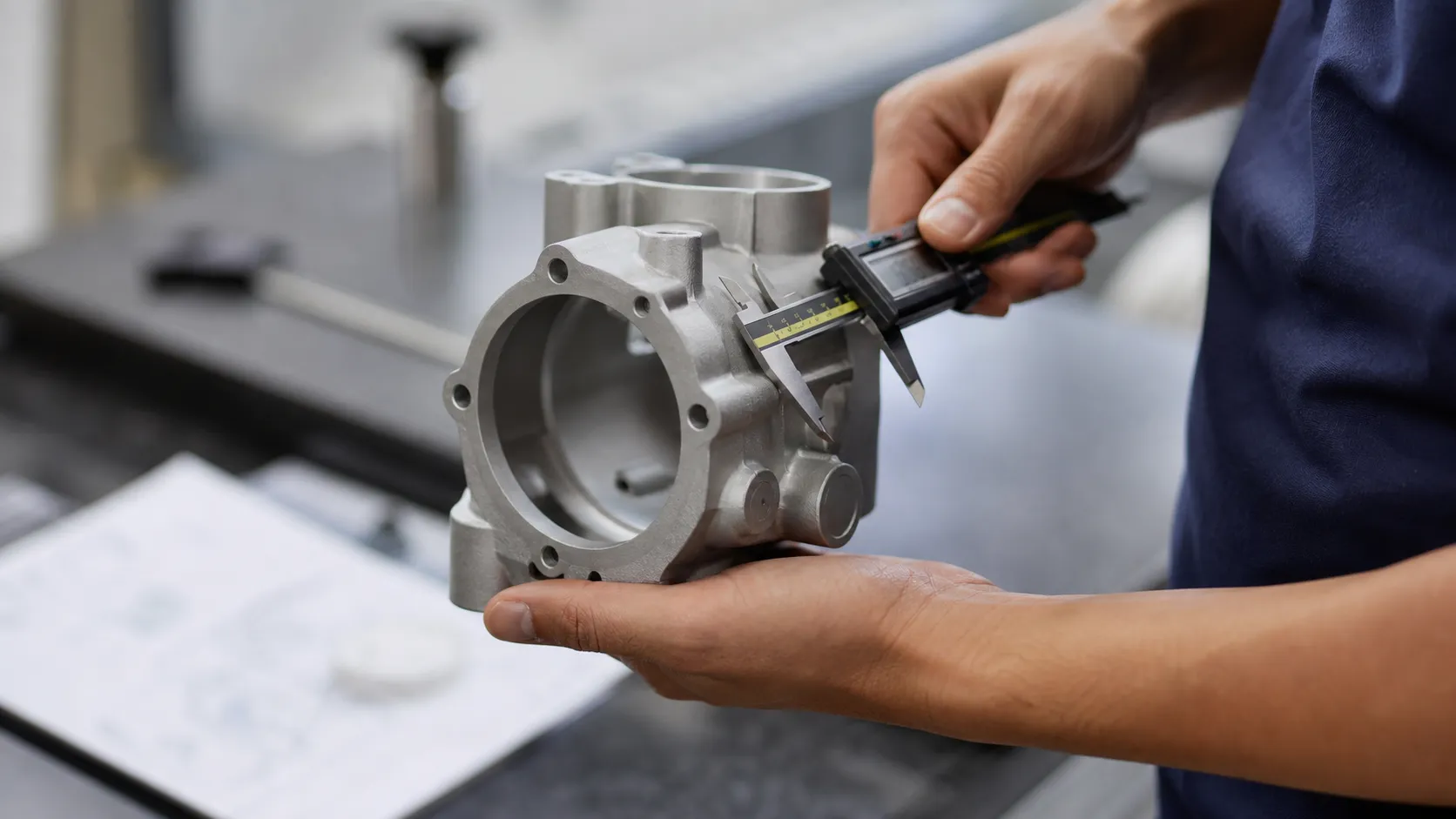
In 2026, manufacturing industry casting stands as the indispensable foundation of modern production. We have moved beyond seeing casting as a legacy process; it is now the primary engine for precision engineering in metallurgy. As an industry leader, I recognize that the ability to achieve “near-net-shape” results is what keeps our global supply chains lean and responsive. By mastering foundry process optimization, we eliminate the waste inherent in subtractive manufacturing and provide solutions that other technologies simply cannot match.
Beyond the Basics: The Backbone of Complex Geometry
Casting remains the only cost-effective method for producing components with intricate internal cavities and organic shapes. In my experience, the secret to success lies in controlling the metal solidification rate to ensure structural uniformity.
- Design Freedom: Allows for complex internal cooling channels in high-heat components.
- Part Consolidation: Replaces multi-part assemblies with a single, high-integrity cast piece.
- Metallurgical Control: Precision cooling protocols allow us to dictate the grain structure of the final part.
The Economic Impact of Casting Precision
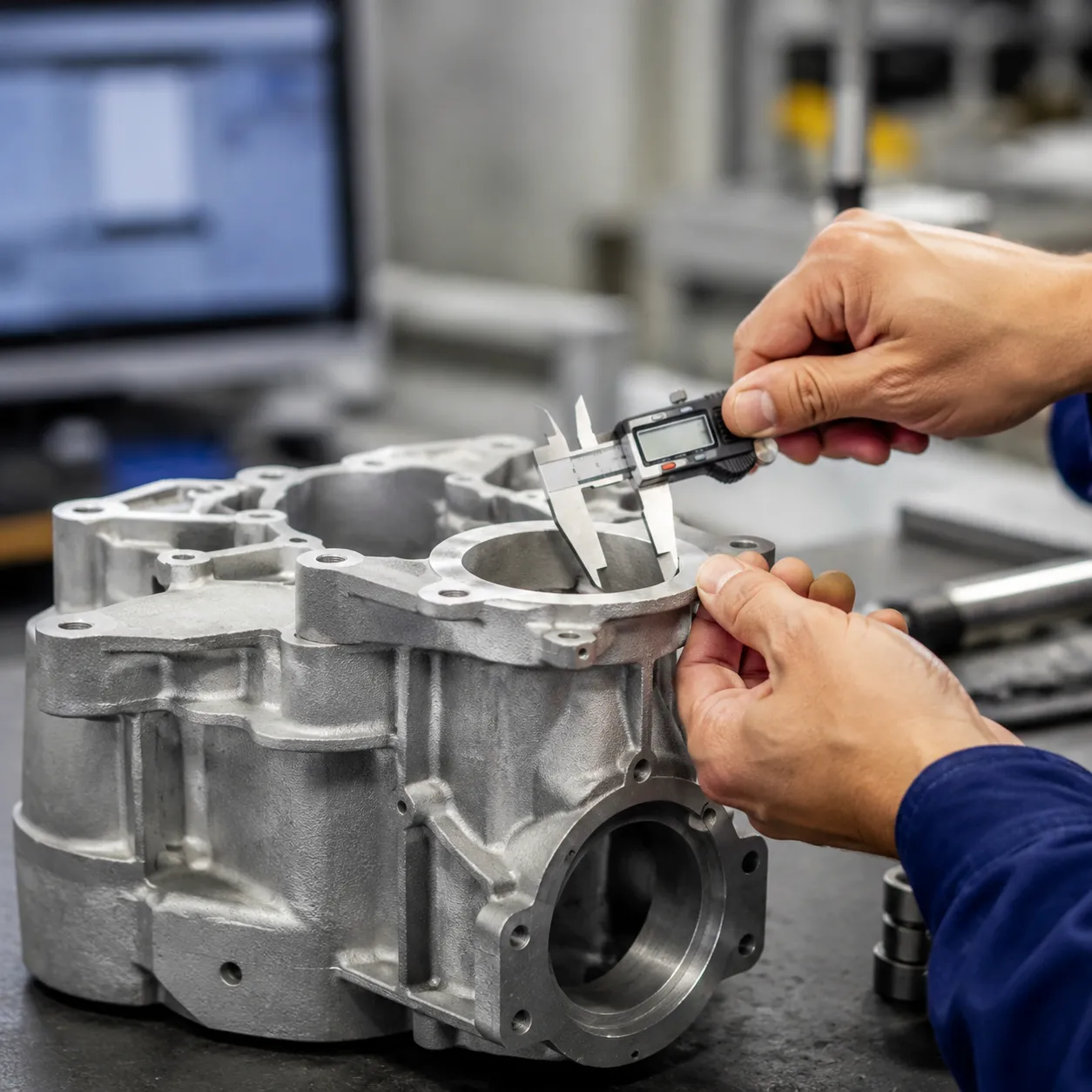
Precision in the foundry isn’t just a technical metric; it is a financial imperative. When we improve investment casting precision, we directly reduce the burden on downstream CNC machining and finishing.
- Reduced Material Waste: Achieving tighter tolerances means less “buy-to-fly” ratio in high-value metals.
- Supply Chain Velocity: High-quality initial pours prevent the bottlenecks caused by high scrap rates and rework.
- Resource Efficiency: Modern foundries leverage high-temperature material durability to extend the life of equipment, lowering the total cost per part.
The Shift Toward “Zero-Defect” Manufacturing
In high-stakes industries like Aerospace, EV, and Energy, there is no room for compromise. We are witnessing a total shift toward casting defect prevention through advanced simulation and material science.
| Industry | Primary Driver | Technical Requirement |
|---|---|---|
| Aerospace | Weight Reduction | High-integrity, thin-walled structures |
| Electric Vehicles | Scale & Speed | Large-scale structural die casting (Giga-casting) |
| Energy | Harsh Environments | Thermal shock resistance and slag corrosion resistance |
The demand for “Zero-Defect” parts has made tundish and ladle metallurgy more critical than ever. Ensuring the purity of the melt through superior refractory furnace linings is the only way to guarantee the performance levels required in 2026’s industrial smelting environment.
Navigating Core Casting Methodologies
Choosing the right approach in manufacturing industry casting depends entirely on your production volume, part size, and how much detail you need. Each method offers unique trade-offs in terms of metal solidification rate and final quality.
High-Volume Efficiency: Pressure Die Casting
When you need thousands of identical, high-precision parts, die casting is the winner. It uses high-pressure systems to force molten metal into steel molds.
- Best for: Small to medium automotive parts and consumer electronics.
- Benefits: Incredible speed and smooth surface finishes.
- Limitation: High upfront tooling costs make it expensive for small batches.
Versatility in Scale: Sand Casting
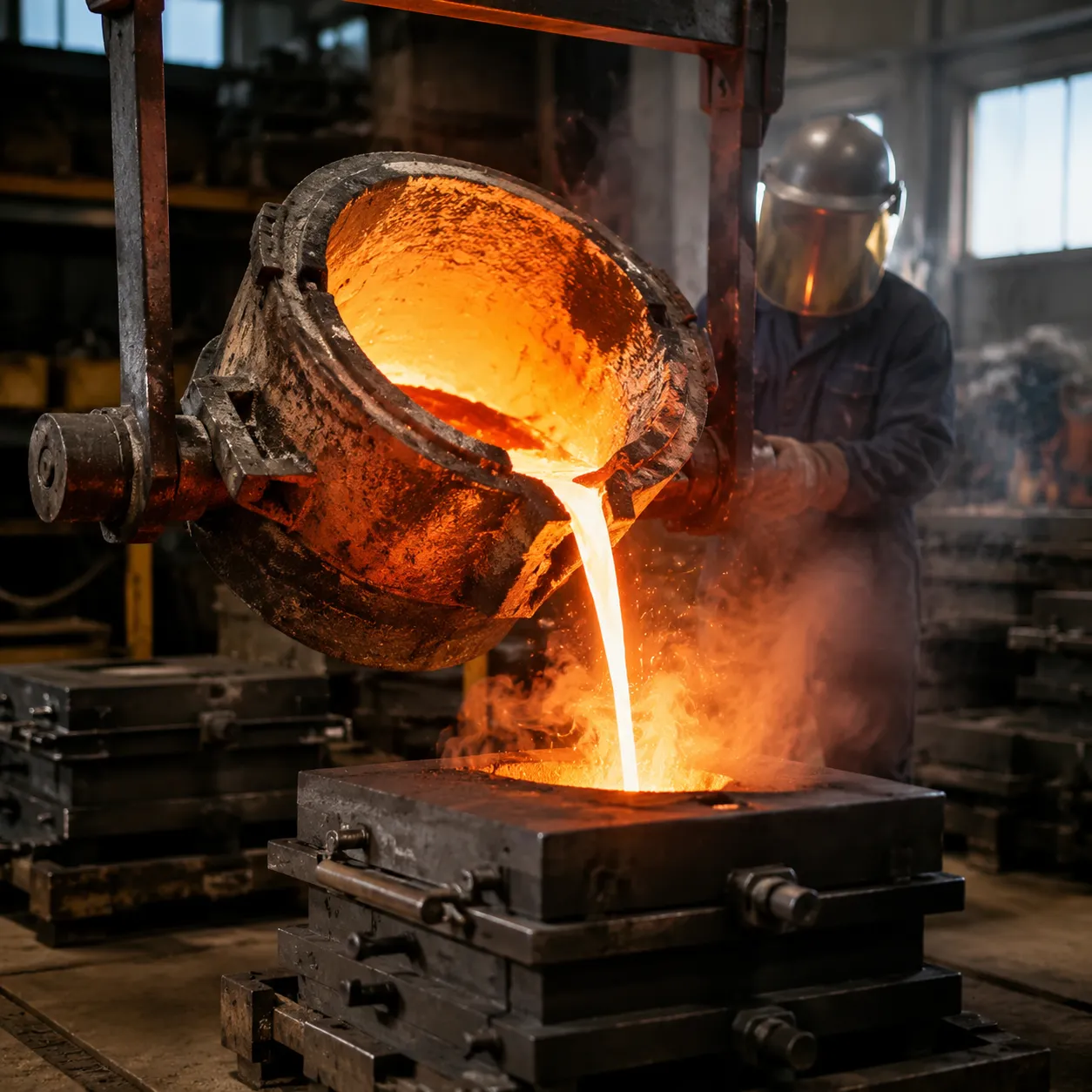
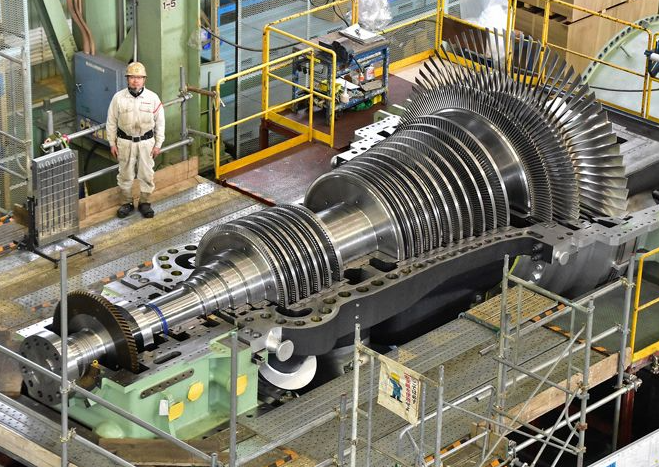
Sand casting remains the heavyweight champion for massive industrial components. By using expendable sand molds, it handles the complex molten metal solidification process of giant engine blocks and turbine housings with ease.
- Best for: Heavy equipment, agricultural machinery, and mining.
- Benefits: Lowest tooling cost and the ability to cast nearly any size.
- Trade-off: Rougher surface finish that often requires post-machining.
The Precision Standard: Investment Casting (Lost Wax)
For parts where “close enough” isn’t an option, lost wax casting is the industry gold standard. This method uses ceramic shells to achieve investment casting precision that other methods can’t touch.
- Best for: Aerospace, medical implants, and high-end industrial valves.
- Benefits: Can produce thin walls and intricate internal geometries.
- Key Advantage: Minimizes the need for expensive secondary finishing.
Comparison Matrix: Casting Method Performance
| Feature | Pressure Die Casting | Sand Casting | Investment Casting |
|---|---|---|---|
| Dimensional Tolerance | Excellent | Fair | Exceptional |
| Surface Finish | Smooth (32–63 µin) | Rough (250–1000 µin) | Very Smooth (63–125 µin) |
| Tooling Cost | Very High | Very Low | Moderate |
| Max Part Weight | Limited (~100 lbs) | Virtually Unlimited | Moderate (~1000 lbs) |
| Production Speed | Very Fast | Slow | Moderate |
In the debate of sand casting vs. die casting, the decision usually comes down to the complexity of the casting alloy and your total production run. For most high-stakes industries, balancing the metal solidification rate with precision is what keeps production lines moving and costs under control.
The Foundation of Quality: Refractories and Castables in the Manufacturing Industry Casting
In the manufacturing industry casting sector, the refractory lining is the silent partner that dictates the final product’s purity. At vastmaterial, we view these materials not just as furnace insulation, but as the primary defense against metal contamination. If the lining fails or reacts with the melt, the structural integrity of the entire component is compromised.
Why Material Integrity is Non-Negotiable
We focus on the chemistry of tundish and ladle metallurgy to ensure that molten metal remains pristine during the transition from furnace to mold. The right material selection is the difference between a clean pour and a scrapped batch.
- Ladle Integrity: We utilize magnesia-carbon bricks and high-alumina formulations because they provide the high-temperature material durability required for aggressive alloys.
- Tundish Precision: The science of tundish refractories is all about flow control. Maintaining a consistent temperature and steady stream is vital for achieving the industrial die casting process benefits that modern factories demand.
- Contamination Control: Using high-alumina castables with superior slag corrosion resistance prevents lining erosion, which is the leading cause of non-metallic inclusions in the final cast.
Preventing Contamination with Advanced Castables
The relationship between slag resistance and refractory chemical composition is a science we’ve mastered. By selecting refractory furnace linings that are chemically inert to specific slag types, we ensure the metal stays clean.
| Material Type | Key Benefit | Typical Application |
|---|---|---|
| High-Alumina Bricks | Exceptional thermal stability | Steel and iron ladles |
| Magnesia-Carbon | High slag resistance | High-wear slag lines |
| Low-Cement Castables | High density and strength | Furnace hearths and walls |
Our focus remains on protecting the melt. By integrating these advanced materials into your setup, you secure a more stable production environment and significantly reduce the risk of impurity-related defects.
Advanced Material Solutions for Extreme Environments
In the manufacturing industry casting sector, the environment is brutal. Standard materials don’t cut it when you’re dealing with the heat and chemical aggression of an industrial smelting environment. I prioritize high-performance solutions that ensure high-temperature material durability and keep operations running without unexpected halts.
Low Cement vs. Self-Flowing Castables
Choosing the right furnace lining is about balancing installation speed with mechanical strength.
- Low Cement Castables: These are my go-to for maximum density and abrasion resistance. They require mechanical vibration but offer superior longevity in high-wear zones.
- Self-Flowing Castables: Perfect for intricate geometries or areas where vibration isn’t an option. They flow like water to fill every gap, ensuring a seamless lining.
Mastering Thermal Shock Resistance
In industrial smelting, temperature swings are violent. Without elite thermal shock resistance, your linings will spall and crack, leading to catastrophic failure. My materials are engineered to expand and contract without losing structural integrity, directly extending the service life of your equipment. For those looking for the top metal casting company for custom wear-resistant industrial parts, the secret always lies in the chemistry of these refractories.
Functional Materials for Reliability
It’s often the smallest components that cause the biggest headaches. I focus on high-quality functional materials to prevent costly downtime:
- Nozzle Filling Sands: Ensures a clean, “free opening” of the ladle or tundish every time.
- Purging Plugs: Vital for gas stirring to achieve metallurgical purity and consistency in the cast aluminum foundry process.
Material Selection Matrix
| Material Type | Primary Benefit | Best Use Case |
|---|---|---|
| Low Cement Castable | High Density/Strength | High-impact furnace zones |
| Self-Flowing Castable | Ease of Installation | Complex shapes & tight spaces |
| Zirconia Inserts | Extreme Erosion Resistance | High-flow nozzle environments |
Solving Common Casting Challenges and Defects
In manufacturing industry casting, defects aren’t just minor setbacks—they are profit killers. If you aren’t identifying the root cause of failures immediately, you’re losing money on every pour. We focus on stabilizing the variables that lead to scrap.
Identifying the Root Cause of Failures
Most issues in the foundry are born during molten metal solidification. When the environment isn’t perfectly controlled, you end up with three main headaches:
- Porosity: Tiny gas pockets or air bubbles trapped inside the metal, usually caused by poor venting or moisture.
- Shrinkage: Voids that form when the metal solidification rate is uneven, leaving the center of a part hollow or weak.
- Non-metallic Inclusions: Particles of slag or refractory material that “pollute” the melt and ruin the mechanical properties of the part.
The Impact of Liner Degradation
Metal cleanliness starts with the surfaces the molten metal touches. If your furnace or ladle liners are degrading, that debris enters the melt. In high-stakes fields like medical or aerospace, this is unacceptable. For instance, the precision required for chromium cobalt molybdenum hip joint machining services leaves zero room for liner-induced impurities; any contamination would result in a total part failure.
Strategies for Casting Defect Prevention
Extending the service life of your equipment while ensuring metal purity comes down to high-temperature material durability. We treat material selection as a strategic defense against downtime.
| Challenge | Strategy for Resolution |
|---|---|
| Slag Corrosion | Use high-density refractories that resist chemical attack. |
| Thermal Cracking | Switch to materials designed to handle rapid temperature swings. |
| Metal Contamination | Use erosion-resistant liners to stop “washing” material into the melt. |
By focusing on these specific material strategies, we turn manufacturing industry casting from a game of chance into a high-precision science. Superior material selection is the only way to maintain the integrity of the melt from the furnace to the mold.
Future Trends: Sustainability and Digital Integration
The manufacturing industry casting sector is undergoing a massive digital and environmental overhaul. We are moving away from legacy “smoke and fire” operations toward high-tech, data-driven environments that prioritize efficiency and a reduced carbon footprint.
The Rise of Green Foundries
Sustainability is no longer a buzzword; it’s a competitive requirement in the U.S. market. We are focusing on foundry process optimization to slash energy consumption during high-heat cycles. By upgrading to high-efficiency melting systems and choosing materials based on our comprehensive casting alloy guide, we can minimize waste and improve metallurgical yields.
Smart Refractories and Real-Time Monitoring
The days of guessing when a liner might fail are over. We are now integrating IoT sensors into refractory furnace linings to monitor wear and heat flux in real-time.
- Preventative Maintenance: Sensors alert operators before a breakthrough occurs.
- Reduced Downtime: Only replace linings when the data says it’s necessary, not on a fixed schedule.
- Energy Savings: Monitoring thermal bridges helps maintain optimal furnace temperature.
3D Printed Molds and Additive Integration
3D printing is revolutionizing how we handle molten metal solidification. Instead of waiting weeks for expensive hard tooling, we use additive manufacturing to print sand molds and cores directly from CAD files. This allows for:
- Complex Geometries: Creating internal cooling channels that were previously impossible.
- Rapid Prototyping: Moving from design to a physical cast part in days.
- Hybrid Workflows: Combining 3D printed cores with traditional sand casting for the best of both worlds.
Efficiency in these modern setups often starts with the basics, like mastering how to melt aluminum for casting using professional-grade crucibles that retain heat better and reduce oxidation. This digital-physical integration ensures that the next generation of American casting is cleaner, faster, and more precise than ever before.
Maximizing Production Value with vastmaterial
In the modern manufacturing industry casting sector, we view specialized material science as a strategic competitive advantage rather than just a commodity. The difference between a standard pour and a high-performance component often comes down to the refractories protecting the melt. By focusing on the microscopic interactions between molten metal and furnace linings, we enable foundry process optimization that significantly cuts down on scrap rates and energy waste.
Engineering Custom Metallurgical Solutions
We don’t believe in one-size-fits-all. Every furnace environment has its own “fingerprint,” requiring custom formulations to solve unique metallurgical challenges. Our approach focuses on:
- Tundish and ladle metallurgy: We provide the liners that maintain metal purity and consistent flow during continuous casting.
- Metal solidification rate: Controlling heat loss through superior insulation allows for more predictable grain structures.
- Slag corrosion resistance: Our materials are engineered to withstand aggressive chemical attacks, extending the life of your equipment.
- High-alumina castables: These are non-negotiable for high-wear zones where thermal and mechanical abuse are constant.
The Foundation of Next-Gen Manufacturing
The next generation of industrial growth starts with the materials that hold the heat. Choosing the right partner means ensuring your hardware—like working with a steel casting manufacturer for durable wear-resistant OEM parts—is backed by the best refractory technology available.
| Feature | Impact on Production Value |
|---|---|
| Custom Formulations | Reduces contamination and improves alloy yield. |
| Superior Refractories | Lowers maintenance downtime and lining replacement costs. |
| Thermal Precision | Ensures consistency for a ductile cast iron foundry for precision custom castings. |
We focus on the science of the “inner wall” so that your final product meets the most rigorous precision standards. By prioritizing high-temperature material durability, we help you transform casting from a traditional process into a high-efficiency digital-age operation.
Common Manufacturing Industry Casting Questions and Troubleshooting (FAQs)
In our experience, the difference between a profitable run and a warehouse full of scrap comes down to mastering the fundamentals. In the manufacturing industry casting sector, we see the same challenges pop up time and again. Here is how we handle the most common issues.
What is the most cost-effective casting method for high volumes?
For high-volume production, high-pressure die casting is usually the most economical choice. While the initial investment in tooling is high, the incredibly low per-unit cost and high production speed make it the gold standard for automotive and consumer goods. If you are debating between methods, it helps to understand the difference between forging and casting to ensure you are choosing the right process for your specific geometry and strength requirements.
How do I prevent porosity in large scale pours?
Casting defect prevention for large components requires a strict focus on gas management and cooling rates. To keep your pours clean:
- Degas the melt: Use nitrogen or argon purging to pull dissolved hydrogen out of the liquid metal.
- Improve Mold Venting: Ensure your mold design allows air to escape faster than the molten metal fills the cavity.
- Control Turbulence: Optimize your gating system to prevent “splashing,” which traps air inside the casting.
Why is thermal shock resistance critical for furnace linings?
Industrial furnaces are high-stress environments where temperatures swing wildly. Thermal shock resistance is what prevents your refractory furnace linings from cracking or “spalling” during these cycles. If your material can’t handle the expansion and contraction, pieces of the lining will break off into your melt, leading to contamination and frequent, expensive shutdowns for repairs.
What is the difference between low-cement and self-flowing castables?
Choosing between these depends entirely on your installation capabilities and the complexity of your furnace:
- Low cement castables: These offer exceptional strength and density but require mechanical vibration to settle into place. They are our top choice for high-wear areas requiring high-alumina castables.
- Self-flowing castables: These are designed to move like a liquid without any vibration. They are perfect for thin walls or intricate shapes where a vibrator simply won’t fit, ensuring a solid, gap-free lining with less manual labor.