Discover what is titanium with an industrial guide to titanium properties alloys CNC machining casting and aerospace applications.
The Material Science: Pure vs. Alloyed (Grades Explained)
When clients ask us “what is titanium,” the answer isn’t simple. In the world of titanium alloy manufacturing, we aren’t just dealing with a single metal on the periodic table; we are selecting from a spectrum of distinct grades engineered for specific performance metrics. Choosing the wrong grade can lead to catastrophic failure or unnecessary costs.
At Haoyu Material, we break down what is titanium into two primary categories for our industrial partners: Commercially Pure (CP) and Alloyed.
Commercially Pure (CP) Titanium Grades
Grades 1 through 4 are known as Commercially Pure (CP) titanium grades. These are unalloyed titanium, ranging from very soft and ductile (Grade 1) to stronger variations (Grade 4) based on oxygen and iron content.
- Why we use it: Exceptional formability and superior corrosion resistance.
- Best for: Chemical processing equipment, heat exchangers, and marine components where resisting saltwater is more critical than raw tensile strength.
- Key Feature: High ductility makes it easier for us to cold form into complex shapes.
Titanium Alloys (Ti-6Al-4V / Grade 5)
This is the heavyweight champion. Ti-6Al-4V properties make Grade 5 the most widely used titanium alloy in the world, accounting for over 50% of total usage. By adding 6% Aluminum and 4% Vanadium, we fundamentally change the microstructure.
- Why we use it: It offers a significantly higher titanium strength-to-weight ratio than CP grades.
- Best for: Aerospace grade titanium parts, turbine blades, and high-stress structural components.
- Trade-off: It is harder to machine and form than CP grades, requiring advanced CNC turning titanium challenges to be managed carefully.
Quick Comparison: CP vs. Alloyed Grades
To help you decide between custom titanium aerospace components or standard corrosion-resistant parts, here is how the material science stacks up:
| Property | Commercially Pure (CP Grades 1-4) | Titanium Alloy (Grade 5 / Ti-6Al-4V) |
|---|---|---|
| Tensile Strength | Moderate (240 – 550 MPa) | Very High (895+ MPa) |
| Ductility | High (Excellent formability) | Low (Difficult to cold form) |
| Corrosion Resistance | Superior (Best for chemical/marine) | Excellent (Slightly lower than CP) |
| Machinability | Good (Similar to stainless steel) | Difficult (High tool wear, heat retention) |
| Cost | Generally Lower | Higher (Due to alloying & processing) |
Whether you need the ductility of Grade 2 or the brute strength of Grade 5, understanding what is titanium at a metallurgical level is the first step to successful manufacturing.
Why Industry Leaders Choose Titanium: Key Properties
When clients ask us “what is titanium really good for?”, the answer always revolves around efficiency in extreme environments. It isn’t just about raw durability; it is about how the material performs when pushed to the limit. We prioritize this metal because it solves engineering problems that cheaper alternatives simply cannot handle.
Unmatched Strength-to-Weight Ratio
This is the defining characteristic of the metal. The Titanium strength-to-weight ratio is superior to almost any other structural metal. You get the strength of steel at roughly 60% of the density. For our partners, this means manufacturing aerospace grade titanium parts that shave off critical weight. This directly translates to massive fuel savings and increased payload capacity without compromising structural integrity. We often work with a specialized aerospace casting manufacturer for high-performance alloy components to ensure these lightweight, complex geometries meet strict safety standards.
Corrosion Resistance in Harsh Environments
Titanium naturally forms a stable, passive oxide film that heals itself instantly if scratched. This makes it virtually immune to saltwater, chlorides, and industrial chemicals. We rely on corrosion resistant marine alloys for offshore drilling risers and desalination plant valves because they essentially eliminate the need for costly protective coatings. Unlike stainless steel, which can succumb to pitting or crevice corrosion in chloride-rich environments over time, titanium components hold up for decades with minimal maintenance.
Thermal Stability: From Heat to Cryogenics
Whether it is the intense heat of a gas turbine or the freezing vacuum of space, titanium maintains its mechanical properties. It resists “creep” (deformation under stress) at high temperatures where aluminum would fail. This stability is why high-temperature alloy machining is standard for jet engine blades and exhaust systems. Conversely, it retains toughness and does not become brittle in cryogenic applications, making it incredibly versatile across the temperature spectrum.
Titanium Property Breakdown
| Property | Key Benefit | Typical Industrial Application |
|---|---|---|
| Strength-to-Weight | High structural integrity with low mass | Aircraft landing gear, engine frames |
| Corrosion Resistance | Immunity to chlorides and salt water | Marine propeller shafts, heat exchangers |
| Thermal Stability | Resists creep and thermal shock | Gas turbine blades, cryogenic storage |
| Biocompatibility | Non-toxic and non-magnetic | Medical implants, surgical tools |
Manufacturing Titanium: The Challenge & The Solution
Working with this metal isn’t like cutting aluminum or steel. It demands respect. The high strength and low thermal conductivity that make what is titanium so valuable in the field also make it notoriously difficult to shape on the shop floor. We have honed specific strategies to handle this material without compromising its integrity.
Precision Casting: Sand, Investment, and Die
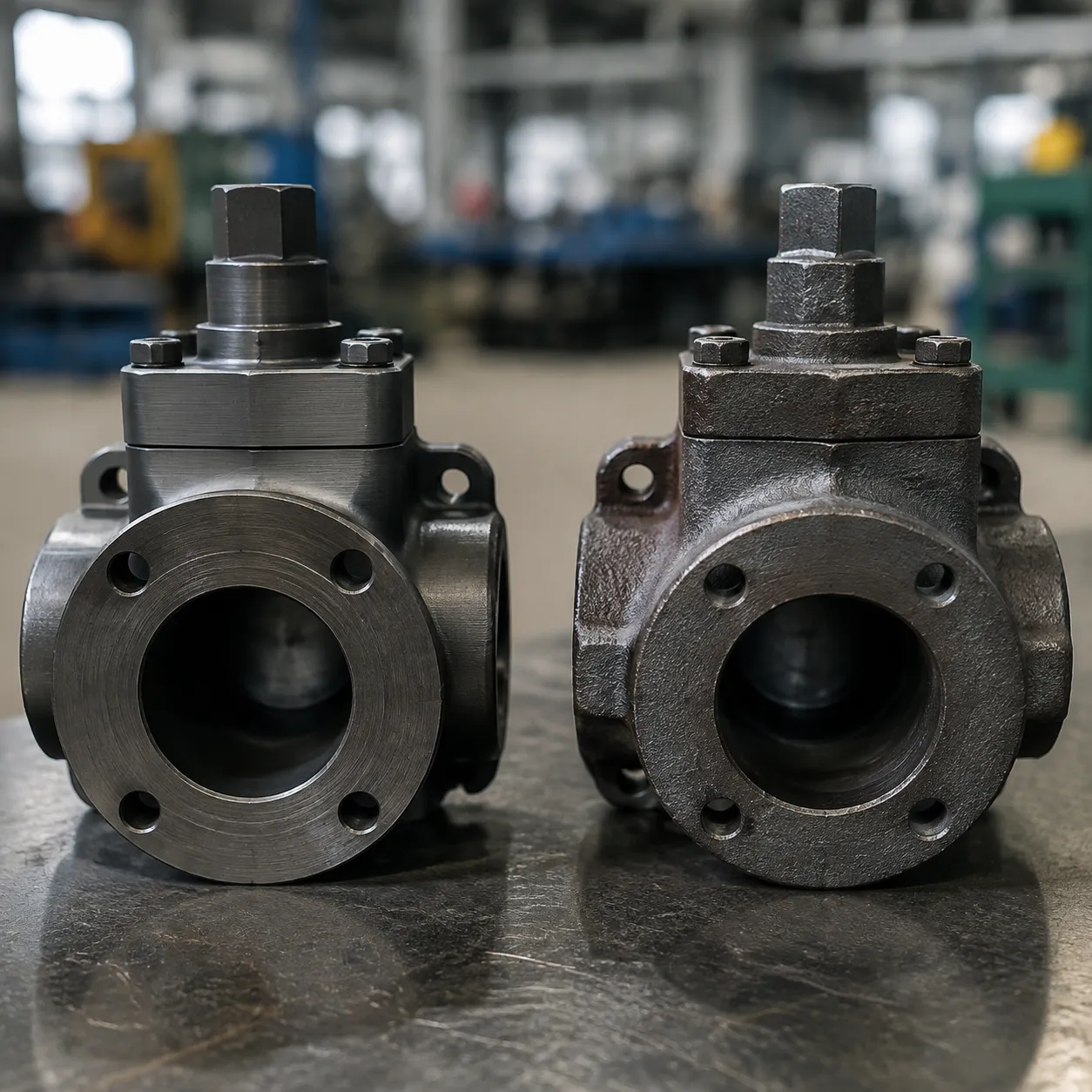
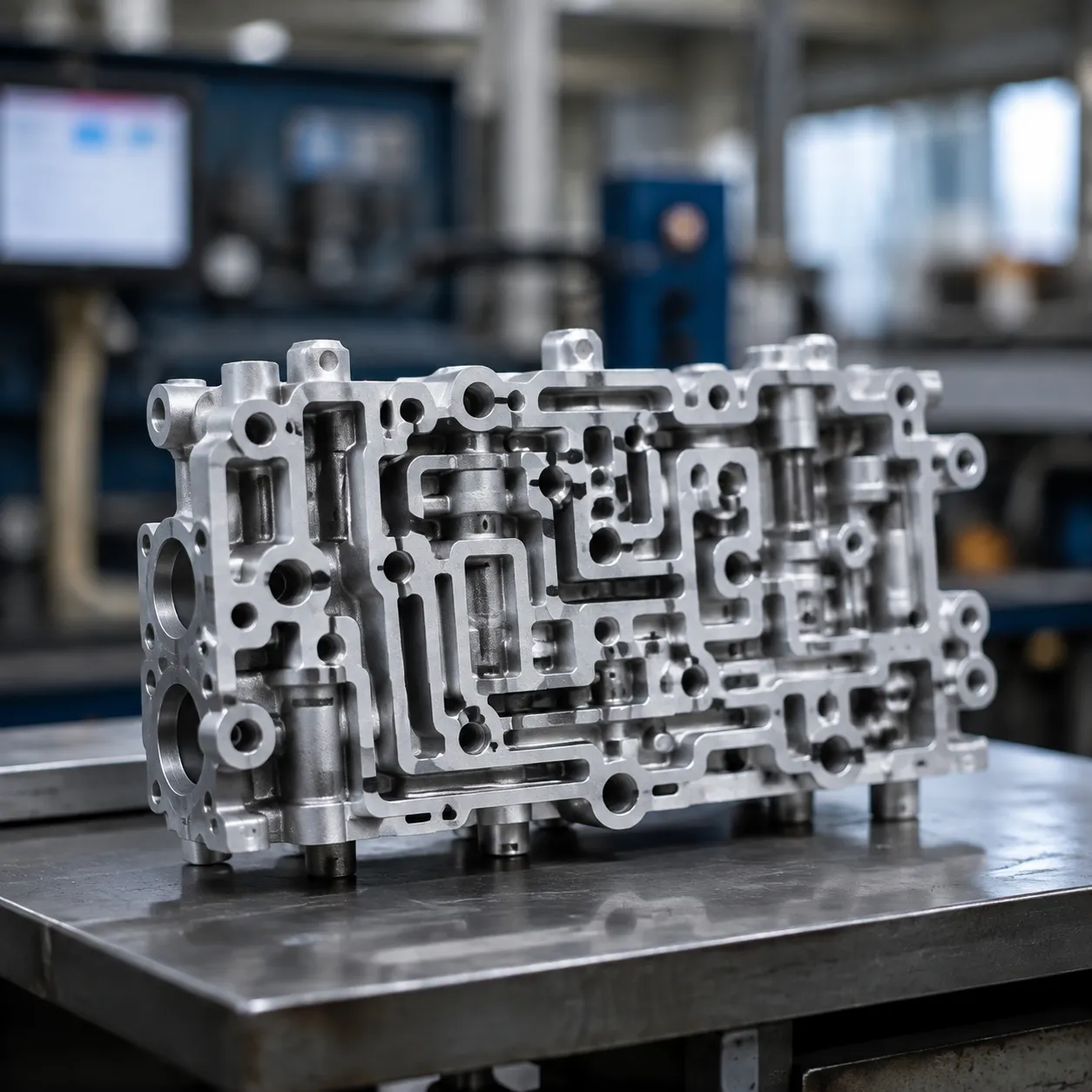
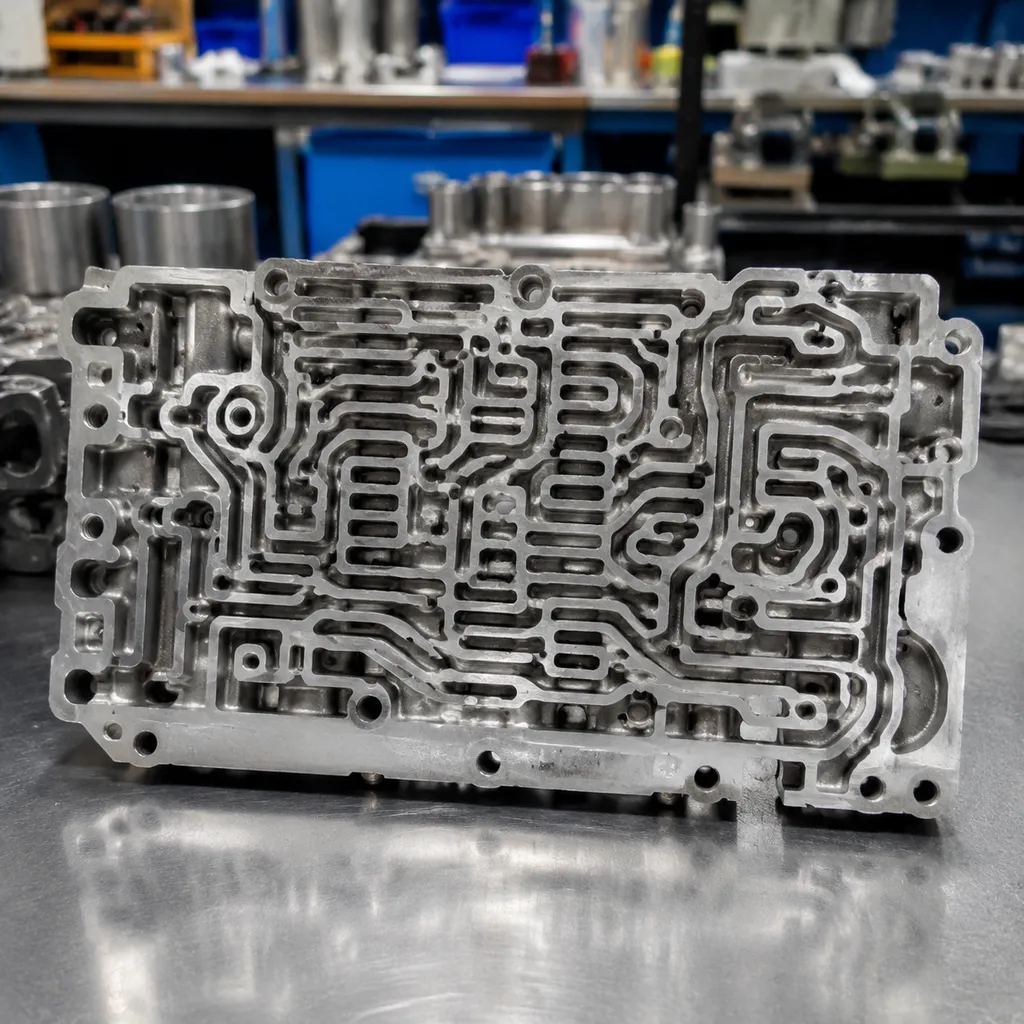
When we need to create complex internal geometries that traditional machining simply can’t reach, we turn to the titanium precision casting process. Casting allows us to achieve near-net shapes, significantly reducing material waste and machining time.
- Investment Casting: We use industrial titanium investment casting for parts requiring tight tolerances and smooth finishes, such as aerospace turbine blades.
- Sand Casting: For larger, structural components where size is the priority, titanium sand casting techniques are the industry standard.
Whether you are looking for complex cast shapes or standard stock, our titanium alloy series is engineered to meet these rigorous manufacturing demands.
CNC Machining: Turning & Milling Strategies
Titanium CNC machining services require a completely different approach compared to other metals. The material has a habit of retaining heat rather than dissipating it with the chips. This leads to rapid tool wear and “galling”—where the metal literally welds itself to the tool.
To overcome CNC turning titanium challenges and master high-temperature alloy machining, we focus on three variables:
- Heat Management: We use high-pressure coolant systems to blast heat away from the cutting edge.
- Tooling: We employ sharp, polished carbide tools to shear the metal cleanly rather than rubbing it.
- Speed & Feed: We run lower cutting speeds with higher feed rates to minimize the time the tool spends in the cut, reducing heat buildup.
Surface Treatment Options
Raw titanium is strong, but it can be susceptible to surface wear in friction-heavy environments. We implement various titanium surface treatment options to enhance performance. Anodizing is a staple process here; it not only allows for color-coding parts for medical or aerospace identification but also significantly increases corrosion resistance and surface hardness. For extreme wear applications, plating and specialized coatings are applied to prevent seizing and improve the overall fatigue life of the component.
Industrial Applications: Where We Serve
When clients ask us what is titanium‘s true value in manufacturing, we point to the industries that push materials to their absolute breaking points. We don’t just supply metal; we engineer solutions for environments where standard metals fail. Our role is to deliver components that balance weight, durability, and resistance for mission-critical operations.
Aerospace: The Standard for Flight
In the aerospace sector, weight is the enemy, and integrity is everything. We specialize in manufacturing Aerospace grade titanium parts that reduce aircraft mass without compromising structural safety. Because titanium possesses an incredible strength-to-weight ratio, it is the primary material for critical components like:
- Landing Gear: Capable of withstanding massive impact loads upon touchdown.
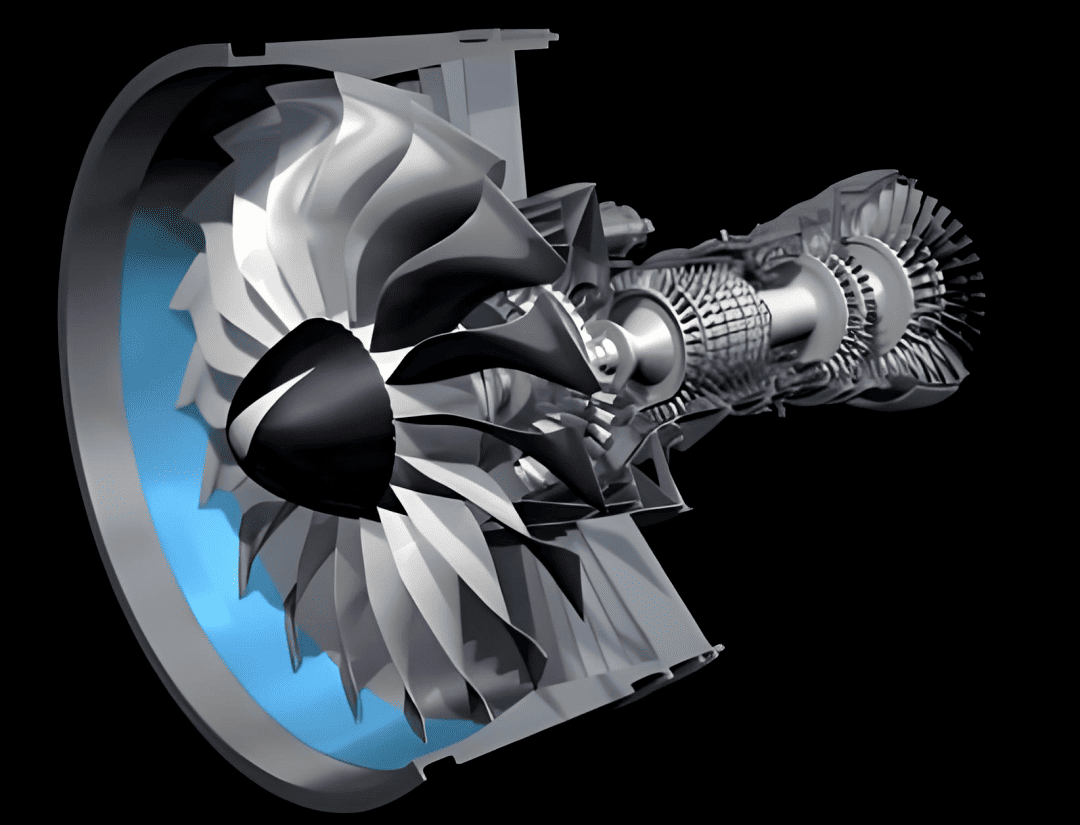
- Engine Blades: Engineered to survive high-velocity rotation and intense heat.
- Structural Frames: Providing essential rigidity for modern airframes.
Our facility utilizes advanced Titanium CNC machining services to meet the tight tolerances required by aviation standards, ensuring every bracket and fastener performs perfectly at 30,000 feet.
Marine & Offshore: Conquering Corrosion
The ocean is unforgiving to most metals, but titanium thrives here. For marine engineering, the answer to what is titanium good for is simple: invincibility against chlorides. We fabricate components using Corrosion resistant marine alloys that can spend decades submerged in saltwater without pitting or degrading.
- Propeller Shafts: Resisting corrosion fatigue under constant load.
- Desalination Valves: Handling high-pressure brine streams reliably.
- Offshore Rig Risers: Enduring the harsh, corrosive environment of deep-sea extraction.
Power Generation & Industrial
Efficiency in power plants often relies on equipment capable of running hotter and faster. Our titanium components provide the thermal stability needed for modern energy infrastructure.
- Gas Turbines: Titanium blades resist creep and deformation in extreme heat, improving engine efficiency.
- Nuclear Cooling: Condenser tubes made from Grade 2 titanium prevent leaks and ensure safe thermal transfer.
- Industrial Processing: We support chemical plants with reactor vessels that resist aggressive acid environments, reducing maintenance downtime.
Frequently Asked Questions About Titanium Manufacturing
Is titanium harder to machine than stainless steel?
Yes, it generally presents more challenges than stainless steel products. The main issue in titanium vs stainless steel manufacturing isn’t just hardness—it’s heat management. Titanium has poor thermal conductivity, meaning the heat generated during cutting doesn’t leave with the chip; it stays concentrated in the cutting tool. This causes rapid tool wear if not managed correctly. We tackle this by using lower cutting speeds, high feed rates, and massive amounts of high-pressure coolant to keep our Titanium CNC machining services precise and efficient.
What is the primary difference between Grade 2 and Grade 5 titanium?
The difference lies in purity versus strength. Grade 2 is one of the Commercially Pure (CP) titanium grades, known for excellent corrosion resistance and formability, making it ideal for chemical processing equipment. In contrast, Grade 5 (Ti-6Al-4V) is an alloy containing 6% aluminum and 4% vanadium. This addition gives it significantly higher strength—roughly double that of Grade 2. When we look at Ti-6Al-4V properties, we see a material that is heat-treatable and perfect for high-stress aerospace components, whereas Grade 2 is better for parts requiring extensive welding or forming.
Why is titanium considered cost-effective despite the high raw material price?
While the initial sticker price is higher, titanium offers superior long-term value through “lifecycle costing.” Because of its exceptional corrosion resistance, parts don’t need to be replaced nearly as often as steel or aluminum in harsh environments. Furthermore, the high titanium strength-to-weight ratio allows engineers to design lighter components. In industries like aerospace or automotive, this weight reduction translates directly into massive fuel savings over the lifespan of the vehicle, often offsetting the raw material cost many times over.
Can titanium be welded using standard industrial processes?
Yes, titanium alloy manufacturing accommodates welding, but it requires a strictly controlled environment. We primarily use Gas Tungsten Arc Welding (GTAW) or Plasma Arc Welding. The catch is that titanium is highly reactive to oxygen and nitrogen when molten. If air touches the hot weld, the metal becomes brittle and useless. To prevent this, we use extensive inert gas shielding (usually Argon) not just over the torch, but often on the backside of the weld (back purging) or within a controlled welding chamber to ensure structural integrity.