Discover what titanium is used for in aerospace medical marine and industrial applications plus casting and CNC machining with Haoyu Material.
Why Choose Titanium? The Key Properties
When people ask me what is titanium used for, I always start with the why. It’s not just about being a fancy, expensive metal; it’s about solving engineering problems that other materials simply can’t handle. Whether I’m looking at aerospace specs or medical tech, titanium is the go-to choice because it delivers performance where failure isn’t an option.
Here is why this metal dominates the industry:
Unbeatable Titanium Strength-to-Weight Ratio
This is the headline feature. Titanium is roughly as strong as steel but about 45% lighter. This incredible titanium strength-to-weight ratio changes the game for anything that needs to move fast or fly high. You aren’t sacrificing durability to save pounds; you get the best of both worlds.
Complete Corrosion Resistance
If you’ve ever dealt with rusted equipment, you know the headache. Titanium naturally forms a protective oxide film that makes it practically immune to rust. It stands up to:
- Saltwater and marine environments
- Chlorine and acidic chemicals
- Industrial pollution
Among corrosion resistant metals, titanium is the king of longevity.
Thermal Stability and Biocompatibility
It doesn’t matter if it’s freezing in orbit or scorching inside a jet engine; titanium holds its shape and strength. But my favorite property? It is biocompatible. The human body doesn’t fight it. This makes it the gold standard for surgical implants because it can physically bond with bone (osseointegration) without causing toxic reactions.
Quick Snapshot: Titanium vs. The Rest
| Key Property | Benefit | Common Application |
|---|---|---|
| High Strength-to-Weight | Stronger structures, less fuel consumption | Aerospace parts, racing frames |
| Corrosion Resistance | Zero rust, lower maintenance costs | Marine rigging, chemical piping |
| Biocompatibility | Non-toxic, safe for long-term body contact | Hip replacements, dental implants |
| Thermal Stability | Maintains integrity in extreme temps | Jet engine components |
Aerospace and Aviation Applications

When people ask me what is titanium used for, the first industry that comes to mind is almost always aerospace. In this field, performance isn’t just a goal; it’s a safety requirement. We rely heavily on titanium because it offers the perfect balance of high strength and low density, which is critical when every pound counts.
Critical Use in Airframes and Landing Gear
The sheer structural integrity of titanium makes it indispensable for aerospace titanium components. We often use Ti-6Al-4V (Grade 5) for critical structural parts like wing supports and landing gear assemblies.
- Strength-to-Weight: It provides the strength of steel at roughly half the weight, significantly improving fuel efficiency.
- Durability: Landing gear must withstand massive impact loads. Titanium’s high fatigue strength ensures these parts don’t fail under pressure.
- Corrosion Resistance: Unlike steel, titanium parts don’t require heavy coating maintenance to prevent rust, even in humid operational environments.
Producing these heavy-duty components often involves advanced casting technology to ensure the metal purity meets strict aviation standards.
Heat-Resistant Jet Engine Components
Inside a jet engine, temperatures can soar to over 1,000°F (538°C). Aluminum alloys would melt or warp, but titanium holds its ground.
- Compressor Blades: Titanium is the material of choice for the fan blades and compressor discs in the cooler sections of the engine.
- Heat Stability: It maintains its mechanical properties in high-heat zones where other lightweight metals fail.
- Creep Resistance: The material resists deformation under long-term stress at high temperatures.
To further extend the lifespan of these rotating parts, we frequently apply specialized surface treatment to protect against fretting and wear.
Weight-Saving Parts for Space Exploration
In space exploration, the titanium strength-to-weight ratio is a financial necessity. Launching mass into orbit is incredibly expensive, so cutting weight is a priority.
- Propellant Tanks: Titanium’s resistance to aggressive fuels and oxidizers makes it ideal for fuel storage.
- Structural Trusses: It is used in the structural framework of satellites and rovers, providing rigidity without the bulk.
- Extreme Cold: Unlike steel, which can become brittle in the freezing vacuum of space, titanium retains its toughness.
Medical and Biomedical Devices
When asking what is titanium used for in healthcare, the answer usually comes down to one critical factor: biocompatibility. Unlike other metals that might trigger immune reactions, titanium is completely non-toxic and accepted by the human body. This makes it the undisputed king of materials for life-saving medical applications where safety is non-negotiable.
Life-Changing Implants and Joint Replacements
Medical titanium implants have revolutionized orthopedic surgery. Whether it’s a dental screw, a spinal rod, or a total knee replacement, titanium allows for osseointegration—where natural bone actually grows into the metal surface.
- Bone-like elasticity: Ti-6Al-4V properties include a modulus of elasticity closer to human bone, reducing the “stress shielding” effect that causes bone loss around stiffer implants.
- Durability: These parts can stay in the body for decades without corroding or degrading.
- Complex Shapes: Producing these intricate geometries often requires advanced manufacturing. Just as we detail in our investment casting materials guide, using high-quality refractory materials in the casting process is essential for achieving the tight tolerances needed for medical-grade parts.
Durable and Non-Magnetic Surgical Instruments
Titanium is also the standard for high-performance surgical tools. Because titanium is non-magnetic, these instruments are safe to use in image-guided surgeries involving MRI machines, where magnetic steel tools would be dangerous. They are incredibly lightweight, which reduces surgeon fatigue during long procedures, and they hold up against repeated high-temperature sterilization cycles without losing their edge.
Marine Engineering and Offshore Use
When our customers ask what is titanium used for in the maritime industry, the answer is simple: surviving the ocean. Saltwater is brutal on equipment, but titanium handles it without breaking a sweat.
Propeller Shafts and Rigging
Out on the water, you need corrosion resistant metals you can trust. Here is how we see titanium dominating marine environments:
- Immunity to Saltwater: Unlike other materials, marine grade titanium doesn’t pit, rust, or crack when constantly exposed to seawater.
- Heavy-Duty Propeller Shafts: It provides the raw strength needed to drive large vessels while keeping the overall weight down.
- Rigging and Subsea Gear: It is the go-to metal for offshore oil rigs, underwater robotics, and deep-sea exploration where part failure is simply not an option.
While processes like stainless steel investment casting are highly effective and common for standard boat hardware, titanium is the absolute top-tier upgrade when you need zero compromises against ocean corrosion.
Titanium Heat Exchangers
Desalination plants across the United States and the world turn ocean water into fresh drinking water. This process creates hot, highly concentrated brine that rapidly destroys ordinary metal.
- Maximum Durability: A titanium heat exchanger is the industry standard for these facilities because it easily survives the aggressive saltwater and extreme temperatures without degrading.
- Long-Term Savings: While the initial material cost is higher, the equipment runs for decades without needing replacement. This relentless reliability perfectly demonstrates exactly what titanium used for in heavy industry.
Chemical and Industrial Processing
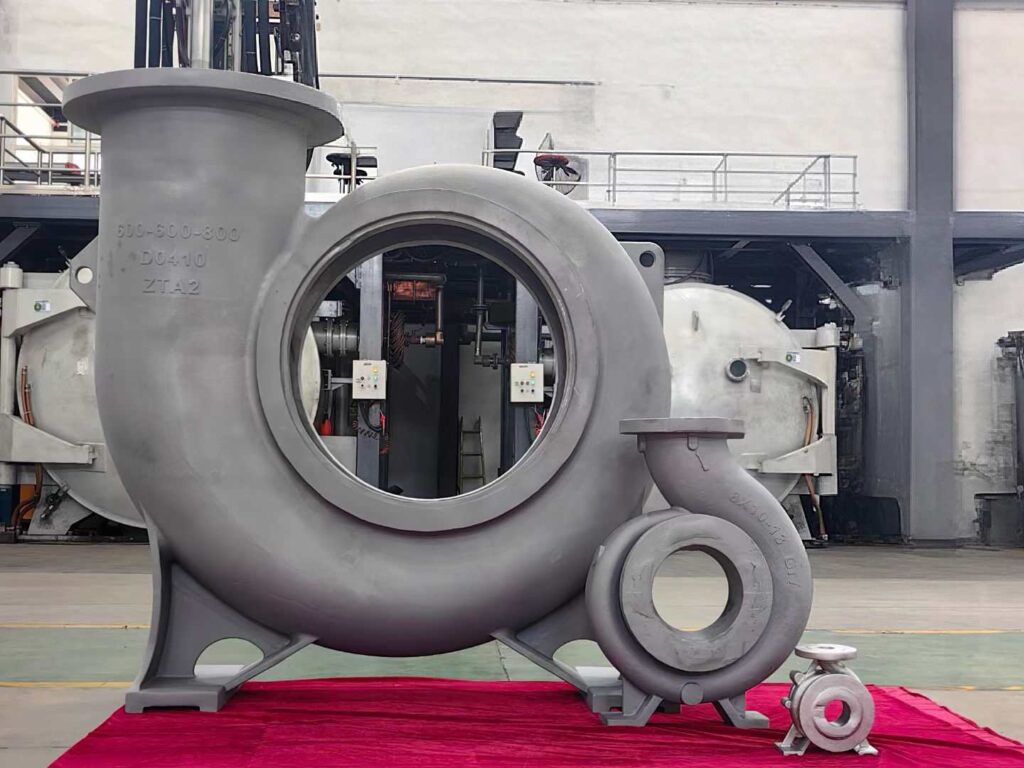
When we look at what is titanium used for in the heavy industrial sector, it really comes down to one thing: survival in the harshest environments imaginable. In my experience, standard metals just can’t handle the aggressive fluids found in modern chemical plants. Titanium isn’t just an option; it’s often the only material that guarantees safety and longevity.
Piping and Valves for Corrosive Chemicals
We rely on chemical processing equipment materials that don’t degrade. Titanium is the gold standard here because it offers reliability that stainless steel simply cannot match in specific conditions.
- Acid Resistance: It is virtually immune to attack from moist chlorine gas, chlorides, and oxidizing acids which would eat through other metals in days.
- Reduced Maintenance: Titanium valves, pumps, and piping systems require far less maintenance, preventing costly plant shutdowns.
- Flow Efficiency: Because it doesn’t corrode or pit, the interior surfaces remain smooth, maintaining optimal flow rates over decades.
Power Generation and Nuclear Waste Storage
Beyond general chemicals, titanium industrial applications are critical in the energy sector. We see it used extensively in condenser tubing for power plants because of its superior erosion-corrosion resistance. Furthermore, its immense stability makes it a top choice for nuclear waste storage containers where material failure is absolutely not an option.
To create these complex, durable components—like intricate pump housings or valve bodies—we often utilize advanced manufacturing methods. Understanding precision casting insights and material performance helps us ensure that these critical parts meet the exact specifications required for these high-stakes industrial environments.
Automotive and High-Performance Racing
When folks ask what titanium is used for in the auto industry, the answer always comes down to shedding weight and surviving extreme stress. In the US automotive and high-performance racing scene, we rely on this metal to push vehicles to their absolute limits.
Lightweight Engine Components
The engine is the heart of any race car, and heavy parts slow it down. Here is how we use titanium to fix that:
- Connecting Rods: By utilizing the massive titanium strength-to-weight ratio, we create connecting rods that move faster and withstand higher RPMs without snapping under pressure.
- Intake and Exhaust Valves: Lighter valves prevent “valve float” at high speeds, keeping the engine running smoothly during intense track days.
High-Performance Exhaust Systems
Upgrading a sports car with a titanium exhaust isn’t just for show, though that signature blue burn mark looks great. It dramatically drops the overall vehicle weight compared to standard steel. Because titanium handles extreme heat so well, these exhaust systems outlast standard materials, even under the brutal conditions of competitive racing.
Building these specialized automotive parts requires tight precision, much like the exact standards we follow in broader equipment manufacturing to ensure every single component performs flawlessly on the road and the track.
From Metal to Part: Titanium Processing Techniques
Turning raw titanium into finished high-performance components requires specialized handling to maintain its superior properties. We use specific manufacturing routes to shape this reactive metal effectively while minimizing waste.
Precision Investment and Sand Casting
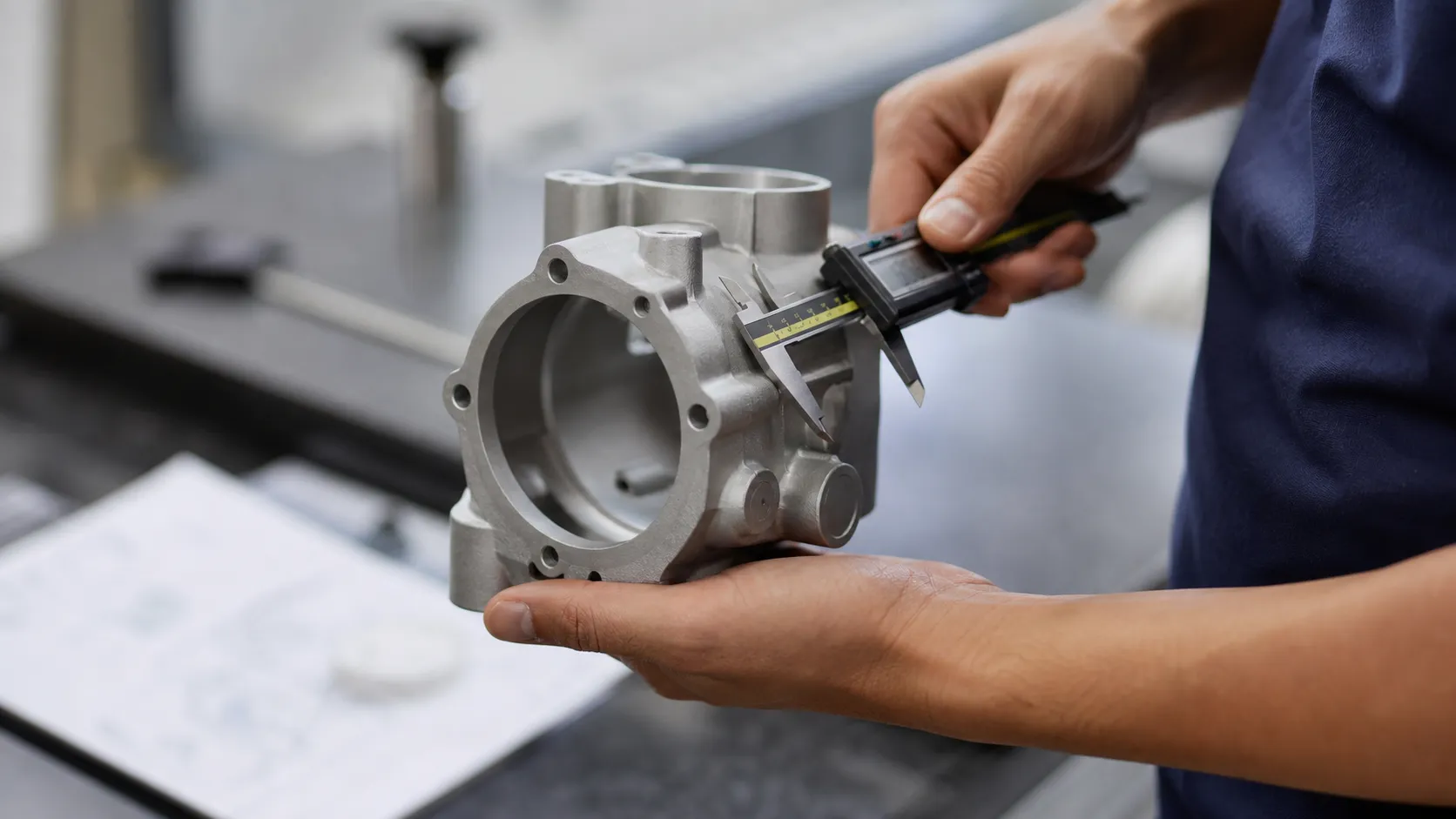
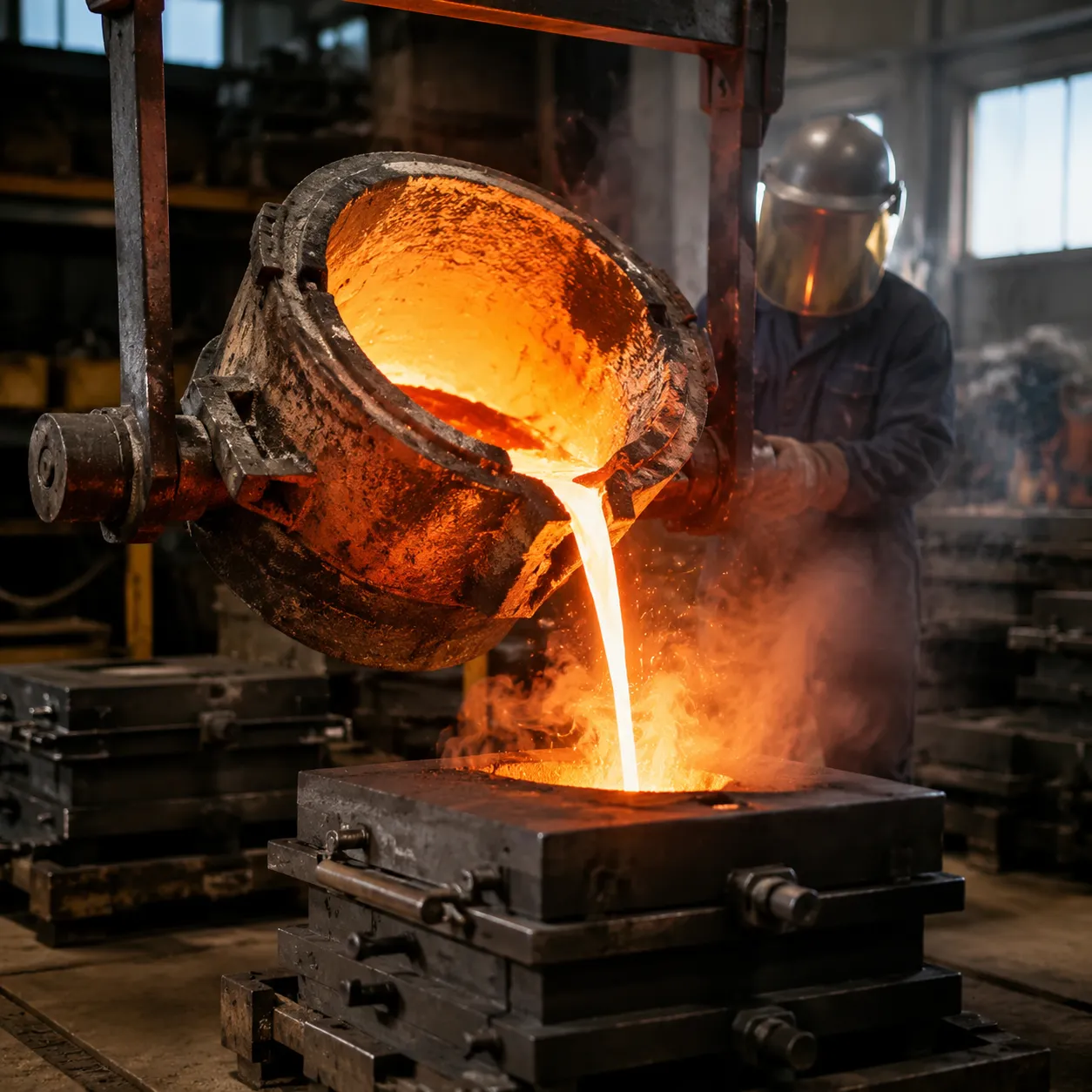
When we need complex shapes without machining away expensive material, Investment casting titanium is the industry standard. It delivers near-net shapes with high accuracy, which is essential for intricate aerospace parts. For larger industrial components, sand casting is often preferred. Selecting the right method based on a detailed casting alloy guide is critical to avoiding defects like porosity and ensuring structural integrity.
CNC Machining Challenges
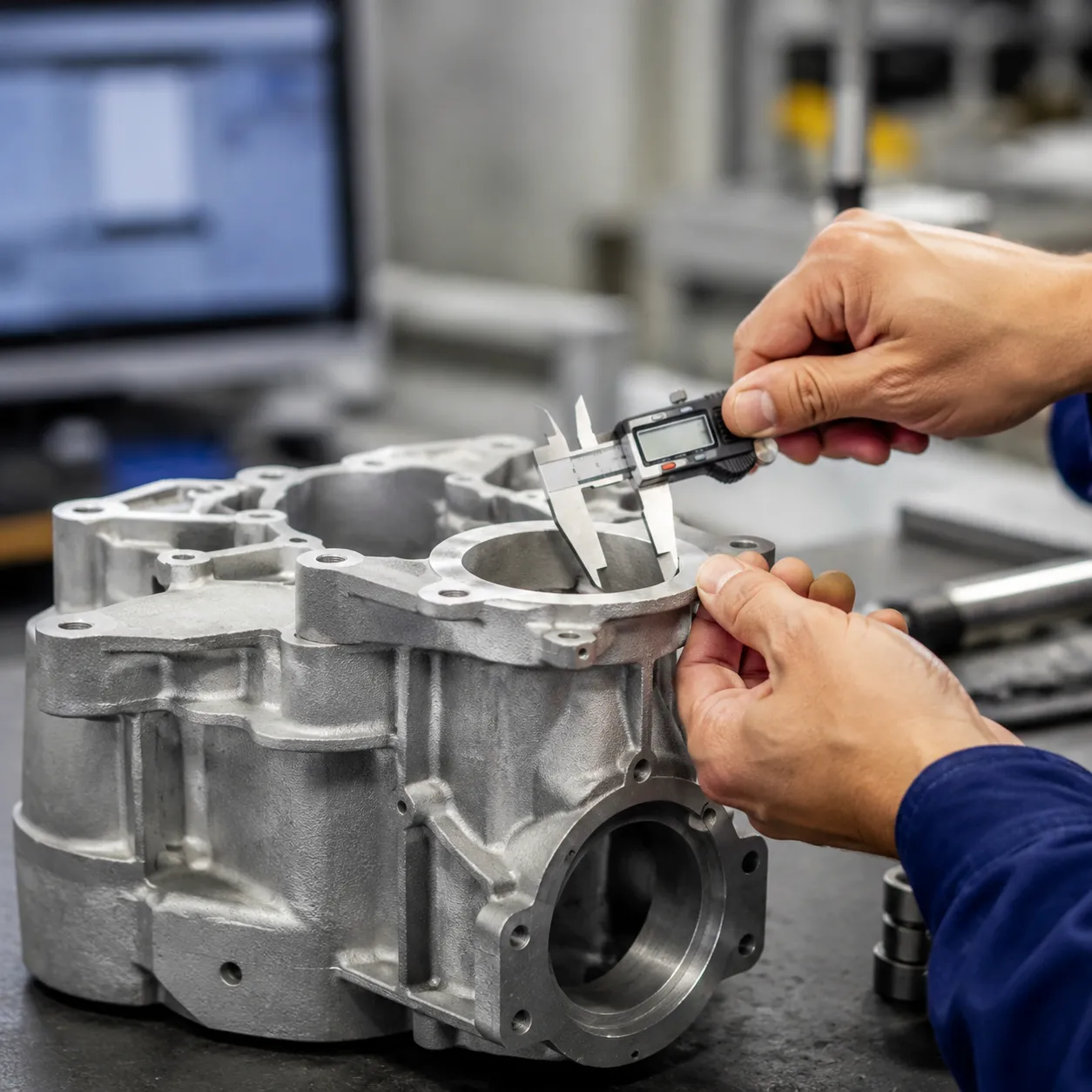
Titanium CNC machining services must overcome the metal’s tendency to hold heat and stick to cutting tools (galling). To get a precision finish without destroying tools, we rely on:
- Rigid machine setups to eliminate vibration and chatter.
- Specialized carbide tools designed to resist high thermal stress.
- High-pressure coolants to flush chips and reduce heat immediately.
Our optimized manufacturing process ensures we meet the extremely tight tolerances required for medical implants and turbine blades.
Surface Treatments
The Titanium anodizing process is widely used to finish parts. Unlike painting, this electrolytic treatment increases the thickness of the natural oxide layer. This improves wear resistance, prevents the threads from seizing, and allows for color-coding—a key feature for what titanium is used for in identifying different sizes of surgical screws and plates.
Understanding Titanium Grades: Which One Do You Need?
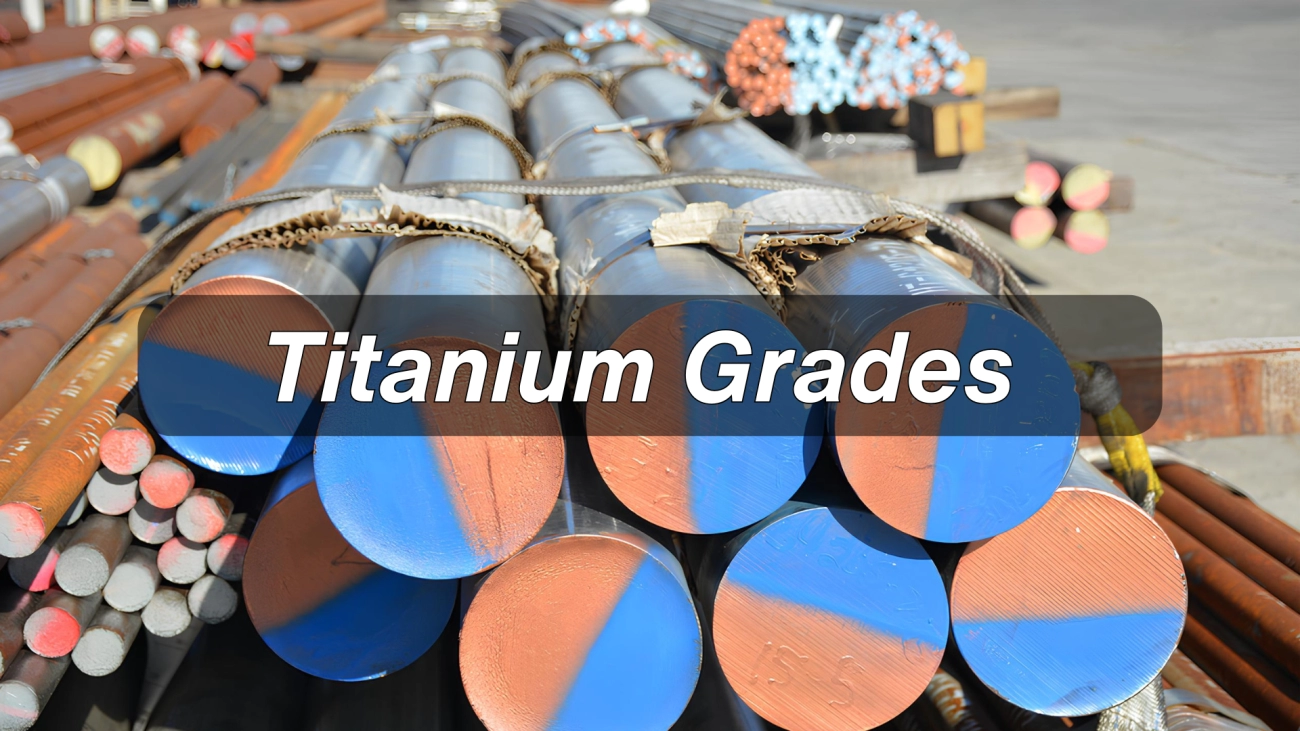
When people ask what is titanium used for, the answer often depends entirely on the specific grade of the metal. Not all titanium is created equal. In our industry, picking the wrong grade can mean the difference between a part that lasts a lifetime and one that fails under pressure. We generally categorize these into Commercially Pure (CP) grades and alloys, each with unique properties suited for specific jobs.
Commercially Pure (CP) Grades for Ductility
CP titanium (Grades 1 through 4) is unalloyed, meaning it’s titanium in its most natural, refined state. I often recommend these grades when formability and corrosion resistance are the top priorities rather than raw strength.
- Grade 1: The softest and most ductile. It’s incredibly easy to form, making it perfect for chemical processing equipment and architectural details.
- Grade 2: The “workhorse” of the CP family. It offers a balance of strength and formability, widely used in industrial piping and marine applications.
- Grade 4: The strongest of the pure grades. We see this used where high strength and excellent corrosion resistance are needed, like in airframe components.
Ti-6Al-4V (Grade 5): The Powerhouse Alloy
If you are looking for Ti-6Al-4V properties, you are looking for performance. Grade 5 is the most commonly used titanium alloy in the world, accounting for half of all global titanium usage. It mixes titanium with 6% aluminum and 4% vanadium.
Why is it so popular? It offers significantly higher strength than CP titanium while retaining the same stiffness and thermal properties. At our alloy casting foundry, we frequently utilize this grade for high-stress applications.
- Key Uses: Aerospace turbines, structural components, and high-performance engine parts.
- Benefit: It is heat treatable, meaning we can alter its properties to fit the specific demands of the project.
Specialized Alloys for Medical and Critical Use
Beyond the standard grades, we utilize specialized alloys designed for the most critical environments, particularly in healthcare. Titanium Grade 23 (Ti-6Al-4V ELI) is a higher purity version of Grade 5. The “ELI” stands for Extra Low Interstitial, meaning it has fewer impurities like oxygen and iron. This makes it incredibly tough and fracture-resistant, which is non-negotiable for biomedical applications. When asking what titanium is used for in a surgical setting, this is usually the answer—pins, screws, and orthopedic cables that the body won’t reject.
Frequently Asked Questions About Titanium
Is titanium stronger than steel?
This is one of the biggest misconceptions in the metal world. If you look at raw tensile strength alone, high-strength steel alloys can actually be stronger than titanium. However, the magic lies in the Titanium strength-to-weight ratio. Titanium is roughly 45% lighter than steel but matches it in durability. So, pound for pound, titanium is significantly stronger. If your project doesn’t require extreme weight savings, high-quality stainless steel products are often the more cost-effective route, but when every ounce matters—like in aerospace or racing—titanium is the undisputed winner in the Titanium vs Stainless Steel debate.
Why is titanium so expensive?
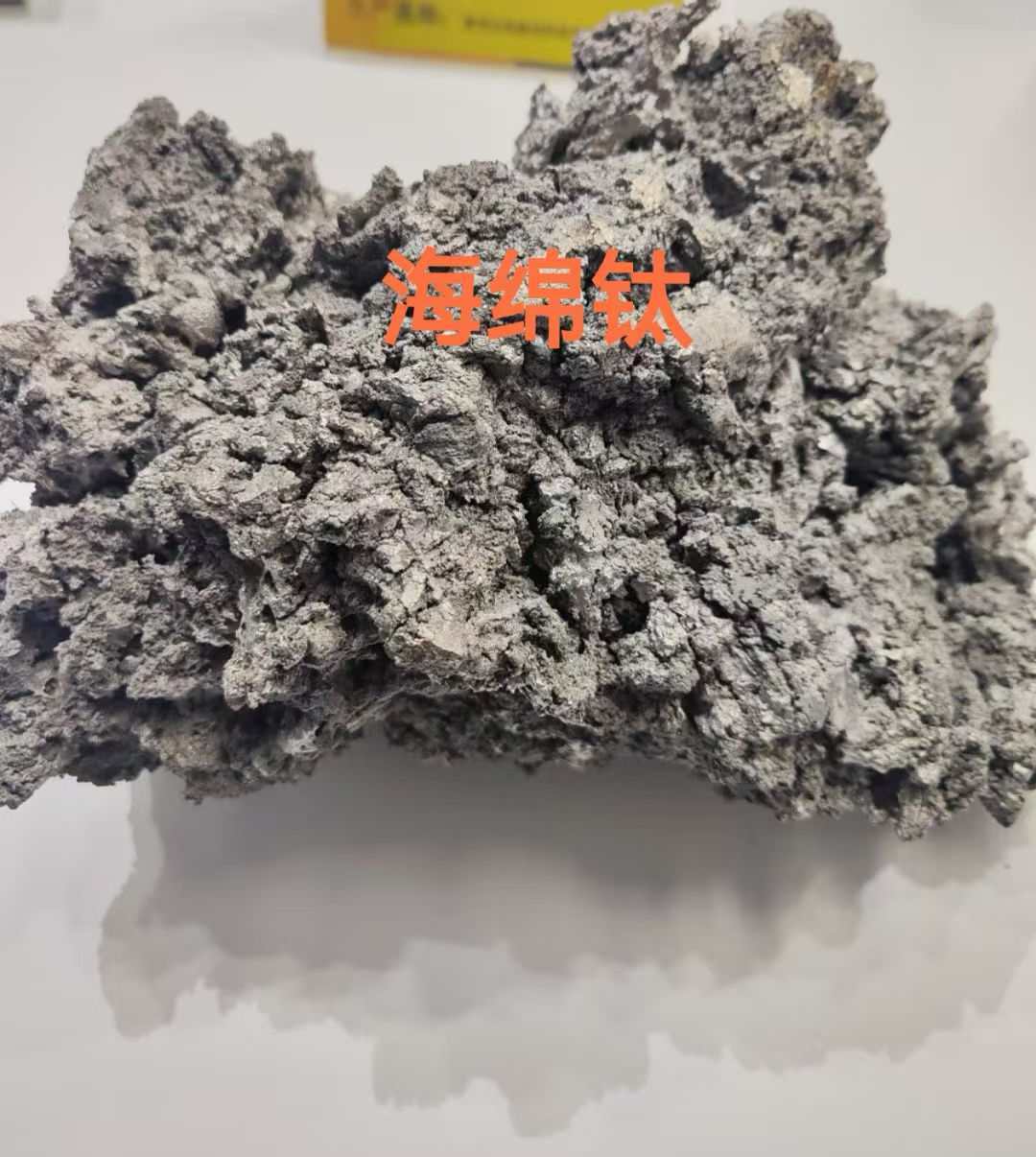
The price tag comes down to the difficulty of extraction and processing. Unlike iron or aluminum, titanium bonds aggressively with oxygen, making the refining process (the Kroll process) extremely energy-intensive and slow. It must be processed in vacuum or inert gas environments to prevent it from becoming brittle. Additionally, machining titanium is tough on tools, leading to higher manufacturing costs. You aren’t just paying for the raw metal; you are paying for the specialized technology required to turn it into usable parts.
Does titanium rust?
No, titanium does not rust in the traditional sense. It is one of the most reliable corrosion resistant metals available. Instead of flaking away like iron oxide (rust), titanium spontaneously forms a thin, stable, and protective oxide layer the moment it touches oxygen. This barrier renders the metal immune to saltwater, chlorides, and many industrial acids. This self-healing property is exactly what titanium is used for in harsh marine and chemical processing environments where other materials would corrode and fail.