Technical titanium material guide covering properties grades forms machining tips and Haoyumaterial sourcing for engineering applications.
You might already know that titanium material offers an unmatched high strength-to-weight ratio for critical engineering projects.
But selecting the precise specification? That’s where projects often stall.
Are you debating between the formability of Commercially Pure (CP) titanium or the raw power of Grade 5 alloy?
Pick the wrong grade, and you face machining nightmares or costly component failures. Pick the right one, and you ensure longevity and performance.
In this guide, you’re going to get a no-nonsense breakdown of titanium properties, standard grade charts, and the sourcing realities that separate amateur buyers from procurement pros.
At Haoyumaterial, we believe in engineering clarity.
Let’s dive right in.
The Core Benefits of Titanium Material
When we evaluate titanium material for industrial applications, we aren’t just selecting a metal; we are investing in a strategic balance of performance and longevity. For engineers and procurement managers, the decision to switch from steel or aluminum often hinges on four non-negotiable properties.
Understanding the Strength-to-Weight Ratio
The defining benefit of titanium is its efficiency. It is the premier choice among high strength-to-weight ratio metals. Titanium offers the tensile strength of steel but is approximately 45% lighter. Conversely, it is twice as strong as aluminum while being only 60% heavier. This allows us to reduce system weight in aerospace and automotive designs without compromising structural integrity.
Corrosion Resistance in Saltwater and Chlorine
Titanium corrosion resistance is superior because of its natural passivation. Upon exposure to oxygen, the metal instantly forms a stable, continuous oxide film. This layer makes the material virtually immune to:
- Atmospheric corrosion in polluted urban environments.
- Saltwater environments, making it ideal for marine hardware.
- Wet chlorine and metallic chlorides found in chemical processing.
Heat Resistance and Melting Point Data
Thermal stability is critical when parts face extreme operating environments. Understanding titanium density and melting point data ensures we select the right grade for high-heat zones like jet engines or industrial heat exchangers.
| Property | Metric (US Standard) | Metric (SI) | Performance Impact |
|---|---|---|---|
| Melting Point | ~3,034°F | ~1,668°C | Retains strength at high heat |
| Density | 0.163 lb/in³ | 4.51 g/cm³ | High efficiency per volume |
| Thermal Expansion | 4.67 µin/in·°F | 8.6 µm/m·K | Lower thermal stress than steel |
Biocompatibility for Medical Applications
Titanium biocompatibility drives its dominance in the medical sector. The material is non-toxic, non-allergenic, and uniquely capable of osseointegration—meaning human bone can grow directly into the surface of the implant. Whether sourcing for surgical instruments or orthopedic implants, this property is non-negotiable. At Haoyumaterial, we recognize that these four pillars—strength, corrosion resistance, thermal stability, and biocompatibility—are what drive the global demand for high-quality titanium stock.
Decoding the Titanium Grade Chart
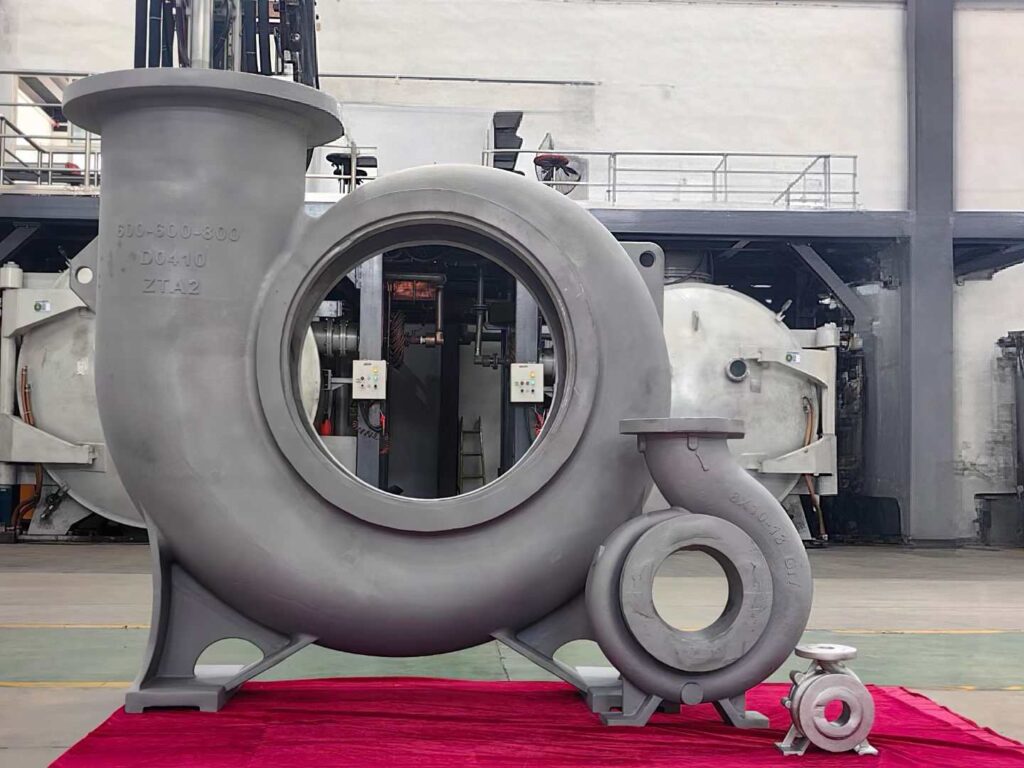
Navigating the titanium grade chart can feel like learning a new language if you aren’t familiar with the ASTM standards. In my experience, choosing the right grade is the single most critical step in procurement. If you pick the wrong one, you either overpay for properties you don’t need or face catastrophic failure in application.
We generally divide titanium into two main camps: Commercially Pure (CP) titanium and titanium alloys. CP grades are selected primarily for corrosion resistance and formability, while alloys are the go-to for high strength-to-weight applications.
Commercially Pure (CP) Grades
These grades are unalloyed and distinguished by their impurity levels (oxygen, nitrogen, iron). As the grade number goes up, the yield strength increases, but ductility drops.
- Grade 1 Titanium: This is the softest and most ductile grade. We use this when extreme formability is required, such as in deep drawing applications or explosive bonding. It has excellent corrosion resistance but the lowest strength.
- Grade 2 Titanium (The Industrial Workhorse): This is the most widely available and used CP grade. It hits the “sweet spot” between strength and ductility. You’ll see this everywhere in chemical processing and piping systems. It offers excellent weldability and is the standard for most industrial applications across the industries we serve.
- Grade 4 Titanium: This is the strongest of the CP grades. It maintains good corrosion resistance but delivers significantly higher tensile strength, making it a favorite for hydraulic and aerospace components where pure titanium is needed but Grade 2 is too soft.
High-Performance Titanium Alloys
When we need to push the material limits, we move to alpha-beta titanium alloys. These mixtures incorporate elements like aluminum and vanadium to alter the microstructure and boost mechanical properties.
- Grade 5 (Ti-6Al-4V): This is the “king” of titanium alloys, accounting for roughly 50% of total titanium usage worldwide. Ti-6Al-4V properties include a high tensile strength (almost triple that of Grade 1) and heat resistance up to 750°F (400°C). It is heat-treatable and is the standard specification for aerospace airframes and engine components.
- Grade 23 (Ti-6Al-4V ELI): This is the Extra Low Interstitial (ELI) version of Grade 5. By reducing oxygen and iron content, we get improved ductility and fracture toughness. Because it is chemically inert and non-magnetic, this is the premier medical grade titanium used for orthopedic pins, screws, and dental implants.
Quick Reference: Titanium Grade Properties
| Grade | Type | Yield Strength (MPa) | Key Characteristic | Typical Application |
|---|---|---|---|---|
| Grade 1 | CP | ~170 | High Formability | Heat Exchangers |
| Grade 2 | CP | ~275 | Balanced Utility | Industrial Piping |
| Grade 4 | CP | ~480 | High Strength CP | Surgical Hardware |
| Grade 5 | Alloy | ~830 | High Strength | Aerospace/Turbines |
| Grade 23 | Alloy | ~760 | Biocompatible | Medical Implants |
Titanium Forms and Stock Specifications
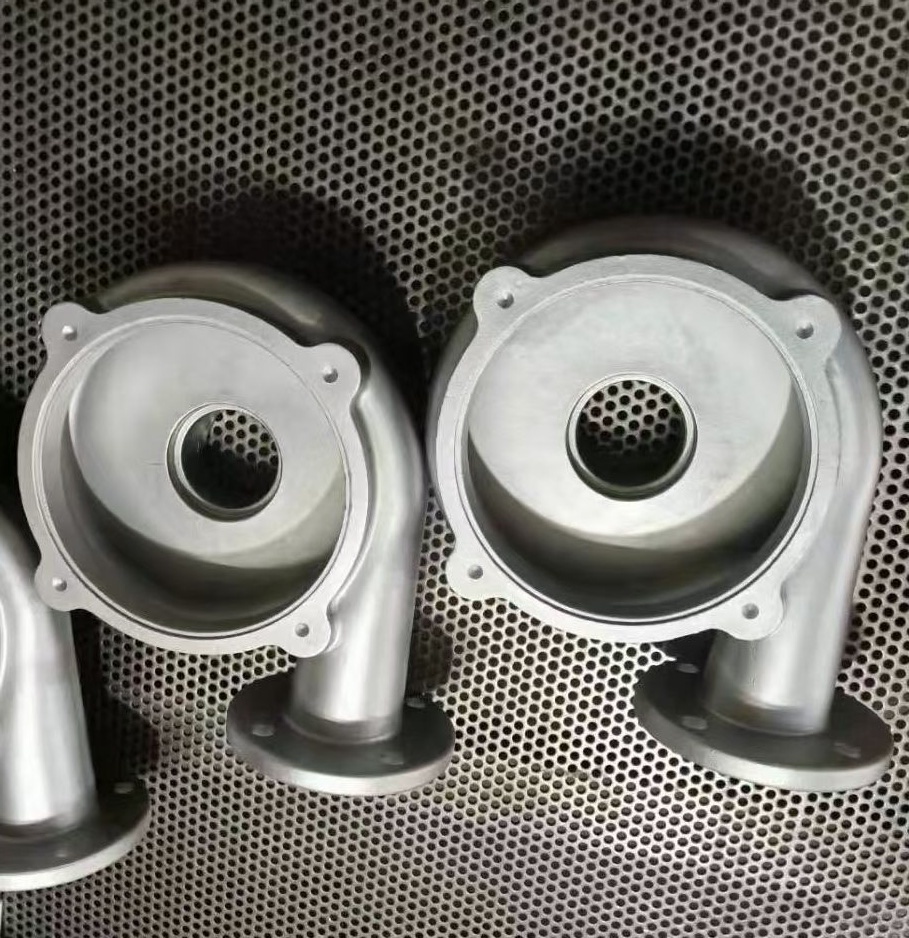
When sourcing titanium material for your project, understanding the available forms and stock specifications is half the battle. We don’t just sell metal; we provide the specific geometries that keep your machining time down and your efficiency up. Whether you are dealing with aerospace components or chemical processing units, knowing the difference between a sheet and a plate or which ASTM standard applies to your bar stock is critical for quality control and cost management.
Titanium Sheet vs Plate Thickness Standards
The distinction between titanium sheeting and titanium metal plate generally comes down to thickness, though industry definitions can be strict. Buying the wrong form can drastically affect your titanium sheet cost and fabrication strategy.
- Titanium Sheet: Typically defined as any product with a thickness less than 0.1875 inches (4.75 mm) and a width of 24 inches or more. It is often used for skin panels or heat shields where weight reduction is paramount.
- Titanium Plate: Any flat product with a thickness of 0.1875 inches (4.75 mm) or greater. Plates are generally used for structural parts that require significant load-bearing capabilities.
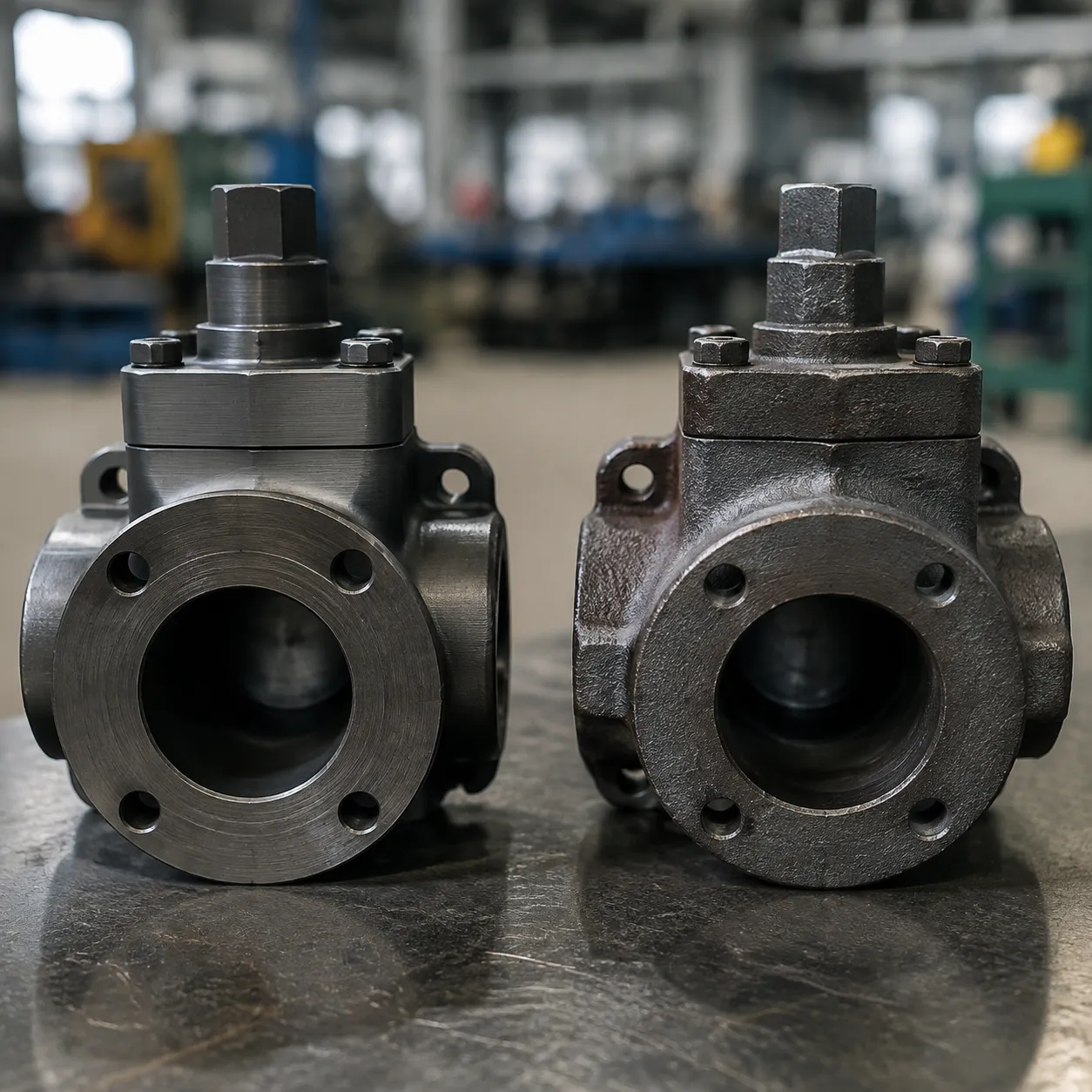
While standard stock forms cover most needs, complex geometries in aviation often steer engineers toward an aerospace casting manufacturer for high-performance alloy components to minimize material waste compared to machining from heavy plates.
Titanium Bar and Billet Options
For shops producing machined titanium parts, the starting stock is usually bar or billet. We supply these in various finishes—peeled, centerless ground, or rough turned—depending on your tolerance requirements.
- Round Bar: The most common form for fasteners and turned parts.
- Rectangular/Flat Bar: Ideal for milling operations to reduce cycle time.
- Billet: Larger feedstock intended for forging or extrusion processes.
Seamless vs Welded Titanium Tubing
Choosing the right tubing affects both the pressure rating and the price.
- Seamless Tubing: Extruded or drawn from a hollow billet. It has no weld seam, making it stronger and more reliable for high-pressure hydraulic systems or critical aerospace lines.
- Welded Tubing: Made from rolled strip and welded. It is generally more cost-effective and offers better wall thickness concentricity, making it suitable for heat exchangers and structural frames where extreme pressure isn’t the primary concern.
Understanding ASTM B265 and ASTM B348
To ensure you are getting the quality you paid for, you need to reference the correct specification on your purchase orders. The two most cited standards in the US market are:
| Standard | Material Form Covered | Key Applications |
|---|---|---|
| ASTM B265 | Strip, Sheet, and Plate | Used primarily for flat rolled products in structural and skin applications. Checks chemical composition and tensile properties. |
| ASTM B348 | Bars and Billets | The standard for titanium bars and billets. Crucial for fasteners and machined titanium components. |
Adhering to ASTM B265 specifications for your flat stock and the ASTM B348 standard for your rounds ensures material consistency and traceability, which is non-negotiable in regulated industries.
Machining and Fabrication of Titanium
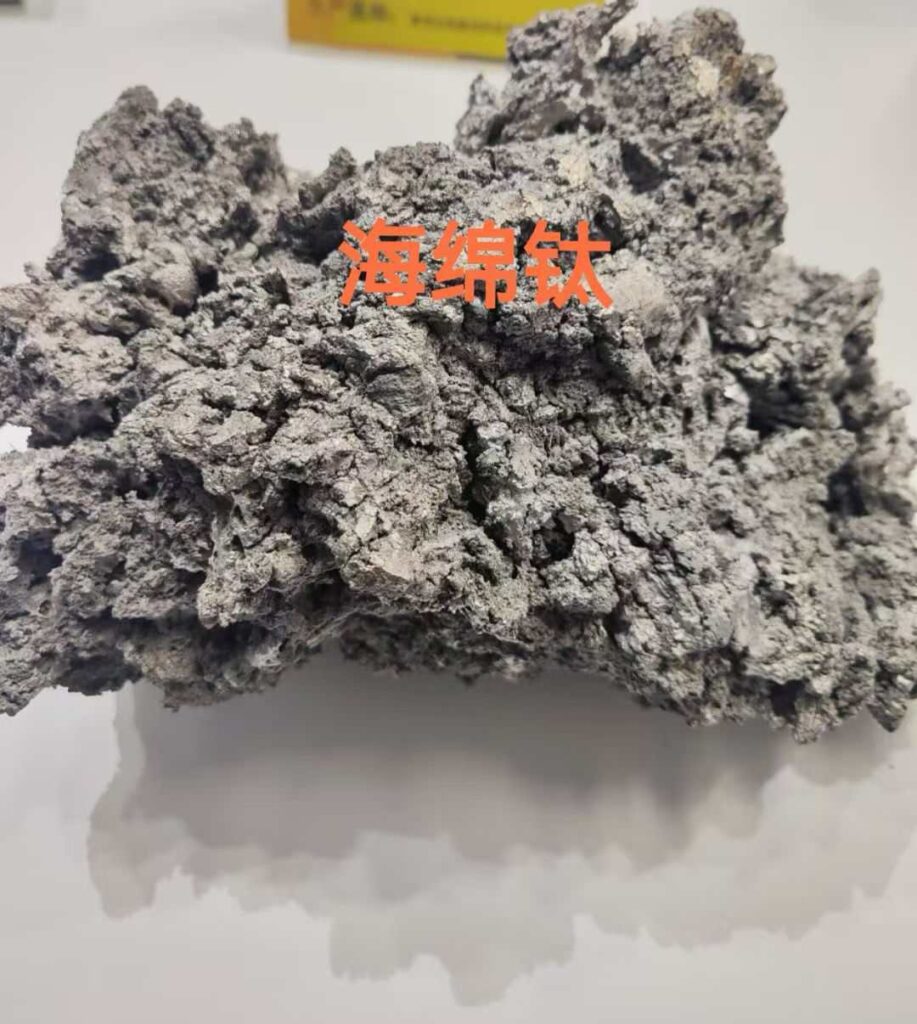
Working with titanium material isn’t like cutting through soft aluminum or mild steel. It demands respect. In my experience, if you treat titanium like any other metal, it will chew up your tools and ruin your workpiece. However, once you dial in your parameters, the results are worth the effort.
Challenges in Machining Titanium Alloys
The biggest hurdle we face when machining titanium alloys is heat. Unlike steel, titanium is a poor conductor of heat. This means the heat generated during cutting doesn’t dissipate into the chip or the workpiece; instead, it concentrates right on the cutting tool edge.
- Heat Concentration: Causes rapid tool wear and failure.
- Chemical Reactivity: At high temperatures, titanium chemically reacts with tool materials, leading to welding and cratering.
- Elasticity: Titanium is springy. It tends to move away from the tool, causing chatter, vibration, and poor surface finish.
Best Practices for Cutting Speeds and Feeds
To get a clean cut without burning through your budget on tooling, you have to follow strict guidelines. We always recommend running lower cutting speeds and higher feed rates. This approach minimizes the time the tool spends rubbing against the material, which reduces heat.
It is also crucial to note that different grades of titanium will behave differently under the cutter; Grade 5 is significantly harder to machine than Grade 2.
Key Machining Guidelines:
| Parameter | Recommendation | Reason |
|---|---|---|
| Coolant | High-pressure, high-volume | Forces heat away from the tool interface. |
| Tooling | Carbide with AlTiN coating | Resists heat and chemical wear. |
| Speed | Low / Moderate | Prevents excessive thermal buildup. |
| Feed | Aggressive / Constant | Prevents work hardening and rubbing. |
Welding Titanium with Inert Gas Shields
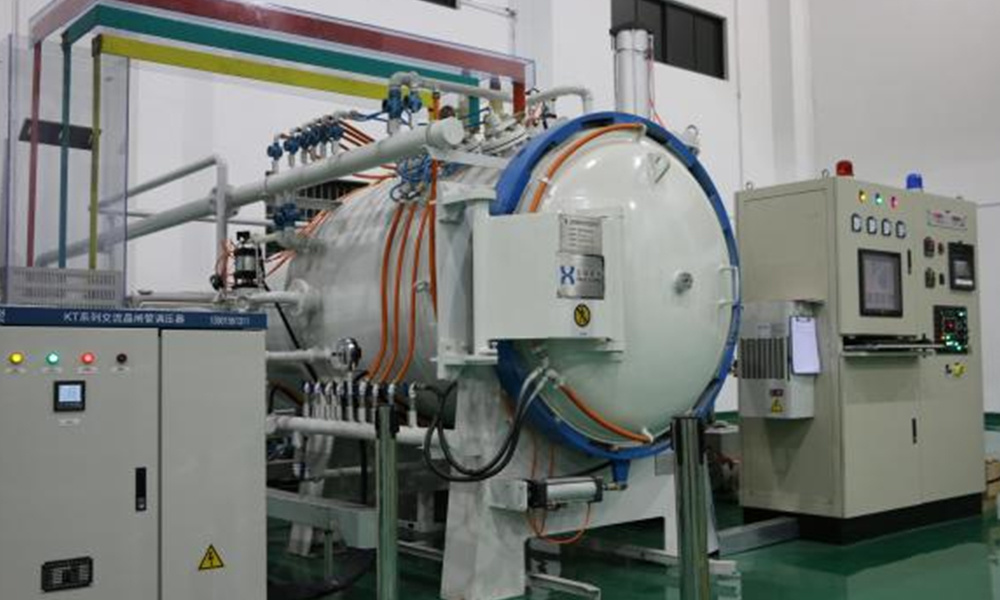
Titanium fabrication techniques often involve welding, and this is where cleanliness is non-negotiable. Molten titanium reacts instantly with oxygen and nitrogen in the air. If you don’t protect the weld pool, the metal becomes brittle and useless.
We use Inert Gas Shielding (usually 99.999% pure Argon) to create a protective bubble around the weld. You cannot just shield the torch side; you must also use a back purge to protect the underside of the joint.
Preventing Galling and Heat Build-up
Galling is a severe form of adhesive wear where the titanium material literally welds itself to the cutting tool or mating surface due to friction. To prevent this, never let the tool dwell in one spot. Keep the tool moving.
- Use sharp tools: Dull tools increase friction and heat.
- Avoid interruptions: maintain a continuous cut to prevent the surface from hardening.
- Lubrication: Use specialized tapping fluids and lubricants designed for exotic metals to reduce friction.
Real World Industrial Applications
Titanium isn’t just a fancy metal for high-end watches; it is the backbone of some of the most demanding industries on earth. Because of that incredible strength-to-weight ratio and naturally occurring corrosion resistance, we use titanium material where failure simply isn’t an option. From the skies to the ocean floor, this metal delivers performance that cheaper alternatives just can’t match.
Aerospace Airframes and Engine Parts
In the US aerospace sector, weight is the enemy. This is where Ti-6Al-4V properties really shine. We use titanium alloys extensively in jet engines—specifically for rotors, compressor blades, and hydraulic system components—because they withstand high heat and immense stress without weighing the aircraft down.
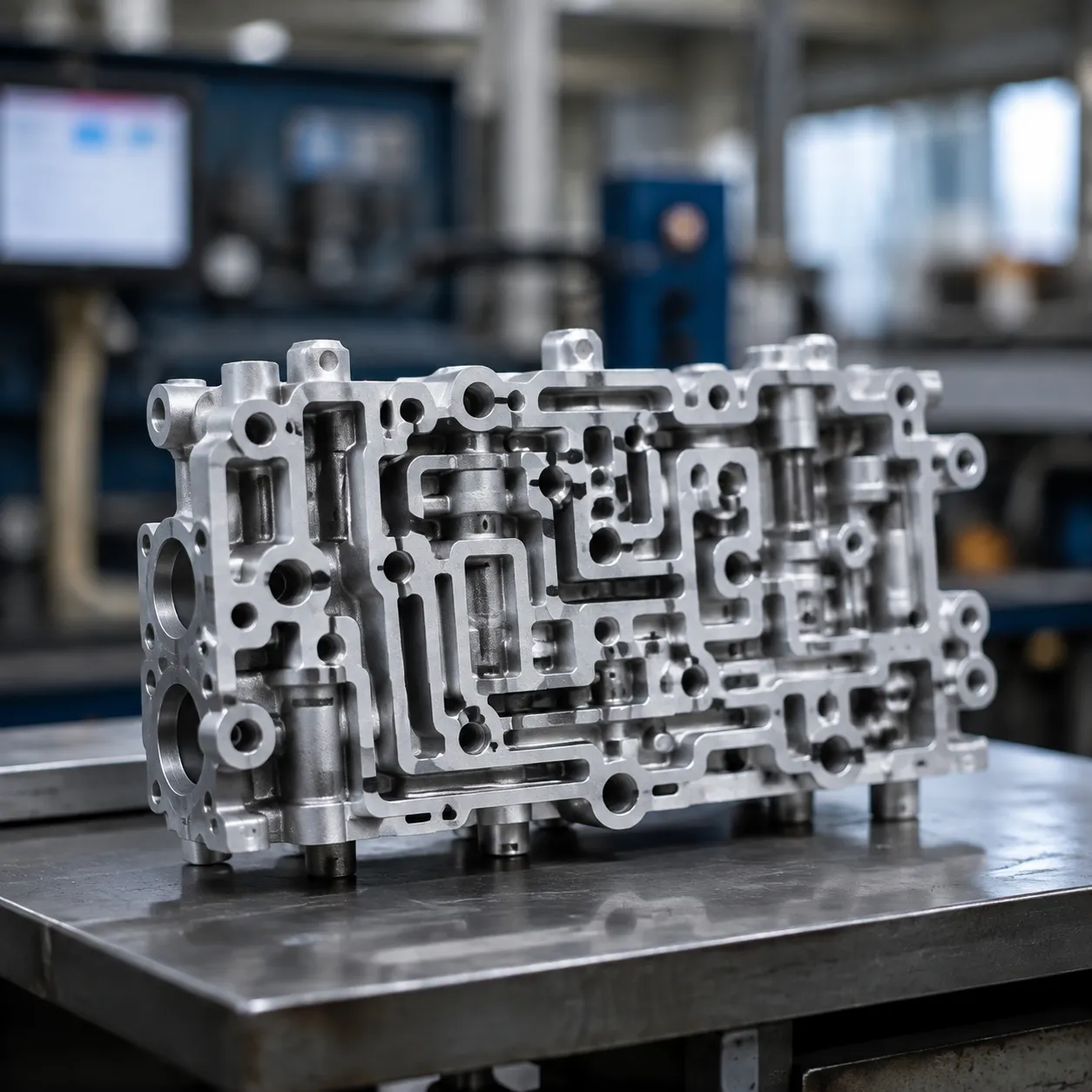
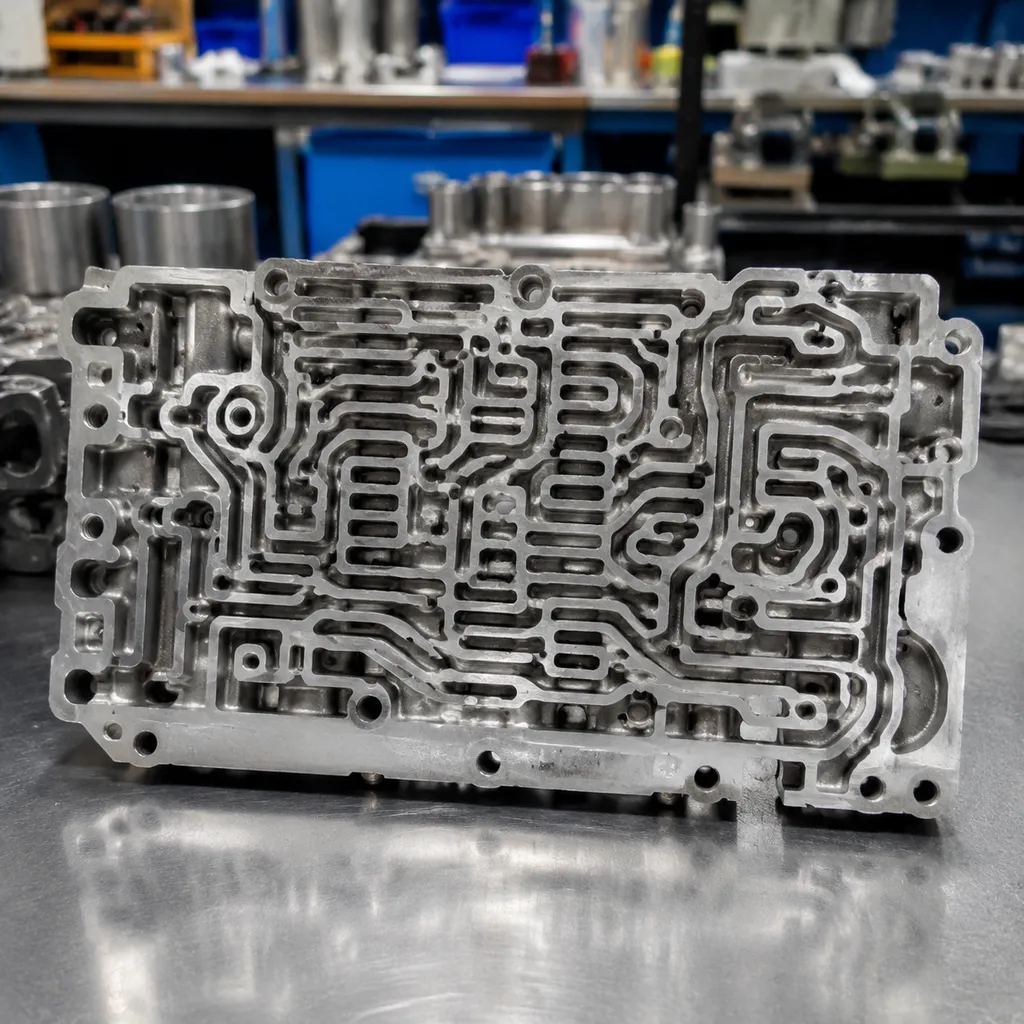
The structural integrity of airframes relies on titanium to replace heavier steel components. For complex engine geometries, high-quality precision casting services are often employed to shape these alloys to exact aerospace standards, ensuring safety and efficiency at 30,000 feet.
Chemical Processing and Heat Exchangers
Industrial titanium applications are massive in the chemical sector. When you are dealing with aggressive acids, wet chlorine, or chlorides, standard stainless steel often dissolves or cracks. Titanium holds up. We frequently supply material for:
- Shell and tube heat exchangers
- Reaction vessels
- Storage tanks and piping systems
Because titanium corrosion resistance is so high, we can use thinner walls in heat exchangers, which actually improves heat transfer efficiency compared to other metals.
Medical and Dental Implant Solutions
Titanium biocompatibility is unmatched. The human body does not treat titanium as a foreign invader, which makes it the gold standard for healthcare. Medical grade titanium (typically Grade 23 or CP Grade 4) is used for hip replacements, bone screws, and plates.
In dentistry, titanium implants actually bond with the jawbone in a process called osseointegration. This creates a permanent, stable foundation that mimics a natural tooth root.
Marine and Desalination Equipment
Saltwater destroys most metals rapidly, but marine grade titanium is virtually immune to it. We see it used heavily in desalination plants, propeller shafts, and offshore rigging. Unlike steel that requires constant coating and protection, titanium components can sit in seawater for decades without pitting or crevice corrosion, significantly lowering long-term maintenance costs.
Purchasing Guide for Titanium Material
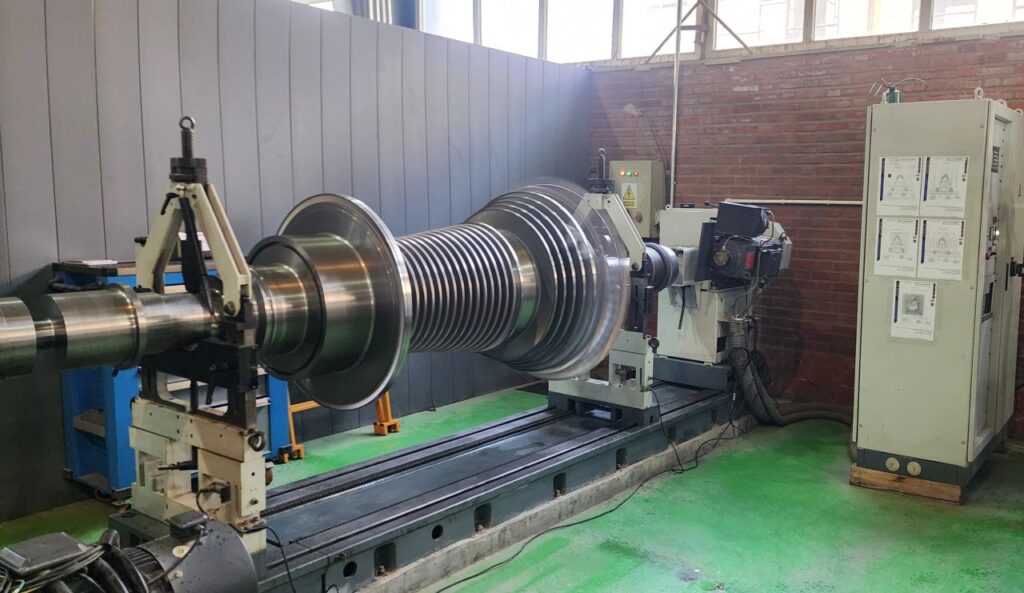
Buying titanium material requires more due diligence than standard carbon steels or aluminum. The market is dynamic, and understanding exactly what you are paying for helps protect your bottom line and project timeline. We aim to make the procurement process transparent and straightforward for our US clients.
What Drives Titanium Prices
The titanium sheet cost and plate prices are not arbitrary; they fluctuate based on several key factors. Unlike iron-based metals, titanium extraction is highly energy-intensive, making energy prices a major baseline for cost.
- Raw Material Costs: The price of titanium sponge dictates the market floor.
- Grade Complexity: Alloys like Grade 5 (Ti-6Al-4V) generally cost more than Commercially Pure (CP) grades due to the addition of vanadium and aluminum, plus the increased difficulty in processing.
- Market Demand: Aerospace cycles heavily influence availability and pricing. When major aircraft manufacturers ramp up production, supply tightens for everyone else.
Verifying Quality with Mill Test Reports (MTR)
Never accept titanium material without proper documentation. A titanium mill test report (MTR) is your non-negotiable proof of quality. This document certifies that the chemical composition and mechanical properties meet specific standards, such as ASTM B265 for strip/sheet or ASTM B348 for bars. Whether you are sourcing material for critical equipment manufacturing or pressure vessels, the MTR ensures the metal will perform as predicted.
Sourcing from Reliable Suppliers like Haoyumaterial
We understand that consistent quality is just as important as the price tag. Sourcing from Haoyumaterial means you get full traceability on every order.
- Stock Availability: We maintain inventory of popular forms like Grade 2 sheets and Grade 5 round bars to minimize delays for standard orders.
- Lead Times: While off-the-shelf items ship quickly, custom forgings or non-standard dimensions require production lead time. We recommend planning purchases early to align with your manufacturing schedule.
Frequently Asked Questions About Titanium Material
We encounter specific questions daily regarding performance and selection. Below are clear answers to the most common inquiries we receive about titanium material.
What is the difference between Grade 2 and Grade 5 titanium?
This is the primary distinction on the titanium grade chart. The choice depends entirely on your application:
- Grade 2 (Commercially Pure): This is the “workhorse” of the industry. It offers excellent corrosion resistance and formability (bending and welding). It is the standard for chemical processing and piping.
- Grade 5 (Ti-6Al-4V): This is an alloy reinforced with aluminum and vanadium. It provides significantly higher tensile strength than Grade 2 but is much harder to form or stamp.
For a deeper dive into these specifications, you can review our detailed breakdown of titanium properties, grades, and industrial uses to ensure you select the correct stock.
Is titanium stronger than steel?
The answer lies in efficiency rather than brute force. While certain high-strength hardened steels have a higher ultimate tensile strength, titanium material dominates in the strength-to-weight ratio.
- Titanium is approximately 45% lighter than steel.
- It provides comparable strength at nearly half the weight.
- Titanium density and melting point data show it withstands extreme conditions without the bulk of ferrous metals.
Why is titanium considered difficult to machine?
Machining titanium alloys presents unique challenges because the metal behaves differently than steel or aluminum. It is often described as “gummy” rather than just hard.
- Heat Concentration: Titanium has low thermal conductivity. Heat doesn’t leave with the chip; it concentrates in the cutting tool, leading to rapid wear.
- Work Hardening: The material tends to harden instantly if the cutter dwells in one spot.
- Galling: Machined titanium can chemically react and weld itself to the cutting tool under high pressure.
Does titanium rust in marine environments?
No. This is the defining characteristic of marine grade titanium. Unlike steel, titanium is virtually immune to saltwater corrosion. Upon exposure to oxygen, it instantly forms a continuous, stable oxide film. This passive layer prevents rust, pitting, and crevice corrosion, making it the superior choice for heat exchangers, desalination equipment, and subsea components.