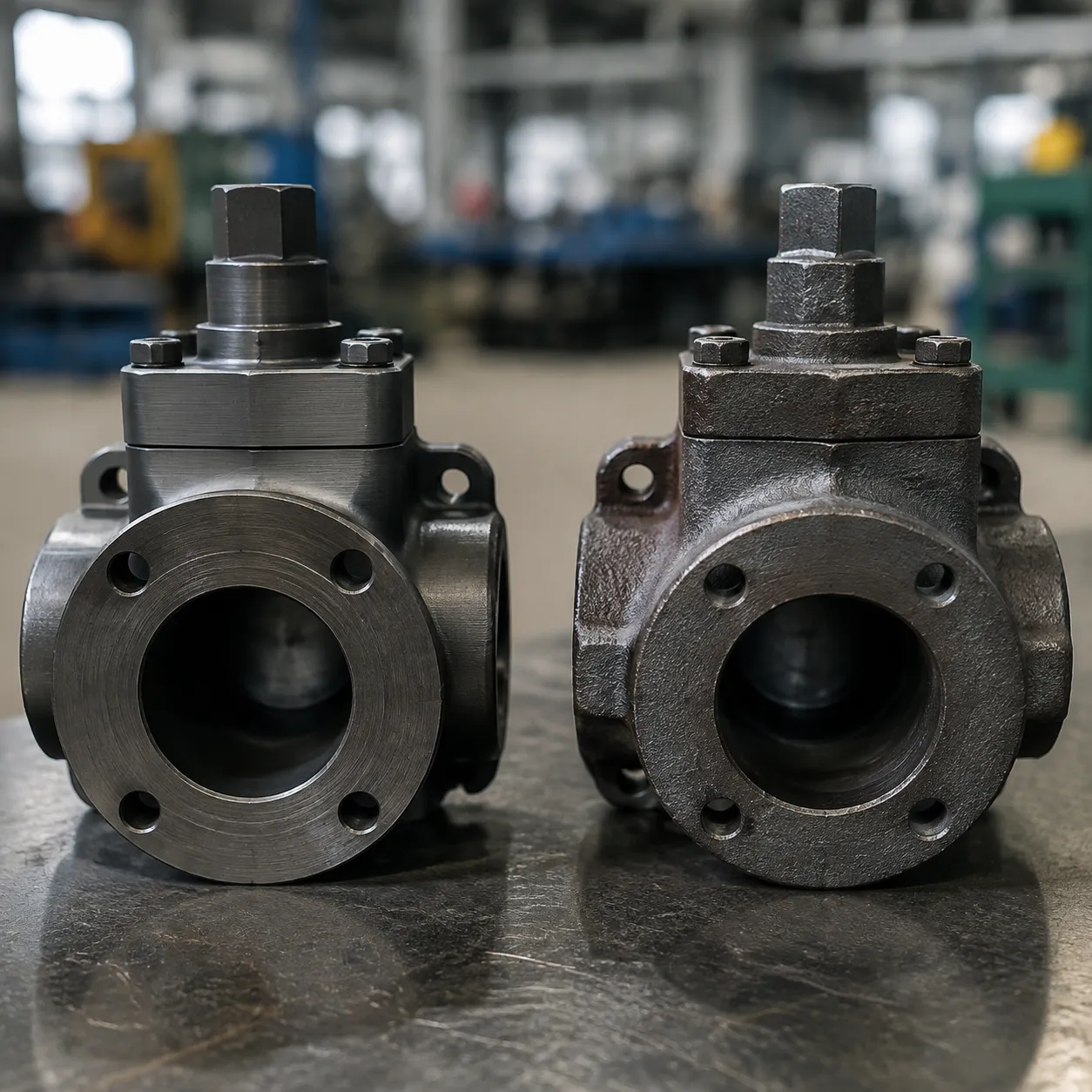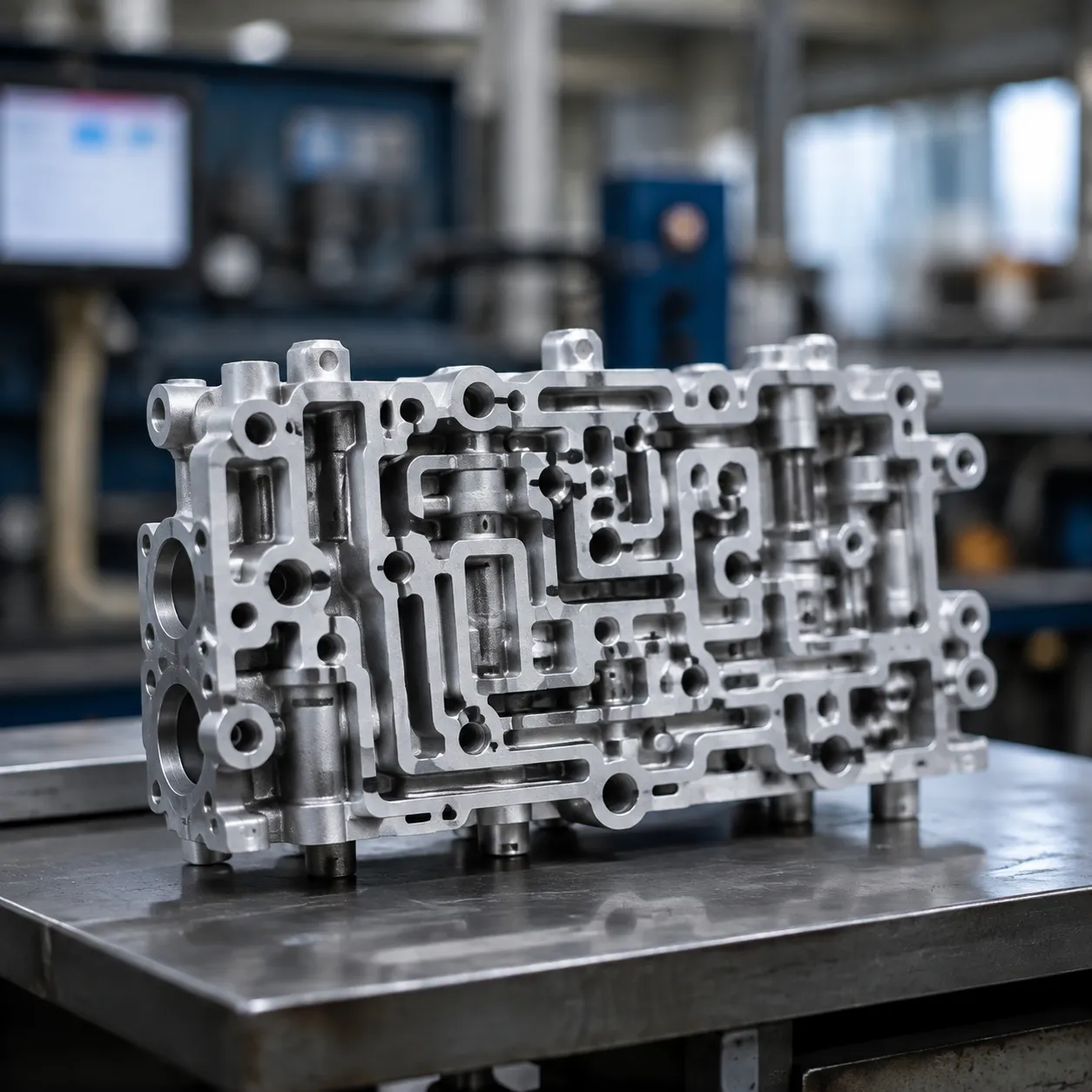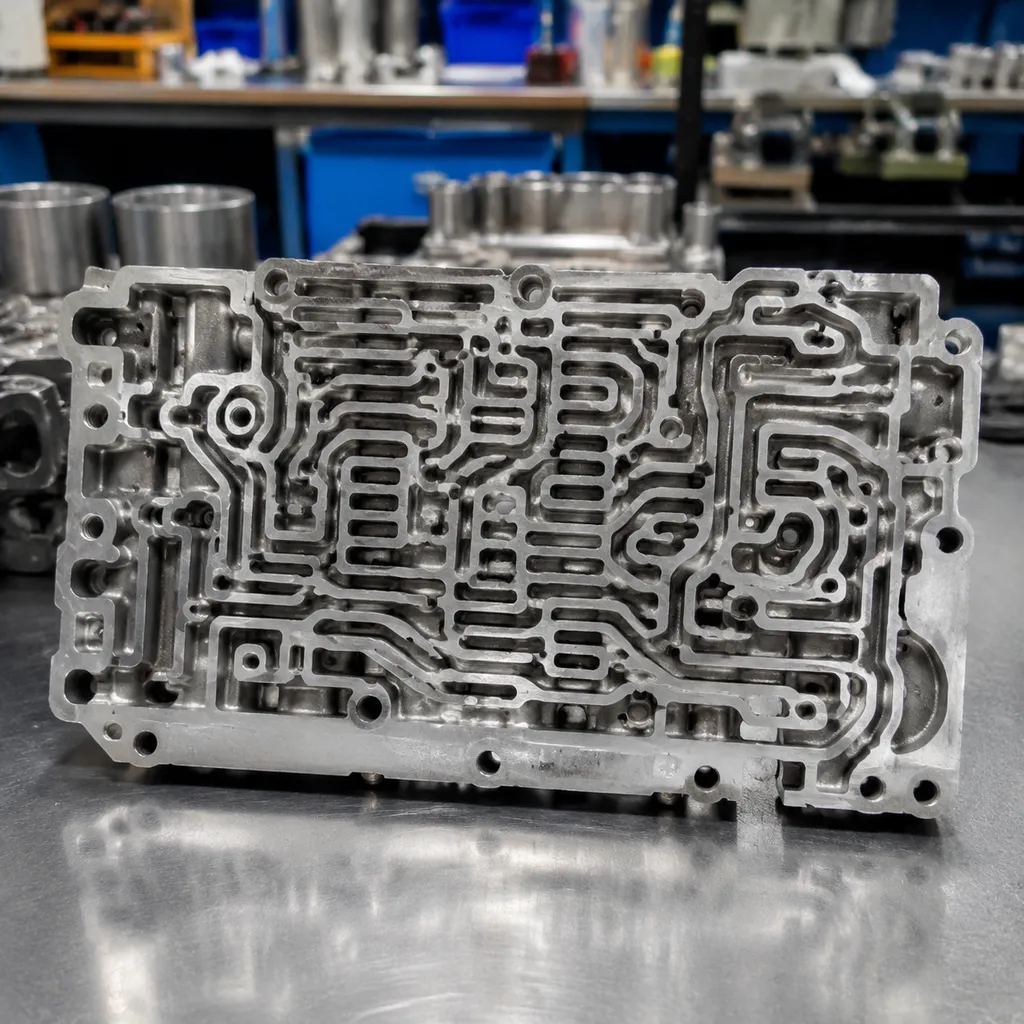
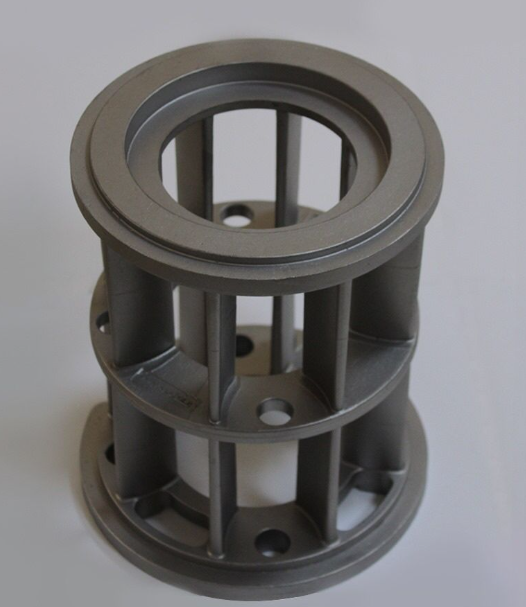
Compare Batesville products with advanced industrial casting solutions including aluminum zinc stainless steel and titanium with CNC machining.
Clarifying the “Batesville Products” Confusion: Industrial vs. Funeral
Let’s clear the air immediately: if you are searching for caskets or funeral supplies, you are in the wrong place. While the name “Batesville” is famously associated with burial products, in the engineering and manufacturing world, Batesville Products refers to high-precision industrial metal casting. We are talking about critical components for aerospace, energy, and heavy machinery—not silk linings and wood finishes. This is strictly industrial B2B manufacturing, where the focus is on tensile strength, thermal stability, and micron-level tolerances.
Stop Looking for Caskets: We Are Talking Industrial B2B Manufacturing
When engineers and procurement managers search for Batesville products, they are often looking for robust metal solutions, specifically permanent mold casting and secondary machining. The distinction is vital. In our sector, “Batesville” signifies a legacy of metalworking capability. We deal in aluminum alloys, zinc, and stainless steel designed to withstand the rigors of gas turbines and marine engineering.
If your project requires:
- High-strength metal components for heavy equipment.
- Precision CNC machining for tight-tolerance parts.
- Surface treatments like plating or powder coating for industrial durability.
Then you are looking for the industrial side of the name. We focus on delivering functional, mechanical performance for OEMs who need parts that work under pressure.
Who is Batesville Products Inc.? (The Permanent Mold Specialists)
Historically, Batesville Products Inc. established itself as a leader in permanent mold casting. This specific niche involves using reusable steel molds (instead of sand) to create metal parts with better surface finishes and dimensional accuracy than traditional sand casting. They set a standard for custom aluminum alloys and zinc components, particularly for industries requiring consistent repeatability.
However, the modern manufacturing landscape is evolving. While permanent mold casting is excellent for specific volumes, today’s complex supply chains often require a broader array of capabilities.
Why Modern Engineering Demands More Than Just One Casting Method
Relying on a single casting method—like permanent mold—can be a bottleneck. Modern engineering designs are pushing the boundaries of geometry and material science. A part designed for permanent mold might actually be cheaper and lighter if produced via high-pressure die casting or investment casting.
At Vastmaterial, we recognize that true efficiency comes from flexibility. We don’t just force every design into a permanent mold. We evaluate the project based on:
- Volume: Is die casting more cost-effective for 10,000+ units?
- Complexity: Does the part require the intricate detail of investment casting?
- Material: Does the application demand high-temp superalloys or titanium that permanent molds can’t handle?
The Shift from Brand-Name Sourcing to Capability-Based Sourcing
Smart procurement is moving away from simply buying from a “brand name” and toward sourcing based on specific technical capabilities. It’s not just about finding “Batesville products”; it’s about finding a partner who can deliver the quality associated with that tier of manufacturing, but with expanded options.
We are seeing a massive shift where OEMs prioritize turnkey manufacturing solutions. They want a partner who can cast the part, perform the CNC machining, handle the surface finishing, and deliver a production-ready component. This capability-based approach ensures you aren’t limited by the constraints of a single foundry’s equipment list, but are instead empowered by a network of precision engineering solutions.
Deep Dive into Permanent Mold Casting (The Batesville Standard)
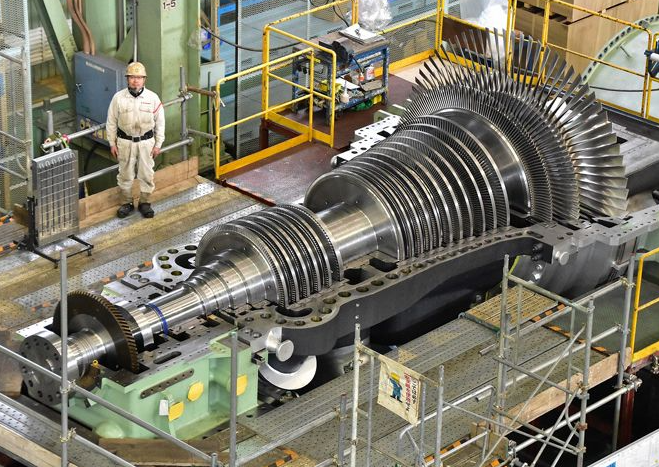
When industry veterans discuss Batesville products, they are almost exclusively referring to the permanent mold casting process. This technique sits right in the middle of the casting spectrum, bridging the gap between the low tooling costs of sand casting and the high speed of die casting.
How Permanent Mold Casting Actually Works
The process is straightforward but requires engineering finesse. Instead of using sand that is destroyed after a single use, we use a reusable steel mold (the “permanent” mold). Molten metal is poured into the mold, usually relying on gravity to fill the cavity. Because the metal chills rapidly against the steel mold, the resulting microstructure is generally tighter and stronger than what you get from sand casting.
The Sweet Spot: High-Volume Aluminum Production
This method is the go-to for custom aluminum alloys and zinc components when you need medium-to-high volume production. It offers a distinct advantage in mechanical properties. The rapid solidification improves the aluminum tensile strength, making these parts ideal for structural applications where durability is non-negotiable.
Limitations You Need to Know
While effective, permanent mold casting isn’t a catch-all solution. You need to be aware of specific constraints:
- Geometry Restrictions: The mold must open and close to release the part. If your design has complex undercuts or intricate internal passages, this process becomes difficult or impossible without expensive collapsible cores.
- Tooling Costs: The initial investment for a steel mold is significantly higher than sand casting patterns. It only makes financial sense if your volume justifies the upfront expense.
Comparing Permanent Mold vs. Sand Casting
For industrial parts, the choice often comes down to surface finish and volume. Sand casting is fantastic for low volumes, massive parts, or complex geometries where surface roughness is acceptable. However, for Batesville products targeting the industrial market, permanent mold provides a superior surface finish and dimensional accuracy, reducing the need for heavy secondary machining.
Beyond the Mold: When Investment & Die Casting Are Better Options
While permanent mold casting—the process most associated with batesville products—is excellent for specific aluminum applications, modern engineering often hits a wall with its design constraints. If you are sourcing industrial components, sticking to a single method can limit your geometry and inflate your machining costs. At Vastmaterial, we look at the part geometry first to determine if investment casting or die casting offers a better ROI.
Breaking Free From Design Constraints
Permanent molds require draft angles to eject the part, which limits complexity. When you need intricate internal passageways, thin walls, or undercuts without splitting the tool, Investment Casting (Lost Wax) is the superior choice. This method allows us to cast near-net shapes that permanent molds simply cannot achieve. By utilizing a top lost wax casting supplier, you gain the freedom to design complex aerospace or medical components without worrying about mold release issues.
High-Pressure Die Casting for Speed
When volume spikes from hundreds to tens of thousands, gravity-fed processes become a bottleneck. High-pressure die casting forces molten metal into steel molds at high speed.
- Speed: Cycle times are measured in seconds, not minutes.
- Wall Thickness: Capable of producing much thinner walls than permanent mold.
- Surface Finish: Excellent “as-cast” finish that reduces polishing time.
Achieving Tighter Tolerances
The goal of any casting project is to minimize secondary operations. While permanent mold casting is accurate, investment and die casting generally hold tighter linear tolerances. This means we can often eliminate rough machining passes entirely, sending the part directly to final precision finishing.
Comparison of Casting Methods:
| Feature | Permanent Mold (Standard) | Investment Casting (Lost Wax) | High-Pressure Die Casting |
|---|---|---|---|
| Volume | Medium to High | Low to Medium | Very High |
| Complexity | Moderate | Extremely High | Moderate |
| Tolerances | Good | Excellent | Good |
| Tooling Cost | Moderate | Low | High |
Case Study: Switching Processes to Save Cost
We recently analyzed a project where a client was machining a complex housing from a solid block of 304 stainless steel. By switching to investment casting, we reduced material waste by 60% and cut machining time in half. The final part maintained the same structural integrity but at a fraction of the unit cost. This approach proves that looking beyond standard batesville products methods and evaluating the right casting technology for the specific alloy and geometry is crucial for B2B manufacturing success.
Material Capabilities: Stepping Up from Aluminum & Zinc
While many manufacturers searching for “batesville products” or similar industrial components often default to standard aluminum casting, sticking strictly to one material category can severely limit your project’s potential. We see this often in the industry: a design calls for high thermal stability, but the production line is stuck on A356 aluminum because that’s what the foundry knows. While we offer custom aluminum alloys optimized for lightweight applications and rapid prototyping, modern engineering demands a broader palette to truly hit performance targets.
Stainless Steel for Superior Corrosion Resistance
When you are dealing with marine environments or chemical processing, aluminum simply won’t cut it. You need the rugged durability of stainless steel solutions to prevent failure. We move beyond basic grades to offer specialized options like Duplex stainless steel and low-carbon varieties. These materials are engineered to resist pitting and crevice corrosion, ensuring that the parts we manufacture last significantly longer in the field than standard die-cast alternatives.
Titanium & High-Temp Alloys
For sectors like aerospace and medical technology, the material standard shifts to Titanium alloys. These provide the ultimate strength-to-weight ratio required for critical flight components and biomedical implants. Furthermore, for extreme industrial environments—such as gas turbines, nuclear power generation, and heavy mining equipment—we utilize high-temperature alloy casting.
Our capabilities include:
- Chromium Cobalt Molybdenum Alloy: Excellent for wear resistance and biocompatibility.
- Nickel-Based Superalloys: Essential for maintaining structural integrity at extreme temperatures where other metals would warp or melt.
- Specialty Copper & Bronze: For specific conductivity and friction requirements.
By expanding your material selection to include these advanced superalloys, you ensure your components meet the rigorous demands of modern heavy industry rather than just fitting the mold of a standard casting house.
From Raw Cast to Finished Part: The CNC Advantage
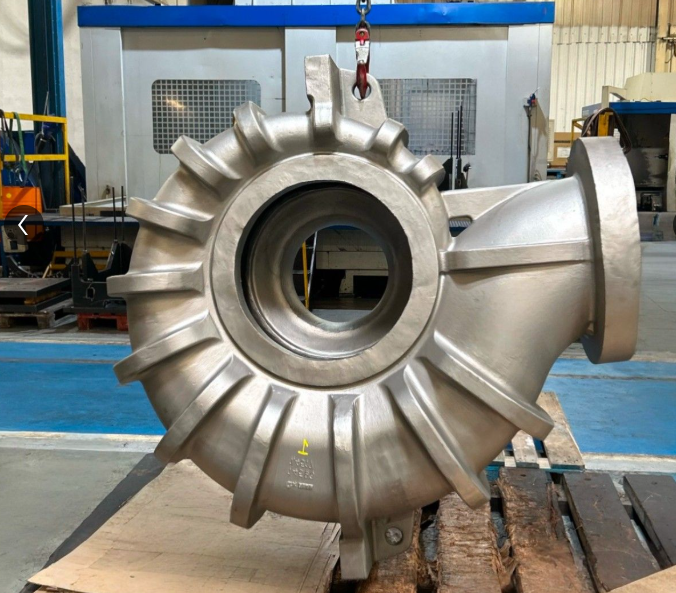
Let’s be honest: a raw casting is almost never “production ready” the moment it leaves the mold. While casting is excellent for creating complex internal geometries and near-net shapes, it rarely achieves the tight tolerances required for final assembly. You usually end up with parting lines, flash, or surfaces that just aren’t smooth enough for a seal. That is why we don’t just stop at the foundry floor.
Integrating CNC Machining Services
To get from a rough part to a precision component, you need secondary operations. We integrate CNC machining services directly into our workflow. Instead of treating machining as an afterthought, we plan for it during the casting design phase. This allows us to hold critical dimensions to strict specifications that casting alone simply cannot hit. Whether it’s facing, drilling, or complex 5-axis work, machining turns a metal shape into a functional engineering component.
Surface Finishing and Treatment
Once the dimensions are locked in, the part needs to survive its environment. We offer comprehensive surface treatment services to enhance durability and aesthetics. This includes:
- Plating: For corrosion resistance and conductivity.
- Powder Coating: For a durable, attractive finish.
- Polishing & Anodizing: For wear resistance and visual appeal.
The Logistics Nightmare vs. Turnkey Solutions
Sourcing industrial parts often turns into a logistics nightmare. You might have one vendor for casting, another for machining, and a third for finishing. If something goes wrong, the finger-pointing begins. We eliminate that risk. By operating as a comprehensive metal casting factory for precision components, we provide turnkey manufacturing solutions. We handle the entire lifecycle—from the initial melt to the final coated part—under one quality management system. This reduces lead times, cuts shipping costs, and ensures that the Batesville products you receive are ready for the assembly line immediately.
FAQ: Common Questions About Sourcing Industrial Castings
What is the main difference between Batesville Products Inc. capabilities and investment casting?
Batesville Products Inc. is widely recognized for permanent mold casting, a process ideal for simpler geometries in non-ferrous metals like aluminum. However, when your design requires intricate details, thin walls, or complex undercuts that a reusable metal mold cannot release, investment casting becomes the superior choice. Our investment cast part guide explains how this “lost wax” method allows for greater design freedom and tighter tolerances compared to the restrictions often found in permanent mold processes.
Can permanent mold casting handle stainless steel or titanium?
Generally, no. Permanent mold casting utilizes metal molds that would melt or degrade rapidly under the extreme temperatures required to pour ferrous metals. If your application demands the corrosion resistance of stainless steel or the strength-to-weight ratio found in our industrial guide to titanium, you must use investment casting or sand casting. These methods utilize ceramic or sand molds that can withstand the high heat required for superalloys and steel.
What are the typical lead times for custom aluminum alloys?
Lead times fluctuate based on the complexity of the tooling and the finishing requirements.
- Rapid Prototyping: We can often turn around prototype parts in a few weeks using specialized CNC techniques or rapid tooling.
- Production Tooling: Creating hard tooling for die casting or permanent molds typically takes 4-8 weeks.
- Finishing: Adding surface treatments like powder coating or anodizing will add additional time to the final delivery.
How do I choose between die casting and permanent mold for my project?
The decision usually comes down to volume and wall thickness.
- High-Pressure Die Casting: Best for massive production runs (10,000+ parts) and very thin walls. It offers the lowest price per piece but has high upfront tooling costs.
- Permanent Mold: A middle-ground solution. It offers better structural integrity than die casting and is cost-effective for medium volumes, but it cannot achieve the same thin walls or complex coring as investment casting.