Discover expert insights on CNC turning processes, materials, tolerances, and how to choose reliable precision turning services in 2025.
CNC Turning Explained: Definition and Core Principles
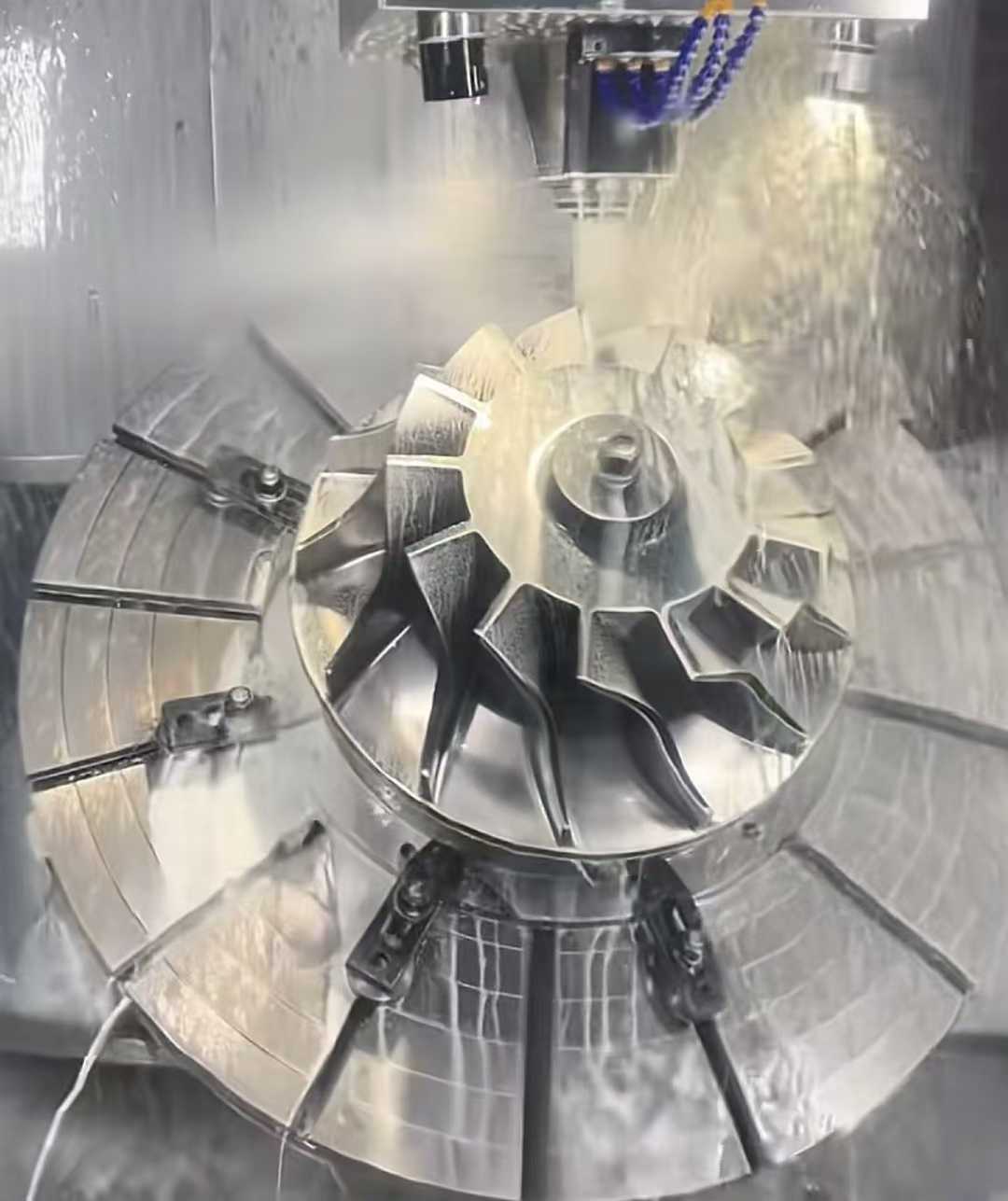
CNC turning is a computer-controlled machining process where a cutting tool removes material from a rotating workpiece to create precise, symmetrical parts. Unlike milling, which uses rotating tools to cut a stationary workpiece, turning spins the material while the tool moves along defined axes. This process is ideal for producing cylindrical shapes like shafts, bushings, and threaded components with tight tolerances and smooth finishes.
Brief History: From Manual Lathes to CNC Turning Centers
Turning began with manual lathes—simple, hand-operated machines dating back centuries. Skilled machinists controlled cutting tools and rotation speed by hand, limiting precision and repeatability. The invention of numeric control (NC) in the mid-20th century introduced automation through punched tape, evolving into modern computer numerical control (CNC). CNC turning centers now enable complex, high-volume production with minimal human intervention.
How CNC Turning Centers Differ from Manual Lathes
Modern CNC turning centers offer significant advantages over manual lathes:
- Automation: Pre-programmed tool paths run without continuous operator input, reducing errors.
- Precision: CNC controls allow accuracies often within ±0.0002 inches (±0.005 mm).
- Multiple Axes: Beyond basic 2-axis movement, many CNC lathes feature live tooling and additional axes like the C-axis or Y-axis for complex operations.
- Repeatability: Identical parts can be produced consistently, essential for production runs.
- Integration: Bar feeders and sub-spindles enable unmanned, continuous machining of long bars or multiple operations in one setup.
For your project, choosing a CNC turning center means reliable precision and efficiency far beyond what manual lathes deliver.
How the CNC Turning Process Works
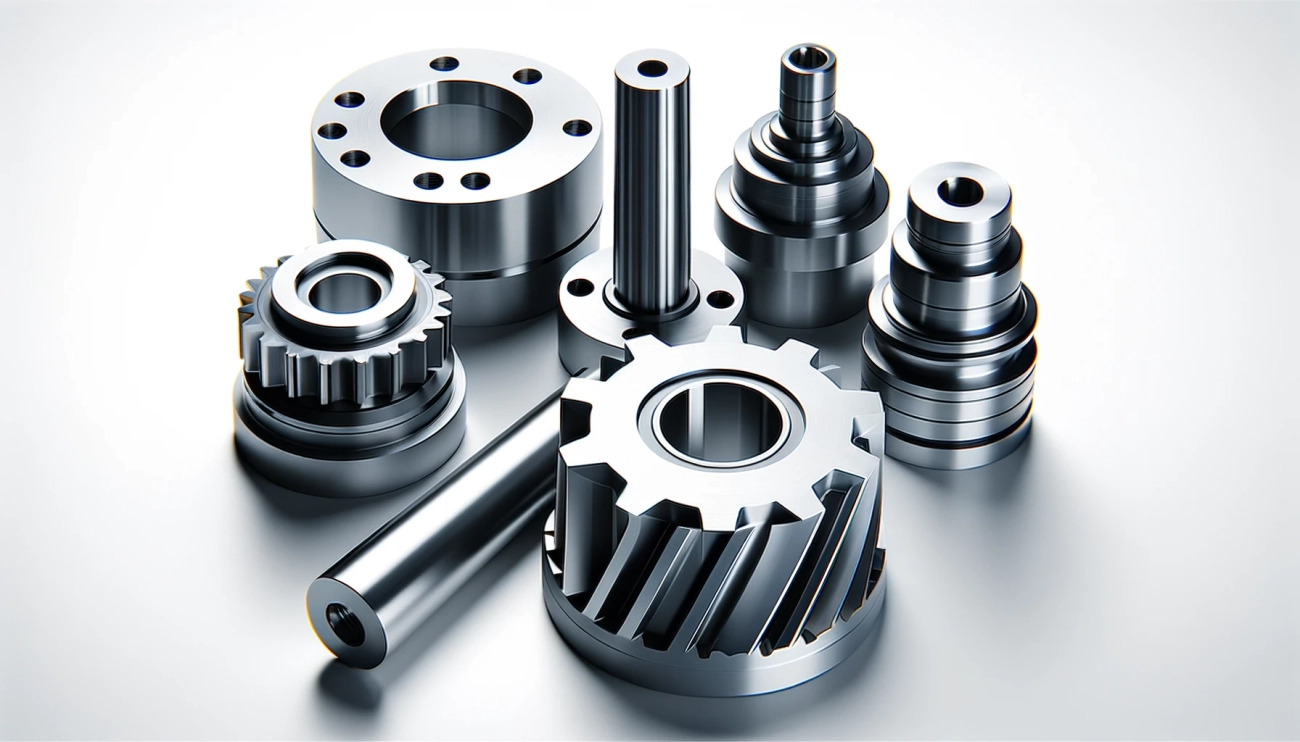
CNC turning starts with securing your workpiece using workholding devices like chucks, collets, or custom fixtures. These ensure the part stays put and spins smoothly during machining.
Next up is the tooling stage. The CNC lathe uses various cutting tools depending on the job:
- Turning for shaping the outside diameter
- Boring to machine the inside diameter or holes
- Facing to create flat surfaces
- Threading for screw threads
- Grooving to cut channels or recesses
- Parting to cut off finished parts
Modern CNC turning centers operate on different axes:
- 2-axis machines handle basic X (radial) and Z (axial) movements, covering most standard turning tasks.
- 3-axis or multi-axis machines add Y-axis movements and live tooling like the C-axis, which lets the tool rotate and perform milling or drilling while the part spins.
This multi-axis capability lets you complete more complex parts in one setup without transferring between machines.
For high-volume production, sub-spindles and bar feeders come into play. The sub-spindle lets the machine grip the part on the opposite end, enabling simultaneous operations on both sides or easy part unloading. Bar feeders continuously supply raw bar stock to the machine, minimizing downtime and maximizing throughput.
This step-by-step CNC turning process delivers precise, repeatable results for your turned metal components, whether you need prototype turning or full production CNC turning runs.
Types of CNC Turning Centers

When it comes to CNC turning centers, you’ll mainly find horizontal and vertical turning lathes.
- Horizontal turning lathes are the most common. They spin the workpiece on a horizontal axis and are great for standard turned metal components, from simple shafts to complex parts. These machines are versatile and ideal for a wide range of industries.
- Vertical turning lathes (VTLs) hold the workpiece vertically. They’re better for large, heavy parts and those with big diameters. VTLs offer easy loading and unloading, which helps speed up production.
Beyond the axis orientation, there are different types based on functionality:
- 2-axis lathes are straightforward machines, moving tools along the X and Z axes. Perfect for simple turning, facing, and boring operations on round parts.
- Swiss-type lathes are designed for very precise, small parts. They use a sliding headstock and guide bushing to hold thin, long bars steady during machining. This setup is ideal for high-volume production of tiny, precision turned parts like medical components or electronics.
- Multi-tasking turn-mill centers combine turning and milling in one machine. These centers often feature live tooling and multiple axes (including C-axis and Y-axis) so you can do complex machining — like drilling and milling — without moving the part to a separate machine. This reduces time and improves accuracy on complex parts.
When to choose each type?
- Pick a horizontal lathe for most general CNC turning jobs, especially if you’re machining medium to large batches of shafts, bushings, or collars.
- Use a vertical lathe for large-diameter, heavy parts or when space and loading ease are top priorities.
- Choose a Swiss-type lathe when working with tiny, precision parts or long, slender workpieces needing tight tolerances.
- Go for a multi-tasking turn-mill center if your parts require multiple operations (turning, milling, drilling) in one setup — this is common in aerospace, medical, and automotive parts.
With the right CNC turning center, you’ll get faster turnaround, better precision, and more consistent custom machined parts every time.
Key Advantages of CNC Turning
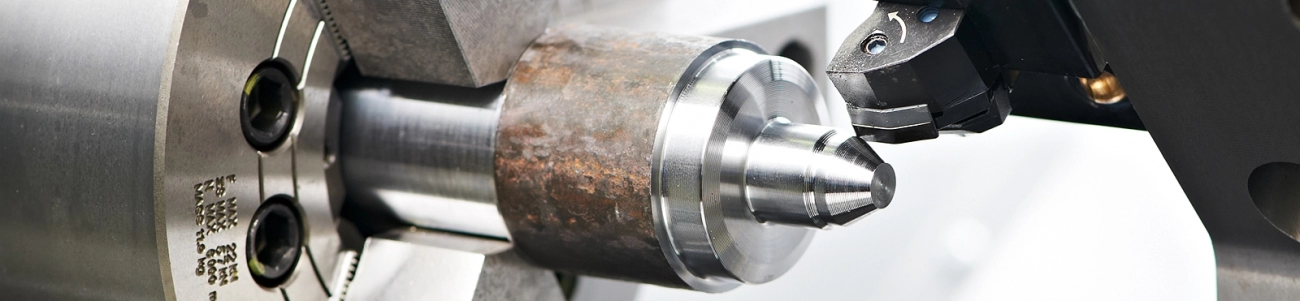
CNC turning offers exceptional precision, typically hitting tolerances as tight as ±0.0002″. This level of accuracy means your parts come out consistent every single time, crucial for industries where details matter.
You’ll also see high productivity with CNC turning. Automated cycles reduce manual labor, cutting costs and speeding up production without sacrificing quality. With less downtime and faster setups, it’s ideal for both prototype turning and full-scale production CNC turning runs.
One big plus is the ability to machine complex geometries in just one setup. Thanks to multi-axis CNC turning centers and live tooling lathes, you can handle turning, threading, grooving, and milling without moving your parts around. This cuts errors and saves time.
Finally, CNC turning delivers a superior surface finish—you’re looking at Ra 0.4 μm or better, perfect for applications needing smooth, precise finishes on aluminum, stainless steel, and more. This helps parts perform better and look polished right off the machine.
Common Materials Used in CNC Turning
When it comes to CNC turning, the choice of material plays a big role in getting the right part for your needs. Here’s a quick look at the most common materials we work with in the U.S.:
- Aluminum: 6061 and 7075 are popular for their strength-to-weight ratio and machinability. MIC6 is often used when flatness and stability are key.
- Stainless Steel: Grades like 303, 304, 316, and 17-4PH offer corrosion resistance and durability—perfect for medical, aerospace, and food industries.
- Carbon & Alloy Steels: These materials are great for parts that need extra strength and wear resistance.
- Brass & Copper: Used mainly for good electrical conductivity and ease of machining.
- Engineering Plastics: Materials like Delrin, PEEK, Nylon, and PTFE provide excellent chemical resistance and low friction in parts.
- Titanium and Inconel: These tough, high-performance metals are common in aerospace and oil & gas, where strength under extreme conditions is a must.
We make sure to match the material with your project’s demands—whether it’s prototype turning or high-volume production CNC turning—to get you precise, durable parts every time.
Tolerances, Finishes & Quality Standards in CNC Turning
When it comes to CNC turning, tight tolerances and excellent surface finishes are key to getting the job done right. Typical tolerances we hold range from ±0.005 mm to ±0.002 mm (±0.0002″ to ±0.00008″), which ensures your parts fit and function exactly as designed. This level of precision is critical for industries like aerospace and medical devices where every micron counts.
Surface finish is another important factor. We can achieve finishes as smooth as Ra 0.4 μm, giving parts a clean, professional look and optimal performance. Smooth finishes also help reduce wear and improve component life.
On the quality side, we operate under strict standards such as:
- ISO 9001 – for consistent quality management systems
- AS9100 – essential for aerospace manufacturing
- IATF 16949 – automotive industry quality compliance
These certifications guarantee that your CNC turned parts meet rigorous, internationally recognized standards. Whether you need one-off prototypes or production CNC turning runs, meeting these quality benchmarks gives you confidence in reliability and traceability throughout the process.
CNC Turning vs CNC Milling: When to Choose Which Process
Choosing between CNC turning and CNC milling depends on the part design, volume, and precision needs. Here’s a simple guide to help you decide:
| Factor | CNC Turning | CNC Milling |
|---|---|---|
| Best for | Round or cylindrical parts | Flat, irregular, or complex 3D shapes |
| Typical parts | Shafts, bushings, pins, threaded rods | Brackets, housings, molds, plates |
| Process | Material spins; cutting tool moves | Material fixed; cutting tool moves |
| Precision | High for diameter and concentric features | High for flatness and complex contours |
| Part setup | Usually one setup for full part | May require multiple setups |
| Speed | Faster for round parts and high volumes | Slower for complex shapes, lower volumes |
| Complexity | Limited to turning, grooving, threading | Can perform drilling, tapping, contouring holes |
| Material waste | Minimal due to efficient cutting | Can produce more chips with complex shapes |
When to choose CNC turning:
- You need precise, round or cylindrical parts like shafts or pins.
- Jobs require high volume runs with minimal setups.
- Tight dimensional tolerances on diameters are critical.
- You want cost-effective machining for simple shapes.
When to choose CNC milling:
- Parts have flat surfaces, complex contours, or pockets.
- You need multiple features like holes, slots, and angled cuts.
- Low to medium volume with more intricate geometries.
- You want to combine drilling, tapping, and contouring in one process.
In many cases, manufacturers use both processes together for complex parts—starting with turning, then finishing with milling. Knowing these basics helps you pick the best CNC lathe machining or milling service for your custom machined parts.
Industries That Rely Heavily on CNC Turning
CNC turning plays a huge role across many industries in the U.S., thanks to its precision and efficiency. Here are some sectors that depend heavily on CNC turning services for their critical components:
- Aerospace: Precision turned metal components are essential for engines, landing gear, and structural parts where tight tolerances and reliability matter.
- Medical Devices: From surgical instruments to implants, CNC lathe machining delivers the accuracy and surface finish needed for safe, high-quality products.
- Automotive: Production CNC turning creates custom machined parts for engines, transmissions, and suspension systems, supporting both prototypes and mass production.
- Oil & Gas: Rugged, corrosion-resistant parts machined from stainless steel or alloys ensure equipment performs under extreme conditions.
- Robotics: Complex geometries and multi-axis machining are used to produce the small, precise turned components for robotic arms and sensors.
- Firearms: CNC turning enables tight tolerances and consistent quality for barrels, bolts, and other vital firearm parts.
- Optics: High-precision turning is critical for components in optical devices, ensuring exact dimensions and surface finishes are maintained.
These industries rely on CNC turning not only for precision but also for the repeatability and volume needed to keep up with demand. Our U.S.-based CNC turning centers focus on these markets to deliver reliable, on-time parts that meet strict standards every time.
Cost Drivers in CNC Turning Projects (2025 Pricing Insights)
When budgeting for CNC turning projects in 2025, several key factors influence the final cost. Understanding these will help you make smarter decisions and get the best value from your CNC turning services.
Main Cost Drivers:
- Material SelectionDifferent metals and plastics vary widely in cost and machinability. Aluminum CNC turning is generally more affordable than stainless steel or exotic alloys like Inconel and titanium. Harder materials increase tool wear and cycle times, pushing up costs.
- Part ComplexityMore complex geometries require longer programming and machining times. Features like threading, grooving, or live tooling add to production time and setup, which impacts the price.
- Batch SizeSmall prototype turning jobs cost more per part compared to large production CNC turning runs due to setup and programming overhead. Bulk orders reduce per-piece prices significantly.
- Tolerance RequirementsTight CNC turning tolerances (like ±0.0002″) demand more precise equipment, extra quality checks, and often slower machining speeds—all increasing cost.
- Secondary OperationsAdditional steps such as heat treating, surface finishing, or assembly add time and expense. Choosing a CNC turning partner offering in-house secondary operations can reduce lead times and lower overall project costs.
- Opt for standard materials when possible
- Keep part design simple to save machining time
- Plan batch sizes to balance unit price and lead times
- Set realistic tolerances to avoid unnecessary cost hikes
- Bundle secondary operations with machining for better pricing
By focusing on these areas, you’ll get accurate pricing for your custom machined parts without surprises. At Vastmaterial, we provide clear, upfront quotes reflecting these cost drivers to keep your CNC turning projects on budget.
How to Select the Right CNC Turning Partner – 8 Critical Criteria
Choosing the right CNC turning partner can make or break your project. Here are 8 key factors to consider:
1. Machining Capabilities & Machine List
Make sure they have the right CNC turning centers, including Swiss-type lathes or live tooling machines, to handle your part complexity and material. Check if they offer bar feed turning or multi-axis options.
2. Quality Systems & Traceability
Look for ISO 9001, AS9100, or IATF 16949 certifications. Proper documentation and traceability ensure consistent quality, especially for aerospace or medical parts.
3. Lead Time & On-Time Delivery Record
Reliable partners meet deadlines. Ask about their average lead times and on-time delivery rates. This is critical when you’re scaling production or need quick prototype turning.
4. Engineering Support & DFM Feedback
A good partner offers design-for-manufacturing (DFM) advice to optimize your parts for cost and efficiency. They should collaborate early to catch issues before production.
5. Location & Logistics
Choosing a partner near you, whether in the U.S. or EU, cuts shipping time and costs. Near-shoring trends help simplify logistics and improve communication.
6. Customer References & Reviews
Check reviews or ask for references. Knowing how they’ve handled past projects, especially in industries like automotive or oil & gas, gives you confidence in their services.
7. Flexibility & Volume Handling
Whether you need prototype turning or production CNC turning, ensure your partner can scale up or down without sacrificing quality.
8. Pricing Transparency
Clear quotes with breakdowns help you manage budgets. Avoid surprises by confirming what’s included—material costs, secondary operations, and tooling fees.
By focusing on these eight points, you’ll find a CNC turning service that fits your project’s demands and delivers precision turned parts you can trust.
Vastmaterial CNC Turning Capabilities (2025 Update)
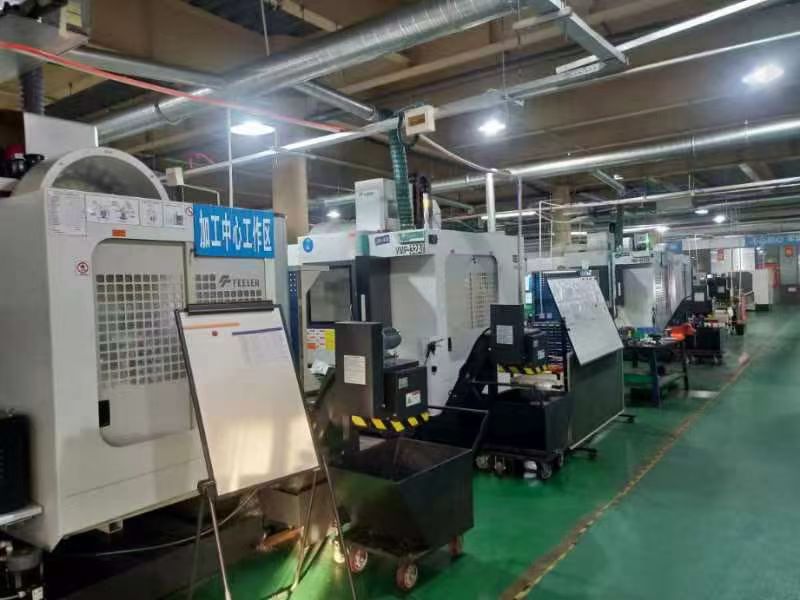
At Vastmaterial, our CNC turning services are built to meet the diverse needs of U.S. manufacturers, from prototypes to full production runs. Our machine park features top brands like Citizen, Doosan, Haas, and DMG MORI, giving us the flexibility to handle a wide range of turned metal components with precision and speed.
What We Offer:
- Max part size: We can turn diameters up to 12 inches and lengths up to 20 inches, covering most standard and complex applications.
- Machine types: Our lineup includes Swiss CNC turning centers for intricate, small parts, live tooling lathes for multi-axis jobs, and bar feed turning systems for high-volume production.
- In-house secondary work: We handle milling, drilling, tapping, and custom finishing like anodizing or plating, all under one roof for faster turnaround.
- Quick DFM support: Need design feedback? We provide free Design for Manufacturing (DFM) analysis to optimize your parts for cost and function.
- Fast quoting: Get accurate quotes within 24–48 hours to keep your project moving smoothly.
Real Parts, Real Results:
See our case studies and gallery showcasing precision turned parts for aerospace, medical, automotive, and more. We pride ourselves on delivering consistent quality with tight CNC turning tolerances and excellent surface finishes.
Whether you need aluminum CNC turning or stainless steel turning, Vastmaterial is your trusted partner for custom machined parts in the U.S. Reach out today to discuss your next project!
Frequently Asked Questions about CNC Turning
What is the difference between turning and boring?
Turning is the process of rotating the workpiece against a cutting tool to create cylindrical shapes, while boring enlarges or finishes an existing hole inside a part. Both use CNC lathes but serve different purposes.
Can you turn square or hexagonal bar stock?
Yes, CNC turning can handle square or hexagonal bar stock. Special tooling and programming allow shaping these profiles accurately or turning them down to round features when needed.
What file formats do you accept?
We typically accept standard CAD files like STEP, IGES, and Parasolid. These formats work best for programming CNC turning centers and help speed up quoting and production.
Is there a minimum order quantity for CNC turning?
Most CNC turning shops, including us, accommodate both prototype turning and production CNC turning. Minimum order sizes vary but we often handle single prototypes up to large-volume batch runs, making us flexible for custom machined parts.
Have more questions about CNC lathe machining or precision turned parts? Reach out any time—we’re here to help with your turned metal components needs.