
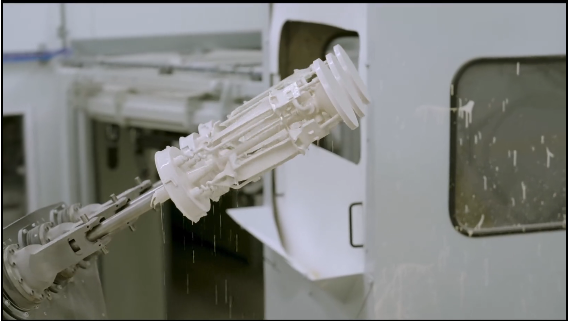
You already know that achieving zero-defect manufacturing is the ultimate goal for any modern foundry…
But how do you actually get there?
It isn’t just about the furnace; it’s about mastering casting technology through precise flow control and advanced materials.
In this guide, we’re cutting through the noise to focus on what really matters: optimizing foundry yield, eliminating inclusions, and selecting the right filtration systems.
Whether you are casting iron, steel, or aluminum, the difference between a profitable pour and a scrap pile often comes down to your consumables.
Let’s dive into the solutions.
Core Casting Processes & Their Technological Challenges
Modern casting technology is about more than just melting and pouring; it is a rigorous science of defect prevention. Every foundry process faces unique enemies—from loose sand inclusions to trapped hydrogen gas. To produce high-performance components, we have to match the specific metallurgical challenge with the right filtration and purification solutions.
Sand Casting: Stopping Inclusions at the Gate
Sand casting remains the backbone of heavy industry, but the process is inherently prone to sand wash and slag inclusions. To combat this, we rely on high-strength Ceramic Foam Filters (CFF) designed to withstand the physical weight and thermal shock of large pours.
- Silicon Carbide (SiC) Filters: The standard for gray and ductile iron. With temperature resistance up to 1500°C, these filters effectively trap non-metallic inclusions without blocking flow.
- Zirconia Filters: Essential for steel casting technology. When temperatures soar to 1700°C, Zirconia provides the chemical stability needed to prevent filter failure and ensure a clean casting.
Investment Casting: The Pursuit of Surface Perfection
In investment casting, surface finish and dimensional accuracy are non-negotiable. Here, the casting technology shifts focus from bulk filtration to microscopic precision. We utilize high-pore-density filters to ensure that even the smallest impurities are captured.
- High PPI (Pores Per Inch): We typically employ 30 to 60 PPI filters. This fine mesh structure catches minute particles that would otherwise mar the surface.
- Laminar Flow: By smoothing out the metal flow, these filters prevent mold erosion, preserving the intricate details of the wax pattern.
Aluminum Die & Gravity Casting: Eliminating Porosity
Aluminum alloys present a different set of headaches, primarily hydrogen porosity and oxide film formation. Solving these issues requires active melt treatment before and during the pour.
- Degassing Rotors: We use specialized graphite rotors to inject inert gas into the melt. This mechanical agitation removes dissolved hydrogen, significantly reducing gas porosity in the final part.
- Fiberglass Mesh Filtration: For gravity casting, high-temperature fiberglass mesh is a cost-effective solution. It effectively skims off dross and large oxides, ensuring that only clean aluminum enters the mold cavity.
The “Hidden” Technology: Filtration and Flow Control
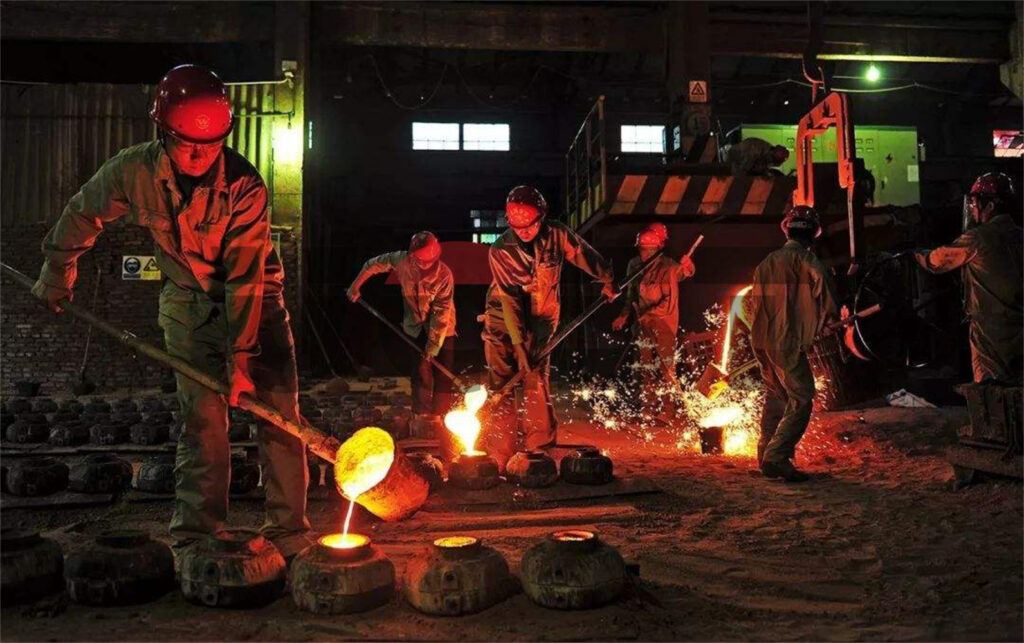
In the foundry business, what happens inside the mold is just as critical as the melt itself. We often see that the difference between a premium component and a scrap part comes down to how the molten metal behaves as it enters the cavity. Modern casting technology relies heavily on advanced filtration systems not just to screen out debris, but to fundamentally change the physics of the pour.
The Physics of Flow: Converting Turbulent Flow to Laminar Flow
When molten metal is poured into a mold, it naturally wants to be turbulent. This splashing and swirling traps air and creates oxides, which are the enemies of a clean casting. Our primary goal with molten metal filtration systems is laminar flow reduction. By forcing the metal through a precise ceramic structure, we convert that chaotic, turbulent energy into a smooth, streamlined flow.
This rectification prevents the metal from re-oxidizing once it enters the mold. A smooth fill means less erosion of the sand mold and fewer entrapped gas pockets. It is a simple concept, but it requires precise engineering to balance flow rate with flow control.
Material Science in Filtration: SiC, Zirconia, and Alumina
You cannot use a “one-size-fits-all” approach when dealing with extreme temperatures. The chemical stability of the filter material must match the alloy being poured. Selecting the right filter material is just as critical as understanding the properties of different casting alloys to ensure the melt doesn’t react with the filter.
- Silicon Carbide (SiC) Filters: These are the workhorses for iron and copper alloys. With temperature resistance up to 1500°C, SiC filters withstand the thermal shock of gray and ductile iron casting without breaking down.
- Zirconia Ceramic Filters: For steel applications where temperatures soar up to 1700°C, Zirconia is the only viable option. It maintains structural integrity under extreme heat and resists corrosion from aggressive steel chemistries.
- Alumina Filters: These are specifically engineered for aluminum casting, handling the lower temperature range while effectively capturing oxide films.
Honeycomb vs. Foam: Strength vs. Efficiency
In technology casting discussions, we often compare extruded honeycomb filters against Ceramic Foam Filters (CFF). Both have their place on the foundry floor, but they function differently.
- Extruded Honeycomb: These feature straight, parallel channels. They offer high mechanical strength and are excellent for very large pours where flow rate is the priority. However, because the channels are straight, some smaller particles might pass through.
- Ceramic Foam Filters (CFF): These utilize a reticulated, open-pore structure (ranging from 10 PPI to 60 PPI). The internal path is tortuous, meaning the metal has to twist and turn to get through. This “deep filtration” mechanism is superior for non-metallic inclusion removal, as it physically traps micron-sized particles inside the ceramic matrix.
For high-specification parts where surface finish and internal integrity are non-negotiable, the deep filtration capability of foam is usually the preferred choice.
Thermal Management: Mastering Solidification
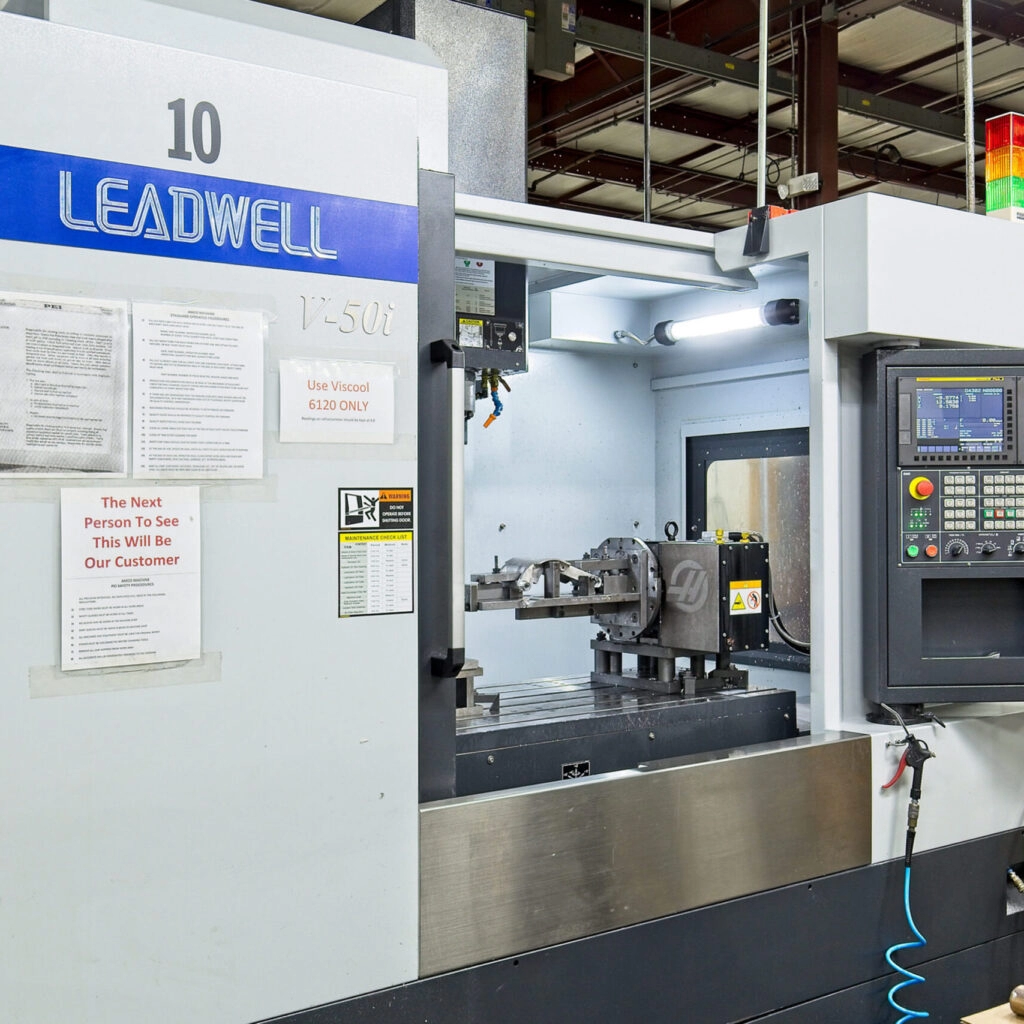
Understanding Shrinkage in Metal Casting
When molten metal transitions from liquid to solid, volume contraction is inevitable. This shrinkage is a fundamental challenge in casting technology because it directly compromises structural integrity. If the solidification process isn’t controlled, the metal pulls apart, creating internal voids, porosity, or “pipe” defects within the critical sections of the part. We approach this not just as a material issue, but as a thermal engineering problem. The goal is to manipulate the thermal gradient so that the casting solidifies first, drawing liquid metal from a reservoir (the riser) to fill any voids that form.
Exothermic vs. Insulating Riser Sleeves
To ensure the riser remains liquid longer than the casting itself, we utilize specialized high-temperature refractory materials in our sleeve designs. The choice between exothermic and insulating technology depends on the specific alloy and modulus of the casting.
- Exothermic Riser Sleeves: These sleeves contain materials that ignite upon contact with molten metal, generating intense heat (up to 1600°C-1700°C depending on the mix). This active heating feeds the casting effectively, making them essential for steel and iron alloys where rapid cooling is a risk.
- Insulating Riser Sleeves: Instead of generating heat, these sleeves act as a high-efficiency thermal barrier. They prevent heat loss to the surrounding sand, keeping the metal molten for an extended period. This is often sufficient for non-ferrous applications or specific iron grades where casting shrinkage prevention needs to be balanced with cost.
Yield Optimization Strategies
The efficiency of a foundry is often measured by its yield—the ratio of finished casting weight to the total poured weight. Traditional sand risers are inefficient; they cool quickly, requiring a large volume of feed metal to work. By implementing high-efficiency riser sleeves, we allow foundries to significantly reduce the size of the riser without sacrificing feed performance.
This shift leads to direct foundry yield optimization. A smaller riser means:
- More Parts Per Heat: You waste less metal on the gating system.
- Reduced Machining: Smaller contact areas mean less cutting and grinding to remove the riser.
- Energy Savings: Less scrap metal needs to be remelted.
For facilities focused on high-quality outputs, such as complex precision casting services, optimizing yield is critical to maintaining profitability while ensuring defect-free components.
Melt Treatment Technology: Purity Before Pouring
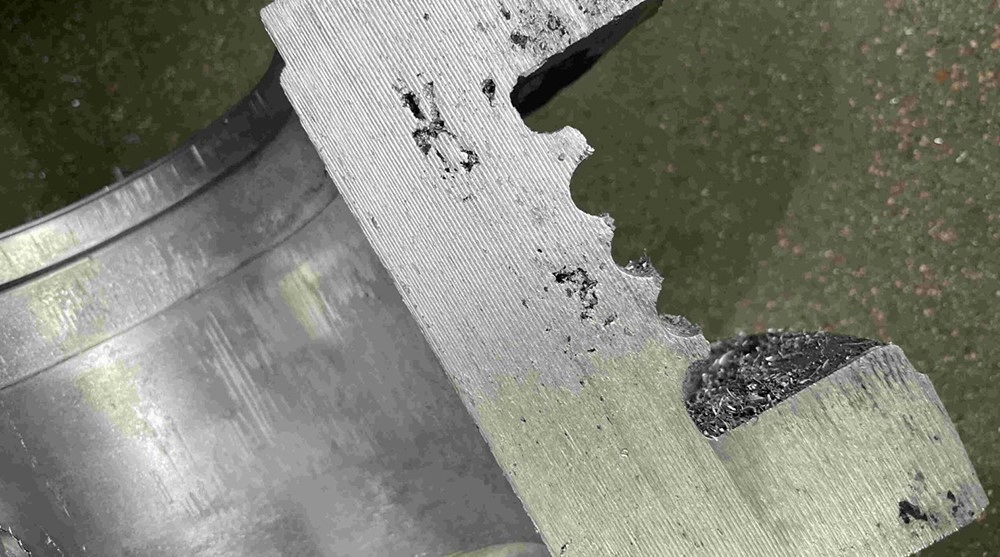
Real casting technology isn’t just about the mold; it starts in the furnace. If the molten metal isn’t clean before the pour, even the best filter system won’t save the casting. We focus heavily on melt treatment to ensure that the liquid metal entering the mold is free from gas and oxides, which is the baseline for high-performance metallurgy.
Degassing Systems: Removing Hydrogen with Graphite Rotors
Gas porosity, particularly hydrogen bubbles, is a nightmare for structural integrity. This is critical when dealing with sensitive materials. For instance, in aluminum alloy casting solutions, hydrogen solubility changes drastically during solidification, leading to pinholes.
To combat this, we utilize advanced degassing rotor technology.
- Graphite Rotors: These submerge into the melt and spin to inject inert gas (like nitrogen or argon).
- Bubble Dispersion: The spinning action breaks the gas into fine bubbles, which collect hydrogen as they rise to the surface.
- Result: A denser, gas-free casting with superior mechanical properties.
Ensuring the purity of aluminum alloy melts through proper degassing is essential for preventing defects that are invisible until machining.
Slag and Dross Removal
Beyond gas, we have to deal with solid impurities. Oxides, slag, and dross naturally form on the surface of the melt. If these get trapped in the flow, they create weak points in the final product.
We tackle non-metallic inclusion removal directly in the ladle using specialized chemical agents:
- Covering Fluxes: These create a barrier on the surface to prevent further oxidation from the atmosphere.
- Slag Coagulants: These agents bind scattered slag and dross into large, cohesive clumps.
By making the slag “sticky” and solid, it becomes easy to skim off entirely before pouring. This step ensures that only clean metal enters the runner system, protecting the integrity of the casting technology downstream.
Industry 4.0: The Future of Casting Technology
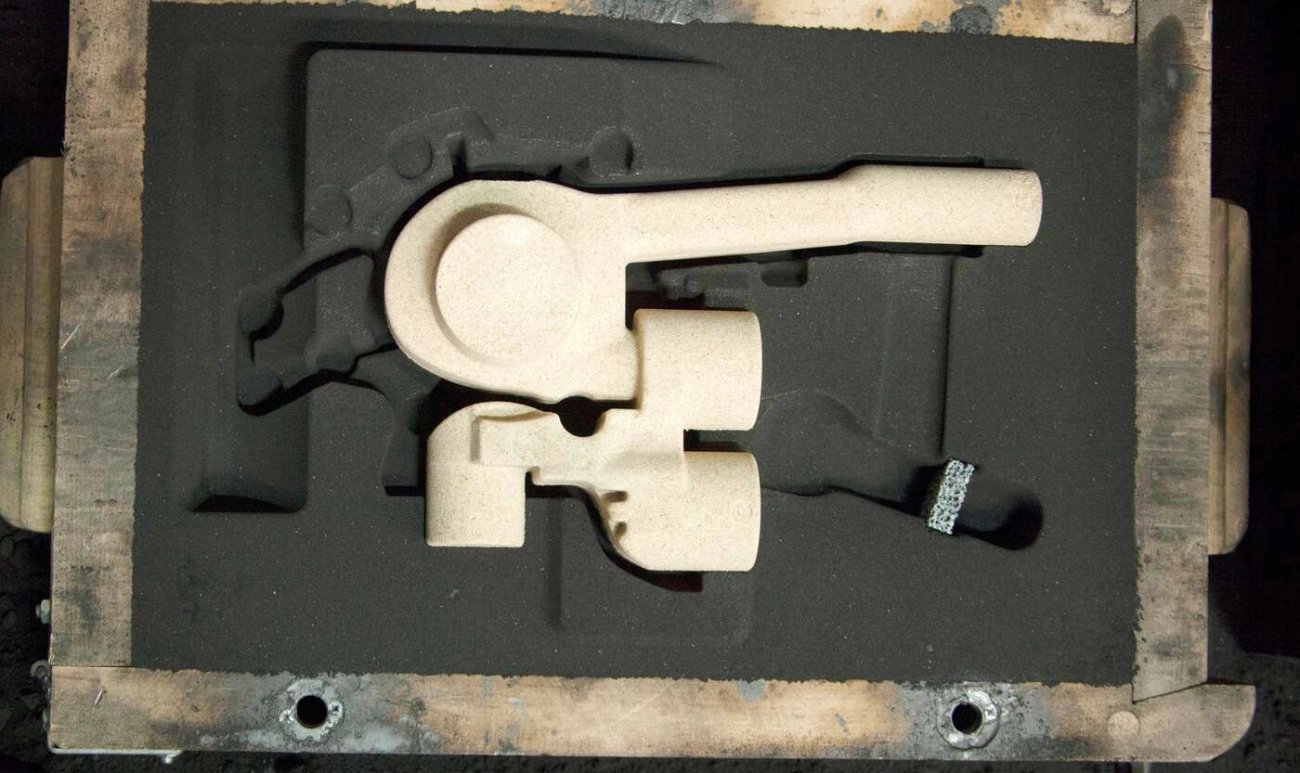
The foundry floor is changing rapidly. We aren’t just relying on centuries-old techniques anymore; we are integrating real-time data into every step of the process. Casting technology has evolved from simple pouring to complex, interconnected systems where digital twins and automation drive efficiency. This shift towards Industry 4.0 is necessary to meet the tight tolerances and high volumes the US market demands.
Data-Driven Casting: Predicting Defects
Before a single drop of metal is poured, we know exactly how it will behave. Modern simulation software allows us to model fluid dynamics and solidification patterns in a virtual environment. This predictive capability is a game-changer for metallurgical quality control.
- Virtual Modeling: We can identify potential hot spots, turbulence, and shrinkage porosity digitally.
- Flow Optimization: Simulation helps tweak gate locations and filter placement to ensure smooth laminar flow.
- Scrap Reduction: By fixing errors on a screen rather than on the floor, we avoid expensive rework, directly contributing to foundry yield optimization.
Consumables in Automation
As foundries move toward fully automated pouring and finishing lines, the consistency of consumables becomes critical. Robots do not improvise. If a filter or riser sleeve varies in dimension by even a fraction of an inch, it can jam a robotic arm or cause a placement error.
For automated lines, specifically those utilizing precision casting foundry capabilities for high-precision investment castings, we ensure that every ceramic foam filter and exothermic sleeve is manufactured to exact geometric standards. This precision ensures that technology casting solutions integrate seamlessly with robotic handlers, keeping production lines running without downtime.
Frequently Asked Questions About Casting Technology
We encounter specific technical questions daily regarding how to optimize the foundry process. Here are the answers to the most common inquiries we receive about modern casting technology and material selection.
How do ceramic foam filters (CFF) improve foundry yield?
Ceramic foam filters (CFF) are critical for boosting yield by tackling the two main causes of scrap: inclusions and turbulence.
- Physical Filtration: The complex 3D structure (ranging from 10 to 60 PPI) mechanically traps slag, dross, and non-metallic inclusions that would otherwise end up in the final part.
- Flow Control: By converting turbulent metal flow into a smooth, laminar flow, the filter prevents the re-oxidation of the metal and mold erosion.
This dual action significantly reduces the rejection rate, meaning you get more sellable tons per pour.
What is the difference between exothermic and insulating riser sleeves?
While both technologies aim to prevent shrinkage defects by keeping the feeder metal molten, they work differently:
- Exothermic Sleeves: These contain materials that ignite upon contact with molten metal, actively generating heat (exothermic reaction) to delay solidification. They are ideal for metals requiring a high thermal gradient.
- Insulating Sleeves: These are made from low-thermal-conductivity materials that simply retain the heat already present in the metal.
Choosing the right sleeve depends on your specific alloy and modulus requirements to ensure the riser solidifies last.
Why is degassing essential for aluminum alloy casting?
Molten aluminum is highly susceptible to hydrogen absorption from moisture in the air. If this hydrogen isn’t removed before solidification, it precipitates out as gas porosity, ruining the mechanical integrity and aluminum tensile strength.
We utilize degassing units equipped with graphite rotors to inject inert gas (like nitrogen or argon) into the melt. These bubbles capture the hydrogen and float it to the surface, ensuring a dense, porosity-free casting.
Which filter material is best for high-temperature steel casting?
For steel casting technology, temperature resistance is the deciding factor.
- Zirconia (ZrO2): This is the standard for steel. It withstands temperatures up to 1700°C and resists the aggressive chemical attack of molten steel.
- Silicon Carbide (SiC): While excellent for iron and copper (up to 1500°C), SiC cannot handle the extreme heat of steel.
Using the correct Zirconia filter ensures the structural integrity of stainless steel casting applications without filter failure during the pour.