

Decoding the Aristo-Cast Inc. Success Formula
Why this Almont MI foundry is the industry benchmark
When we look at the investment casting landscape, Aristo-Cast Inc. in Almont, MI, consistently stands out as a tier-one leader. Their reputation isn’t built on luck; it is built on an uncompromising dedication to precision and process control. For us at Dongguan Haoyu Material Technology, analyzing their success reveals a clear truth: superior castings start with superior base materials.
To achieve the award-winning detail associated with Aristo-Cast, foundries must prioritize:
- Dimensional Stability: Ensuring the wax pattern holds its shape perfectly before the shell is built.
- Surface Finish: Demanding smooth pattern surfaces to minimize post-cast machining.
- Process Consistency: Utilizing materials that perform identically in every batch.
The rise of magnesium investment casting capabilities
Magnesium is notoriously difficult to cast due to its high reactivity, yet it is essential for lightweight aerospace and automotive components. Successfully casting magnesium requires a mold that is completely free of contaminants.
We understand that the “secret” to this capability lies in the purity of the pattern wax. Our low ash content waxes (typically <0.03%) are engineered to address exactly this challenge. By ensuring a clean burnout with virtually no residue, we help foundries prevent the surface defects and inclusions that often plague magnesium casting. High-purity inputs are the only way to achieve the structural integrity required in these high-performance applications.
Breaking down rapid prototyping success stories
Rapid prototyping has shifted from a buzzword to a standard requirement. The ability to move from a digital design to a physical metal part in days relies heavily on the lost wax process adapting to modern speeds.
We see that success in this arena depends on two material factors:
- Flowability: Our specialized waxes are formulated with optimized viscosity to fill complex, 3D-printed master molds without air entrapment.
- Low Shrinkage: To replicate a prototype design accurately, the pattern wax must maintain strict dimensional tolerances during cooling.
By focusing on these material properties, we enable foundries to replicate the speed and precision that defines industry leaders like Aristo-Cast Inc.
The Hidden Foundation: Pattern Wax Selection
Achieving the award-winning precision associated with top-tier foundries like Aristo Cast Inc starts long before the metal is poured. It begins with the wax. As a material supplier, we know that the integrity of your final component is completely dependent on the quality of the initial pattern. If the wax fails, the casting fails.
Why Dimensional Stability Dictates Your Tolerances
In the world of investment casting, tight tolerances aren’t a suggestion; they are a requirement. Pattern wax dimensional stability is the primary factor controlling whether a part meets spec or ends up in the scrap pile. Our waxes are engineered to resist deformation during handling and storage, ensuring that the dimensions you inject are the dimensions you keep. This stability is crucial when aiming for precision CNC tight tolerances without excessive secondary machining.
The Critical Role of Low Ash Content
Impurities in the mold lead to inclusions in the metal. To replicate the high-definition results seen at facilities like Aristo Cast Inc, you need low ash content wax.
- Clean Burnout: Our formulas typically feature ash content below 0.03%.
- Defect Reduction: A clean mold cavity prevents surface pitting and inclusions.
- Surface Finish: Lower residue results in a smoother “as-cast” surface.
Tackling Complex Geometries with Soluble Wax
Modern aerospace and industrial designs often feature internal channels that are impossible to create with standard tooling. This is where soluble wax for casting becomes a game-changer. We use water-soluble waxes to form complex internal cavities. Once the pattern is assembled, these cores are simply washed away, leaving intricate hollows that mechanical cores cannot achieve.
Managing Linear Shrinkage Rates
Every wax shrinks as it cools, but unpredictable shrinkage is a nightmare for process engineers. We focus on consistent batch-to-batch viscosity and melting points to stabilize linear shrinkage rates. By controlling the expansion and contraction properties of our lost wax process materials, we help foundries maintain the exact scale required for their manufacturing process steps, ensuring the final metal part matches the original digital design perfectly.
Achieving Aristo-Class Shell Integrity
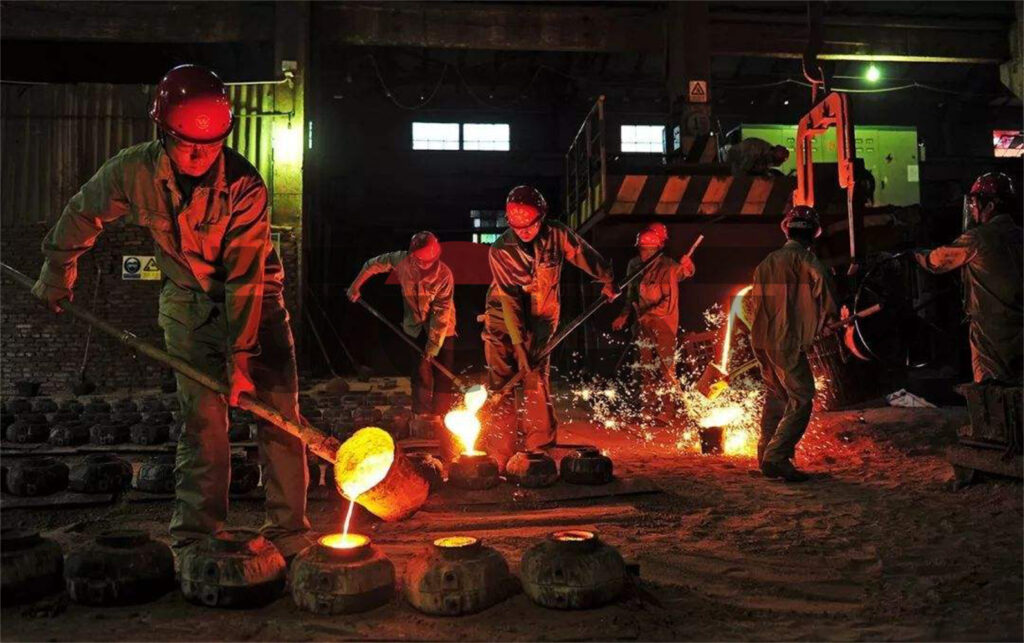
To rival the precision output of a top-tier facility like Aristo Cast Inc, the ceramic shell must be flawless. The mold is the negative image of your final product; if the shell fails, the metal fails. We focus heavily on the interaction between our pattern materials and the shell building process to ensure industrial-grade reliability.
The Power of Silica Sol Binder in Modern Foundries
In the world of high-precision investment casting, the Silica Sol binder system is the gold standard. Unlike older water glass methods, Silica Sol offers exceptional bond strength and refractoriness. This is critical when casting heavy industrial parts or complex high-temperature alloy components that require the mold to withstand extreme thermal shock without deforming. A robust binder system ensures that the dimensional stability established by the wax pattern is maintained right through to the solidification of the metal.
Ensuring Superior Surface Finish Quality
Surface finish quality is determined at the interface between the wax pattern and the primary slurry coat.
- Wetting Capability: The slurry must coat the wax pattern without beading or trapping air bubbles.
- Pattern Compatibility: Our waxes are formulated to be chemically inert, ensuring they do not react with the colloidal silica, which preserves the micro-details of the design.
- Smoothness: A high-gloss wax finish translates directly to a smoother ceramic face, reducing the need for post-cast grinding or polishing.
Preventing Shell Cracking During the Autoclave Process
The dewaxing stage is often where shell integrity is lost. If the pattern wax expands significantly before it melts, the internal pressure will crack the ceramic shell. To prevent shell cracking during the autoclave process, we supply pattern waxes with optimized thermal expansion coefficients. By controlling the melting point and expansion rate, the wax melts and drains comfortably before it exerts enough pressure to fracture the green shell, ensuring high yields even with delicate geometries.
Optimizing Slurry Viscosity for Detailed Molds
Consistency in the dipping tank is key. Optimizing slurry viscosity allows the ceramic material to flow into intricate undercuts and fine details, replicating the “Aristo-Cast” level of complexity.
- Too Thick: You lose fine detail and risk air entrapment.
- Too Thin: The shell may be too weak to hold the molten metal.
- The Balance: We recommend rigorous viscosity monitoring to ensure the shell builds up uniformly around the pattern, providing the necessary strength for casting metals like duplex stainless steel while maintaining the precision of the original design.
Integrating 3D Printing with Traditional Casting
We are witnessing a massive shift in foundry operations, where the lines between additive manufacturing and the age-old lost wax process are blurring. Industry leaders like Aristo Cast Inc have set a high bar by successfully merging these technologies. It isn’t just about replacing wax; it is about enhancing the entire workflow. By utilizing 3D printed casting patterns, we eliminate the need for expensive and time-consuming hard tooling. This hybrid approach allows us to move straight from a digital CAD file to a castable pattern in a matter of hours, rather than weeks.
Merging 3D Printed Patterns with the Lost Wax Process
The real advantage here is combining the geometric freedom of printing with the metallurgical integrity of investment casting. Whether you are pouring light alloys or require a robust stainless steel casting process for high-strength applications, the core principle remains effective. The printed pattern burns out cleanly—much like traditional wax—leaving a pristine cavity ready for molten metal. This method ensures that the final casting retains the exact specifications of the digital design without the limitations of injection molds.
Handling Complex Geometries in Aerospace Components
In demanding sectors like aerospace, design complexity often outpaces traditional manufacturing capabilities. We frequently encounter aerospace casting components featuring intricate internal cooling channels or thin walls that are nearly impossible to create with standard dies. 3D printing handles these complex geometries effortlessly. This capability is vital for rapid prototyping casting, allowing engineers to test functional metal parts that meet strict precision casting tolerances before committing to full-scale mass production.
Why Digital-to-Metal Workflows Win:
- Speed: Drastically reduces lead times from concept to physical metal.
- Design Freedom: Eliminates constraints like draft angles and parting lines.
- Cost Efficiency: Removes upfront tooling costs for low-volume runs.
- Agility: Allows for rapid iteration on design changes without scrapping expensive molds.
Troubleshooting and Material Consistency
Reducing Casting Defects Through Material Purity
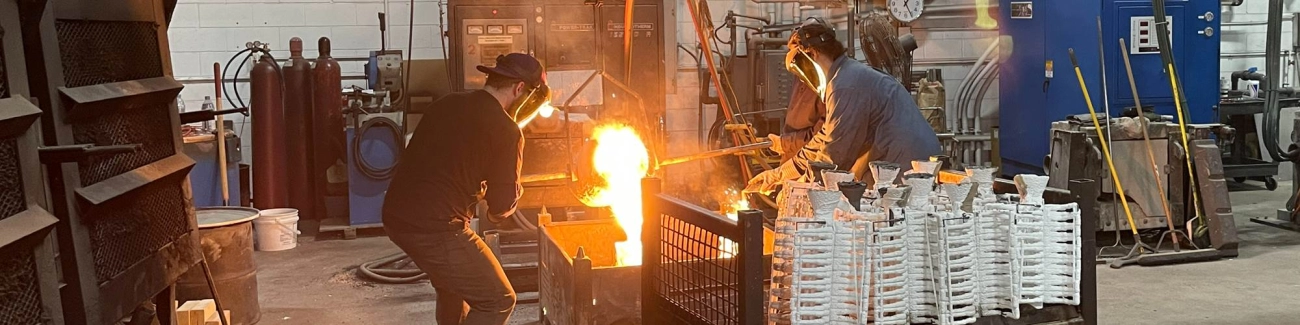
To achieve the award-winning quality standards associated with industry leaders like Aristo Cast Inc, you cannot compromise on the purity of your raw materials. Impurities in pattern wax are a primary cause of inclusions and surface pitting in the final metal part. We focus intensely on producing low ash content wax (typically <0.03%) to ensure the burnout process leaves the ceramic shell perfectly clean. This level of purity is non-negotiable for reducing casting defect reduction rates, especially when acting as a high-performance aluminum investment casting company for precision components where surface finish is everything.
The Importance of Batch Uniformity in Mass Production
In mass production, a surprise is the last thing any foundry manager wants. If the shrinkage rate of your wax shifts even slightly between shipments, your precision casting tolerances fall apart. We maintain strict batch uniformity through rigorous testing of needle penetration and softening points before any product leaves our facility. This consistency ensures that every injection cycle yields the exact same dimensions, significantly lowering the scrap rate and reducing the need for corrective machining services down the line.
Customizing Wax Melting Points for Your Climate
One size rarely fits all in the investment casting world. The ambient temperature of your shop floor affects how wax handles and sets. We offer the ability to customize wax melting points and viscosity to match your specific injection environment.
- High Ambient Temps: We formulate harder waxes to prevent deformation during handling.
- Complex Geometries: We adjust flowability to ensure the wax fills intricate details without premature freezing.
- Process Stability: Custom formulations help maintain dimensional stability regardless of external climate variations.
FAQ: Elevating Your Casting Capabilities
What makes Aristo-Cast Inc. a leader in investment casting?
Aristo-Cast Inc. has established itself as an industry benchmark in Almont, MI, by mastering difficult alloys and integrating advanced technologies like 3D printed patterns. Their leadership stems from an ability to handle complex geometries—specifically in magnesium investment casting—that other foundries avoid. Success at this level requires a rigorous adherence to process control, ensuring that every material input, from the pattern wax to the shell system, meets the highest standards of consistency and performance.
How does wax quality affect precision casting tolerances?
The wax pattern is the blueprint for your final metal component. If the wax expands or shrinks unpredictably due to poor thermal stability, the ceramic shell formed around it will be inaccurate. We engineer our pattern waxes with controlled linear shrinkage rates and specific hardness levels to ensure they hold their shape during handling and coating. This stability is the baseline requirement for implementing precision casting foundry solutions that achieve tight tolerances without excessive post-cast machining.
Why is silica sol preferred over other binders?
Silica sol is the preferred binder for high-performance casting because it creates a much stronger and more stable ceramic shell compared to water glass. It provides a superior surface finish and better refractoriness, which is essential for casting high-melting-point alloys. The robust nature of a silica sol shell prevents cracking during the dewaxing and firing stages, ensuring the mold integrity required for intricate industrial parts.
Can high-quality materials reduce overall scrap rates?
Yes, material purity is directly linked to yield rates. Low-quality waxes often leave behind ash or residue after burnout, leading to inclusions and surface defects in the metal. Our waxes are formulated with extremely low ash content (typically <0.03%) to ensure a clean burnout. Eliminating these contaminants is critical for reducing scrap, especially when producing aluminum investment castings where surface porosity can compromise the part’s mechanical properties.