
Are you struggling to find a cast aluminum foundry that can actually scale with your production needs?
Sourcing precision parts is complex. One wrong move with alloy selection or tolerance specifications can derail your entire manufacturing timeline.
In this guide, we’re cutting through the noise. You’ll learn the specific differences between sand casting, permanent mold, and die casting, and exactly how to vet a supplier for quality assurance and CNC machining capabilities.
If you want to secure reliable, high-performance components without the supply chain headaches, this post is for you.
Let’s dive in.
Common Aluminum Casting Processes Explained
Selecting the right manufacturing method is critical for balancing cost, precision, and lead time. As a professional cast aluminum foundry, we utilize distinct casting techniques tailored to specific project requirements, ranging from complex prototypes to high-volume industrial components. Understanding the differences between these methods ensures optimal results for your parts.
Sand Casting
Sand casting is the go-to method for large parts, low-volume runs, and complex geometries that require design flexibility.
- Best for: Heavy machinery parts, prototypes, and low-volume production.
- Pros: Low tooling costs and the ability to cast very large components.
- Cons: Rougher surface finish and wider dimensional tolerances compared to other methods.
Permanent Mold (Gravity) Casting
This process uses reusable metal molds, offering a significant upgrade in quality over sand casting.
- Best for: Medium-volume production requiring high structural integrity.
- Pros: Better surface finish, tighter tolerances, and improved mechanical properties due to faster cooling rates.
- Cons: Higher tooling costs than sand casting; limited to simpler geometries.
High-Pressure Die Casting
High pressure die casting is the standard for mass production. Molten aluminum is injected into steel molds at high velocity.
- Best for: Thin-walled, complex parts like automotive housings and consumer electronics.
- Pros: Extremely fast cycle times, excellent surface finish, and high dimensional accuracy.
- Cons: High initial tooling investment, making it cost-prohibitive for small runs.
Investment Casting
Often referred to as precision casting, this method produces near-net-shape parts with intricate details.
- Best for: Complex aerospace or medical components requiring minimal machining.
- Pros: Superior surface finish and the ability to cast intricate internal passages.
- Cons: Higher production cost per unit and longer cycle times.
Process Comparison Matrix
Here is a quick breakdown to help you evaluate which aluminum casting process fits your needs:
| Process | Volume Suitability | Tooling Cost | Surface Finish | Tolerance Precision |
|---|---|---|---|---|
| Sand Casting | Low / Prototype | Low | Rough | Low |
| Permanent Mold | Medium | Medium | Good | Medium |
| High-Pressure Die | High / Mass | High | Excellent | High |
| Investment Casting | Low to Medium | Medium | Superior | Very High |
Essential Aluminum Alloys for Casting
Selecting the right material is critical for the success of any project in a cast aluminum foundry. We work with a wide range of popular grades, including A356 (AlSi7Mg), A380, ADC12, A360, and 535 (Almag). Each alloy brings distinct advantages to the table, from the excellent fluidity of A380 for die casting to the superior corrosion resistance of 535 for marine applications. Understanding these differences allows us to engineer parts that meet exacting standards for durability and performance.
For a comprehensive breakdown of options, our casting alloy guide details how different grades perform across various casting methods.
The Power of A356-T6
One of the most versatile materials we utilize is the A356 aluminum alloy, particularly when treated to the T6 temper. The T6 heat treatment process significantly enhances the mechanical properties of the casting, boosting strength while maintaining good ductility. This makes it the standard choice for safety-critical components in automotive and aerospace sectors where failure is not an option.
You can view the specific A356-T6 aluminum alloy specifications to see how this grade delivers superior fatigue resistance and dimensional stability.
Key Mechanical Properties
When evaluating aluminum alloy properties, we focus on four primary metrics to ensure the material matches the application load:
| Property | Function | Benefit |
|---|---|---|
| Tensile Strength | Measures maximum stress before breaking. | Ensures structural integrity under heavy loads. |
| Yield Strength | The point where permanent deformation starts. | Prevents parts from bending out of shape. |
| Elongation | Indicates ductility (stretch before break). | Critical for parts absorbing impact or vibration. |
| Hardness | Resistance to surface indentation. | Improves wear resistance in moving parts. |
Factors Influencing Alloy Selection
Beyond raw strength, we consider several manufacturing and environmental factors to optimize production efficiency and part longevity:
- Corrosion Resistance: Essential for components exposed to harsh weather or chemicals.
- Machinability: High-speed CNC machining requires alloys that produce clean chips and smooth finishes.
- Weldability: Important for complex assemblies requiring post-cast joining.
- Application Requirements: Specific needs like thermal conductivity or pressure tightness often dictate the final choice.
Critical Capabilities to Evaluate in a Cast Aluminum Foundry
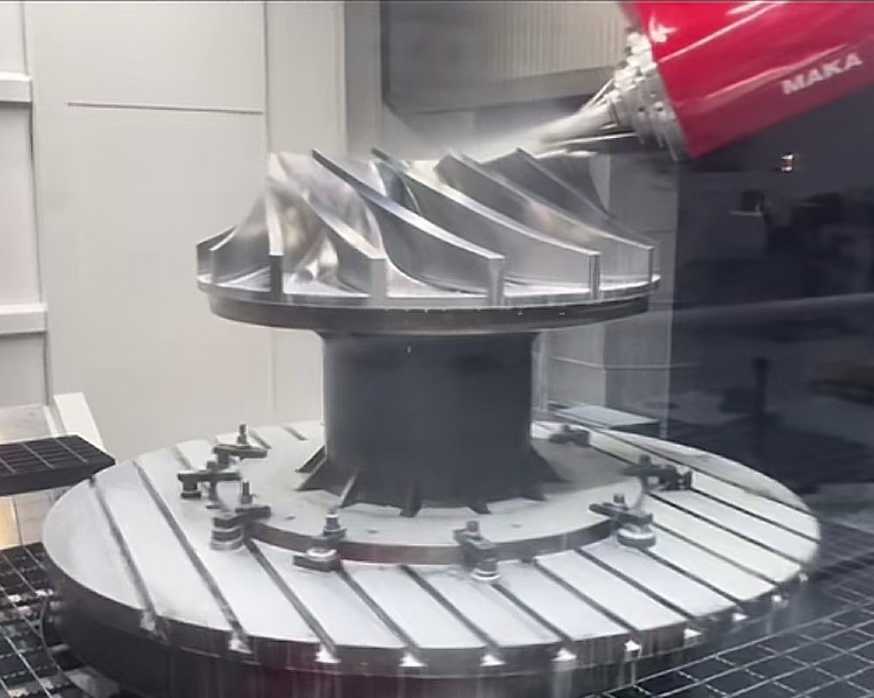
Selecting the right partner goes beyond finding a shop that just pours metal. As a premier cast aluminum foundry, we know that the difference between a high-performance component and a scrap part lies in specific technical capabilities. Here is what you need to look for to ensure your project succeeds.
Heat Treatment and Material Purity
The structural integrity of your parts often depends on post-casting processes. A top-tier foundry must possess in-house heat treatment expertise, particularly T6 heat treatment. This process significantly boosts the mechanical properties of alloys like A356, enhancing strength and hardness.
- Impurity Control: We maintain strict control over trace elements. Keeping iron content low is critical for maximizing ductility and preventing brittleness in the final product.
Precision Tolerances and Surface Finish
Your parts need to fit perfectly every time. We adhere to rigorous dimensional tolerances and surface finish standards, such as ISO 8062. Achieving specific Ra values ensures that the surface quality meets both aesthetic and functional requirements without excessive post-processing.
Integrated Secondary Operations
Casting is often just the starting point. To reduce lead times and logistics costs, look for a supplier that offers comprehensive secondary services. We integrate our foundry work with precision CNC machining capabilities to deliver components that are machined to exact specifications. Additionally, having access to diverse surface treatment solutions—from plating to coating—ensures your parts are ready for assembly immediately upon delivery.
Scalability from Prototype to Production
Flexibility is vital for modern manufacturing. A reliable foundry should support you from the initial prototyping phase all the way to high-volume scalability. This ensures that as your market demand grows, your manufacturing partner can ramp up production without sacrificing quality.
Quality Assurance and Certifications

In our cast aluminum foundry, reliability is engineered, not assumed. We adhere to rigorous global standards, including ISO 9001 and industry-specific frameworks like IATF 16949 and AS9100, to ensure every component meets the exacting demands of critical sectors like automotive and aerospace. Maintaining these certifications guarantees that our processes—from raw material selection to final inspection—remain consistent, traceable, and compliant with foundry certifications ISO standards.
To verify aluminum alloy properties and structural integrity, we employ a comprehensive suite of testing and quality assurance protocols. Our integrated production management systems utilize real-time data to monitor casting runs, significantly reducing the risk of defects and ensuring tight tolerances are maintained throughout production.
Key Testing Methods Include:
- Chemical Analysis: Spectrometric testing ensures the alloy composition matches specific grade requirements (e.g., A356) for optimal performance.
- Non-Destructive Testing (NDT): We utilize X-ray and dye penetrant inspection to detect internal porosity or surface cracks without compromising the component.
- Mechanical Testing: rigorous verification of tensile strength, yield strength, and elongation to confirm the material meets design specifications.
By enforcing strict impurity controls and validating dimensional accuracy, we deliver parts that fit your assembly line immediately, minimizing downtime and eliminating the costs associated with part rejection.
Industry Applications of Cast Aluminum Components
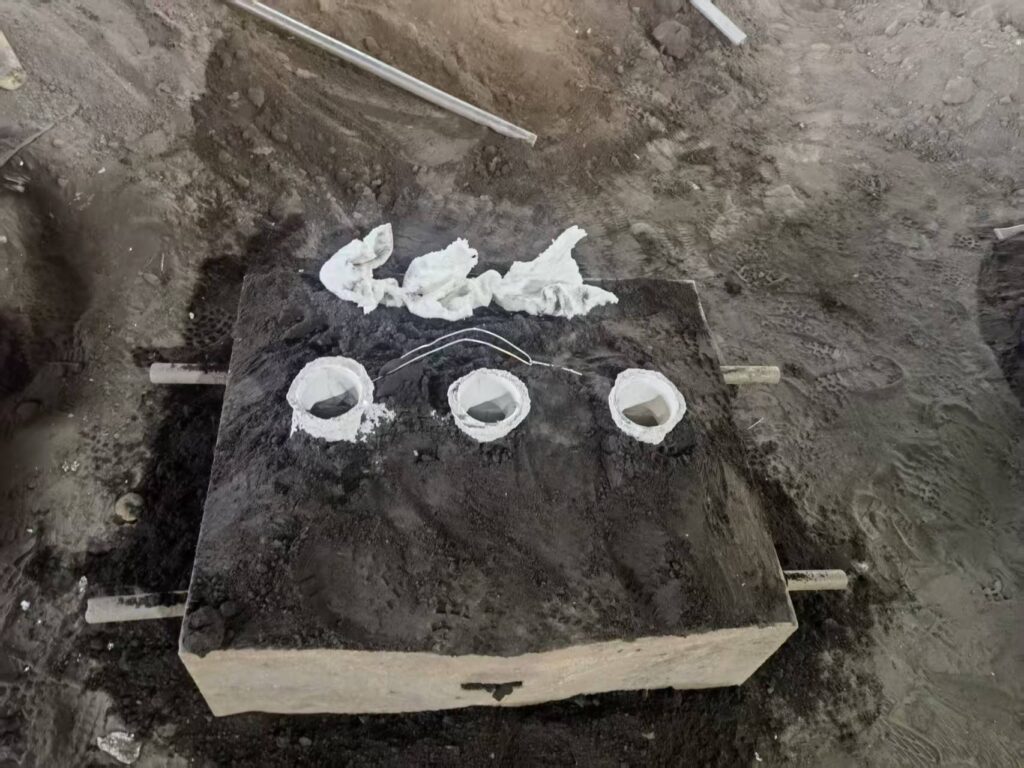
Partnering with an experienced cast aluminum foundry is essential for industries where performance, weight reduction, and durability are critical. We leverage advanced casting techniques to deliver components that meet the exact specifications of diverse market sectors.
- Automotive: We produce lightweight engine blocks, transmission cases, and EV battery housings to enhance vehicle efficiency and range.
- Aerospace: Our facility manufactures structural brackets and housings using precision aluminum casting solutions designed for flight-critical applications where failure is not an option.
- Energy & Marine: We supply corrosion-resistant pump bodies, valve components, and heat exchangers built to withstand harsh operating environments and high pressures.
- Industrial & Medical: For complex geometries, we utilize aluminum investment castings to create intricate housings and equipment frames with superior surface finishes and tight tolerances.
Benefits of Partnering with a Full-Service Cast Aluminum Foundry

When you work with a dedicated cast aluminum foundry that handles everything in-house, you eliminate the logistical nightmare of managing multiple vendors. We operate as a one-stop solution, bridging the gap between initial concept and the final, production-ready component. By integrating alloy development, casting, and post-processing under one roof, we ensure that design intent is preserved throughout the entire manufacturing cycle.
Our team supports you from the engineering phase, offering design assistance to optimize part geometry for near net shape casting. This approach significantly reduces material waste and minimizes the need for extensive CNC machining castings later on. For example, our integrated workflow is critical for high-precision components like those found in our aluminum alloy rims machining service, where structural integrity and surface finish are equally vital.
Key Advantages of Integrated Foundry Services
Partnering with a custom aluminum foundry offers distinct commercial and technical advantages:
- Cost Efficiency: We utilize near net shape processes to cast parts that are close to their final dimensions. This reduces the volume of raw material required and cuts down on machining cycle times, directly lowering your per-unit cost.
- Streamlined Supply Chain: With integrated production management systems, we track every stage of the process in real-time. This eliminates shipping delays between the foundry and the finishing shop, ensuring faster lead times and greater reliability.
- Unified Quality Control: Accountability is centralized. Our robust quality assurance covers everything from the melt quality of the aluminum alloy to the final surface treatment, ensuring consistent adherence to ISO standards.
Single-Source vs. Multi-Vendor Comparison
| Feature | Full-Service Cast Aluminum Foundry | Multi-Vendor Approach |
|---|---|---|
| Responsibility | Single point of accountability | Fragmented liability |
| Lead Time | Optimized; no inter-vendor shipping | Slower; added transit times |
| Cost Structure | Reduced overhead and logistics costs | Compounding margins and shipping fees |
| Communication | Direct access to engineering and production | Complex coordination required |
| Consistency | Uniform quality standards | Variable quality across vendors |
Real-World Success in Manufacturing
In a recent project involving complex housing for the energy sector, we leveraged our full-service capabilities to reduce production time by 30%. The client initially struggled with porosity issues and dimensional variance when using separate vendors for casting and heat treatment. By moving the project to our facility, we adjusted the aluminum sand casting parameters and immediately applied T6 heat treatment in-house. This tight control over the thermal history of the part resulted in a component that met rigorous pressure-tight requirements without the logistical delays of outsourcing secondary operations.
How to Choose the Best Cast Aluminum Foundry for Your Project
Selecting the right partner is critical when your supply chain depends on high-quality metal components. As a cast aluminum foundry focused on precision and efficiency, we know that the difference between a successful run and a failed prototype often comes down to the supplier’s technical depth. You need a manufacturer that doesn’t just pour metal but engineers solutions to meet exacting specifications.
Key Questions to Ask Potential Suppliers
Before committing to a contract, dig into the foundry’s specific capabilities. A custom aluminum foundry should offer transparency regarding their production management systems and quality controls.
- Process Versatility: Do they offer a range of techniques? Understanding the trade-offs and choosing the right process between sand casting and die casting is vital for cost efficiency and part performance.
- Material Expertise: Can they provide specific aluminum grades for casting that meet your industry standards for strength and corrosion resistance?
- Post-Processing: Do they handle CNC machining castings and surface treatments in-house, or do they outsource everything? Integrated solutions usually mean tighter quality control.
- Quality Assurance: Are their inspection protocols robust? Look for real-time data analytics and adherence to strict tolerance standards.
Red Flags to Avoid
Be cautious if a supplier hesitates to share their material certifications or lacks a clear track record in your specific industry.
- Limited Technology: Avoid foundries that rely on outdated equipment without modern integrated production management systems.
- Vague Lead Times: A reliable partner provides clear timelines for both prototype aluminum parts and volume production.
- No Engineering Support: If they cannot assist with design optimization for manufacturability, you may face higher costs down the line.
Steps to Request a Quote and Start Collaboration
To get the most accurate quote for your precision aluminum castings, be prepared with detailed documentation.
- Submit Technical Drawings: Provide 2D and 3D CAD files indicating critical dimensions and tolerances.
- Specify Material Requirements: Clearly state the required aluminum alloy properties and any special heat treatments like T6.
- Define Volume: Indicate whether you need a low-volume pilot run or mass production, as this dictates the casting method.
- Outline Finishing Needs: Specify required surface roughness (Ra values) and any plating or coating requirements.
By evaluating these factors, you ensure your project benefits from high-precision engineering and reliable manufacturing infrastructure.
FAQs about Cast Aluminum Foundries
Navigating the world of metal manufacturing can be complex. Here are the answers to the most common questions we receive about operating as a cast aluminum foundry and how we handle your projects.
What casting processes are best for different project sizes?
The right process depends entirely on your volume and part geometry.
- Low Volume & Large Parts: Aluminum sand casting is the most cost-effective choice for low volume casting and massive components like engine blocks or pump housings.
- High Volume Production: High pressure die casting is ideal for runs exceeding thousands of units, offering fast cycle times and tight tolerances.
- Complex Geometries: For intricate designs requiring high detail, investment casting is the standard.
How does alloy choice affect performance?
Selecting the right material is critical for the part’s lifespan. Aluminum alloy properties vary significantly between grades. For instance, A356 aluminum alloy is a favorite in aerospace and automotive sectors because it offers excellent leak tightness and corrosion resistance. When paired with T6 heat treatment, the mechanical strength and hardness increase drastically, making the component durable enough for structural applications.
What certifications should a reliable foundry hold?
Never work with a shop that lacks verified quality management systems. A reputable custom aluminum foundry must hold Foundry certifications ISO (specifically ISO 9001). For automotive clients, IATF 16949 is essential, and AS9100 is non-negotiable for aerospace parts. These standards ensure that every pour meets strict consistency requirements.
Can a foundry handle prototyping to high-volume production?
Yes, a full-service partner should manage the entire lifecycle. We frequently start with prototype aluminum parts using rapid tooling or sand casting to validate the design. Once the design is locked in, we transition to permanent mold or die casting for mass production. Our comprehensive casting foundry capabilities allow us to scale operations seamlessly as your market demand grows.
What secondary services add value to casting projects?
Raw castings rarely go straight to the assembly line. The real value comes from a foundry that offers CNC machining castings and surface treatments in-house. By integrating precision casting and machining services, we deliver precision aluminum castings that are ready for installation. This “one-stop” approach reduces lead times and eliminates the risk of managing multiple vendors for finishing and machining.