
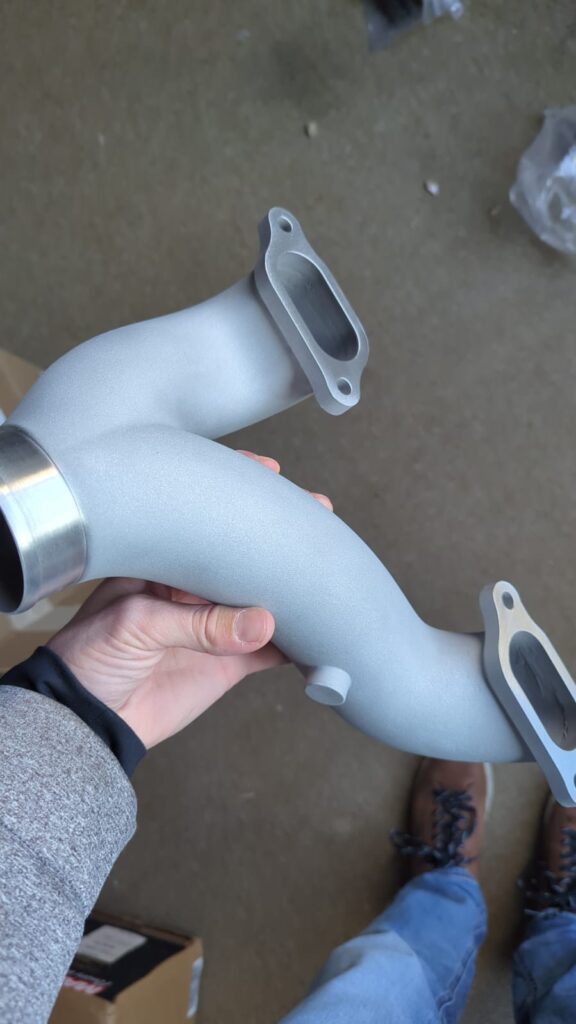
Discover cast aluminum properties processes and industrial uses plus how Vastmaterial delivers precision aluminum alloy casting solutions.
Why Choose Cast Aluminum? Key Properties & Benefits
We rely on cast aluminum as a cornerstone of modern manufacturing because it offers an unparalleled balance of performance, durability, and cost-efficiency. By utilizing aluminum alloy casting, we provide components that meet rigorous industrial standards while remaining significantly lighter than traditional ferrous metals.
| Feature | Performance Benefit |
|---|---|
| Strength-to-Weight | High structural integrity with minimal mass. |
| Corrosion Resistance | Natural protection against oxidation and moisture. |
| Thermal Conductivity | Rapid heat dissipation for electronics and engines. |
| Dimensional Stability | Maintains precise tolerances under thermal stress. |
High Strength-to-Weight Ratio
We choose cast aluminum when weight reduction is critical without sacrificing safety. It provides the structural density required for heavy-duty applications, making it the primary choice for lightweight industrial components in the automotive and aerospace sectors.
Natural Corrosion Resistance
The inherent corrosion resistance of aluminum alloys is a massive advantage. Upon exposure to air, the metal forms a thin, tough layer of aluminum oxide that prevents deep-seated rusting. This makes our castings ideal for:
- Marine environments
- Outdoor infrastructure
- Chemical processing equipment
Thermal and Electrical Conductivity
The thermal conductivity of aluminum is approximately three times that of steel. We leverage this property to manufacture high-efficiency heat sinks, motor housings, and cooling plates. Additionally, its high electrical conductivity makes it a cost-effective alternative to copper for many power-related applications.
Exceptional Dimensional Stability
Cast aluminum remains stable during and after the manufacturing process. Unlike other materials that may warp or creep, aluminum castings maintain their shape and size when exposed to fluctuating temperatures and mechanical loads. This ensures that complex, high-precision parts function reliably over long service lives.
Common Cast Aluminum Alloys: Finding the Right Grade
Selecting the right aluminum alloy casting grade is the most critical step in ensuring your part performs under pressure. We categorize these materials based on their primary alloying elements—like silicon, copper, or magnesium—to match the specific mechanical demands of your project.
The A356 Standard
In the U.S. market, A356 cast aluminum is the gold standard for structural components. It’s a silicon-magnesium alloy known for its incredible castability and pressure tightness. We prioritize A356 for high-stress applications because it offers a superior balance of tensile strength of cast aluminum and ductility, especially after T6 heat treatment.
Al-Si vs. Al-Cu Alloys
The chemistry you choose dictates how the metal behaves in the mold and in the field:
- Aluminum-Silicon (3xx.x series): These are the most popular castable aluminum alloys due to their high fluidity and resistance to “hot tearing.” They are ideal for complex, thin-walled geometries.
- Aluminum-Copper (2xx.x series): When you need maximum strength at high temperatures, Al-Cu is the choice. While more difficult to cast, these grades provide the high-performance edge needed in aerospace.
- Aluminum-Magnesium (5xx.x series): These offer the best corrosion resistance of aluminum alloys, making them perfect for marine hardware or dairy equipment.
Custom Alloy Development
Sometimes, off-the-shelf cast aluminum grades don’t quite hit the mark for specialized industrial needs. We utilize advanced casting technology for improved metal purity to refine grain structures and enhance mechanical properties. By leveraging our internal R&D capabilities, we can tweak alloy compositions to optimize for specific thermal conductivity or wear resistance requirements, ensuring the final product exceeds standard industry benchmarks.
Primary Aluminum Casting Processes Explained
Selecting the right manufacturing method is just as critical as choosing the alloy itself. At Haoyu Material, we tailor our approach based on part complexity, volume, and required tolerances. Here is a breakdown of the primary techniques we use to deliver high-performance cast aluminum components.
Sand Casting
For large parts or low-volume production runs, sand casting remains a reliable and cost-effective choice. This process involves creating a mold from a sand mixture, into which molten aluminum is poured. It is particularly versatile for creating complex geometries that might be cost-prohibitive with other methods. While the surface finish is rougher compared to other techniques, we often pair this with our CNC machining services to achieve the final required precision.
Die Casting (Pressure Casting)
When speed and consistency are paramount for high-volume orders, die casting is the standard. We utilize high-pressure systems to force molten aluminum into reusable steel molds (dies). This method produces parts with excellent surface finishes and dimensional accuracy, significantly reducing the need for secondary machining. It is ideal for intricate components found in automotive and industrial equipment where tight tolerances are non-negotiable.
Permanent Mold Casting
This process strikes a balance between the speed of die casting and the structural integrity of sand casting. By using reusable metal molds, we can produce parts with better mechanical properties and smoother surfaces than sand casting. The rapid cooling rates provided by the metal mold result in a finer grain structure, enhancing the strength of the final aluminum alloy casting.
Investment Casting
For applications requiring the highest level of detail and precision, such as aerospace components, we employ investment casting (often called lost-wax casting). This technique creates near-net-shape parts with incredible accuracy, minimizing material waste. Our precision casting foundry for high-precision investment castings specializes in delivering complex designs that demand superior surface quality and strict adherence to specifications.
Key Process Comparison:
- Sand Casting: Best for large parts, low tooling costs, lower volume.
- Die Casting: Best for high volume, excellent surface finish, fast production.
- Investment Casting: Best for complex geometries, high precision, tight tolerances.
Beyond the Mold: The Importance of Secondary Operations
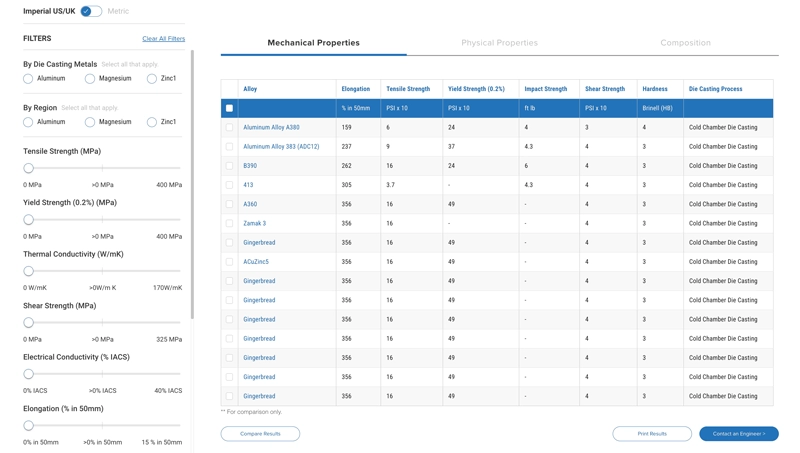
Getting the molten metal into the shape is just the first step. To transform raw cast aluminum into a high-performance component ready for aerospace or industrial use, secondary operations are critical. At our facility, we integrate casting with advanced finishing processes to ensure every part meets exact specifications.
Precision CNC Machining
While modern casting techniques like die casting and sand casting get us close to the final shape (near-net shape), critical dimensions often require the accuracy of CNC machining for aluminum castings. We utilize state-of-the-art CNC centers to achieve tight tolerances that raw casting simply cannot match. This step is essential for mating surfaces, threaded holes, and complex geometries where precision is non-negotiable.
- Tight Tolerances: Achieving micron-level accuracy for assembly fit.
- Surface Finish: Smoothing out casting roughness for better fluid dynamics or aesthetics.
- Complex Features: Adding undercuts or fine details that molds cannot form.
For projects requiring intricate detailing, our precision aluminum casting services seamlessly transition from the foundry floor to the machine shop, ensuring a unified workflow.
Surface Treatments
Raw aluminum naturally forms an oxide layer, but industrial applications often demand more robust protection. We apply specialized surface treatments to enhance corrosion resistance, wear resistance, and visual appeal. Whether it’s anodizing for a hard, protective shell or powder coating for durability in harsh environments, the right finish extends the lifespan of the component.
- Anodizing: Increases corrosion resistance and surface hardness.
- Plating & Coating: specialized finishes for conductivity or extreme weather protection.
- Polishing: Aesthetic improvements for consumer-facing parts.
Quality Assurance
Reliability is the cornerstone of our operation. We don’t just ship parts; we verify them. Our quality assurance protocols involve real-time monitoring and rigorous testing to detect issues like porosity in aluminum casting before they leave the plant. We adhere to strict industry standards, particularly for sectors like gas turbines and aerospace where failure is not an option.
- Non-Destructive Testing (NDT): X-ray and ultrasound to check for internal defects.
- Dimensional Inspection: CMM (Coordinate Measuring Machine) verification against CAD models.
- Material Certification: Verifying alloy composition and mechanical properties.
Cast Aluminum vs. Wrought Aluminum vs. Cast Iron
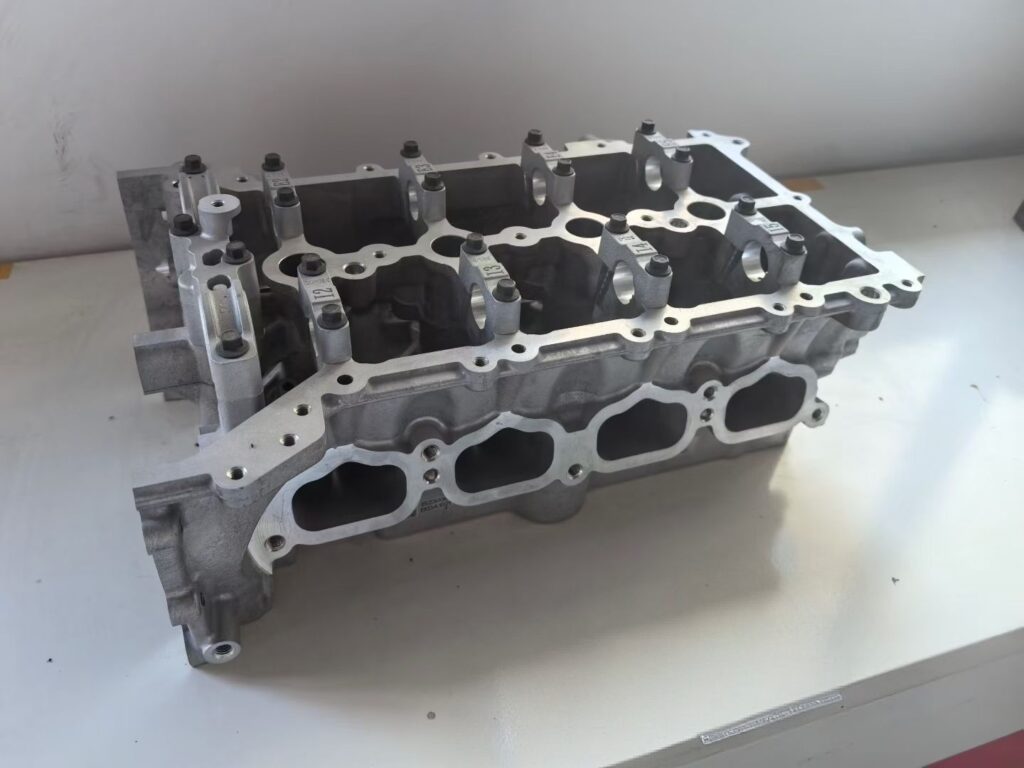
When I’m helping clients decide on a material, the choice usually boils down to three factors: weight, shape complexity, and budget. While cast aluminum is my go-to for intricate parts, it’s important to see how it stacks up against wrought options and traditional cast iron.
Understanding the A356 cast aluminum properties is the first step in seeing how it holds up against heavier or more expensive alternatives. Cast aluminum allows us to pour molten metal into nearly any shape, whereas wrought aluminum is rolled or forged into standard forms like sheets or bars. Cast iron, while incredibly strong, adds significant weight that most modern US industries—like automotive and aerospace—just can’t afford.
Performance Comparison Table
| Feature | Cast Aluminum | Wrought Aluminum | Cast Iron |
|---|---|---|---|
| Weight | Lightweight | Lightweight | Heavy |
| Design Flexibility | Excellent (Complex) | Limited (Simple) | Excellent |
| Tensile Strength | Moderate | High | Moderate to High |
| Corrosion Resistance | High | Very High | Low (Rusts) |
| Production Cost | Low (High Volume) | High (Machining needed) | Low |
The Decision Matrix
To make the call easier, I use this simple breakdown for our production runs:
- Choose Cast Aluminum if: You need complex geometries, internal cavities, and a high strength-to-weight ratio without the massive cost of CNC machining a solid block.
- Choose Wrought Aluminum if: Your part is a simple shape that requires the absolute highest fatigue resistance and structural integrity.
- Choose Cast Iron if: Weight isn’t an issue, but you need extreme vibration damping or high compressive strength for heavy machinery bases.
In the American manufacturing landscape, cast aluminum vs. wrought aluminum is the most common debate. While wrought is “tougher,” the cost savings and design freedom of a high-quality aluminum casting almost always win out for specialized industrial components.
Critical Industry Applications
Cast aluminum isn’t just about making generic parts; it’s the backbone of industries where failure isn’t an option. We engineer components that balance weight reduction with extreme durability, a requirement that spans from the highway to the stratosphere.
Aerospace & Defense
In aerospace, every ounce counts. We utilize advanced casting techniques to produce lightweight, high-strength aluminum alloy components that withstand the rigors of flight. By integrating precision CNC machining for tight tolerances, we ensure that critical parts like turbine housings, brackets, and structural fittings meet strict aerospace standards for thermal stability and fatigue resistance. The goal is simple: maximize fuel efficiency without compromising safety.
Automotive
The push for fuel economy and electric vehicle (EV) range has made cast aluminum indispensable in the automotive sector. We manufacture engine blocks, transmission cases, and suspension components that significantly reduce vehicle weight compared to traditional iron. Our die casting and pressure casting capabilities allow for high-volume production of complex shapes that integrate multiple functions into a single part, streamlining assembly lines and boosting performance.
Industrial Machinery & Equipment
Heavy industry relies on components that can endure harsh operating environments. From mining equipment to gas turbines, our cast aluminum parts offer excellent corrosion resistance and thermal conductivity. We often apply specialized surface treatment services to further enhance durability against wear and chemicals. Whether it’s pump housings or robotic arms, these castings provide the dimensional stability needed for long-term reliability in demanding industrial settings.
Overcoming Challenges in Cast Aluminum Production
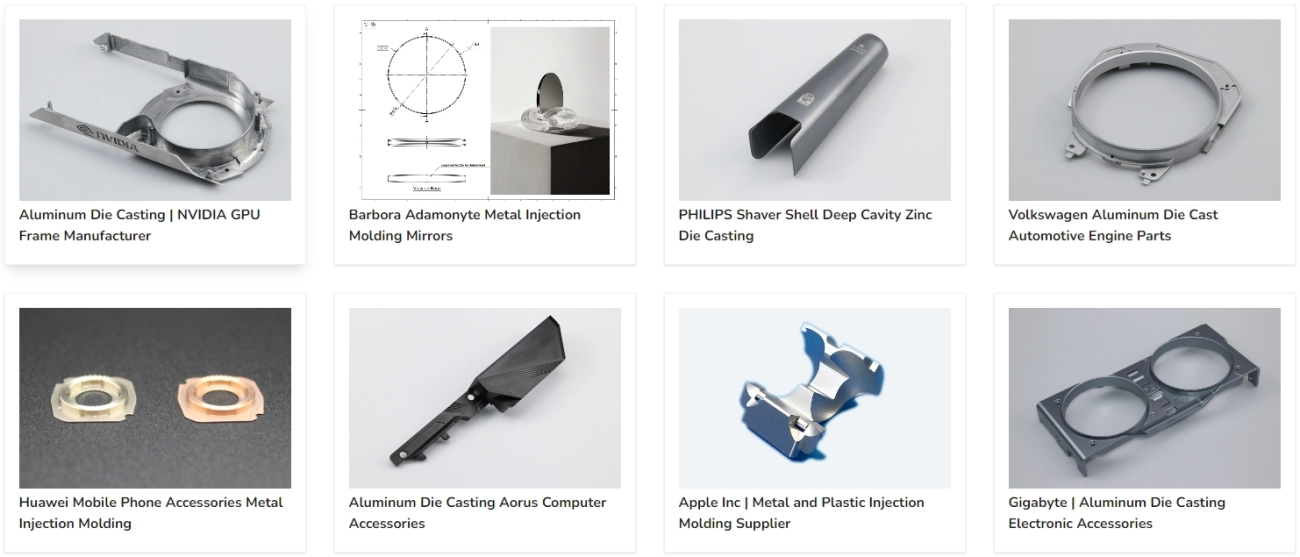
While cast aluminum offers incredible versatility, it isn’t without its hurdles. To ensure we deliver high-performance parts, we focus on mitigating the inherent physical risks of the casting process through rigorous engineering and process control.
Managing Porosity and Shrinkage
The most common hurdle we face is porosity in aluminum casting. These tiny gas pockets or voids can compromise the structural integrity and pressure-tightness of a part. We combat this using:
- Degassing: Removing hydrogen from the melt before pouring.
- Vacuum Casting: Drawing air out of the mold to prevent gas entrapment.
- Thermal Modeling: Using software to design gating systems and risers that account for the metal’s natural contraction as it cools.
By precisely controlling the cooling rate, we eliminate shrinkage cracks and ensure the density required for high-performance alloy components.
Preventing Material Fatigue
For parts subjected to cyclic loading—like engine mounts or structural brackets—material fatigue is a critical concern. Unlike wrought materials, castings can have micro-stresses that lead to cracks over time. We solve this through:
- Alloy Selection: Utilizing a high-grade A356 cast aluminum which offers superior ductility and strength.
- Heat Treatment: Applying T6 tempering to reorganize the internal grain structure and boost durability.
- Surface Finishing: Shot peening or precision machining to remove surface imperfections where cracks typically start.
Key Quality Control Measures
We don’t leave quality to chance. Every batch of aluminum alloy casting undergoes a series of checks to ensure it hits the mark:
| Challenge | Mitigation Strategy |
|---|---|
| Oxide Inclusions | Advanced filtration systems during the pour. |
| Inconsistent Grain | Precise temperature control of the mold and melt. |
| Dimensional Drift | Regular calibration of CNC machining and molds. |
Cast Aluminum FAQs: Quick Answers for Your Project
Choosing the right material for your components often comes down to the fine details. We’ve compiled the most frequent questions we receive about cast aluminum to help you make an informed decision for your manufacturing needs.
Is cast aluminum durable?
Yes, it is exceptionally durable, especially when using high-grade aluminum alloy casting like A356. While it is more brittle than wrought options, its resistance to environmental wear is top-tier. Its longevity is a primary reason it’s used for engine blocks, heavy-duty valves, and outdoor equipment. When assessing durability, understanding the tensile strength of aluminum is critical for ensuring the part can handle its intended load.
Can you weld cast aluminum?
You can, but it requires expertise. Because cast aluminum is porous and often contains impurities or trapped gases, welding can lead to cracking if not handled correctly. We recommend:
- Thorough Cleaning: Remove all oxidation and oils.
- Preheating: Reduces the risk of thermal shock.
- Filler Selection: Match the filler rod to the specific cast aluminum grades used in the part.
How do you clean cast aluminum?
To maintain the finish and structural integrity, avoid harsh acidic or alkaline cleaners that can etch the surface.
- Routine: Use mild soap and warm water.
- Oxidation: A mixture of white vinegar and water can remove surface dullness.
- Protection: For outdoor use, a powder coating or clear sealant is the best way to prevent long-term pitting.
Cast Aluminum vs. Forged Aluminum
The main difference lies in the grain structure. Forged aluminum is hammered into shape, resulting in a very dense, aligned grain, while aluminum casting involves pouring molten metal into a mold.
| Feature | Cast Aluminum | Forged Aluminum |
|---|---|---|
| Complexity | High (Complex geometries) | Low (Simpler shapes) |
| Cost | More affordable for high volume | Higher due to tooling/labor |
| Strength | Excellent for most industrial use | Superior (Highest strength-to-weight) |
| Production Speed | Fast (Especially via die casting) | Slower |
For projects requiring intricate internal cavities or unique aesthetics, we typically recommend working with a professional metal casting factory for precision components to achieve the best results at a lower price point than forging.