
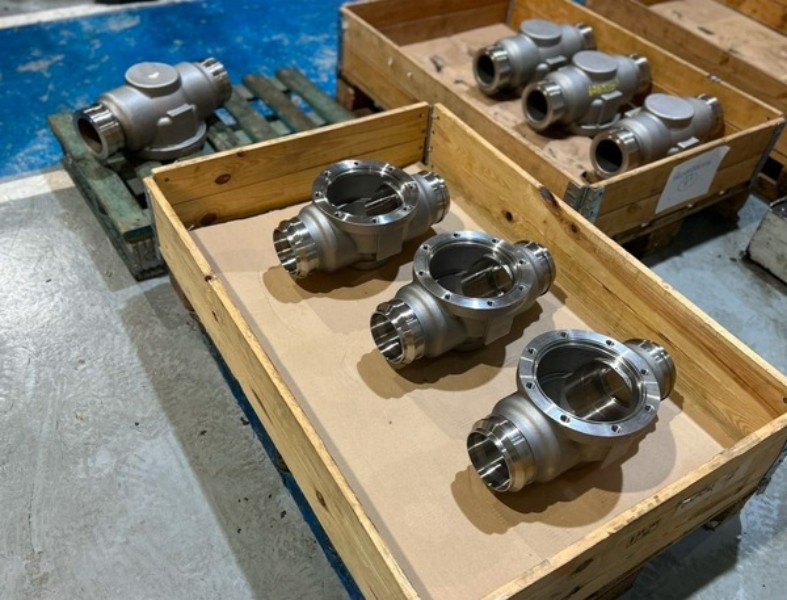
Explore the key differences between cast iron and steel including durability heat retention cost maintenance and best uses for cookware tools and more.
If you’ve ever stood in the aisle debating cast iron vs steel, you know it’s not just about metal—it’s about making the right choice for your cookware, tools, or project needs. Whether you’re a home cook aiming for perfect sears, a DIYer building durable machinery parts, or just curious about which material holds up better, understanding their key differences is crucial. Cast iron and steel each bring unique strengths—from heat retention and corrosion resistance to weight and maintenance—but which one truly fits your use case in 2025? Stick around: this guide cuts through the noise with straightforward insights and practical tips to help you confidently decide between cast iron and steel without the usual overwhelm.
Cast Iron vs Steel: What’s the Key Difference Between Cast Iron and Steel?
When deciding between cast iron and steel, understanding their core differences is essential. Both materials are iron-based but differ significantly in composition, structure, and manufacturing processes, which directly impacts their performance and use.
Basic Composition & Manufacturing:
- Cast Iron: Contains 2-4% carbon and other elements like silicon and manganese. It’s melted and poured into molds to solidify. The high carbon content makes it hard but brittle.
- Steel: Contains less than 2% carbon, often alloyed with other metals for enhanced properties. It is typically formed through rolling, forging, or extrusion, making it tougher and more flexible than cast iron.
Here’s a quick side-by-side look at how cast iron stacks up against steel:
| Property | Cast Iron | Steel |
|---|---|---|
| Strength | High compressive strength; brittle under tension | High tensile strength; ductile and flexible |
| Weight | Heavier due to density | Lighter, varies by alloy |
| Heat Retention | Excellent at holding heat | Heats up and cools faster |
| Cost | Generally cheaper | More expensive, varies by type |
Understanding these basics sets the stage for choosing the right material based on your needs—whether it’s cookware, construction, or automotive parts. The next sections will dig into how performance, durability, and price differ between cast iron and steel in real-world applications.
Key Differences in Performance, Durability, Corrosion
When comparing cast iron vs steel, several key points stand out, especially in performance, durability, corrosion resistance, and handling. Here’s a simple breakdown to help you decide which fits your needs best.
| Feature | Cast Iron | Steel (Carbon & Stainless) |
|---|---|---|
| Heat Distribution | Heats evenly but slowly | Heats quickly and responds fast |
| Heat Retention | Outstanding – holds heat long | Moderate – cools faster |
| Cost | Generally cheaper | Usually pricier, especially stainless steel |
| Durability | Very durable, but brittle | Tougher and more impact-resistant |
| Wear Resistance | Great for long-term use | Excellent, especially stainless |
| Machinability | Hard to machine or weld | Easier to machine and weld |
| Weight | Heavy and bulky | Lighter and easier to handle |
| Corrosion Resistance | Prone to rust unless seasoned | Stainless steel resists rust well; carbon steel needs care |
| Non-stick Properties | Naturally non-stick if well seasoned | Less natural non-stick; often requires oiling |
Heat Distribution, Heat Retention, and Cost
Cast iron excels at holding and evenly distributing heat over time, making it perfect for slow cooking and searing. Steel heats faster and cools quickly, giving you more control during quick cooking tasks. Cast iron usually comes in at a lower price point, while steel—especially stainless steel—can cost more upfront but offers other advantages.
Durability, Wear Resistance, and Machinability
Cast iron is hard and holds up well under heavy use but it can chip or crack if dropped. Steel is generally tougher and more flexible, better handling bumps and impacts. It’s also easier to machine, weld, or reshape, making steel a frequent choice in tools and appliances.
Weight and Ease of Handling
Cast iron cookware and parts are significantly heavier, which affects ease of use and transport. Steel is lighter and more maneuverable without sacrificing strength, making it more user-friendly in many applications.
Corrosion and Rust Resistance
Cast iron rusts easily without proper seasoning and maintenance. Carbon steel also rusts but can be seasoned like cast iron. Stainless steel, on the other hand, resists rust and corrosion naturally, requiring less upkeep.
Non-stick Properties (With and Without Seasoning)
Well-seasoned cast iron offers a reliable, natural non-stick surface that improves over time. Steel pans usually don’t have this advantage unless regularly oiled, meaning food can stick more readily.
Understanding these differences helps you pick the right material for your cooking style or project — whether that means the classic heat retention of cast iron or the versatility and resistance of steel.
Cast Iron vs Steel Cookware: Which Should You Choose?
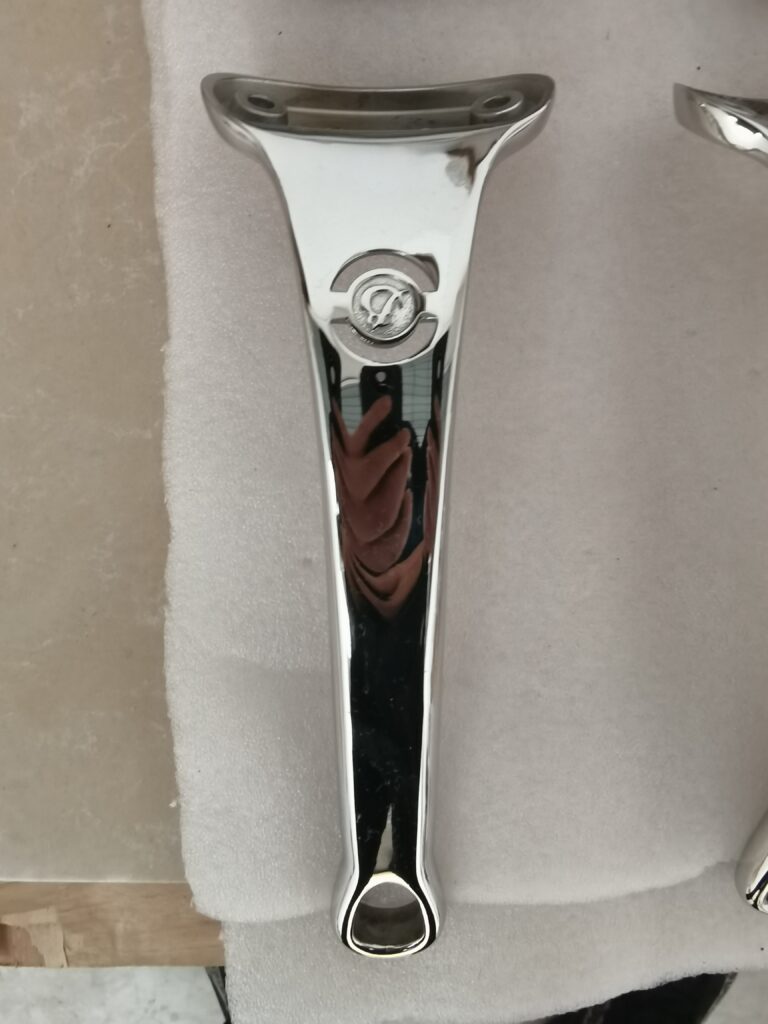
When it comes to choosing between cast iron and steel cookware—like skillets, Dutch ovens, and griddles—it really depends on what you want and how you cook.
| Feature | Cast Iron | Carbon Steel / Steel |
|---|---|---|
| Best Uses | Slow cooking, frying, baking, heat retention | Quick searing, stir-frying, lighter use |
| Weight | Heavy | Lighter and easier to handle |
| Seasoning | Requires regular seasoning | Needs seasoning too, but less often |
| Heat Distribution | Even, but slower to heat | Heats quickly, less even heat |
| Reacts to Acidic Foods | Can react, may lose seasoning | Handles acidic foods better |
| Maintenance | Avoid soap, dry thoroughly, re-season when needed | Easier to clean, but still benefits from seasoning |
| Durability | Very durable, but can crack if dropped | Tough and flexible, less prone to cracking |
| Price Range | $20 – $100+ | $15 – $80+ |
| Top Brands | Lodge, Le Creuset, Victoria | Matfer Bourgeat, De Buyer, Made In |
Seasoning Requirements and Maintenance
- Cast iron: Needs a good initial seasoning and regular upkeep to keep its non-stick surface and prevent rust.
- Carbon steel: Also requires seasoning but is easier to keep in shape, especially with frequent use.
- Avoid soaking either in water and always dry immediately after washing.
Cooking Performance
- Cast iron excels at searing steaks and baking because it holds heat well.
- Steel pans heat up faster, great for quick cooking and deft temperature changes.
- Acidic foods (tomatoes, citrus) can strip cast iron seasoning but are generally safe for steel cookware.
Overall, if you want a heavy-duty pan that holds heat and develops flavor over time, cast iron is your choice. If you want something lighter with quicker heating and easier handling, steel cookware will serve you better.
Cast Iron vs Steel for Outdoor and Heavy-Duty Use: Neither Is ‘Better’ – It Depends
When it comes to outdoor and heavy-duty uses, both cast iron and steel have their unique strengths. Choosing between them really depends on the specific application.
Fire Pits, Grills, and Camp Cookware
Cast iron shines in cookware for camping and grilling thanks to its excellent heat retention and even heating. It holds heat well for slow cooking and searing over an open flame. Steel, especially carbon steel, is lighter and heats up faster, making it great for portable camp cookware or grills where quick temperature changes matter.
Automotive Parts and Machinery Applications
Steel dominates automotive and heavy machinery sectors because of its flexibility, strength, and weldability. Parts made from steel can absorb shock and endure wear better without cracking, unlike cast iron, which is more brittle and prone to breaking under heavy impact.
Pipes, Fittings, and Construction Uses
For pipes and fittings, steel is typically preferred for its strength and corrosion resistance – especially stainless steel in harsh environments. Ductile cast iron, however, is still widely used in construction due to its vibration damping and compressive strength. But overall, steel’s versatility and ability to be shaped make it better-suited for complex structural applications.
Weather Resistance and Longevity Outdoors
Steel, especially stainless or coated variants, generally offers better rust and corrosion resistance outdoors. Cast iron can rust quickly if not properly maintained but can last a long time with regular seasoning and care. For outdoor exposure, steel is usually lower maintenance and more durable against the elements.
Bottom line: For outdoor use, pick cast iron if you want exceptional heat retention and don’t mind weight or upkeep. Choose steel when you need strength, lighter weight, and better corrosion resistance — especially for heavy-duty or construction needs.
Pros and Cons of Cast Iron
Advantages
- Excellent heat retention: Cast iron holds heat for a long time, making it great for steady cooking and searing.
- Durability: These pans and cookware often last for decades if cared for properly.
- Natural non-stick when seasoned: When seasoned correctly, cast iron develops a smooth, non-stick surface without chemicals.
- Even heating: Cast iron distributes heat evenly across the surface, reducing hot spots.
- Versatility: You can use cast iron on stovetops, ovens, campfires, and grills.
- Affordable: Often less expensive upfront than high-end stainless steel or carbon steel pans.
- Self-healing surface: The seasoning can improve with use, making the pan better over time.
Disadvantages
- Heavy weight: Cast iron cookware is thick and heavy, which can make handling difficult, especially in larger sizes.
- Rust-prone: Without proper seasoning and care, cast iron can rust easily—especially if left wet.
- Slow to heat: Cast iron takes longer to heat up than steel, so it requires patience.
- Requires maintenance: You have to regularly season cast iron and avoid soap or dishwasher cleaning.
- Not great with acidic foods: Prolonged cooking of acidic ingredients (tomatoes, vinegar) can damage the seasoning layer.
- Brittle: Cast iron is more likely to crack or chip if dropped compared to steel, which bends.
User Experiences
Most people love cast iron for everyday cooking—especially for frying, searing, and baking. Users often praise its heat retention and the non-stick experience after seasoning. However, some find the weight and upkeep to be a hassle. New users sometimes struggle with rust if they don’t season their pans properly or leave them wet. Experienced home cooks and pros alike tend to recommend cast iron for its reliability and long-term value, especially if you don’t mind the extra maintenance.
Pros and Cons of Steel (Carbon Steel and Stainless Steel)
Types of Steel: Carbon Steel, Stainless Steel, and Alloys
Steel comes in several varieties, but the most common for cookware and general use are carbon steel and stainless steel. Carbon steel is made mostly of iron with a small amount of carbon, which gives it strength and heat retention similar to cast iron but lighter weight. Stainless steel adds chromium and sometimes nickel, making it rust-resistant and easier to maintain. Alloy steels mix in other metals for specific properties like extra durability or corrosion resistance.
Advantages of Steel
- Carbon Steel: Great heat conductor and heats up fast. It’s lighter than cast iron, making it easier to handle. It develops a natural non-stick surface when seasoned right. Also, it’s more durable and less brittle than cast iron.
- Stainless Steel: Very rust-resistant and easy to clean—no seasoning needed. It holds up well against acids, so it’s perfect for cooking tasks that involve tomatoes or vinegar. It also looks sleek and lasts long without chipping or cracking.
- Both types of steel are better for welding and shaping than cast iron, making them popular in industrial and outdoor gear applications.
Disadvantages of Steel
- Carbon Steel: Prone to rust if not properly seasoned or dried after use. Requires regular maintenance to keep that non-stick surface intact.
- Stainless Steel: Has poorer heat retention compared to cast iron or carbon steel, which can cause hot spots while cooking. Also, it’s more expensive upfront.
- Both types can be less forgiving if overheated, with carbon steel potentially warping and stainless steel sometimes sticking if not used properly.
In short, steel offers a versatile option with some trade-offs depending on the type. Carbon steel is close to cast iron in performance but lighter, while stainless steel brings ease of care and rust resistance at a higher cost.
Cost Comparison: Is Cast Iron Cheaper Than Steel?
When it comes to cost, cast iron usually starts off cheaper than many types of steel, but long-term value depends on the use and care.
Average Price Ranges (2024-2025)
| Material | Price Range (per lb) | Notes |
|---|---|---|
| Gray Cast Iron | $0.40 – $0.60 | Common, affordable, brittle |
| Ductile Cast Iron | $0.60 – $0.80 | Stronger, more flexible |
| Mild Steel | $0.50 – $0.90 | Versatile, widely used |
| Carbon Steel | $0.70 – $1.20 | Durable, popular for tools |
| Stainless Steel | $1.50 – $3.00 | Corrosion-resistant, pricier |
Popularity and Long-Term Value
- Cast Iron is popular for cookware and heavy-duty parts because it holds heat well and lasts for decades if maintained.
- Steel (especially carbon and stainless) is often more expensive upfront but offers better strength, corrosion resistance, and lighter weight options.
- In terms of lifespan, cast iron can outlast steel cookware if seasoned and cared for, but steel is easier to maintain and more resistant to rust.
Bottom Line: If you want budget-friendly material for things like skillets or outdoor gear, cast iron is typically cheaper. For higher-tech, corrosion-resistant items or lighter use, steel’s upfront cost might be higher but investment-worthy over time.
Maintenance and Care Tips
How to Clean and Season Cast Iron
- Clean Right After Use: Avoid soap or harsh detergents. Just hot water and a stiff brush work best.
- Dry Thoroughly: Cast iron hates moisture after cooking. Wipe it dry or warm it on the stove to evaporate leftover water.
- Apply a Thin Oil Layer: After drying, rub a little vegetable oil or flaxseed oil on the surface. This keeps it seasoned and rust-free.
- Re-season Occasionally: If food starts sticking or the surface looks dull, heat the pan in the oven with a thin coat of oil for an hour to rebuild the seasoning.
Caring for Carbon Steel and Stainless Steel
- Carbon Steel: Similar to cast iron, clean with hot water and a brush; dry immediately and lightly oil after use to prevent rust. It also benefits from regular seasoning.
- Stainless Steel: More forgiving—soap and water are fine. For stuck-on food, soak or use gentle scrubbing pads. Stainless steel doesn’t need seasoning but polishing helps maintain its shine.
Common Mistakes to Avoid
- Don’t Soak Cast Iron or Carbon Steel: Prolonged water exposure causes rust.
- Avoid Dishwasher Use: It strips seasoning and causes corrosion, especially on cast iron and carbon steel.
- Skip Soap on Cast Iron: Unless re-seasoning, soap can remove the protective oil layer.
- Don’t Use Abrasive Cleaners on Stainless Steel: It can scratch and dull the surface.
Proper care keeps your cookware in top shape, whether it’s cast iron or steel, making sure you get great cooking results every time.
Which Material Is Better for You? Expert Recommendations
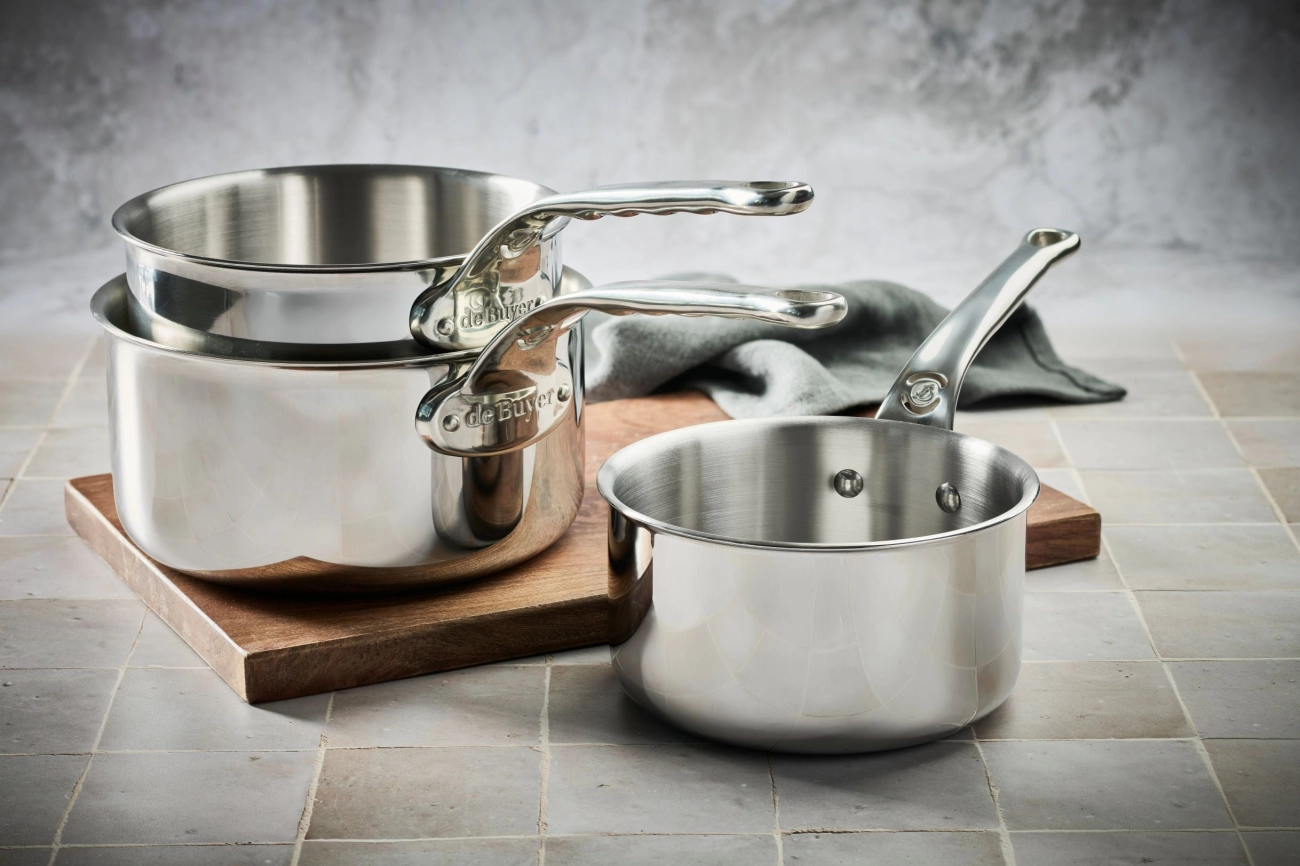
Choosing between cast iron and steel depends on what you need most. Here’s a quick guide based on different cooking styles and lifestyles:
Best for Everyday Home Cooking
Cast iron is a solid choice here. It retains heat well, cooks evenly, and once seasoned, offers great non-stick performance. Plus, it’s durable and lasts for years in your kitchen.
Best for Professional Chefs
Carbon steel often wins among pros. It heats up quickly, is lighter than cast iron, and responds faster to temperature changes—perfect for searing and sautéing. Its seasoning improves over time just like cast iron.
Best for Camping and Outdoor Use
For outdoor cooking, cast iron stands out. It’s rugged, holds heat long, and handles open flames and uneven heat well. However, if weight is a concern, lightweight carbon steel options are easier to pack and handle.
Best for Budget Shoppers
Cast iron cookware is generally more affordable upfront, especially for skillets and Dutch ovens. It’s also widely available and built to last, offering great value over time.
Best for Health-Conscious Cooks
Both materials can be safe, but stainless steel (a type of steel) is ideal here because it’s non-reactive and easy to clean without seasoning. Cast iron can release small amounts of iron into food, which might be a plus or minus depending on your diet.
In short, pick cast iron if you want heat retention and durability on a budget, carbon steel if you need fast heat control and lighter gear, and stainless steel for hassle-free maintenance and health concerns.
Environmental Impact and Sustainability
When it comes to cast iron vs steel, both materials are recyclable, which helps reduce waste. Cast iron is often made from recycled scrap metal, which lowers its production energy compared to new steel. However, steel production—especially stainless steel—can require more energy due to higher temperature processing and alloying elements.
In terms of carbon footprint, cast iron generally has a smaller one because its manufacturing involves less refining and fewer additives. Steel, particularly stainless and alloy types, tends to have a higher carbon footprint, although modern steel mills are improving efficiency and using more recycled content.
Both materials last a long time, which reduces the need for frequent replacement and lowers environmental impact over time. Cast iron’s dense, sturdy microstructure means it can handle heavy use and maintain integrity for decades. Steel’s flexibility and resistance to corrosion (especially stainless) also extend its lifespan but may require more maintenance.
Bottom line: For sustainability in cookware or industrial uses, cast iron usually edges out steel due to lower production energy and strong durability. But both remain solid eco-friendly choices when recycled properly and cared for well.
Frequently Asked Questions (FAQ)

Is cast iron stronger than steel?
Cast iron is strong under compression but brittle, so it can crack under impact or bending. Steel is generally stronger overall—especially in tension—and more flexible, making it better for structural uses.
Does cast iron rust like steel?
Yes, both cast iron and regular carbon steel can rust if not properly cared for. Cast iron needs seasoning to create a protective layer, while stainless steel resists rust much better due to its chromium content.
Can you weld cast iron like steel?
Welding cast iron is trickier than welding steel. Cast iron requires special techniques and preheating to avoid cracking. Steel — especially mild or carbon steel — is easier to weld.
Is cast iron cookware better than stainless steel?
It depends on what you want. Cast iron excels at heat retention and creates natural non-stick surfaces when seasoned. Stainless steel is more versatile, easier to maintain, and better for acidic foods as it won’t react.
Why are manhole covers made of cast iron but cars made of steel?
Manhole covers use cast iron because it’s heavy, durable, and excellent at damping vibrations. Steel is preferred for cars for its strength, flexibility, and lighter weight, which improves performance and safety.
Is carbon steel closer to cast iron or stainless steel?
Carbon steel sits between cast iron and stainless steel. It’s more flexible than cast iron and easier to shape, but it lacks the corrosion resistance stainless steel offers unless coated or seasoned.
Which is cheaper in 2025 — cast iron or mild steel?
Mild steel is generally cheaper than cast iron due to easier manufacturing and wider applications. However, cast iron’s price can vary based on quality and type (gray or ductile iron). Both have good long-term value depending on use.
Does cast iron break or bend?
Cast iron rarely bends—it’s brittle and prone to cracking or breaking if dropped or hit hard. Steel, on the other hand, is more ductile and can bend without breaking in many cases.
Final Verdict: Cast Iron or Steel?
When deciding between cast iron vs steel, it really comes down to what you need most.
Choose cast iron if you want:
- Excellent heat retention for slow cooking and searing
- Durability and great non-stick surface with proper seasoning
- A heavy, solid feel for stable cookware or heavy-duty outdoor gear
Choose steel if you want:
- Lighter weight and easier handling
- Better weldability and corrosion resistance (especially stainless steel)
- Fast, even heat distribution—great for quick cooking and professional kitchens
Quick recommendations based on needs:
| Need | Best Material |
|---|---|
| Heat retention & searing | Cast Iron |
| Lightweight & easy to handle | Steel (Carbon or Stainless) |
| Corrosion/rust resistance | Stainless Steel |
| Outdoor, heavy-duty use | Either, depends on specific use and maintenance |
| Budget-friendly cookware | Cast Iron |
| Easy season and low upkeep | Stainless Steel |
Both materials have their strong suits. Cast iron shines in home kitchens and outdoor cooking where heat retention matters. Steel offers versatility and easier care, favored by many pros and campers alike.
Ready to find the right gear? Explore the latest cast iron and steel cookware, tools, and outdoor products today at VastMaterial — where quality meets your cooking and lifestyle needs.
Pingback: Ductile Iron Cast Guide Properties Process and Applications - Vastmaterial