
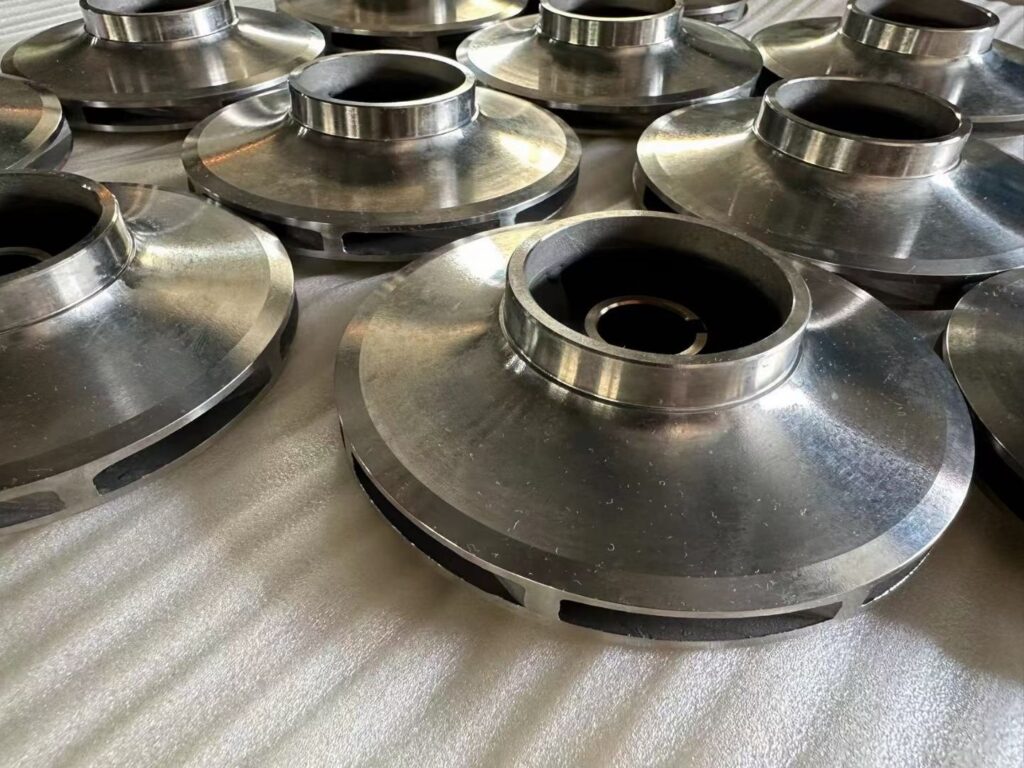
The Real Deal on Casting Stainless: Our Silica Sol Process
At Haoyu Material, we treat casting stainless as an exact science, not just a foundry operation. While there are multiple ways to cast metal, we commit strictly to the Silica Sol investment casting process for our stainless steel components. This decision isn’t about cost-cutting; it is about delivering parts that meet the rigorous demands of marine, industrial, and fluid handling applications.
Why We Choose Silica Sol Over Water Glass
In the world of lost wax casting, you generally have two binder options: Water Glass and Silica Sol. We exclusively utilize the Silica Sol process for our stainless steel parts for specific engineering reasons:
- Superior Surface Finish: Silica Sol casting achieves significantly lower surface roughness (Ra values), often eliminating the need for extensive secondary polishing.
- Dimensional Precision: It allows us to hold tighter linear tolerances (typically CT5–CT7) compared to the rougher water glass method.
- Complex Geometries: This method supports intricate details, thin walls, and complex internal passages essential for valve bodies and pump impellers.
Step-by-Step: The Lost Wax Workflow
Our production line follows a strict protocol to ensure every stainless casting maintains structural integrity and dimensional accuracy.
- Wax Pattern Injection: We start by injecting molten wax into high-precision aluminum dies. This creates an exact replica of your final part.
- Shell Building: The wax patterns are assembled onto a “tree” and dipped into a high-grade ceramic slurry. We apply multiple layers of fine sand (stucco) to build a robust shell capable of withstanding molten steel pressure.
- Dewaxing & Sintering: We place the shell in an autoclave to melt out the wax (hence “lost wax”), leaving a hollow cavity. The ceramic shell is then fired (sintered) at high temperatures to strengthen it for the pour.
- Critical Pouring Stage: We pour molten stainless steel—whether it is 304, 316, or Duplex 2205—into the pre-heated shells. Controlling the temperature here is vital to prevent porosity and shrinkage defects.
- Knockout & Gate Grinding: Once cooled, we vibrate the ceramic shell off the metal. The parts are cut from the assembly tree, and the gate stumps are ground flush to match the part’s geometry.
This rigorous process ensures that when you order a casting stainless solution from us, you receive a component ready for final machining or immediate assembly.
Picking the Right Grade for Casting Stainless Parts
When we handle casting stainless projects, the first conversation is always about the metal itself. Choosing the wrong alloy can lead to premature failure, while over-specifying drives up costs unnecessarily. We guide our clients through selecting the specific grade that balances corrosion resistance with mechanical performance.
The 300 Series Breakdown: 304 vs. 316L
For most general applications, Austenitic stainless steel is the industry standard due to its excellent ductility and toughness. We frequently cast these two primary grades:
- 304 Stainless: This is the workhorse alloy. It offers solid durability for food machinery, architectural fittings, and general industrial parts where extreme chemical exposure isn’t a factor.
- 316/316L Stainless: If your components face saltwater or harsh chemical environments, we recommend this grade. The addition of molybdenum significantly boosts resistance to pitting and crevice corrosion. You can review our specific capabilities in stainless steel casting to see how we process these common alloys for optimal surface finish.
High-Performance Alloys: 17-4 PH and Duplex
Sometimes, standard corrosion resistance isn’t enough; you need raw strength or specialized properties.
- 17-4 PH Alloy: When high tensile strength and hardness are non-negotiable, we turn to this precipitation-hardening grade. It is ideal for pump shafts, valve stems, and aerospace components that must withstand high stress without deforming.
- Duplex Stainless (2205): For extreme environments requiring both high strength and superior resistance to stress corrosion cracking, Duplex is the superior choice over standard austenitic grades.
Guaranteeing Alloy Purity
We don’t leave material composition to chance. Before every pour, we utilize a spectrometer to analyze the exact chemical makeup of the molten metal. This quality control step ensures that every batch meets strict international standards (ASTM, DIN) and guarantees the integrity of your final parts.
Smart Design Rules for Casting Stainless Steel
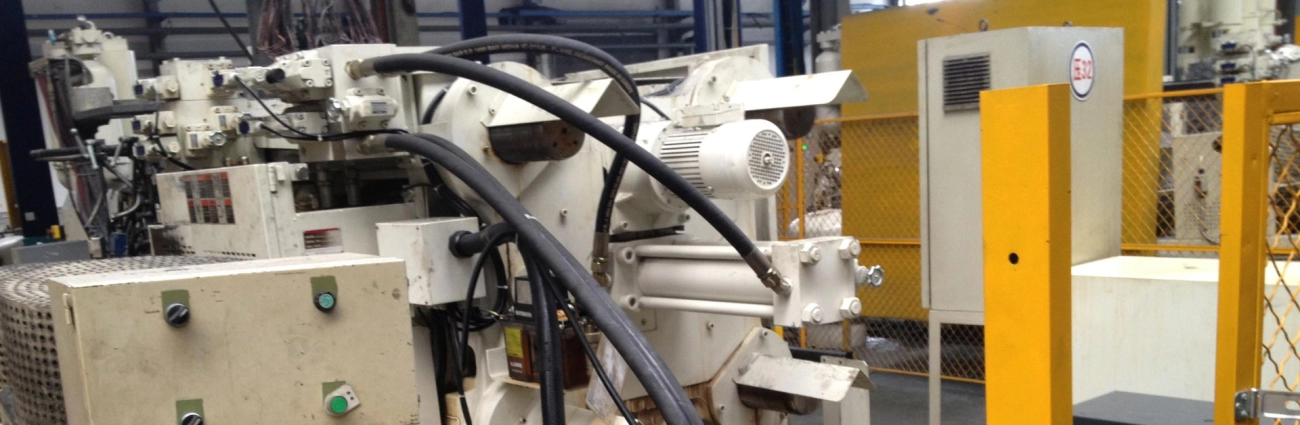
Great parts start with smart engineering. When we are casting stainless, adhering to specific design guidelines ensures the final component functions exactly as intended without unnecessary costs or delays. We work closely with engineers to optimize drawings for the manufacturing process, ensuring high yields and superior structural integrity.
Mastering Dimensional Tolerances
Precision is the hallmark of our silica sol process. We typically adhere to ISO 8062 standards, holding linear dimensional tolerances between CT5 and CT7. This level of accuracy allows us to produce complex geometries that often require little to no secondary work. For features requiring tighter fits than the casting process allows, we integrate precision machining directly at our lost wax casting foundry.
Critical Design Recommendations
To ensure a successful cast, keep these parameters in mind:
- Minimum Wall Thickness: For most stainless steel grades, we recommend a minimum wall thickness of 1.5mm to 2mm. This ensures the molten metal flows completely into the mold before solidifying, preventing misruns or cold shuts.
- Draft Angles: While investment casting is known for handling undercuts better than other methods, adding a slight draft angle (0.5° to 1°) helps significantly with releasing the wax pattern from the die. This reduces tooling wear and improves surface consistency.
- Fillets and Radii: Sharp corners are stress concentrators that can lead to cracking during the cooling phase. We always advise adding fillets and radii to internal and external corners. This simple adjustment prevents hot tearing and results in a stronger, more durable part.
Finishing Touches: Machining and Polishing Cast Stainless
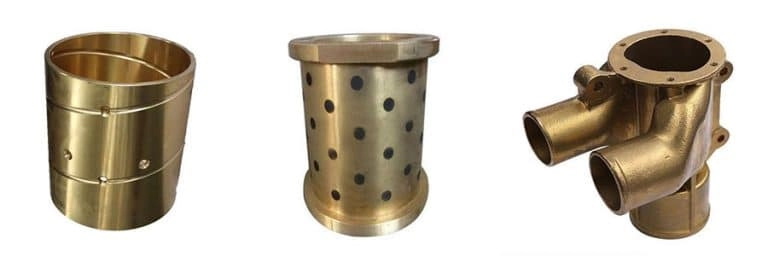
While our silica sol process delivers excellent surface quality right out of the mold, most industrial applications require secondary operations to meet final specifications. We provide a complete “one-stop” solution, taking raw casting stainless parts through precision machining and advanced surface treatments so they arrive ready for assembly.
Precision CNC Secondary Machining
Investment casting gets us very close to the final shape, typically achieving tolerances around CT5–CT7. However, for critical mating surfaces, bearing fits, or threaded holes, CNC secondary machining is essential. We integrate machining directly into our production line, ensuring that the transition from casting to finishing is seamless.
By managing both the foundry and the machine shop, we eliminate the finger-pointing that often happens between separate vendors. For a deeper dive into how we handle these tight specifications, check out our guide on precision CNC machining and casting tolerances.
Surface Treatments for Function and Aesthetics
Stainless steel is chosen for its durability and look, but the raw cast surface often needs refinement. We offer a range of finishes tailored to the specific environment the part will endure:
- Mirror Polishing: Essential for marine hardware and architectural fittings where visual appeal is paramount. We grind and buff the surface to a high-gloss, reflective finish.
- Electropolishing: This electrochemical process removes surface material on a microscopic level. It is critical for the food and medical industries as it lowers surface roughness Ra values, preventing bacteria buildup and making cleaning easier.
- Pickling and Passivation: After casting and machining, the natural protective oxide layer of stainless steel can be compromised. We use pickling and passivation to remove surface contaminants (like free iron) and restore the material’s maximum corrosion resistance.
- Sandblasting: For parts requiring a uniform, matte texture, sandblasting provides a clean, consistent look that hides minor surface imperfections.
Where We Use Casting Stainless Solutions

Our casting stainless capabilities cover a massive range of industries. Because we utilize the precision investment casting process (lost wax), we can adapt to strict requirements whether the part is sitting in saltwater or processing food. We don’t just pour metal; we engineer solutions for specific environments using high-grade austenitic and martensitic stainless steels.
- Marine Hardware: We manufacture heavy-duty components like cleats, chocks, anchors, and hinges. For these applications, we typically cast 316 stainless steel to ensure maximum corrosion resistance against harsh saltwater conditions.
- Fluid Handling Systems: This is one of our largest sectors. We produce complex impellers, pipe fittings, and custom OEM valve bodies that require tight pressure-tight tolerances. The silica sol process ensures the smooth internal passages needed for efficient flow.
- Sanitary Machinery: For the food and medical sectors, surface finish is non-negotiable. We provide parts that are electropolished to meet hygiene standards, ensuring there are no crevices for bacteria to hide.
- Architectural Components: We cast structural yet aesthetic parts like glass spiders and heavy-duty brackets. These often undergo our comprehensive stainless steel casting process followed by mirror polishing to combine load-bearing strength with a premium architectural look.
FAQs About Casting Stainless Projects
Is casting stainless cheaper than CNC machining from solid?
It usually comes down to volume and complexity. For complex geometries, casting stainless is generally more cost-effective than machining from a solid block because it drastically reduces material waste. If you are making hundreds or thousands of parts, the stainless investment casting process benefits your bottom line by lowering the per-unit cost. However, for extremely low volumes (like 1 to 5 parts) or very simple shapes, machining from stock might be quicker since you avoid the initial tooling setup.
How do you control porosity in investment casting?
Porosity is the enemy of structural integrity. We manage this through strict process controls in our Silica Sol casting method. By optimizing the gate design and controlling the shell temperature during the pour, we ensure proper gas venting and metal flow. We also use high-purity raw materials to minimize contaminants. For critical applications, we verify internal quality using non-destructive testing methods to ensure the parts meet strict industrial standards.
What are the typical lead times for new tooling?
Since we specialize in custom parts based on your drawings, lead times vary depending on the complexity of the mold. Generally, the process involves designing the mold, machining the aluminum tool, and producing initial samples for approval. While simple brackets move fast, complex casting aerospace components or intricate pump bodies take a bit longer to perfect. We focus on getting the sample right the first time to smooth out the transition to mass production.
Can you handle rapid prototyping before mass production?
Yes. We understand you need to validate fit and function before committing to a full run. As a provider of OEM casting services, we support prototyping to verify dimensional tolerances and design feasibility. This stage allows us to identify potential issues—like draft angle adjustments or wall thickness concerns—ensuring the final production run proceeds without a hitch.