
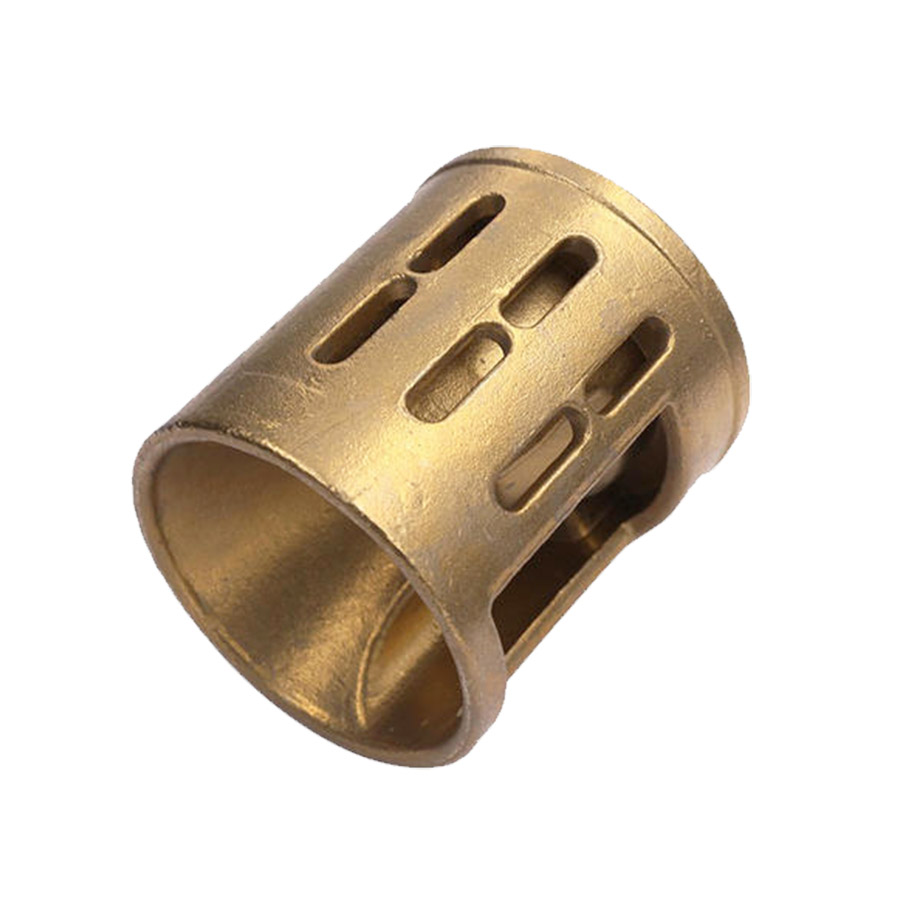
Discover each component of brass with vastmaterial brass alloys composition properties and applications explained clearly.
The Core Components of Brass: Copper (Cu) & Zinc (Zn) – The Primary Duo
Brass, a widely utilized alloy across countless industries, owes its exceptional properties to the precise combination of its two fundamental components: copper (Cu) and zinc (Zn). This primary duo forms the bedrock of every brass material, dictating its performance and appearance. Understanding the role of each element is key to appreciating the versatility of brass.
Copper (Cu): The Resilient Matrix
Copper, a lustrous reddish-brown metal, is the foundational component of brass. With its inherent atomic properties, copper brings unparalleled characteristics to the alloy. It is renowned for its excellent electrical and thermal conductivity, making brass suitable for various electrical applications. Furthermore, copper contributes significantly to brass’s remarkable ductility and malleability, allowing it to be easily shaped and formed without fracturing. An often-overlooked benefit is copper’s natural resistance to corrosion, providing a robust and enduring base. In the brass chemical composition, copper forms the primary matrix, influencing the alloy’s characteristic color, workability, and even its inherent antimicrobial properties. The percentage of copper in brass alloys varies, typically ranging from 55% to 95%, with higher copper content generally yielding softer, more ductile materials with a redder hue.
Zinc (Zn): The Alloying Transformer
Zinc acts as the crucial alloying transformer within brass. This silvery-white metal contributes vital attributes, notably enhancing the alloy’s strength and hardness. Zinc also possesses a relatively lower melting point compared to pure copper, which benefits the manufacturing and casting processes. Its key role in the brass component is to increase the material’s mechanical strength, improve its hardness, and enhance castability, making it easier to produce intricate shapes. Furthermore, varying the zinc content allows for a broad spectrum of brass colors, ranging from reddish-gold to silvery-yellow. Crucially, the percentage of zinc fundamentally alters the microstructure and properties of brass. For example, lower zinc concentrations (typically below 37%) result in alpha brass, known for its high ductility and excellent cold workability. As zinc content rises (between 37% and 45%), alpha-beta brass forms, offering increased strength and suitability for hot working. Even higher zinc levels lead to beta brass, which is harder and less ductile, primarily valued for casting applications.
Secondary & Trace Alloying Elements: Fine-Tuning Brass Performance
While copper and zinc form the primary component of brass, specific secondary and trace alloying elements are introduced to precisely fine-tune its performance. These additions are crucial alloying constituents of brass, allowing for specialized brass chemical composition and enhanced functional properties.
Here’s how various brass metal ingredients play their part:
| Element | Primary Function | Key Benefit / Impact | Considerations / Applications |
|---|---|---|---|
| Lead (Pb) | Machinability Enhancer | Significantly improves chip formation during machining, acting as an internal lubricant. | Ideal for applications requiring high-speed processing and precision. We offer various brass grades in both leaded and lead-free options. Our CNC turning guide details materials optimized for such processes. |
| Tin (Sn) | Boosts Corrosion Resistance & Strength | Increases strength, hardness, and provides enhanced resistance to dezincification. | Critical for marine hardware, pump impellers, and steam fittings, especially in brass material characteristics like Naval Brass. |
| Aluminum (Al) | Enhances Strength, Corrosion Resistance, Surface Finish | Forms a protective oxide layer, augments strength, and imparts a brighter, often golden, finish. | Valued in marine environments for its robust corrosion resistance and aesthetic appeal. |
| Manganese (Mn) | For Strength, Hardness, and Deoxidation | Acts as a deoxidizer, refines grain structure, and contributes to increased strength and hardness. | Found in high-strength brass grades, often in alloys sometimes referred to as Manganese Bronze. |
| Iron (Fe) | Grain Refinement and Strengthening | Increases tensile strength and hardness. | Typically present in minor concentrations to improve overall mechanical properties. |
| Silicon (Si) | Improves Castability and Deoxidation | Enhances melt fluidity for superior casting, serves as an effective deoxidizer. | Essential for producing intricate castings with excellent surface finishes. Learn more about our capabilities for casting foundry operations. |
| Nickel (Ni) | Superior Corrosion Resistance and Aesthetic Appeal | Significantly boosts strength, hardness, and corrosion resistance, while also improving aesthetic appeal. | Key to alloys like Nickel Silver (German Silver) for its enhanced durability and bright, silvery appearance. |
Classifying Brass by Composition: Understanding the Diverse Spectrum
The component of brass, primarily its zinc content, dictates its classification and ultimate performance. We categorize brass into distinct types based on its brass chemical composition, each engineered for specific applications and manufacturing processes.
Alpha Brass: Flexible and Malleable (<37% Zinc)
Alpha brass alloys are highly ductile and perfectly suited for cold working. Their single-phase microstructure allows for easy forming, bending, and drawing, making them ideal for applications such as cartridge cases and decorative gilding metal. We supply numerous alpha brass grades, including H90, H80, H70, H68, H65, H63, C26000, and C27000, in forms like sheet, coil, and wire.
Alpha-Beta Brass: Stronger and Hot-Workable (37-45% Zinc)
Containing a mix of both alpha and beta phases, these brasses are notably stronger and better suited for hot working processes such as extrusion and forging. Their enhanced strength and good hot ductility make them excellent for architectural elements and structural components. Our offerings include grades like H62 and C28000, available as bar, rod, and plate.
Beta Brass: Hard and Castable (>45% Zinc)
Beta brass alloys are harder and less ductile due to their predominantly beta-phase microstructure. This characteristic makes them primarily suitable for casting applications where intricate shapes and good wear resistance are paramount, rather than extensive cold forming.
Specialized Brass Alloys: Tailored Performance
Beyond basic copper-zinc ratios, incorporating secondary components in brass yields specialized alloys with unique properties. For instance, Naval Brass includes tin (Sn) to significantly boost its corrosion resistance, especially against dezincification in marine environments. Other specialized brass material characteristics are achieved by adding elements like aluminum, manganese, or lead, optimizing the alloy for specific performance needs such as improved strength, machinability, or wear resistance. We offer a comprehensive selection of these different brass types and provide customization services to meet specific project requirements.
When we analyze the component of brass, we’re truly understanding its performance profile. The specific brass components—primarily copper and zinc, along with other alloying elements—dictate everything from how strong it is to how it reacts to its environment.
Mechanical Properties of Brass Components
The mechanical attributes of brass material are directly shaped by its elemental makeup.
- Tensile Strength and Yield Strength: The percentage of zinc in the brass chemical composition plays a significant role in determining its load-bearing capacity. Higher zinc often means increased strength, though this can impact ductility. To understand how composition influences ultimate material strength, exploring the tensile strength of metals is a foundational concept.
- Hardness: We measure hardness using scales like Brinell, Rockwell, or Vickers. This property, indicating resistance to indentation and wear, is largely enhanced by increased zinc content and the presence of certain alloying elements.
- Ductility and Malleability: These properties are crucial for forming and fabrication. Brass with a higher copper content tends to be more ductile and malleable, allowing it to be easily shaped or drawn without breaking.
- Machinability Ratings: The ease with which brass can be cut or machined is often enhanced by specific components. For example, adding lead acts as an internal lubricant, creating short, easily removable chips and significantly improving machinability.
Physical Properties of Brass Components
The physical traits of brass material grades are equally influenced by its elemental composition.
- Density and Weight: These are determined by the specific gravity of the constituent brass components. Since copper is denser than zinc, a higher copper content typically results in a denser alloy.
- Melting Point Range: The precise component of brass establishes its melting point. Zinc significantly lowers the melting point of brass compared to pure copper, which is critical for various processing methods, especially when we consider techniques like melting and casting that rely on specific temperature controls.
- Electrical Conductivity: High copper content is vital for excellent electrical conductivity, making certain brasses suitable for electrical applications.
- Thermal Conductivity: Just like electrical conductivity, the efficiency of heat transfer in brass is largely a function of its copper content, as copper is an excellent thermal conductor.
Chemical Properties of Brass Components
Finally, the chemical properties define how brass alloy components interact with their surroundings.
- Corrosion Resistance: While brass generally offers good corrosion resistance, its specific elemental makeup of brass affects its vulnerability to issues like dezincification (where zinc selectively leaches out) or stress corrosion cracking. Elements like tin or aluminum are added to mitigate these risks.
- Antimicrobial Properties: One unique benefit of brass, directly stemming from its copper component, is its inherent ability to inhibit the growth of bacteria and other microorganisms, a valuable trait in many applications.
Our Precision Manufacturing Process for Brass Components
At Haoyu Material, we ensure the integrity and exact component of brass in every product through a meticulously controlled manufacturing process. It starts with the rigorous sourcing of high-purity raw materials, including top-grade copper, zinc, and all other essential alloying constituents of brass. This commitment to pristine raw materials is foundational to the quality of our brass alloys.
We then employ advanced precision alloying and melting techniques, leveraging our over two decades of industry expertise. This meticulous approach guarantees that each brass chemical composition is perfectly achieved, meeting the specific requirements of various applications. Our comprehensive quality control system, ISO 9001 certified, includes cutting-edge material analysis tools like Optical Emission Spectroscopy and X-ray Fluorescence, verifying the exact brass elemental makeup of every batch.
Finally, we transform these precisely formulated brass alloys into diverse forms using expert forming processes such as casting, extrusion, and rolling. This enables us to deliver a wide array of high-quality brass products tailored for industries worldwide.
Applications of vastmaterial™ Brass Alloys: Tailored by Component Influence
The specific components of brass in Haoyu Material’s alloys are precisely engineered to meet the demands of diverse applications across various industries. Our extensive range ensures that the ideal brass material is available for any requirement.
For applications demanding high electrical conductivity and ductility, such as intricate electrical connectors, decorative art pieces, coinage, and durable ammunition casings, we provide brass alloys with a high copper content. When a balance of strength, workability, and aesthetic appeal is needed, our brass with optimized zinc content excels in architectural elements, reliable plumbing fixtures, precision musical instruments, and robust fasteners.
For parts requiring exceptional ease of manufacture, our lead-enhanced brass is specifically designed for precision machined components, durable gears, and critical valve components, facilitating efficient production processes. When facing harsh or corrosive environments, tin-enriched brass is the go-to choice for marine hardware, resilient pump impellers, and steam fittings, offering enhanced corrosion resistance. Furthermore, our specialized brass alloys, like aluminum or manganese brass, provide superior performance for heavy-duty bearings, wear-resistant plates, and intricate ornamental castings, showcasing the versatility derived from each unique component in brass. These tailored compositions underline our commitment to delivering optimal material solutions.
At Haoyu Material, our commitment to material integrity, consistent composition, and performance is unwavering in providing top-tier brass material solutions. We offer custom alloy development and expert material consultation services for your unique project requirements, ensuring that every component of brass we supply meets precise specifications. Our operations adhere to sustainable and responsible sourcing and manufacturing practices, backed by over 20 years of experience and ISO 9001 certification. With a robust global supply chain and dedicated technical support, we are your reliable partner for high-quality brass alloys. Our expertise extends to guiding you through various alloy options and their properties, as detailed in our casting alloy guide, and our R&D efforts continually refine our offerings.
Frequently Asked Questions About Brass Components
When considering materials for various applications, understanding the components of brass is crucial. Here are some common questions we often address regarding this versatile alloy.
What is the fundamental difference in components between brass and bronze?
The primary distinction lies in their main alloying elements. Brass is predominantly an alloy of copper and zinc. Bronze, on the other hand, is primarily an alloy of copper and tin, though it can also contain other elements like aluminum, manganese, or silicon. While both are copper-based, their differing secondary components of brass versus bronze give them unique properties and appearances.
Can brass be effectively recycled, and what are its environmental benefits?
Absolutely. Brass is a highly recyclable material, and its recycling rate is one of the highest among all metals. Recycling brass significantly reduces the demand for virgin raw materials, conserves energy, and lowers the carbon footprint associated with new metal production. This makes brass an environmentally responsible material choice.
How does the percentage of zinc directly affect the color and luster of brass?
The proportion of zinc, a key component of brass, plays a significant role in its visual characteristics. Brasses with a lower zinc content (e.g., 5-15% zinc) tend to have a reddish-gold hue, resembling copper. As the zinc percentage increases, the brass becomes more yellowish, brighter, and can even achieve a light golden luster with higher zinc levels.
What specific components are added to brass to prevent dezincification corrosion?
To combat dezincification, a form of corrosion where zinc is selectively leached from the alloy, specific elements are added to brass. Small amounts of tin (as seen in Naval Brass), arsenic, antimony, or phosphorus are often introduced. These components of brass create a protective layer or alter the microstructure to significantly improve resistance to this type of corrosion, especially in saltwater or aggressive environments.
Is brass a magnetic material, and how does its composition influence this?
Generally, brass is a non-magnetic material. Its primary components of brass, copper and zinc, are both non-ferromagnetic. Therefore, standard brass alloys do not exhibit magnetic properties. Any slight magnetism in brass would typically indicate the presence of ferromagnetic impurities, most commonly iron, in small concentrations.