Denken Sie alles Edelstahl Ist nicht magnetisch? Das ist der Punkt, an dem viele Ingenieure und Einkäufer durcheinanderkommen—besonders bei 17-4 Edelstahl.
Hier ist die Kernaussage: 17-4 Edelstahl ist magnetisch unter jeder Wärmebehandlungsbedingung. Egal, ob Sie mit 17-4 PH, Typ 630, oder einfach “17-4” arbeiten, ein Magnet wird daran haften bleiben wegen seiner Martensitischen Struktur.
Und das ist wichtig. Wenn Sie für magnetische Spannbacken, Sensoren, Lebensmittelverarbeitungsanlagen, oder Umgebungen, die bleiben müssen nicht-magnetisch (wie bei MRI-Geräten), die Wahl des falschen Grades kann Ihnen Zeit, Geld und Sicherheit kosten.
In diesem Leitfaden lernen Sie schnell:
- Warum 17-4 Edelstahl magnetisch ist (obwohl es Nickel enthält)
- Wie Wärmebehandlung (H900, H1025, H1150) seine magnetischen Eigenschaften
- Wie 17-4 im Vergleich zu nicht-magnetischen Grades wie 304 und 316
- Wenn sein Magnetismus ist ein Vorteil—und wann Sie es vermeiden sollten
Wenn Sie hochfesten, magnetischen Edelstahl mit zuverlässiger Qualität und Rückverfolgbarkeit benötigen, Vastmaterial liefert Premium 17-4 Edelstahl in Stangen, Platten und maßgeschneiderten Teilen für anspruchsvolle Anwendungen.
Lassen Sie uns direkt darauf eingehen, wie 17-4 sich verhält—und ob es die richtige Wahl für Ihr nächstes Projekt ist.
Was ist 17-4 Edelstahl?
17-4 Edelstahl (auch bekannt als 17-4 PH, Typ 630, oder UNS S17400) ist ein hochfestiger, korrosionsbeständiger Edelstahl, auf den ich vertraue, wenn ich sowohl Zähigkeit als auch Dimensionsstabilität in anspruchsvollen Umgebungen benötige. Es wird häufig in Deutschland für Teile verwendet, die hohen Belastungen, moderater Korrosion und engen Toleranzen standhalten müssen.
Grundlegende Definition von 17-4 PH Edelstahl
17-4 PH ist ein Aus precipitation-härtendem martensitischem Edelstahl.
“17-4” bezieht sich ungefähr auf seinen Chrom- und Nickelgehalt (etwa 17% Cr und 4% Ni). Durch Wärmebehandlung entwickelt es eine sehr hohe Festigkeit, während es gleichzeitig guten Korrosionsschutz bietet—stärker als die meisten gängigen Edelstahl der Serie 300.
Chemische Zusammensetzung und wichtige Legierungselemente
Typische Zusammensetzung (Gewicht %):
- Chrom (Cr): ~15–17% – Korrosionsbeständigkeit und Härte
- Nickel (Ni): ~3–5% – Festigkeit und Zähigkeit
- Kupfer (Cu): ~3–5% – Schlüssel für Ausscheidungshärtung
- Niob (Nb+Ta): ~0,15–0,45% – stärkt die martensitische Struktur
- Kohlenstoff (C): ≤0,07% – steuert Härte und Zähigkeit
- Rest Eisen (Fe) mit kleinen Mengen an Mn, Si, P, S
Diese Chemie ist genau das, was seine magnetisch Verhalten und hohe mechanische Leistung antreibt.
Martensitische Ausscheidungshärtbare Legierung (Typ 630)
17-4 PH ist ein martensitischer ausscheidungshärtbarer Edelstahl:
- Martensitisch = hart, magnetisch, hohe Festigkeit
- Ausscheidungshärtung = verwendet Alterungswärbebehandlungen, um feine kupferreiche Ausscheidungen zu bilden, die Festigkeit und Härte erhöhen
Unter der AISI-Bezeichnung wird es genannt Typ 630, und es liegt in Bezug auf Korrosionsbeständigkeit zwischen standardmäßigen martensitischen (wie 410) und austenitischen (wie 304) Edelstählen, übertrifft sie aber bei der Festigkeit deutlich.
Kernmechanische Eigenschaften: Festigkeit, Härte, Zähigkeit
Je nach Wärmebehandlung (H900, H1025, H1150 usw.) liefert 17-4 Edelstahl:
- Endzugfestigkeit: bis zu ~190–200 ksi (H900)
- Streckgrenze: oft 2–3× stärker als 304/316
- Härte: bis zu ~HRC 40–45 unter hochfesten Bedingungen
- Gute Zähigkeit unter vielen Bedingungen, insbesondere bei H1150 und ähnlichen Tempern
Diese Kombination—hohe Festigkeit, solide Härte und praktische Zähigkeit—ist der Grund, warum 17-4 PH ein bevorzugtes Material in kritischen industriellen Anwendungen in Deutschland ist.
Gängige Produktformen und industrielle Verwendungen
Ich beziehe und liefere typischerweise 17-4 Edelstahl bei:
- Rundstahl, Sechskantstahl und Wellen
- Platten und Bleche
- Güten und Flansche
- Gussteile und Nahtlose Formen
Typische Anwendungen in Deutschland umfassen:
- Luft- und Raumfahrt: Strukturteile, Aktuatoren, Landegestellteile
- Öl & Gas: Pumpenwellen, Ventile, Bohrlochwerkzeuge
- Maritime: Hochfestes Befestigungsmaterial, Antriebskomponenten
- Lebensmittel und Getränke: Verarbeitungsausrüstung, bei der Festigkeit + Reinigbarkeit wichtig sind
- Allgemeine Industrie: Hochbelastete Wellen, Zahnräder, Vorrichtungen und hochfestes Befestigungsmaterial
Wann immer Sie ein hochfesten, korrosionsbeständigen, magnetischen Edelstahl benötigen, ist 17-4 PH Edelstahl eine der effizientesten und am weitesten verfügbaren Optionen auf dem Markt.
Ist 17-4 Edelstahl magnetisch?
Ja, 17-4 Edelstahl magnetisch ist. Es ist ein martensitischer, einsatzgehärteter (PH) Edelstahl, daher verhält er sich wie andere magnetische Edelstahlqualitäten und zieht in normalen Werkstattbedingungen eindeutig einen Magnet an.
Warum 17-4 PH eine magnetische Edelstahlqualität ist
17-4 (auch bekannt als 17-4 PH, Typ 630, oder UNS S17400) hat eine martensitische Struktur, die von Natur aus ferromagnetisch. ist. Im Gegensatz zu austenitischen Qualitäten wie 304 und 316 hängt 17-4 nicht von hohem Nickelgehalt ab, um nicht magnetisch zu sein. Stattdessen sind seine Chemie und Wärmebehandlung auf hohe Festigkeit und Härte, ausgelegt, was auch dieses magnetische Verhalten festlegt.
Wie stark ein Magnet an 17-4 haftet
Im praktischen Einsatz:
- Ein einfacher Werkstattmagnet wird 17-4 fest anziehen—stärker als bei 304 oder 316.
- Bei gealterten Zuständen (wie H900 oder H1025) fühlt sich die Anziehungskraft fest und positiv an, gut genug für Magnetische Spannbacken, Klemmen und Vorrichtungen.
- Verglichen mit kohlenstoffarmem oder austenitischem Edelstahl aus einem typischen Edelstahlproduktportfolio, 17-4 wird deutlich magnetischer sein.
Schneller Magnettest, den Sie durchführen können
Wenn Sie bestätigen möchten, ob Ihr Teil 17-4 Edelstahl magnetisch ist:
- Verwenden Sie eine kleiner Seltene-Erden-(Neodym)-Magnet oder ein starker Kühlschrankmagnet.
- Berühren Sie es mit einem sauberen, flachen Bereich des Teils.
- Starker Schnapp- und schwer zu verschieben = wahrscheinlich 17-4 oder ein anderer martensitischer/PH-Edelstahl.
- Sehr schwacher oder kein Zug = wahrscheinlicher 304, 316 oder ein anderer austenitischer, nicht magnetischer Edelstahlgrad.
Dieser einfache Edelstahl-Magnettest ist oft ausreichend für eine schnelle Überprüfung, bevor Sie sich entscheiden, 17-4 in magnetischer Werkstückhaltung, Vorrichtungen oder Trennvorrichtungen zu verwenden.
Magnetische Eigenschaften von 17-4 Edelstahl
Ferromagnetisches Verhalten von 17-4 PH
17-4 Edelstahl ist deutlich ferromagnetisch. In der Praxis bedeutet das:
- Ein Standard-Shop-Magnet greift ihn stark
- Es verhält sich viel näher an einem 400er-Serie martensitischer Edelstahl als an 304/316 in Bezug auf die Magnetanziehung
- Es ist vollständig verwendbar mit magnetischen Spannern, Klammern und Haltern
Für jeden in der Zerspanung, Gießen oder Fertigung können Sie 17-4 als magnetischen Edelstahlstahlstange/-platte Grad.
Warum 17-4 Edelstahl magnetisch ist (Martensit + Kristallstruktur)
17-4 PH ist ein martensitischer ausscheidungshärtbarer Edelstahl, und dass diese martensitische Struktur das macht, was es magnetisch macht.
- Im gehärteten/alternden Zustand ist die Mikrostruktur hauptsächlich Martensit
- Martensit hat eine BCC/BCT-typische Gitterstruktur (kubisch raumzentriert / tetragonal raumzentriert)
- Diese Kristallstrukturen ermöglichen es dem Material Magnetische Domänen leicht ausrichten, was starke Ferromagnetismus erzeugt
Im Gegensatz dazu haben austenitische Sorten wie 304 oder 316 eine FCC-Struktur (flächenzentrierte kubische Struktur), die viel mehr nicht-magnetisch im geglühten Zustand ist, wie in vielen Nebenvergleichs Legierungsstahl vs. Edelstahl Vergleichen erklärt wird dieser rostfreien Fokusleitfaden.
Magnetische Permeabilität und Anziehungskraft
In der Praxis ist die magnetische Permeabilität von 17-4 Edelstahl:
- Hoch genug für starke magnetische Anziehung
- Stabil bei typischen Werkstatttemperaturen
- Geeignet für die meisten magnetischen Spannverfahren und Magnetabscheidung Einrichtungen
Sie werden normalerweise bemerken:
- Stärkere Anziehung als bei 304/316
- Ähnlicher oder leicht geringerer Zug als bei einigen geraden Edelstahl der Serie 400 (wie 410/420) abhängig von der Wärmebehandlung
Stange vs. Platte vs. maschinell gefertigte Teile
Magnetismus in 17-4 PH ist in allen gängigen Produktformen stark, aber Sie können kleine Unterschiede bemerken:
| Form | Typisches magnetisches Verhalten |
|---|---|
| Warmgewalzte / geschmiedete Stange | Starke, konsistente Anziehungskraft |
| Platte / Blech | Stark; Kantenwirkungen können das Gefühl leicht verändern |
| Präzisionsgefertigte Teile | Bleibt weiterhin stark magnetisch; Geometrie beeinflusst die Anziehungskraft |
| Dünne Abschnitte / kleine Teile | Fühlen Sie sich “schwächer” hauptsächlich aufgrund kleiner Kontaktfläche |
Wichtigster Punkt: das Grundmaterial ist magnetisch in all diesen Formen. Jede Veränderung, die Sie spüren, ist normalerweise auf Teildicke, Oberflächenfinish oder Kontaktfläche zurückzuführen, nicht auf eine Veränderung des Legierungszusatzes selbst.
Wenn Sie 17-4 mit anderen Stählen oder Gusslegierungen in einer Baugruppe kombinieren, ist es sinnvoll zu verstehen, wie jedes Material magnetisch und mechanisch verhält, ähnlich wie bei einem Vergleich verschiedener Legierungen in einem Übersicht des Gießprozesses für Edelstahl.
Warum 17-4 PH magnetisch ist, aber einige Edelstähle nicht
Wenn Leute fragen: “Ist 17-4 Edelstahl magnetisch?”, stoßen sie eigentlich auf die Unterschiede Edelstahlfamilien um einen Magnet verhalten.
Edelstahlfamilien und Magnetismus
Die meisten Edelstähle fallen in vier Hauptgruppen, und ihr Magnetismus folgt ihrer Mikrostruktur:
- Austenitisch (300er Reihe wie 304, 316)
- Struktur: FCC-Austenit
- In der Regel nicht magnetisch oder sehr schwach magnetisch
- Verwendet, wo geringe oder keine Magnetisierung wichtig ist
- Ferritisch (430, usw.)
- Struktur: BCC-Ferrit
- Stark magnetisch
- Niedriger Nickelgehalt, geringere Kosten, mäßige Korrosionsbeständigkeit
- Martensitisch (410, 420, 440C)
- Struktur: BCT-Martensit
- Stark magnetisch
- Hohe Härte und Verschleißfestigkeit, mäßige Korrosionsbeständigkeit
- Precipitationshärtbarer Stahl (PH) wie 17-4 (Typ 630, UNS S17400)
- Martensitisches PH-Edelstahl
- Magnetisch, ähnlich wie andere martensitische Sorten
- Kombiniert hohe Festigkeit, gute Korrosionsbeständigkeit und klare magnetische Reaktion
Die Rolle von Nickel in nicht-magnetischem Edelstahl
Nickel ist hier der entscheidende Faktor:
- Hochnickel (wie 8–12% in 304/316) stabilisiert Austenit, was nicht-magnetisch.
- 17-4 PH hat viel niedrigerer Nickelgehalt (etwa 3–5%), nicht annähernd genug, um eine austenitische, nicht-magnetische Struktur zu halten.
- Mit weniger Nickel verwandelt sich der Stahl in Martensit beim Abkühlen, und Martensit ist ferromagnetisch.
Mit anderen Worten, hohes Nickel = mehr Austenit = geringe Magnetisierung.
Weniger Nickel = Martensit/Ferrit = starke Magnetisierung.
Wie die Chemie von 17-4 die Martensitbildung fördert
17-4 PH ist so konzipiert, dass es:
- Hoch in Chrom (~15–17%) für Korrosionsbeständigkeit
- Moderat in Nickel (~3–5%) - gerade genug für Zähigkeit, nicht genug, um austenitisch zu bleiben
- Legiert mit Kupfer (~3–5%) und Niob/Columbium für Ausscheidungshärtung
Diese Balance bedeutet:
- Beim Abkühlen nach Lösungsglühen wandelt sich 17-4 in eine martensitische Struktur, nicht austenitisch.
- Alterungshärtungsbehandlungen bilden dann feine Kupferausscheidungen, die die Festigkeit erhöhen, aber die magnetische martensitische Basis beibehalten.
Dieses martensitische Rückgrat ist der Grund, warum 17-4 Edelstahl magnetisch ist unter normalen Bedingungen (H900, H1025, H1150 usw.).
Mikrostruktur: 17-4 vs. Serie 300 (304, 316)
Hier ist der einfache Vergleich:
- 17-4 PH (Typ 630)
- Mikrostruktur: Martensitisch + Ausscheidungen
- Verhalten: Deutlich magnetisch, starker Zug mit einem Standard-Shop-Magnet
- Anwendungsfall: Hohe Festigkeit plus Korrosionsbeständigkeit, wenn Magnetismus in Ordnung oder hilfreich ist
- 304 / 316 austenitischer Edelstahl
- Mikrostruktur: Austenitisch (kann etwas zugsinduzierte Martensitbildung durch Kaltarbeit aufnehmen)
- Verhalten: In normaler Wärmebehandlung im Allgemeinen nicht magnetisch, kann werden leicht magnetisch nach starker Umformung oder Bearbeitung
- Anwendungsfall: Lebensmittelgeräte, Medizin und allgemeine Edelstahlanwendungen, bei denen Magnetismus gering sein sollte
Wenn Sie in investieren Edelstahl-Feingussteile und die Magnetismus von Anfang an kontrollieren müssen, um die richtige Legierung und Mikrostruktur zu sichern Vorauszahlung ist entscheidend. Hier liegt die Stärke eines prozessorientierten Partners mit tiefgehender Erfahrung in Edelstahl-Feingusssorten und -eigenschaften Ihnen bei der Auswahl zwischen 17-4, 304, 316 oder anderen Optionen basierend auf Korrosionsbeständigkeit und magnetischem Verhalten helfen (Übersicht über den Edelstahl-Feingussteilprozess und -sorten).
17-4 Edelstahl vs. 304 und 316: Magnetismus und Kompromisse
Vergleich Magnetismus 17-4 vs. 304 Edelstahl
17-4 PH Edelstahl ist stark magnetisch unter allen typischen Bedingungen. Es ist eine martensitische, auskristallisationshärtelegierte Sorte, daher wird sie von einem Magneten stark angezogen—ähnlich wie viele Kohlenstoff- und Werkzeugstähle.
304 Edelstahl ist größtenteils nicht magnetisch im angelassenen Zustand, aber:
- Kaltverformtes 304 (gebogen, gestanzt oder stark bearbeitet) zeigt oft leichte bis mäßige Magnetisierung.
- Der Magnetzug auf 304 ist in der Regel viel schwächer als bei 17-4.
Wenn Sie denselben Magneten an 17-4 und 304 nebeneinander halten:
- 17-4: fester, offensichtlicher Klick
- 304: kaum bis kein Zug, vielleicht ein leichter Widerstand bei kaltverformten Bereichen
Vergleich der magnetischen Eigenschaften von 17-4 und 316 Edelstahl
316 Edelstahl ist noch stabiler austenitisch als 304 und ist die bevorzugte “nicht-magnetische” Edelstahlart in vielen Branchen in Deutschland. In der Praxis:
- Angelassener 316 ist Sehr geringe Magnetisierung bis praktisch nicht magnetisch.
- Kaltarbeit kann hinzufügen leicht Magnetismus, aber immer noch viel schwächer als 304, und bei weitem nicht 17-4.
- 17-4 fühlt sich mehrfach stärker im magnetischen Anziehungskraft als entweder 304 oder 316.
Wenn Sie eine schnelle Feldprüfung benötigen, wird ein grundlegender Edelstahl-Magnettest 17-4 deutlich von 304/316 unterscheiden.
Festigkeit, Härte und Korrosionsbeständigkeit - Kompromisse
Hier ist der grundlegende Kompromiss zwischen 17-4, 304 und 316:
| Eigenschaft | 17-4 PH (gealtert) | 304 Edelstahl | 316 Edelstahl |
|---|---|---|---|
| Magnetismus | Stark magnetisch | Niedrig bis mäßig (kaltbearbeitet) | Sehr niedrig bis nahezu nicht magnetisch |
| Zugfestigkeit (typisch) | Sehr hoch (bis zu ~190 ksi in H900) | Mittlere (~70–85 ksi) | Mittlere (~70–90 ksi) |
| Härte | Hoch (Werkzeugniveau in H900) | Niedrig–mittel | Niedrig–mittel |
| Allgemeine Korrosionsbeständigkeit | Gut | Sehr gut | Ausgezeichnet, insbesondere bei Chloriden |
| Chlorid- / Salzbeständigkeit | Ziemlich gut, aber nicht wie 316 | Befriedigend | Der beste der drei |
Wenn Sie mit hochleistungsfähigen Legierungen wie Inconel aus Leitfäden wie diesem Vergleichsressource für Inconel-Legierungen, vertraut sind, befindet sich 17-4 im selben Entscheidungsraum für “hochfesten Edelstahl”—nur mit deutlich stärkerem magnetischem Verhalten.
Wann 17-4 eine bessere Wahl ist als 304 oder 316 für magnetische Anwendungen
Wählen Sie 17-4 Edelstahl über 304/316, wenn Sie benötigen sowohl Magnetismus als auch Festigkeit in einem Paket:
- Teile, die gehalten werden am Magnetische Spannbacken oder Klemmen (Werkzeug, Vorrichtungen, Werkstückaufnahme)
- Drehende Wellen, Zahnräder, Kupplungen, Pumpenteile wo Sie während der Bearbeitung eine starke magnetische Haltekraft benötigen
- Hochfestige Komponenten die dennoch rostfreien Korrosionsschutz und zuverlässige magnetische Reaktion benötigen
- Magnetische Trennungskomponenten wo Sie rostfreien Stahl wünschen, der stark auf das Magnetfeld reagiert
Hier sind 304 und 316 einfach zu schwach magnetisch für eine zuverlässige magnetische Werkstückaufnahme, insbesondere bei kleineren oder präzisen Teilen.
Wann man 17-4 vermeiden sollte und bei vollständig nicht-magnetischen Sorten bleibt
Sie sollten gewährt 17-4 verwenden, wenn die Spezifikation oder Umgebung es erfordert nicht-magnetischer Edelstahl:
- MRT-Räume, medizinische Implantate und chirurgische Instrumente wo magnetische Anziehung eine Sicherheitsfrage ist
- Empfindliche Sensoren, Präzisionsinstrumente, Kompasse und Laborausrüstung wo Magnetfelder nicht gestört werden können
- Elektronik, Avionik und Verteidigungssysteme die empfindlich auf Streufelder reagieren
- Jede Arbeitszeichnung, die angibt “voll austenitischer, nicht-magnetischer Edelstahl” oder ausdrücklich auf 316L/304L aus magnetischen Gründen verweist
In diesen Fällen bleibt bei:
- 316/316L oder 304/304L in voll austenitischen Zuständen
- Spezialität nicht-magnetischer Edelstahl oder Legierungssysteme, die für MRT und magnetempfindliche Umgebungen entwickelt wurden
Fazit:
- Wenn Sie benötigen Hohe Festigkeit + starker Magnetzug → 17-4 PH ist das richtige Werkzeug.
- Wenn Sie benötigen Korrosionsbeständigkeit an erster Stelle und nahezu keine Magnetwirkung → 316 (oder andere voll austenitische Sorten) ist die sicherere Wahl.
Auswirkung der Wärmebehandlung auf das magnetische Verhalten von 17-4 Edelstahl
Wärmebehandlung verändert die Festigkeit und Härte von 17-4 PH, aber sie macht ihn nicht nicht-magnetisch. Egal in welchem Zustand, 17-4 (UNS S17400 / AISI 630) bleibt deutlich magnetisch, weil seine Struktur bei Raumtemperatur martensitisch ist.
Lösungsglühen (Zustand A)
Im Zustand A (Lösungsglühen und luftgekühlt):
- Struktur ist martensitisch, daher ist es bereits magnetisch
- Magnetischer Zug fühlt sich “fest” an, ähnlich wie bei vielen Edelstahlarten der Serie 400
- Es ist weicher und leichter zu bearbeiten oder für spätere Alterungsschritte vorzubereiten, insbesondere wenn Sie Beschichtungen oder andere Oberflächenbehandlungen anschließend
Alterungsbedingungen: H900, H1025, H1150
Nach der Alterung (H900, H1025, H1100, H1150 usw.):
- Alle gealterten Zustände bleiben stark ferromagnetisch
- H900 (härteste, höchste Festigkeit) fühlt sich normalerweise etwas stärker an für einen Magneten aufgrund höherer Härte und gleichmäßigerem Martensit
- H1025 und H1150 sind etwas weicher, ziehen aber immer noch deutlich einen Magneten an
- Im echten Werkstattgebrauch werden Sie keinen “nicht-magnetischen” Zustand spüren—nur leichte Unterschiede im Zug
Kann eine Wärmebehandlung 17-4 nicht magnetisch machen?
Keine Standardwärmebehandlung, die in der Industrie verwendet wird, macht 17-4 PH vollständig nicht-magnetisch. Sie können die magnetische Reaktion leicht reduzieren
- durch:
- Verfeinerung der Mikrostruktur mit spezifischen Zyklen
…aber es wird immer noch magnetisch genug sein, um einen Magnettest auszulösen. Wenn Sie wirklich nichtmagnetische Eigenschaften benötigen (MRT, High-End-Sensoren), sollten Sie sich überhaupt nicht auf 17-4 verlassen.
Kaltverfestigung und Schweißeffekte
Kalte Arbeit und Schweißen verändern das magnetische Verhalten, entfernen es aber nicht:
- Kaltverfestigung (Umformen, schwere Bearbeitung, Kugelstrahlen):
- Kann die Härte erhöhen und das Teil oft magnetischer erscheinen lassen
- Lokale Bereiche können eine stärkere Anziehungskraft auf den Magneten zeigen als das Basismaterial
- Schweißen:
- Schweißmetall und Wärmeeinflusszone bleiben magnetisch
- Die Mikrostruktur in der Nähe der Schweißnaht kann sich verschieben, sodass Sie möglicherweise geringfügige Unterschiede in der Magnetstärke entlang der Schweißnaht feststellen
Fazit: Jede praktische Wärmebehandlung, jeder Kaltverfestigungsschritt oder Schweißzyklus hält 17-4 Edelstahl magnetisch, planen Sie also Ihre Konstruktion und Inspektion entsprechend.
So testen Sie, ob 17-4 Edelstahl magnetisch ist
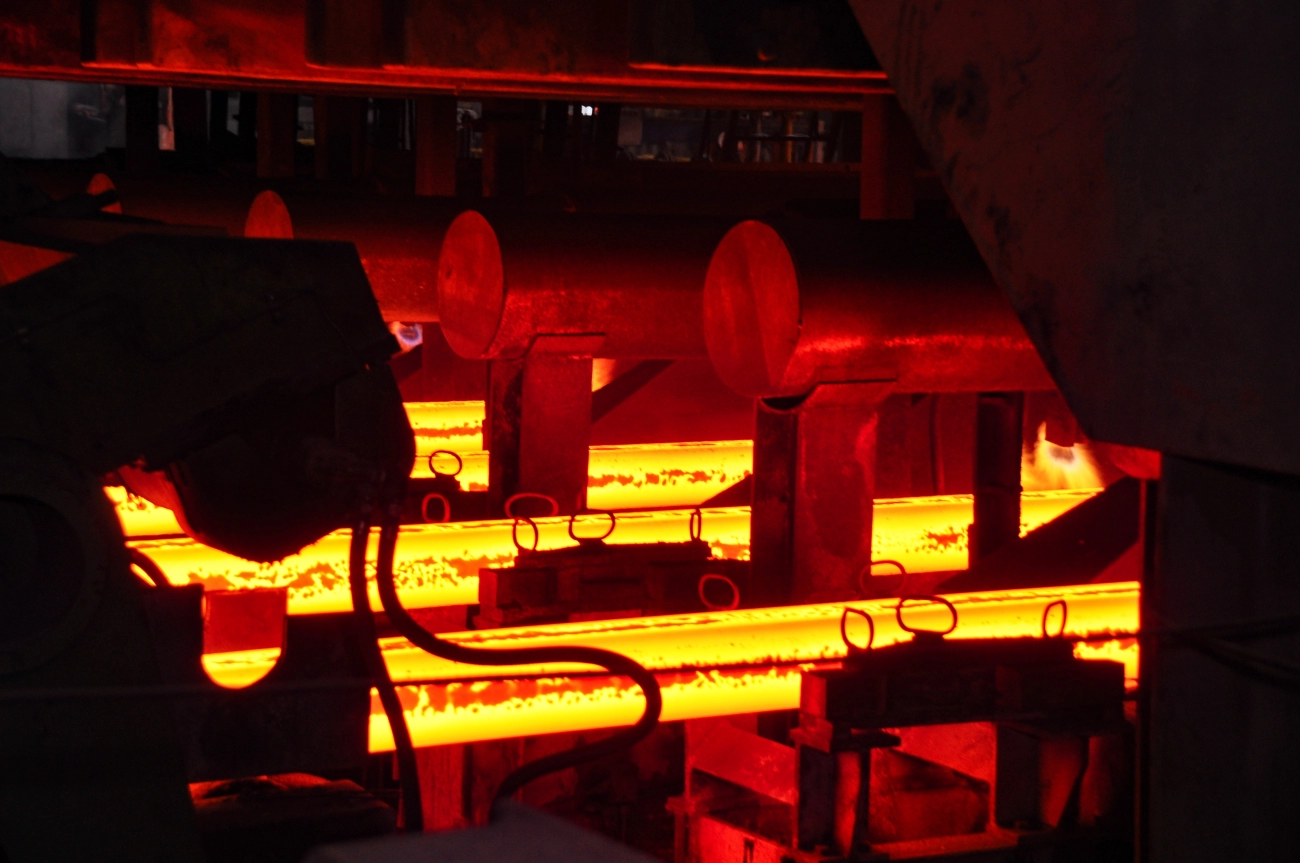
Es ist einfach zu testen, ob Edelstahl 17-4 magnetisch ist, und Sie benötigen keine Laborausrüstung dafür.
Einfacher Magnettest, den jeder durchführen kann
Verwenden Sie eine kleiner Neodym-Magnet (der glänzende silberne Seltenerdtyp funktioniert am besten):
- Reinigen Sie eine Stelle auf der 17-4 Oberfläche (wischen Sie Öl, Zunder oder Schmutz ab).
- Berühren Sie den Magnet direkt am Metall.
- Neigen Sie ihn und versuchen Sie, den Magnet abzuschieben.
Wenn es beim Aufsetzen “schnappt” und sich gegen das Gleiten wehrt, ist Ihr 17-4 Edelstahl stark magnetisch. Dies ist normal für martensitische, ausfällungsgehärtete Sorten wie 17-4 PH (Typ 630, UNS S17400).
Wenn Sie Werkstattinspektionen oder Wareneingangskontrollen durchführen, können Sie dies mit formelleren Prüfungen und grundlegenden Materialtests und Qualitätsmethoden kombinieren wie in unserem Prüf- und Qualitätskontrollhandbuch beschrieben.
Wie sich starkes vs. schwaches magnetisches Anziehen anfühlt
Hier ist, was Sie in Ihrer Hand fühlen werden:
- Starkes Anziehen (typisch 17-4 PH)
- Der Magnet “springt” aus kurzer Entfernung auf die Oberfläche.
- Schwer mit dem Finger abzuschieben.
- Erfordert merklichen Aufwand, um ihn gerade abzuziehen.
- Schwaches Anziehen (leicht magnetischer Edelstahl, einige 304/316)
- Der Magnet greift nur, wenn er direkt berührt wird.
- Lässt sich leicht mit leichtem Fingerdruck verschieben.
- Fühlt sich eher an, als würde er “durch Reibung haften”, als echtes Festsetzen.
17-4 vs 304 vs 316 Magnetanziehung
In realen Praxistests:
- 17-4 Edelstahl (magnetisch)
- Klare, starke Anziehung.
- Verhält sich ähnlich wie viele Edelstahlsorten der 400er-Reihe.
- 304 Edelstahl (normalerweise schwach magnetisch oder nahezu unmagnetisch)
- Geglühter 304 ist oft fast unmagnetisch.
- Nach dem Umformen oder Schweißen kann er leicht Magnetismus zeigen, aber bei weitem nicht so stark wie 17-4.
- 316 Edelstahl (in den meisten Fällen unmagnetischer als 304)
- Typischerweise sehr geringer Magnetismus im geglühten Zustand.
- Selbst bei Kaltverformung immer noch schwächer als 17-4.
Wenn Ihr Magnet sehr stark an einem Muster (17-4) haftet und kaum oder gar nicht an einem anderen (304/316), sehen Sie den Unterschied zwischen martensitischer Ausscheidungshärtung und austenitisch Edelstahl.
Häufige Testfehler, die vermieden werden sollten
Wenn Sie die Magnetismusprüfung bei Edelstahl 17-4 durchführen, vermeiden Sie diese Probleme:
- Verwendung eines sehr schwachen Kühlschrankmagneten
- Verwenden Sie eine Neodym-Magnet; billige Kühlschrankmagnete können schwachen Magnetismus aufweisen.
- Testen durch Beschichtungen oder dicke Plastiktüten
- Farbe, dicke Pulverbeschichtung oder Kunststoffabstandshalter können die Magnetkraft schwächer erscheinen lassen.
- Vergleich verschiedener Teilegrößen
- Eine große, dünne Platte kann sich anders anfühlen als ein kleiner, dicker Stab; vergleichen Sie immer ähnliche Formen und Dicken.
- Annahmen, dass “nicht magnetisch” null Anziehung bedeutet
- Viele “nicht magnetische” Edelstahlqualitäten können zeigen leicht Magnetismus nach Kaltverformung oder Schweißen zeigen.
Für kritische Arbeiten—insbesondere wenn Magnetismus eine Rolle spielt Prozessauswahl, Legierungsauswahl oder Qualitätsanforderungen—kombinieren Sie den Magnettest mit ordnungsgemäßer Materialdokumentation und Testverfahren, wie Sie es für jede hochspezifische Legierung in unserem Prozess- und Legierungsauswahlleitfaden tun würden.
Anwendungen, bei denen die magnetischen Eigenschaften von 17-4 Edelstahl helfen
Magnetische Werkstückspannung und Vorrichtungen
Wenn Sie möchten, dass Teile fixiert bleiben, 17-4 Edelstahl magnetisch ist Teile sind eine solide Ergänzung für:
- Magnetspannfutter und -klemmen auf CNC-Fräsmaschinen, Schleifmaschinen und Drehzentren
- Magnetische Befestigungen für wiederholte Aufbauten und Hochvolumenläufe
Das Material starke, konsistente magnetische Reaktion bedeutet bessere Haltekraft und weniger Verrutschen, was besonders nützlich ist, wenn Sie enge Toleranzarbeiten oder hohe Vorschubgeschwindigkeiten bei modernen CNC-Drehmaschinen-Setups durchführen.
Magnetabscheidung und Lebensmittelverarbeitung
In Lebensmittel- und Getränkeanlagen in Deutschland, 17-4 PH magnetische Eigenschaften sind ein großer Vorteil, wenn Sie benötigen:
- Magnetische Trennstangen, Gitter und Gehäuse die leicht erkannt und gereinigt werden müssen
- Hochfeste, korrosionsbeständige Komponenten die Waschungen und Chemikalien ausgesetzt sind
Sie profitieren von magnetischer Erkennbarkeit plus guter Korrosionsbeständigkeit, was 17-4 in hygienischen Umgebungen zu einer besseren Option als reiner Kohlenstoffstahl macht.
Hochfeste Wellen, Zahnräder und Pumpenkomponenten
Für rotierende Ausrüstung und Kraftübertragung, 17-4 PH Edelstahl bietet:
- Magnetische Edelstahlwellen und Zahnräder die während der Bearbeitung auf magnetischen Spannmitteln gehalten werden können
- Pumpenwellen, Laufräder und Gehäuse bei denen sowohl Stärke als auch magnetische Spanntechnik wichtig sind
Die Kombination aus hoher Festigkeit, Härte und starkem Magnetanzug verkürzt die Rüstzeit und verbessert die Stabilität an der Maschine.
Öl & Gas, Luft- und Raumfahrt sowie Marine
In anspruchsvolleren Umgebungen wie Öl und Gas, Luft- und Raumfahrt, und marineingenieurwesen, 17-4 wird häufig verwendet für:
- Ventile, Bohrlochwerkzeuge und Fittings die sowohl stark als auch magnetisch sind
- Luft- und Raumfahrtausrüstung und Strukturteile bei denen Inspektion, Handhabung oder Vorrichtungsleverage Magnetismus nutzen
- Marinekomponenten (Propellerhülsen, Wellen und Rigging-Teile), bei denen Stärke, Korrosionsbeständigkeit und magnetische Spanntechnik eine Rolle spielen, insbesondere neben anderen marine Legierungen verwendet in anspruchsvollen Anwendungen marine Engineering-Anwendungen.
Wann immer Sie es brauchen hohe Festigkeit plus zuverlässige Magnetkraft Für Bearbeitung, Handhabung oder Trennung ist 17-4 Edelstahl eine der praktischsten Edelstahloptionen auf dem Markt.
Wenn Magnetismus bei 17-4 Edelstahl ein Problem ist
Obwohl 17-4 Edelstahl stark, hart und korrosionsbeständig ist, kann sein magnetisches Verhalten in manchen Anwendungen ein Ausschlusskriterium sein.
MRI- und medizinische Umgebungen
Für MRI-Räume, chirurgische Instrumente in der Nähe von Bildgebungsgeräten und bestimmte Implantate, ist jeder magnetische Edelstahl, einschließlich 17-4, in der Regel ungeeignet. Das starke Magnetfeld kann:
- Magnetische Teile anziehen oder verschieben
- Bildgebungsergebnisse verfälschen
- Sicherheitsrisiken im Bereich des Magneten schaffen
In diesen Fällen möchten Sie vollständig austenitischen, nicht-magnetischen Edelstahl oder sogar nicht-eisenhaltige Metalle wie Titan oder bestimmte Kupferlegierungen anstelle von 17-4.
Präzisionsinstrumente und Sensoren
In Labors, Messtechnik-Setups und Sensorgehäusen kann die Magnetkraft von 17-4:
- Messwerte verzerren bei Wägezellen, Hall-Sensoren, Magnetometer
- Verursachen subtile, wiederholbare Probleme in Präzisionsachsen oder optischen Halterungen
- Interagieren mit externen Magnetfeldern und erzeugen Rauschen
Hier würde ich eher tendieren zu 304, 316L oder spezielle niedrigmagnetische Edelstahlqualitäten, insbesondere wenn Sie winzige Kräfte, Felder oder Verschiebungen messen.
Elektronik und Magnetische Störungen
Um empfindliche Elektronik und Spulen kann Edelstahl 17-4:
- Magnetfelder konzentrieren oder umlenken
- Erhöhen EMI-Risiko in Hochfrequenz- oder Hochpräzisionsschaltungen
- Beeinflussen Induktoren, Transformatoren und magnetische Sensoren
Wenn Sie Gehäuse, Halterungen oder Rahmen in der Nähe von Elektronik bauen, ist es in der Regel besser, mit nicht-magnetischem Edelstahl, Aluminium, Messing, oder Titanlegierungen wie sie in hochwertiger Luft- und Raumfahrttechnik sowie Elektronikhardware verwendet werden.
Alternativen zu nicht-magnetischem Edelstahl statt 17-4 wählen
Wenn Magnetismus ein Problem ist, empfehle ich in der Regel:
- 304 / 304L Edelstahl – Guter “niedermagnetischer” Standard für den allgemeinen Gebrauch
- 316 / 316L Edelstahl – Bessere Korrosionsbeständigkeit, dennoch geringe Magnetisierung im geglühten Zustand
- Nicht-Eisenmetalle – Aluminium-, Messing- oder Kupferlegierungen, bei denen Edelstahl nicht zwingend erforderlich ist
Wenn Ihr Projekt absolut keine magnetische Anziehungskraft tolerieren kann (MRT, hochwertige Laborausrüstung, empfindliche Sensoren), teilen Sie Ihrem Lieferanten deutlich mit:
- “Nicht-magnetischer oder vollständig austenitischer Edelstahl erforderlich”
- “Geringe Permeabilität, kein martensitischer oder PH-Edelstahl wie 17-4”
So vermeiden Sie versehentlich eine magnetische Edelstahlstange wie 17-4, wenn Sie wirklich ein nicht-magnetisches Material benötigten.
Vorteile und Nachteile der Verwendung von magnetischem 17-4 Edelstahl
Hauptvorteile des magnetischen Verhaltens von 17-4
Magnetischer 17-4 Edelstahl (17-4 PH, Typ 630) bietet Ihnen eine seltene Kombination: hohe Festigkeit, gute Korrosionsbeständigkeit und solides magnetisches Verhalten. Im praktischen Einsatz zahlt sich das aus, wenn Sie benötigen:
- Magnetische Spanntechnik – Teile greifen stark auf magnetische Spannvorrichtungen und Vorrichtungen, sodass das Bearbeiten und Schleifen stabiler ist.
- Positionierung und Sensorik – Sein ferromagnetisches Verhalten erleichtert die Verwendung von Näherungssensoren, magnetischen Abgriffen und Halteschlössern.
- Hochfestige Komponenten – Wellen, Zahnräder, Pumpenteile und Strukturhardware, die beides sein müssen stark und magnetfreundlich.
Wenn Sie hauptsächlich Stahlteile entwerfen und gelegentlich zwischen Kohlenstoffstahl und Edelstahl wechseln, ist 17-4 ein reibungsloser Upgrade, wenn Sie weiterhin möchten magnetisches Spannen aber eine bessere Korrosionsbeständigkeit als reiner Stahl oder Grundmaterial benötigen Niedriglegierter Stahlbolzen.
Einschränkungen gegenüber nicht-magnetischen Edelstahlqualitäten
Im Vergleich zu vollständig nicht-magnetischen austenitischen Qualitäten wie 304 oder 316 hat magnetischer 17-4 Edelstahl einige Kompromisse:
- Nicht geeignet, wenn “Nullmagnetismus” erforderlich ist – MRT-Räume, empfindliche Laborausrüstung und einige Verteidigungs- oder Luft- und Raumfahrt-Elektronik können jegliches ferromagnetisches Material ablehnen.
- Höheres Risiko magnetischer Störungen – Stärkere magnetische Anziehung kann Sensoren, Kompasse und EMI-empfindliche Geräte beeinflussen.
- Leicht geringere Korrosionsbeständigkeit als 316 – Besonders in aggressiven Chlorid- oder Küstenumgebungen.
Wenn Ihre Spezifikation verlangt nicht-magnetisch oder “austenitisch nur”, ist 17-4 PH in der Regel nicht akzeptabel, selbst in Zustand A.
Ausgleich zwischen Magnetismus, Korrosionsbeständigkeit und Festigkeit
Hier ist die grundlegende Abwägungslandschaft für das Magnetverhalten von 17-4 Edelstahl:
| Faktor | 17-4 PH (magnetisch) | 304 / 316 (überwiegend nicht-magnetisch) |
|---|---|---|
| Magnetismus | Stark magnetisch | Sehr niedrig bis mild (kaltverformt) |
| Zugfestigkeit | Sehr hoch (insbesondere H900) | Moderat |
| Härte / Verschleiß | Hoch | Niedriger |
| Korrosionsbeständigkeit | Gut (316 ist in der Regel besser) | 316 ist ausgezeichnet, 304 ist gut |
| Bearbeitung mit Magnetspannern | Ausgezeichnet | Schlecht (schwache magnetische Reaktion) |
Sie handeln immer ab zwischen magnetischer Reaktion und Korrosionsbeständigkeit sowie “sauberem” nicht-magnetischem Verhalten. Für die meisten industriellen Anwender in Deutschland trifft 17-4 den richtigen Punkt, wenn Sie benötigen Festigkeit + magnetische Werkstückspannung + anständige Korrosionsbeständigkeit in einem Material.
Wie man entscheidet, ob 17-4 zu Ihrem Projekt passt
Verwenden Sie diese schnelle Checkliste, um zu entscheiden, ob die magnetischen Eigenschaften von 17-4 Edelstahl für Ihr Projekt geeignet sind:
Wählen Sie 17-4, wenn:
- Sie Sie möchten, dass ein Magnet das Teil greift (Magnetspannplatten, Klemmen, Trennung, Sensorik).
- Sie benötigen hohe Festigkeit und bessere Härte als 304/316.
- Ihre Umgebung ist nass oder leicht korrosiv, aber nicht extrem chloridreich.
Vermeiden Sie 17-4 und gehen Sie nicht magnetisch, wenn:
- Ihre Anwendung ist MRT, medizinische Bildgebung oder Präzisionssensoren.
- Sie haben strenge “nicht-magnetischer Edelstahl nur” Anforderungen.
- Sie befinden sich in schwere marine oder chemische Umgebungen, in denen 316 oder spezielle austenitische Legierungen bevorzugt werden.
Wenn Sie unsicher sind, empfehle ich Kunden immer:
- einen Magnettest an Musterstücken durchzuführen.
- Bestätigen Sie mit dem Lieferanten, welche Wärmebehandlungsbedingung (H900, H1025, H1150 usw.) Sie erhalten.
- Passen Sie die Festigkeits- und Korrosionsanforderungen an Ihre tatsächliche Einsatzumgebung an, nicht nur an die Datenblattzahlen.
Wenn Sie Hilfe beim Vergleich der Festigkeit von 17-4 mit Aluminium oder anderen Metallen in Ihrer Konstruktionsübersicht benötigen, können Sie Ressourcen wie diesen Schnellleitfaden zur Streckgrenze in Aluminiumlegierungen als Referenzpunkt, wenn Sie Materialien abwägen.
Alternativen zu 17-4 für nichtmagnetische Edelstahlanforderungen
Wenn Sie Edelstahlteile benötigen, die nichtmagnetisch (oder sehr schwach magnetisch) bleiben, ist 17-4 normalerweise die falsche Wahl. Hier ist, was ich normalerweise stattdessen empfehle.
304 und 316 als Standard-Optionen mit geringer magnetischer Permeabilität
Für die meisten Werkstätten und OEMs in Deutschland, Edelstahl 304 und 316 sind die erste Wahl als Alternative zu 17-4, wenn eine geringe magnetische Permeabilität wichtig ist:
- Edelstahl 304
- Austenitisch, geringe magnetische Reaktion im geglühten Zustand
- Gute Allround-Korrosionsbeständigkeit
- Kann leichten Magnetismus aufnehmen nach starker Umformung oder Bearbeitung
- Edelstahl 316
- Bessere Korrosionsbeständigkeit als 304 (insbesondere in Chlorid- und Meeresumgebungen)
- Auch austenitisch und typischerweise sehr schwach magnetisch
- Oft die erste Wahl für Lebensmittel-, Schiffs- und leicht chemische Anwendungen
Wenn Sie keine magnetische Anziehung in der Nähe von empfindlicher Elektronik, MRT-Geräten oder Laborgeräten benötigen, teilen Sie Ihrem Lieferanten mit, dass Sie vollständig austenitisches, lösungsgeglühtes Material und minimale Kaltverformung benötigen.
Voll austenitische und niedrig-magnetische Güten
Für engere magnetische Grenzen als 304/316 zuverlässig erreicht werden können, schaue ich auf Spezialitäten austenitische Edelstahlgüten:
- Super austenitische Güten (z.B. 904L, 254SMO) – sehr niedriger Magnetismus, hervorragende Korrosionsbeständigkeit
- Stickstoffverstärkte Güten – höhere Festigkeit bei gleichzeitiger Austenitisierung
- Besondere nicht-magnetische Legierungen – für extreme Fälle, in denen jede Anziehungskraft unakzeptabel ist
Wenn Magnetismus ein Ausschlusskriterium ist, Sie aber dennoch gute Verschleiß- oder Gleitfähigkeit benötigen, sind nicht-eisenhaltige Optionen wie präzisionsgefertigte Bronze-Komponenten ebenfalls gut geeignet, insbesondere bei Halterungen oder Führungselementen, ähnlich wie bei unseren Bronze-Bearbeitungsdienstleistungen.
17-4 vs. 410, 420 und 440C Magnetismus
Wenn Sie andere harte Edelstahlqualitäten vergleichen, denken Sie daran:
- 17-4 PH (Typ 630) – in allen wärmebehandelten Zuständen stark magnetisch
- 410 Edelstahl – martensitisch, magnetisch, mäßige Korrosionsbeständigkeit
- 420 Edelstahl – höherer Kohlenstoffgehalt, härtbar, sehr magnetisch
- 440C Edelstahl – hohe Härte, sehr magnetisch, mehr Werkzeugstahl-ähnliches Verhalten
Aus magnetischer Sicht, 17-4, 410, 420 und 440C sind alle im “magnetischen” Bereich. Wenn Ihre Einrichtung eine geringe oder nahezu keine Magnetisierung benötigt, sind keine dieser Legierungen ideal.
Wie man den richtigen Edelstahl für magnetempfindliche Anwendungen auswählt
Wenn ich bei der Spezifikation von Edelstahl für magnetempfindliche Umgebungen (Labor, Medizin, Luft- und Raumfahrt-Sensoren usw.) helfe, konzentriere ich mich auf:
- Magnetismus-Anforderung
- “Kein sichtbarer Zug” mit einem Standard-Werkstattmagnet?
- Oder dokumentierte maximale Permeabilität / maximale Restmagnetisierung?
- Umgebung
- Innen, außen, marine, chemisch, Lebensmittel, Vakuum?
- Das führt Sie in der Regel zu 316 oder höherlegierten austenitischen Legierungen.
- Festigkeit vs. nicht magnetisch
- Wenn hohe Festigkeit wichtig ist: überlegen Sie austenitisch + Designänderungen (dickere Abschnitte, Verstärkungen) anstelle eines Wechsels zu 17-4 oder Serie 400.
- Verifizierung
- Bitten Sie Ihren Lieferanten um:
- Legierung und Zustand (annealiert vs. kaltverformt)
- Jegliche magnetische Prüfdaten, falls Ihr Projekt kritisch ist
- Zertifizierung, dass das Material vollständig austenitisch, Lösungsglühen
- Bitten Sie Ihren Lieferanten um:
Wenn Ihre Prioritätenliste lautet nicht-magnetisch zuerst, Korrosionsbeständigkeit zweit, Festigkeit dritt, Sie sind fast immer besser dran mit 304/316 oder anderem vollständig austenitischem Edelstahl anstelle von 17-4.
FAQs zur Magnetismus von 17-4 Edelstahl
Ist 17-4 Edelstahl immer magnetisch?
Ja. 17-4 PH (UNS S17400 / AISI 630) ist ein martensitischer, lösungsgehärteter Edelstahl, daher ist er inhärent ferromagnetisch in jedem normalen Zustand (Zustand A, H900, H1025, H1150 usw.). Die Zugfestigkeit kann sich leicht durch Wärmebehandlung ändern, aber er verhält sich nicht wie nicht-magnetischer 304 oder 316.
Kann Wärmebehandlung oder Alterung 17-4 nicht-magnetisch machen?
Nein. Keine Standard-Wärmebehandlung wird 17-4 in einen vollständig nicht-magnetischen Edelstahl verwandeln. Lösungsglühen und Alterungszyklen justieren nur Härte, Festigkeit und Zähigkeit. Die martensitische Struktur, die 17-4 Edelstahl magnetisch macht, bleibt erhalten.
Kann ich 17-4 Edelstahlteile entmagnetisieren?
Ja, Sie können 17-4 entmagnetisieren mit einer geeigneten Entmagnetisierungs- / Degausserspule. Das entfernt Restmagnetismus, der durch Bearbeitung, magnetische Spannbacken oder Service aufgenommen wurde. Aber beachten Sie:
- Das Grundmetall ist immer noch magnetisch und wird einen Magnet anziehen.
- Es kann während des Gebrauchs wieder magnetisiert werden (insbesondere bei magnetischer Werkstückspannung oder hochbelasteten rotierenden Teilen).
Wie vergleicht sich die Magnetismus von 17-4 mit der Serie 400 Edelstahl?
Im Allgemeinen, ist 17-4 PH in Bezug auf Magnetismus ähnlich wie 410 oder 420 und etwas weniger magnetisch als hochkohäriger 440C, aber alle sind im Vergleich zur Serie 300 stark ferromagnetisch. Wenn Sie an magnetische Edelstahlwellen oder Zahnräder aus 410 oder 420 gewöhnt sind, wird sich 17-4 vertraut anfühlen: starke Anziehung, leicht mit einem Magnettisch gehalten und reagiert auf magnetische Trennung.
Was sollte ich meinen Lieferanten vor dem Kauf von 17-4 für magnetische Anwendungen fragen?
Bevor Sie sich festlegen, empfehle ich immer, Ihren Lieferanten zu fragen:
- Genaues Grade und Spezifikation: Bestätigen Sie, dass es 17-4 PH (UNS S17400 / AISI 630) ist.
- Wärmebehandlungszustand: Zustand A, H900, H1025, H1150 usw. (dies beeinflusst Festigkeit und Restmagnetismus, nicht “magnetisch vs nicht magnetisch”).
- Produktform: Stab, Platte, Schmiedeteile oder bearbeitete Komponenten – die Permeabilität kann leicht variieren.
- Vorherige Verarbeitung: Jegliche Kaltarbeit, Schleifen oder magnetische Werkstückspannung, die Restmagnetismus hinzufügen könnte.
- Zertifizierung: Materialprüfbericht (MTR), der mechanische Eigenschaften und Zustand auflistet.
Wenn Sie 17-4-Teile mit anderen hochfesten Legierungen (zum Beispiel 8620 oder ähnliches in Baugruppen) kombinieren, hilft es auch, deren Verhalten und Bearbeitungsbedarf im Voraus zu vergleichen; wir gehen auf diese Art von Details in unserem 8620 Stahlmaterialübersicht damit Käufer die richtige Güte für den richtigen Einsatz auswählen können.