
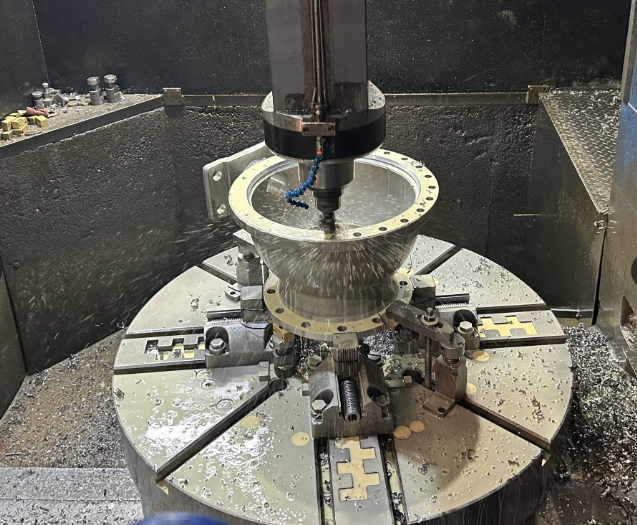
Discover the best metal for casting with expert tips on properties uses and how to choose the right casting metals for any project.
Understanding Metal Casting Basics
Die richtige Auswahl treffen metal for casting is the single most critical decision in the manufacturing process. It dictates not only the performance of the final part but also which casting method you can actually use. At vastmaterial, we’ve seen brilliant designs fail simply because the material properties didn’t align with the chosen casting technique. Before diving into specific alloys, it is essential to understand the interplay between the process and the material.
Overview of Key Casting Processes
Verschiedene casting metals guide the choice of process. You generally cannot use the same setup for high-temperature steel that you would for low-temperature zinc. Here is a quick breakdown of the standard methods:
- Sandguss: The workhorse of the industry. It handles high-melting-point metals like steel and iron easily. It is cost-effective for small batches but leaves a rougher surface finish.
- cURL Too many subrequests. Ideal for non-ferrous metals like aluminum and zinc. This process forces molten metal into a mold under high pressure, creating precise parts with excellent surface finishes.
- Investment (Lost-Wax) Casting: The go-to for intricate details and complex geometries. It works with a wide range of investment casting metals, including stainless steel and bronze, delivering high accuracy.
- Permanent Mold Casting: Similar to sand casting but uses a reusable metal mold. It offers better strength and surface finish, typically used for aluminum and copper alloys.
Factors Influencing Metal Selection
Finding the best metal for casting isn’t just about picking the strongest alloy; it is about balancing manufacturability with performance. When we advise clients, we look at these specific properties:
- Melting Temperature: High melting points (like steel) require specialized furnaces and refractory mold materials, increasing cost and complexity.
- Fließfähigkeit: This refers to how easily the molten metal flows into the mold’s intricate details before solidifying. Metals with poor fluidity often lead to incomplete fills.
- cURL Too many subrequests. All metals shrink as they cool. Understanding the shrinkage rate is vital for dimensionally accurate parts; ignoring this leads to warping or internal voids.
- Mechanical Properties: Consider the required tensile strength, hardness, and ductility. Does the part need to bear weight or flex without breaking?
- Korrosionsbeständigkeit: For outdoor or marine environments, materials like bronze or stainless steel are superior to standard carbon steel.
- cURL Too many subrequests. This includes both the raw material price and the processing cost. A cheap metal that ruins expensive molds is not actually cheap.
Ferrous vs. Non-Ferrous Casting
The most basic categorization in metal casting materials comparison is the split between ferrous and non-ferrous metals.
Ferrous Metals (Iron-based):
These contain iron and are typically magnetic. Examples include Cast Iron and Steel.
- cURL Too many subrequests. Extremely strong, durable, and generally cheaper by weight.
- cURL Too many subrequests. Prone to rust (unless stainless) and require high melting temperatures.
- cURL Too many subrequests. Engine blocks, heavy machinery, and structural components.
cURL Too many subrequests.
cURL Too many subrequests.
- cURL Too many subrequests. cURL Too many subrequests. cURL Too many subrequests. cURL Too many subrequests.
- cURL Too many subrequests. cURL Too many subrequests.
- cURL Too many subrequests. cURL Too many subrequests.
cURL Too many subrequests.
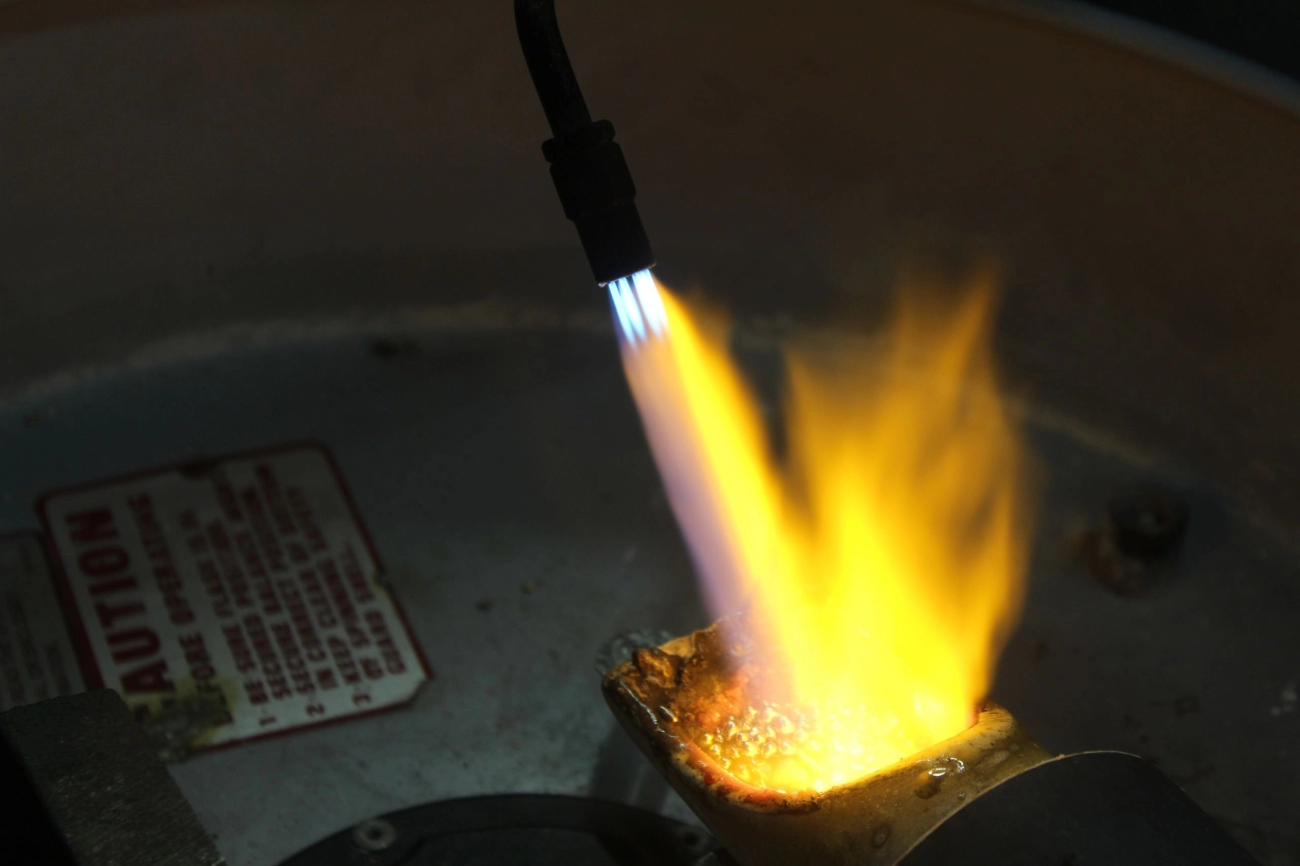
cURL Too many subrequests. best metal for casting cURL Too many subrequests.
cURL Too many subrequests.
cURL Too many subrequests. metal for casting cURL Too many subrequests.
- cURL Too many subrequests. cURL Too many subrequests.
- cURL Too many subrequests. cURL Too many subrequests.
- cURL Too many subrequests. cURL Too many subrequests.
- cURL Too many subrequests. cURL Too many subrequests.
cURL Too many subrequests. aluminum heat treating processes cURL Too many subrequests.
cURL Too many subrequests.
cURL Too many subrequests., Zink-Druckguss cURL Too many subrequests.
- cURL Too many subrequests. cURL Too many subrequests.
- cURL Too many subrequests. cURL Too many subrequests.
- cURL Too many subrequests. cURL Too many subrequests.
- cURL Too many subrequests. cURL Too many subrequests.
cURL Too many subrequests.
cURL Too many subrequests. cURL Too many subrequests. cURL Too many subrequests.
- Gray Iron: cURL Too many subrequests.
- Ductile Iron: cURL Too many subrequests.
- cURL Too many subrequests. cURL Too many subrequests.
cURL Too many subrequests.
cURL Too many subrequests.
- Brass: cURL Too many subrequests. cURL Too many subrequests., cURL Too many subrequests.
- cURL Too many subrequests. cURL Too many subrequests. bronze casting properties like low friction and high wear resistance, making it the top choice for bearings, bushings, and marine propellers.
Steel and Stainless Steel
For applications demanding maximum strength and durability, steel is the metal for casting that delivers. While it has a high melting point and is more challenging to cast than aluminum or zinc, its structural integrity is unmatched.
- Gusseisen: High strength and toughness; used in mining equipment and structural brackets.
- Edelstahl: Adds chromium for exceptional corrosion resistance. Grades like 304 and 316 are standard for food processing equipment, medical devices, and marine hardware.
- Herausforderungen: Requires higher temperatures and specialized refractory materials, often utilized in investment casting metals processes to maintain precision.
Other Specialized Alloys
Sometimes standard metals just don’t cut it. Niche applications require specialized formulations to handle extreme conditions.
- Magnesium: The lightest structural metal available. It is used extensively in automotive and aerospace to reduce vehicle weight, though it requires strict safety protocols during casting due to flammability.
- Nickel-Based Alloys: often referred to as superalloys (like Inconel). These resist extreme heat and corrosion, making them essential for jet engine components and chemical processing plants.
Comparison Table: Key Casting Metals at a Glance
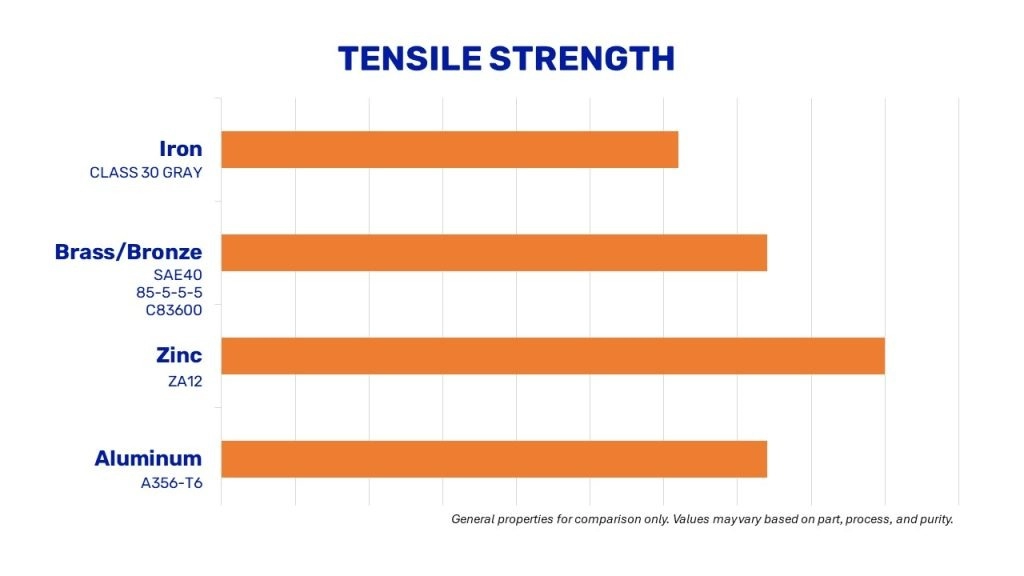
Choosing the best metal for casting often involves balancing trade-offs between castability, mechanical performance, and budget. Whether you are looking for low melting point metals for a simple hobby project or hochfeste Gusslegierungen for industrial components, seeing the data side-by-side simplifies the decision.
Below is a direct metal casting materials comparison to help you match the right alloy to your specific application.
| Metal Type | Melting Point (°F) | Fließfähigkeit | Festigkeit | Korrosionsbeständigkeit | Kosten | Ease of Casting | Typische Anwendungen |
|---|---|---|---|---|---|---|---|
| Aluminiumlegierungen | ~1,220°F | Hoch | Mittel | Gut | Niedrig | Hoch | Automotive parts, aerospace, cookware |
| Zinc Alloys | ~787°F | Ausgezeichnet | Mittel | Gut | Niedrig | Sehr Hoch | Die casting, small gears, decorative parts |
| Gusseisen | ~2,100°F | Gut | Hoch | Poor (Rusts) | Niedrig | Mittel | Engine blocks, manhole covers, pipes |
| Bronze & Brass | ~1,700°F | Gut | Medium-High | Ausgezeichnet | Hoch | Mittel | Marine hardware, maßgeschneiderte Bronze-Vorhangstangen, bushings |
| Edelstahl | cURL Too many subrequests. | Niedrig | Sehr Hoch | Ausgezeichnet | Medium-High | Niedrig | cURL Too many subrequests. |
| Kohlenstoffstahl | cURL Too many subrequests. | Niedrig | Sehr Hoch | Schlecht | Mittel | Niedrig | cURL Too many subrequests. |
cURL Too many subrequests.
- cURL Too many subrequests. Zink cURL Too many subrequests.
- cURL Too many subrequests. Aluminium cURL Too many subrequests. Sandguss cURL Too many subrequests.
- cURL Too many subrequests. cURL Too many subrequests. cURL Too many subrequests., cURL Too many subrequests.
- cURL Too many subrequests. cURL Too many subrequests.
cURL Too many subrequests.
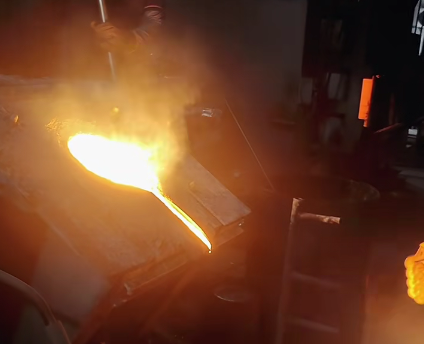
cURL Too many subrequests. best metal for casting cURL Too many subrequests.
cURL Too many subrequests.
cURL Too many subrequests. cURL Too many subrequests., cURL Too many subrequests.
- cURL Too many subrequests. cURL Too many subrequests.
- cURL Too many subrequests. cURL Too many subrequests.
- cURL Too many subrequests. cURL Too many subrequests. cURL Too many subrequests. cURL Too many subrequests.
- cURL Too many subrequests. cURL Too many subrequests.
cURL Too many subrequests.
cURL Too many subrequests.
- cURL Too many subrequests. cURL Too many subrequests. cURL Too many subrequests.. cURL Too many subrequests.
- cURL Too many subrequests. cURL Too many subrequests. hochfeste Gusslegierungen cURL Too many subrequests.
cURL Too many subrequests.
Even experienced engineers can slip up during the metal casting materials comparison phase. Watch out for these pitfalls:
- Ignoring Shrinkage Rates: Different metals shrink differently as they cool. If you don’t account for this in the pattern design, your final part will be out of tolerance.
- Overlooking Post-Processing: Some metals, like cast iron, are harder to machine than brass or aluminum. If your part needs extensive drilling or threading, a “cheaper” metal might cost more in labor.
- Mismatching Metal to Mold: Pouring high-temperature steel into a mold designed for low-temp alloys will destroy the mold and ruin the cast. Always verify thermal compatibility.
Trends and Innovations in Casting Materials (2026 Update)
cURL Too many subrequests. metal for casting is evolving rapidly. As we move through 2026, the focus isn’t just on melting points or mold flow anymore; it is about efficiency, environmental impact, and pushing the limits of material science. Manufacturers are looking for the best metal for casting that balances performance with responsibility.
Lightweight Alloys for Sustainable Manufacturing
Reducing weight without sacrificing strength is the primary goal for modern industries, especially in the automotive and aerospace sectors. We are seeing a massive shift toward advanced aluminum and magnesium alloys. These materials allow for thinner wall sections and lighter overall parts, which directly translates to better fuel efficiency and energy savings in the final product.
Recycling and Eco-Friendly Casting Options
Sustainability is no longer optional. The industry is embracing “green casting” techniques where the input material matters as much as the output.
- High-Recyclability: Metals like aluminum and steel are being formulated to handle higher percentages of recycled scrap without degrading mechanical properties.
- Non-Toxic Binders: Innovations in sand casting are reducing the use of harmful chemicals in molds.
- cURL Too many subrequests. New alloys are designed to melt at slightly lower temperatures to reduce the energy footprint of the foundry.
Advances in Alloy Formulations for Enhanced Performance
Standard grades are being outperformed by new, custom-engineered superalloys. Engineers are tweaking chemical compositions to create hochfeste Gusslegierungen that offer superior resistance to heat, corrosion, and wear. This is particularly evident in critical applications where failure is not an option. For instance, specialized aerospace casting manufacturers for high-performance alloy components are utilizing these next-generation materials to produce parts that withstand extreme stress and temperature environments far better than traditional metals.
Why Choose vastmaterial for Your Casting Needs
Finding the right supplier for your metal for casting is just as critical as selecting the alloy itself. At vastmaterial, we don’t just supply raw materials; we provide the foundation for high-performance manufacturing. We understand that consistency in chemical composition and mechanical properties is non-negotiable for professional foundries and manufacturers across the United States.
Comprehensive Range of Premium Alloys
We stock a diverse inventory tailored to meet specific project requirements, from hobbyist workshops to industrial production lines.
- Aluminium: High-purity ingots optimized for our Aluminium-Druckgussdienstleistungen, ensuring excellent fluidity and finish.
- cURL Too many subrequests. Diverse grades of steel and iron for heavy-duty applications.
- cURL Too many subrequests. Custom formulations designed for extreme environments.
Commitment to Quality and Technical Support
Our team offers deep metallurgical expertise to help you navigate the complexities of alloy selection. We ensure every batch meets strict industry standards, which is why we are a trusted partner for demanding sectors like Luft- und Raumfahrt and automotive. When you work with us, you get:
- Reliable Supply Chain: Consistent availability to keep your production schedule on track.
- Technical Guidance: Expert advice on matching material properties to your casting method.
- cURL Too many subrequests. cURL Too many subrequests.
cURL Too many subrequests.