
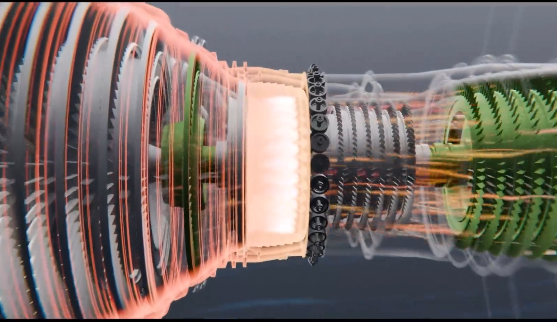
Learn superalloy material classification and product applications in aerospace energy and chemical industries.
What Makes Superalloys Unique? Core Properties and Strengthening Mechanisms
Superalloys stand as a critical class of heat-resistant alloys, engineered to excel in environments where extreme heat and stress would cause conventional metals to fail. Their unique performance stems from a combination of intrinsic core properties and sophisticated strengthening mechanisms. Primarily, cURL Too many subrequests. exhibit exceptional high-temperature mechanical strength and superior creep resistance, meaning they resist deformation under prolonged stress at elevated temperatures. We also rely on their excellent oxidation and corrosion resistance, maintaining structural integrity in harsh chemical atmospheres, alongside robust surface stability and impressive thermal fatigue performance, enduring repeated heating and cooling cycles without degradation.
Key strengthening mechanisms empower these Hochtemperaturlegierungen:
- Solid Solution Strengthening: Alloying elements like Molybdenum (Mo) and Tungsten (W) are dissolved in the matrix, distorting the crystal lattice and hindering dislocation movement.
- cURL Too many subrequests. This is a cornerstone, especially in nickelbasierten Superlegierungen, where coherent intermetallic phases, such as the gamma prime (γ’) phase (Ni₃Al, Ti), form. These finely dispersed particles effectively block dislocation motion, significantly enhancing strength.
- Carbide Formation: Carbon combines with elements like Chromium (Cr) and Tungsten, forming stable carbides that strengthen grain boundaries and contribute to overall rigidity.
The precise performance of a cURL Too many subrequests. is meticulously tuned by its alloying elements. Chromium (Cr) is vital for cURL Too many subrequests., while Aluminum (Al) and Titanium (Ti) are key for γ’ precipitation. Molybdenum (Mo), Tungsten (W), and Tantalum (Ta) contribute to solid solution strengthening and high-temperature stability, making cURL Too many subrequests. indispensable for demanding applications.
Primary Classification of Superalloys
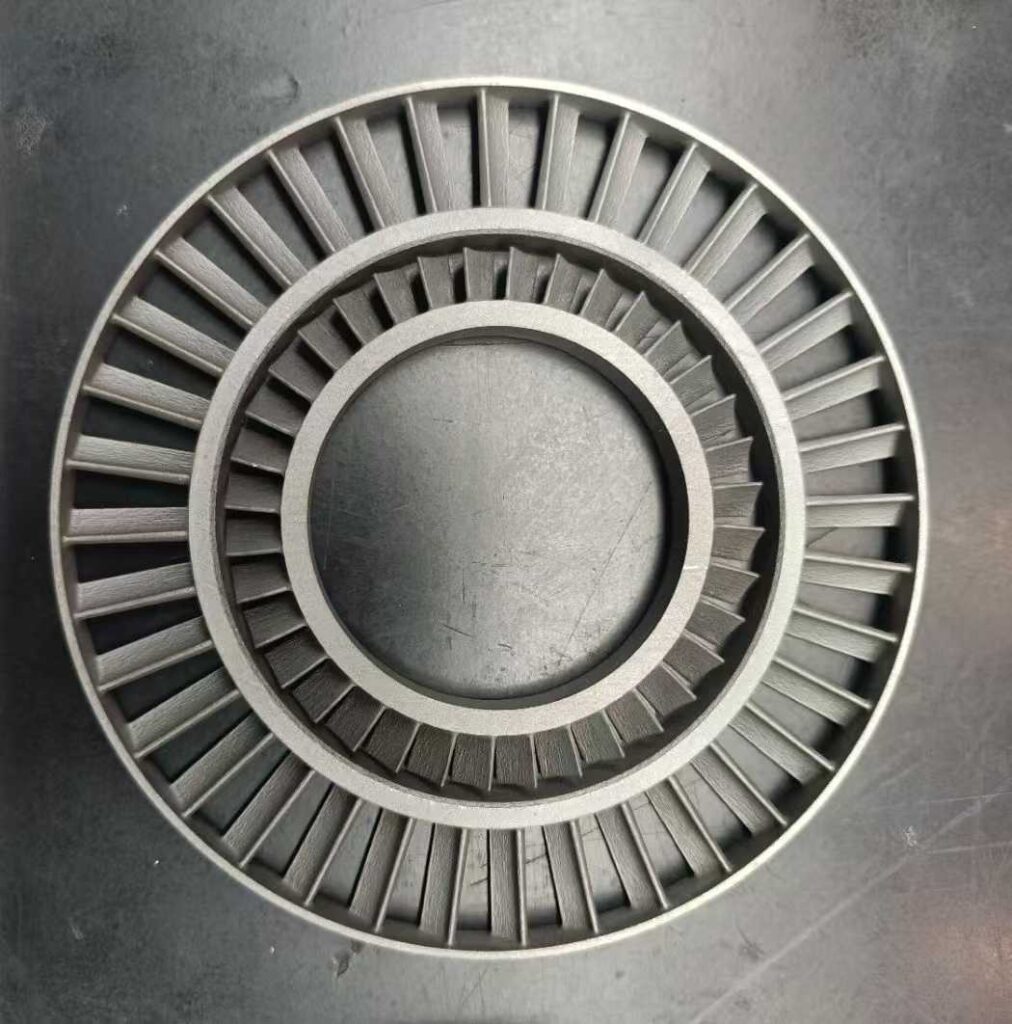
cURL Too many subrequests. cURL Too many subrequests., we’re mainly looking at three big families, each with specific strengths. Understanding these classifications is key to picking the right material for demanding jobs, especially in high-temperature applications.
Nickel-Based Superalloys: The Industry Standard
cURL Too many subrequests. are by far the most common, accounting for roughly 70% of all superalloy uses. Their core is predominantly nickel (over 50%), often combined with elements like cobalt, chromium, aluminum, and titanium to boost performance. These Hochtemperaturlegierungen come in various forms:
- Wrought vs. Cast: Depending on whether they are formed by mechanical working or pouring into a mold.
- Polycrystalline vs. Directionally Solidified vs. Single-Crystal: Single-crystal varieties offer superior creep resistance and strength at extreme temperatures, crucial for turbine blades.
You’ll recognize names like cURL Too many subrequests. (e.g., Inconel 718, Inconel 625), Hastelloy superalloys, Waspaloy, Rene alloys, and the CMSX series as prime examples.
Cobalt-Based Superalloys: Built for Tough Environments
Cobalt-based superalloys cURL Too many subrequests. cURL Too many subrequests. cURL Too many subrequests. cURL Too many subrequests..
cURL Too many subrequests.
cURL Too many subrequests., cURL Too many subrequests. cURL Too many subrequests.
cURL Too many subrequests.
cURL Too many subrequests.
cURL Too many subrequests.
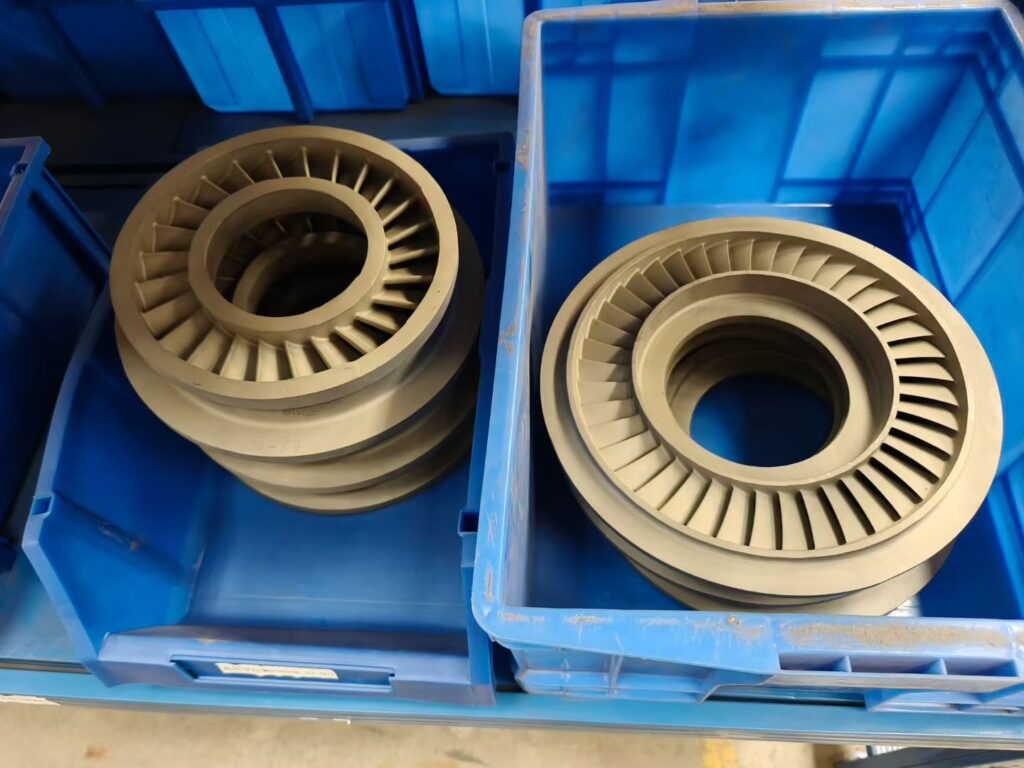
cURL Too many subrequests. cURL Too many subrequests.
cURL Too many subrequests.
cURL Too many subrequests., cURL Too many subrequests. cURL Too many subrequests.
- cURL Too many subrequests. cURL Too many subrequests. cURL Too many subrequests., cURL Too many subrequests. cURL Too many subrequests., cURL Too many subrequests.
- cURL Too many subrequests. cURL Too many subrequests. cURL Too many subrequests. cURL Too many subrequests.
- cURL Too many subrequests. cURL Too many subrequests. cURL Too many subrequests..
cURL Too many subrequests.
cURL Too many subrequests. cURL Too many subrequests. cURL Too many subrequests.
- cURL Too many subrequests. cURL Too many subrequests.
- cURL Too many subrequests. cURL Too many subrequests. cURL Too many subrequests. cURL Too many subrequests.
- cURL Too many subrequests. cURL Too many subrequests. Hochtemperaturlegierungen cURL Too many subrequests.
cURL Too many subrequests.
cURL Too many subrequests. cURL Too many subrequests. cURL Too many subrequests.
- cURL Too many subrequests. cURL Too many subrequests., cURL Too many subrequests. cURL Too many subrequests.
- Öl & Gas: Downhole tools, valves, and specialized tubing in oil and gas extraction often use cURL Too many subrequests. to resist corrosion from sour gas and maintain integrity under high pressure and temperature in deep wells.
Other High-Performance Superalloy Sectors
Beyond the primary industries, cURL Too many subrequests. also enable advancements in several other critical areas.
- Medical Implants and Surgical Instruments: Biocompatible variants of cURL Too many subrequests. are used in medical devices due to their corrosion resistance and strength, ensuring long-term performance and patient safety.
- Automotive Turbocharger Components: To boost engine performance and efficiency, cURL Too many subrequests. are essential for turbocharger parts that endure intense exhaust heat.
- Marine Turbine Engines and Exhaust Systems: Just like in aviation, marine applications for turbines benefit from the heat and corrosion resistance of these advanced materials.
- Industrial Furnaces and Heat Treatment Equipment: Components like furnace linings, trays, and fixtures that operate continuously at high temperatures rely on cURL Too many subrequests. to prevent deformation and degradation. Many of these specialized components, requiring precise shapes and durability, are often manufactured using advanced techniques, similar to how leading manufacturers use precision casting for other demanding applications. We often work with partners who are top stainless steel casting manufacturers to ensure the highest quality.
Comparing Superalloy Types: Your Selection Guide
Choosing the right superalloy is critical for optimal performance and cost-effectiveness. Different superalloy types offer distinct advantages based on their base elements and alloying compositions. This guide helps you understand the key differences between nickelbasierten Superlegierungen, cobalt-based superalloys, und iron-based superalloys to make an informed decision for your project.
Superalloy Comparison Chart
Understanding the core properties is key when selecting Hochtemperaturlegierungen. Here’s a quick overview of how the main superalloy types stack up:
| Superalloy Type | Max Temperature Capability | Korrosionsbeständigkeit | Strength (High Temp) | Schweißbarkeit | Relative Kosten |
|---|---|---|---|---|---|
| Nickel-Based | Höchste | Ausgezeichnet | Ausgezeichnet | Moderate-Good | Höchste |
| Cobalt-Based | Sehr Hoch | Ausgezeichnet | cURL Too many subrequests. | Gut | Hoch |
| Iron-Based | Hoch | Good-Very Good | Gut | Gut | Moderat |
When to Choose Each Superalloy Type
Your choice of superalloy type cURL Too many subrequests.
- cURL Too many subrequests. cURL Too many subrequests.
- Cobalt-based superalloys cURL Too many subrequests.
- cURL Too many subrequests. cURL Too many subrequests. Korrosionsbeständigkeit cURL Too many subrequests.
cURL Too many subrequests.
cURL Too many subrequests. cURL Too many subrequests. cURL Too many subrequests.
- Operating Temperature: cURL Too many subrequests.
- Umgebung: cURL Too many subrequests. Korrosionsbeständigkeit cURL Too many subrequests.
- cURL Too many subrequests. cURL Too many subrequests.
- cURL Too many subrequests. cURL Too many subrequests. weldability, cURL Too many subrequests.
cURL Too many subrequests.
cURL Too many subrequests. cURL Too many subrequests. cURL Too many subrequests. Hochtemperaturlegierungen cURL Too many subrequests.
cURL Too many subrequests.
cURL Too many subrequests. cURL Too many subrequests. und cURL Too many subrequests.. cURL Too many subrequests. cURL Too many subrequests. cURL Too many subrequests. cURL Too many subrequests..
cURL Too many subrequests.
cURL Too many subrequests., cURL Too many subrequests. cURL Too many subrequests. cURL Too many subrequests. cURL Too many subrequests. cURL Too many subrequests.
cURL Too many subrequests.
cURL Too many subrequests. cURL Too many subrequests. cURL Too many subrequests. cURL Too many subrequests.. cURL Too many subrequests.
cURL Too many subrequests.
cURL Too many subrequests. cURL Too many subrequests. cURL Too many subrequests. cURL Too many subrequests..
cURL Too many subrequests.
cURL Too many subrequests. cURL Too many subrequests. cURL Too many subrequests. Hochtemperaturlegierungen.
What Exactly are Superalloys and Why are They So Important?
Superalloys are advanced metallic materials designed to maintain exceptional mechanical strength, surface stability, and resistance to creep, oxidation, and corrosion at extremely high temperatures—often over 1200°F (650°C). Their importance cannot be overstated; they are indispensable for applications operating in severe conditions where conventional metals would fail. These heat-resistant alloys are the backbone of modern aerospace, power generation, and chemical processing industries, enabling higher efficiency and safety.
How Do Nickel-Based Superalloys Differ from Cobalt- or Iron-Based Types?
The primary distinction lies in their base metal and characteristic properties.
- cURL Too many subrequests.: These are the most common and offer the best combination of high-temperature strength and creep resistance alloys, primarily due to their superior cURL Too many subrequests. capabilities (especially the gamma-prime phase). They are the go-to for the hottest sections of jet engines.
- Cobalt-based superalloys: Known for their excellent hot corrosion and oxidation resistant materials properties, they often contain higher amounts of chromium and are ideal for components requiring extreme surface stability, though they may have slightly lower high-temperature strength compared to nickel alloys under certain stresses.
- cURL Too many subrequests.: These are generally more cost-effective. While still offering good high-temperature strength and corrosion resistance, their maximum operating temperature is typically lower than their nickel or cobalt counterparts. They are often used in less extreme environments or as a more economical alternative.
Which Industries Benefit Most from Superalloys?
Several sectors heavily rely on the unique properties of cURL Too many subrequests..
- cURL Too many subrequests.: This is perhaps the biggest user, with cURL Too many subrequests. forming critical components like gas turbine blades, vanes, and combustors in jet engines.
- Energieerzeugung: Industrial gas turbines, steam turbines, and nuclear reactors depend on these materials for efficiency and safety.
- Chemical and Petrochemical Processing: Reactors, heat exchangers, and piping handling corrosive and high-temperature chemicals.
- Automobil: Turbocharger components are a growing application.
- Maritime: Marine turbine engines and exhaust systems.
- cURL Too many subrequests.: Certain biocompatible variants are used in implants.
What Strengthening Mechanisms Improve Superalloy Performance?
The remarkable performance of Hochtemperaturlegierungen comes from several key metallurgical techniques:
- Solid Solution Strengthening: Adding alloying elements that dissolve into the base metal’s crystal structure, impeding dislocation movement.
- cURL Too many subrequests.: Forming finely dispersed, coherent particles (like the gamma-prime phase in nickelbasierten Superlegierungen) that act as barriers to deformation.
- Carbide Formation: Introducing elements that form stable carbides at grain boundaries, enhancing strength and creep resistance.
How Do I Select the Right Superalloy for My Specific Application?
cURL Too many subrequests. cURL Too many subrequests. requires careful consideration of several factors:
- Operating Temperature: The most critical factor, dictating which alloy family is even viable.
- cURL Too many subrequests.cURL Too many subrequests.
- cURL Too many subrequests.cURL Too many subrequests.
- KostencURL Too many subrequests.
- cURL Too many subrequests.cURL Too many subrequests.
cURL Too many subrequests. cURL Too many subrequests. für Ihr Projekt bereitstellen.
cURL Too many subrequests.
cURL Too many subrequests. cURL Too many subrequests. cURL Too many subrequests.
- cURL Too many subrequests.cURL Too many subrequests. gas turbine blades.
- cURL Too many subrequests.cURL Too many subrequests.
- Additive FertigungcURL Too many subrequests.
cURL Too many subrequests. Hochtemperaturlegierungen cURL Too many subrequests.
cURL Too many subrequests.
cURL Too many subrequests. cURL Too many subrequests., cURL Too many subrequests. Hochtemperaturlegierung cURL Too many subrequests. cURL Too many subrequests.. cURL Too many subrequests. Hochtemperaturlegierung cURL Too many subrequests. cURL Too many subrequests..cURL Too many subrequests.
cURL Too many subrequests. cURL Too many subrequests. cURL Too many subrequests. Hochtemperaturlegierungen.
What Exactly are Superalloys and Why are They So Important?
Superalloys are advanced metallic materials designed to maintain exceptional mechanical strength, surface stability, and resistance to creep, oxidation, and corrosion at extremely high temperatures—often over 1200°F (650°C). Their importance cannot be overstated; they are indispensable for applications operating in severe conditions where conventional metals would fail. These heat-resistant alloys are the backbone of modern aerospace, power generation, and chemical processing industries, enabling higher efficiency and safety.
How Do Nickel-Based Superalloys Differ from Cobalt- or Iron-Based Types?
The primary distinction lies in their base metal and characteristic properties.
- cURL Too many subrequests.: These are the most common and offer the best combination of high-temperature strength and creep resistance alloys, primarily due to their superior cURL Too many subrequests. capabilities (especially the gamma-prime phase). They are the go-to for the hottest sections of jet engines.
- Cobalt-based superalloys: Known for their excellent hot corrosion and oxidation resistant materials properties, they often contain higher amounts of chromium and are ideal for components requiring extreme surface stability, though they may have slightly lower high-temperature strength compared to nickel alloys under certain stresses.
- cURL Too many subrequests.: These are generally more cost-effective. While still offering good high-temperature strength and corrosion resistance, their maximum operating temperature is typically lower than their nickel or cobalt counterparts. They are often used in less extreme environments or as a more economical alternative.
Which Industries Benefit Most from Superalloys?
Several sectors heavily rely on the unique properties of cURL Too many subrequests..
- cURL Too many subrequests.: This is perhaps the biggest user, with cURL Too many subrequests. forming critical components like gas turbine blades, vanes, and combustors in jet engines.
- Energieerzeugung: Industrial gas turbines, steam turbines, and nuclear reactors depend on these materials for efficiency and safety.
- Chemical and Petrochemical Processing: Reactors, heat exchangers, and piping handling corrosive and high-temperature chemicals.
- Automobil: Turbocharger components are a growing application.
- Maritime: Marine turbine engines and exhaust systems.
- cURL Too many subrequests.: Certain biocompatible variants are used in implants.
What Strengthening Mechanisms Improve Superalloy Performance?
The remarkable performance of Hochtemperaturlegierungen comes from several key metallurgical techniques:
- Solid Solution Strengthening: Adding alloying elements that dissolve into the base metal’s crystal structure, impeding dislocation movement.
- cURL Too many subrequests.: Forming finely dispersed, coherent particles (like the gamma-prime phase in nickelbasierten Superlegierungen) that act as barriers to deformation.
- Carbide Formation: Introducing elements that form stable carbides at grain boundaries, enhancing strength and creep resistance.
How Do I Select the Right Superalloy for My Specific Application?
cURL Too many subrequests. cURL Too many subrequests. requires careful consideration of several factors:
- Operating Temperature: The most critical factor, dictating which alloy family is even viable.
- cURL Too many subrequests.cURL Too many subrequests.
- cURL Too many subrequests.cURL Too many subrequests.
- KostencURL Too many subrequests.
- cURL Too many subrequests.cURL Too many subrequests.
cURL Too many subrequests. cURL Too many subrequests. für Ihr Projekt bereitstellen.
cURL Too many subrequests.
cURL Too many subrequests. cURL Too many subrequests. cURL Too many subrequests.
- cURL Too many subrequests.cURL Too many subrequests. gas turbine blades.
- cURL Too many subrequests.cURL Too many subrequests.
- Additive FertigungcURL Too many subrequests.
cURL Too many subrequests. Hochtemperaturlegierungen cURL Too many subrequests.
cURL Too many subrequests.
cURL Too many subrequests. cURL Too many subrequests., cURL Too many subrequests. Hochtemperaturlegierung cURL Too many subrequests. Hochtemperaturlegierung cURL Too many subrequests.