
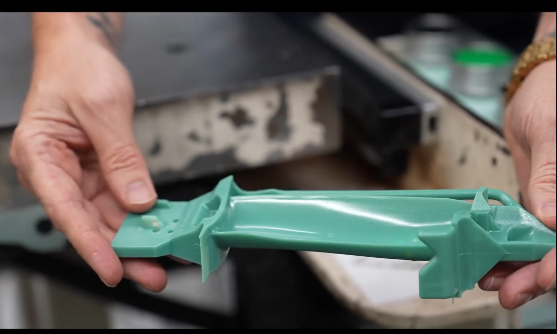
Was ist Nickellegierungsguss?
Nickellegierungsguss ist der Prozess des Schmelzens nickelbasierter Legierungen und Gießens in Formen zur Herstellung von Bauteilen mit nahezu Endabmessungen und hoher Leistung in extremen Umgebungen. Im Gegensatz zu normalem Kohlenstoffstahl oder einfachem Edelstahl, nickelbasierte Gussteile sind darauf ausgelegt, zu arbeiten hohe Hitze, hoher Druck und aggressiver Korrosion wo herkömmliche Materialien versagen.
In unserer Gießerei arbeiten wir mit Nickel-Chrom, Nickel-Molydän, Nickel-Kupfer und Nickel-Eisen-Superlegierungen. Diese Legierungen werden in kontrollierten Öfen geschmolzen, in Präzisionsformen gegossen (Investitions-, Sand- oder Zentrifugalsformen), erstarrt, dann wärmebehandelt und fertig bearbeitet, um enge mechanische und geometrische Anforderungen zu erfüllen.
Kernvorteile gegenüber Standardstahl und Edelstahl
Wenn Sie von Stahl oder herkömmlichem Edelstahl zu Nickellegierungs-Guss, profitieren Sie:
- Deutlich bessere Korrosionsbeständigkeit in Säuren, Chloriden, Seewasser, fauligem Gas und gemischten Chemistrien
- Höhere Temperaturbeständigkeit mit hervorragender Festigkeit, Kriechfestigkeit und Stabilität über 1000°F (538°C)
- Verbesserte Ermüdung und Zähigkeit unter Temperaturwechsel und Druckschwankungen
- Längere Lebensdauer und weniger ungeplante Abschaltungen in kritischen Systemen
- Höhere Zuverlässigkeit in sicherheitskritischer und aufgabenkritischer Ausrüstung
Wenn Ihre aktuellen Stahl- oder Edelstahlanzeigenkomponenten schon Lochfraß, Risse oder Verformungen bei Temperatur, nickellegierte Gussteile sind oft der logisch nächste Schritt.
Wann Nickellegierungs-Gussteile Sinn machen
Nickellegierungs-Gussteile sind typischerweise die richtige Wahl, wenn Ihre Teile
- Kontinuierliche oder zyklische Temperaturen oberhalb von ca. 427°C
- hoher innerer Druck kombiniert mit korrosiven Medien
- Chloride, Meerwasser, saurer Betrieb oder starke Säuren/Basen
- Wärmeschock und schnelles Ein- und Ausschalten
Häufige Beispiele: heiße Gasströme, Abgasgeräte, chemische Reaktoren, Hochdruckpumpen und Ventile, Marinehardware und Offshore-Komponenten.
Wer Nickellegierungs- Guss verwendet
Der Großteil unserer nickelbasierenden Legierungs-Gussarbeiten geht an:
- Luft- und Raumfahrt sowie Verteidigung – Turbinenschaufeln, Schaufeln, Abgasanordnung, Ausrüstung der Hochtemperatursektion
- Chemikalien- und petrochemische Industrie – Reaktoren, Pumpen, Laufräder, Ventile, Scrubber
- Energieerzeugung –Gas- und Dampfturbinenbauteile, Kesselanschlüsse, Brenner
- Meeres- und Offshore – Propeller, Stäbe, Meerwasser-Ventile, Pumpenkomponenten
- Öl & Gas – Saurer-Service-Ventile, Engbodys, Subsea-Hardware, Durchflussregelung
Überall dort, wo Ausfall teuer ist, gefährlich ist oder beides, Nickellegierungs-Gussteile sind im Spiel.
Schlüsselparameter vor der Wahl einer Nickellegierungs-Gusskomponente
Bevor Sie sich auf eine nickelbasierte Legierungs-Gusskomponente festlegen, sollten wir uns abstimmen über:
- Betriebsumgebung
- Temperaturbereich und Zyklusprofil
- Druckniveaus und Lastmuster
- Medien: Chloride, H₂S, CO₂, Säuren, Basen, Seewasser usw.
- Anforderungen an die Leistung
- Erforderliche Zugfestigkeit/Dehnungsspitzenfestigkeit und Härte
- Korrosion/Oxidation Ziele (Pitting, SCC, Spalt)
- Erwartete HAL-Bauzeit und zulässiges Risiko
- Geometrie und Toleranzen
- Teilekomplexität und Wandstärke
- Erforderliche Toleranzen und Oberflächenfinish
- Bearbeitung, Schweißen und NDT-Zugänge
- Kosten und Versorgung
- Budget- vs. Leistungsabgleich
- Jährliches Volumen und Liefererwartungen
- Anwendbare Standards (ASTM, ASME, AMS, API usw.)
Wenn Ihre Anwendung eindeutig in den Bereich fällt hohe Hitze, hohe Korrosion, hohe Zuverlässigkeit Raumfahrt/Platzbedarf, Nickellegierungs-Guss ist in der gesamten Lebensdauer in der Regel die kostengünstigste Wahl – auch wenn der Erstpreis höher ist als Stahl oder Standard-Edelstahl.
Vorteile von Nickellegierungs-Gussteilen
Nickellegierungs-Guss bietet Ihnen ein Maß an Zuverlässigkeit, das herkömmlicher Stahl oder Edelstahl nicht erreichen können, wenn der Einsatz wirklich anspruchsvoll ist. Diese nickelbasislegierten Gussteile halten stand in Säuren, Chloriden, Meerwasser und schwefelhaltigem Gas, sodass Sie korrosionsbeständige Nickellegierungsbauteile erhalten, die weiterlaufen, wo andere versagen. Sie bieten auch eine starke Oxidationsbeständigkeit bei hohen Temperaturen, was für Energie-, Chemie- und Marineausrüstung auf dem deutschen Markt kritisch ist.
Schlüsselvorteile, auf die Sie bei Hochtemperatureinsätzen von Nickellegierungs-Gusslegierungen zählen können:
- Korrosions- & Oxidationsbeständigkeit – Bestehen Sie gegen Säuren, Chloride, Meerwasser, Schwefelwasserstoff und Mischmedien ohne rasches Aussetzen von Lochfraß oder Spannungskorrosionsrissbildung.
- Hochtemperature Festigkeit & Kriechfestigkeit – Halten Sie Festigkeit, Härte und thermische Stabilität dort, wo Edelstahl zu weich wird oder sich verformt.
- Ermüdungsfestigkeit & Zähigkeit – Bewältigen Sie zyklische Druckbelastung, Vibration und thermische Zyklen mit guter Duktilität und Schlagzähigkeit, wodurch Ermüdungsfehler reduziert werden.
- Dimensionale Stabilität & enge Toleranzen – Nickellegierungs-Investitionsguss und Zentrifugalguss unterstützen präzise, stabile Abmessungen für kritische Ventile, Turbinenbauteile und Pumpenkomponenten.
- Längere Lebensdauer & weniger Stillstände – Besserer Verschleiß-, Korrosions- und Kriechwiderstand übersetzt sich direkt in längere Wartungsintervalle und weniger ungeplante Ausfallzeiten.
- Geringere Gesamtkosten des Eigentums – Während die Materialkosten höher sind als bei Edelstahl- oder Leichtstählen, liefern weniger Ersatzteile, geringerer Wartungsaufwand und verbesserte Betriebsbereitschaft in der Regel einen besseren Lifecycle-Wert, insbesondere wenn man bereits die Trade-offs in Legierungstahl vs. Edelstahlleistung versteht.
Arten von Nickellegierungs-Guss
Wenn wir von Nickellegierungs-Guss in realen Produktionsumgebungen in Deutschland sprechen, wählen wir normalerweise zwischen drei Hauptfamilien: Ni‑Cr‑Mo, Ni‑Cu und Ni‑Fe-Superlegierungen. Jede löst ein unterschiedliches Problem: Wärme, Korrosion oder eine Mischung aus beidem. Wenn Sie eine breitere Legierungsübersicht wünschen, erläutern wir die Haupt-Gusslegierungsfamilien in unserem Gusslegierungsleitfaden mit Typen, Eigenschaften und Anwendungen.
Überblick über nickelbasierte Gusslegierungen (Ni‑Cr‑Mo, Ni‑Cu, Ni‑Fe)
Hauptgruppen, die Sie tatsächlich verwenden werden:
- Ni‑Cr‑Mo-Legierungen
- Fokus: hohe Korrosionsbeständigkeit + feste/mechanische Festigkeit bei Temperatur
- Typische Verwendung: chemische Verfahren, Reinigungsanlagen, Flugaschen, saurer Dienst
- Beispiele: Hastelloy C‑276, Inconel 625 (hohes Cr + Mo für Korrosion)
- Ni‑Cu-Legierungen
- Fokus: Meerwasser- und Salzwasserkorrosionsbeständigkeit, sehr robust
- Typische Anwendung: Marine-Hardware, Pumpen, Ventile, Wellen
- Beispiel: Monel 400
- Ni-Fe-Superlegierungen (und Ni-Cr-Fe)
- Fokus: Hohe Temperaturfestigkeit, Kriechfestigkeit, Oxidationsbeständigkeit
- Typische Anwendung: Turbinen, Abgasanlagen, Komponenten der heißen Zone
- Beispiele: Inconel 718, weitere Nickel-Eisen-Superlegierung-Gussstücke
Inconel-Nickellegierung-Gussteile
Inconel ist in der Regel der erste Name, der auftaucht, wenn US-Käufer nach “hochtemperatur Nickellegierung Gussteile” fragen.”
Wichtige Inconel-Gusslegierungen
- Inconel 625
- Ni‑Cr‑Mo‑Nb‑Legierung
- Starke Korrosionsbeständigkeit + gute Hochtemperaturfestigkeit
- Großartig für heiße, korrosive Fluidpfade
- Inconel 718
- Ni‑Cr‑Fe‑Nb‑Mo‑Legierung, präsipitationshärtbar
- Hohe Festigkeit bis ca. 1200°F–1300°F (650°C–700°C)
- Arbeitskraft für Luft- und Raumfahrt sowie Energiehardware
Hochtemperaturverhalten (typisches Verhalten)
- Hält Zugfestigkeit und Streckgrenze bei erhöhter Temperatur deutlich besser als Edelstahl
- Gut Kriech- und Ermüdungsbeständigkeit unter Wärmewechselbelastung
- Ausgezeichnet Oxidationsbeständigkeit in Abgas- und Abgasumgebungen
Best‑fit Anwendungen
- Turbinenräder, Düsen und Stator-/Rotor-Komponenten
- Abgaskrümmer, Turbolader- und Gasturbinenteile
- Hochtemperaturhalterungen, Vorrichtungen und Heißgaspfad-Hardware
- Hochdruck-, Hochtemperaturventil- und Pumpeninnereien
Vorteile von Inconel beim Gießen
- Griffe hohe Temperatur + Druck + Vibration zusammen
- Stark Oxidation und Heißgas-Korrosion Widerstand
- Gute Langzeitstabilität für kritische Aero- und Kraftstoffteile
Nachteile / Trade-offs
- Hohe Legierungskosten gegenüber Edelstahl- und Niedriglegierungsstählen
- Schwerer zu bearbeiten, benötigt geeignetes Werkzeug sowie Vorschub-/Drehzahlen
- Möglicherweise Overkill wo Temperaturen und Korrosion mäßig sind
Für tiefere Inconel-Grade und Eigenschaftsdetails siehe unser dedicierter Inconel-Legierungen Leitfaden für Eigenschaften, Grade und Anwendungen.
Hastelloy-Nickelllegierungs-Gussstücke
Hastelloy (hauptsächlich Ni‑Cr‑Mo‑Legierungen) ist das, wofür wir greifen, wenn Korrosion brutal ist und Ausfallzeit wichtiger ist als der Materialpreis.
Kern-Hastelloy-Gussgrad
- Hastelloy C‑276
- Ni‑Cr‑Mo‑W‑Legierung
- Sehr breite Korrosionsbeständigkeit
- Bewältigt sowohl oxidierende als auch reduzierende Umgebungen besser als die meisten Legierungen
Chemische Beständigkeitsprofil
- Starke Beständigkeit gegen:
- Säuren: salzsäure, schwefelsäure, phosphorsäure (viele Konzentrationen)
- Chloride: Pitting- und Spaltkorrosionsbeständigkeit besser als Edelstahl
- Gemischte und verschmutzte Medien: Chloride + Säuren + hohe Temperatur
- Gute Leistung in oxidierend und redox Bedingungen, daher eine sichere Wahl, wenn die Chemie schwankt
Typische Gussanwendungen
- Chemische Reaktoren und druckbehälende Bauteile
- Pumpen, Impellern und Ventilgehäusen in aggressiven Medien
- Reiniger, Absorber und Flugasdesulfurierungsanlagen
- Wärmetauscher und Behälterinnenleben in Raffinerien und chemischen Anlagen
Stärken
- “Eine Legierung deckt viele Reaktionen ab” in harten Anlagen
- Haupt- Reduktion von Korrosionslecks und ungeplanten Stillständen
- eine hervorragende Wahl für Sulfidgas, chloridreich und gemischte‑Säure Dienst
Trade-offs
- Premiumpreis gegenüber rostfreiem Stahl und sogar einigen Inconel‑Güten
- Nicht erforderlich, wenn Medien nur leicht korrosiv oder gut kontrolliert sind
- Leicht stärker herausfordernde Guss- und Maschinenbearbeitung gegenüber grundlegenden Ni‑Fe‑Legierungen
Monel- und Nickelkupferlegierungen Gussstücke
Monel und andere Ni‑Cu‑Legierungen sind unsere Favoriten für lange Lebensdauer im Meerwasser und in Sättigungsbrinen.
Gemeinsame Nickel-Kupfer-Gusstry-Güten
- Monel 400
- Ni‑Cu‑Legierung mit hervorragender mariner Korrosionsbeständigkeit
- Gute Zähigkeit von unterhalb des Gefrierpunkts bis zu mäßig hohen Temperaturen
Leistung in Meerwasser
- Sehr beständig gegen Chloridangriffe, einschließlich schnell fließendem Meerwasser
- Griffe Brackwasser, Salznebel und Spritzwasserzonen äußerst gut
- Widersteht Spannungsrisskorrosion besser als viele Edelstähle
Typische Monel-Gussbauteile verwenden
- Seewasserpumpen, Laufräder und Gehäuse
- Ventile, Anschlüsse und Verteilersysteme in Meeres- und Offshore-Systemen
- Wellen, Propellerhülsen und andere untergetauchte Bauteile
- Bauteile in Entminungs- und Meerwasserzufuhrsystemen
Beschränkungen / wann Monel nicht gewählt werden sollte
- Kosten: höher als Standard-Edelstahl, insbesondere für größere Bauteile
- Nicht ideal in stark oxidierenden Säuren (wie heißes, konzentriertes Salpetersäure)
- Begrenzte Hochtemperaturfähigkeit im Vergleich zu Inconel-Legierungen
- Overkill für Süßwasser- oder nicht-chloridhaltige, nicht-Meeresanwendungen
Andere Nickellegierungs-Gussgüten
Neben Inconel, Hastelloy und Monel gießen wir auch eine Reihe anderer nickelbasierter und nickel-eisenbasierter Hochleistungslegierungen, wenn die Spezifikation es erfordert.
Beispiele
- Ni-Fe-Cr-widerstandsfähige Legierungen für Brennstofföfen- und Wärmebehandlungsvorrichtungen
- Spezialisiert Superlegierungen für Turbinenschaufeln, Verbrennungskomponenten und heiße Trägerstrukturen
- Nickelbasierte Legierungen optimiert für Niedrigtemperatur-Anrissfestigkeit oder spezielle korrosive Chemien
Wie man Sorten vergleicht
Wenn Sie eine Nickellegierungs-Gussqualität auswählen, setzen Sie sie drei Hauptfaktoren gegenüber:
- Temperatur
- Unter ca. 600 °F: Korrosion dominiert in der Regel die Auswahl
- 600–1200 °F: Balance zwischen Festigkeit, Kriech- und Korrosionsbeständigkeit
- Über 1200 °F: tendieren Sie zu Superlegierungen für hohe Temperaturfestigkeit ausgelegt
- Medium / Umgebung
- Meerwasser, Salzwasser, Spritzzone → Ni‑Cu (Monel)
- Gemischte Säuren, Chloride, Schwefelwasserstoff → Ni‑Cr‑Mo (Hastelloy, Inconel 625)
- Gereinigte heiße Gase, Turbinen-Gasweg → Ni‑Fe / Ni‑Cr‑Fe-Superlegierungen (Inconel 718)
- Mechanische Belastungen
- Hohe zyklische Belastungen und Vibration → hochfestere Superlegierungen
- Stetischer Hoher Druck bei moderater Temperatur → korrosionsoptimierte Ni‑Cr‑Mo-Grade
- Aufprall- oder Stoßbelastung → Legierungen mit guter Zähigkeit und Duktilität
Schnellauswahl nach Umgebung & Branche
- Luft- und Raumfahrt / Gasturbinentechnik: Inconel 718 und verwandte Ni-Fe-Superlegierungen-Gussstoffe
- Chemie & Petrochemie: Hastelloy C-276 und andere Ni-Cr-Mo korrosionsbeständige Gussstoffe
- Marin/See- und Offshore: Monel 400 und Ni-Cu-Gussstoffe für Pumpen, Ventile und Wellen
- Stromerzeugung & industrielle Wärme: Inconel- und Ni‑Fe‑Cr-Hochtemperaturlegierungen für Brenner, Düsen und heiße Bauteile
Gussprozesse für Nickellegierungen
Überblick über Gussmethoden für Nickellegierungen
Für den Nickelbasis-Guss verwende ich hauptsächlich drei Prozesse: Gießerei durch Investition, Sandguss, und Zentrifugalguss. Jeder trifft eine andere ideale Balance aus Kosten, Präzision und Bauteilgröße. Die richtige Wahl hängt davon ab, wie komplex Ihr Bauteil ist, wie viele Sie benötigen und welche Art von Leistung Sie unter Hitze, Druck und Korrosion anstreben.
Wann Investment-Guss vs. Siliciumsand- bzw. Zentrifugalguss wählen
Einfach ausgedrückt:
- Feinguss – Am besten geeignet für komplexe, enge Toleranzen, mittelgroße bis kleine Bauteile.
- Sandguss – Am besten geeignet für große, schwere, weniger komplexe Komponenten.
- Zentrifugalguss – Am besten geeignet für Ringe, Röhren, Hülsen und Buchsen die dichte, defektresistente Wandungen benötigen.
Wenn Sie Hochpräzisions-Nickellegierungs-Gussstücke benötigen, empfehle ich meist, sie mit unserem Präzisionsgussdiensten, dann den Prozess für Ihre Geometrie und Ihr Volumen fein abzustimmen.
Wie die Prozesswahl Kosten, Lieferzeit und Leistung beeinflusst
- Kosten
- Investition: Höhere Werkzeugkosten und Stückpreis, kompensiert durch weniger Bearbeitung und Ausschuss.
- Sand: Niedrigere Werkzeugkosten, wirtschaftlich für größere Teile und mittlere bis hohe Stückzahlen.
- Zentrifugal: Mittlere Werkzeugkosten, sehr effizient für zylindrische Formen.
- Lieferzeit
- Investition: Längere Vorlaufzeit (Werkzeugbau + Gehäuse).
- Sand: Typischerweise am schnellsten, um die ersten Teile bei großen Gussteilen zu erhalten.
- Zentrifugal: Schnell, sobald das Werkzeug für Wiederholungsläufe eingerichtet ist.
- Fertige Teile
- Investition: Beste geometrische Genauigkeit und Oberflächenfinish.
- Sand: Ausreichende Leistung mit flexiblen Konstruktionsoptionen und Größen.
- Zentrifugal: Höchste Wanddichte und minimale innere Defekte für Druck- und Verschleißteile.
Feinguss-Nickellegierungen
Prozessschritte:
- Wachsmodelle erstellen (ein- oder mehrkammig).
- Keramikschaal rund um den Wachs bauen.
- Wachs ausformen, die Schale brennen.
- Gießung der geschmolzenen Nickellegierung, Abkühlen und Auslösen der Schale.
- Schneiden, Anguss entfernen, Wärmebehandlung und Endbearbeitung.
Typische Fähigkeiten:
- Toleranzen: ±0,005–0,010 in (±0,13–0,25 mm) je nach Größe.
- Oberflächenfinish: Sehr glatt; minimale Bearbeitung an nicht kritischen Flächen.
- Wandstärke: Auf ~0,08 Zoll (2 mm) reduzierbar mit geeignetem Design.
Beste Teiltypen:
- Komplexe innere Kanäle.
- Dünnwandige, hochpräzise Hardware.
- Luft- und Raumfahrt-, Turbinen- und Hochleistungsindustriezubehör, bei denen Detail wichtiger ist als die Teilgröße.
Vorteile:
- Ausgezeichnete Genauigkeit und Wiederholbarkeit.
- Enge Toleranzen und hervorragende Oberflächenqualität.
- Ideal für komplexe Geometrien und Gewichtseinsparungen.
Nachteile:
- Höhere Teilekosten als beim Sandguss.
- Längere Vorlaufzeit aufgrund von Werkzeuge- und Formbau.
- Maximale Bauteilgröße ist im Vergleich zum Sandguss eingeschränkt.
Wenn Sie sehr enge Toleranzen und komplexe Details wünschen, aber aus Aluminium statt Nickel, führen wir ähnliche Arbeitsabläufe in unserem Aluminium-Investitionsgussteile für Präzisionsteile abzielen.
Sandguss-Nickellegierungen
Arbeitsablauf:
- Werkzeugbau / Muster erstellen.
- Gussform um das Muster herum packen (mit Kerne, wo nötig).
- Entpattern entfernen, Kerne bei Bedarf setzen.
- Gieße flüssige Nickellegierung in die Form.
- Ausfüllen, Gänge/Flügel abschneiden, Wärmebehandlung durchführen und bearbeiten.
Größe und Gewicht:
- Griffe große Nickellegierungsgussstücke, von mittleren Gehäusen bis hin zu sehr schweren industriellen Formen.
- Am besten, wenn Gewicht und Einhüllung groß sind und ultrafeine Merkmale nicht erforderlich sind.
Ideal geometrien und Toleranzen:
- Einfachere Formen: Ventilkörper, Pumpengehäuse, Gehäuse, Halterungen.
- Typische Toleranzen: locker als Guss; rechnen Sie mit mehr Bearbeitungsrest.
Vorteile:
- Die wirtschaftlichste Option für große Bauteile und geringere Stückzahlen.
- Sehr flexibel in Größe und Geometrie der Bauteile.
- Schnellere Werkzeugwechselzeiten als umfassende Guss-Systeme (für viele Aufträge).
Nachteile:
- Rauhere Oberflächenbeschaffenheit.
- Wider toleranzen, mehr nachbearbeitung.
- Höheres Risiko von sandbedingten Oberflächendefekten, wenn nicht gut kontrolliert.
Zentrifugalschmieden Nickellegierungen
Wie es funktioniert:
- Geschmolzene Nickellegierung wird in ein rotierendes Formstück.
- Zentrifugalkraft drückt das Metall nach außen und erzeugt eine dichte, gleichmäßige Wand.
- Ideal für ringförmige oder zylindrische Bauteile, bei denen der Außendurchmesser/Innendurchmesser passgenau bearbeitet werden kann.
Mikrostruktur und Leistung:
- Sehr dichte Mikrostruktur mit weniger Gas- und Schrumpfungsfehlern.
- Starke, fehlerresistente Wandstrukturen für Hochdruck- und Verschleißumgebungen.
- Ausgezeichnet für Teile, die sich thermischen Zyklen und mechanischem Stress.
Beste Anwendungsfälle:
- Ringe, Lager, Hüllen, Einläufe und zylindrische Rohrabschnitte.
- Bauteile in Pumpen, Ventilen, chemischen- und Energieanlagen, bei denen die Integrität der Wand kritisch ist.
Vergleich von Nickellegierungs-Gussprozessen
Sparmaßige Gegenüberstellung
| Eigenschaft / Prozess | Investitionsguss | Sandguss | Zentrifugalguss |
|---|---|---|---|
| Am besten geeignet für Geometrie | Komplexe, detaillierte, dünnwandige Bauteile | Große, einfachere Formen | Ringe, Rohre, Lager, zylindrische Formen |
| Typische Toleranzen | am engsten | Weiteste | Mäßig bis eng am ØD/ØI nach der Bearbeitung |
| Oberflächenfinish | Beste | Rauer | Gut am ØD; ØI wird oft bearbeitet |
| Teilgrößenbereich | Klein bis mittel | Mittel bis sehr groß | Begrenzt durch Formdurchmesser/-länge |
| Teilkosten | Höchste pro Stück | Niedrigste für große Bauteile | Mittel; wirtschaftlich für Ringvolumen |
| Lieferzeit (erste Teile) | Mittel bis lang | Kurz bis mittel | Mittel (nach Werkzeugbau) |
| Dichte / Defekte | Gut mit ordnungsgemäßer Prozesskontrolle | Gut, aber höheres Porositätsrisiko | Höchste Dichte, niedrigste innere Fehler |
Wie man den richtigen Prozess auswählt
Fokus auf drei Dinge:
- Geometrie
- Komplex + dünne Wand + klein/mittelgroß → Feinguss.
- Große Hülle + einfachere Geometrie → Sandguss.
- Zylindrisch / ringförmig → Zentrifugalguss.
- Menge und Budget
- Niedriges Volumen / Prototypen → Sand- oder Nischinvestition je nach benötigter Genauigkeit.
- Mittel- bis hohes Volumen an Präzisionsbauteilen → Investition.
- Wiederholte Läufe ähnlicher Ringe/Rohre → Zentrifugalsguss.
- Auswirkungen auf Fräsen/ Bearbeitung, Prüfung und Lieferzeit
- Engere Guss-Toleranzen (Investitions- oder Zentrifugalguss-OD) = geringere Bearbeitungskosten.
- Sandguss benötigt in der Regel mehr Bearbeitung, aber Werkzeuge sind schnell und günstig.
- Je komplexer der Prozess, desto mehr Planung braucht man im Vorfeld, aber desto besser langfristig Wiederholbarkeit und Leistungsfähigkeit.
Wenn Sie Ihre Zeichnungen, Betriebsbedingungen und Volumenpläne teilen, kann ich in der Regel im One-Review-Prozess das passende Nickellegierungs-Gussverfahren eingrenzen und Ihnen einen vorhersehbaren Weg in Kosten, Terminplanung und Qualität aufzeigen.
Designrichtlinien für Nickellegierungs-Gussstücke
Allgemeine Gestaltungsregeln für Nickellegierungs-Gussstücke
Wenn ich Nickellegierungs-Gussstücke entwerfe, behandle ich die Legierung als “hochwertig, wenig verzeihend”. Das bedeutet:
- Halten Sie Geometrie so einfach und offen wie möglich.
- Vermeiden Sie abrupte Abschnittsänderungen und isolierte, schwere Massen.
- Entwerfen Sie Bauteile so, dass sie richtungsweisend erstarren (von dünn nach dick, in Richtung Risers).
Frühe DFM mit Ihrem Foundry-Partner ist nicht verhandelbar; es wird Ihnen mehr einsparen als jeder spätere Kostenreduktionsschritt.
Wandstärke & Gleichmäßigkeit
Nickellegierungen mögen extreme Dickenänderungen nicht. Als pragmatische Faustregel:
- Mindestwand (Verschiedene Gussverfahren): ~0,08–0,12 in (2–3 mm), abhängig von Legierung und Größe.
- Mindestwand (Sandguss): ~0,20–0,30 in (5–8 mm).
- Gleichmäßigkeit: Halten Sie Dickenänderungen, wenn möglich, innerhalb von 25–30%.
- Verwendung Tapers anstelle von plötzlichen Sprüngen Stützrippen oder Streben hinzufügen, wenn Sie Steifigkeit ohne große Querschnitte benötigen.
Formung, Fasen & Radien
Um Spannungen, Ausschuss und Risse zu reduzieren:
- Fasen:
- Guss: 1–2° an externen Wandflächen, 2–3° an internen Merkmalen.
- Sandguss: 2–3° extern, 3–5° intern.
- Fasen/Radien:
- Vermeiden Sie scharfe Innenwinkel; fügen Sie bei hochbelasteten Übergängen einen Radius von mindestens 0.06–0.12 in (1.5–3 mm) hinzu.
- Verschmelzen Sie Rippen und Bossen sanft in die Wände; keine messerscharfen Kanten.
Auslegung für Metallfluss & Erstarrung
Nickel-Superlegierungen weisen eine höhere Viskosität und schmalere Erstarrungsbereiche als Kohlenstoffstähle auf, daher matter Fluss und Speisung:
- Gates Speisung beibehalten dickere, heißere Abschnitte zuerst.
- Vermeiden Sie lange, dünne “Todesend”-Arme; binden Sie sie in stärkere Fließpfade ein.
- Verwendung allmähliche Übergänge und gut belüftete Abschnitte, um kalte Schnitte und Fehlläufe zu verhindern.
- Arbeiten Sie mit den Simulationsresultaten Ihrer Gießerei; passen Sie Dicke und Verbindungen an, um eine gerichtete Erstarrung zu fördern.
Vermeidung von Porosität, Schrumpfung & Hot Spots
Häufige Probleme bei Nickellegierungsguss:
- Gasjonporosität: Entsteht durch Turbulenzen und mangelhafte Entlüftung. Verwenden Sie glatte, großzügige Fließkanäle und vermeiden Sie plötzliche Flächenänderungen.
- Schrumpfhohlräume: Erscheint in schweren, isolierten Abschnitten und dicken Verbindungen (wie Dreiecks‑Knoten).
- Heiße Stellen: Dicke Beläge, Stützen und Naben ohne ausreichende Zufuhr.
Designzüge, die helfen:
- Große Massen aufbrechen in gewebte oder kernteile Abschnitte.
- Verwendung einheitliche Rippen statt dicker Platten.
- Horizontale Wandstärke nahe der dicksten Wand, die sie speist, beibehalten.
Gating & Risers mit Ihrem Lieferanten
Sie müssen das Gate-Design und die Risers nicht selbst entwerfen, aber Sie sollten entwerfen mit ihnen im Sinn:
- Lassen genug Lagerbestand und Zugriff für Tore, Risers und deren Entfernung.
- Vermeiden Sie kritische Merkmale an offensichtlichen Gating-/Riser-Standorten.
- Planen Sie “sacrificial” Bereiche, in denen die Gießerei schwere Bereiche füttern kann, ohne die endgültige Geometrie zu beeinträchtigen.
Eine gute Gießerei wird während der Überprüfung Konzepte für Gating und Erstarrungssimulationen teilen, damit Sie das Modell anpassen können statt später mit Nacharbeit zu leben.
Unterkanten, Dünnwandbereiche & scharfe Ecken verwalten
Nickellegierung-Guss toleriert Komplexität, aber Komplexität kostet:
- Unterkanten: Versuchen Sie, sie zu eliminieren oder zu reduzieren; sie erzwingen komplexere Werkzeuge und können Metall oder Gas einschließen. Falls nötig, ziehen Sie geteilte Kerne oder Designänderungen in Betracht, die es Ihnen ermöglichen, die Funktion zu bearbeiten.
- Dünnwandbereiche: Vermeiden Sie lange, unsupported dünne Finnen oder Wände. Kürzen Sie Spannweiten oder fügen Sie Stützrippen hinzu, um Fehlläufe und Verzug zu verhindern.
- Scharfe Kanten: Behandeln Sie jede scharfe Kante als potenziellen Rissanfänger; abrunden und verschmelzen, wo das Design es zulässt.
Bearbeitungszulagen für Nickellegierungs-Gussstücke
Nickellegierungen bearbeiten sich härter als Kohlenstoff- und Edelstahl; daher lasse ich immer mehr Materialspielraum, wo präzise Passformen wichtig sind:
- Bearbeitungszulage bei Gesenksandguss: typischerweise 0,02–0,06 in (0,5–1,5 mm) pro Seite an kritischen Oberflächen.
- Bearbeitungszulage beim Sandguss: 0,06–0,12 in (1,5–3 mm) pro Seite oder mehr, abhängig von der Größe.
- Konzentrieren Sie das Bearbeitungsmaterial auf Dichtflächen, Bohrungen und Passungen; überspezifizieren Sie keine nicht-kritischen Oberflächen.
Wenn Sie Gießen und Zerspanung aus Kostengründen abgleichen (ähnlich wie ich Prozesse auf unseren Präzisionslegierungsbearbeitungsprojekten), frühzeitig Toleranzen ausrichten, macht einen großen Unterschied im Endstückpreis.
Oberflächenrauheitserwartungen nach Gussprozess
Realistische Oberflächen vor der Bearbeitung:
- Investitionsguss-Nickellegierungen: ~125–250 μin Ra gegossen, feiner mit optimierten Hüllen.
- Sandguss-Nickellegierungen: ~250–500 μin Ra gegossen.
Planung Nachbearbeitung oder Schleifen für Dichtflächen, Lagersitze und aerodynamische Oberflächen in Turbinen oder Abgasanlagen.
Schweißvorbereitung & Fugen-Design für Nickellegierungs-Bauteile
Viele Nickellegierungs-Gussteile werden zu größeren Baugruppen verschweißt, daher ist das Fugen-Design entscheidend:
- Bereitstellen geeignete Fasenwinkel (in der Regel 30–37,5° inklusiv) und Nutdicke für Lochnahtverbindungen.
- Schweißtoleranz vermeiden, damit die Schweißverbindungen nicht durch schwere Abschnittsänderungen und hochbelastete Ecken beeinträchtigt werden.
- Hinzufügen Durchlauf- oder Endklammern oder zusätzliches Material in den Schweißbereichen, wenn Sie wissen, dass Sie automatisiertes oder hochenergetisches Schweißen verwenden werden.
- Stellen Sie sicher, dass die Legierungswahl und Wärmebehandlung mit Ihrem Schweißverfahren und der erforderlichen Festigkeit kompatibel sind.
Wenn Sie diese Design-Grundlagen früh festlegen, laufen Nickellegierungs-Gussstücke sauberer im Fundofen, werden schneller in der Werkstatt bearbeitet und halten länger im Betrieb.
Nickellegierungs-Gussfähigkeiten und Kapazität
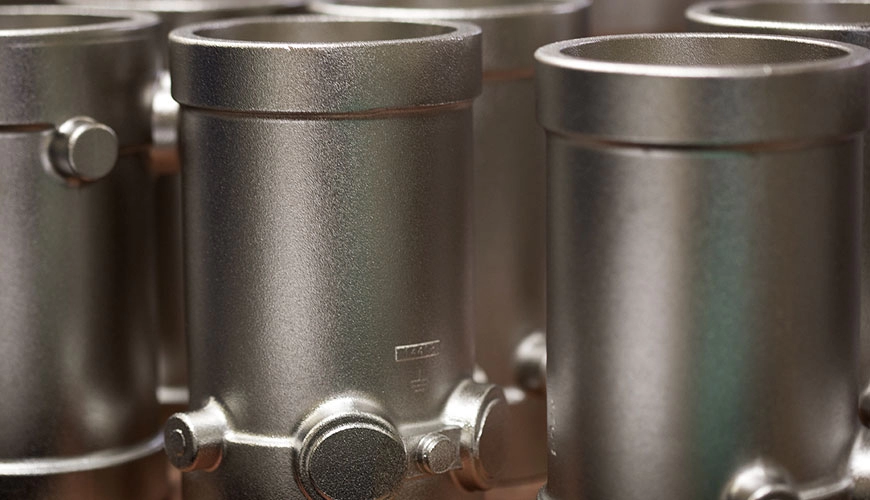
Größen- und Gewichtsspannen
Für den Nickellegierungs-Guss decke ich alles ab, von kleinen Präzisionsteilen bis hin zu schwerer industrieller Hardware:
- Feinguss-Nickellegierungen
- Typische Größe: bis ca. 24 in (600 mm) in der längsten Dimension
- Wandstärke: bis ca. 0,08–0,12 in (2–3 mm) an stabilen Abschnitten
- Gewichtsspanne: ungefähr 0,1 lb bis 80 lb (50 g bis 35 kg)
- Sandguss-Nickellegierungen
- Typische Größe: von ca. 4 Zoll (100 mm) pro Seite bis zu mehreren Fuß
- Gewichtsbereich: von 10 lb bis 2.000+ lb (5 kg bis 900+ kg), abhängig von Geometrie und Werkzeug
Wenn Sie nicht sicher sind, wo Ihr Teil passt, senden Sie das 3D-Modell und ich bestätige die Machbarkeit schnell.
Produktionsvolumen und Lieferzeiten
Ich unterstütze den gesamten Lebenszyklus: vom ersten Artikel bis zur Langzeitproduktion.
- Prototyping & Musterläufe
- 1–20 Stück zur ersten Validierung
- 3D-gedruckte Muster oder Soft-Tooling, wo es Zeit und Kosten reduziert
- Standard-Lieferzeiten (typisch, nicht garantiert)
- Werkzeugbau + erste Muster: 4–8 Wochen für Gussinvestition, 5–10 Wochen für Sandguss
- Produktionsaufträge: üblicherweise 4–6 Wochen nach Freigabe, je nach Menge und Anforderungen an die zerstörungsfreie Prüfung
- Skalierbarkeit
- Geringes Volumen: Spezialbereiche in Luft- und Raumfahrt, Energieerzeugung und chemische Verarbeitung Ersatzteile
- Mittleres bis hohes Volumen: Wiederholungsreihen für Ventilkörper, Pumpenkomponenten, Turbinenteile
Frühe Prognoseeinsicht ermöglicht mir, Kapazitäten zu sichern und Preise zu stabilisieren.
Schmelzen, Wärmebehandlung und Oberflächenveredelung
Die Leistungsfähigkeit nickelhaltiger Legierungen hängt davon ab, wie sie geschmolzen und behandelt wird. Ich fahre kontrollierte Prozesse, maßgeschneidert für Hochtemperaturlegierung Familien und Nickel-Superlegierungen.
- Schmelzfähigkeiten
- Induktionsschmelzen in Luft oder kontrollierter Atmosphäre
- Strenge Chemie- und Temperatureinstellungen für Ni‑Cr‑Mo, Ni‑Cu und Superlegierungen
- Kompatibel mit anspruchsvollen Spezifikationen wie ASTM und AMS für nickelbasierte Gussstücke
- Für Projekte, die Kobalt oder andere Hochtemperaturchemistrien benötigen, arbeite ich auch mit dedizierten Hochtemperature–Legierung Schmelzanlagen.
- Härtung von Nickel-Superlegierungen
- Lösungstherapie, Alterung, Spannungsentlastung und Stabilisierungskycle
- Gesteuerte Temperaturbereiche bis zu ~2.000°F (1.095°C) je nach Legierung
- Rezepte abgestimmt auf Legierungen wie Inconel und Hastelloy für Festigkeit, Verformung und Zähigkeit
- Inhouse-Veredelung und Fertigung
- Schruppen und Feinbearbeitung für eng tolerierte Merkmale
- Oberflächenbearbeitung, Schweißer-Vorbereitung und Gelenk-Bearbeitung
- Beschichtungs-Vorbereitung (Kornstrahlen, Maskierung von Oberflächen, Maßhaltigkeit) zur Unterstützung der nachgelagerten Verchromung oder Schutzbeschichtungen
Wenn Sie die Zeichnung mit Materialspezifikation, Wärmebehandlungshinweisen und Schlüssel-Toleranzen senden, kann ich ein vollständiges Angebot erstellen guss‑und‑bearbeitet Nickellegierungslösung, nicht nur ein roher Guss.
Anwendungen von Nickellegierungsguss

Nickellegierungs-Gussteile treten überall dort auf, wo deutsche Kunden Teile benötigen, die Hitze, Druck und brutalster Korrosion standhalten. Unten ist typischerweise dargestellt, wie ich sie in Schlüsselindustrien nutze.
Luft- und Raumfahrt sowie Verteidigung Nickellegierungs-Gussteile
In Luft- und Raumfahrt sowie Verteidigung befinden sich Nickellegierungs-Gussteile genau in der heißen Zone.
- Typische Teile: Turbinenschaufeln und -leppen, Abg normallyutg, Abgaskrümmer, Ansaug- und Abwasser, Motorhardware
- Warum Nickel: behält Festigkeit bei hohen Temperaturen, widersteht Oxidation, bewältigt thermische Zyklen und Vibration
- Spezifikationen, die wir sehen: strikte Toleranzen, vollständige NDT (Röntgen, Farbstoffprüfverfahren), nickelbasierte Superlegierungen gemäß AMS/ASTM
- Zuverlässigkeit: lange Wartungsintervalle, vorhersehbare Kriech- und Ermüdungsleistung, strikte Dokumentation und Nachverfolgbarkeit
Wenn Gewicht kritisch ist, aber die Temperaturen niedriger sind, kombinieren wir Nickel-Gusslegierungen manchmal mit leichteren Titanlegierungskomponenten in der gleichen Baugruppe.
Chemische und petrochemische Nickellegierungs-Gussteile
Für die chemische Verarbeitung ist Nickellegierungsguss oft die erste Wahl, wenn Edelstahl früh ausfällt.
- Typische Teile: Pumpen, Ventile, Laufräder, Rührwerke, Reaktor- und Scrubber-Komponenten
- Mediums, die gehandhabt werden: Säuren, Chloride, Schwefelgas, gemischte oxidierende/reduzierende Ströme
- Warum Nickel: starke Beständigkeit gegen Lochbildung, Spaltkorrosion und Spaltstresskorrosion
- Praxisbeweise: längere Betriebsdauer zwischen Stillständen, weniger Lecks, geringere Wartungskosten pro Betriebsstunde
Jahre der Power-Generation-Nickellegierung-Gussteile
Kraftwerksanlagen verlassen sich auf nickelbasierte Legierungs-Gussteile, dort wo Hitze und Druck am höchsten sind.
- Typische Teile: Kesselanschlüsse, Brenner, Ventilkörper, Verbrennungs-Hardware
- Bedingungen: Hochdruckdampf, heiße Gaswege, häufiger thermischer Zyklus
- Vorteile: hervorragende Kriechfestigkeit, Oxidationsbeständigkeit, stabiles Mikrogefüge bei Temperaturen
- Anwendungsbereiche: fossil befeuerte Kessel, Gasturbinen, Nuklearanlagen (Balance-of-Plant), einige erneuerbare Energiesysteme
Marine- und Offshore-Nickellegierungs-Guss
Im marinen und Offshore-Betrieb schützen korrosionsbeständige Nickellegierungsbauteile die Betriebssicherheit.
- Typische Bauteile: Wellen, Propeller, Pumpengehäuse, Ventilkörper, Kupplungen im Seewasserbetrieb
- Umgebungen: Seewasser, Spritzzonen, Unterwasserbaugruppen, saurer Betrieb in Bohrungen
- Vorteile: hohe Beständigkeit gegen Seewasserangriff, Biofouling-bezogene Korrosion und Chloridspannungsrissbildung
- Offshore-Wert: längere Inspektionsintervalle, weniger Notwechsel, bessere Lebenszykluskosten für kritische Ausrüstung
Andere Industrien, die Nickellegierungs-Guss verwenden
Nickelbasierte Legierungs-Gussteile zahlen sich auch in schweren Industrie- und aufkommenden sauberen Energieanwendungen aus.
- Pulp und Papier: Digestoren, Absaugpumpen für Flüssigkeiten, Ventile in chloridhaltiger Brühe und Bleichmedien
- Bergbau und Minerals: Schlämmepumpenkomponenten, Verschleißteile in sauren oder chloridhaltigen Schlämmen
- Industrielle Verarbeitung: Hochtemperatur-Ofenhardware, Vorrichtungen und kundenspezifische Hochtemperaturwerkzeuge
- Aufkommende Anwendungen: Wasserstoff-Servicekomponenten, Batterie- und Kathodenproduktionshardware, saubere Energie-Balance-of-Plant-Teile
Schnelle Anwendungsübersicht
| Industrie / Umwelt | Typische Nickellegierungs-Gussteile | Hauptvorteil |
|---|---|---|
| Luft- und Raumfahrt & Verteidigung | Turbinenblätter, Leiträder, Abgasanlagen, Triebwerkshardware | Hohe Temperaturbeständigkeit und Zuverlässigkeit |
| Chemie & Petrochemie | Pumpen, Ventile, Impeller, Reaktorbestandteile | Korrosionsbeständigkeit in aggressiven Mischchemikalien |
| Energieerzeugung | Kesselarmaturen, Brenner, Ventilgehäuse | Kriech- und Oxidationsbeständigkeit bei hohen Temperaturen |
| Marin/Offshore | Wellen, Propeller, Pumpen, Seewasser- Ventilgehäuse | Seewasser- und säurefeste Korrosionbeständigkeit |
| Pulpe, Bergbau, saubere Energien | Verfahrenshardware, Schlammteile, Wasserstoff- und Batterieteile | Lange Lebensdauer in harten, spezialisierten Umgebungen |
Leistungs- und technische Eigenschaften von Nickellegierungsguss
Nickellegierungsguss vereint Festigkeit, Korrosionsbeständigkeit und Stabilität, die die meisten Stähle insbesondere bei hohen Temperaturen und in harten Medien nicht erreichen. Wenn Sie dimensionieren, entwerfen und Kosten rechtfertigen, ist der Schlüssel, die grundlegenden mechanischen, korrosions- und thermischen Eigenschaften zu verstehen und wie sie sich im realen Betrieb zeigen.
Mechanische Eigenschaften von Nickellegierungsguss
Die meisten nickelbasierte Legierungs-Gussstücke liefern:
- Zug- und Streckgrenze
- Typische Zugfestigkeit bei Raumtemperatur: 550–1.100 MPa (80–160 ksi)
- Typische Streckgrenze: 275–900 MPa (40–130 ksi) je nach Sorte und Wärmebehandlung
- Viele Nickel-Superlegierungs-Gussstücke behalten eine hohe Festigkeit weit über 1.000 °F (538 °C) wo Kohlenstoff und 4140 Edelstahl-Eigenschaften beginnt abzufallen.
- Dehnung und Duktilität
- Dehnung beim Bruch üblicherweise in der 10–40% Sortiment.
- Gute Duktilität hilft Bauteilen, Stoßbelastungen und Ausrichtungsfehler zu absorbieren, ohne zu reißen.
- Ermüdungs- und Kriechverhalten
- Entworfen, um mit hochzyklus- und niederzyklusermüdung in Turbinen, Pumpen und rotierenden Bauteilen umzugehen.
- Ausgezeichnet Kriechwiderstand bei erhöhten Temperaturen, was kritisch für Druckteile, Ventilkörper und heiße Gas-Komponenten ist, die jahrelang bei Belastung laufen.
- Aufprallzähigkeit und Kälteestleistung
- Viele Nickellegierungen behalten Schlagzähigkeit bei -Sub-Null-Temperaturen.
- Deshalb werden sie in kryogener Anwendung, Offshore-Umgebungen und Anwendungen verwendet, bei denen Start-Stopp-Temperaturschwankungen häufig auftreten.
Korrosion- und Oxidationsleistung
Korrosionsbeständige Nickellegierungsbauteile sind die erste Wahl, wenn Edelstahl der Chemie nicht standhält:
- Lochfraß-, Spalt- und SCC-Beständigkeit
- Hohe Nickel- und Molybdängehalte verleihen eine starke Widerstandsfähigkeit gegen Lochfraß und Spaltkorrosion.
- Viele nickelbasierte Legierungen zeigen eine ausgezeichnete Beständigkeit gegen chloridinduzierte Spannungsrisskorrosion, ein häufiges Ausfallverhalten bei Edelstahl im chemischen und marinen Einsatz.
- Verhalten in aggressiven Medien
- Bewährte Leistung in Säuren, Basen, Chloride, Meerwasser und saures Gas.
- Gut geeignet für gemischte und verschmutzte Chemistrien, bei denen sich Bedingungen im Laufe der Zeit ändern und schwer vorherzusagen sind.
- Hitzebeständige Oxidation
- Nickel-Chrom-Legierungs-Gussstücke bilden stabile Oxidfilme, die gegen Ablagerungen und Oxidation bei erhöhten Temperaturen schützen.
- Dies ist entscheidend für Hochtemperatur-Nickellegierungs-Gussstücke in Brennern, Turbinen und Abgassystemen.
Thermische und physikalische Eigenschaften von Nickel-Legierungs-Gussteilen
Thermische und physikalische Eigenschaften beeinflussen direkt Passung, Spielraume und Langzeitstabilität:
- Thermische Ausdehnung
- Der Koeffizient der thermischen Ausdehnung ist moderat und vorhersehbar, was dazu beiträgt, kleine Spielräume in heiß laufenden Geräten.
- Gleiche Ausdehnung wie die Materialpaare ist der Schlüssel, um Festfressen oder Leckagen zu vermeiden.
- Wärmeleitfähigkeit und Wärmefluss
- Nickellegierungen bieten typischerweise geringere Wärmeleitfähigkeit als Stahl oder Kupferlegierungen.
- Dies kann ein Vorteil für Bauteile sein, die Wärme hinein- oder hinausschließen müssen, aber es beeinflusst die Abkühlraten und thermische Gradienten während des Betriebs.
- Dichte- und Gewichtseinflüsse
- Die Dichte ist ähnlich hoch oder leicht höher als Edelstahl, also Gewicht pro Bauteil ist vergleichbar.
- Für gewichtskritische Systeme balancieren wir Legierungswahl und Geometrie, um die beste Mischung aus Festigkeit und Masse zu erzielen.
Zusammen genommen erklären diese mechanischen, korrosions- und thermischen Eigenschaften, warum ich Nickellegierungsguss verwende, wenn Ausfallzeit, Sicherheit und Leistung wichtiger sind als die geringsten anfänglichen Materialkosten.
Qualitätskontrolle für Nickellegierungs-Gussstücke
Wenn Sie Nickellegierungs-Gussstücke bei uns kaufen, zahlen Sie für Konsistenz, nicht für Überraschungen. Wir bauen Qualität in jeden Schritt ein, vom Schmelzen bis zur Endprüfung, und untermauern das mit dokumentierten Prüfdaten.
Prüf- und Testmethoden für Nickellegierungs-Gussstücke
Wir kombinieren zerstörende und zerstörungsfreie Prüfungen, um jede Charge und jedes kritische Los zu validieren:
- Zerstörungsfreie Prüfung (ZfP): Röntgenradiographie, Ultraschallprüfung (UT) und Feuchtigkeitsnachweisprüfungen, um innere Porosität, Schrumpfung, Risse und Oberflächenfehler in nickelbasierenden Gussstücken zu erkennen.
- Maßkontrolle: CMM, Mess- und Prüfvorrichtungen sowie maßgeschneiderte Vorrichtungen zur Überprüfung enger Toleranzen an Ventilkörpern, Turbinenteilen und Pumpenkomponenten, einschließlich vollständiger Layout-Darstellung bei Erstmustern.
- Metallurgische Analyse: Spektralchemische Analyse, Mikrostrukturbewertung und Reinigungsprüfungen, um sicherzustellen, dass Chemie und Gefügestruktur der Nickellegierungsspezifikation entsprechen.
- Mechanische Prüfung: Zug-, Dehnung-, Verluster, Härte-, Schlag- und, falls erforderlich, Kriech- oder Spannungsbruchtests zur Validierung der Gussleistung bei Temperatur.
Wir untermauern dies mit nachweislich Prüf- und Qualitätskontrollverfahren abgestimmt sind auf anspruchsvolle Nickellegierungs-Gussanwendungen zugeschnitten.
Normen, Zertifizierungen und Rückverfolgbarkeit
Um US-Käufer in Bezug auf Compliance und Dokumentation abzusichern, arbeiten wir gemäß den Spezifikationen, die Sie bereits verwenden:
- Materialspecifikationen: ASTM, AMS, API und ASME-Nickellegierungs-Gussqualitäten für Inconel, Hastelloy, Monel und andere Superlegierungen.
- Qualitätssysteme: ISO 9001 als Baseline, mit AS9100, NADCAP und API 6A-Unterstützung dort, wo Luft- und Raumfahrtkunden sowie Öl- und Gasbranche dies verlangen.
- Rückverfolgbarkeit: Schmelznummern, Schmelzprotokolle, Prüfpläne und zertifizierte Prüfnachweise (CMTRs), die mit jeder Lieferung verknüpft sind, damit Sie den Prozess im eigenen QA-System schließen können.
Prozesssteuerung und Zuverlässigkeit bei Nickellegierungs-Guss.
Zuverlässige Nickellegierungs-Investitionsgusstechnik, Sandguss- und Zentrifugalguss hängen von stabiler Prozesssteuerung ab:
- Vom Schmelzen bis zur Endkontrolle: Gesteuerte Schmelzpraxis, Formen, Gießen, Wärmebehandlung und Bearbeitungsparameter sind alle in Arbeitsanweisungen festgelegt.
- Fehlerverhütung: Frühzeitige Prozess-FMEAs, robuste Guss- und Zuführungsdesigns sowie dokumentierte Abhilfemaßnahmen, wenn ein Problem auftritt.
- Chargenkonsistenz: Statistische Prozesskontrolle und reproduzierbare Einstellparameter, damit langfristige Programme bei jeder Charge Jahr für Jahr die gleiche Nickellegierungs-Gussqualität liefern.
Vergleich von Nickellegierungs-Guss mit anderen Materialien
Nickellegierungs-Guss vs. Edelstahl-Guss
Wenn Sie Temperatur, Korrosion oder Betriebsdauer erhöhen, werden Nickellegierungs-Gussteile fast immer Edelstahl übertreffen.
Kernunterschiede:
- Temperaturgrenzen
- Typischer Edelstahl (304/316): zuverlässig bis ca. 900–1.000°F (480–540°C)
- Nickellegierungen (Inconel, Hastelloy): laufen sauber bei 1.500–1.800°F+ (815–980°C) mit besserer Kriechfestigkeit und weniger Verformung
- Korrosionsleistung
- Edelstahl hat Schwierigkeiten mit Chloride, Salzwasser, scharfe Gase und starke Säuren (Pitting-, Kratz- und Spannungsrisskorrosion)
- Nickellegierungen sind ausgelegt für Chloride, Säuren, Salzwasser und gemischte Medien, sodass sie dort überleben, wo Edelstahl scheitert
- Festigkeit und Stabilität
- Edelstahl verliert bei hohen Temperaturen und Langzeitbelastung schnell an Festigkeit
- Nickellegierungen bleiben Stärke, Zähigkeit und dimensionale Stabilität Wegen thermischer Wechselbelastung und Druck
Wenn Sie mit standardlegiertem Edelstahl oder Niedriglegierte Stahlgußoptionen vergleichen, Nickellegierungen sind die klare Wahl für harten Einsatz, insbesondere in Raffinerien, Chemieanlagen und Kraftwerkstechnik in Deutschland.
Kosten gegenüber Leistung und Lebenszyklusbewertung
Nickellegierungs-Gus kostet upfront mehr, aber Sie gewinnen in der Regel über die Lebensdauer der Anlage:
- Höherer Material- + Schmelzkosten
– teureres Legierungsmaterial, engeres Prozess-Controlling - Geringere Gesamtkosten des Eigentums
- Längere Lebensdauer in harschen Medien
- Weniger ungeplante Stillstände
- Weniger Austauschaktionen und Notreparaturen
- Beste ROI, wenn:
- Ausfall ist teuer (Produktionsausfall, Umweltrisiko, Sicherheitsauswirkungen)
- Zugriff ist schwierig (Offshore-Plattformen, entfernte Kraftwerke, Kernenergie)
Bei milden Bedingungen kann Edelstahl (oder Duplex-Edelstahl aus unserem Edelstahl-Produktprogramm) kosteneffektiv sein. Für aggressive Medien oder hohe Temperaturen amortisieren sich Nickellegierungen in der Regel selbst.
Nickel-Legierung-Guss vs Kobalt und andere Superlegierungen
Kobalt und andere Superlegierungen konkurrieren mit Nickel in extremen Umgebungen, sind jedoch nicht für alle Fälle geeignet.
Wohin Cobalt Sinn macht:
- Sehr hohe Abnutzung + hohe Temperaturen (heiße Verschleißteile, einige Turbinensegmente)
- Wo heiße Härte und Verschleißfestigkeit wichtiger als Korrosion
Wohin Nickel gewinnt:
- Korrosion + Temperatur zusammen (Chemie, Öl & Gas, Offshore, Abluftgas)
- Breiteres Spektrum von Gewerbliche Qualitäten und Spezifikationen
- Besser Verfügbarkeit und Preisgestaltung für die meisten industriellen Gussstücke
Wichtige Abwägungen:
- Gewicht: Nickel- und Kobalt-Superlegierungen sind beide schwer; kein großer Gewinn in einer der Varianten
- Kosten: Kobaltlegierungen sind oft teurer und bei Preisvolatilität stärker schwankt
- Verfügbarkeit: Nickellegierungs-Gussgüten und Stangen für die Bearbeitung sind leichter zu beschaffen und erneut zu bestellen
Wenn Nickellegierungs-Gussstücke die beste Passform sind
Wählen Sie Nickellegierungs-Guss, wenn:
- Sie sind über 1.000 °F für lange Zeiträume oder ständiger Temperaturwechsel
- Sie sind in Chloride, Seewasser, Schwefelgas, starke Säuren oder gemischte korrosive Medien
- Unvorhergesehene Stillstände sind ein Preis-Problem mit hohem Dollarwert
- Sie benötigen enge Toleranzen zu halten unter Wärme und Last
Berücksichtigen Sie Edelstahl, Duplex oder legierter Stahl mit niedrigem Anteil stattdessen wenn:
- Temperaturen sind moderat
- Korrosion ist gering oder kontrolliert
- Bauteile sind nicht kritisch und Preis pro Stück ist Ihr Hauptantrieb
Die Bilanz: Wenn Sie in Deutschland sind und Ihre Anwendung kosteneffizient ist, aber Zuverlässigkeit “unbedingt” sicherstellen muss, ist Nickellegierung-Guss in der Regel die richtige Wahl.
Nickellegierungs-Gussstücke kaufen
Wie man Nickellegierungs-Gussstücke spezifiziert
Wenn Sie Angebote für Nickellegierungs-Gussstücke anfordern, senden Sie frühzeitig klare, vollständige Daten. Mindestens einschließen:
- 2D-Zeichnungen + 3D-Modelle
- Vollständig dimensionierte PDF-Zeichnung
- Schritt/IGES/Parasolid 3D-Modell
- Schweißvorbereitung, Bearbeitungsbestand, Oberflächenfinish-Calls
- Servicetemperaturen
- Temperaturbereich und Zyklen
- Druck, Medium (Säuren, Chloride, Meerwasser, Schwefelgas usw.)
- Erwartete Lebensdauer, Ermüdungszyklen, Sicherheitsfaktoren
- Technische Anforderungen
- Ziel Legierungsstahlqualität (z. B. Inconel 625, Hastelloy C-276, Monel 400) oder Leistungsziele, wenn Sie offen für Vorschläge sind
- Toleranzen (allgemeine + kritische Abmessungen)
- NDT-Anforderungen (X-Ray-Ebene, UT-Abdeckung, LP/MT-Bereiche)
- Wärmebehandlung Spezifikationen (Lösung, Alterungshärtung, Spannungsrelief, Härteziel)
- Irgendeine relevante ASTM/AMS/API/ASME Spezifikationen
Hinweis kritische Merkmale Auf der Zeichnung:
- Maße, die an Abdichtung, Passung oder Ausrichtung gebunden sind
- Hochbelastete Bereiche und Korrosions-Hotspots
- Oberflächen, die vollständig bearbeitet werden vs. gegossen
Wenn Sie eine schwere Bearbeitung planen, können Sie sich auch auf Spezialisierte Präzisions-CNC-Dreh- und Fräsdienstleistungen um Ihre Nickellegierungs-Gusstücke auf enge Toleranzen zu Qualitätsfinishen; hier kommt ein solides CNC-Bearbeitungsprozess-Leitfaden wird nützlich, um Ihre Baugruppe zu planen und die endgültigen Spezifikationen festzulegen.
Kosten treiber für Nickellegierungs-Guss
Die großen Hebel beim Preis sind:
- Legierungsgrad
- High-Ni, hoch-Mo-Superlegierungen (Inconel, Hastelloy) kosten mehr als Standard-Edelstahl oder Ni-Fe-Legierungen.
- Korrosion und Hochtemperaturleistung rechtfertigen in der Regel das Premium über die Lebensdauer des Teils.
- Teilekomplexität
- Dünne Wände, tiefe Vertiefungen, enge Radien und Untertreibungen erfordern:
- Komplexere Werkzeuge
- Höheres Ausschussrisiko
- Mehr Bearbeitungsschritte und Prüfung
- Dünne Wände, tiefe Vertiefungen, enge Radien und Untertreibungen erfordern:
- Menge und jährlicher Verbrauch
- Höhere Volumen verteilen Werkzeug- und Musterkosten.
- Einzelstücke und Notvorräte kosten pro Stück mehr.
- Gussprozesswahl
- Feinguss: Höhere Werkzeugkosten, geringerer Stückpreis bei komplexen, mittel bis hohen Stückzahlen.
- Sandguss: Geringere Werkzeugkosten, höherer Stückpreis, besser für große oder niedrigvolumige Teile.
- Zentrifugalguss: Effizient für Ringe, Lager, Rohre, mit hervorragenden Eigenschaften in diesen Geometrien.
Kostenoptimierungstipps:
- Geben Sie Toleranzen dort nach, wo es möglich ist; halten Sie eng nur dort, wo die Funktion es verlangt.
- Erhöhen Sie die Wanddicke leicht, um die Gießbarkeit zu verbessern, statt extreme dünne Bereiche zu erzwingen.
- Verwenden Sie eine gleichmäßige Wanddicke und sanfte Übergänge, um Ausschuss und NDT-Mehrfachausscheidungen zu reduzieren.
- Trennen Sie Komponenten, die “Nickellegierung” erfordern, von denen, die Edelstahl oder Stahl aus Kohlenstoffstahl sein können.
Lieferzeiten und Versorgungsüberlegungen
Für Käufer aus Deutschland ergibt sich realistischer Zeitrahmen:
- Werkzeugbau und erste Muster
- Gussformen-fertigung: ~4–8 Wochen für Werkzeuge + 2–4 Wochen für Muster
- Sandguss: ~2–4 Wochen für Werkzeuge + 2–3 Wochen für Muster
- Produktion
- Typische Losgrößen: ~4–10 Wochen nach Auftrag, abhängig von Legierung, zerstörungsfreier Prüfung und Bearbeitung
- Eilaufträge sind möglich, kosten aber mehr und können Prozessoptionen einschränken
In- vs. Ausland:
- Inländische Gießereien (Deutschland)
- Schnellere Kommunikation und Versand
- Einfachere Lieferantenaudits und Qualitätsabstimmung
- Weniger geopolitisches und logistisches Risiko
- Übersee
- Potenziell niedrigere Stückpreise
- Längere Durchlaufzeit, höhere Frachtbelastung
- Mehr Risiko bei Terminplan, Nacharbeit und geistigem Eigentum
Für kritische Raumfahrt-, Verteidigungs-, Energie- oder Chemieausrüstung bevorzugen die meisten unsererGermany-basierten Kunden domestische Nickellegierungen-Gießereien um Risiken, Qualität und Reaktionszeit zu kontrollieren.
Zusammenarbeit mit einer Nickellegierungs-Gießerei
Sie erzielen die besten Ergebnisse, wenn Sie die Gießerei früh einbinden:
- Frühzeitige Zusammenarbeit
- Vorrangig Modelle und Betriebsbedingungen teilen.
- Lassen Sie die Gießer-Ingenieure Folgendes vorschlagen:
- Legierungsanpassungen
- Prozessauswahl (Investment-, Sand- oder Zentrifugalverfahren)
- Entwurf, Wanddicke und riser/gating-freundliche Änderungen
- DFM-Überprüfung, Stichproben, Freigaben
- Erwartung:
- DFM-Feedback zu Geometrie und Toleranzen
- Aktualisierte Zeichnungen/Modelle zur Freigabe
- Proben von Gussteilen mit vollständiger Prüfung und NDT-Berichten
- Sie legen das Prozessfenster fest, bevor Sie mit der Produktion fortfahren.
- Erwartung:
- Laufende Unterstützung
- Stabile Programme mit:
- Regelmäßige Qualitätsüberprüfungen
- Klares ECN/Engineering-Änderungsprozess
- Vereinbarte Lagerhaltungs- oder Blanket-Order-Pläne für kritische Ersatzteile
- Stabile Programme mit:
Falls Sie außerdem benötigen Oberflächenbehandlung oder Beschichtungen für Ihre Nickellegierungs-Gussstücke (Passivierung, Verzinkung/Plattierung oder schützende Oberflächen), können wir das intern oder mit Partnern koordinieren Oberflächenbehandlungsdienste damit Sie Bauteile näher an der einsatzfertigen Auslieferung erhalten.
Je vollständiger Ihre anfänglichen Spezifikationen und je früher Sie die Gießerei einbinden, desto besser sind Ihre Chancen, Leistung, Lieferung und Budget bei Nickellegierungs-Gussteilen zu erreichen.
Nickellegierungs-Guss FAQs
Häufige Fragen zu Nickellegierungs-Gusskosten
Q: Warum sind Nickellegierungs-Gusstücke teurer als Stahl oder Edelstahl?
Weil Nickel, Molybdän und Kobalt teure Legierungselemente sind und das Schmelz- bzw. Gussfenster enger liegt. Sie bezahlen für Legierungsgehalt + anspruchsvollere Prozesskontrolle.
Q: Wie wirkt sich die Legierungswahl auf mein Projektbudget aus?
- Inconel: Höhere Materialkosten, gute Hochtemperaturfestigkeit.
- Hastelloy: Premium-Korrosionsbeständigkeit, normalerweise höchste Legierungs-Preis.
- Monel: Starke Mittelkostenspanne für Marine-/Seewasser-Jobs.
Je aggressiver die Umgebung oder die Temperatur, desto mehr lohnt es sich, das richtige Legierungsprodukt im Voraus zu bezahlen.
F: Wie verändert der Gießprozess die Kosten?
- Feinguss: Höhere Werkzeuge, niedrigere Stückpreis bei hoher Stückzahl, am besten für komplexe, kleinere, präzise Teile.
- Sandguss: Geringere Werkzeuge, höhere Stückkosten bei niedriger Stückzahl, ideal für größere, einfachere Teile.
- Zentrifugalguss: Nischenformen (Ringe, Lagern, Buchsen), gut für strukturelle Integrität und Verschleiß.
Typische Preisspannen (ungefähre Größenordnung, deutscher Markt)
| Legierung / Prozess | Typische Teilgröße | Ca. Bereich* |
|---|---|---|
| Inconel-Investment-Guß | Klein, komplex, <10 lb | $80 – $800 pro Teil |
| Inconel Sandschrotierung | 20–500 lb | $500 – $8.000+ |
| Hastelloy-Gussteile | Ähnliche Größen | ~15–40% über Inconel |
| Monel-Gussteile | Marine-Hardware | Oft zwischen SS und Inconel |
*Realpreise hängen von Geometrie, NDT, Bearbeitung und Volumen ab.
Technische Fragen zu Toleranzen und Fähigkeiten
Q: Welche Wanddicke können Sie in Nickellegierungen gießen?
- Feinguss:
- Minimal: ~0,08–0,12 in (2–3 mm) typisch
- Maximal: ~0,75–1,0 in (19–25 mm) ohne spezielle Designarbeiten
- Sandguss:
- Minimal: ~0,25–0,4 in (6–10 mm)
- Maximal: mehrere Zoll, abhängig von Größe und Querschnittausgleich
Q: Welche geometrischen Toleranzen sind realistisch?
| Prozess | Typische lineare Toleranz* |
|---|---|
| Feinguss | ±0,005–0,010 in/in (min. ±0,01–0,015 in) |
| Sandguss | ±0,03–0,06 in/in (größenabhängig) |
| Zentrifugalguss | Sehr eng an Ø/Ah, oft durch Bearbeitung abgeschlossen |
*Endbearbeitete Toleranzen können viel enger sein; wir ermöglichen entsprechend Materialabtrag beim Bearbeiten.
Für einen schnellen Vergleich, wie Gießen im Vergleich zu anderen Verfahren abschneidet, ist unsere Übersicht der Kerne Fertigungskapazitäten ein guter Anhaltspunkt.
Lieferzeiten und Bestellmengen
Q: Welche Lieferzeiten sollte ich erwarten?
- Neue Werkzeuge + Muster: normalerweise 6–12 Wochen
- Wiederholproduktion: typischerweise 4–8 Wochen, abhängig von Volumen und ZT-Inspektion.
Q: Wie sieht es mit Mindestbestellmengen (MOQs) aus?
- Nickellegierungen sind teuer im Schmelzen; wir legen MOQs normalerweise fest nach Schmelzgröße + Rüstkosten.
- Wir unterstützen Prototypenläufe (auch bei einstelligen Mengen), wenn das Bauteil strategisch wichtig ist und Sie höhere Stückkosten akzeptieren.
Q: Wie realistisch sind Prototypen und Erprobungsläufe?
- Feinguss: Am besten für Pilotläufe mit produktionstauglicher Werkzeugtechnik.
- Sandguss: Gut für Einzelstücke und kurze Serien bei größeren Bauteilen.
Wartung und Lebensdauer
Q: Wie lange halten Nickellegierungs-Gussstücke?
Es hängt von Umgebung und Ausführung ab, aber typische Bereiche im harten Industrieeinsatz in Deutschland:
| Umgebung | Typische Lebensdauer (gut konstranntes Teil) |
|---|---|
| Heiße Abgasanlage / Turbinena hardware | 5–20+ Jahre |
| Chemische Pumpen/Ventile (Hastelloy) | 10–20+ Jahre |
| Seewasser (Monel, Ni‑Cu) | 15–30+ Jahre |
Q: Was verursacht vorzeitige Ausfälle oder Korrosion?
Häufige Ursachen
- Falsches Legierungsmetall für die tatsächliche Chemie oder Temperatur
- Lokalisiert unter‑design (dünne Schnitte, scharfe Kanten, Spannungsrisiken)
- Schlechte Oberflächenqualität oder Grübchen, die Chloride/chemikalien festhalten
- Unzureichende Nachbearbeitung nach dem Schweißen oder falsches Füllmetall
Wenn ein Bauteil ausfällt, tun wir typischerweise:
- Überprüfung Servicehistorie (Temperatur, Chemie, Druckschwankungen)
- Durchführen Fraktografie- und Metallografieprüfungen
- Chemische Zusammensetzung vs. Spezifikation überprüfen
- Legierung, Wärmebehandlung oder Geometrie für die nächste Iteration anpassen
Wenn Sie eine Nickelgussproduktion plus Endbearbeitung an einem Ort benötigen, basiert unsere Erfahrung auf Präzisionsmetallbearbeitung (zum Beispiel bei hochlegierten Bauteilen wie unseren Kobalt-Chrom-Gelenkbearbeitungsdienstleistungen) vermittelt Ihnen eine gute Vorstellung von der Oberflächenqualität und den Toleranzen, die wir konsequent erreichen.

Bewertungen
Es gibt noch keine Bewertungen.