
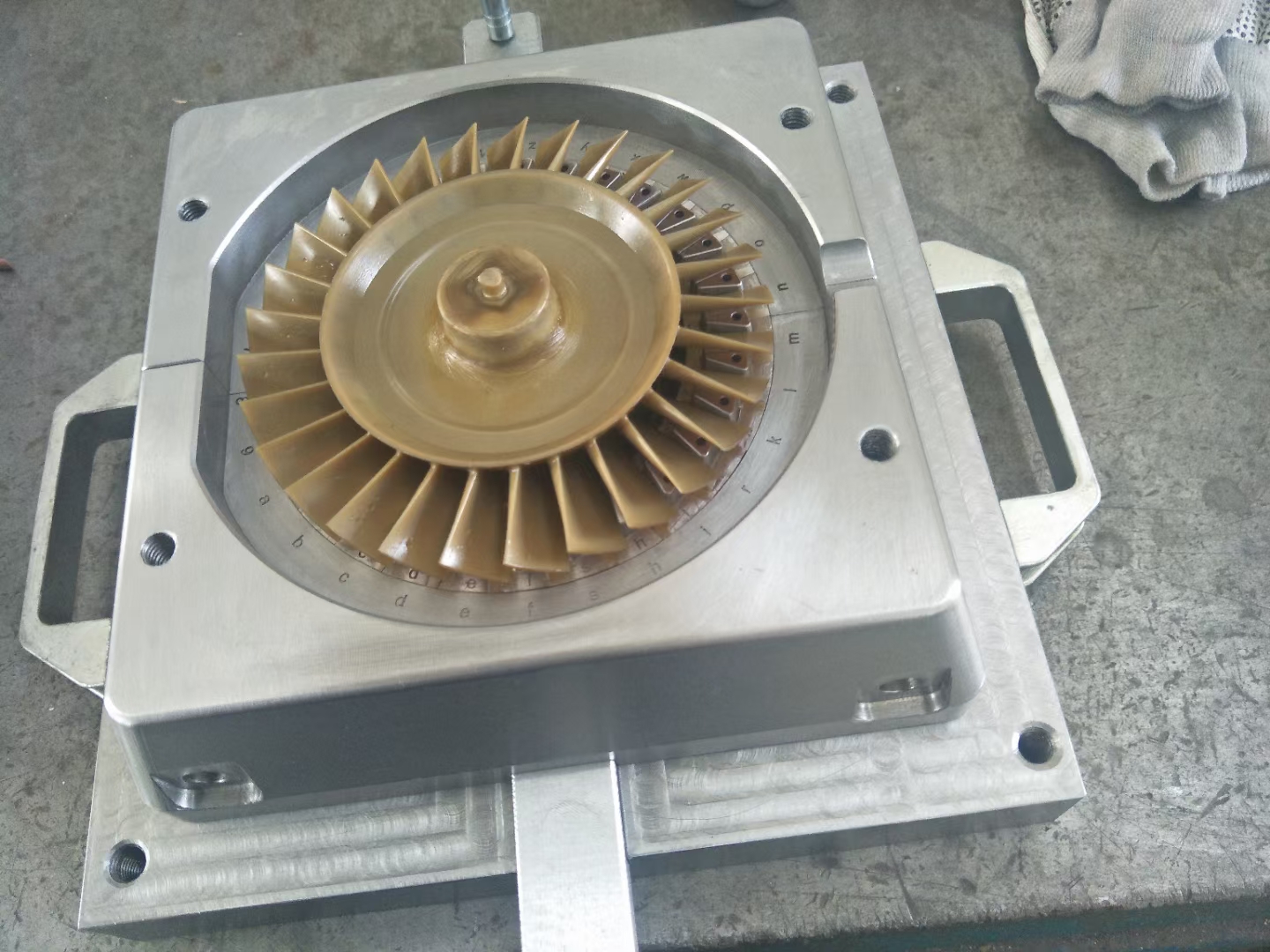
Hochleistungs-Formen- & Gießmaterialien
Bei Haoyu Material stellen wir industrietaugliches her RTV-2 flüssiger Silikonkautschuk entwickelt für die anspruchsvollsten Formen- und Gießverfahren Projekte. Eine perfekte Reproduktion beginnt mit der richtigen Form, und unsere Materialien sind so konzipiert, dass sie jeden Mikron Detail Ihres Originalmodells erfassen. Ob Sie an Rapid Prototyping oder künstlerischer Reproduktion arbeiten, unser Silikon bietet die Stabilität und Haltbarkeit, die für konsistente Ergebnisse erforderlich sind.
Wichtigste Vorteile unseres RTV-2 Silikons
Wir konzentrieren uns auf die Entwicklung von Silikonen, die häufige Produktionsprobleme lösen. Unsere Materialien bieten:
- Hohe Reißfestigkeit: Hergestellt, um mechanischen Belastungen beim Entformen standzuhalten, damit Ihre Formen länger halten und komplexe Untercutts mühelos bewältigen.
- Vernachlässigbare Schrumpfung: Wir legen Wert auf Dimensionsstabilität. Unser Platin-Härtesilikon bietet äußerst geringe Schrumpfung, damit Ihre gegossenen Teile jedes Mal perfekt passen.
- Anpassbare Shore-A-Härte: Von weichen, flexiblen Gummis (Küsten A 0) für empfindliche Teile an starren Formen (Küsten A 60+) für Beton, wir passen die Härte an Ihre spezifische Anwendung an.
Materialleistungsübersicht
| Merkmal | Platin-Härtung (Addition) | Zinn-Härtung (Kondensation) |
|---|---|---|
| Hauptanwendung | Hochpräzise, Lebensmittelqualität, Medizinisch | Kunstguss, Gips, Beton |
| Schrumpfungsrate | Niedrigste (Ideal für Prototypen) | Niedrig (Wirtschaftlicher Standard) |
| Härtungssystem | Hitzebeschleunigt oder Raumtemperatur | Raumtemperaturvulkanisation |
| Viskosität | Verstellbar (Niedrig bis Hoch) | Verstellbar (Niedrig bis Hoch) |
Durch direkte Steuerung des Herstellungsprozesses stellen wir sicher, dass jede Charge von flüssigem Silikonkautschuk Erfüllt strenge Qualitätsstandards, bevor es Ihre Werkstatt erreicht.
Wählen Sie Ihre Formmatrix: Platin vs. Zinnhärtung Silikon
Die Wahl des richtigen RTV-2 Flüssigsilicon Gummi ist der erste Schritt, um sicherzustellen, dass Ihr Formen- und Gießverfahren Projekt erfolgreich ist. Als Hersteller produzieren wir zwei unterschiedliche chemische Systeme, die jeweils für spezifische Leistungsanforderungen und Budgetüberlegungen entwickelt wurden. Ob Sie hohe Präzisionsstabilität oder robuste Haltbarkeit benötigen, wir haben die Formulierung, die zu Ihrer Produktionslinie passt.
Platinhärtung Silikon (Addition Härtung)
Unsere Platinhärtungsserie ist die erste Wahl für Anwendungen, die dimensionale Stabilität und Sicherheit erfordern. Diese Zweikomponentiges Silikonmischung Heilt ohne Freisetzung von Nebenprodukten, was zu vernachlässigbarem Schrumpfen führt. Dies macht es ideal für Prototypen, bei denen genaue Maße unerlässlich sind. Da es ungiftig und geruchlos ist, dient dieses Material als unser Haupt Lebensmittelechter Silikon, das häufig für kulinarische Formen (Schokolade, Süßigkeiten) und medizinische Komponenten verwendet wird. Es bietet hervorragenden Widerstand gegen Hitze und chemische Angriffe durch Gießharze.
Zinnhärtendes Silikon (Kondensationshärtung)
Für den allgemeinen industriellen Gebrauch und künstlerische Reproduktionen bietet unser zinnhärtendes Silikon eine kostengünstige, aber robuste Lösung. Dieses Material ist bekannt für seine außergewöhnliche Reißfestigkeit und Benutzerfreundlichkeit, was es Anfängern verzeihlich macht und für Experten zuverlässig ist. Es ist der Standard für das Gießen von Beton, Gips und Polyurethansharsen. Kunstgießereien verlassen sich häufig auf unsere Zinnhärtungsformeln, um Wachsmodelle herzustellen, die in Präzisionsguss Prozessen verwendet werden. Obwohl es im Laufe der Zeit leicht schrumpft, macht seine Haltbarkeit es perfekt für die Formherstellung bei architektonischer Restaurierung und Statuenreplikation.
Spezialisierte Anwendungen für Formen & Gießen
Unser RTV-2 Flüssigsilicon Gummi ist so konzipiert, dass es in verschiedenen Branchen leistungsfähig ist und die Vielseitigkeit bietet, die für schwere industrielle Serien und empfindliche künstlerische Arbeiten erforderlich ist. Wir passen unsere Formulierungen an die spezifischen Formen- und Gießverfahren Anforderungen Ihres Projekts.
Architektur & Dekor
Für groß angelegte Projekte mit Betonverkleidungen, Gips oder GRC (glasfaserverstärkter Beton) ist Haltbarkeit entscheidend. Wir liefern hochfesten Silikon, das der Hitze und Abrieb standhält Betongussherstellung.
- Hohe Reißfestigkeit: Verhindert das Reißen von Schimmel beim Entformen schwerer architektonischer Elemente.
- Dimensionsstabilität: Stellt sicher, dass Stein- und Ziegelstrukturen mit höchster Präzision reproduziert werden.
Schnelles Prototyping & Industrieteile
Geschwindigkeit und Genauigkeit treiben die Produktentwicklung an. Unser Niedrige Viskosität Silikon ist ideal für die Herstellung weicher Formen, die mit Vakuumgießharz verwendet werden.. Dies dient als kostengünstige Spritzgießalternative zur Herstellung kleiner Chargen von Automobilteilen und funktionalen Prototypen, bevor in teure Metallwerkzeuge investiert wird.
Künstlerische Reproduktion & Gießerei
Von filigranem Schmuck bis zu großen Bronzestatuen sind unsere Materialien ein Grundpfeiler in der Kunstwelt. Unser Silikon erfasst die feinsten Details, die für Epoxidharz-Guss und Erstellung von Wachsformen für die Verlorene-Wachs-Gießerei Prozesses ansammelt.
- Vernachlässigbare Schrumpfung: Bewahrt die ursprünglichen Maße des Künstlers.
- Harzkompatibilität: Funktioniert nahtlos mit Polyester-, Polyurethan- und Epoxidharzen.
Lebensguss & FX
Sicherheit hat oberste Priorität, wenn Materialien die Haut berühren. Wir stellen her Platin-Härtesilikon das hautfreundlich und geruchlos ist, was es zum Standard für Theaterprothesen, Spezialeffekte (SFX) und Lebensguss macht. Diese Lebensmittelechter Silikon Varianten sind auch für Küchenformen geeignet, um Sicherheit und Einhaltung der Umweltstandards zu gewährleisten.
Technische Daten & Physikalische Eigenschaften
Beim Umgang mit Formen- und Gießverfahren Projekten bestimmen die physikalischen Spezifikationen Ihres Materials die Qualität der Endreproduktion. Wir bieten RTV-2 Flüssigsilicon Gummi entwickelt mit präzisen Metriken, um Stabilität, Haltbarkeit und Benutzerfreundlichkeit zu gewährleisten. Das Verständnis dieser Eigenschaften hilft Ihnen, die richtige Matrix für Ihre spezifische Anwendung auszuwählen, egal ob Sie filigranen Schmuck gießen oder schwere architektonische Betonelemente.
Verstehen von Härte, Viskosität und Reißfestigkeit
Die richtige Auswahl Shore-A-Härte ist der erste Schritt beim erfolgreichen Formenbau. Eine geringere Härte (Shore A 0-10) bietet hohe Flexibilität für komplexe Muster mit tiefen Untercuts, während eine höhere Härte (Shore A 40-60) die notwendige Steifigkeit für große, flache Formen oder Bausteine bietet.
Viskosität bestimmt, wie leicht das Silikon fließt. Unser Niedrige Viskosität Silikon fließt wie Motoröl, füllt die kleinsten Ritzen und setzt auf natürliche Weise Luftblasen frei, was oft den Einsatz einer Vakuumkammer überflüssig macht. Für die Haltbarkeit konzentrieren wir uns auf hohe Reißfestigkeit, um zu gewährleisten, dass die Form beim Entformen nicht reißt und die Lebensdauer Ihrer Werkzeuge verlängert.
| Eigenschaft | Spezifikationsbereich | Anwendungsnutzen |
|---|---|---|
| Härte | Shore A 0 bis 60+ | Verstellbare Flexibilität für filigrane vs. starre Formen. |
| Viskosität | Niedrig bis Hoch (anpassbar) | Niedrig für Gießen; Hoch für Pinselaufträge. |
| Reißfestigkeit | Hochleistung | Widersteht dem Reißen bei wiederholten Entformungsvorgängen. |
| Mischungsverhältnis | 1:1, 10:1 oder 100:2 | Flexible Optionen für Zweikomponentiges Silikonmischung Systeme. |
Anpassung: OEM-Formulierungsdienste
Wir wissen, dass Fertigprodukte nicht für jede Produktionslinie geeignet sind. Wir bieten umfassende OEM-Formulierungsdienste an, um das Silikon genau auf Ihre Bedürfnisse abzustimmen. Wir können die Arbeitszeit (Topfzeit) und die Aushärtezeit an Ihre Produktionsgeschwindigkeit anpassen oder die Farbe für eine einfachere visuelle Inspektion ändern.
Während die industriellen Druckgussverfahren ist ideal für die Massenproduktion von Metall, unsere anpassbaren Silikonlösungen bieten die Vielseitigkeit, die für Prototyping, künstlerische Reproduktionen und flexible Kleinserien erforderlich ist. Wir passen die chemische Struktur an, um die Kompatibilität mit verschiedenen Gießmaterialien zu gewährleisten, von Polyurethanharzen bis Wachs und Gips.
Warum Partner mit Vastmaterial für Gießformen?
Die Wahl des richtigen Partners für Ihre Formen- und Gießverfahren Projekte bedeutet, ein Gleichgewicht zwischen Kosten, Qualität und Zuverlässigkeit zu finden. Als direkter Hersteller mit Sitz in Dongguan eliminieren wir den Zwischenhändler und bieten Ihnen direkten Fabrikzugang zu hochwertigen RTV-2 Flüssigsilicon Gummi Gieß- und Formmaterialien. Egal, ob Sie die Produktion für Industriekomponenten hochfahren oder präzise Materialien für künstlerische Reproduktionen benötigen, unsere Lieferkette ist auf Geschwindigkeit und Großhandelseffizienz optimiert.
Für Kunden, die fertige Industriekomponenten benötigen, bieten wir auch Präzisions-Gießdienstleistungen für komplexe Metallteile, eine umfassende Lösung vom Rohmaterial bis zum Endprodukt.
Kernvorteile unserer Lieferkette
Wir priorisieren Konsistenz und Einhaltung, um die strengen Standards der US- und Weltmärkte zu erfüllen.
| Merkmal | Vorteil für Ihr Unternehmen |
|---|---|
| Direktversorgung ab Werk | Zugang zu wettbewerbsfähigen Großhandelspreisen bei Platin-Härtesilikon und Zinnhärtung Silikone ohne Aufschläge von Händlern. |
| Globale Konformität | Unsere Materialien tragen REACH, RoHS, FDA, und ISO9001 Zertifizierungen, die die Sicherheit für lebensmittel- und medizinische Anwendungen gewährleisten. |
| Kundenspezifische Formulierung | Wir bieten OEM-Dienstleistungen an, um anzupassen Shore-A-Härte, Farbe und Aushärtezeiten an Ihre spezifischen Formen- und Gießverfahren Anforderungen. |
| Technischer Support | Direkter Zugang zu unseren Ingenieuren für Fehlerbehebung bei Aushärtungshemmung, Optimierung Formfreigabeadditive, und Berechnung der Mischverhältnisse. |
Unser Team versteht die Feinheiten von Raumtemperatur-Vulkanisation und Schnellprototyping-Materialien. Wir liefern nicht nur Eimer mit Silikon; wir bieten die technische Anleitung, die erforderlich ist, um sicherzustellen, dass Ihr Zweikomponentensilikonmischung jedes Mal perfekt aushärtet, Abfall reduziert und die Lebensdauer der Form maximiert.
Optimierungsleitfaden für die Formenherstellung

Eine makellose Form zu erreichen, hängt nicht nur vom Kauf hochwertiger RTV-2 Flüssigsilicon Gummi; es geht darum, den Prozess mit Präzision auszuführen. Selbst das beste Material kann versagen, wenn die Vorbereitung oder das Mischen fehlerhaft sind. Hier ist, wie wir empfehlen, Ihre Formen- und Gießverfahren Arbeitsablauf zur Gewährleistung von Haltbarkeit und hochdetaillierter Reproduktion.
Vorbereitung: Oberflächenreinigung und Trennmittel
Vor dem Öffnen der Silikonbehälter muss das Mastermodell makellos sein. Staub, Fett oder Feuchtigkeit auf dem Modell übertragen sich direkt auf die Formoberfläche und ruinieren die Oberfläche.
- Gründlich reinigen: Verwenden Sie ein Lösungsmittel, das für das Material Ihres Mastermodells geeignet ist, um Öle zu entfernen.
- Trennmittel auftragen: Wenn Sie Silikon gegen Silikon gießen oder poröse Materialien wie Holz oder Gips verwenden, ein Trennmittel für Formen ist unverhandelbar. Es verhindert, dass der Gummi sich mit dem Modell verbindet, und sorgt für eine einfache Entformung.
Mischen: Genaue Verhältnisse und Entgasung
Ob Sie eine 1:1-Platinvergütung oder eine 10:1-Mischung verwenden, Präzision ist entscheidend. Wir empfehlen immer die Verwendung einer digitalen Waage anstelle der Volumenmessung.
- Gründlich mischen: Kombinieren Sie das Zweikomponentiges Silikonmischung in einem sauberen Behälter. Kratzen Sie den Boden und die Seiten des Bechers mehrfach ab, um sicherzustellen, dass der Katalysator gleichmäßig verteilt ist.
- Vakuum-Entgasung: Nach dem Mischen den Behälter in eine Vakuumkammer stellen. Dies zieht Luftblasen heraus, die beim Rühren entstanden sind, und sorgt für eine luftfreie Form.
Gießen: Techniken zur Vermeidung eingeschlossener Luft
Die Art und Weise, wie Sie gießen, bestimmt, ob Luftblasen an der Oberfläche Ihres Modells entstehen.
- Hochwertiges Gießen: Gießen Sie den Silikon in einem dünnen Strahl von einem hohen Punkt in die tiefste Ecke der Formenbox. Dies dehnt das Gummi, wodurch Luftblasen vor dem Kontakt mit dem Modell zerbrechen.
- Lassen Sie es fließen: Lassen Sie das Material natürlich über das Modell aufsteigen. Gießen Sie nicht direkt auf das Original, da dies Luft einschließen kann.
Aushärtung & Entformen: Temperaturmanagement
Die meisten unserer Silikone basieren auf Raumtemperatur-Vulkanisation (RTV). Die Umgebungstemperatur in Ihrem Arbeitsbereich beeinflusst die Aushärtezeit erheblich.
- Ideale Bedingungen: Halten Sie den Raum bei etwa 23°C. Niedrigere Temperaturen verlangsamen die Aushärtung, während höhere Temperaturen sie beschleunigen.
- Entformen: Warten Sie die vollständige Aushärtezeit ab, die im technischen Datenblatt angegeben ist, bevor Sie das Modell entformen. Ein Eile bei diesem Schritt kann zu dauerhaften Verformungen führen. Für komplexe Projekte mit Metallkomponenten kann eine umfassende Einsatzformeinsatz-Leitfaden zusätzliche Einblicke in Materialhandling und strukturelle Integrität bieten.
Häufig gestellte Fragen zu Formenbau & Gießen
Wir beantworten täglich häufige Anfragen zu unserem RTV-2 flüssigen Silikon Gummi und seiner Anwendung in industriellen und künstlerischen Projekten. Die richtigen technischen Details zu kennen, stellt sicher, dass Sie kein teures Material verschwenden oder Ihre Master-Modelle beschädigen.
Unterschied zwischen Vergießen und Formen von Silikon
Obwohl beide auf Silikon basieren, sind ihre Funktionen gegensätzlich. Elektronisches Verguss-Silikon wird entwickelt, um dauerhaft an Komponenten zu haften, und bietet Isolierung und Stoßfestigkeit. Formen-Silikon, das auf der anderen Seite mit Trennmitteln formuliert ist, um sicherzustellen, dass es gewährt am Muster oder dem Gießmaterial haftet. Die Verwendung von Vergussmischung für die Formenherstellung führt zu einem verschmolzenen Durcheinander, das Ihren Prototyp zerstört.
Berechnung des Silikonvolumens für Formkästen
Raten Sie nicht Ihren Materialbedarf. Um zu bestimmen, wie viel RTV-2-Silikon Sie benötigen, berechnen Sie das Volumen Ihrer Formbox (Länge × Breite × Höhe) und subtrahieren Sie das ungefähre Volumen des Objekts, das Sie gießen. Da wir nach Gewicht verkaufen, multiplizieren Sie dieses Endvolumen mit der spezifischen Dichte des Silikons (normalerweise etwa 1,1 bis 1,3 g/cm³).
Anpassung der Topfzeit für Großprojekte
Für große Projekte könnten die Standardarbeitszeiten zu kurz sein. Wir können den Aushärter in unserer Fabrik anpassen, um die Topfzeit zu verlängern. Bei Ihnen ist das Temperaturmanagement entscheidend; das Kühlen des Silikons und des Katalysators vor dem Mischen verlangsamt die Reaktion und gibt Ihnen mehr Zeit zum Gießen und Entgasen.
Kompatibilität von Harz mit Platin-Härter-Silikon
Platin-Härter-Silikon (Addition-Härtung) ist empfindlich gegenüber Hemmstoffen. Verunreinigungen wie Schwefel, Amine oder Zinnsalze, die in einigen Tonen und 3D-Druckharzen vorkommen, können verhindern, dass das Silikon an der Oberfläche aushärtet. Wenn Sie Wachsmodelle erstellen, Investitionsform, stellen Sie sicher, dass Ihr Mastermodell frei von Hemmstoffen ist oder vor dem Gießen des Silikons ordnungsgemäß versiegelt wurde.
Schnelle Fehlerbehebung
| Problem | Wahrscheinliche Ursache | Lösung |
|---|---|---|
| Klebende Oberfläche (Hemmung) | Kontamination durch Schwefel/Zinn | Dichtungsmeistermodell oder auf Zinnhärtungssilikon umstellen. |
| Luftblasen | Hohe Viskosität oder schnelles Mischen | Verwenden Sie eine Vakuumkammer oder wählen Sie eine Variante mit geringerer Viskosität. |
| Reißverschluss beim Entformen | Shore-A-Härte zu hoch | Verwenden Sie einen weicheren Silikon (niedrigere Shore-A-Härte) für komplexe Unterbrüche. |
| Kurze Topfzeit | Hohe Umgebungstemperatur | Arbeiten Sie in einer kühleren Umgebung oder bitten Sie um einen langsam aushärtenden Katalysator. |

Bewertungen
Es gibt noch keine Bewertungen.