
Brass Density and Specific Gravity: Certified Data, Calculations and Application for C26000 and C36000 Alloys
Quick Answer – Brass Density at a Glance
- Standard density range: 8.4 to 8.73 g/cm³
- Most common commercial brasses: 8.55 to 8.70 g/cm³
| Density Unit | Range (Standard Brass) | Range (Commercial Brass) |
|---|---|---|
| g/cm³ | 8.4 – 8.73 | 8.55 – 8.70 |
| kg/m³ | 8400 – 8730 | 8550 – 8700 |
| lb/in³ | 0.303 – 0.315 | 0.309 – 0.314 |
| lb/ft³ | 523 – 544 | 536 – 542 |
This quick reference helps engineers and manufacturers select the appropriate brass grade by understanding its density in various common units.
What is the Density of Brass? (Definition & Importance)
Density is the mass of a material per unit volume, usually expressed in grams per cubic centimeter (g/cm³) for metals like brass. Knowing the density of brass helps engineers and manufacturers design parts that meet weight, strength, and performance needs. It also affects shipping costs, machining processes, and quality control.
Why Density Matters in Engineering and Manufacturing
- Weight control: Critical for parts in automotive, aerospace, and marine industries.
- Material selection: Helps compare brass to other metals to pick the best fit.
- Cost estimates: Density affects material cost based on volume.
- Machining and forming: Influences energy needed and tool wear.
Density Comparison with Common Metals
| Material | Density (g/cm³) | Density (lb/in³) | Notes |
|---|---|---|---|
| Brass | 8.4 – 8.73 | 0.304 – 0.315 | Varies by alloy |
| Pure Copper | 8.96 | 0.324 | Higher than most brass |
| Bronze | 8.8 – 8.9 | 0.318 – 0.322 | Denser than most brass |
| Aluminum | 2.70 | 0.0975 | Much lighter |
| Steel | 7.85 | 0.284 | Lighter than brass |
Brass sits between steel and copper in density, offering a good balance of weight and durability for many applications. This makes it a popular choice where moderate weight and corrosion resistance matter.
Density of Brass by Alloy Type (2025 Most Accurate Data)
Brass density varies depending on the specific alloy makeup. Here’s a handy table covering 15+ common brass alloys with their designations from UNS (Unified Numbering System), EN (European Norm), and JIS (Japanese Industrial Standard). These values align with the latest references from ASTM B36, ASTM B171, and EN 12166 standards.
| Alloy Name | UNS/EN/JIS Designation | Density (g/cm³) |
|---|---|---|
| Cartridge Brass | C26000 / EN CW508L | 8.53 |
| Free Machining Brass | C36000 / EN CW614N | 8.56 |
| Leaded Free Machining | C83600 / EN CW617N | 8.54 |
| Admiralty Brass | C44300 / EN CW451K | 8.42 |
| Naval Brass | C46400 / EN CW447K | 8.50 |
| High-Tensile Brass (Manganese Bronze) | C86300 / EN CW307G | 8.70 |
| Yellow Brass | Various | 8.50–8.60 |
| Red Brass | C23000 | 8.52 |
| Tin Brass | C23000 / JIS C2201 | 8.68 |
| Aluminum Brass | C68700 / EN CW602N | 8.40 |
| Silicon Brass | C65500 | 8.48 |
| Phosphor Bronze | C51000 | 8.80 |
| Manganese Brass | C86500 | 8.65 |
| Naval Brass (Copper-Zinc-Tin) | C46400 | 8.50 |
| Bearing Brass | C93200 / EN CW453K | 8.58 |
These alloys all have slightly different densities based on the copper, zinc, lead, tin, or manganese content. For example, admiralty brass tends to be a bit lighter due to higher tin, while manganese bronze types can be denser thanks to added manganese.
If you’re working on a project that needs precise weight or buoyancy calculations, knowing the exact brass alloy density is key. The data from ASTM and EN standards is the best source for reliable, up-to-date information you can trust.
Factors That Affect Brass Density
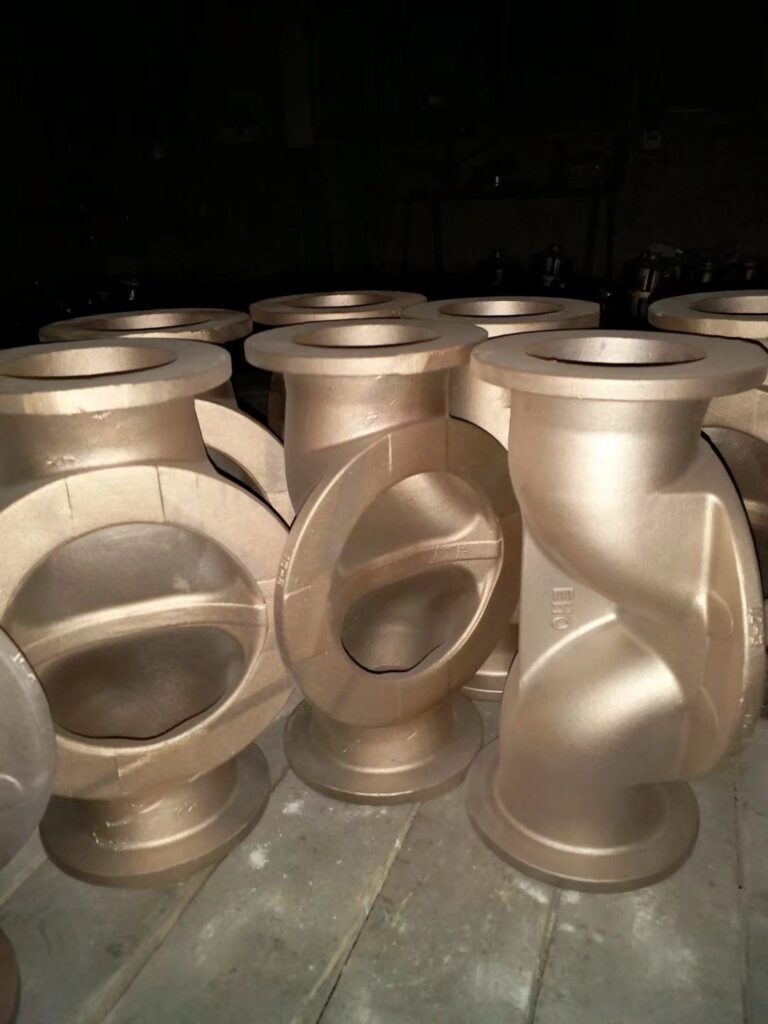
The density of brass isn’t a fixed number—it changes depending on several key factors:
- Copper/Zinc Ratio: Brass is mainly made of copper and zinc, and their proportions hugely impact density. More copper means higher density since copper is heavier than zinc.
- Lead Content (Leaded vs Unleaded): Some commercial brasses contain added lead for machinability. Lead is denser than both copper and zinc, so leaded brass generally weighs more than unleaded brass.
- Other Alloying Elements: Tin, aluminum, manganese, and other elements are often added to improve strength and corrosion resistance. Each of these changes the density slightly, depending on their weight and how much is added.
- Temperature Effect: Like most metals, brass expands when heated, so its density decreases as temperature rises. A simple density vs temperature chart shows this inverse relationship — important for engineers dealing with thermal conditions.
Understanding these factors helps you predict how much a brass part will weigh or how it will perform in different environments, which is vital for manufacturing and design in the U.S. market.
How to Calculate Brass Weight Using Density
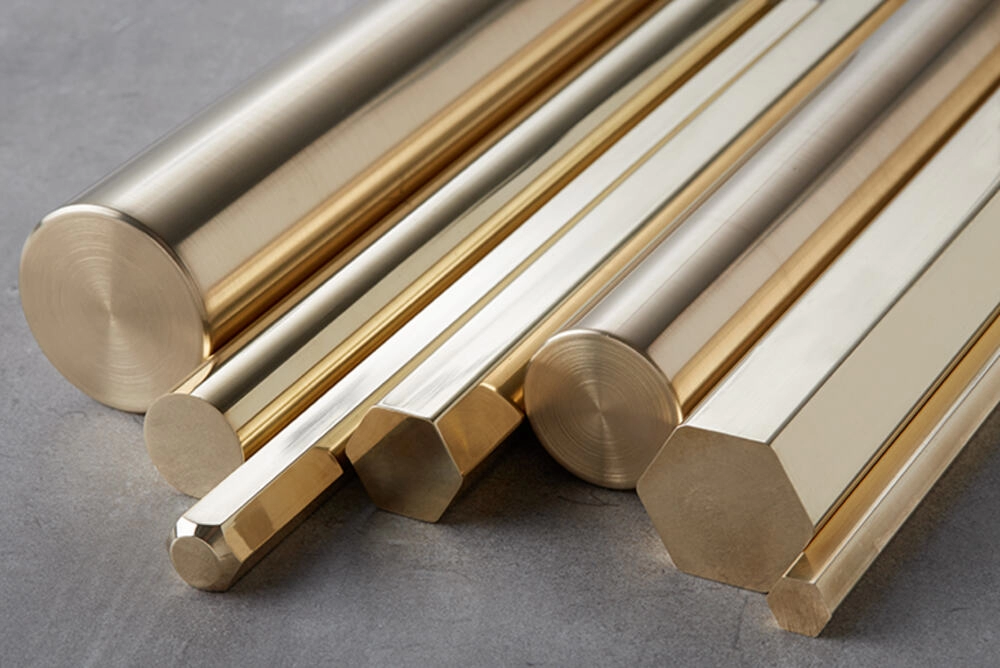
Calculating the weight of brass is pretty straightforward once you know its density. The basic formula is:
Weight = Volume × Density
Here’s a quick step-by-step guide:
- Measure the volume of your brass piece. This depends on its shape:
- For a round bar: Volume = π × (radius)² × length
- Hexagon: Calculate area of the hexagon base × length
- Sheet/plate: Volume = length × width × thickness
- Tube/pipe: Volume = π × (outer radius² – inner radius²) × length
- Use the density of the specific brass alloy you have. Most commercial brasses fall between 8.4 to 8.73 g/cm³ (or 8400 to 8730 kg/m³).
- Multiply volume by density to get the weight in grams or kilograms. Convert units if needed.
For quick calculations, I recommend trying the vastmaterial online brass weight calculator. Just input the dimensions and alloy type, and it does all the math for you instantly.
This is super handy whether you’re ordering custom brass rods, plates, or pipes and need exact weight for shipping or project costing.
Brass Density vs Other Common Metals (Comparison Table)
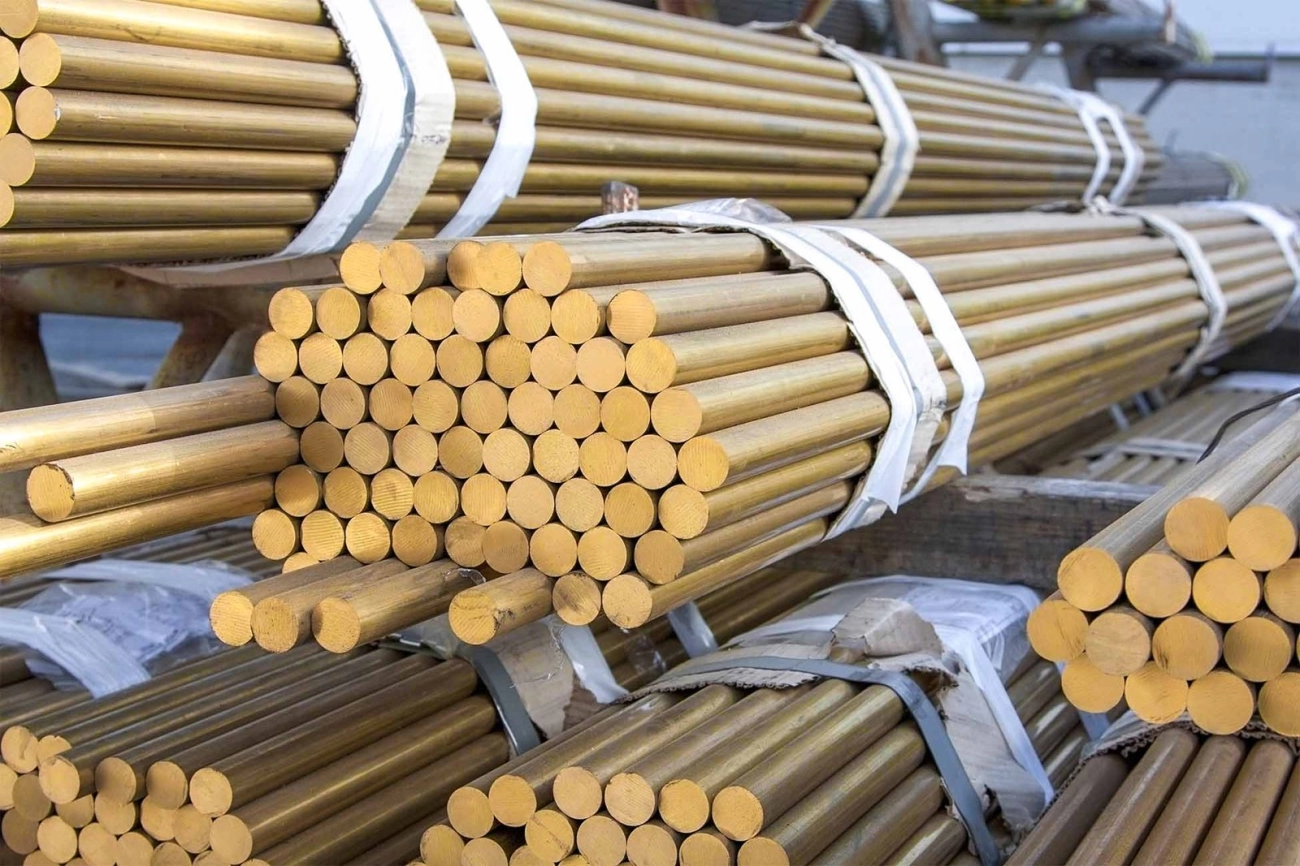
Here’s a quick look at how brass density stacks up against other common metals used in the US:
| Metal | Density (g/cm³) | Density (lb/in³) | Notes |
|---|---|---|---|
| Brass | 8.4 – 8.73 | 0.303 – 0.315 | Varies by alloy, common 8.55 |
| Copper | 8.96 | 0.324 | Heavier than brass |
| Aluminum | 2.70 | 0.0975 | Lightweight alternative |
| Mild Steel | 7.85 | 0.284 | Slightly lighter than brass |
| Stainless Steel | 7.75 – 8.0 | 0.280 – 0.290 | Close to mild steel density |
| Bronze | 8.80 – 8.90 | 0.318 – 0.321 | Heavier, often used for durability |
| Titanium | 4.50 | 0.162 | Strong but much lighter |
Key takeaway: Brass is heavier than steel but lighter than pure copper and bronze. It’s the go-to for balance—solid weight yet easier to machine and shape than some of the heavier metals. Knowing these numbers helps choose the right metal for your project, especially when weight matters in machinery, construction, or marine uses.
Applications Where Brass Density is Critical
Brass density plays a big role in several key applications, especially where weight, strength, and durability matter.
- Marine Hardware: Brass is common in marine settings because its density affects buoyancy and corrosion resistance. A well-matched density ensures parts like boat fittings and underwater valves stay functional without weighing down the vessel unnecessarily.
- Musical Instruments: In trumpets, saxophones, and trombones, brass density impacts sound quality and instrument balance. The right density helps create the desired tone and makes the instruments comfortable to hold.
- Plumbing Fittings: Brass pipes and valves rely on specific densities for durability and leak resistance. Correct density helps maintain pressure ratings and long service life in household and industrial plumbing.
- Electrical Connectors: The density of brass used in connectors affects conductivity and mechanical strength. Precision in density ensures reliable connections that withstand wear and temperature changes.
- Ammunition Casings: Cartridge brass density is crucial for performance and safety. The weight and density affect how the casing handles pressure and ejects from the firearm.
In all these cases, understanding and using the right brass density ensures the product meets performance and safety standards demanded by U.S. industries and consumers.
vastmaterial Brass Products – Guaranteed Density & Certification
At vastmaterial, we offer a full range of brass products to meet your needs—sheets, plates, rods, tubes, and wires—all with guaranteed density that matches industry standards. Each product comes with a Mill Test Certificate (MTC), providing you with the exact measured density and chemical composition for quality assurance.
Need something specific? We also provide custom alloy production to fit your project’s unique requirements. Whether you’re working in manufacturing, marine, or electrical applications, vastmaterial ensures you get consistent, certified brass materials you can trust.
Frequently Asked Questions about Brass Density
Is brass heavier than steel?
Generally, steel is denser than brass. Steel usually ranges from 7.75 to 8.05 g/cm³, while brass density is around 8.4 to 8.73 g/cm³ but depends on the alloy. So some brass types can be slightly heavier, but most steels are denser overall.
What is the density of yellow brass vs. red brass?Brass Type
Typical Density (g/cm³)
DescriptionYellow Brass
8.44 – 8.55
Higher zinc content, more yellow colorRed Brass
8.51 – 8.60
More copper, reddish tintDoes cold working change brass density?
Cold working changes the shape and hardness of brass but doesn’t significantly affect its density. The atomic structure changes but the mass and volume ratio stays pretty much the same.
What’s the difference between specific gravity and density of brass?
- Density is the mass per unit volume (g/cm³ or lb/in³).
- Specific gravity is the ratio of brass density to water density (at 4°C).
For brass, specific gravity typically ranges from 8.4 to 8.7, which means it’s about 8.4 to 8.7 times heavier than water.
If you want more precise data on your specific brass alloy, checking the ASTM or EN standards is a good move.
Downloadable Resources
To make your work with brass easier, we offer handy downloadable tools:
- PDF: “Brass Density Reference Chart 2025”A comprehensive, easy-to-read chart covering density values for over 15 common brass alloys. Perfect for quick reference on the job or in the shop.
- Excel Weight CalculatorInput your brass shape, dimensions, and alloy type to instantly calculate weight based on accurate density data. Great for engineers, fabricators, and buyers who need fast, precise numbers.
Both resources are tailored to U.S. users and updated for 2025 standards, helping you save time and avoid guesswork when working with brass materials.