
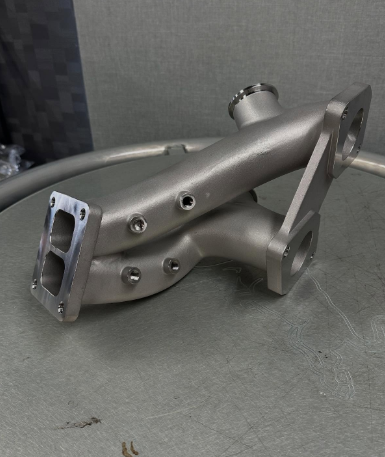
Pensi ĉion rustaŭto de ŝtalo estas ne-magneta? Tio estas kie multaj inĝenieroj kaj aĉetantoj falas en kaptilon—precipe kun 17-4 ŝtala neŭtrano.
Jen la fundliko: 17-4 ŝtala neŭtrano estas magnetika en ĉiu hejtiga kondiĉo. Ĉu vi laboras kun 17-4 PH, Tipo 630, aŭ simple “17-4,” magnetaĵo os akreos al ĝi pro sia martensita strukturo.
Kaj tio gravas. Se vi desegnas por magnetaj teniloj, sensiloj, manĝaĵoprocezado-linioj, aŭ medioj kiuj devas resti ne-magnetaj (kiel ĉirkaŭ MRI-ekipaĵo), elekti la malĝustan gradon povas kostigi vin tempon, monon, kaj sekurecon.
En ĉi tiu gvidilo, vi rapide malkovros:
- Kial 17-4 ŝtalo estas magnetika (eĉ se ĝi enhavas nikelon)
- Kiel varmetraktado (H900, H1025, H1150) influas ĝiajn magnetajn trajtojn
- Kiel 17-4 komparas kun ne-magnetaj gradoj kiel 304 kaj 316
- Kiam ĝi estas magnetaĵon avantaĝo—kaj kiam vi devus eviti ĝin
Se vi bezonas altan fortikecon, magneta rustala kun fidinda kvalito kaj trasdrebleco, vastmaterial provizas premiuman 17-4 ŝtala neŭtrano en stangoj, platoj, kaj kutimigitaj partoj adaptitaj al postulemaj aplikoj.
Ni iru rekte al tio, kiel 17-4 agas—kaj ĉu ĝi estas la ĝusta elekto por via sekva projekto.
Kio estas 17-4 ŭidlerstala ŝtalo?
17-4 neodonita ŝtalo (ankor la nomo 17-4 PH, Tipo 630, aŭ UNS S17400) estas alta-forta, rezistema al korodo neŭtanta ŝtalo kiun mi fidas kiam mi bezonas ambaŭ ventmonon kaj dimensian stabilecon en postulemaj mediumoj. Ĝi estas vaste uzata en None por partoj kiuj devas handle grandajn ŝarĝojn, mezan korodon, kaj striktajn tolerojn.
Baza Difino de 17-4 PH Neodonita Ŝtalo
17-4 PH estas precipit-subtranktiva martensita neodonita ŝtalo.
“17-4” rilatas iom post iom al ĝia ĉromia kaj nikelaj enhavo (ĉ. 17% Cr kaj 4% Ni). Per varma traktado, ĝi evoluas tre altan forton dum ĝi ankoraŭ ofertas bonan korodan reziston—pli forta ol plej ofte uzataj 300-serioj neodonitaj ŝtalo.
La kemia Kompozo kaj Ĉefaj Ilarĝaj Elementoj
Tipa kompoziĝo (pezo %):
- Kromio (Cr): ~15–17% – koroda rezisto kaj malmoleco
- Nikelino (Ni): ~3–5% – forto kaj dikeco
- Kupro (Cu): ~3–5% – ŝlosilo por precipita malmoliĝo
- Niobio/Kolimio (Nb+Ta): ~0.15–0.45% – fortigas la martensitan strukturon
- Karbono (C): ≤0.07% – kontrolas severon kaj taŭgecon
- Restas Ferro (Fe) kun malgrandaj kvantoj de Mn, Si, P, S
Ĉi tiu kemio estas reine tio, kio direktas ĝian magnetaj konduton kaj altan mekanikan agadkapablon.
Martensita precipita-hardigita grado (Tipo 630)
17-4 PH estas martensita precipita-hardigita neoksidada ŝtofo:
- Martensita = malmola, magneta, alta forto
- Profilita oligo-kutima malmolaŭtarto = uzas aĝajn varmtraktadojn por formi finajn kupra-riĉajn precipitaĵojn kiuj plibonigas forton kaj malmolecon
Sub la AISI-dikarĝo, ĝi estas nomata Tipo 630, kaj ĝi situas inter norma martensitaj (kiel 410) kaj austenitaj (kiel 304) en rilato al koroda rezisto, sed tre superas ilin en forto.
Ĉefaj Mekanikaj Eblecoj: Forto, Malmoleco, Marduco
Depende de varmtraktado (H900, H1025, H1150, ktp.), 17-4 nerĝa ŝtofo liveras:
- Ultima tordeforta forto: ĝis ~190–200 ksi (H900)
- Elasta forto: ofte 2–3× pli forta ol 304/316
- Malsekureco: ĝis ~HRC 40–45 en altfortaj kondiĵoj
- Bona efiko en multaj kondiĉoj, aparte ĉe H1150 kaj similaj temperoj
Tiu ĉi kombino—alta forto, solida duro, kaj praktika fleksebleco—tio estas kial 17-4 PH estas ĉefmaterialo en kritikaj industriaj aplikoj.
Komunaĵ formoj de produkto kaj industriaj uzoj
Mi kutime mendas kaj provizas 17-4 ŝtala neŭtrano en:
- Ronda baraĵo, osbaraĵo, kaj ŝaftigo
- Plato kaj pleto
- Forgings and flanges
- Castings and near-net shapes
Typical U.S. applications include:
- Aeroespaco: structural fittings, actuators, landing gear parts
- Petrolo kaj gaso: pump shafts, valves, downhole tools
- Maraj: alta forto komponentoj por permanezaĵoj, propulsiveaj komponantoj
- Manĝaĵo kaj trinkaĵoj: procezaĵoj kie forto + purigebleco gravas
- Ĝenerala industrio: altŝarĝaj ŝaftoj, radoj, akcesoroj kaj altfortaj fasteneroj
Ĉiam kiam vi bezonas altforta, koroda rezista, magneta rustorezista ŝtalo, 17-4 PH rustorezista estas unu el la plej efikaj kaj vaste haveblaj opcioj en la markolo.
Ĉu 17-4 Rustorezista estas magneta?
Jes, 17-4 ŝtalo estas magnetika. Ĝi estas martensitic precipitate-hardening (PH) ŝtalo sen-nikelita, do ĝi kondutas kiel aliaj magnetaj ŝtallaj klasoj kaj klare allogas magneton en normalaj butikaj kondiĉoj.
Kial 17-4 PH estas magnetika ŝtalo klaso
17-4 (ankaŭ konata kiel 17-4 PH, Tipo 630, aŭ UNS S17400) havas martensitan strukturon, kiu estas nature ferromagneta. Ankaŭ kiel austenitaj klasoj kiel 304 kaj 316, 17-4 ne dependas de alta nikela enhavo por resti ne-magneta. Anstataŭe, ĝia kemio kaj varma traktado estas desegnitaj por alta forto kaj malmoleco, kiu ankaŭ fiksas tiun magnetan konduton.
Kiom forte magneto gluiĝas al 17-4
En realviva uzo:
- Baza premsaĵo magneto tapos kapti 17-4 firme—pli forte ol ĝi faras sur 304 aŭ 316.
- En malnovaj kondiĉoj (kiel H900 aŭ H1025), la tiriĝo sentas solida kaj pozitiva, bone kontent por magnetaj skatoloj, teniloj, kaj akcesoroj.
- Kompare kun malkoloraj aŭ austenitrandaj el la ordinaro rustorezista ŝtala produkto-serio, 17-4 estos pli facile magneta.
Rapida Magneta Testo Kiel Farenda
Se vi volas konfirmi ĉu via parto estas 17-4 ŝtalo magneta:
- Uzu malgranda rar-tero (neodimio) magneta aŭ forta fridĝa magnetaĵo.
- Tuŝu ĝin al pura plata parto de la parto.
- Forta klako-enspeziga kaj malfacileglita for = eble 17-4 aŭ alia martensita/PH-inoxidema rustaŝo.
- Tre malforta aŭ neniu tirado = pli probable 304, 316, aŭ alia austenita, ne-magneta grado.
Tiu simplified ekzamenado pri ne-aldona magneta test estas ofte sufiĉe por rapida kontrolo antaŭ ol vi emas uzi 17-4 en magnetaj labortablaj aranĝoj, fiksaĵoj aŭ apartigaj aranĝoj.
Magnetaj celoj de 17-4 neradioŝtoŜa ŝtalo
Ferromagnetaj kondutoj de 17-4 PH
17-4 neradioŝtoŜa ŝtalo estas klare feromagnetika. En praktiko, tio signifas:
- Standarda butika magnetaĵo kaptas ĝin forte
- Ĝi agas multe pli proksime al 400-seria martensita nerazita ŝtalo ol 304/316 rilate al magneta impulto
- Ĝi estas plene uzebla kun magnetaĵaj kusenoj, klozoj kaj teniloj
Por iu ajn en maŝinado, elpendadado aŭ fabrikado, vi povas preni 17-4 kiel magneta nerazita ŝtala baro/plateto taksosigno.
Kial 17-4 aŭgurita ŝtalo estas magnetika (martensito + kristala strukturo)
17-4 PH estas martensita precipita-hardigita neoksidada ŝtofo, kaj tiu martensita strukturo estas tio, kio faras ĝin magnetika.
- En la hardita/jubila stato, la mikrokristala strukturo estas ĉefe martensito
- Martensito havas BCC/BCT-tipan reton (korpe-centrita kuba / korpe-centrita tetragala)
- Ĉi tiuj kristalaj strukturoj permesas al la materialo facile alinei magnetajn domajnojn, kiu kreas fortan feromagnetismon
Mpreneble, austenitaj gradoj kiel 304 aŭ 316 havas FCC-strukturon (fac-momenta kuba) kiu estas multe pli ne-magnetaj en la anneala stato, kiel klarigita en multaj flank-por-flankaj aloj-ŝtofoj kontraŭ rustorezistaj ŝtofoj komparoj kiel tiu elstara ŝtalejo-ĵetita gvidilo.
Magneta permeabilo kaj tiriĝa forto
En real-world uzo, la magnetika permeablo de la 17-4 rustorezista ŝtofo estas:
- Alta sufiĉa por forta magnetika atulado
- Stabla tra tipaj butiktemperaturoj
- Tenu por plej multaj magnetika laborkonservado kaj magnetika apartigo agordoj
Vi kutime rimarkos:
- Pli forta pretigo ol ĉe 304/316
- Simila aŭ iomete pli malalta pretigo ol iuj rektaj 400-serio elstala ŝtalo (tiel kiel 410/420) depende de teatrapo
Barko kontraŭ plato kontraŭ maŝitaj partoj
Magnesteco en 17-4 PH estas forta en ĉiuj oftaj produktaj formoj, sed vi eble rimarkos malgrandajn diferencojn:
| Formo | Tipa magneta konduto |
|---|---|
| Aĉaĝita / forĝita stango | Fortega, konsekvenca allogaĵo |
| Tegilo / tavolo | Fortega; randoefikoj povas iom ŝanĝi senton |
| Precize prilaboritaj partoj | Ankoraŭ forte magneta; geometrio influas fuzion |
| Molaĵaj sekcioj / malgrandaj partoj | Senciĝas “malpli forta” ĉefe pro malgranda kontakta areo |
Ĉefa punkto: la baza materialo estas magneta en ĉiuj tiuj formoj. Any ŝanĝo kiun vi sentas estas kutime pro parta dikeco, surfaca profundo aŭ kontakta areo, nek ŝanĝo en la alioĵo mem.
Se vi kombinas 17-4 kun aliaj ŝteloj aŭ giettilformularaj alioj en unu aro, gravas kompreni kiamaniere ĉiu materialo kondutas magneta kaj mekane, simile al tio kiel vi konpareus malsamajn alioojn en a superrigardo pri senŝtala ŝtala fabrikada procezo.
Kial 17-4 PH estas magneta, sed iuj ŝtalaĵoj ne estas
Kiam homoj demandas, “Ĉu 17-4 neŝtala ŝtalo estas magneta?”, tio, kion ili reale renkontas, estas kiom malsamaj ŝtalaĵaj familioj kiel ili reagas al magneta.
Senŝtala ŝtalo-familioj kaj magnestismo
Plej multaj senŝtalaj ŝteloj apartiĝas al kvar ĉefaj grupoj, kaj ilia magnestismo sekvas ilian mikroporregularon:
- Austenaamaj (300 serio kiel 304, 316)
- Strukturo: FCC austenito
- Kutime nemagnetika aŭ tre malmagnetika
- Uzata kie malalta magnetismo aŭ nenio estas grava
- Ferita (430, ktp.)
- Strukturo: BCC ferito
- Forte magneta
- Malpli da nikelaj, malpli alta kosto, meza korrodorezisto
- Martinstita (410, 420, 440C)
- Strukturo: BCT martensito
- Forte magneta
- Alta dikeco kaj soa rezisto, modera koroda rezisto
- Kristaliĝa hardigado (PH) kiel 17-4 (Tipo 630, UNS S17400)
- Marsenig PH-stainoferma
- Magnetika, simila al aliaj martensitaj gradoj
- Kombinas altan forton, bonan korodon reziston, kaj klare magnetan respondon
La rolo de nickelo en ne-magnetika inoxa ŝtofo
Nickelo estas la granda levero ĉi tie:
- Alta nickelo (kiel 8–12% en 304/316) stabilizas austenito, kiu estas ne-magnetaj.
- 17-4 PH havas tre malaltan nikelon (ĉ. 3–5%), tute ne sufiĉe por teni austenitan, ne-magnetan strukturon.
- Kun malpli da nikelo, la ŝtalo transformiĝas al martensito kaj malvarmigita, martensito estas ferromagneta.
Alivorte, alta nikelo = pli da austenito = malalta magneteco.
Pli malalta nikelo = martensito/ferrito = forta magneteco.
Kiel la kemio de 17-4 promojas martensiton
17-4 PH estas desegnita por esti:
- Alta en kromio (~15–17%) por koroda rezisto
- Midlage en nikelo (~3–5%) – sufiĉe por certeco, ne sufiĉe por resti austenita
- Alligita kun kupro (~3–5%) kaj niobio/kolumbio por precipita hardigado
Ĉi tiu ekvilibrilo signifas:
- Ĉe malvarmiĝo de solva prilaborado, 17-4 konvertiĝas al martensitan strukturon, ne austenita.
- Aging varmtraktado poste formigas finojn kupra precipitaĵojn, pligrandigante la forton sed konservante la magnetan martensa bazon.
Tiu martensitaĝa ripozo estas kial 17-4 ŝtalo estas magnetika en la normale kondiĉoj (H900, H1025, H1150, ktp.).
Mikrostrukturo: 17-4 kontraŭ 300 serio (304, 316)
Jen la simpla komparo:
- 17-4 PH (Tipo 630)
- Mikrostrukturo: Martensita + precipitaĵoj
- Konduto: Pleremagneta, forta tiriĝo kun norma magazino
- Uzokazo: Alta forto plus koroda rezisto kie magnetismo estas Bona aŭ helpema
- 304 / 316 austenita ŝtal
- Mikrostrukturo: Austenitika (povas preni iom da tenata enrezigno martensito el fria laboro)
- Konduto: Ĉefe nedmagnetita en annealita stato, eble iĝos mildmente magneta post pezega formado aŭ maŝinado
- Uzokazo: Manĝaĵa rimedoj, medicina, kaj ĝenerala ŝtala uzado kie magnetismo devus esti malalta
Se vi investas en stala investaĵa elfandiĝo kaj bezonas kontroli magnetismon de la komenco, kaptante la ĝustan gradon kaj mikrostrukturon fronte estas kritika. Tio estas loko kie proce-zo-fokusa partnero kun profunda sperto en stala investaĵa kaĝoj kaj trajtoj povas helpi vin elekti inter 17-4, 304, 316, aŭ aliajn opciojn surbaze de ambaŭ korroziorezisto kaj magnetika konduto (superrigardo pri la procesado de stainless investment casting kaj graditaj).
17-4 malsamoj al 304 kaj 316: magnetismo kaj kompromiseoj
17-4 kontraŭ 304 Ŝrank-Staŭa Magnetika Komparo
17-4 PH ŝtala rezultas forte magneta en ĉiuj tipaj kondiĉoj. Ĝi estas martensa precipita-hardiga aŭsto, do magneta prenas ĝin forte—simile al multaj karbonaj kaj ililaj ŝtalo.
304 ŝtala estas plej malmagneta en annealita stato, sed:
- Malvarm-traktita 304 (tordita, elstiritigita aŭ maŝinita forte) ofte montras luma ĝis modera magnito.
- La magneta tirado sur 304 estas kutime much malpli forta ol sur 17-4.
Se vi tenas la saman magneton al 17-4 kaj 304 flank-al-flanke:
- 17-4: firma, vida sploko
- 304: malgranda al neniu tirado, eble malpeza glito sur malheligitaj areoj
17-4 kontraŭ 316 Rilordigata Magnetaj Comparo
316 rusto estas eĉ pli stabla aŭstenitika ol 304 kaj estas la gvidlinio por “ne-magneta” ŝtalo en multaj industrioj. En praktiko:
- Anneleita 316 estas tre malalta magnetaĵo ĝis preskaŭ ne-magna.
- Malvarma laboro povas aldoni malgrandan magnetismo, sed ankora much malpli forta ol 304, kaj nenie proksime al 17-4.
- 17-4 sentos multfoje pli forta en magneta forte ol 304 aŭ 316.
Se vi bezonas rapidan kampan kontrolon, bazan ekzamenado pri ne-aldona magneta test iam klare apartigos 17-4 de 304/316.
Forto, Mardo, kaj Korodrezisto Kompromiso
Jen la baza kompropono inter 17-4, 304, kaj 316:
| Propraĵo | 17-4 PH (aĝigita) | 304 Rustaŝtalo | 316 Rusta Ŝtalo |
|---|---|---|---|
| Magnetismo | Forte magneta | Malsupra ĝis meza (malvarmodtraktita) | Tre malalta ĝis preskaŭ ne-magnetita |
| Mola forto (tipa) | Tre alta (ĝis ~190 ksi en H900) | Meza (~70–85 ksi) | Meznivelo (~70–90 ksi) |
| Malsekureco | Alta (iladila nivelo en H900) | Malalta–mezumo | Malalta–mezumo |
| Ĝenerala koroda rezisto | Bona | Tre bona | Bonega, precipe kun kloridoj |
| Klorido / salrezisto | Estema sed ne tiel kiel 316 | Justeco | Plejbone el la tri |
Se vi konas altpeformajn aljojojn kiel Inkonela de gvidiloj kiel ĉi tio Inconel-alloj por komparo, 17-4 situas en tiu sama “alta forta rostfrua” decida spaco—nur kun klare pli forta magneteca konduto.
Kiam 17-4 estas pli bona elekto ol 304 aŭ 316 por magnetaj agordoj
Elektu 17-4 ŝtala neŭtrano ol 304/316 kiam vi bezonas ambaŭ magnetismon kaj forton en unu pakaĵo:
- Partoj tenis magnetaj kluĉoj aŭ ĉapoj (ilado, fiksaj, laboro-teno)
- Rotaciante ŝaftoj, rulĉenoj, konektiloj, pompeoj kie vi volas fortan magnretan kaptadon dum maŝinado
- Alt-fortaj komponentoj tio ankoraŭ bezonas nenian ŝtalan koro-resistecon kaj fidindan magnitan respondon
- Magneta apartigo-komponentoj kie vi volas nedentrunan respondon al la magneta kampo
Ĉi tie, 304 kaj 316 estas simple tro malfortaj magnete por fidela magnetika laborofikado, precipe ĉe pli malgrandaj aŭ precizaj partoj.
Kiam eviti 17-4 kaj resti kun Plene N-Magnetaj Gradaĵoj
Vi devus ne uzas 17-4 se la specifaĵo aŭ medio postulas ne-magnetan ŝtalo:
- MRI-ĉambroj, medikaj implantoj, kaj kirurgaj iloj kie magnetan allogon estas sekurecoproblemo
- Sensitivaj sensiloj, precizaj instrumentoj, kompasoj, kaj laboratoriojaj ekipaĵoj kie magnetaj kampoj ne povas esti ĝenitaj
- Elektroniko, avionicaj sistemoj kaj defendaĵoj kiuj estas sentemaj al foraj magnetaj kampoj
- Eniu laboro desegno, kiu mencias “tute austenitic, ne-magneta rostavilo” aŭ malklarigas 316L/304L pro magnetikaj kialoj
En tiuj kazoj, restu kun:
- 316/316L aŭ 304/304L en plene austenitaj kondiĉoj
- Specialaĵo ne-magnetan ŝtalo aŭ alaj-sistemoj desegnitaj por MRI kaj magnet-sentemaj medioj
Fino:
- Se vi bezonas alta forto + forta magneta altiro → 17-4 PH estas la ĝusta ilo.
- Se vi bezonas korozio unue kaj preskaŭ nula magnetismo → 316 (aŭ aliaj plen- austenaj gradigoj) estas la sekura elekto.
Efekto de varm-traktado al la magnetika konduto de 17-4 Rusta Ŝtalo
Infrenta varmeolado ŝanĝas la forton kaj malheligon de 17-4 PH, sed ĝi ne faras ĝin ne-magneta. Niaj kondiĉoj tamen, 17-4 (UNS S17400 / AISI 630) restas klare magneta ĉar ĝia strukturo estas martensita ĉe ĉambra temperaturo.
Solvo annealita (Kondo A)
En Kondiĉo A (solvo annealita kaj aero-malvarmigita):
- Strukturo estas martensita, do ĝi estas jam magneta
- Magneta tirado sentas sin “firma,” simila al multaj 400 serioj da ŝtalo
- Ĝi estas pli dolĉa kaj pli facila por maŝini aŭ pretigi por poste maturiĝo, speciale se vi planas aldoni aterojn aŭ aliajn surfactraktadojn poste
Maturigaj Kondiĉoj: H900, H1025, H1150
Post maturiĝo (H900, H1025, H1100, H1150, ktp.):
- Ĉiuj maturigitaj kondiĥoj restas forte ferromagneta
- H900 (la plej malmola, plej alta forto) kutime sentas iomete pli forta al magneto pro malpli alta malmoleco kaj pli uniforma martensito
- H1025 kaj H1150 estas iom pli mola, sed ankoraŭ forte tiras per magneto
- En reala laborejo-uzo, vi ne sentos la “nekmagnetan” kondiĉon—nur malgrandajn diferencojn en tirado
Ĉu iu ajn varmega traktado igas 17-4 nekmagneta?
Neniu norma varmega traktado uzata en la industrio igas 17-4 PH plene nekmagnetan. Vi povas malpeze maligi magneta respondo per:
- Tre alta temperaturo super-aĝo
- Rafinado de mikrostruktururo kun specifaj cikloj
…sed ĝi ankoraŭ estos magneta sufiĉe por ekigi magnetan teston. Se vi bezonas vere nenmagnetan rendimenton (MRI, alt-precizaj sensiloj), vi ne devus fidi je 17-4 entute.
Malvarma laborado kaj glitado Efikoj
Malvarma laborado kaj glitado ŝanĝas la magnetan konduton, sed ili ne forigas ĝin:
- Malvarma laboro (formado, pezperado, pafo-skuado):
- Povas plialtigi la hardon kaj ofte faras la parton senti pli magneta
- Lokalaj areoj eble montrigos pli fortan magnetan tiro ol la bazo-materialo
- Ligilado:
- Weld-metal kaj HAZ restas magnetaj
- Mikrostrukturo proksime al la ligi povas ŝanĝiĝi, do vi eble sentos malgrandajn variaciojn de magnetmanko laŭ la Ligi
Funda rezulto: ĉiu praktiĝa tero-kazo de hejt-maniero, malvarmigo-stadio, aŭ volvigo restigas 17-4 rostfreimaterialon magnetaj, do planu vian desegnon kaj enketo laŭ tiu fakto.
Kiel testi ĉu 17-4 rostfrei estas magneta
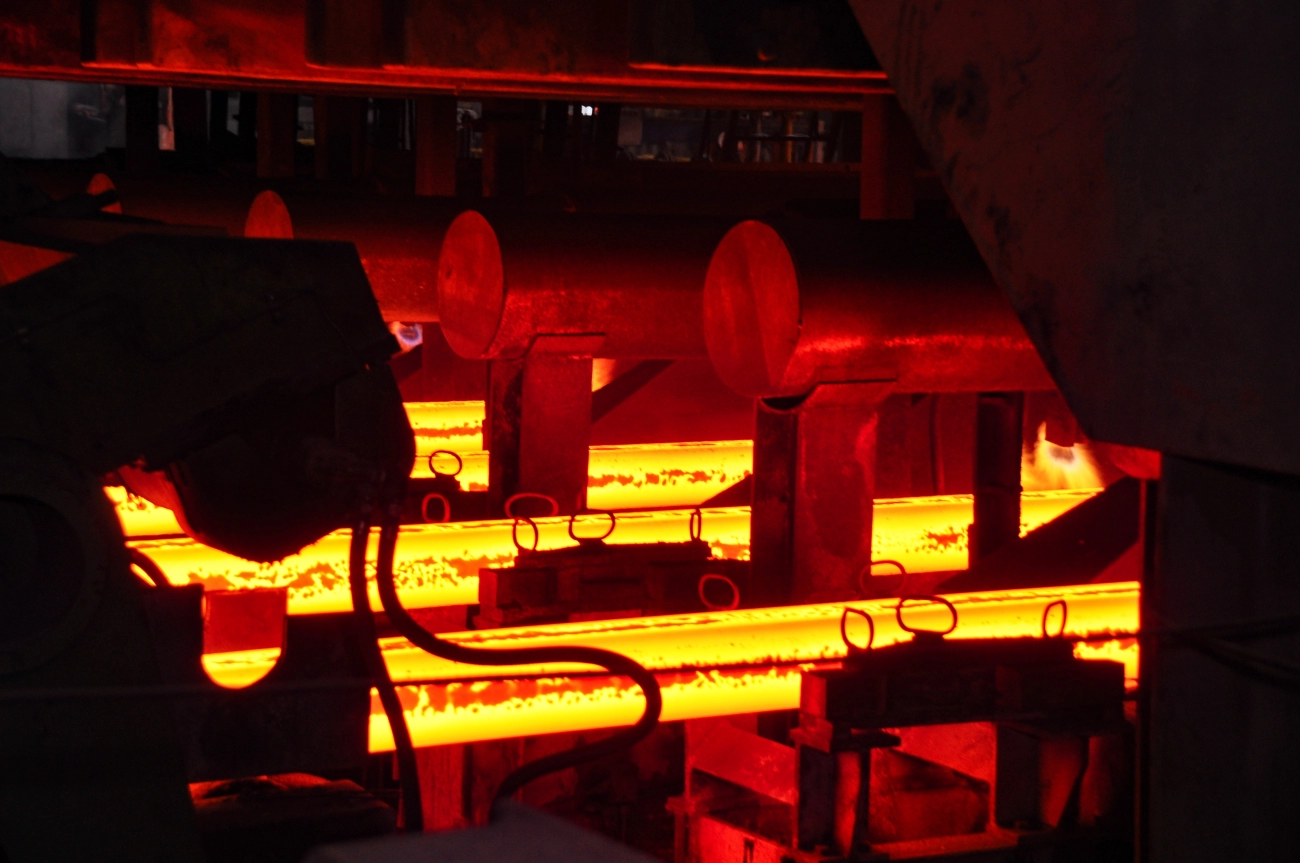
Testado ĉu 17-4 rostfrei ol magneta estas simpla, kaj vi ne bezonas laboratoriojn rimedojn por fari ĝin.
Simpla magnetŝparo kiun iu ajn povas fari
Uzu eta neodim magneto (la brila arĝenta rara-ter-ĝian tipo funkcias plej bone):
- Purigu makaronon sur la 17-4 surfaco (foru elŝuigi oleon, skalon aŭ enfermitan).
- Tuŝu la magneton rekte al la metalo.
- Tordu kaj provo ripeti gliti la magneton for.
Se ĝi “kliketas” sur kaj rezistas glitado, via 17-4 nerjena ŝtalo estas forte magie magnetita. Tio estas norma por martensitaj precipita-hardigaj ĝenroj kiel 17-4 PH (Tipo 630, UNS S17400).
Se vi plenumas butikajn inspektadojn aŭ enirkutimajn QC, vi povas kombini tion kun pli formalaĵaj kontrolaj kaj bazaj materialaj testoj kaj kvalito-metodoj kiel tiuj priskribitaj en nia gvidilo pri testado kaj kvalito.
Kio estas forta vs malforta magnet-lumo senteblo
Jen tio, kio estos sentata en via mano:
- Forta tirado (typ 17-4 PH)
- Magneto “saltiĝas” al la surfaco el mallonga distanco.
- Malfacilas gliti for per vosto.
- Prenas rimarkindan penon tiradi rekten for.
- Malalta tirado (malmolega magneta ŝtalo, iuj 304/316)
- Magneto nur kaptas kiam ĝi estas rekte tuŝanta.
- Glitas facile per malpeza fingerpremo.
- Sentiĝas pli kiel ĝi estas “tapiĝanta pro frikcio” ol vera blokado.
17-4 kontraŭ 304 kontraŭ 316 magneta allogo
En realaj butikaj testoj:
- 17-4 odoraŝtelo (magnetita)
- Clara, forta allogo.
- Malkovras simile al multaj 400-seriaj nerjesej ŝtaloj.
- 304 nerjesejo (kutime malforte magnetas aŭ preskaŭ nenmagnetas)
- Annealita 304 ofte estas preskaŭ nenmagneta.
- Post formado aŭ ŝtukado, ĝi povus montri malgrandan magnetismo, sed neniu proksime al 17-4.
- 316 nerpurebla (pli ne magnetika ol 304 en plej multaj kazoj)
- Tipare tre malalta magnetismo en annealita stato.
- Eĉ kiam malvarme laborita, ankau malpli forta ol 17-4.
Se via magnetaĵo aldonas al unu specimeno tre forte (17-4) kaj nur ĝuste aŭ nek alie kun alia (304/316), vi vidas la diferencon inter martensitika precipita-hardening kaj aŭstenita ne-puraj ŝtalegoj.
Ordinaraj testo-eraroj por eviti
Kiam vi kontrolas magnetismon de 17-4 rustorezista fero, evitu tiujn problemojn:
- Uzi tre malfortan frid- magneton
- Uzu ; neodimiaj magnetoj; malmultekostaj frid- magnetoj povas manki malpeza magnetismo.
- Testi tra kovroj aŭ dika plastaj bagaĵoj
- pentraĵo, dika pulvora ŝelo, aŭ plastikaj spaciloj povas fari la magnetan tiron malpli forta.
- Komparante malsamajn partajn grandecojn
- granda maldika folio povas sentiĝi malsama ol malgranda dika stango; ĉiam komparu similajn formojn kaj dikecojn.
- Supozante ke “ne-magneteca” signifas nul-pulson
- Multaj “ne-magnetecaj” rustaj gradoj povas montri malgrandan magnetismon post malvarmiga laboro aŭ weldado.
Por kritikaj laboroj—precipe kie magnetismo rilatas al proceza elekto, alojo-elekto, aŭ kvalitaj postuloj—kombinu la magnetan teston kun ĝustaj materialaj dokumentoj kaj testaj proceduroj, kiel vi farus por ajna alta-speca alojo en niaj procezoj kaj alojo-elekto-gvidilo.
Aplikoj Kie la 17-4 MalpezaŜtona (Stainless Steel) Magnetaj Propraĵoj Helpi
Magnetaj laborsubtenoj kajFixtures
Kiam vi bezonas partoĵojn resti blokitaj, 17-4 ŝtalo magneta partoj estas firme kongruaj por:
- Magnetaj malkovroj kaj klamloj sur CNC-muelejoj, neceraŭoj, kaj turnaj centroj
- Magnetaj frukto-subteniloj por ripetaj aranĝoj kaj altvolajn kursojn
La materialo-oj forta, konsekvenca magneta respondo signifas pli grandanteniĝan tenoforon kaj pli malmultajn glitojn, kio estas speciale utila se vi prizorgas preskaŭ-normajn laborojn aŭ altajn feedajn rapidecojn sur modernaj CNC turnarsistemoj.
Magneta apartigo kaj nutraĵa prilaborado
en manĝaĵa plantaro, 17-4 PH magnetaj propraĵoj estas granda avantaĝo kiam vi bezonas:
- Magneaj forigaj baroj, rejecoj kaj kaĝoj kiujn devas esti detektitaj kaj facile purigeblaj
- Altfortaj, korodrezistaj komponantoj ekzistantaj al laviĝoj kaj kemiaĵoj
Vi ricevas la avantaĝon de magneca detektebleco krom bonega korodrezisto, farigante 17-4 pli bona opcio ol norma karbonŝtalo en higienaj medioj.
Altafortaj ŝaftoj, ratŝtrumoj, kaj pumpaj komponantoj
Por rotaciaj aparatoj kaj potenca transigo, 17-4 PH rustevan ŝtalon ofertas:
- Magneta nerĝaŝtela ŝaftoj kaj ratŝtrumoj kiaj povas esti tenitaj sur magnetaj ĵetiloj dum maŝinado
- Pumpaj ŝaftoj, impeller'oj, kaj kuŝoj kie same forto kaj magnetia laboretado gravas
La kombino de alta forto, duro, kaj forta magneta falo malsamigas la tradukadon de la maŝino, reduktante la setup-tagon kaj plibonigante stabilecon.
Oleokarbonato, gasaĵoj, aviadilo, kaj maro
En pli malfacilaj medioj kiel oleo kaj gaso, aerospaco, kaj mararmea inĝenierado, 17-4 estas vaste uzata por:
- Valveoj, malprofundaj iloj kaj kunligoj tiaj kiuj estas fortaj kaj magnetaj
- Aeroespaca ŝraŭbilo kaj strukturaj partoj kie enketo, traktado aŭ fiksaĵa levado magnetismon
- Marinaj komponantoj (propelertukoj, axoj, kaj trostabloj) kie forto, korodrezisto, kaj magneta brilejo gravas, aparte kune kun aliaj mar-gradaj alojoj uzitaj en postulemaj mara inĝenieristiko.
Ĉiam kiam vi bezonas alta forto plus fidinda magnetismo por maŝinado, prizrado, aŭ aparteco, 17-4 nehelikva estas unu el la plej praktikaj rustaloj ĉe la tablo.
Kiam 17-4 Nehelikva Magnetismo estas Problemo
Kvankam 17-4 ŝtala neeldono estas forta, malmola kaj korodalrezista, ĝia magneta konduto povas esti problema en iuj aranĝoj.
MRI kaj Medicinaj Medioj
Por MRI-kameroj, kirurĝaj iloj proksime al bildaj aparatoj, kaj certaj enplantaĵoj, iaj magnetaj ŝtalo-ĵetoj, inkluzive de 17-4, estas kutime ne-akcepteblaj. La forta magneta kampo povas:
- tiri aŭ ŝanĝi magnetajn partojn
- distordi bildajn rezultojn
- krei sekurecajn riskojn ĉirkaŭ la magneta
En tiuj ĉi kazoj, vi volas plene austenitan, ne-magnetan ŝtalecon aŭ eĉ ne-ferajn metalojn kiel titanio aŭ certajn kupraj alojoj anstataŭ 17-4.
Precizaj Instrumentoj kaj Sensoroj
En laboratorioj, metrologiaj aranĝoj kaj sensoraj alojloj, magnetikeco de 17-4 povas:
- igus malĝustajn malkalkulojn sur ŝvarĉojŝaroj, Hall-sensoroj, magnetometr
- Kauzo subtilan, ripet-eblojn en precizaj etagoj aŭ optikaj teniloj
- Interagadi kun eksteraj magnetaj kampoj kaj krei bruon
Tie, mi avancus modeste 304, 316L, aŭ specialaj mal-magnetaj ŝtalejoj, precipe se vi mezuras malgrandajn fortojn, kampojn aŭ deviancojn.
Elektroniko kaj magnetaj interferoj
Ĉirkaŭ sensilaj elektronikaj aparatoj kaj bobinoj, 17-4 ŝtala daŭre povas:
- Concentrate aŭ redirekti magnetajn kampojn
- Aŭskato EMI-risko en alt-frekvencaj aŭ alt-precizecaj cirkvitoj
- Efekti induktorojn, transformilojn kaj magnetajn sensilojn
Se vi konstruas ŝirmejojn, støttejojn aŭ kadrojn proksime al elektroniko, vi ĝenerale pli bone ellaboras kun ne-magnetaj ŝtaloj, aluminio, latono, aŭ titanaj alojoj kiel tiuj uzataj en altnivela aviadila kaj elektronika importaĵo.
Elekti ne-magnetajn ŝtalajn alternativojn anstataŭ 17-4
Kiam magnetismo estas problemo, mi kutime rekomendas:
- 304 / 304L neoksidebla – Bona “mal-magneta” defaŭlto por ĝenerala uzo
- 316 / 316L neoksidebla – Pli bona korrosia rezisto, ankoraŭ malalta magnetismo en annealita stato
- Ne-feraj metaloj – Alumino, kupro vagy oderaj alojoj kie neoksidebla ne estas deviga
Se via projekto absolute ne povas toleri magnetan allokon (MRI, alta-nivela laboratorio ekipaĵo, sentemaj sensiloj), direktu vian provizanton klare:
- “Ne-magneta aŭ plene austenita neoksidebla postula”
- “Malalta permeablo, neniu martensita aŭ PH rustoŝtalo kiel 17-4”
Tiel vi evitas hazardan konvertiĝon al magnetika rusta baro kiel 17-4 kiam vi bezonis vere ne-magnetan materialon.
Avantaĝoj kaj malavantaĝoj de uzado de magnetika 17-4 rusto
Ĉefaj avantaĝoj de la magnetika konduto de 17-4
Magnetika 17-4 rusto (17-4 PH, Tipo 630) donas al vi malofte videblan kombinaĵon: alta forto, bona korodo rezisto, kaj firma magnetika respondo. En vera uzo, tio remuntiĝas kiam vi bezonas:
- Magnetaj laborpozicioj – Partoj estas firme kaptitaj en magnetaj tukoj kaj fiksiloj, do maŝinado kaj gudrado estas pli stabilaj.
- Poziciigado kaj sensado – ĝiaferromagneta konduto faciligas uzi proksime sensorojn, magnetajn kolektantojn, kaj tenajn ŝlosilojn.
- Alt-fortaj komponentoj – ŝaftoj, radoj, pumpaj partoj, kaj estructura aj materialoj kiuj must esti ambaŭ fortaj kaj magnet-amikaj.
Se vi ĉefe desegnas ŝtalajn partojn kaj foje ŝanĝas inter karbonŝtalo kaj roskaj ŝtalaĵoj, 17-4 estas glata plialtigo kiam vi ankoraŭ volas magnetika klamado sed bezonas pli bonan koroda reziston ol malmultekosta fer- aŭ bazajn malvarmaferraj ŝraŭboj.
Limigoj kontraŭ ne-magnetaj rostraj gamoj
Kiam komparas kun plene ne-magnetaj austenitaj gamoj kiel 304 aŭ 316, magneto 17-4 ŝtalo havas iujn anstataŭaĵojn:
- Ne taŭgas kie bezoniĝas “nenie magnetismo” – MRI-ĉambroj, sensitaj laboratoriaj aparatoj kaj iuj defendo aŭ aviadila elektroniko povas malamigi ajnan fero-magnetan materialon.
- Pli alta risko de magneta interfero – Pli forta magneta forto povas influendi sensilojn, kompasojn, kaj EMI-tutmendajn aparatojn.
- Malsevere malpli alta koroda rezisto ol 316 – Precipe en agresemaj kloridaj aŭ marbordaj medioj.
Se via specifo postulas ne-magnetaj aŭ “austenit-unuigita,” 17-4 PH estas ofte ne atestebla, eĉ en Kondicio A.
Equilibrante magnetismon, korodan reziston, kaj forton
Jen la baza negocj-paŝo por 17-4 malstala ŝtalo magnetismo:
| Faktoro | 17-4 PH (magnetika) | 304 / 316 (plej malmagnetaj) |
|---|---|---|
| Magnetismo | Forte magneta | Tre malalta ĝis milda (malplekita) |
| Tensila forto | Tre alta (precipe H900) | Meza |
| Mardo / eluzado | Alta | Pli malalta |
| Koroda rezisto | Bona (316 kutime pli bone) | 316 estas elstara, 304 estas bona |
| Machinado kun magaj ĉujukoj | Bonega | Malbona (malforta magnetika respondo) |
Vi ĉiam estas komerca magneta respondo kontraŭ korodo kaj “ puran ” ne-magnetan konduton. Por plej multaj industriaj uzantoj en la US, 17-4 atingas perfektan punkton kiam vi bezonas forton + magnentan muntadon + sufiĉan korodecan reziston en unu materialo.
Kiel decidi ĉu 17-4 taŭgas por via projekto
Uzu ĉi tiun rapidan kontrolan liston por determini ĉu la magnetaj ecoj de 17-4 ŝtalo taŭgas por via projekto:
Elektu 17-4 se:
- Vi volas magneton por kapti la parton (magnetaj tokoj, kravoloj, apartigo, sensado).
- Vi bezonas alta forto kaj pli bona hardeco ol 304/316.
- Via medipunkto estas malseka aŭ milda korodanta, sed ne tre klorida.
Evitu 17-4 kaj iru nekmagneta se:
- Via aplikaĵo estas MRIO, medicina bildigo, aŭ precizaj sensiloj.
- Vi havas striktajn “ne-magnetan ŝtalegan nur” postulojn.
- Vi estas en aferoj kun severa mara aŭ kemia medioj kie 316 aŭ specialecaj austenitaj alojoj estas preferataj.
Kiam dudemandita estas, mi ĉiam diras al klientoj:]
- Ŝtupri magnetan teston sur provpadronoj.
- Konfirmu kun la provizanto kiu -hejtan traktadon- kondiĉo (H900, H1025, H1150, ktp.) vi estas akiranta.
- Vastigu la forton kaj korodajn postulojn al via reala servo-medio, ne nur al la datenotekaj nombroj.
Se vi bezonas helpon kompari la forton de 17-4 kun obuno aŭ aliaj metalo en via desegnaĵa aro, vi povas uzi rimedojn kiel ĉi tiun rapidan gvidilon por dona forto en aluminioj alojoj kiel referenca punkto kiam vi ekvilibrigas materialojn.
Alternativoj al 17-4 por ne-magneta ŝtalo bezonoj
Se vi bezonas ŝtalajn partojn kiuj restas ne-magnetaj (aŭ tre malmagne), 17-4 estas kutime malĝusta elekto. Jen kion mi normale rekomendas anstataŭe.
304 kaj 316 kiel norma mal-magna elekto
Por plejmulto de amerikaj butikoj kaj ODM-oj, 304 kaj 316 ŝtalo estas la ĝusta anstataŭo al 17-4 kiam malalta magnetismo gravas:
- La serio 300: Industria Normo
- Austenitica, malalta magneta respondo en la annealita stato
- Bona ĝenerala rezisto al korodo
- Povas preni supren malpeza magnetismo post pezega formado aŭ maŝinado
- 316 rusta ŝtofo
- Pli bona korodo rezisto ol 304 (precipe en kloridaj kaj maraj medioj)
- Ankaŭ austenitica kaj tipe tre malforte magnetas
- Oftaj la unua elekto por manĝaĵoj, mari- kaj pezaj kemiaj aplikaĵoj
Se vi bezonas nulan magnetan tirkonton proksime de sensitivaj elektronikaj artoj, MRI, aŭ laboratorioj, lasu vian provizanton scii ke vi bezonas plene austenita, solv-anneita materialo kaj minimuma malvarma formado.
Plene Austenitaj kaj Mal-Magnetaĵoj Grade
Por pli striktaj magnetaj limoj ol tio, kion 304/316 fidinde atingas, mi rigardas specialajn austenitajn nerŝtejnajn gradojn:
- Superaustenitaj gradoj (ekz., 904L, 254SMO) – tre malalta magneteco, elstara koroda rezisto
- Nitrogen-tringitaj gradvoj – pli alta forto dum restas austenita
- Specialaj ne-magnetaj alojoj – por ekstremaj kazoj, kie ajn ajn trokado estas malpermesita
Kie magneteco estas decida ruptura, sed vi bezonas bonajn eluz- aŭ glitapartajn aĵojn, ne-feraj ebloj kiel Precize maŝitaj bronzeaj komponentoj ankaŭ povas esti forta taŭgaĵo, aparte en fiksaj iloj aŭ gvidaj elementoj, simila al tio, kion ni faras en niaj bronza maŝinservojn.
17-4 kontraŭ 410, 420, kaj 440C Magnestismo
Se vi komparas kun aliaj malmolaj rostaj gradoj, pripensu ĉi tion:
- 17-4 PH (Tipo 630) – forte magnetas en ĉiuj varmtraktitaj kondiĉoj
- 410 rusta ŝtalo – martensita, magneta, modera korodrezisto
- 420 rusta ŝtofo – pli alta karbo, hardigebla, tre magneta
- 440C rusta ŝtofo – granda malmoleco, tre magneta, pli pro tool-ŝtelo-simila konduto
El magnetisma vidpunkto, 17-4, 410, 420, kaj 440C estas ĉiuj en la “magneta” skatolo. Se via agordo postulas malgrandajn aŭ preskaŭ nulajn magnetismojn, nenio el ĉi tiuj estas ideala.
Kiel Elekti la Taŭgan R-pulvlaron por Magnet-Sensaj Agordoj
Kiam mi helpas specifigi magnet-rezistajn materialojn por magnet-sensitivaj medioj (laboratorio, medicina, aviadila sensoroj, ktp.), mi fokusiĝas al:
- Magnetismo postulado
- “Nekomprenebla forta tiriĝo” kun norma butika magnetaĵoj?
- Aŭ dokumentita maksimuma permeablo / maksimuma resta magnetismo?
- Medio
- Intra, ekster, mare, kemia, manĝaĵo, vacuo?
- Tio kutime puŝas vin al 316 aŭ pli alta-allaj uscita maĵeno gradigoj.
- Fortaĵo kontraste al ne magneta
- Se granda forto gravas: konsideru aŭstenitika + desegna ŝanĝoj (pli dikanoj sekcioj, plifortigo) ol saltado al 17-4 aŭ 400 serioj.
- Konfirmo
- Specifu vian provizanton por:
- Klaso kaj kondiĉo (annealita kontraŭ malvarm-verkita)
- Ajna magnetaj testaj datumoj, se via projekto estas kritika
- Atestado ke la materialo estas plene austenitika, solvo annealita
- Specifu vian provizanton por:
Se via prioritize listo estas ne-magnetika unue, koroda rezisto dua, fortece tria, vi preskaŭ ĉiam pli bone estas kun 304/316 aŭ alia plene austenitika ŝtalo anstataŭ 17-4.
FAQ pri 17-4 ŝtala magnetismo
Ĉu 17-4 roŝokromita ŝtalo estas ĉiam magnetika?
Jes. 17-4 PH (UNS S17400 / AISI 630) estas martensa precipita-hardiga roŝokromita ŝtalo, do estas nature ferromagneta en ĉiu norma kondiĉo (Kondicio A, H900, H1025, H1150, ktp.). La eliraforto eble iomete ŝanĝiĝas kun varm-traktado, sed ĝi ne agos kiel ne-magneta 304 aŭ 316.
Ĉu varm-traktado aŭ maljuniĝo povas fari 17-4 ne-magneta?
Ne. Neniu norma varm-traktado kondukus 17-4 en totale ne-magneta ŝtalo. Solva annealado kaj aĝaj cikloj nur ŝanĝas malmoligon, forton, kaj efikecon. La martensita strukturo kiu igas 17-4 roŝokromita ŝtalo magnetika restas en la loko.
Ĉu mi demagnetigos 17-4 roŝokromitajn partojn?
Jes, vi povas demagnetigi 17-4 uzante taŭgan degausilon / demagnetizer-fadenon. Tio forigas resta magnetismon akirita de maĉado, magnetaj ŝaftoj, aŭ servo. Sed memoru:
- La baza metalo estas ankoraŭ magneta kaj estos allogita de magnetaĵo.
- Ĝi povas re-magnetiĝi dum uzo (precipe en magnetaj provizaj aranĝoj aŭ pli grandaj ŝarĝitaj rotantaj partoj).
Kiel 17-4 magnetismo kompareblas kun 400-seria neŭtrforma ŝtalo?
Ĝenerale, 17-4 PH estas similaj en magnemo al 410 aŭ 420 kaj iomete malpli magnetika ol alta karbono 440C, sed ĉiuj ili estas forte feromagnetaj kompare kun la 300 serio. Se vi estas uzinta magnetajn ŝaftojn aŭ retojn el 410 aŭ 420, 17-4 estos konata: forta alloko, facile tenebla kun magneta tuko, kaj respondema al magneta apartigo.
Kion mi devus peti de mia provizanto antaŭ aĉeti 17-4 por magnetaj aplikoj?
Antaŭ ol vi engaĝos, mi ĉiam rekomendas peti de via provizanto:
- Preciza grado kaj specifo: Konfirmu ke ĝi estas 17-4 PH (UNS S17400 / AISI 630).
- Hejt-tretado-kondiĉo: Kondicio A, H900, H1025, H1150, ktp. (tio influas forton kaj resta magnetismo, ne la aferon “magnetika kontraŭ ne-magnetika”).
- Produkto formo: Baro, plaĝo, mulditaj branĉoj, aŭ maŝinaj komponentoj – permeabilo povas varii iomete.
- Antaŭa procezado: Ajna malvarma laboro, rulado aŭ magnetika labordono, kiu eble aldonos resta magnetismon.
- Atestilo: Materiala testraporto (MTR) listiganta mekanikajn trajtojn kaj kondiĉon.
Se vi kombinas 17-4 partojn kun aliaj alt-fortaj alloj (ekzemple, 8620 aŭ similaĵoj en aro), ankaŭ utilas antaŭe konkludi iliajn kondutojn kaj maŝinajn bezonojn; ni eniras tiun specon de detalo en nia 8620 ŝtala materiala superrigardo tiel aĉetantoj povas laŭtigi la ĝustan gradejon por la ĝusta laboro.