

Kio estas Tensila Forto de Aluminio?
Kiam homoj demandas min pri aluminio por projekto, la unuaj demandoj estas preskaŭ ĉiam la sama: “Ĉu aluminio estas sufiĉe forta?”, “Ĉu ĝi balanciĝos aŭ frakasos?”, kaj “Kiel ĝi kunfandiĝas al fero?”
Ĉiuj tiuj revenas al unu ĉefa ideo: tira forto de aluminio.
Baza Signifo: Tensila Forto kaj Finuma Tensila Forto
En simplaj vortoj, tira forto de aluminio kiel multe tira forto a parto de aluminio eblas preni antaŭ ol ĝi rompiĝas.
- Tensila forto / Pinta tensila forto (UTS):
La maksimuma streso aluminio povas elteni en tensio antaŭ ol ĝi frakasas.- Oftaj nomata aluminia pint-tena forto or aluminia UTS
- Mezuata en MPa (megapascaloj) aŭ psi (pundoj per kvadrata colo)
Se vi tiri aluminiuman bastonon en testmaŝino, la plej alta punkto en la premitaj-ŝtofi kurbo antaŭ ol ĝi rompiĝas estas la la fina tensila forto de aluminio.
Kie Malesperterna Forto taĝas en Alumina Mekanikaĵoj
Longeco de streĉiĝo estas nur unu parto de la alumina maŝinaĵoj proprietoj puzlo. Desegnantoj kutime rigardas:
- Flueca kaliplikeco de alumino – kiam ĝi komencas dentriĝe plipezi
- Ŝarĝa suprentena forto de alumino – kiam ĉi finfine rompiĝas
- Elastic modolo (malmoleco) – kiom ĝi fleksiĝas sub ŝarĝo
- Duktebleco – kiom ĝi povas etendi antaŭ rompiĝi
- Laca forto – kiel ĝi tenas kovri kun ripetitaj ŝarĝoj
Aluminia streĉeco-eco variu multe inter pura aluminio kaj altfortajn aluminio-allogaĵojn ĝlike 6061, 7075, 2026, aŭ 5083, kaj tio estas kial scii la precizan tensila forto por aluminio vi uzas estas kritik.
Kial Tensila Forteeco de aluminio gravegas en realaj projektoj
En real-viva laboro sur la merkato, en la merkato—ĉu estas aŭtojpartoj, aŭ aerospaca teniloj, maraĵstrukturadoj, aŭ konsumaj produktoj—vi ne povas simple diri “estas aluminio, do estas forta.”
Vi devas scii:
- Ĉu ĝi sekure tenos la ŝarĝon? (strukturala forto de aluminio)
- Kiujn maldikajn kaj malpezajn mi povas fari ĝin? (aliuminio forto-pez-mezurado)
- Ĉu tiu alojo estas sufiĉe forta por anstataŭigi ŝtalon ĉe ĉi tiu loko?
- Ĉu ĝi povas trakti premon, vibradon kaj realan servo‑vivon?
Ŝvitante la la tirstreĉa forto de aluminio ĝuste estas tio kiel vi:
- Evitu troaŭtika konstruado (tro pezega, tro multekosta)
- Evitu malĝustige konstruado (malfiguroj, buŝoj, fiaskoj)
- Elektu inter pura aluminio kaj tensile strength of aluminum alloy opcioj
- Decidas kiam vi devas moviĝi al ŝtalon anstataŭe
Kiam mi desegnas aŭ specifas partojn por miaj propraj platofarmoj, mi traktas la tira forto de aluminio kiel harda projektlimigo, ne konfido. Ĝi estas la komenca punkto por sekura, efika kaj kost-efika aluminio uzo.
Ĉefaj tenso-rezistaj terminoj por aluminio
Kiam ni parolas pri la tira forto de aluminio, ni vere estas parolantaj pri kiom malproksime al ĵetc.
Tensola forto kontraŭ fogforto en aluminio
- Flueca kaliplikeco de alumino:
La ŝeno kie aluminio ĉesas “reagi reen” kaj ekstere formiĝas permanente. Tio estas via reala funkcia limigo en desegno. - Tensila forto (fina tensila forto, FTF):
La maksimuma streso alumo povas preni antaŭ ol ĝi frakturas. Por plej granda parto de struktura laboro, vi desegnas ĉirkaŭ rezisto deĵo, kaj vi tenas FTF kiel via sekureca plafono.
En specifaĵoj kaj datumfolioj, vi kutime vidas ambaŭ la tirstreĉa forto de aluminio kaj elasta forto listigita kune por povi grandege parti tiujn partojn, elekti dikan muron, kaj agordi sekurecajn faktorojn.
Pinto streĉa forto kontraŭ pruvoŝarĝo
- Pinto streĉa forto de aluminio (UTS):
La pintvaloron en la streso-deformiĝa kurbo ĝuste antaŭ ol la materialo komencas skvavanje kaj finfine rompiĝas. - Pruvoŝarĝo (offseto de 0.2%):
Por aluminio, ni ofte uzas 0.2% pruvo streso anstataŭe de perfekte aspra “yield point”. Estas esence la streĉo kiu kaŭzas malgrandan, sed permanentan, 0.2% deformation. En plej multaj aluminiaj normoj, tio estas tion raportita kiel “yield strength.”
Sciado de UTS kontraŭ pruvoŝarĝo gravegas kiam vi komparas altfortajn aluminio-allogaĵojn aŭ aŭse kiam vi laboras sub kodoj kiuj specifas minimuman pruvan streĉon.
Streĉ-ĉirkaŭaĵoj bazoj por aluminioj alojoj
Se vi funkciigas unu aluminiun streĉtestenon, vi havos streĉ-ĉirkaŭaĵon kun kvar ĉefaj zono:
- Lineara elastika regiono (rektlinia) :
Streso kaj strieco estas proporciaj; forigu la ŝarĝon kaj la aluminio revenos al sia originala formo. - Ŝanĝoregiono:
Materiaĵo komencas flui; permanenta setado komencas (difinita per pruvo-streso). - Strain-hardening:
Streso pliiĝas denove dum la metalaj labore-ŝtampado atingas la ultimatean fortikecon laŭ streĉeco. - Nekojado kaj frakturo:
Transkruro retiriĝas lokale ĝis la parto rompiĝas.
Klaŭvivo pri tiu kurbo estas kritika kiam vi elektas inter elverkita aluminio streĉokapablo gradoj aŭ rigardante specialajn alojojn kiel alta rendimento aluminio-fandaj alojoj.
Komunaj unuoj por aluminio streĉokapablo (MPa, psi)
En la Usono, vi vidos aluminia UTS en psi kaj MPa:
- MPa (megapascal) – normo en plej multaj teknikaj datumetoj
- 1 MPa ≈ 145 psi
- psi (pundoj por kvadrata inch) – ofta sur laborejoj kaj en malnovaj specifaĵoj
- 30,000 psi proksimume 207 MPa
Ĉiam kontroli unitojn kiam vi legas kolborde de aluminio alojo tarecŏ-diro aŭ iu alumina maŝinaĵoj proprietoj folio. Miksado de MPa kaj psi estas unu el la plej rapidaj vojoj por forvoki desegn-marginon.
Tensila forto de purega aluminio
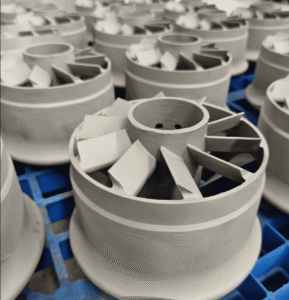
Puraj aluminio (1xxx serio, kiel 1050 aŭ 1100) havas malsinkronan elastecon kompare al plej multaj aluminio alojoj, sed ĝi ankoraŭ havas solidan lokon en la fabrikado kaj produktado.
Tipa elasta forto de pura aluminio
Por komerca pura aluminio, la la fina tensila forto de aluminio estas tipike:
- ULTC (finaj elasta forto): ~40–90 MPa (6–13 ksi)
- Tenueco de fluoro de aluminio (pura): ~10–35 MPa (1.5–5 ksi)
Malvarmiĝado (kiel rulado) povas puŝi la la tirstreĉa forto de aluminio iomete pli alten, sed ĝi ankoraŭ restas ĉe la granda malalta flanko kompare kun aliaj al-varitaj gradoj.
Kial pura aluminio havas malaltan tirstreĉon
Pura aluminio havas malaltan forton ĉar:
- Gxi havas la molan, duktilan kristalan strukturon kun tre malmultaj obstakaĵoj por degeneracia moviĝo.
- Estas neniu gravaj aljojigaj elementoj (kiel Mg, Cu, Zn) por malmunti la metalon.
- It ne povas esti fortigata multe per varmtraktado kiel altfortaj aluminioj alojoj povas esti.
Vi ricevas eksterordinan formeblon kaj konduktecon, sed vi interŝanĝas ŝtoflen forton.
Kie pura aluminio estas uzita kiam forto ne estas kritika
Eĉ kun pli malalta tensila forto por aluminio en sia pura stato, ĝi estas bonega elekto kiam aliaj ecoj gravegas pli ol nekutima forto, kiel:
- Folio kaj pako (manĝaĵaĵa envolvaĵo, trinkaĵ-pako)
- Elektraj busobloĝoj kaj konduktoroj (alta elektra kondukteco)
- Ŝrankoj de varmo kaj HVAC finoj (alta termika kondukteco, facila formiĝo)
- Reflektajoj kaj dekoraj paneloj (bonega surfaca finiĝo kaj koroda rezisto)
Por strukturaj aŭ pezeŝafaj partoj, mi kutime moviĝas al pli fortaj alojoj aŭ al precizaj kasaj aŭ maŝinaj partoj faritaj el alojojaj gradvoj, kiel ni faras kun niaj aluminiumaj investaj kasoj kaj specialaj malalt-toleraj partoj kie kontrolitaj aluminioj mekanikaj proprioj estas kritikaj.
Kiel alojiĝo ŝanĝas la elastecon de aluminio
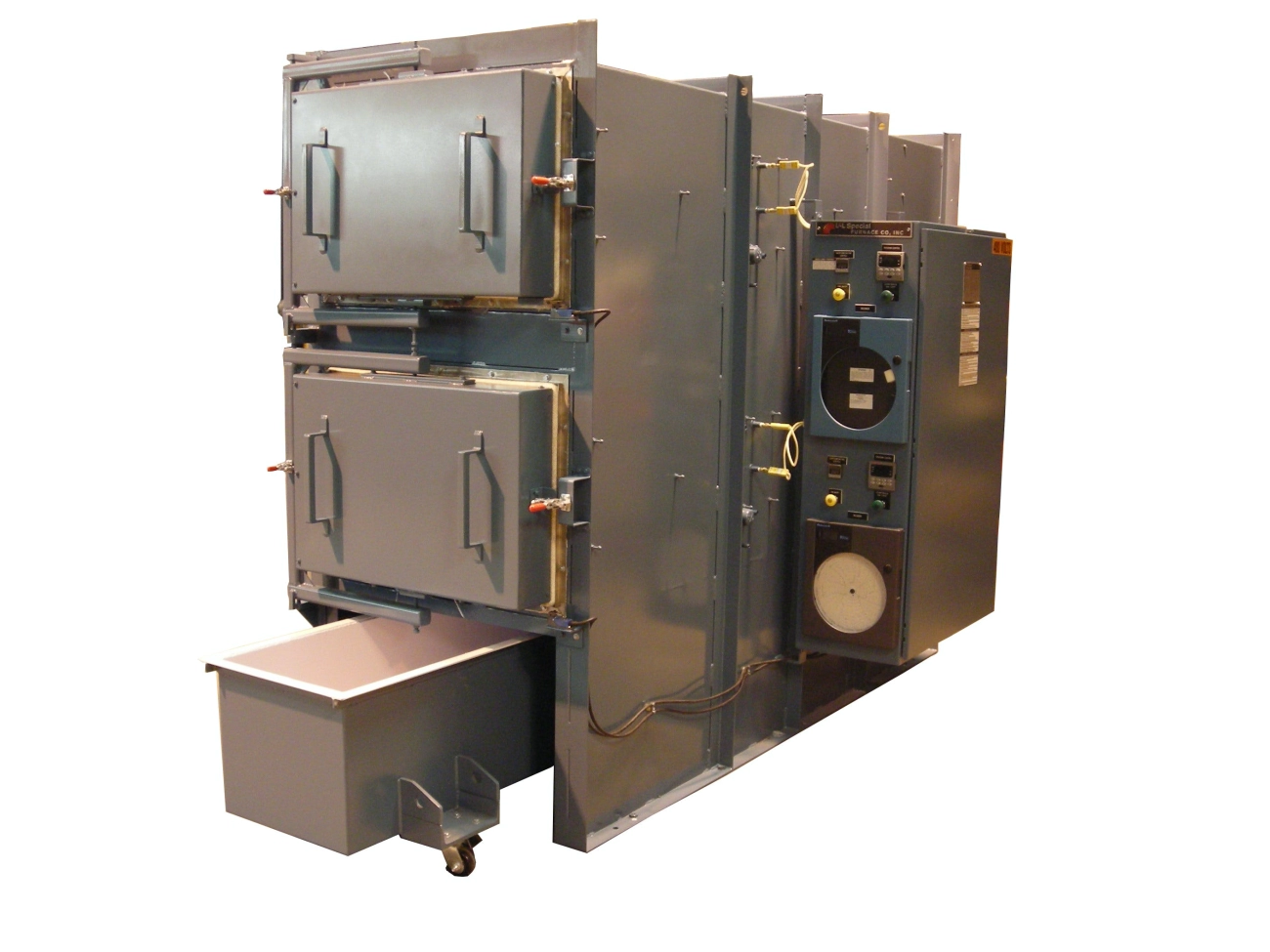
Se vi serĉas pli altan streĉan forton de aluminio, aljogo estas tiu loko kie la magio okazas. Pure aluminio estas mola; unufoje ni aldonas aliajn elemento-ojn kaj regas la temperon, ni povas zorge pluteni la streĉan forton de aluminio de malpli ol 100 MPa ĝis bone super 500 MPa en altfortaj aluminioj alojoj.
Ĉefaj alilaj elementoj kiuj pligrandigas la reziston de aluminio
La grandaj fortaĵigaj faktoroj por la streĉaj proprecoj de aluminio estas:
- Magnesio (Mg) – ŝlosilo en la 5xxx kaj 6xxx serioj, plibonigas forton kaj korrodrezistecon.
- Silicio (Si) – uzata kun Mg en la 6xxx serio (kiel 6061 aluminio streĉa forto) por formi malmolegajn Mg2Si partiklojn.
- Kupro (Cu) – ĉefa elemento en la 2xxx serio (ekz. 2026 aluminio forto), liveras tre altan fruan forton de aluminio sed malaltigas korodrezistecon.
- Zinko (Zn) – ĉefa elemento en la 7xxx serio (kiel 7075 aluminio streĉa forto), donas iun el la plej altaj UTS en MPa kaj psi.
- Manganeso (Mn), Krio (Cr), Zirko (Zr) – plibonigi grajn-grandecinon kaj stabiligi mikrostukturon, plifortigante forton kaj fadenigon.
Per ĝustigo de tiuj alio-elementoj ni akiras vastan aluman kunmaterialan fortectabelon kovrante ĉion de malmola, formebla gradigo ĝis strukturforto de aluminio, kiu ekkomparas kelkajn ŝtalojn.
Ŝtabilecaj varmetikaj aliaj aluminiaj alojoj vs ne–varmetode sertitaj alojoj
Kiam ni parolas pri alumaĝaj mekanikaj Ecoj, alojoj falas en du grandajn sitelojn:
- Ne–varmetode sertitaj alojoj (1xxx, 3xxx, plej multaj 5xxx)
- Forto venas ĉefe de solida solvo fortigado kaj labori forte (malvarmaj, premado, ktp.).
- Temper-nomoj kiel H14, H32, H116 indikas kiel fikse malstreĉiĝis.
- Tiuj estas ofte uzataj en maraj kaj foliaj aplikoj kie koroda rezisto kaj formiĝemo gravas same kiel aluminio streĉa forto.
- Termodeblaj alvoj (2xxx, 6xxx, 7xxx, iuj 4xxx)
- forto venas de solvovarmtraktado + kvencado + malvarmigo (nature aŭ artefarita).
- Plej ĉi tiuj alojoj povas atingi tre altan aluminio finajn tensoajn fortojn kaj surtangon, ideala por kosm postaero kaj alt-efikaj partoj.
- Se vi estas uzinta alt-tempareajn alojojn kaj instrumentajn ŝtalojn, la koncepto estas simila al tio, kion vi vidus en inĝenieritaj aloja ŝtalaĵoj, nur kun la pli malpeza pezo de aluminio kaj malsama kemio.
Temperaj perdoj kaj ilia efiko al tension forto
Por aluminio tension forto, la tempero estas same grava kiel la alojo-nombro:
- O – annealita, plej malalta tension forto, plej alta duktilo.
- Hxx – akvomoldovitaj (ne–varmezumerĝaj superŝtupaj alojoj). Pli grandaj nombroj = pli malvarmigita laboro = pli granda forto.
- T3/T4 – solvo-varmtraktita kaj nature aĝa, mez-alta forto.
- T6/T651 – solvo-varmtraktita kaj artefarite aĝita, tre oftaj altfortaj temperoj (ekz. 6061-T6, 7075-T6).
- T7x – tro aĝita por pli bona stres-korodo rezisto, iomete pli malalta MTT, sed pli da daŭireco.
La sama alojo en malsama tempero povas balanciĝi de “facile formiĝebla” ĝis “struktur-grada” simple ŝanĝante la varme- traktadon kaj laborhistorion.
Kiel precipita malvarmigo pligrandigas la aluman tugan forton
Varme-tratableblaj aluminaj alojoj postulas precipita hardado por atingi altan aluman pullforton:
- Solvo-varmetraktado – la alojo estas varmigita tiel la alloj enuŝiĝas en solida solvo.
- Kirigoj – rapida malvarmigo kaptas tiujn elementojn en supersatura stato.
- Aĝado (natura aŭ artificia) – bonaj, malmolaj precipitaĵoj (kiel Mg2Si en 6xxx aŭ Al2Cu en 2xxx) formiĝas ene de la grenaĵoj.
Tiuj precipitaĵoj blokas dislokocion moviĝon, kio rekte pliiĝas:
- Ŝarĝa suprentena forto de alumino
- Flueca kaliplikeco de alumino
- Laci-resisteco
Por U.S. projektistoj laborantaj en aerospaco, aŭtindustrio, aŭ pezaj aparatoj, tio estas kial vi vidos temperotipojn kiel T6, T651, T73 emfaziĝas ambaŭ forto kaj stabileco – ili rakontas al vi kiom forĝis tiu alojo laŭ la precipita kurbo por atingi la tension forton por aluminio kiun vi bezonas.
Tensila forto de komunaj aluminioj alojoj
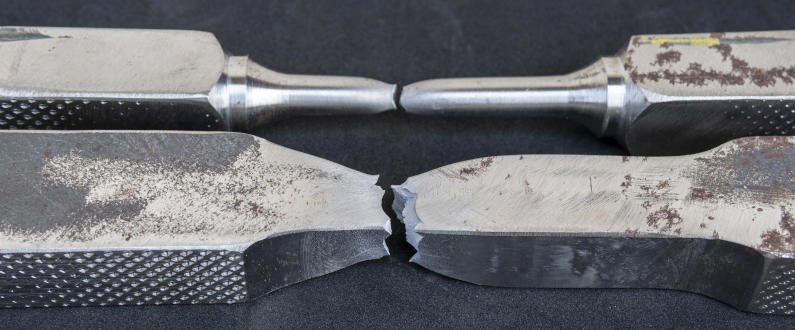
Kiam vi elektas alojon, la fortikeco de alumo—ambaŭ finfina tensila forto (UTS) kaj elasta forto—tio estas tio, kio vere kondukas viajn dezajno-decidojn. Jen kiel la plej oftaj alojoj kondukas en realaj nombroj (tipaj ĉambro-tempaj valoroj, ne dezajnaj tolerantoj).
6061 alumo fortikeco (UTS kaj gajno)
6061-T6 alumo estas la aliĝa “ĝenerala” en la lando por struktŭraj partoj, kadroj, kaj maŝinaj komponantoj.
- Fina tira forto (UTS): ~290 MPa (42 ksi)
- Forta rezisto: ~240 MPa (35 ksi)
Vi atikos fortan ekvilibron de forteco, ligebleco, kaj maŝinebleco, tial 6061 montriĝas ie ajn de vetura kadroj al malgrandaj strukturaj komponentoj.
7075 aluminia streĉ-kapableco (UTS kaj fluo/evoluo)
7075-T6 aluminia estas unu el la plej fortaj aluminiaj alloj uzeblaj el la japonoplena ŝaltilo.
- UTS: ~570–600 MPa (83–87 ksi)
- Forta rezisto: ~500–540 MPa (73–78 ksi)
Ĝi konkuras kun kelkaj ŝtalejoj en forto sed estas pli malfacila por ludi kaj iom malpli korrosia rezisto. Mi povas vidi ĝin uzata multe en alta-efikaj trajtoj, aviokaŜaj konektiloj, kaj elstaraj sportaj varoj kie forto-pezospaco estas ĉio.
2026 aluminio-forteco por aviadilsistemoj
2026-T3 aluminio estas klasika aviadila alojo, precipe en ŝpruciloj kaj strukturaj membroj kie laceco-spektas grava.
- UTS: ~470 MPa (68 ksi)
- Forta rezisto: ~325 MPa (47 ksi)
Vi ricevas alta forto kaj bona fatiga rezisto, sed vi devus bone protekti ĝin kontraŭ korodo (primers, malkovroj, kovroj estas norma en aerokajeroj).
5083 aluminio forto por maro uzado
Por maro kaj malvarmetaj mediatoj, 5083-H116 / H321 aluminio estas norma elekto.
- UTS: ~275–320 MPa (40–46 ksi)
- Forta rezisto: ~125–215 MPa (18–31 ksi), depende de tempero
Vi anstataŭigas pikan streĉorecon por bonegan korrodoteston kaj labecon en salakvo, farante ĝin ideala por ŝipoŝvelo, ŝipaj strukturaj kaj off-shore ekipaĵoj. Por fanditaj maraj partoj, speciala aloj fandadfabriko estas ofte la plej bonejo por akiri konsekvencajn mekanikajn ecojn.
Tensila forto intervalas de 1xxx, 3xxx, 5xxx serioj alojoj
Jen rapida rigardo al tipaj tensila forto intervaloj (laboritaj, oftaj temperoj):
- 1xxx serio (pura aluminio, ekzemple 1100-O al H18)
- UTS: ~60–120 MPa (9–17 ksi)
- Uzas kiam kondukteblo kaj formoensono gravas pli ol forto.
- 3xxx serio (ekzemple 3003-H14)
- UTS: ~110–200 MPa (16–29 ksi)
- Bone por tavolo-lero, HVAC, kuiradoĝoj—meza forto, facile formebla.
- 5xxx serio (ekz.- 5052-H32, 5083-H116)
- UTS: ~190–350 MPa (28–51 ksi)
- Go-to por strukturaj tukoj/tablaĵoj kun forta malkorodoreco, aparte en maraj kaj transportadaj aplikoj.
Tensilaforto de fandita malpli pli altaj almetitaj aluminioj gradoj
Eluzita aluminio (rolitaj, ekstruditaj, forĝitaj) preskaŭ ĉiam liveras pli alta streĉiĝa forto kaj pli bona duktilo ol investaj gransoj pro sia rafinita, laborita mikostrukto.
- Fanditaj aluminiaj alojoj (kiel A356, 319):
- Tipa UTS: ~130–280 MPa (19–41 ksi)
- Forteco grave dependas de la moldado procezo, porozigo-kontrolo, kaj varmegspertado. Kvalita alumno alojiĝa gvidilo estas ĉefvundo se vi projektas ŝtipotajn kunmetaĵojn.
- Forĝitaj aluminiaj alojoj (kiel 6061-T6, 7075-T6):
- UTS facile kuras 250–600 MPa (36–87 ksi)
Se vi bezonas maksimuma ĉi-utaga streĉiĝa forto kaj daŭrezeco, the go wrought. If you need komplikaj formoj je pli malalta kosto, fandita aluminio povas funkcii—nur desegnu kun sia pli malalta tensileco kaj eblaj difektoj en menso.
Faktoroj influantaj streĉiĝa forto de aluminio
Aliaj kunmetaĵoj kaj tempero
La tira forto de aluminio dependas multe de aliaj-elementoj kaj tempero:
- Elementoj kiel Mg, Si, Cu, Zn povas draste plialtigi la tirstreĉa forto de aluminio kompare kun puraj aluminioj.
- La humoriga nomo (O, H32, T6, T651, ktp.) diras al vi kiel la alojo estis hardigita:
- O (kalcinita): la plej malforta forto, la plej alta duktileco
- H-tempoj (malvarma laborado): pli granda forteco de streĉigado pro streĉiĝ-fortigno
- T temperoj ( varmtraktitaj ): plej alta la fina tensila forto de aluminio por tiu alojo
Samaj alojoj, malsamaj temperoj, povas facile duobligi la laŭmolecon de aluminio, do mi ĉiam kontrolas ambaŭ alojon kaj temperadon en la specifa listo.
Temperaturo-Effektoj sur Aluminia Tensila Forto
Temperaturo povas fari aŭ rompi vian desegnon:
- At altaj temperaturoj (super ~200°F / 95°C), la aluminia pint-tena forto kaj fortostreĉo malrapide falas.
- At tre malaltaj temperaturoj, aluminio kutime pli fortiĝas dum restas fidela, tial ĝi estas uzata en kriogenaj tankoj.
Se vi bezonas fidindan forton ĉe alta temperaturo, vi eble komparas aluminum kun alt-temperaturaj alojoj kiel certaj titanaj alojoj tioj ofertas pli bonan retenon de forto en ekstreme varmaĵoj (titaniuma alojo materialoj).
Grava grandezo de Grano kaj Mikrostruktur
La granegrando kaj mikrostruktur kontroli kiel aluminio portadas ŝarĝon:
- Pli fajraj granuladoj → pli alta tensila forto kaj pli bona taŭgeco
- Kontrolita prilaborado kaj varmtraktado pligrandigas granojn kaj optimumigas alumina maŝinaĵoj proprietoj
- Apendicoj kaj fazoj formitaj dum aĝado aŭ varmtraktado povas dramatike ŝanĝi aluminiajn streĉajn ecojn
Por alt-efikecaj partoj, mi ĉiam rigardas ambaŭ la aloan specifaĵon kaj la procez-vojon, ne nur la nomita forto-nombro.
Formadaj procezoj: Ruliĝo, Ekstreado, Ŝarpado
Kiel la materialo formas sin, ŝanĝas ĝian forton-profilon:
- Rolado: altiĝas forto laŭ la rolada direkto per malvarma laboro
- Ekstrudado: bone por longaj profilor: kreas direkalan forton kaj povas plibonigi laŭmolecon de aluminio
- Forĝado: kutime donas la plej bonan kombinaĵon de forto kaj firmaeco dank' al rafinita, alineita grajno-strukturo
Putitaj procezoj kutime donas pli altan tensila forto por aluminio ol plej multaj volformitaj klasoj.
Korodado, Fadigaĵo, kaj Aĝado Tra Tempo
Longdaŭra la tirstreĉa forto de aluminio ne estas nur pri tagaj numeroj de la unua tago:
- Korodo (precipe en salaj aŭ kemiaj medioj) povas fekundigi la surfacon kaj redukti transsekcion, kio mallongigas efikan aluminian vendostreson kaj flekmanlon.
- Flekigaj ŝarĝoj (cikla stress) povas kaŭzi tropeckojn eĉ sub la konata UTS, precipe ĉe nazas aŭ fuzioj.
- Aĝado (naturala aŭ arte farita) povas plialtigi aŭ malaltigi forton dependante de la alajo kaj varma historio; troaĝado kutime malaltigas aluminia pint-tena forto sed eble plibonigas solidecon.
Por kritikaj, long-vivaj partoj, mi fidas je realaj aluminiun streĉtestenon datumoj sub servaj kondiĉoj prefere ol nur ĉambra temperaturo katalogaj nombroj.
Tensila forto de aluminio kontraŭ ŝtalo
Absoluta forto: aluminio kontraŭ ŝtalo
Se vi rigardas nur absoluta tensa forto, plej elaj rustoj estas supercentroj de aluminoj:
- Tipaj strukturaj ŝtalejoj: 400–550 MPa finfinan tirstreĉan forton
- Alt‑fortaj ŝtalejoj: 800–1,400 MPa+
- Komunaj aluminaŭoj: 200–600 MPa finfinan tirstreĉan forton
Do se vi bezonas la plej altan eblan forton en malgranda trakejo, ferio kutime venkas. Tio estas kial ni ankoraŭ fidas al fero por kritikaj iloj, pezaj maŝinoj, kaj aplikoj similaj al tio, kion vi spektus en ofteco de aljo vs restforto.
Forto pezo-ratio: kie aluminjo brilis
La rakonto inversiĝas kiam vi konsideras pezo:
- Aluminiodenso: ~2,7 g/cm³
- Ŝtaldenso: ~7.8 g/cm³
Kvankam fero estas pli forta po kvadrata colo, alumino donas similan forton laŭ pundo. Alta-forta alumino kiel 7075-T6 povas atingi 500–600 MPa UTS dume peze proksimume trempekton de ŝtalo, tial la forto-pezeigo de alumino estas granda vendpunkto en aviadikaj kaj aŭtojprojektoj.
Kiam elekti aluminio anstataŭ ŝtalon
Elektu aluminumon kiam:
- Pezoŝparadoj gravas: aviadilpartoj, EV-bateregaj skatoloj, kamionŝtuparoj, bicyklaj ĉapoj
- Korozio rezisto estas kritikinda: maraj aŭtentigoj, eksteraj strukturajĵoj, HVAC-komponantoj
- Bonŝanca maŝinabileco kaj formebleco bezonatas: alojadoj, bracketoj, konsumaj produktoj
- Termika kondukteco helpas: varmanegiloj, interkuloj, aadtoraj kazoj
En ĉi tiuj kazoj, la tirstreĉa forto de aluminio estas “tute forta”, kaj la pezo kaj korodo avantaĝoj repagas.
Kiam ŝtalo ankoraŭ estas pli sensiva
Restu kun ŝtalo kiam:
- Vi bezonas tre alta streĉiĝa forto en kompakta parto
- Maksimuma rezisto al alta temperaturo gravas (aluminio rapide malfortiĝas kun varmego)
- Ekstreme laciĝo aŭ impaktpezoj estas atenditaj (kranoj, pezaj konstruaj partoj, iuj subtenaj partoj)
- Tre stiffaj strukturoj oni bezonas en malgranda pakumo (Ŝtalo estas ĉ. 3× pli stiffa ol aluminio)
- Vi kongruigas ekzistantajn ŝtalaj fabrikaj kaj weldaj linioj, aŭ sekvante ŝtal-bazitajn kodojn
Cirkve, bone-elektitaj malgrandĉarbonaj aŭ alojoŝtalejoj ofte disponas pli bonan long-terminan durabilon kaj projektajn margenojn.
Rilataj ekzemploj en reala mondo pri aluminio anstataŭanta ŝtalo
Vi vidas aluminio anstataŭanta ŝtalon en la Usono merkato ĉiujare:
- Aŭtomobila: kapo, pordo, malantaŭaj pordoj, eluzitaj bedoj, kaj kompleta korpo- strukturaj en modernaj kamionoj kaj EV-oj
- Aeroespaco: flugtraboj, adulta kadro, ŝuotrakoj, kaj strukturaj bojoj kiuj iam estis pli pezaj ŝtalo
- Transportado: semi-trailers, skat-ŝarĝilo kaj fervojaj aŭtoj konstruitaj kun eluzigita aluminio por redukti fuel-beston
- Konsumaj produktoj: ŝnurejoj, ilotaskujoj, laptopkazo,j kaj biciklagoj kaj sportaj ekipaĵoj kie pli hela tuŝo vendiĝas
Kiam mi elektas inter aluminio kaj fero, mi komencas kun la postulata tensila forto, tiam kontrolas pezon, korodore, fiorkaplulo, fabrikado, kaj koston. Tiu ekvilibro—ne nur kruda forto—decidas la venkanton.
Aplikoj Based on Tensile Strength of Aluminum
Aeroespaco: Alt-pezaj fortaj aluminioj aljoi
En aerospaco, altfortajn aluminio-allogaĵojn kiel 2026, 7075, kaj aliaj 7xxx-gajoj estas elektitaj pro iliaj alta maksimuma fortikeco kaj bonega forto-pez-ratio. Vi vidos ilin en:
- flugilaj tavoloj, bordoj, kaj plankoj
- fuzelaĝaj kadroj kaj sidaj vojoj
- flugilonaj komponentoj (kiam ne uzatas titanio aŭ fero)
Ĉi tie, projektantoj puŝas dekstre ĝis la limoj de aluminia streĉtforto kaj alene kraĉtforto, doĉ ĉiu alojo kaj tempero estas elektita surbaze de atestitaj streĉaj datenoj kaj striktaj normoj.
Aŭtomoto: Mezfortaj aluminiaj alojoj
Por aŭtoj kaj kamionoj en la U.S. merkato, OEM-oj uzas mezforta streĉtforta aluminio (ĉefe serioj 5xxx kaj 6xxx kiel 5052 kaj 6061) en:
- Korpa paneoj kaj malfermoj (motorkovroj, pordoj, malantaŭaj malfermŝipoj)
- Ekstruditaj kolidaj paŭroj kaj bumpersistemoj
- Strukturaj partoj en EV-bateriaj ĉirkaŭaĵoj
Ĉe tio la celo estas ekvilibri tensila forto, formebleco, kaj kosto por ke vi povas redukti pezon sen detrui viajn stampadon kaj lutajn buĝetojn.
Konstruaĵo & Mararmeo: Korodalrezistemaj alojoj
En konstruaĵo kaj mararmeo, korrodorezisto kaj vundebleco ofte pli gravaj ol maksa tensila forto. Komunaj elektadoj:
- 5xxx-serio (tiel 5083 aluminio kaj 5086) por boat hulls, deck, kaj offshore structures
- 6xxx serio por konstruaĵaj fasadoj, ŝirmmuroj, kaj stranaj extruzaĵoj
Se vi ankaŭ laboras kun verkitaj partoj en malmolaj medioj, estas utile kompreni kiel verkitaj aliajaj trajtoj differas de volvaĵo, simile al kiel formaj klasoj estas rompita en detala malsvolga aliajĝa Gvidilo pri tipoj kaj trajtoj.
Consumaj Produktoj: Pli malalta Forto-Aluminio
Por porteblajoj, telefonoj, kuirejaj ekipaĵoj, lumostreĉoj, kaj mebloj, ni kutime ne bezonas kosmoŝip-ĝenerajn la tirstreĉa forto de aluminio. Malaltan ĝis mezan forton alioj konservas partojn:
- Facile formi kaj maŝini
- Kosteefika por alta volumoproduktado
- Seka “sufiĉe” por ĉiutaga uzo kun bona dentreakcio
Kiel Tenso-Rezisto gvidas alodwiĝadon de alioj
En reala projektado, tira forto de aluminio estas unu el la ĉefaj filtriloj elektante alion kaj temperon:
- Komencu kun ŝarĝoj: Kiu estas la maksimuma streĉo, kiun via parto spertos (kun sekureca koeficiento)?
- Tenu la elasteco-kvanton unue: Certiĝu pri la laŭmolecon de aluminio en via elektita alojo/tempero facile superas tiun valoron.
- Kontrolu UTS kaj duktilon: Certigu sufiĉan finfinan tirstreĉan forton kaj longigon tiel la parto faliĝu sekure, ne subite.
- Balancitaj kompromisoj:
- Bevas pli granda forto? Vi eble moviĝos al 7xxx alojo sed vi donos malpli da eroziorezisto aŭ weldability.
- Bevas pli bonajn ligojn aŭ maran daŭrecon? 5xxx alojo eble estas pli sekura elekto, eĉ se la la tirstreĉa forto de aluminio estas malpli alta.
Por inĝenieroj kaj aĉetantoj de None, mi ĉiam rekomendas fiksi elektadojn al ASTM aŭ AMS specifoj, then konfirmante la aluminiajn streĉajn ecojn kun mill certs—kaj plenumi vian propran tenilkapton kiam la projekto estas kritika aŭ respondeco estas alta.
Kiel elekti ĝustan streĉiĝtendencan forton de aluminio por via projekto
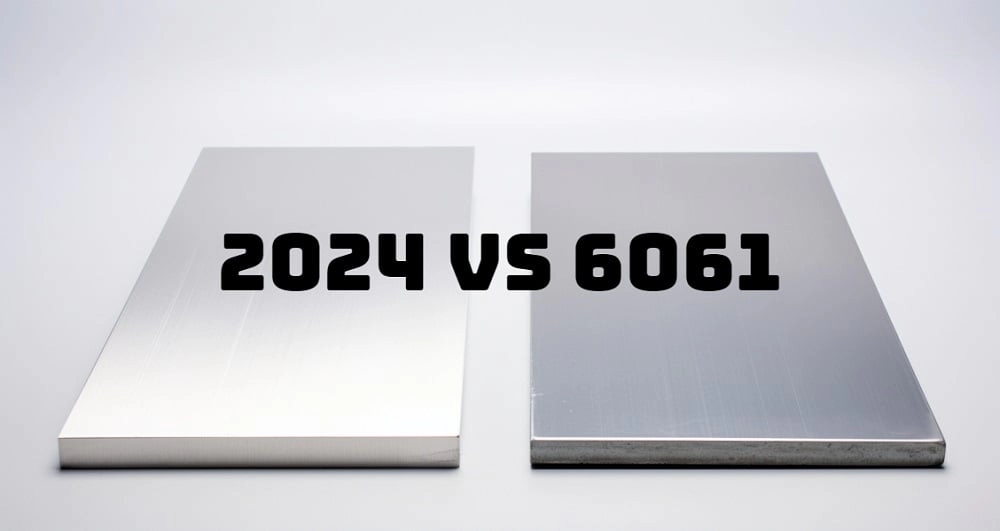
Aldonu streĉiĝforton, pezon, kaj stiffon
Kiam mi elektas aluminioj alioj, mi ĉiam komencas kun tio, kio vere gravas en uzado:
- Ŝarĝoj kaj sekurec-faktoro:
- Molaj/mezanaj ŝarĝoj, ne-structuraj → pli malalta aluminio-streĉtforto (1xxx, 3xxx, malmola 5xxx) kutime estas sufiĉa.
- Strukturaj partoj, altaj ŝarĝoj, movada ekipaĵo → pli alta aluminio-streĉforto (6061-T6, 6082-T6, 7075-T6).
- Pezo-enzetoj:
- Se vi provas malpezigi pezon (aŭto, aviadilo, robotoj), preferu pli alta forto/pezratio alloj kiel 6061 aŭ 7075 super malalta ŝtalo.
- Rigideco (deflekcio):
- La rigideco de aluminio (modulo) ne ŝanĝiĝas multe inter alojoj, eĉ se la ŝtono forto de momento ŝanĝas.
- Se deflekcio estas la problemo, oni kutime solvigas ĝin per ŝanĝado de geometrio (pli dika sekcio, ribsado), ne nur elektante pli grandan mezfortan forton de aluminio.
Korodrezisto kaj veldolileco kontraŭ forto
Vi ne povas simple kuri post la maksimuma aluminio-tensia forto; vi devas restigi la parton viva en la reala mondo:
- Need strong welds?
- 5xxx alojoj (kiel 5083) kaj 6xxx (kiel 6061) estas bonaj ligaj elektoj.
- Multaj alta fortaj aluminio-alojoj (7075, 2026) malmuntas multe de forto proksime de la ligaj areoj kaj estas kutime boltitaj aŭ rivetitaj, ne lamineitaj.
- Malstriktaj medioj (sal-akvo, ekstere, kemiaĵoj):
- Maraj kaj eksteraj strukturoj dependas de 5xxx serio por mikso de bona tenso forto kaj elstara koroda rezisto.
- Se korodo detruos la parton, la “alta aluminio-tenso forto” sur papero ne signifas multe.
Kosto kaj havebleco de aluminioj alojoj
En la merkato, mi ĉiam vidas projektojn maltrafandi pli pro logistiko ol pro teorio:
- Komunaj, atingeblaj elektoj:
- 6061 estas kutime la plej bona “default” por struktura uzo: kontenta tenso forto, vaste stokata, bona maŝinebleco.
- 5052 kaj 3003 folio estas malmultekaj kaj facile balençeblaj por kupeoj, paneloj, kaj ne-kritikaj strukturoj.
- Pli alta forto = pli alta kosto + pli longaj konduktaj tempoj:
- Aleoj kiel 7075 kaj 2026 kostas pli kaj ne estas haveblaj en tiel multaj formoj kaj grandecoj.
- Por CNC aŭ turni laboron, konfirmu materialan haveblecon kun via nego ĝis vi fiksas la aljojon. Tute-serva butiko kun forta testado kaj kvalitaj kapablecoj povas helpi validigi ambaŭ materialon kaj finajn partojn.
Kiel legi aluminiajn materialajn specifojn kajnormojn
Kiam vi rigardas aluminian mekanikajn ecojn en difuzo, fokusu pri:
- Aliaĝo + tempero:
- Ekzemplo: 6061-T6
- “6061” = komposition, “T6” = varmtraktita por alta forto.
- Sama aliaĝo, malsama tempero = tute malsama tenso-taŭgeco de aluminio.
- Ĉefaj valoroj:
- Donaĵa elasta forto (UTS) – la maksimuma streso antaŭ laciĝo.
- Elasta forto – kie permanenta deformiĝo komenciĝas.
- Etendiĝo – kiom “streĉebla” aŭ breaka la alojo estas.
- Normoj:
- En la Usono vi vidos ASTM (kiel ASTM B221 por ekstrudadoj) kaj kelkfoje AMS por aviadila industrio.
- Nerekomence konfirmu ke la provizanto certigas kongrene al la speco kaj tempero kiu vi desegnis ĉirkaŭe.
Kiam testi streĉan ŝtonon anstataŭ fidi la datenoj
Mi fidas datenojn por frua desegnado, sed mi ne fidas ilin blindace en gravaj konstruoj:
- Vi devus provi tensan testadon de aluminio kiam:
- Partoj estas sekurecaj kritiko (levoj iloj, premsistemoj, aviadilo, vetkuro).
- Vi uzas ne-standardajn provizantojn aŭ malmultekostajn importojn kaj bezonas pruvojn ke la tensoaj propraĵoj de aluminio estas realaj.
- Vi jam faris malspezialan varmtraktan, lertecon aŭ formadon tio povus ŝanĝi flekseblecon de mendinda forto aŭ UTS.
- Kiel fari ĝuste:
- Uzu atestitan laboratorion aŭ fabrikiston kun taŭgaj aluminia tensila testado kaj kvalito-sistemoj en loko, simile al tio kion ni uzas en nia propra testado kaj kvalita aranĝado.
- Testu kelkajn specimenojn po varmoto/lot, kaj konservu registrojn ligitajn al via Projekto kaj materialaj atestoj.
Se vi linigas la ŝarĝajn postulojn, medion, kunigmetodojn, kaj la faktojn pri provizo-kado, elekti la ĝustan mungadon forton por aluminio fariĝas multe pli antaŭvidebla — kaj vi evitas pagi por “trofortan” forton kiun vi ne vere bezonas.
Klaraĵoj pri la tensila forto de aluminio
Kio estas la plej forta aluminiuma alojo laŭ tunẽla forto?
Por komercaj gradoj, 7075-T6 aluminia estas unu el la plej fortaj, kun pina tenso forto de proks. 570–600 MPa (83–87 ksi). Iuj specialigitaj spacetemperoj povas atingi eĉ pli altajn valorojn, sed por plej multaj realaj projektoj en la Usono, 7075-T6 estas la takso kiam homoj parolas pri “altfortaj aluminiaj alojoj.”
Ĉu aluminio estas sufiĉe forta por anstataŭigi fero?
Iam jes, iam ne.
Aluminio de tensila forto estas kutime pli malalta ol ŝtalo, sed ĝia forto-al-peza rilatumo povas esti tre konkurenca. Vi ofte elektos aluminio anstataŭ ŝtalo kiam:
- pezŝparoj gravas (veturiloj, aviadilo-industrio, moveblaj aparatoj)
- korodrezisto estas ŝlosilo
- vi povas desegni pli grandajn.segmentojn por kompensi malpli rigidon
Se vi bezonas tre alta rigideco, malgrandaj sekcioj, aŭ ekstremaj ŝarĝoj, ŝtalo ankoraŭ faras pli sen problemo.
Ĉu varmeto-traktado povas plialtigi la tarecenktan forton de aluminio?
Jes. Ŝaltaj erozore-gajnaj aluminioj alojoj (kiel la serioj 2xxx, 6xxx, kaj 7xxx) povas akiri grandan fibron da streĉejo per:
- Solvo-varmetraktado
- Kirigoj
- Aĝado / precipita malstreĉiĝo
Tiel ni prenas oftan gradon kiel 6061 de modera forto en la O-tempero ĝis multe pli alta forto en T6 aŭ T651. Por finaj bezonoj post varmtraktado, ni ankaŭ pritraktas specialajn surfaca traktado-servoj por ekvilibri forton, korozia rezisto, kaj aspekto: profesia surfaca traktado por metalaj partoj.
Kiuj unuoj estas uzataj por mezuri aluminio-tensilan forton?
Plej multaj specifaĵoj por la tirstreĉa forto de aluminio uzo:
- MPa (megapascaloj) – ofta en inĝenieraj datenoj- ŝtatoj? (Wait)
- psi aŭ ksi (pundoj po kvadrata colo / mil psi) – vaste uzata en sensit-shejtoj kaj fabrikaj desegnoj
Ekzemplo: 310 MPa proks. 45 ksi.
Ĉu pura aluminio taŭgas por struktura uzo?
Pure aluminium (1xxx serio) as malsinkronan elastecon (ofte inter 100–125 MPa / 15–18 ksi), do ĝi estas ne ideala por ĉefaj strukturoj partoj. Ĝi estas ĉefe uzata kie:
- Alta elektro aŭ termika kondukteco gravas
- Formebleco kaj korod-rezisto estas pli gravaj ol forto
Por struktura aluminio forto, vi kutime moviĝos al miksaĵoj kaj temperitaj gradoj kiel 6061, 6082, 2026, 5083, aŭ 7075, depende de via ŝarĝo, pezo, kaj medipraj postuloj.
Pingback: Gvidilo pri Tensiomito de Aluminiumo Propraĵoj Diagramoj kaj Alloj - Vastmaterial