

410 SS Materiala Superrigardo
Kio estas 410 Rusta Ŝtofo (AISI 410 / UNS S41000)?
Kiam vi vidas 410 SS materialo or SS 410, vi rigardas malmolan, rekt-kromian martensitaj rustaj ŝtalo. Ĝi estas nomata kiel AISI 410 / UNS S41000 kaj ankaŭ konata tutmonde kiel stainless steel 1.4006. Ĉi tiu grado estas desegnita por liveri fortan ekvilibron de malmoleco, forto, kaj modera koroda rezisto je tre konkurenciva kosto.
Martensita Rusta Ŝtala Trajto
410 rusta ŝtalo estas martensita rusta grado, kiu signifas:
- Ĝi estas varmetregebla (povas esti malmola kaj temperita).
- Ĝi estas magnetaj en plej multaj kondiĉoj.
- Ĝi ofertas pli altan forton kaj reziston al uzado ol multaj austenitaj gradoj kiel 304.
- Ĝi havas pli malaltan koroda reziston ol 304/316 sed pli bonan ol simpla karbonŝtalo.
Pro ĉi tio martensitika strukturo, 410 SS materialo estas ideala kiam vi bezonas malmoleco, rando-tenado, kaj mekanika forto, ne nur koroda rezisto.
Ĉefaj Avantaĝoj de 410 SS Materialo
Se vi decidas inter SS 410 materialo kaj aliaj rustorezistaj gradoj, jen la realaj avantaĝoj kiujn vi ricevas:
- Varme-traktita al larĝa gamo de malmolecaj niveloj
- Bona eluziĝo kaj abrasia rezisto por moviĝantaj kaj kontaktaĵoj
- Adekvata koroda rezisto en mildaj atmosferoj, freŝa akvo, kaj vaporo
- Magnetaj – utila por detekto, manipulado, aŭ dezajnpostuloj
- Oftaj pli malalta kosto ol alt-alloga rusta ŝtalo, kun pli bona rendimento ol karbonŝtalo en malsekaj kondiĉoj
Por multaj aĉetantoj, 410 SS propraĵo estas la “dolĉa punkto” inter forto, malmoleco, kaj prezo.
Tipaj Industrioj kaj Uzantoj de 410 SS
Vi vidos 410 rusta ŝtofo ofte uzata en usonaj industriaj, OEM, kaj prizorgaj aplikoj kie forton kaj malmolecon afero:
- Valvoj, pumpiloj, kaj akcesoraĵoj – stangoj, sidiloj, ornamoj, fiksiloj
- Tranĉiloj kaj kuirejiloj – klingoj, tranĉiloj, iloj bezonantaj malmolan randon
- Olivo, gaso, kaj energio – pumpaj ŝaftoj, turbinpartoj, subaŭtaj iloj
- Elektrigado – vaporflankaj komponantoj, turbinaj klingoj, hardvaro
- Ĝenerala inĝenierado – aksoloj, ŝtopiloj, uzaj partoj, rapidiloj, iloj
Se vi laboras kun 410 SS materialo, SS 410, aŭ eĉ komparas ĝin kun 420 SS materialo kaj 420 SS ŝtofo, vi kutime celas pli altan malmolecon kaj uzrezistadon kun akceptebla koroda rendimento kaj klara kosta avantaĝo.
410 SS Kemia Konsistado
Elemento-Konstituado de 410 Rusta Ŝtalo (AISI 410 / UNS S41000)
410 SS-materialo estas rektlinia-kromia martensita-rusta ŝtalo. Ĝia kutima kemia konsistado estas:
- Karbono (C): 0.08–0.15%
- Kromio (Cr): 11.5–13.5%
- Mangano (Mn): ≤ 1.0%
- Silicio (Si): ≤ 1.0%
- Fosforo (P): ≤ 0.040%
- sulfur (S): ≤ 0.030%
- Ferro (Fe): Restas
Ĉi tiu ekvilibra kunmetaĵo estas kialo, ke 410 rustorezista ŝtofo estas ofta grado kiam vi bezonas mikson de malmoleco, rezisto al uzado, kaj baza koroda rezisto je racia kosto.
Se vi komparas plurajn rustorezistajn gradojn por projekto, estas utila rigardi pli larĝe rustorezista ŝtala produkto-serio kiel nia rustorezista ŝtofa kolekto por ke la kemio kaj agado diferencoj estu klare videblaj je unua rigardo.
Kromio kaj Karbona Rango en 410 SS
In SS 410 materialo, kromio kaj karbono estas la veraj ŝoforoj de agado:
- Kromio (11.5–13.5%)
- Formas pasivan filmon por korozia rezisto
- Stabiligas martensitan strukturon post malmuntado
- Karbono (0.08–0.15%)
- Rekte plifortigas malmolecon kaj forton kiam varmtraktita
- Pli alta karbono faras 410 SS pli malmulte malmuntita ol ferritajn gradon, sed iomete malpli korozio-rezistanta ol malalta-karbona rusto
Por usonaj fabrikantoj, tio faras 410 SS forta taŭgo kiam vi bezonas partojn kiuj povas esti varm-traktita malmola sed ankoraŭ traktu akvon, vaporon, kaj mildajn mediojn.
Efiko de Konstruo sur Malmoleco kaj Koroda Rezisto
Pro ĝia kromio + karbono ekvilibro, 410 rusta ŝtofo agadas tiel:
- Malmoleco & Forto
- Altkreska karbono = pli alta atingebla Rockwell-malstreco post malvarmigo kaj temperado
- La martensita strukturo donas fortan abrazoreziston por aksoloj, fiksiloj kaj mekanikaj partoj
- Koroda Rezisto
- Chromia enhavo donas pli bonan korozoreziston ol simplaj karbonaj ŝtofoj
- Sed kun ĝia karbona nivelo, 410 SS havas pli malaltan koroda reziston pli ol 304 SS aŭ aliaj austenitaj rustorezistaj gradoj, precipe en kloridoj kaj agresemaj kemiaĵoj
Mallonge: pli da karbono = pli da malstreco, iom malpli da korozorezisto, do vi elektas 410 SS kiam mekanika rendimento gravas pli ol pintnivela korozorezisto.
410 SS kontraŭ 420 SS Kemiaj Diferencoj
Ambaŭ 410 SS materialo kaj 420 SS materialo estas martensitaj rustaj gradoj, sed 420 pliiĝas la karbonon:
- 410 SS (AISI 410 / UNS S41000 / 1.4006)
- C: ~0.08–0.15%
- Cr: ~11.5–13.5%
- 420 SS (AISI 420)
- C: ~0.15–0.40% (depende de subgrado)
- Cr: ~12–14%
Kio tio signifas en praktiko:
- 420 SS ŝtofo povas atingi pli altan malmolecon (ideala por tranĉiloj, tranĉililoj, kirurgiaj iloj)
- SS 410 ofertas pli facila maŝinado, pli bona tordeco, kaj kutime malpli kosto
- Koroda rendimento inter 410 kaj 420 estas simila en multaj mildaj medioj, sed 420-pli alta karbono povas fari ĝin iomete pli sentema al pitting se ne varmotraktita kaj finita ĝuste
Por Usono-uzantoj decidantaj inter ss 410 materialo kaj 420 SS ŝtofo, la ĝenerala regulo estas:
- Elektu 410 SS kiam vi volas ekvilibran malmolecon, bonan tordecon, kaj maŝinadon
- Elektu 420 SS kiam vi bezonas maksimuma randa malmoleco aŭ eluziĝorezisto, kaj vi estas kontenta pri pli zorgema varmotraktado kaj finiĝo.
410 SS Mekanaj Ecoj

410 SS en Annealita Kondiĉo
En la annealita kondiĉo, 410 rustoŝtalo (410 SS materialo / SS 410) estas pli mola kaj pli facila por maŝini aŭ formi. Tipaj ecoj (ĉambrotemperaturo, referencaj valoroj):
- Tensila forto: ~480–620 MPa (70–90 ksi)
- Elasta forto (0.2%): ~275–415 MPa (40–60 ksi)
- Etendiĝo: ~20–25%
- Moleco: ĉirkaŭ Rockwell B 88–96 (proksime de HRc 15–22 ekvivalento)
Ĉi tiu kondiĉo funkcias bone kiam vi unue bezonas bonan maŝineblecon, tiam planas varmtrakti 410 SS post maŝinado por fina malmoleco.
Malmola kaj temperita 410 SS-Eigajxoj
Post varmigo kaj temperado, AISI 410 rusta ŝtalo ŝanĝiĝas en alta forto, ŝtofo‑rezista stato:
- Tensila forto: ~860–1,380 MPa (125–200 ksi), depende de temperado temperaturo
- Forta rezisto: ~655–1,100 MPa (95–160 ksi)
- Etendiĝo: ~10–18% (falas kiam la malmoleco pliiĝas)
- Impaktrezisteco: mezum; vi komercas rezistecon por malmoleco ĉe pli altaj temperoj
Por desegnistoj kaj aĉetantoj uzantaj al aloja ŝtofoj, 410 iom similas al rustorezista 4140: forta, malmola, kaj varmotraktebla, sed ne tiel rezistema kiel austenitaj gradoj.
410 SS Malmoleco-Rango & Rockwell-Valoroj
410 rustorezista ŝtofo malmoleco estas unu el ĝiaj plej gravaj vendopunktoj:
- Annealita 410 SS malmoleco: ≈ HRB 88–96
- Ŝirmita kaj temperita 410 SS malmoleco: kutime HRC 28–45
- Kun optimum varmotraktado, HRC 48–52 estas atingebla por iuj sekcioj
Tio fleksebleco permesas al vi specifii SS 410 materialo de relative malmola (por formi) al tre malmola (por uzaj partoj) nur ĝustigante la varmtraktadon.
Forto, Tugeco & Elasteco de Uzo
Por Usono-uzantoj en oleo & gaso, pumpiloj, valvoj, kaj ĝenerala maŝinado, 410 rustoŝtalo estas praktika ekvilibro de forto, malmoleco, kaj kosto:
- Forto: Alta forto en la malvarmigita kaj temperita stato faras 410 SS solidan elekton por ŝaftoj, fiksiloj, kaj altŝarĝaj komponantoj.
- Tugeco: Tuge sufiĉe por multaj strukturaj kaj rotaciumaj partoj, sed ne tiel impact-ŝtala kiel 304; evitu severan impaktan aŭ profundan kriogenan servon ĉe tre alta malmoleco.
- Elasteco de uzado:
- Pli bone eluziĝ-resisto ol 304 aŭ 316 ĉe simila duro
- Ideala por seĝoj, ŝtopiloj, valvtrimo, tranĉiloj, kaj pumpiloj kiuj vidas glitadon aŭ abrazian kontakton
Se vi pezas aloj-ŝtofoj kontraŭ rustorezistaj ŝtofoj por forto kaj eluziĝo, 410 SS estas forta opcio kiam vi bezonas ambaŭ maŝinan rendimenton kaj bazan korodon reziston, kiel diskutite en ĉi tiu superrigardo de alojaj ŝtalo kontraŭ rusta ŝtalo konduto en servo.
410 SS Fizikaj Ecoj
410 SS materialo (AISI 410 / UNS S41000) havas solidan ekvilibron de forto, stabileco, kaj termika rendimento, tial multaj U.S. OEM-oj kaj maŝinbutikoj fidas je ĝi por fidindaj, ripeteblaj rezultoj.
Denseco kaj Fandopunkto de 410 SS
- Denso: ĉirkaŭ 7.7–7.8 g/cm³ (0.278–0.282 lb/in³)
- Fandotemperaturo: proksimume 1450–1510°C (2640–2750°F)
Tio donas al 410 neoksidebla ŝtofo similan pezon al karbonŝtofo, farante ĝin facile por konsideri en ekzistantaj dezajnoj kaj konvertoj.
Termika kondukteco kaj specifa varmo
410 neoksidebla ŝtofo ne transdonas varmegon tiel rapide kiel karbonŝtofo, sed ĝi estas pli bona ol plej multaj austenitaj gradoj:
- Termika kondukteco: ĉirkaŭ 24–28 W/m·K ĉe ĉambra temperaturo
- Specifa varmo: ĉirkaŭ 460–500 J/kg·K
Tiu ekvilibro faras 410 SS materialon taŭga por partoj kiuj vidas varmec-cikladojn sed ankoraŭ bezonas stabilajn dimensiojn kaj bonan abrazia reziston.
Modulo de Elasticidad kaj Rigideco
- Elastic modulo (E): ĉirkaŭ 200 GPa (29 x 10⁶ psi)
- Ŝovmodulo (G): proksimume 77 GPa (11 x 10⁶ psi)
En simplaj vortoj, ss 410 materiala propraĵo estas tre rigida kaj rezistas al deflankiĝo sub ŝarĝo, tial ĝi estas ofte uzata por ŝaftoj, pingloj kaj strukturaj komponantoj, kiuj ne povas permesi fleksiĝon.
Termika Ekspansio ĉe Altigita Temperaturo
La koeficiento de termika dilatiĝo por 410 SS estas modera:
- Ĉirkaŭ 10–11 µm/m·°C inter 20–100°C (68–212°F)
- Ekspansio iom post iom pliiĝas dum temperaturo altiĝas
Ĉi tiu antaŭvidebla ekspansio estas grava kiam vi projektas partojn kun mallarĝaj toleremoj aŭ pariĝas 410 SS kun aliaj alojoj. Por pli alt-temperaturaj, pli specialigitaj alojoj, mi ankaŭ provizas inĝenieritajn alta-temperatura alojsolvaĵoj kaj kutimajn partojn, inkluzive de nikel- kaj kobalto-bazitaj alojoj por ekstreme servado, simila al tio, kion vi vidus en dediĉita alta-temperatura alojaĵoj.
410 SS varmotraktado
Anneado 410 rustorezista ŝtofo (SS 410 materialo)
Por 410 SS materialo, anneado estas kiel ni restarigas la strukturon kaj plibonigas maŝineblecon:
- Tipa anneada intervalo: ~1,500–1,650°F (815–900°C)
- Malvarmigo: Regulita forno malvarmigi aŭ aero malvarmigi (malrapida malvarmigo reduktas malmolecon)
- Celo: Mildigi la martensitan rusten ŝtalon, malstreĉi streĉon, kaj prepari por maŝinado aŭ plua varmotraktado
Taŭga anneal donas al SS 410 materialon pli bonan taŭgecon kaj pli facilan tranĉadon dum konservado de akceptebla forto.
Malmoliĝo kaj malvarmigo 410 SS
410 rusta ŝtalo estas varmotraktata rusten ŝtalon, tiel ke ni povas puŝi malmolecon kaj forton multe pli alte:
- Austenitigi: ~1,800–1,950°F (980–1,065°C), enŝoviĝu laŭ sekcio dikeco
- Malvarmigi: Olio aŭ aero malvarmigi (olio por maksimuma malmoleco, aero por reduktita deformiĝo)
- Kondiĉo: Post malvarmigo, 410 SS estas tre malmola sed ankaŭ fragila kaj devas esti temperita
Por verŝitaj komponantoj, ni kutime kombinas malmoliĝon kun kontrolita malvarmigo simila al la rustorezista ŝtofa fandadproceso por ekvilibrigi malmolecon kaj krakfendecan reziston.
Temperaturoj de temperiĝo kaj malmoleco de 410 rusta ŝtofo
Temperado permesas al ni agordi la finan 410 neoksidebla ŝtalo malmoleco kaj forteco:
- Malalta tempero (~300–600°F / 150–315°C):
- Pli alta Rockwell C malmoleco (HRC)
- Pli malalta forteco, pli fragila
- Meza tempero (~600–900°F / 315–480°C):
- Ekvilibra malmoleco kaj forteco
- Komuna por 410 SS materialo en aksoloj, fiksiloj, kaj uzaj partoj
- Alta temperaturo (~900–1,150°F / 480–620°C):
- Pli malmola, pli fortika
- Pli bona por partoj submetitaj al impeto
En praktiko, malmola kaj temperita SS 410 povas atingi ĉirkaŭ HRC 35–45, depende de precizaj temperaturoj kaj tempoj de tenado.
Kiel varmtraktado ŝanĝas forton kaj fortikecon
Varma traktado estas tio, kio faras 410 SS elstari kontraŭ austenitaj gradoj:
- Annealita SS 410 materialo:
- Pli malalta forto, pli alta ductileco
- Pli facila maŝinado kaj formado
- Hardenita kaj temperita 410 SS:
- Mult pli alta streĉiĝo kaj elasta forto
- Fortega abrazia rezisto kun kontrolata taŭgeco
- Super-temperado aŭ malĝusta ciklo:
- Povas malaltigi malmolecon sub specifo
- Povas redukti laciĝon de vivo kaj reziston al uzado
Se vi planas investan fandadon de 410 rustorezaj partoj, kombini ĝustan varmotraktadon kun kvalito stainless-investada fandado-proceso helpos fiksigi ripeteblan forton kaj malmolecon tra produktadserioj:
rustoreza investa fandadproceso, avantaĝoj, gradoj kaj kostoj.
410 SS Rusto-Rezisto
Rusto-rezisto en mildaj atmosferoj kaj freŝa akvo
410 SS materialo ofertas fidindan rustorezistan reziston en malvarmaj internejoj, kamparaj atmosferoj, kaj freŝa akvo kiam la surfaco estas ĝuste finiĝinta kaj prizorgata. En plej multaj usonaj industriaj kaj komercaj medioj—kiel pumpaj aksoloj, valvoj, kaj malpezaj mekanikaj partoj—410 rusta ŝtalo bone rezistas rustan tiel longe kiel ĝi ne estas konstante eksponita al kloridoj aŭ staranta akvo. Glata, muelita aŭ polurita surfaco tre malpliigas la riskon de pitting kaj makulado.
Prezentado en vaporo kaj milda korodanta medioj
410 rusta ŝtalo bone funkcias en varma akvo kaj vaporo, tial ĝi estas vaste uzata en vaporaj turbinaj partoj, valvaj komponantoj, kaj energiprodukta ekipaĵo. En mild-korozivaj medioj—kiel malfortaj organikaj acidoj, iuj detergaj solvaĵoj, kaj malpeze kontaminita proceza akvo—410 SS povas provizi bonan ekvilibron de korozorezisto kaj malmoleco, precipe kiam ĝuste varmtraktita kaj konservita pura.
Limigoj en maraj kaj agresemaj kemiaj medioj
410 SS estas ne mara-klasa rusta ŝtofo.. En marborda aero, salsprajo, aŭ rekta kontakto kun marakvo, ĝi rustos kaj formiĝos pli rapide ol austenitaj klasoj kiel 304 aŭ 316. Ĝi ankaŭ havas malfacilaĵojn en klorida-riĉa, acida, aŭ forta kemia medioj, kie streĉa koroda krakado kaj rapida atako povas okazi. Por severaj ekstermaraj aŭ maraj inĝenieraj aplikoj, vi kutime estas pli bone kun pli koroda rezistemaj alojoj kaj taŭgaj surfaca traktado-servoj kiel kovrado aŭ platingo por plilongigi servaĵon (vidu nian specialan surfaca traktado kapabloj).
Surfaca finiĝo kaj varmtraktado influas korodreziston
Ambaŭ surfaca finiĝo kaj varmetraktado havas grandan influon sur 410 rustorezista korodrezisto:
- Pli glata finiĝo (muelita, polurita) → pli malmultaj kavaĵoj, pli bona rusta rezisto
- Rugaj, skalaĵaj aŭ varm-tintitaj surfacoj → pli alta risko de truado kaj makulado
- Taŭga temperado post malmoliĝo → pli stabila pasiva filmo, pli bona servo-performanco
- Super-temperado aŭ malbona varmotraktado → reduktita koroda rezisto kaj frua fiasko
Se vi bezonas ambaŭ elasteco de uzado kaj racia koroda rezisto, ni kutime rekomendas kontrolitan malmoliĝon kaj temperadon kunmetitan kun pura, finiĝinta surfaco por akiri la plej bonan el 410 SS.
410 SS Luktado kaj Fabrikado
Varmadebleco de 410 Rusta Ŝtalo (410 SS Materialo)
410 rusta ŝtalo (SS 410) estas varmado, sed ĝi ne estas tiel pardona kiel 304. Ĝi estas malmola martensitika rusta ŝtalo, do vi bezonas kontroli varmoinputon kaj malvarmigon por eviti krakadon.
- Uzu mal-hipokian varmado-procesojn kaj plumbilojn kongruajn kun 410 aŭ 309/310 por malsamaj kunmetitaj ligoj.
- Evitu altan varmoinputon kaj multajn pezajn paŝojn sen kontrolo.
- Por precizaj varmadoj sur 410 rusta ŝtala folio kaj plato, ni ofte kombinas ĝin kun proksima procezkontrolo kaj fiksaĵoj simila al tio, kion ni uzas en alta precizeco lazere tranĉita metalfolio laboro.
Antaŭvarmigi kaj Post-Weld Hejtado por SS 410
Por SS 410 materialo, antaŭvarmigo kaj PWHT (post-varmiga hejtado) estas kritikaj se vi volas fidindajn ligojn kaj kontrolitan malmolecon:
- Antaŭvarmigo:
- Tipa intervalo: 400–600°F (200–315°C)
- Egale teni por redukti termikan ŝokon kaj hidrogenan krakadon.
- Interpaso temperaturo:
- Konservu en simila intervalo kiel antaŭvarmigo. Ne malvarmigu la parton al ĉambra temperaturo inter paŝoj.
- Post-lavada varmtraktado:
- Temperi aŭ subkritika streĉa malstreĉiĝo post veldado por redukti malmolecon kaj restarigi fortikecon.
- Tipa tempera gamo: 1100–1350°F (595–730°C) depende de postulata malmoleco kaj forto.
Por tre streĉitaj 410 rustaj stangoj, aksoloj aŭ flanĝoj, ni kutime rekomendas al klientoj kombini kontrolitan veldadon kun plena malvarmigo- kaj temperi cikloj kie dezajno kaj normo permesas.
Maŝinebleco kaj Tranĉado de 410 Rusta
410 SS-materialaj maŝinoj pli bonaj ol plej multaj austenitaj rustorezistaj ŝtofoj, precipe en la malmola kaj temperita stato, sed ĝi ankoraŭ povas labori-malmoliĝi se misuzata.
Ĉefaj punktoj por maŝinado kaj tranĉado:
- Uzu pintaj karbidaj iloj kun rigidaj aranĝoj.
- Moderaj tranĉrapidecoj, pli alta feedo, kaj generousa malvarmigaĵo tenas varmeco kaj labor-malmoliĝon sub kontrolo.
- En annealita SS 410-materialo, vi havos pli facilan boradon kaj turnadon, sed pli da randoformado.
- Por profila tranĉado de 410 rustorezista folio kaj plato, laser aŭ plasma tranĉado estas efika; nur planu por unu varm-efektita zono (HAZ) kiu eble postulas mueladon aŭ varmotraktadon.
Gvidlinioj por varmoperado kaj malvarma formado por 410 SS
Ĉar 410 rusta ŝtofo estas martensitika, ĝi ne fleksas kiel 304. Vi devas planadi vian formadan procezon ĉirkaŭ ĝia pli alta forto kaj pli malalta ductileco:
Varmoperado de 410 rusta ŝtofo:
- Varmigu al ĉirkaŭ 1750–2150°F (950–1175°C) por forĝado aŭ peza formado.
- Ne laboru ĝin sub ĉirkaŭ 1500°F (815°C) por eviti krakadon.
- Ĉiam sekvu per malvarmigo kaj temperado se vi bezonas konsekvencajn mekanikajn trajtojn.
Malvarma formo SS 410:
- Limigi al simplaj bukloj kaj malpeza formo, precipe sur pli dika 410 rusta plato.
- Uzu pli grandajn bukolumojn kaj pli malrapajn formajn rapidecojn.
- Se vi faras pezan malvarman laboron sur 410 SS-materialo, planu por sekvaĵo malvarmigi por restarigi flekseblecon kaj redukti restantan streĉon.
Se vi konstruas alt-stresajn partojn kiel kutimajn flangojn en 410 aŭ similaj alojoj de ŝtofoj, ni povas subteni vin per fanditaj kaj maŝinitaj flangaj solvoj simila al niaj kutimaj alojoj de ŝtofoj ofertantaj, adaptitaj al viaj ŝarĝoj kaj veldaj postuloj.
410 SS Materialaj Aplikoj
Valvoj, pumpiloj kaj fiksiloj
410 SS-materialo estas ĉefa elekto en Usono por valvoj, pumpilkomponentoj kaj fiksiloj kiuj vidas uzadon, premion kaj modere korodon. Ni uzas 410 rustorezistan ŝtalon (AISI 410 / UNS S41000) kie partoj bezonas:
- Bona forton kaj malmolecon post varmotraktado
- Fidinda galladon kaj uzadreziston
- Respekte korrodorezisto en akvo, oleo, vaporo kaj mildaj kemiaĵoj
Vi vidos 410 rustorezista stangmaterialo kaj forĝitaj partoj uzata en valvseatoj, stangoj, pumpaj aksoloj, impeliloj, ŝraŭboj kaj studoj en industriaj, akvopuraj kaj ĝeneralaj fabrikadaj aranĝoj. Por pli kompleksaj verŝitaj aŭ maŝinitaj partoj en postulemaj servoj, multaj usonaj klientoj kombinas 410 SS kun specializitaj procezoj similaj al tiuj uzataj en precizeco alojo verŝoj por industriaj komponantoj trovitaj en sektoroj kiel potenco kaj peza industrio, kiel priskribite en ĉi tiu teknika gvidilo al alojoj kaj procezoj.
410 SS por tranĉiloj kaj kuirejiloj
410 rusta ŝtalo estas vaste uzata por tranĉiloj, kuirejiloj, kaj utilaj klingoj kie:
- Randa tenado estas grava, sed ne ekstreme
- Facileco de muelado, polurado, kaj stampado aferoj
- Bazaj manĝaŭta koroda rezisto estas sufiĉe
Vi kutime trovos SS 410 materialo en tablolamoj, kuirejiloj, tranĉiloj, kaj komercaj kuirejaj iloj kie balanco de malmoleco, daŭreco, kaj kosto batadas pli alt-kromajn, pli multekostajn gradon.
Petroleo kaj Elektraj Generiloj
En Usono, petrolo, rafinado, kaj elektromerkatoj, 410 SS materialo montriĝas en:
- Turbinoj kaj vaporsideaj komponantoj
- Pompaj aksoloj, uzringo kaj ŝildoj
- Malĉefaj iloj, mandreloj, kaj kompletaj partoj en olio & gaso
Se ĝuste varmtraktitaj, ss 410 materialo manoj alta-streso, mez-temperaturo, kaj milda korodado servo tre bone. Por pli severaj energio-sektoro-ĉirkaŭaĵoj kiel nuklea rilataj aplikoj, klientoj kutime pligrandigas al korod- kaj varm-optimigitaj alojoj similaj al tiuj priskribitaj en ĉi tiu superrigardo de materialoj por nuklea potenco kaj energiosistemoj: nuklea potencoindustrio-materialoj kaj komponantoj.
Aksoj, Ŝaftoj, kaj Alta-Stresaj Partoj
410 SS estas tre respektata por ŝaftoj, bushings, kaj aliaj mekanikaj partoj kun alta streĉo ĉar ĝi povas esti:
- Malvarmigita kaj temperita al larĝa malmoleco-intervalo
- Maŝinita al mallarĝaj toleradoj kaj tiam varmtraktita por fina trajtoj
- Finita kun muelitaj aŭ poluritaj surfacoj por uzokontrolo
Tipaj 410 rustorezistaj aplikoj inkluzivas:
- Motoro kaj pumpaj ŝaftoj
- Bushings, manĝilaroj, kaj uzaj ringoj
- Tirgaj partoj, pinioj, kaj altfortaj rapidiloj
Se vi elektas inter 410 SS-materialo, 420 SS-materialo, aŭ austenitajn gradon kiel 304, 410 kutime estas la plej bona elekto kiam vi volas forta, malmola, magneta rusta ŝtofo kun pli bona prezo-al-efikeco por mekanika servo, kaj vi ne estas en tre agresema aŭ plene mara medio.
410 SS kontraŭ aliaj rustaŭtstaleĝoj
410 kontraŭ 420 rustaŭtstaleĝo: duro kaj karbido
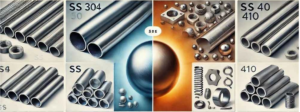
Kiam vi komparas 410 SS materialo to 420 SS materialo, la granda diferenco estas karbido kaj duro:
- 410 SS (AISI 410 / UNS S41000)
- Karbido: ĉirkaŭ 0.08–0.15%
- Tipa duro (malvarmigita & temperita): HRC 35–45
- Pli bona ekvilibro de forto + tuko + maŝinebleco
- 420 SS ŝtofo
- Karbido: ĉirkaŭ 0.2–0.4% (pli ol 410)
- Tipa malmoleco (malmola): povas atingi HRC 50+
- Pli alta malmoleco kaj eluziĝorezisto, sed malpli tuko kaj pli frakturebla se malĝuste traktata
Uzu 410 SS kiam vi bezonas mezuma malmoleco, bona fleksebleco, kaj pli facila maŝinado. Moviĝi al 420 SS kiam plej granda rando reteno aŭ abrazia rezisto gravas pli ol fleksebleco (ekzemple, altkvalita tranĉilo, kirurgiaj iloj, aŭ tre frakturemaj partoj).
410 kontraŭ 304 Rustaĵo: Korodo kaj Kosto
410 Rustaĵo kontraŭ 304 rustoŝtalo estas kompromiso inter koroda rezisto kaj forto:
- 410 SS (martensita)
- Pli bona forton kaj malmolecon kiam varmtraktita
- Pli malalta koroda rezisto ol 304, precipe en klorido aŭ acida medioj
- Kutime pli malalta kosto per lb ol 304 en multaj baraj kaj forĝaj produktoj
- Bona elekto kie partoj estas ŝarĝitaj, rotaciantaj, aŭ elu‑prizora
- 304 rusta (austenitika)
- Bonega ĝenerala koroda rezisto, precipe en manĝaĵo, kemiaĵa, kaj maraj medioj
- Ne-magneta en annealita stato
- Mildigita ol hardened 410; ne varmotraktita por alta malmoleco
- Kutime la defaŭlto por manĝa ekipaĵo, tankoj, kaj ĝenerala fabrikado
Se via parto estas bazcelo “struktura” aŭ “prema tenanta” parto en malseka aŭ kemia medio, 304 estas pli sekura. Se ĝi estas la ŝafto, ŝtopilo, fiksilo, aŭ eluza parto kie forto kaj malmoleco gravas pli ol maksimuma koroda rezisto, 410 SS materialo estas la pli bona elekto.
Kiam Elekti 410 SS Anstataŭ Austenitic Grades
Mi rekomendas ss 410 materialo super austenitic grades kiel 304 aŭ 316 kiam:
- Vi bezonas varmotraktita rusta ŝtalo kun pli alta forton kaj malmolecon
- La medio estas milda (freŝa akvo, malpeza industrio, vaporo) prefere ol tre korodanta aŭ marĉa
- Partoj vidas efiko, torsio, aŭ glitanta kontakto (ŝaftoj, pumpaj partoj, bushingoj, uzaj ringoj, valvaj komponantoj)
- Vi volas a magneta rustala por sensiloj, alineo, aŭ manipuladojaro
En multaj usonaj butikoj, mi vidas 410 uzata por precizaj ŝaftoj kaj mez-dungaj hardvaroj kie karbonŝtalo tro rapide korodus kaj 304 tro rapide eluzus. Por pli malfortaj hardvaroj, unu malkarbonŝtala ŝtala ŝraŭbo-solvo kun maŝinada servo ankoraŭ povas esti kostefika en ne-korozivaj medioj, kaj valoras kompari kune kun 410 SS: kutimaj malaltkarbonaj ŝtalaj ŝraŭboj kaj maŝinado.
Kompareblaj: Forto, Korozio, kaj Prezo
Elekti inter 410 SS, 420 SS, kaj 304 SS kutime venas al kvar demandoj:
- Forto & malmoleco
- 410 kaj 420 (martensitika) venas super 304 post varmotraktado.
- 420 > 410 por maksimuma malmoleco; 410 SS estas la pli ekvilibrigita opcio.
- Koroda rezisto
- 304 > 410 > 420 en plej ĝeneralaj kaj kloridaj medioj.
- Se korodo estas kritika, austenitika (304/316) estas pli sekura.
- Fortikeco & fidindeco
- 410 SS havas pli bonan fortikeco ol 420 ĉe simila malmoleco.
- 304 estas tre fortika sed ne povas esti plifortigita kiel 410.
- Prezo & tuta kosto
- 410 ofte ofertas la plej bona valoro kiam vi bezonas ambaŭ malmoleco kaj baza koroda rezisto.
- 304 eble kostas pli multe po funto sed povas ŝpari monon en prizorgado kaj anstataŭigo en korodantaj medioj.
Se vi volas simplan regulo:
- Elektu 410 SS materialo kiam vi bezonas malmola, magneta, malmolaŭta rusta in mezuraj medioj.
- Elektu 304 kiam vi bezonas pli bona koroda rezisto kaj povas vivi kun pli malalta malmoleco.
- Elektu 420 kiam malmoleco kaj eluziĝo batali ĉion alian kaj vi povas administri la pli malmolan fortikecon.
410 SS Produkta Formoj kaj Normoj
Komunaj 410 SS Materialaj Formoj
Por plej multaj Usono OEM-oj kaj maŝinaj butikumadoj, ni stokeas 410 SS materialon en la kernaj formoj kiuj efektive moviĝas:
- 410 rusta stangaro – rondoj, hex, kaj flats por ŝaftoj, rapidiloj, kaj maŝinitaj partoj
- 410 rustelŝtala folio kaj plato – laser, plasma, kaj akvjet-preta, ideala por eluetaj partoj kaj struktura panelo
- 410 rustelŝtala bobeno – por stampoj, ŝtofoj, kaj formitaj partoj
- 410 rustelŝtala forĝadoj – kutimaj flangoj, ringoj, kaj proksimume-neta formoj por alt-stresaj komponantoj
Se vi bezonas miksi rustelŝtalan kun ne-fereaj opcioj en sama konstruo, ni ankaŭ provizas precizecon aluminiuma alojo stokado kaj titaniuma alojo materialoj por malpeza aŭ alta forto kunulaĵoj.
ASTM kaj UNS Normoj por 410 Rusta Ŝtalo
Ni konservas nian 410 SS materialon kongrua kun la ĉefaj U.S. kaj tutmondaj specifoj de aĉetantoj:
- ASTM A240 410 – plato, folio, kaj strio
- ASTM A276 410 – rustorezista ŝtala stango kaj formoj
- UNS S41000 / 1.4006 – internacia grado-indico por Tipo 410 rustorezista ŝtalo
MTR-oj (fabrikkontrolraportoj) estas ligitaj al varmnumeroj, do vi povas spuri kemion kaj mekanikojn por ĉiu parto de AISI 410 rusta ŝtalo kiu vi alportas.
Toleremo, Grandecoj, kaj Provizaj Opcioj
Tipa ss 410 materialo toleremoj sekvas ASTM kaj normajn fabrikajn praktikojn:
- Stango – malvarma finita por pli bona taŭgeco kaj rekteco; varma rolado por pli peza diametroj
- Folio/plateto – normaj dikecoj kaj plataj toleroj, kun opcioj por tranĉi al grandeco
- Rulaĵo – tranĉaj larĝoj kaj kutimaj dikecaj gamoj por stampado kaj rulformado
Ni povas subteni malgrandajn taskoprovizajn ordonojn, kontraktajn produktadseriojn, kaj daŭrajn blanketajn liberigojn, depende de kiel vi planas kaj stoki vian 410 SS-materialon.
Millaj Finioj kaj Surfaj Kondiĉoj
Surfokondiĉo havas grandan influon sur koroda agado kaj finado:
- Varme ruliĝinta, fermentita – ekonomia por struktura kaj maŝinaĵoj
- Malvarme ruliĝinta, 2B-fino – glata, konstanta surfaco por ĝenerala fabrikado
- Trempita/ŝirita stango – precize toleranca stango por preciza maŝinado
- Poluritaj finajĵoj – por ekspozici komponentojn, manĝaĵon kontaktantajn ilojn, kaj pli altajn kosmetikajn postulojn
Diru al ni antaŭe se vi serĉas kosmetikan finon, maŝinadan rendimenton, aŭ surfacon pretan por veldi, kaj ni kongruos la ss 410 materiala propraĵo kaj finiĝon kun via procezo.
Elekti 410 SS Materialon por Via Projekto
Se vi decidas ĉu 410 rusto-neferrujo (410 SS materialo / SS 410) estas ĝusta paŝo, vi bezonas kongrui la gradon kun la realaj kondiĉoj de via parto — ne nur la specifan paĝon.
Kiel Decidi ĉu 410 Rusto-Neferujo Taŭgas Por Via Apliko
410 SS-materialo estas forta elekto kiam vi bezonas:
- Moderan koroda reziston (freŝa akvo, mildaj atmosferoj, malpezaj kemiaĵoj)
- Alta malmoleco kaj rezisto al uzado post varmotraktado
- Bona forto ĉe ĉambra kaj modere altaj temperaturoj
- Kostefika rustorezista opcio kompare kun pli altaj alojoj aŭ austenitaj gradoj
Ĝi estas kutime saĝa elekto por valvoj, pumpiloj, ŝaftoj, fiksiloj kaj uzaj partoj kie forto kaj malmoleco gravas pli ol pintnivela koroda rezisto.
Ĉefaj Demandoj por Demandi: Ŝarĝo, Temperaturo, Medio
Antaŭ fiksiĝi pri la materialo SS 410, klare komprenu:
- Ŝarĝo & streĉo
- Kio estas la maksimuma statika ŝarĝo?
- Ĉu ajna efiko, ŝoko, aŭ cikla ŝarĝo (laciĝo)?
- Postulata elasta forto / streĉa forto?
- Temperaturo
- Normala funkciiga temperaturo?
- Ĉu ajnas termika ciklado aŭ mallongdaŭraj pikegoj?
- Ĉu bezonas konservi malmolecon ĉe altigita temperaturo?
- Medio
- Freŝa akvo, vaporo, aŭ mildaj kemiaĵoj?
- Kloridoj (salakvo, vojsalo, marĉa aero)?
- Ĉu ajnas eksponiĝo al acidoj, industriaj kemiaĵoj, aŭ purigaj agentoj?
Se vi estas en agreseca klorido aŭ kemia servo, 410 rustala ŝtofo eble ne sufiĉas; vi eble bezonos pli altan-allogan aŭ austenitan gradon anstataŭe.
Kiam prioritati malmolecon kontraŭ koroda rezisto
Kun SS 410 materialo, vi ofte interŝanĝas malmolecon por koroda rezisto:
- Prioritatu malmolecon kaj eluziĝon:
- Tranĉiloj, tranĉiloj, iloj komponentoj
- Pompaj aksoloj, ŝtopiloj, valvinternoj
- Elektu pli altan karbonon 410 aŭ 420 SS materialon, harditan kaj temperitan
- Prioritatu korodan reziston:
- Manĝaĵa ekipaĵo en ofta lavado
- Kosta aŭ marbordo proksimaj instalaĵoj
- Pripensu 304/316 anstataŭ Tipo 410 rusta ŝtofo kiam korodo fariĝas kritika
Se vi estas inter 410 kaj 420 rusta ŝtofo, 420 ĝenerale donas pli altan malmolecon (pli da karbido) sed iomete pli malalta fortikeco kaj pli da zorgo bezonata en servo.
Labori kun provizantoj por kutimaj 410 SS-solvoj
Vi ricevos la plej bonajn rezultojn de 410 rusta ŝtofo kiam vi frue engaĝos vian provizanton kaj kundividos realajn aplikaĵajn detalojn.
- Postulata malmoleco intervalo (HRC), forto, kaj sekurecaj faktoroj
- Serva temperaturo kaj medio-detaloj
- Maŝinado, veldado, kaj finaj postuloj
- Postulataj normoj (ASTM A240 410, ASTM A276 410, UNS S41000, 1.4006, ktp.)
Se vi bezonas proksime-neta-formo aŭ kompleksajn geometriojn en 410 SS aŭ similaj alojoj, kunligi la gradon kun la ĝusta procezo — ekzemple, specializitan aloj fandadfabriko or perdit-vazajn fandadfabrikon — povas redukti maŝinadan tempon, mallongigi lead-tempojn, kaj malpliigi vian tutan partan koston.
Fina rezulto: elektu 410 SS-materialon kiam vi volas varmetu-traktadon forto, solida eluziĝorezisto, kaj “bone sufiĉe” koroda protektado je konkurenciva prezo, kaj konfirmu la elekton per realaj ŝarĝaj, temperaturoj, kaj medio-datumoj.
410 SS Teknika Datumoj kaj Dokumentado

Kiam vi elektas 410 SS-materialon por reala laboro, la datuma paĝo kaj subtenaj dokumentoj gravas same kiel la prezo. Jen kion mi ĉiam diras al klientoj por fiksi antaŭ ol ili tranĉas PO.
Kion serĉi en 410 SS datuma paĝo
Certiĝu ke la 410 rusta ŝtofo (AISI 410 / UNS S41000 / 1.4006) datuma paĝo klare listigas:
| Aldonon por Kontroli | Kion Vi Volas Vidi |
|---|---|
| Grado & Normoj | 410 SS, UNS S41000, ASTM A240 / ASTM A276 |
| Kondiĉo | Annealita, hardigita, aŭ malvarmtemperigita kaj temperigita |
| Kemia Konsistado | C, Cr, Mn, Si, P, S, Ni, ktp. kun minimumaj/maksimumaj intervaloj |
| Mezaj Ecoj | Rendimento, streĉo, etendiĝo, impeto, malmoleco (HRC / HRB) |
| Varmetada Notoj | Rekomendita annealado, malmuntado, temperado fenestroj |
| Korozio & Serviloj Gvidlinioj | Rekomenditaj medioj kaj limigoj |
Se vi aĉetas partojn aŭ maŝinitajn komponantojn anstataŭ krudan 410 rusta ŝtalo baron aŭ plato, petu pri ilia interna testado kaj kvalito-kontrolo proceduroj por vi scii kiel ili konfirmas specifojn.
Tipaj testraportoj kaj atestiloj
Por 410 SS-materialo, mi rekomendas peti:
- MTR / Mueleja Testa Raporto (EN 10204 3.1)
- Varma nombro
- Kemiaj analizo
- Rezultoj de mekanika testo
- Raportoj pri malmoleco-testoj (Rockwell) por ĉiu varmo/parto
- Ultrasona aŭ surfaca inspektado (se kritikaj ŝaftoj, ŝtopiloj aŭ partoj kun alta streĉo)
- ISO / kvalita sistemo-atestiloj de la molino aŭ maŝinejo
Tio estas precipe grava kiam 410 SS estas uzata en valvoj, pumpiloj, fiksiloj, aŭ altpremaj komponantoj.
Kiel interpreti mekanikajn kaj kemiajn specifojn
Kiam vi legas datumfolion de 410 SS, fokusiĝu al:
- Kemiaj specifoj
- Karbono (C): plifortigas malmolecon kaj abrazoreziston
- Kromio (Cr): plifortigas korrodreziston
- Sulfuro (S): helpas maŝineblecon sed povas malfortigi fortikecon
- Maŝinaj specifoj (egale kun via apliko)
- Elasta forto: minimuma ŝarĝo antaŭ permanenta deformado
- Tensila forto: fina forto antaŭ frakturo
- Malsekureco: HRC/HRB intervalo kontraŭ la bezonata eluziĝa vivo
- Impacta fortikeco: precipe se vi havas ŝokon aŭ malvarmtemperaturan servon
Konsilo: Ĉiam komparu la specifitajn valorojn kun viaj dezajnpostuloj kaj sekurecaj faktoroj, ne nur “tipaj” valoroj de ĝenerala 410 SS materiala propra diagramo.
Stokado kaj kundivido de 410 SS teknikaj dokumentoj
Konservu via 410 SS-datumojn organizitaj por ke vi povu reuzi ilin en la sekva projekto:
- Stoku PDF MTR-ojn, datumajn paĝojn, kaj atestilojn per:
- Grado (410 SS, 420 SS, ktp.)
- Produktoformo (baro, folio, plato, bobeno, forĝo)
- Varma nombro kaj provizanto
- Uzu komunajn dosierujojn aŭ PLM/ERP-sistemon por ke inĝenierado, aĉetado, kaj kvalito ĉiuj povu aliri la samajn 410 rustorezista datumfolio.
- Aliĝu ŝlosilon 410 SS mekanikajn kaj kemiajn specifojn rekte al:
- Desegnaĵoj
- Aĉetaj ordonoj
- Inspektaj planoj
Bone farite, via 410 SS teknika datumoj fariĝas ripetebla “reseto,” ne unufoja supozo ĉiufoje kiam vi aĉetas ss 410 materialon aŭ komparas ĝin kun 420 SS materialo.
410 SS Demandoj kaj Komunaj Konsernoj
Ĉu 410 rustorezista ŝtalo estas magneta?
Jes. 410 SS materialo estas martensitika rusta ŝtofo, do ĝi estas plene magneta en ambaŭ annealitaj kaj harditaj kondiĉoj. Se vi bezonas magneta rustala por sensiloj, konektiloj, aŭ bremsaj komponantoj (kaj vi ankaŭ konsideras alojojn kiel kupro-nikelo por bremsaj sistemoj), 410 SS estas forta, kosta-efika opcio kompare kun ne-magnetaj austenitaj gradoj.
Ĉu 410 SS estas manĝsekura kaj higiena sufiĉe?
Jes, en ĝusta kondiĉo. SS 410 materialo estas vaste uzata en tranĉiloj, kuirejiloj, kaj iloj. Por manĝaĵ-aliraj partoj, mi rekomendas:
- Taŭga varmotraktado kaj polurado por redukti surfacan krudeco
- Eviti longdaŭran ekspozicion al fortaj acidoj, salaj brikoj aŭ kloridoj
- Regula purigado por malhelpi makuliĝon aŭ truadon
Por pezaj tranĉiloj kie malmoleco gravas, klientoj foje komparas 410 SS kun pli karbonaj gradoj kaj eĉ titaniom aŭ specialaj tranĉilaj alojoj, similaj al la rendimento-centrigitaj alojoj uzataj en niaj propraj alt-precizecaj tranĉilaj maŝinadaj servoj.
Ĉu 410 SS povas esti varmotraktata post maŝinado?
Jes, 410 rusta ŝtofo estas desegnita por esti varmetu traktita:
- Vi povas kruda maŝini en la annealita stato
- Tiam malmoli kaj temperi al fina 410 neoksidebla ŝtalo malmoleco
- Finpoluri aŭ malpeza maŝini post malmoli se precizaj toleroj estas bezonataj
Nur planu por distordado kaj dimensiĝa ŝanĝo dum malvarmigo kaj temperi, precipe sur longaj, maldikaj partoj.
Atendo pri servodaŭro kaj prizorgaj konsiloj
Servodaŭro por SS 410 kaj 420 SS materialo dependas forte de ŝarĝo, temperaturo, kaj medio. Por akiri longan, fidindan vivon de 410 SS materialo:
- Konservu surfacojn puraj kaj seka kiam eble
- Evitu stagniĝantan salan akvon kaj severajn kemiaĵojn
- Uzu glatan, poluritan finon sur ekspoziciaj surfacoj
- Re-oleu aŭ re-grasu movajn partojn kiel ŝaftoj, bushingoj, kaj rapidiloj
- Inspektu periodike por elĉerpiĝo, kolorigado, aŭ frua pitting
Kun la ĝusta varmotraktado, finiĝo, kaj baza prizorgado, SS 410 propraĵo permesas al ĝi liveri fortan ekvilibron de forto, malmoleco, kaj racia koroda rezisto je tre konkurenciva kosto por la usona merkato.

Recenzoj
Ankoraŭ ne estas recenzo.