
Kio estas Nickel Alloy Casting?
Nickel‑alloy casting estas la procezo de fandi nickel-bazitajn alojojn kaj verŝi ilin en muldilojn krei proksime netaĝanĵajn partojn kun alta agado en ekstremej medioj. Male al norma karbonsenego aŭ baza ŝtalo neŝtala, nickel‑bazitaj-ĥaroj estas inĝenieritaj por prizorgi alta varme, alta premo, kaj agresiva korodo kie la konvenciaj materialoj malsukcesas.
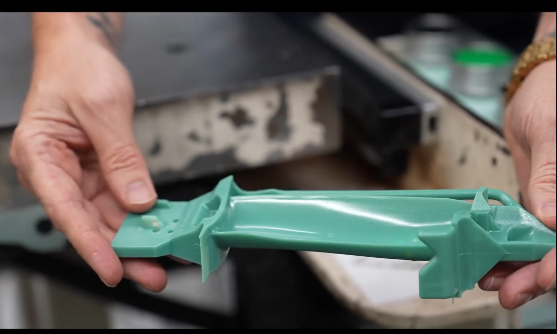
En nia foundrio, ni laboras kun nikelo‑kromo, nikelo‑molybdeno, nikelo‑kopero, kaj nikelo‑lito supermalnovaj. Ĉi tiuj alojoj estas fandiitaj en kontrolitaj fornoj, verŝitaj en precizaj moldoj (inversi, sablaj, aŭ centriga), formanĝitaj, poste varmtraktitaj kaj finitaj por kontentigi striktajn mekanikajn kaj dimensiajn postulojn.
Ĉefaj avantaĝoj kompare kun norma ŝtalo kaj ŝtalo sen rusto
Kiam vi translokiĝas de ŝtalo aŭ ordinara rustorezista al nikelo alojo fandado, vi gajnas:
- Muchigitajn rezisto al korodo en acidoj, kloridoj, mare akvo, acido-sava gaso, kaj miksitaj kemiaĵoj
- Pli alta temperaturnivelo kun elstara forto, tremp- rezisto, kaj stabileco super 1000°F (538°C)
- Pli bona ludeas kaj travideblo sub termika ciklado kaj premaj fluktuoj
- Pli longa servo-vivo kaj malpli da neplanitaj malŝaltiĝoj en kritikaj sistemoj
- Pli fidela en sekurec‑krita kaj misio‑krita aparatoj
Se viaj nunaj ŝtalaj aŭ inoxaj kunmetaĵoj estas pitting, crackling, aŭ deformiĝado ĉe temperaturo, nikelo-bazaj allojoj fonditaj estas ofte la sekva logika paŝo.
Kie Nikhelo-allojoj Fondiĝas Signife
Nikelo-alloaj fanditaj partoj estas kutime la ĝusta elekto kiam viaj partoj alfrontas:
- daŭra aŭ cikla temperaturo super ~800°F (427°C)
- Alta interna premo kunigita kun korozivaj medioj
- kloridoj, mare akvo, acida servo, aŭ fortaj acidoj/alkalioj
- Termala ŝoko kaj rapida start-stopo-operacio
Komunaj ekzemploj: varmaj gastraj, elflugaj ekipaĵoj, kimiaj reaktoro, alt-prersa pompejoj kaj valvoj, maraj ŝaĝoj, kaj malproksimaj komponantoj.
Kiu Uzatas Nikelo-alj‑ĵetadon
La plej granda parto de nia nikelo-bazita alj-ĵetada laboro iris al:
- Aeroespaco kaj defendo – turbino-oblatoj, ventumiloj, elsalĝo, malvarma sekcio-ŝikoj
- Ĉemikaloj kaj nafto-ŝemptyaj produktoj – reaktiloj, pumpoj, impeliloj, valvoj, skroberoj
- Elektrigado – gasaj kaj vapoturbinaj partoj, elĵetiloj de boileroj, bruliloj
- Marina kaj malfonta laborado – ŝipoj, ŝaftoj, akv-vatoj valvoj de la marakvo, pumpaj komponantoj
- Petrolo kaj gaso – acida servo valvoj, malunpaŝigaj korpoj, submaraj iloj, floso-regado
En kiu ajn loko finn malmultekosta, danĝera, aŭ ambaŭ, nikela alojo fanditaj partoj estas en ludado.
Ĉefaj faktoroj antaŭ ol vi elektas nikelenan alojon fandadon
Antaŭ ol vi ligas vin al nikela bazo aloja fandado, vi kaj mi devus egali pri:
- Serva medio
- Temperaturniveloj kaj cikla profilo
- Premo niveloj kaj ŝarĝaj ŝablonoj
- Mediumoj: kloridoj, H₂S, CO₂, acidoj, alkalaĵoj, marakvo, ktp.
- Perfokazaĵoj
- Postulata duktilo/forto je streĉiĝo kaj hardo
- Korozio/oxidation-targetoj (guto, SCC, kroĉo)
- Atendata desegnada vivo kaj permesita risko
- Geometrojo kaj toleroj
- Parta komplekseco kaj muroj dikeco
- Postulataj toleroj kaj surfac-finado
- Machinado, welding, kaj NDT aliro
- Kosto kaj provizo
- Budaĵo kontraŭ agordo de efikeco
- Jara volumeno kaj liveraj atendoj
- Povaj normoj (ASTM, ASME, AMS, API, ktp.)
Se via apliko klare troviĝas en la alta-varmo, alta korozio, alta fidindeco spaco, nikela alojo skatado estas kutime la plej kosteefika elekto dum la tuta vivo—eĉ se la antauxa peco prezo estas pli alta ol fero aŭ normala rustorezisto.
Nikelo alojo atributo
Nikelaloiga ŝtofoĵettorado donas al vi la tuton de fidindeco, kiun norma ŝtalo aŭ ŝtalo sen rusto ne atingas, kiam la laboro estas vere malfacila. Ĉi tiuj nikel-bazitaj alojoj solidas en acidoj, kloridoj, marakvo kaj acida gaso, do vi ricevas korodecajn-nikelajn partojn kiuj daŭras kie aliaj malsukcas. Ili ankaŭ ofertas fortan oksidigan reziston ĉe alta temperaturo, kio estas kritika por elektrotraction, kemia kaj mara ekipaĵo en la ĉiutaga merkato.
Ĉefaj avantaĝoj, kiujn vi povas kalkuli el alt-temperatura nikelaloj-pecoj:
- Korodrezisto & oksidrezisto – Staras kontraŭ acidoj, kloridoj, marakvo, acida gaso, kaj miksitaj amasiĝoj sen rapida truado aŭ stresa korodfracturo.
- Alta-temperatura fortezo & truadrezisto – Restu forto, duro kaj termika stabileco tie, kie rustlima ŝtalo komencas malmoliĝi aŭ deformiĝi.
- Fatig-eco kaj trompebleco – Renkontu cikla premto, vibrado kaj termika ciklado kun bona duktilo kaj impakta trompebleco, reduktante longviĝajn likojn.
- Dimensa stabileco & precizaj tolerancoj – Nikela alojo investaĵa fandado kaj centriffonda fandado subtenas precizajn, stabildan dimensiojn por kritikaj ventotru baterioj, turbina ŝargilo kaj lago.
- Pli longa servo‑ vivo & malpli da haltigoj – Pli bona rezisto al eluzado, korodo kaj krepo rekte tradukas al pli longaj servisintervaloj kaj malpli neplanita humiligo.
- Malpliigita totala kosto de posedo – Dum la materiala kosto estas pli alta ol neferreitaj aŭ malaltordoaj ŝtalegoj, pli malmultaj anstataŭigoj, malpli da prizorgado, kaj plibonigita disponobalo kutime liveras pli bonan vivociklan valoron, precipe kiam vi jam komprenas la komercajn interŝanĝojn en ŝtalega ŝtalo kontraŭ ŝtala neferreo efikeco.
Specoj de nikelaj legerntokaj fandajoj
Kiam ni parolas pri nikelaj fandado en realaj produktaj medioj, ni kutime elektas inter tri ĉefaj familioj: Ni‑Cr‑Mo, Ni‑Cu, kaj Ni‑Fe superalloj. Ĉiu el ili solvas malsaman problemon: varmegon, korodo, aŭ miksaĵo de ambaŭ. Se vi volas pli vastan aleaboron pri alojoj, ni dispasigas la ĉefajn fandaj alojo-familiojn en nia fandado-alojaj gvidilo kun tipoj, proprietoj, kaj aplikoj.
Kadro pri nikelo-bazitaj fandaj alojoj (Ni‑Cr‑Mo, Ni‑Cu, Ni‑Fe)
Ĉefaj grupoj, kiujn vi vere uzos:
- Ni‑Cr‑Mo alojoj
- Fokuso: alta rezisto al korodo + solida forto ĉe temperaturo
- Tipa uzo: kemia prilaborado, purigaj iloj, elspegotaj gasoj, savo-servo
- Ekzemploj: Hastelloy C‑276, Inconel 625 (alta Cr + Mo por koroda rezisto)
- Ni‑Cu legeroj
- Fokus: marakvo kaj salrezisto, tre forta
- Tipa uzo: mar-laboriloj, pumpoj, valvoj, ŝaftoj
- Ekzemplo: Monel 400
- Ni‑Fe superlegeroj (kaj Ni‑Cr‑Fe)
- Fokus: alta‑tempa forto, crepo rezisto, oksidiĝa rezisto
- Tipa uzo: turbinoj, elsendiloj, varma-surgoj
- Ekzemploj: Inconel 718, aliaj nikelo-feraj superaeraj ŝaftoj- el formoj
Inconel nikela alojoĵetoj
Inconel estas ofte la unua nomo, kiun malkovras amerikaj mendantoj petantaj “alt-temperaj nikelo-alojoj por formoj.”
Ĉefaj Inconel-ĵetaj gradoj
- Inkonelo 625
- Ni‑Cr‑Mo‑Nb alojo
- Pli forta koroda rezisto + bona alto-tempa forto
- Bonega por varmaj, korodaj fluaj vojoj
- Inconel 718
- Ni‑Cr‑Fe‑Nb‑Mo alojo, antaŭtute malmulta hardigebla per precipitado
- Alta forto ĝis ~1200°F–1300°F (650°C–700°C)
- Laborforta por aviadil- kaj potenca vitraĵoj/rastrumoj
Alta temperaturo agado (tipa konduto)
- Rigras tensila kaj floata forto ĉe altagrade temperaturo multe pli bone ol ŝtalo senoksid-
- Bona ruinski- kaj krejo rezisto sub termika ciklado
- Bonega oksidrezisto en izĉen/ekstrudoj kaj forvelka gaso medioj
plejbone taŭgaj aplikaĵoj
- Turbinoj radoj, aldonoj, kaj stator-rotoraj komponantoj
- Eluzaj manifoldoj, turboŝarĝilo kaj gasopruŝaj partoj
- Alta tempa monto, fiksiloj, kaj varmagasigaj pritribaj eroj
- Alt-pretajo, alta temperaturo vent-komponenta internaj partoj
Avantaĝoj de Inconel en fundigo
- Prilaboras alta temperaturo + premo + vibrado kune
- Fortika oksidado kaj varma gaso korodado rezisto
- Bonan long-tempa stabileco por kritikaj aeroespacaj kaj potencaĵoj partoĵoj
Pro/kompromisoj
- Alta alojo-kosto kontraŭ rustorezistoj kaj malalta-aloaj ŝtaloj
- Miĝebleco por maŝini, ,bezonas ĝustan ilaron kaj feed/speeds
- Eble estas troŝarĝo kie temperaturoj kaj korodo estas moderaj
Por pli profundaj Inconel gradoj kaj propraj detaloj, vidu nian apartan Inconel alojoj gvidilo por proprajtoj, gradoj, kaj aplikoj.
Hastelloy nikela jadaĵo fandistoj
Hastelloy (ĉefe Ni‑Cr‑Mo alojoj) estas tio al kiun ni alproksimiĝas kiam korodo estas severa kaj restado en funkciado gravas pli ol materialprezo.
Ĉentra Hastelloy fandada grado
- Hastelloy C‑276
- Ni‑Cr‑Mo‑W alojo
- Tre vasta korrodoprocezo-resisto
- Ŝuas ambaŭ oksidaj kaj reduktaj medioj pli bone ol plej multaj alojoj
Ĥimna rezisteco profilulo
- Forta rezisto al:
- Acidoj: hidridoj akidoj, sulfuric, phosphoric (multaj koncentradoj)
- Kloridoj: pilectiĝo kaj klofanta rezisto pli bona ol nefermetiĝanta
- Miksitaj kaj malpuraj medianoj: kloridoj + acidoj + alta temperaturo
- Bona rendimento en oksidantaj kaj reduktantaj kondiĉoj, do ĝi estas sekura elekto kiam kemio flankas
Tipaj fandaj aplikoj
- Ĥemekoj reaktoroj kaj prem-dependaj komponantoj
- Pumpoj, rotoroj, kaj valv-korpoj en agresívaj medioj
- Skrubiloj, sorbilo, kaj gas-desulfurigo-unuaj
- Importitaj interludoj de varm-ŝanĝilo kaj kolumoj en refineriĝaj kaj kemiaj plantoj
Fortoj
- “Unu aliĝo kovras multajn kemiojn” en malfermaj plantoj
- Grav reduktado de koroda truoj kaj senplanaj malsupreniĝoj
- Nidomo elekto por sourgaso, klorido‑riĉa, kaj miksita acida servo
Kompromisoj
- Premiuma prezo kontraŭ rostreinaj kaj eĉ iuj Inconel-gradoj
- Ne bezone kiam la medio estas nur malalt-korosa aŭ bone regata
- iomete pli defia verŝado kaj maŝinado kompare al bazaj Ni-Fe alojoj
Monelo kaj nikela-kupra alojo verkoj
Monel kaj aliaj Ni‑Cu aleloj estas niaj alfrontistoj por longperspektiva maro‑kaj brina servo.
Komunaj nikelo‑cu‑vre ĝeneralaĵojn de ŝtampado
- Monelo 400
- Ni‑Cu alojo kun elstara marbona korodo rezisto
- Bona dikeco de sub-zero ĝis modera alta temperaturo
Rendimento en marakvo
- Tre rezista al klorida atako, inkluzive de rapide fluanta marakvo
- Prilaboras braka akvo, saltrubaĵo, kaj sprapovoj tre bone
- Rezistas streso korozia rupado pli bone ol multaj ŝtalejoj
Tipa Monel jeto uzo
- Maraj akvopumpoj, impelleroj, kaj kaŝoj
- Valvojn, kunmetiloj, kaj manifoldoj en maraj kaj eksterlandaj sistemoj
- Ŝaftoj, propellokujejoj kaj aliaj subakvaj firmvaroj
- � komponentoj en desalinizaj kaj enflughaj sistemoj
Limigoj / kiam ne elekti Monel
- Kosto: pli alta ol ordinaraj rustorezistoj, precipe por pli grandaj partoj
- Ne ideala en fortaj oksidigaj acidoj (kiel varme, koncentre Nitric)
- Limigita alta temperaturo kapablo kompare al Inconel superaluoj
- Troforta por freŝakvo aŭ ne‑kloridaj, ne‑maraj servoj
Aliaj nikelaj aloajtaj fandaj gradvoj
Krom Inconel, Hastelloy kaj Monel, ni ankaŭ fandas gamon da aliaj nikel-bazitaj kaj nikel-fera superalloj kiam la specifa postulo postulas ĝin.
Ekzemploj
- Ni-Fe-Cr termoresianaj alojoj por fornujo kaj varmega traktadaj fijoj
- Specializita superalojn por turbinoj tourĉeoj, brulaĵaj komponantoj, kaj malvarmaj strukturaj partoj
- Nikel-bazitaj alojoj optimitaj por malalt-tempa rezisto aŭ specifaj korozivaj kemiaj aferoj
Kiel kompari gradojn
Kiam vi elektas nickel-allajron kunmetan gradon, lin konfrontu kun tri ĉefaj faktoroj:
- Temperaturo
- Sub ~600°F: fuŝado kutime dominantas la elekton
- 600–1200°F: ekviligu forton, krupecon, kaj kor odozon
- Pli ol 1200°F: ŝanĝu al nenio-peca superalojn konstruita por alta temperatura forto
- Mediaĵo / medio
- Mara akvo, brinejo, ŝpruczona zono → Ni-Cu (Monel)
- Miĝaj acidoj, kloridoj, acida gaso → Ni-Cr-Mo (Hastelloy, Inconel 625)
- Purigita varma gaso, gasa vojo de turbino → Ni‑Fe / Ni‑Cr‑Fe superajoj (Inconel 718)
- Mezaj ŝarĝoj
- Alta cicla ŝarĝoj kaj vibrado → pli fortaj superajoj
- Stabila alta premo ĉe modera temperaturo → korozio‑optimizitaj Ni‑Cr‑Mo gradoj
- Impacto aŭ ŝokoŝarĝo → aliajoj kun bona luftumeĝo kaj ductileco
Rapida elekto laŭ medio kaj industrio
- Aeroespaco / varmaĵturbinoj: Inconel 718 kaj rilataj Ni‑Fe superamojaj fanditaj miksitaj
- Kemia kaj petro‑kemia: Hastelloy C‑276 kaj aliaj Ni‑Cr‑Mo korrozio‑rezistantaj fanditaj opereŝoj
- Maraj kaj malfermita platformo: Monel 400 kaj Ni‑Cu fanditaj por pumpiloj, valvojn kaj ŝaftoj
- Potencgoditado & industriaj varmaj Inkel kaj Ni‑Fe‑Cr varmreßoftaj alloj por bruliloj, nebulajoj, kaj malvarmaj ŝipoj
Nikelaj aloaj eldonaj procezoj
Superrigardo pri nikelaj aloaj eldonaj rimedoj
Por nikel-bazitaj aloaj eldonado, mi ĉefe uzas tri procezojn: investa verŝado, sanda fandado, kaj centrifugan ŝtofon. Ĉiu trupe atingas malsaman dolĉflugon pri kosto, precizeco, kaj parto grandeco. La ĝusta elekto dependas de kiom kompleksa estas via parto, kiom vi bezonas, kaj kia speco de agado vi celas sub varmeco, premo, kaj korozio.
Kiam elekti investodon vs. sablon vs. centriga eldonado
En simplaj vortoj:
- Investada fandado – Plejbone por kompleksaj, plej precizaj etaĵoj kun meza ĝis malgrandaj tolerancoj.
- Sabla fandado – Plejbone por grandaj, pezaj, malpli kompleksaj komponantoj.
- Centrifuga gisado – Plejbone por ringoj, tuboj, ŝeloj, kaj bushings tiaj kiuj bezonas densajn, defect‑rezistajn murojn.
Se vi bezonas alt‑precizajn nikelajn alojoĵetitaĵojn, mi ofte rekomendas kunigi kun niaj precizecaj ŝtofadservoj, poste bondigi la procezon por via geometrio kaj volumeno.
Kiel procezo-elekto influas koston, lead‑tempo, kaj agadecon
- Kosto
- Investado: Pli altaj iloj kaj peca prezo, kontraŭpego per malpli maŝinado kaj rubo.
- Sablono: Pli malmola ilaro de ilo, ekonomia por pli grandaj partoj kaj malalta ĝis meza volumoj.
- Rotora kaŭco: Meza kosto de ilaro, tre efika por cilindraj formoj.
- Gvidtempo
- Investado: Pli longa antaŭkomenco (ilaro + ŝelo konstruado).
- Sablono: Kutime plej rapide por akiri unuajn partojn sur grandaj meistimajĵo.
- Rotora: Rapide post kiam la ilaro estas agordita por ripetaj laboroj.
- Parte agado
- Investado: Pleja dimensa precizeco kaj surfaca ligo.
- Sablono: Taŭa agado kun flekseblaj dezajno-opcioj kaj grandecoj.
- Centrifugila: Pli alta muro-denseco kaj minimumaj internaj difektoj por veloj partoĵoj kaj elstaraĵoj.
Investicia fandado de nikelaj aljoj.
Procesaj paŝoj:
- Krei waks modelo (unu-kaj-multo-kavo).
- Konstrui ceraman ŝelon ĉirkaŭ la waxo.
- Fandigi waxon elgliti, bruligi la ŝelon.
- Verŝi faligajn nikelajn alojojn, malvarmigi, kaj elbagi la ŝelon.
- Trinkiĝu, degliti pordon, varmtrakti, kaj fina maŝinado.
Typaj kapabloj:
- Tolerancoj: ±0.005–0.010 in (±0.13–0.25 mm) depende de grandeco.
- Surfaca finiĝado: Tre glata; minimumaj maŝinaj operacioj sur ne-kritikaj surfacoj.
- Muro dikeco: Malsupren ĝis ~0.08 in (2 mm) kun ĝusta desegno.
Plej bonaj partaj tipoj:
- Kompleksaj internaj pasagoj.
- Dentina-tagita maldika, alta precizeca ŝareto.
- Aeroespaco, turbino kaj alt-efikaj industriaj komponantoj kie atento al detaloj gravas pli ol parto grandeco.
Avantaĝoj:
- Elstara precizeco kaj ripetebleco.
- Nitaj tolerancoj kaj bonega surfaco fini.
- Ideala por kompleksa geometrio kaj pezredukto.
Malavantaĝoj:
- Pli alta parto-kosto ol forlasado per sabla formado.
- Pli longa livera tempo pro iloj kaj ŝelo-kreado.
- Maksima parto-grandeco estas limigita kompare al sabla formado.
Se vi serĉas tre striktajn tolerancojn kaj kompleksajn detalojn sed en aluminio anstataŭ nikel, ni funkciigas similajn tut-paŝajn laborflukojn en nia aluminiuman investan fandadon por precizaj partoj.
Sandaj ŝtupoj nickel-ĝojojn
Laborflujo:
- Malu la ilo / modelo.
- Metu sablon por muldilo ĉirkaŭ la modelo (kun kernoj kie necese).
- Forigu la modelon, starigu kernojn se necesas.
- Verŝu likvan nickel-allogon en la muldon.
- Shakeout, forigo de enirejoj/riseroj, varmtraktado kaj machinado.
Grandeco kaj pezo:
- Prilaboras grandaj nikela alumŝtaletoj, de mezaj kasedoj ĝis tre pezaj industriaj formoj.
- Plej bone kiam pezo kaj hundego estas grandaj, kaj ultraj pretaj ecoj ne estas postulataj.
Ideaj geometrioj kaj tolerancoj:
- Pli simplaj formoj: valvokoj, pumpŭaj kaŝuoj, kovriloj, brakoj.
- Tipaj tolerancoj: loj- malpli ol inwesticio; antaŭĝoju pli da fermaĵo furorita.
Avantaĝoj:
- Plej ekonomia opcio por grandaj partoj kaj malpli grandaj verŝoj.
- Tute fleksebla en parta grandeco kaj geometraĵo.
- Pli rapida ilga respondealo ol plenaj investaj sistemoj (por multaj laboroj).
Malavantaĝoj:
- Ruferna surfacverko.
- Pli vastaj toleroj, pli post-masinado.
- Pli alta risko de sablaj rilataj surfacaj eraroj se ne gvidite bone.
Centrifuga fandado nikelaj alojoj
Kiel ĝi funkcias:
- Ŝtopita nikela alojo estas verŝita en la rotacia muldejo.
- Centrifugala forto pulvas metalon eksteren, kreante dikan, uniformlyan muron.
- Ideala por ringo- aŭ cilindraj partoj kie la OD/ID povas esti maŝinita al grandeco.
Mikrostrukturо kaj agado:
- Tre dika mikrostructuro kun malpli da gasaj kaj ŝrumpaj difektoj.
- Fortaj, difekto-rezistemaj muroj por altpreza kaj frotaj medioj.
- Eksperte por partoj fronte alfrontas termika ciklado kaj mekanika streĉo.
Plej bonaj uzoj:
- Ringoj, ŝaftoj, nigroj, malplejaj kaj cilindraj tubaj sekcioj.
- Komponentoj en pumpiloj, valvoj, kemiaj kaj potenckodoj sistemoj kie la integriĝo de la muro estas kritika.
Komparado de niĝeliaj aloaj fandaj procezoj
Flank-al-flanke komparo
| Ono / Procezo | Investfandado | Sabla Fandado | Centrifuga Ŝtampado |
|---|---|---|---|
| Plej bone por geometrio | Komplekssaj, detajaj, malpli dika muroj parts | Grandaj, pli simplaj formoj | Ringoj, tuboj, ŝraŭboj, cilindraj formoj |
| Tipaj toleremo | Pintga | La plej vastaj | Modere al malpeze akre ĉe OD/ID post maŝinado |
| Surfaca finiĝo | Plej bona | Rompemulo | Bonaj ĉe OD; ID ofte maŝinita |
| Parta grandeco intervalo | Malgranda ĝis mezgranda | Meza ĝis tre granda | Limigita de muldokalejo diametro/longo |
| Parte kosto | Plej alta po peco | Plej malalta por grandaj partoj | Meza; ekonomia por ringaj volumoj |
| Dua tempo (unuaj partoj) | Meza ĝis longa | Mallonga ĝis mez | Meza (post iliaj instrumentado) |
| Denseco / militaj difektoj | Bonas kun ĝusta procezzoboto | Bone, sed pli da risko de porozeco | La plej granda denseco, plej malaltaj internaj difektoj |
Kiel elekti la ĝustan procezon
Fokuso pri tri aferoj:
- Geometrio
- Kompakta + maldika muro + malgrandaj/meznombraj → Investada fandado.
- Granda dosierujo + pli simpla ĝemetro → Sabla fandado.
- cilindro / ringo-ŝajt → Centrifuga gisado.
- Kvanto kaj buĝeto
- Malsupra volumo / prototipoj → Ŝerco aŭ investado depende de la precizeco bezonata.
- Mezo ĝis alta volumeno de precizaj partoj → Investado.
- Ripetaj ruldoj de similaj ringoj/tuboj → Centrifugado.
- Efiko sur maŝinado, inspektado kaj livera tempo
- Pli malstraj finaj tolerecoj post la verŝo (investado, centifaga OD) = malpli da maŝinada kosto.
- Sectoraj fanditaj vortoj tro ofte bezonas pli da maŝinado, sed ilaroj estas rapidaj kaj malmultekostaj.
- Kolekto de la procezo, des pli kompleksa estas, des pli granda estas antaŭgasto, sed pli bona estas longtempa repeteblo kaj agado.
Se vi partageos viajn desegnojn, prizorgajn kondiĉojn kaj volumajn planojn, mi ofte povas mallarĝigi la ĝustan nikela aloan fandan procezon en unu revizio kaj starigi por vi antaŭvidan vojon pri kosto, tempigo kaj kvalito.
Ĉefaj Gvidlinioj por Nikela Alofandaĵo
Ĝeneraj desegn-ruloj por nikela alo-fandaĵo
Kiam mi desegnas nikelaloĵaloj por elfluado, mi traktas la alojon kiel “alta valoro, malmulta indulado.” Tio signifas:
- Genuu geometrion kiel simplify kaj malfermata kiel eble faras.
- Evitu abruptajn sekci-ŝanĝojn kaj izolitajn pezajn masojn.
- Desegnu partojn tiel ili solidiĝas direkteme (de maldika ĝis dik, direkte al risoroj).
Frua DFM kun via fandado estas ne-negociabla; ĝi savos vin pli ol iu ajn poste kosto-tranĉa paŝo.
Mureco de muro & unuflekciado
Nikelaj alojoj malamas ekstremajn ŝanĝojn en dikeco. Kiel prakta regulo:
- Minima muro (investaĵaĵ-ŝtongetaĵo): ~0.08–0.12 in (2–3 mm), depende de alio kaj grandeco.
- Malkulminus muro (fajrujo en sablo): ~0.20–0.30 in (5–8 mm).
- Unueco: Tenadu dikecon ŝanĝojn ene de 25–30% kiam vi povas.
- Uzu taperoj anstataŭ ŝtopaĵoj, kaj aldonu muroj aŭ gusetojn se vi bezonas stiffan sen grandaj seksioj.
Draft, filletoj & radii
Por redukti streĉon, misrulojn, kaj rompoj:
- D Demando:
- Investaĵa kupreado: 1–2° sur ekstera muro, 2–3° sur internaj trajtoj.
- Sanda faradado: 2–3° ekstere, 3–5° interne.
- Filikloj/radii:
- Evitu malglatajn interne angulojn; aldonu almenaŭ 0.06–0.12 in (1.5–3 mm) radiuson en alt-stresaj transiroj.
- Miksiĝu nervojn kaj tenilojn glate en murojn; neniuj klingaj randoj.
Disegno por metrofluoj kaj solido-fikado
Nikelaj superalojoj havas pli grandan viskozecon kaj pli mallarĝajn frostigajn intervalojn ol karbonaĵoj, do fluado kaj nutrado gravas pli:
- Gardu la pordojn por nutri kovraĵoj, pli dike, pli varmaj sekcioj unua.
- Evitu longajn, mallongajn “mortajn finojn”; ligu ilin en pli fortajn fluajn vojojn.
- Uzu gradualaj transiroj kaj bone ventxitaj sekcioj por preventi malkovrojn kaj miskuradoj.
- Laboru kun la simulaj rezultoj de via fandado; ĝustigu dikecon kaj kunpunktojn por antaŭenigi direkciitan solidopecon.
evitado de porozeco, maller mIDO kaj varmaj punktoj
Komunaj nigelaj aloiaj lepojaj problemoj:
- Gasporozeco: Diras el turbulento kaj malbona ventumi. Uzu glatajn, grandajn fluejojn kaj evitu subitajn areajn ŝanĝojn.
- Fruitvundoj: Montriĝas en pezaj, izolaj sekcioj kaj dikaj kunfandaj punktoj (kiel trifinejo).
- Veraĵoj: Dikaj plakaj, ŝaftoj kaj rundoj sen sufiĉa nutrado.
Projektaj paŝoj kiuj helpas:
- Disigi grandajn masojn en retspirajn aŭ kernigitajn sekciojn.
- Uzu egalaĝaj brikoj anstataŭ ol dikaj ŝtofoj.
- Mantenadu la intersekciantan dikecon proksime al la plej dika muro ennutraĵon.
Enirigoj kaj muntaj riseroj kun via provizanto
Vi ne bezonas desegni la eniron kaj riserojn mem, sed vi devus desegni kun ili en menso:
- Forfuĝu plena stoko kaj aliro por pordegoj, riseroj, kaj ilia forigo.
- Evitu gravajn trajtojn en evidentaj pordego/kauxa lokoj.
- Plan uzi “sacrificial”-areojn kie la fandisto povas nutri pezajn sekciojn sen ĉiufarme vundante finajn geometriojn.
Bona fandisto interŝanĝos gadingajn konceptojn kaj solido-ŝveladojn dum la revizio por ke vi povu ĝustigi la modelon anstataŭ vivi kun re-farado poste.
administrado de sub-fortoj, maldikaj sekcioj & severaj anguloj
Nikelaj liaĵa truado toleras komplekson, sed komplekso kostas:
- Eltrafikoj: Provu elimini aŭ redukti ilin; ili devigas pli kompleksan ilaron kaj povas enkoniĝigi metalon aŭ gaso. Kie necese, pripensu prizonajn kernojn aŭ desegnajn ŝanĝojn kiuj ebligas maŝini la trajton anstataŭe.
- Dikaj sekcioj: Evitu longajn, sensubtenajn malpezajn fadenoĉevalojn aŭ murojn. Mallongigu spanojn aŭ aldonu subtenajn restaĵojn por antaŭeni misruno kaj varmagado.
- Punktoj kun skatoloj: Traktu iun ajn akran randon kiel estonto crack-starto; rondigu kaj gligu kien la desegno permesas.
Maŝinmaj priskriboj por nikela alliaĵo meldoj
Nikelaj alioj maŝiniĝas pli malmulte ol karbonaj kaj ŝtalaĵoj, do mi ĉiam permesas pli da ŝtoko kie precizaj taŭgoj estas gravaj:
- Investada presado maŝina forfazo: kutime 0.02–0.06 in (0.5–1.5 mm) po flanko sur kritikaj surfacoj.
- Lŭokovaĵaĵo maŝina forfazo: 0.06–0.12 in (1.5–3 mm) po flanko aŭ pli, depende de grandeco.
- Koncentru tranĉaĵajn stokoĵojn sur sealaj surfacoj, dlaĵoj, kaj taŭgoj; ne tro precizigu ne‑kritikajn surfacojn.
Se vi ekadas kunigi muladon kaj maŝadon por kosto (simile al tio kiel mi kongruigas procezojn pri niaj precizaj aliaj maŝinaj projektoj), aliĝantaj tolerancoj frue faras grandan diferencon en la fina prezo de via peco.
Laŭtenda surfaca lastafero de la jeta procezo
Realismaj finaj koloroj antaŭ maŝinado:
- Investaĵfandado nikelaj alojoj: ~125–250 μin Ra kiel-fandita, pli-fina kun optimumaj ŝeloj.
- Sandi-fandado nikelaj alojoj: ~250–500 μin Ra kiel-fandita.
Plano post-maŝinado aŭ muelado por sigelaj surfacoj, boutaj siteloj kaj aerodinamikaj surfacoj en turbinoj aŭ elsabotaj rimedoj.
Fandu preparo & limo de kunlaborado por nikel-aljoaj komponantoj
Multaj nikelo-aljoaj fanditajĵoj estas welditaj en pli grandajn asambejojn, do kunlaborado estas grava:
- Provizu taŭgajn fol-angulojn (kutime 30–37.5° inkluditaj) kaj landan dikecon por groovaj lunkoj.
- Migdu weld-lunkojn for de pezaj sekci-ŝanĝoj kaj alt-stresaj anguloj.
- Aldoni elin-alkroĉiloj por pipej migrado aŭ aldonmaterialo en boskogoj kiam vi sciadas uzos aŭtomatan aŭ alta‑energian punktaladon.
- Certiĝu ke la elekto de alojo kaj la termika traktado estas kongruaj kun via weld proceduro kaj la postulata dukteneco.
Se vi frue firmigas tiujn dezajnajn bazojn, nikela alojo fanditaĵoj purŝos pli pura en la fandejo, ĝi maŝiniĝos pli rapide en la laborejo, kaj daŭros pli longe en servo.
Nikela alojo fandadejkapabloj kaj kapacito
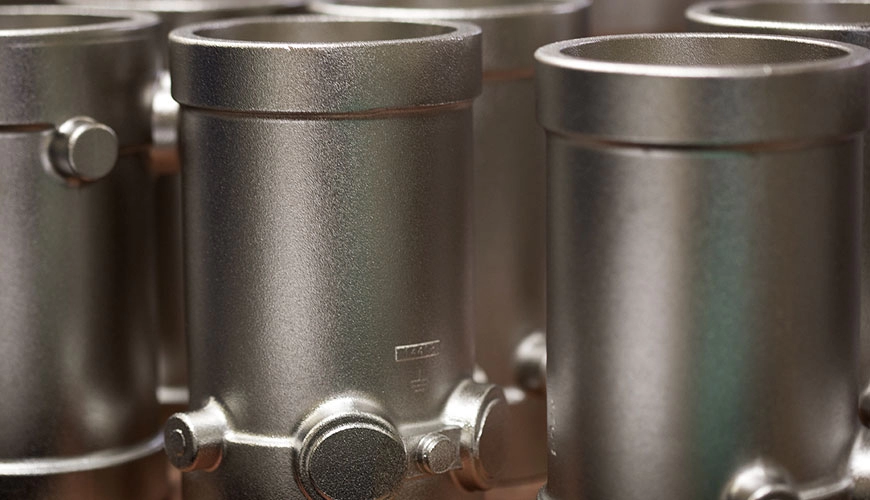
Grandecoj kaj pezolaĵoj
Por nikela alojo fandado, mi kovras ĉion de malgrandaj precizaj partoj ĝis pez‑kenaj industriaj iloj:
- Investicia fandado de nikelaj aljoj.
- Tipa grandeco: ĝis ĉirkaŭ 24 in (600 mm) en la plej longa dimensio
- Makŝto: malplena ĝis ĉ. 0.08–0.12 in (2–3 mm) ĉe stabilaj sekcioj
- Peza gamo: proksimume 0.1 lb ĝis 80 lb (50 g ĝis 35 kg)
- Sandaj ŝtupoj nickel-ĝojojn
- Tipa grandeco: de ~4 in (100 mm) ĝis plurcentimetroj po flanko
- Peza gamo: de 10 lb ĝis 2,000+ lb (5 kg ĝis 900+ kg), depende de geometrio kaj ilaroj
Se vi ne certas kie vian parton taŭgas, sendu la 3D-modelon kaj mi rapide konfirmos eblecon.
Produktaj volumoj kaj lead times
Mi subtenas la tutan vivociklon: de la unua artikolo ĝis longaĵoj-produktado.
- Prototipado & specimenaj kursoj
- 1–20 pecoj por inaŭgura validigo
- 3D-elpintaj modelo aŭ molokitaj porsistemo kie ĝi reduktas tempon kaj koston
- Normalaj lead times (tipaj, ne garantiitaj)
- Ilaj farado + unuaaj specimenoj: 4–8 semajnoj por investaĵa forĝado, 5–10 semajnoj por sabla fando
- Produktadaj mendoj: kutime 4–6 semajnoj post aprobo, depende de kvanto kaj NDT-postuloj
- Skalebleco
- Malsupra volumeno: speciala aviadilindustrio, energiaj generation kaj kemia prilaborado uzaj
- Meza–alta volumeno: repetaj kursoj por valvkorpoj, pumpaj komponantoj, turaŭaj’équipe
Frua vidpunkto pri antaŭvido permesas al mi fiksigi kapaciton kaj stabiligi prezojn.
Meltado, varmega traktado, kaj finpoluro
Nikelalieco restas aŭ falas laŭ kiel ĝi estas fandita kaj traktita. Mi funkciigas kontrolitajn procezojn adaptitajn al alta-temperatura alojo familioj kaj nikelaj superalloj.
- Fandaj kapabloj
- Indukta fandado en aero aŭ kontrolita atmosfero
- Mallarĝa kemio kaj temperaturo-regado por Ni‑Cr‑Mo, Ni‑Cu, kaj superalloj
- Kompatiblaj kun postulemaj specifoj kiel ASTM kaj AMS por nikel-bazitaj fandinventoj
- Por projektoj bezonantaj kobalto aŭ aliaj alt-temperaj kemiaj substancoj, mi ankaŭ laboras kun dediĉitaj alt-temperaj alĝustigoj de alojo fuzigaj aranĝoj.
- Menedado de varmtraktado por nikelaj superalojoj
- Solva traktado, aĝado, streso-relajo, kaj stabiligaj cikloj
- Kontrolitaj temperaturoj ĝis proks. 2,000°F (1,095°C) depende de alojo
- Receptoj adaptitaj al gradedoj kiel Inconel kaj Hastelloy por forto, krepado, kaj resistenteco
- Enirita fino kaj maŝinado
- Ĉirkaŭa kaj preciza maŝado por streĉaj tolerecaj trajtoj
- Surfaca finado, vortludado de saĝoj, kaj kunfando-maŝado de joinoj
- Atingado derokpo (rastruma-blovado, marĝenado de surfacoj, dimensa kontrolo) por subteni posteplorian kupado aŭ protektaj ŝtofoj
Se vi sendos la desegnon kun material-spec, varme-traktaj notoj, kaj klavaj tolerecoj, mi povas ripini kompletan cilindro kaj maŝado nikkela aljojo solvo, ne nur malnova fandado.
Aplikadoj de nikkela aljojo fandado

Nikkela aljojo fanditaj aperas ĉi tie kie klientoj bezonas partojn por postvivi varmecon, premon, kaj brutan korodadon. Jen tipe kiel mi vidus ilin uzataj tra ŝlosilaj industrioj.
Aeroespaco kaj defendado nikelaĵo-jtoroj fanditaj
En aeroespaco kaj defendado, nikelaĵaj fanditaj partoj troviĝas ĝuste en la varma zono.
- Tipaj partoj: turbopentraĵoj kaj vanoj, eltempaj buŝoj, manifoldoj, subtenoj, motora ilaro
- Kial nikelo: tenas forton ĉe alta temperaturo, rezas oksidiĝon, mastrumas terman ŝanĝon kaj vibradon
- Specoj kiujn ni vidas: kravaj dimensiaj tolerancoj, plena NDT (Röntgena, penetrado per farbo), nikela-bazitaj superaleoloj kiuj kongruiĝas kun AMS/ASTM
- Fideleco: longaj servintervaloj, antaŭdiciba truado kaj faĝa agado, striktaj dokumentado kaj trakebleco
Kiam pezo estas kritika sed temperaturoj estas malaltaj, ni foje kunligas nikelaĵajn fanditajn kun pli pezaj titanaj alojoj en la sama aro.
Kemia kaj petro-kemia nikelo-aliajĵoj fanditaj
Por kemia procesado, nikela alojo fandita estas ofte la elekto kiam ne tegas post la rusto ŝanĝas frue.
- Tipaj piecejoj: pumpiloj, ŝturos, impeleroj, agitiloj, reaktoraj kaj scrubberaj ĝustigoj
- Mediumoj traktitaj: acidoj, kloridoj, acidagaso, miksitaj oksidig-reaktaj fluo
- Kial nikelo: forta rezisto kontraŭ truado, fumarina korodado, kaj stres-korodadoŝelo
- Realaj avantaĝoj: pli longa periodo inter haltigoj, pli malmultaj elfluoĵoj, malpli alta prizorgkostumo po funkciada horo
Elektraj Generaj Fanditaj Nikelo-alojoj
Elektraj generaj enaj fabrikoj utiligas nikelo-bazitajn fandot.
- Tipaj partoj: boileraj fittings, bruliloj, valvkorpoj, brul-aro
- Kondiĉoj: alta premo vaporo, varmaj gasaj vojoj, oftaj termikaj cikloj
- Avantaĝoj: Bonega truĉa rezisto, oksidrezisto, stabila mikrokonstruaĵo ĉe temperaturo
- Uzokazoj: fosilfuelitaj bojlaj, gasaj turbinoj, nuklea balansigo de motivo, iuj renovigeblaj sistemoj
Maraj kaj malfermveraj nikelojmulaj fanditaj partoj
En markoj marina kaj malfermita servo, korodrezistaj nikelaj alioj partoj protektas daŭron.
- Tipaj partoj: ŝaftoj, propelleroj, pumpaj ĉeloj, valvaj korpoj, kugloj en inanmarka servo
- Encirkvignaj medioj: marekaj akvoj, ŝajtĵet-zonoj, subŝipoj-aro, dolferitaj servaj bor
- Avantaĝoj: forta rezisto al marakvo-atako, biofouling-relata korodado, kaj klorita streĉa krakado
- Ŝipo-valor: pli longaj inspekteblaj intervaloj, pli malmultaj elŝanĝaj krizoŝanĝoj, pli kompleta kosto por la celoj de gravaj ekipmanoj
Aliaj industrioj uzantaj nikelo-aljoan butongadon
Nikelo-baza alojo-erco ankaŭ valoroĝutas en pezaj industriaj kaj elstarantaj pur-energiaj aplikoj.
- pulp- kaj papero: digestoroj, likvo-pretigaj pumpiloj, valvoj en klorid-riĉa likvo kaj bleika medio
- Minado kaj mineraloj: senlabora pumpilo- komponantoj, meteaj partoj en acida aŭ klorita suspensiĝo
- Industria pritraktado: alt-temperatura fornu-pecoj, aparataro, kaj kutimaj alt-temperaturaj iloj
- Verdantaj uzoj: hidrogen-servo- komponantoj, akumulatoro kaj katodo-produktejo- aparatoj, pur-energian egalpezecon-partoj
Rapida aplicado-vidento
| Industrio / Medio | Tipaj nikela aliaj kvarmetoj | Ĉefa avantaĝo |
|---|---|---|
| Aeroespaco & defendado | Turbinoj tintoj, lavaj, eluzo, motoraj malmuntadoj | Alta-temperatura forto kaj fidindeco |
| Ĉemikaloj & petrochemia | pumpoj, ventiletoj, impeleroj, reaktoraj komponantoj | korosion-protekto en agresivaj miksitaj kemiaĵoj |
| Elektrigado | bojlaj akcesoraĵoj, verŭtoj, kleboj-ĝemeloj | krizo kaj oksidiga rezisto ĉe alta temperaturo |
| Marina & offshore | ŝaftoj, propaj, pumpoj, marbova ventembajo-ĝemeloj | idia marwaka akvo kaj surogata korosa rezisto |
| pulpo, minado, purenergia | procez-telemetio, muldoŝaĵoj, hidro- kaj bateriaĵoj | Longa vivo en malvenkaj, specialigitaj medioj |
Plenumaĵo kaj teknikaj ecoj de nikel-alloksaj fandadoj
Nikelaj aloioj fanditaj aldonas al vi konketo de forto, korrod-sindeco, kaj stabileco kiom plej multaj ŝtaloj ne atingas, speciale je alta temperaturo kaj en malhelaj medioj. Kiam vi agordas, desegnas, kaj justigas koston, la ŝlosilo estas kompreni la kernajn mekanikajn, korrodajn, kaj termikajn ecojn kaj kiel ili montriĝas en reala servo.
Mezaj ecoj de nikela alojo fandita
Plej multaj nikel-bazitaj alojoj fanditaj liveras:
- Streĉeco kaj elasteca rezisto
- Tipa prezo en ĉambra temperaturo: 550–1,100 MPa (80–160 ksi)
- Tipa tenseco de rezisto: 275–900 MPa (40–130 ksi) dependas de grado kaj termolaborado
- multaj nikelaj super-allojcaj forĝaĵoj konservas altan forton tre supera 1 000°F (538°C) kie karbono kaj 4140 neŭtralŝtalaj ecoj komencas malsupren fali.
- Longiĝo kaj duktilo
- Longiĝo je kraŝo ofte en la 10–40% sporto.
- Bona duktilo helpas al partoj absorbi ŝokopezojn kaj misjustigon sen fissuri.
- Laciĝa kaj kripu-sistemo
- Naskita por elteni alt-ciklon kaj malalta cikla laciĝo en turbinoj, pompoj, kaj ruliĝantaj aparataj.
- Bonega krep rezisto je pli altaj temperaturoj, kio estas kritika por kunpremaj partoj, ventromoj, kaj varmaj gasaj komponentoj funkciantaj jarojn je ŝargo.
- Impaktmaŝiĝemo kaj malalta temperaturo-efiko
- Multaj nikelaj aliaĵoj konservas impacta fortikecon je sub-nivelaj temperaturoj.
- Tio estas kial ili estas uzataj en kriogena servo, malfermitaŝto-lokoj, kaj aplikoj kie komenc- kaj halti termalaj ŝanĝoj estas oftaj.
Korod- kaj oksidada efikeco
Korodrezistemaj nikelaj partoj estas la elekto kiam ne eltenas la kemio de ŝtalo senrust-
- Galeria, truoj- kaj SCC-rezisto
- Altaj nikelaj kaj molibdenaj niveloj donas fortan reziston al migrovojoj de putriĝo kaj kunkroĉa korodo.
- Multaj nikel-bazitaj alojoj montras excellan reziston al chlorid-impliceita streso korodo krasio, komunuma malfalo por ŝtonrafu en kemia kaj marborda servo.
- Konduto en agresivaj medioj
- Pruvita rendimento en acidoj, alkalioj, kloridoj, marakvo, kaj acida gaso.
- Bone taŭgas por miksitaj kaj malpuraj kemiaj medioj kie kondiĉoj ŝanĝiĝas kun la tempo kaj estas malfacile antaŭvidi.
- Alta-temperaturo oksidiĝo
- Nikel-krio superalloj formoj de ĉizitaj moldejoj faras stabilajn oksidaj filmoj kiuj protezas kontraŭ skalado kaj oksidiĝo en altaj temperaturoj.
- Tio estas kritika por alta-temperatura nikel-aloaj moldejoj en bruligiloj, turbinoj, kaj elirejoaj ŝaŭdoj.
Termikaj kaj fizikaj trajtoj de nikel-alloaj moldejoj
Termikaj kaj fizikaj trajtoj rekte influas taŭgan taŭgecon, malplenigojn, kaj longtempe stabilecon:
- Termika vastiĝo
- Kovariĝo de termika dilatiĝo estas modera kaj antaŭvidebla, kiu helpas konservi menginajn liberajn spacojn en varmetantaj aparatoj.
- Kunordigado de dilatiĝo kun kongruaj materialoj estas la ŝlosilo por malhelpi blokadon aŭ likon.
- Termika kondukteco kaj varmfluo
- Ni eldonoj tematike Nickelaj alioj tipole ofertos pli malaltan termikan konduktecon ol karbona ŝtalo aŭ kupraj alioj.
- Tio povas esti avantaĝo por komponentoj kiuj devas teni aŭ malvarmigi varmecon, sed ĝi influas malvarmigo-rapidajn kaj termikajn gradientojn dum servo.
- Denso kaj pezo efikas
- Denso estas simila al aŭ iomete pli alta ol nerĝa ŝtalo, do pezo por parto turas kompareblan.
- Por pez-krivaj sistemoj ni ekvilibrigas la aloan elekton kaj geometreon por akiri la plej bonan mikson de forto kaj maso.
Kune kun tiuj mekanikaj, koroda kaj termikaj trajtoj estas kial mi uzas nikelaj aloaj laukoj kiam uzoston, sekurecon, kaj rendimenton pli gravaj ol plej malalta avantaĝa materiala kosto.
Kvalita kontrolo por nikela aloaj verkoj
Kiam vi aĉetas nikelpurojn el ni, vi pagas por konsekvenco, ne sorprenoj. Ni konstruas kvaliton en ĉiu paŝo, de fandiĝo ĝis fina inspektejo, kaj reen kun dokumentitaj testaj datumoj.
Inspekto kaj testaj metodoj por nikela aljoĝa fandado
Ni kombinas detruktivajn kaj nedestruktivajn testojn por validadi ĉiun senton kaj kritikajn partojn:
- Nekontraŭa testado (NDT): X-raj radiografio, ultrasonaj testoj (UT), kaj spura penetrado por detekti internan porozitécon, malkreskon, trokojn, kaj surfacajn defecto sur nikela bazo aljojĝaj fanditaj partoj.
- Dimensi-inspektado: CMM, mezuriloj, kaj personigitaj fijoj por konfirmi mallarĝajn toleroj ĉe válvokorpoj, turbino-ĵetoj, kaj pompartoj, inkluzive de plena ĝenerala planado sur unuaj artikoloj.
- Metaloĝia analizo: Spektr-kjemia analizo, mikrostruktur-revizio, kaj purecleno kontrolado por konfirmi kemion kaj griento konformon al la nikela alojo-speco.
- Meza testado: Tensilaj, streĉe, longiĝado, hardeco, efikam, kaj, kiam necese, kremo aŭ streso- ruptura testoj por validi la fandadon laŭ temperaturo.
Ni subtenas ĉi tion per konfirmitaj testado kaj kvalito-kontrolo proceduroj adaptita por postulemaj nickel-aliajaj gasto-adaptaĵoj.
Normoj, atestoj, kaj spurebleco
Por teni la aĉetantojn kontentaj pri konformeco kaj dokumentado, ni laboras laŭ la specifoj kiujn vi jam uzas:
- Materialaj specifoj: ASTM, AMS, API, kaj ASME nickel-aliaj fandaj gradadoj por Inconel, Hastelloy, Monel, kaj aliaj superlegeroj.
- Kvalitaj sistemoj: ISO 9001 kiel bazlinio, kun AS9100, NADCAP, kaj API 6A subteno kie aviadilo- kaj nafta & gas klientoj postulas ĝin.
- Spurebleco: Hejtnumeroj, fando rekordoj, inspeksiaj planoj, kaj sertigitaj testaj raportoj (CMTRoj) ligitaj al ĉiu ŝuto por ke vi povi fermigi la ciklon en via propra kvalita kontrolo-sistemo.
Proceza kontrolo kaj fidindeco en dorlotado de nikelaj alioj
Fidinda investa dorlotado de nikelaj alioj, sablodorlotado, kaj centrifugadoro dorloto venas el stabila proceza kontrolo:
- De la fandiĝa ĉerko ĝis la fina inspekto: Kontrolitaj fandiĝ-praktikoj, muldado, verŝado, termika traktado, kaj maŝinaj parametroj ĉiuj fiksitaj en labor instrukcioj.
- Difekta preveno: Antaŭaj procezaj FMEA-oj, robusta drenado- kaj enigo-acio de dezajno, kaj dokumentitaj korektaj agoj kiam problemo aperas.
- Kolekta konsekvenceco: Statistika proceza kontrolo kaj ripeteblaj aranĝoj por ke longtemaj programoj ricevu la saman nikelo-alajno manĝan reziston de lote al lote, jaro post jaro.
Comparaĵo de nikelo-aljo dukto al aliaj materialoj
Nikelaj alojoj dukto kontraŭ nerĺaŝtalo dukto
Se vi premiĝos tempon, korrozio aŭ daŭro, nikelaj alojoj duktoj baldaŭ superos nerŭan preskaŭ ĉiam.
Kernaj diferencoj:
- Temperaturo limoj
- Tipa nerŭaŝtalo (304/316): fidinda ĝis ~900–1,000°F (480–540°C)
- Nikelaj alojoj (Inconel, Hastelloy): kuras puraj ĉe 1 500–1 800°F+ (815–980°C) kun pli bona truĉa rezisto kaj pli malgrandigita distordo
- Korozia agaditio
- Stanaloj streĉas kun kloridoj, marakvo, acida gaso kaj fortaj acidoj (pikŝa, krevo, kaj streskorozcraktante)
- Nikla alojoj estas planitaj por kloridoj, acidoj, marakvo, kaj miksitaj medioj, tiel ili supervivas kie senŝanĝa rokas
- Forto kaj stabileco
- Nerezisto rapide malfortiĝas ĉe alta temperaturo kaj sub daŭra premo
- Nikelaj alojoj daŭras forto, elimujo, kaj dimensa stabileco sub termika ciklado kaj premo
Se vi konpareblas kun norma nerezisto aŭ malaloja ŝtala teatroj opcijoj, nikelaj alojoj estas la klara elekto por severa uzo, precipe en rafinejoj, kemiaj plantajoj, kaj elektrogeneracio.
Kosto vs efikeco kaj vivo de la mediante valoro
Nikel-aljo fandado kostos pli por antaŭe, sed kutime vi venkas tra la vivo de la ekipaĵo:
- Pli granda materialo + fandi-kosto
– pli multekosta alojo, pli striktaj procezaj kontroloj - Malpliigita totala kosto de posedo
- Pli longa servo vivo en malfacilaj medioj
- Pli malmultaj neplanitaj malfunkcioj
- Pli malmultaj anstataŭigoj kaj krizaj riparoj
- Plej bona ROI kiam:
- Falo estas malmultekosta (perdo de produktado, media risko, sekureca efiko)
- Akses as malfacila (falejoj en malfonta, malproksimaj potencroroj, nuklea)
Por mildaj kondiĉoj, rost-bazita (aŭ dukta rost saĝe de nia rustaŭan ŝtala produkto linio) povas esti pli koste efika. Por agresemaj medioj aŭ altaj temperaturoj, nikela alojo kutime repagas sin.
Nickela alojo gisitado vs kobalto kaj aliaj superalojoj
Kobalto kaj aliaj superalojoj konkuras kun nikelo en ekstremej medioj, sed ili ne estas unu grandeco taŭga por ĉiuj.
La loko kie kobalto logas sin en taŭga:
- Tre alta meza eluzado + alta temperaturo (kuroj varme brustaj partoj, iuj turbinej segmentoj)
- Kie varma dikeco kaj eluz- rezisto gravas pli ol korodo
Kie nikelo venkas:
- Korozio + temperaturo kunlaboras (kemia, nafto & gaso, offshore, dukfumo ani)
- pli vasta gamo de komercaj gradoj kaj specifoj
- Pli bona havebleco kaj prezoj por plej multaj industriaj verkoj
Ĉefaj kompromisoj:
- Pezo: Nickel- kaj kobalto superalliĝoj ambaŭ estas pezaj; neniua granda plialtiĝo por ambaŭ
- Kosto: Kobalto-alloj estas ofte pli multekaj kaj pli malstabilaj en prezo
- Havebleco: Nickel-alloj enfazitaj grafoj kaj stangoj por maŝinado estas pli facile akireblaj kaj reordeblaj
Kiam nickel-allaj fanditaj tarpĝoj estas la plej taŭgaj
Konu kun nickel-allaj fanditaj tarpĝoj kiam:
- Vi estas super 1 000°F por longaj periodo aŭ konstante ŝanĝante temperaturojn
- Vi estas en kloridoj, marakvo, acida gaso, sanĝercoj aŭ miksitaj korozivaj medioj
- neskema elsaluto estas estas grand-dolara problemo
- Vi bezonas mallarĝaj toleroj teni sub varmo kaj ŝarĝo
Konsideru rostarante, duobrostaj aŭ malalt-aldiraj ŝtazoj anstataŭ kiam:
- Temperaturoj estas modera
- Ŝaranoj estas malmilda aŭ kontrolita
- Partoj estas ne-kriptaj kaj prezo-per-ero estas via ĉefa kaŭzo
La fina konkludo: se vi estas None kaj via apliko estas “bona havi” pri kosto sed “ne povas maltrafigi” pri fidindeco, nikela alojo casting estas kutime la ĝusta elekto.
Aĉeto de nikela alojoĵo
Kiel specifigi nikel-alodiumajn fandadojn
Kiam vi kontaktiĝas por nikel-alodiumaj fandaj citaĵoj, sendu klarajn, kompletajn datumojn antaŭe. Pli malgranda, inkluzivu:
- 2D-des greenoj + 3D-modeloj
- Plene dimense konsiderita PDF-desajno
- Step/IGES/Parasolid 3D-modelo
- Weld-prep, Machining stock, surfacfinaj vokoj
- Servo-kondiĉoj
- Temperaturo-range kaj cikloj
- Premo, amaso (acidoj, kloridoj, marakvo, acida gaso, ktp.)
- Atendata vivo, vicoj de laciĝo, sekurecaj faktoroj
- Teknikaj postuloj
- Celon aloj grade (ekz., Inconel 625, Hastelloy C-276, Monel 400) aŭ agordadoj se vi malfermas al sugestoj
- Tolerancoj (ĝeneralaj + kritikaj dimensioj)
- NDT-postuloj (X-ray nivelo, UT-tuteleco, LP/MT-areoj)
- Fajro-traktado specoj (solvaĵo, aĝa hardigado, streso-relivado, malmola celita celo)
- Ajna kongrua ASTM/AMS/API/ASME specifoj
Noto krutaj trajtoj juraj en la desegnaĵo:
- Dimensioj ligitaj al sealantaj, taŭgecoj, aŭ alineo
- Alt-stressaĵo-areoj kaj korrodaj pikasoj
- Surfacoĵoj kiuj estos plene maŝinataj kontraŭe al malseĝaj
Se vi planas pezan maŝinecon, vi ankaŭ povas fidi je specialigitaj precizaj CNCturnado kaj frézaj servoj por fini viajn nikelaj aloaj findingaĵojn al striktaj tolerancoj; ĉi tie estas kie solida CNC-maŝenada procezo-gvidilo iĝas utila por planumi vian ŝrankadon kaj finajn specifojn.
Kostofaktoroj por nikela alo-hojsonkastado
La grandaj leviloj pri prezo estas:
- Alojo grado
- Alt-Ni, alt-Mo superaloj (Inconel, Hastelloy) kostas pli ol normaSilent-stano aŭ Ni-Fo alojoj.
- Korodo kaj alta-tempa rendimento kutime pravigas la premonon super la parto vivo-periodo.
- Parta komplekseco
- Malsamaj muroj, profundaj malfermoj, striktaj radiusoj, kaj subtrikoj kondukas al:
- Pli kompleksoj ilaro
- Pli alta foruzkosto
- Pli da maŝinado kaj inspektado
- Malsamaj muroj, profundaj malfermoj, striktaj radiusoj, kaj subtrikoj kondukas al:
- Kvanto kaj jara uzo
- Pli grandaj volumenoj disigas la ilaron kaj modelo-kostojn.
- Unikalaj produktoj kaj krizaj rezervoj kostos pli po peco.
- ĵetfasa proceza elekto
- Investada fandado: Pli alta iltrila kosto, pli malaltapeca prezo je kompleksaj, mezan-supranvolumaj partoj.
- Sabla fandado: Pli malalta iltrila kosto, pli alta pecprezo, pli bona por grandaj aŭ malpli volumenaj partoj.
- Centrifuga gisado: Efika por ringoj, buksaj, tuboj, kun grandaj proprajtojn en tiujj geometrioj.
Kost-optikaj konsiloj:
- Lasi tolerancojn malstreĉiĝi kiam vi povas; tenu striktajn nur kie funkcio postulas.
- Aŭkmanu murojete pli dike por plibonigi ponteblecon prefere ol puŝi ekstremajn maldikan partioj.
- Uzu konsekvencajn muro-ĝustecon kaj mildajn transirojn por redukti rabaĵon kaj NDT-rene.
- Separu la komponentojn kiuj “must be nickel alloy” el tiuj kiuj povas esti rost-plena aŭ karbona ŝtalo.
Daŭraj tempoj kaj provizaj konsideroj
Por aĉetantoj en None, realisma tempado aspektas kiel:
- Il-maŝinaro kaj unuaj specimenoj
- Investadmetalado: ~4–8 semaj por iltrufejo + 2–4 semaj por specimenoj
- Sanda metado: ~2–4 semaj por iltrufejo + 2–3 semaj por specimenoj
- Produktado
- Tipaj stagioj: ~4–10 semaj post PO, laŭ la alojo, NDT, kaj maŝino
- Rushingaj laboroj estas eblaj sed kostas pli kaj povas limigi procezoajn eblojn
Hejmŝtato vs. eksterlanda:
- Domestic foundries (None-based)
- Pli rapida komunikado kaj sendo
- Mallongigaj auditaj kaj kvalito-aliĝoj por provizantoj
- Malpli geopolita unklo kaj logistika risko
- Eksterlanda
- Pottecke malpli multekosta peceto
- Pli longa livera tempo, pli granda veture risko
- Pli da risko pri horaro, re-bildo, kaj IP
Por kritikaj aviadila, defenda, energiaj, aŭ kemiaj ekipajoj, plej multaj el niaj klientoj favoras naciaj nikelo-aljo-fondadoj por kontroli riskon, kvaliton, kaj respondotempon.
Laborante kun nikelo-aljo-fondado
Vi atingas la plej bonajn rezultojn kiam vi frue alportas la fondadon:
- Frua kunlaborado
- Dividuanta antaŭajn modelojn kaj servo-kondiĉojn.
- Letu forĝejoj-inĝenieroj sugesti:
- Aldonaĵoj en alJSON? (No) Alloy tweaks
- Procesa elekto (investado vs sablo vs centifugilo)
- Skizo, muroj dikeco, kaj raĵero/valv-ĝentilaj ŝanĝoj
- DFM-revizio, provoj, permesoj
- Atendo:
- DFM-retpoĵe pri geometrio kaj tolerancoj
- Prenovitaj planŝtukoj/modeloj por aprobo
- Ekzemplaj fanditaj partoj kun plenuma inspektado kaj NDT-raportoj
- Vi fiksas la procezan fenestron antaŭ moviĝado al produktado.
- Atendo:
- Okazanta subteno
- Stabilaj programoj kun:
- Regulaj kvalitatkontroj
- Clara ECN/enĝeniera ŝanĝoprocezo
- Interkonsentitaj stokaj aŭ kovrencaj ordonaj planoj por kritikaj rezervoj
- Stabilaj programoj kun:
Se vi ankaŭ bezonas surface-treatment aŭ coating-oj pri viaj nickel-alloy ŝtalaj eroj (passivigo, plating, aŭ protektaj finpoluroj), ni povas kunordigi tion kun hejmaj aŭ partneroj surfaca traktado-servoj tiel vi ricevas partojn pli proksimaj al preta por instalado.
La pli komplekson viaj antaj specifoj kaj pli frue vi engaĝos la fandiston, la pli bonaj estas viaj ŝancoj atingi rendimenton, liveradon, kaj buĝeton sur nickel-alloy ŝtalaj eroj.
Nickel-alloy casting FAQ-oj
Komunaj demandoj pri la kosto de nickel-alloy ŝtalaj eroj
Q: Pro kio nickel-alloy ŝtalaj eroj estas pli multekaj ol ŝtalo aŭ malfria?
Ĉar nikelo, molibdeno, kaj kobalto estas multejaj alloyaj elementoj, kaj la fandiĝa/tavola fenestro estas pli mallonga. Vi pagas por alajo enhavo + pli postulema proceza kontrolo.
Q: Kiel alajo-elekto influas mian projekton buĝeton?
- Inkonela: Pli alta materiala kosto, granda alta temperaturo forto.
- Hasteloj: Premier koroda rezisto, kutime plej alta alajo prezo.
- Monelo: Forta meza‑kosta aliro por mar/videoj laboroj.
Kiam la medio aŭ temperaturo estas pli agresemaj, des pli valas pagi por la ĝusta alelo anticipe.
Q: Kiel la senkradiĝa procezo ŝanĝas la koston?
- Investada fandado: Pli alta ilaro, pli malalta pecpunkto ĉe volumeno, plejbone por kompleksaj, malgrandaj, precizaj partoj.
- Sabla fandado: Pli malalta ilaro, pli alta po‑peca kosto ĉe malgranda volumeno, ideala por pli grandaj, pli simplaj partoj.
- Centrifuga gisado: Niciaj formoj (ringoj, lepoj), bonaj por strukturanta integreco kaj eluzado.
Tipaj prezobaloj (aproksima grandeco, usona merkatovo)
| Aliaj / Procezo | Typaĵoj de parto grandeco | Aproks. intervalo* |
|---|---|---|
| Inkonelo investaĵo moldo | Malfacila, kompleksa, <10 lb | $80 – $800 por parto |
| Inkonelo sablo-moldaĵo | 20–500 lb | $500 – $8,000+ |
| Hastelloy kiroj | Similaraj grandecoj | ~15–40% super Inconel |
| Monel kiroj | Maraj ŝarĝoj/maŝado | Ĉiam inter SS kaj Inconel |
*Veraj prezoj dependas de geoĝemetrio, NDT, maŝinado, kaj volumeno.
Teĥnikaj demandoj pri tolerancoj kaj kapabloj
Q: Kiom dauxreco de muro povas vi formi en nikelaj aloj?
- Investada fandado:
- Minimumo: ~0.08–0.12 in (2–3 mm) tipa
- Pli granda: ~0.75–1.0 in (19–25 mm) sen speciala desegnaĵo laboro
- Sabla fandado:
- Minimumo: ~0.25–0.4 in (6–10 mm)
- Maksimumo: pluraj fingroj, dependa de grandeco kaj sekci-balanco
Q: kiajn dimensaĵojn tolerancojn estas realaj?
| Procezo | Tipa lineara toleranco* |
|---|---|
| Investada fandado | ±0.005–0.010 in/in (min ±0.01–0.015 in) |
| Sabla fandado | ±0.03–0.06 in/in (grandeco-dependa) |
| Centrifuga gisado | Tre striktaj pri OD/ID, ofte finitaj per maŝinado |
*Fina maŝina tolerancoj povas esti multe pli striktaj; ni permesas maŝinan stokon laŭbezone.
Por rapide vidi kiel pretado kompareblas kun aliaj procezoj, nia superrigardo pri kernparto produktadkapabloj estas bona referenca punkto.
Gvida tempoj kaj mendoj
Q: Kiom da lead times mi devus atendi?
- Nova ilo-kreado + specimenoj: kutime 6–12 semajnoj
- Ripeta produktado: tipe 4–8 semajnoj, depende de volumo kaj NDT.
Q: Kiel pri minimumaj mendoj (MOQ-oj)?
- Nickelaj alojoj estas multekaj por enfandi; ni kutime starigas MOQ-ojn laŭ moldejo-grandeco + agord-kosto.
- Ni subtenas prototipo-ŝtatoj (eĉ unu-cifraj kvantoj) se la parto estas strategie grava kaj vi akceptas pli grandan unuan koston.
Q: Kiel realisma estas prototipoj kaj provoĵetoj?
- Investada fandado: Plej bone por pilotoj kun produktnivela ilaro.
- Sabla fandado: Bone por unuofaj kaj mallongaj serioj sur pli grandaj partoj.
Konservado kaj servevico
Q: Kiel longe daŭras nikela aloikastejoj?
Ĝi dependas de la medio kaj desegno, sed tipajintervaloj en malfacilaNone en industriaj servoj:
| Medio | Tipa Serva Vivo (Bone Designita Parto) |
|---|---|
| Varmigita elfluo / turbgaĵa peraro | 5–20+ jaroj |
| Ĉemreakoj/pumpiloj (Hastelloy) | 10–20+ jaroj |
| Marakvo (Monel, Ni-Cu) | 15–30+ jaroj |
Q: Kio kaŭzas fruan fiaskon aŭ korodadon?
Ĉefaj radikaj kialoj:
- Malĝusta aljo por la aktuala kemio aŭ temperaturo
- Lokalaizita sub‑dezajno (maldikaj sekcioj, brilaj anguloj, streŝataj risroj)
- Manko de altnivela surfaca finiĝo aŭ truoj kaptantaj kloritajn/chemiaĵojn
- Nekta post‑lud-bulingaj traktadoj aŭ malĝusta nacitajonmetalo
Kiam parto malsukcias, ni kutime:
- Revizio servohistorio (temperaturo, kemio, premaj ŝanĝoj)
- Faru fractografio kaj metalografiaj kontroloj
- Kontrolu kemian komponaĵon kontraŭ specifo
- Ĝustigu aloion, varmeganigon, aŭ geometrion por la sekva iteracio
Se vi bezonas nikelaĵon ĉemedletonon plus fini-tranĉon en sama loko, nia sperto kun preciza metala maŝinado (ekzemple, sur alt-alloy-partoj kiel niaj cobalt‑kromaj ŝtupejoj por hipoĵointagaj maŝinaj servoj) donas al vi bonan ideon pri la surfaca kvalito kaj tolerancoj kiujn ni konsekvence trafas.
Recenzoj
Ankoraŭ ne estas recenzo.