
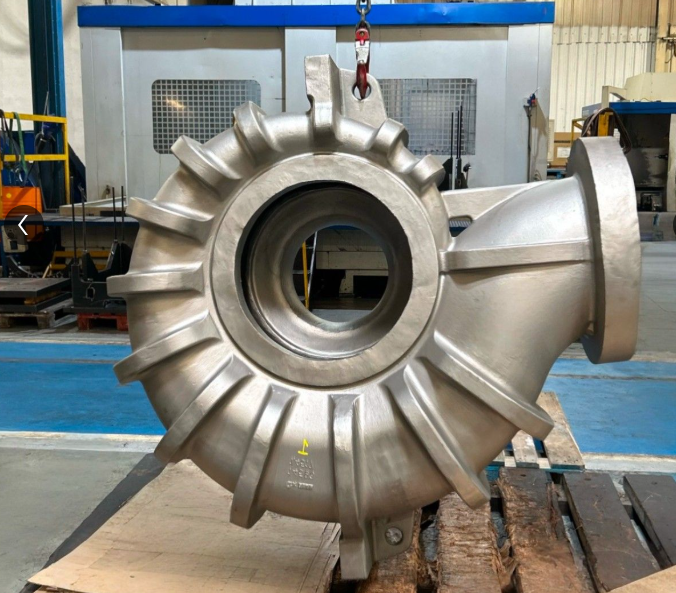
Superrigardo pri neoksidebla austenita ŝtalo
Kio estas austenita neoksidebla ŝtalo?
Kiam mi parolas pri a rustaluminiuma austenita grado, mi rilatas al la familio de 300 serio rusta ŝtalo kaj kelkaj alt-alligita variantoj kun stabila vizaĝ-centrita kubika (FCC) kristala strukturo. Ĉi tiu FCC-strukturo, atingita ĉefe per aldono de nikelo (kaj foje mangano kaj nitraĵo), donas austenitika rustorezista ŝtofo ĝiajn ĉefajn trajtojn:
- Alta korrodorezisto
- Bonega formebleco kaj fortikeco
- Tre bona vundebleco
Komunaj ekzemploj estas 304 rusta ŝtofo (18/8 rusta ŝtofo) kaj 316 rusta ŝtofo, kiun vi vidas ĉie de manĝaŭtaparatoj ĝis kemiaj procezlinioj.
Kial austenitika rusta estas “ne-magneta”?
En la tute annealita stato, unu austenita rustorezista grado estas esence ne-magnetaj ĉar la FCC-strukturo ne subtenas feromagnetismon same kiel la korpo-centrita kubo (BCC) aŭ ferrita strukturoj. Tial 304 kaj 316 ofte estas nomataj ne-magnetaj rustorezistoj.
Tamen, post malvarma prilaborado (faldado, formiĝo, profunda desegno, maŝinado), iuj el la austenito povas transformiĝi al martensito, kiu estas magneta. Tial:
- Annealita 304-foila povas esti ne-magneta
- La sama foilo, post peza formado aŭ malvarma rolling, povas montri rimarkeblan magnetaĵon
Tio estas norma kaj ne ne signas ke la materialo estas “falsa” aŭ malalta kvalito.
Kial austenitaj gradoj dominadas en la produktado de rustorezista ŝtofo?
Austenitaj rustorezistaj ŝtofoj konsistigas plej granda parto de la nerusta ŝtalo uzata tutmonde ĉar ili solvas la plej vastan gamon de realaj mondaj problemoj kun unu familio de alojoj:
- Korodrezista ŝtalo por ĉiutagaj kaj agresemaj medioj
- Facile al formi, veldi, kaj fabrikadi en normaj usonaj laborejoj
- Fidinda rendimento de krioĝenika temperaturoj ĝis alta temperaturo rustorezista ŝtofo servo
- Akceptita kiel manĝaĵa grado rustorezista ŝtofo kaj higiena por farmacia kaj bioteknologio
El kost/efikeco vidpunkto, gradoj kiel 304, 304L, 316, kaj 316L rusta ŝtofo frapu la dolĉan punkton por ĝenerala industrio, manĝaĵo, kemia, mara, kaj arkitektura uzo.
Kie taŭgas austenitaj gradoj kontraŭ aliaj rustaj familioj?
En la rusta universo, austenitaj gradoj de rusta ŝtofo sidas ĉi tie:
- Ferrita rusta: Malalta nikelo, magneta, malpli formebla, malpli kosta; uzata kie meza koroda rezisto estas sufiĉa.
- Martensita rusta: Dura, forta, magneta; uzata por tranĉiloj, iloj, kaj eluaj partoj; pli malalta koroda rezisto.
- Duplex rustaŝtalo: Miksita austenito/ferrita strukturo; pli alta forto kaj klorida rezisto; pli specializita kaj malpli pardona por fabrikado.
- Ĉefaj ecoj de Austenita Rusta Ŝtalo:
- Plejbona kompleto de koroda rezisto, formeblo, veldado, kaj fortikeco
- Ĉefa elekto por manĝaĵa prilaborado, kemia procezo, marbordaj rustorezaj ŝtalo, kaj ĝenerala industrila uzo
Se vi bezonas Supera Ligilabileco: tio estas korrodrezista, facile akirebla en Usono, kaj havebla en ĉiu folio, plato, tubo, tubeto, stango, kaj akcesoraĵo formo, a rustaluminiuma austenita grado kutime estas via komenca punkto.
Ĉefaj Avantaĝoj de Austenitaj Randa Ŝtala Gradigoj
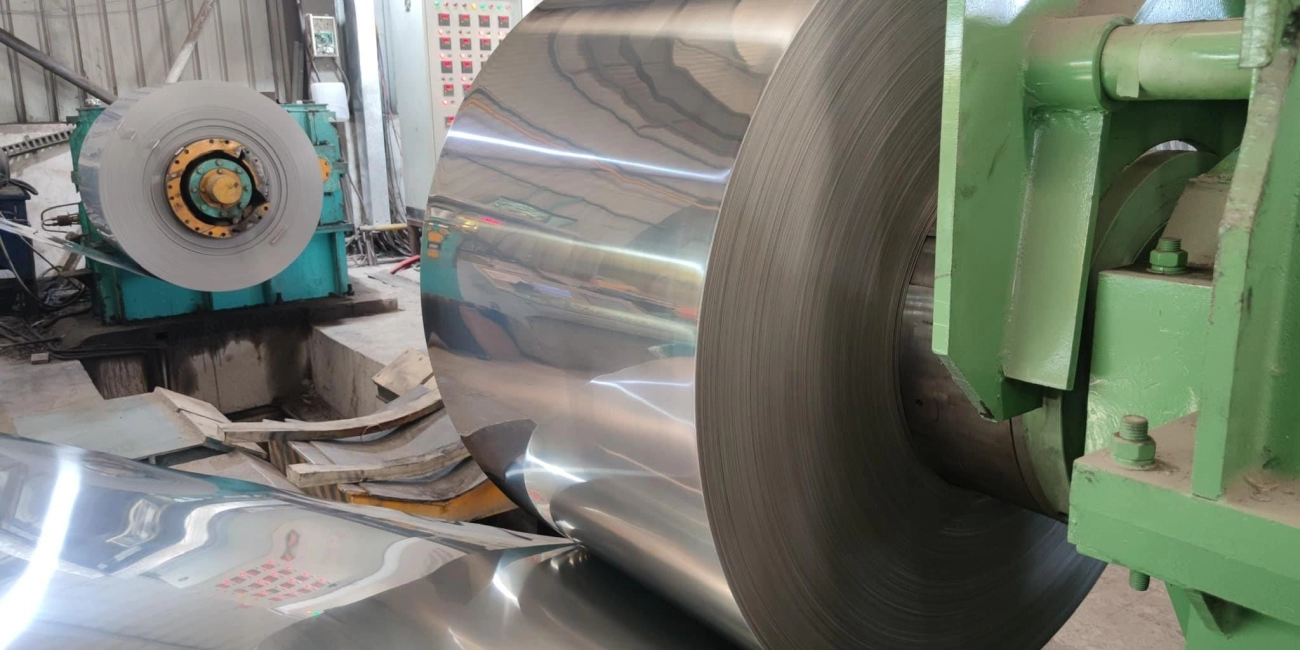
Austenitaj randa ŝtala gradigoj estas mia elekto por plej multaj Usono-klientoj ĉar ili atingas la dolĉan punkton de koroda rezisto, formebleco, kaj veldebleco en unu pakaĵo.
Koroda Rezisto en Realaj Medioj
Austenita randa ŝtalo (precipe La serio 300: Industria Normo kaj 316 rusta ŝtofo) donas fidindan protekton en ĉiutagaj kaj agresemaj kondiĉoj:
| Medio | Rekomendita Austenita Grado | Notoj |
|---|---|---|
| Enĉambro, seka, manĝa kontakto | 304 / 304L (18/8 rusta ŝtofo) | Norma manĝa-klasa rusta ŝtofo |
| Ekstere, urba/industria | 304L / 316L | Pli bona rezisto al poluado |
| Kosta, splasha zono, de-icej saloj | 316 / 316L (marborda rustorezista ŝtalo) | Moliibdeno alijita rustorezista ŝtalo |
| Milda kemia prilaborado | 316L / 904L | Pli altaj alijaj gradoj por malmolaj medioj |
- Alta kromoenhavo konstruas mem-reparantan pasivan filmon.
- Moliibdeno, nitrogeno, kaj kupro en elektitaj austenitaj gradoj plifortigas reziston al pitrado kaj kava korodo.
Formebleco, Duktileco, kaj Fortikeco
Por kompleksaj, profunde desegnitaj, aŭ tre formitaj partoj, austenita rustorezista ŝtalo gradoj estas tre pardonegaj:
- Alta etendo kaj duktileco por profunda desegno, fleksado, kaj turnado
- Bonega fortikeco eĉ ĉe malaltaj temperaturoj
- Ideala por sinkoj, elsendaj sistemoj, brakoj, kovriloj, kaj ĉambroj kie formo estas kritika
Ligilikeco kaj Facila Fabrikado
Se vi ludas en Usono fabrikbutiko, austenitika rustorezista ŝtofo estas unu el la plej facilaj rustorezistaj familioj por labori kun:
- Kompatibla kun oftaj procezoj: GTAW/TIG, GMAW/MIG, SMAW
- Malkarbona 304L rustorezista ŝtofo kaj 316L rustorezista ŝtofo malpliigi sentivigadon kaj karbida precipitado
- Bona rendimento en tranĉado, formiĝo, kaj maŝinado kun taŭga ilaro
Por klientoj kiuj bezonas ambaŭ krudmaterialojn kaj precizajn partojn, mi kutime kombinas niajn austenitajn gradon kun niaj propraj rustaj ŝtalaj produktoj linioj por konservi materialan kvaliton kaj fabrikadon konsekvence.
Rendimento ĉe Krioĝenaj kaj Altaj Temperaturoj
Austenita rusta ŝtalo elstaras kiam la temperaturo ŝanĝiĝas en ajna direkto:
| Temperaturo-Rango | Avantaĝo | Tipaj Gradon |
|---|---|---|
| Kriogenika (ĝis –196°C) | Konservas impaktan fortikecon kaj ductilecon | 304L, 316L |
| Alta (ĝis ~870°F) | Bona forto kaj oksidiĝa rezisto | 304, 316, 321 |
| Alta varmeco / forno-uzo | Varme rezistema austenitika rustoŝtalo (310) | 310, 310S |
Tio faras ĉi tiujn gradojn idealaj por kriogena rusta ŝtalo tankoj, varmotransportiloj, kaj alt-temperaturaj procezlinioj.
Higiena kaj Facile Purigebla por Manĝaĵo kaj Medikamentoj
Por Usono manĝaĵo, trinkaĵo, kaj farmaciaj fabrikoj, austenitika rustorezista ŝtofo austenitika grado estas la normo por higiena dezajno:
- Glata, ne-pora surfaco estas facile purigebla kaj steriliga
- Rezista al makulado kaj produkto-akumuliĝo
- Kompatible kun CIP/SIP purigaj kemiaĵoj kiam la ĝusta grado (ofte 316L) estas elektita
- Ĝenerale akceptata kiel manĝaĵa grado rustorezista ŝtofo en FDA- kaj USDA-reguligitaj medioj
Kiam mi provizas materialon por sanitaraj sistemoj, mi fokusiĝas al malkarbonigita, loke weldable rusta ŝtalo en polurita tubo, tubo, kaj akcesoraĵoj kiuj plenumas striktajn higienajn kaj inspektajn postulojn, subtenata de plenaj fabriktestaj atestiloj kaj PMI laŭbezone.
Ĉefaj Austenitic Rusta Ŝtalo Grade'oj
300-serio Rusta Ŝtalo Superrigardo
kiam homoj en Usono diras “sen rusto,” ili kutime celas 300-serian austenitan rustorezistan ŝtalon. Tiuj austenitaj gradoj de rusta ŝtofo estas nikelo-ŝarĝitaj, ne-magnetaj en la annealita stato, kaj proponas fortan ekvilibron de koroda rezisto, formebleco, kaj veldado. La plej oftaj estas 304, 304L, 316, 316L, 321, 310, kaj 904L, ĉiu adaptita por specifaj medioj kaj temperaturoj.
304 Rustorezista Ŝtalo & 304L Rustorezista Ŝtalo
304 rusta ŝtofo (18/8 rusta ŝtofo) estas la ĉiutaga laborĉevalo:
- Tipaj uzoj en Usono: kuirejaj ekipaĵoj, manĝaĵaj ekipaĵoj, aparatoj, tankoj, relingoj, arkitektura ornamado, malpeza kemia servo.
- Fortoj: bona ĝenerala koroda rezisto, granda formebleco, facila veldado, vaste en stoko kaj kosta efika.
- Limigoj: ne ideala por pezaj kloridoj (salo, malvarmigoj, marborda spray) aŭ fortaj acidoj.
304L rustorezista ŝtofo estas la malalta karbona versio por pli bona veldado:
- Plej bone kiam vi havas multan veldadon kaj volas eviti sensibiligon kaj veldan degeneron.
- La norma usona praktiko estas specifigi 304L por velditaj tankoj, proceza tubaro, kaj struktura fabrikado.
316 Rusta Ŝtalo & 316L Rusta Ŝtalo (klorida servo)
316 rusta ŝtofo estas la ĉefa molebdeno aldonita rusta ŝtalo por klorida eksponiĝo:
- Tipaj Usono uzoj: maraj feraj objektoj, kemia proceza linioj, pulpado kaj papero, marborda arkitekturo, lavarejoj, kaj iuj manĝaĵaj kaj farmaciaj tubaroj.
- Pli bona rezisto al truado kaj kava korodo ol 304 en salo, salmielo, kaj klorita lavarejo.
316L rustorezista ŝtofo estas la malalta karbonversio:
- Preferata por velditaj tuboj, tubo, kaj tankoj en kemia, maraj, kaj farmacia servo.
- Malpli da risko de sensibligo kaj karbido-precipitado en la varme-efektita zono.
321 Stabiligitaj Rostenaj Gradoj (Alta Temperaturo)
321 rusta ŝtofo estas la titanio-stabiligita rusta ŝtofo desegnita por altaj temperaturoj:
- Titanio ligas karbonon por redukti karbido-precipiton ĉe 800–1500°F.
- Tipaj U.S. uzoj: elĉerpaj manifoldoj, alta-temperaturo kanaligado, refinaĵa kaj petrochemical ekipaĵo, kaj termika prilaboradlinioj.
- Ideala kiam vi bezonas koroda rezisto de tipo 304 sed pli bona rezisto al sensiĝado ĉe altaj temperaturoj.
310 Alta Temperaturo Rusta Ŝtalo
310 rusta ŝtalo estas la alta temperaturo rustorezista ŝtofo kun pli alta kriprono kaj nikelo:
- Konstruita por kontinua servo ĉe tre altaj temperaturoj kaj oksidigaj kondiĉoj.
- Komunaj U.S. uzoj: forno-partoj, bruliloj, varmtraktaj akcesoraĵoj, keramikaj komponantoj, kaj radiantaj tuboj.
- Fortika skala rezisto, sed vi pagas pli po funto ol 304/316, do ĝi estas uzata kie varmeza rezisto vere gravas.
904L kaj aliaj altaj alojoj austenitaj rustorezistaj ŝtofoj
904L austenita rustorezista ŝtofo estas super austenita grado kun alta nikelo, krampono kaj molibdeno:
- Elstara rezisto al agresemaj kloridoj, sulfurika acido kaj reduktaj medioj.
- Uzata en Usono por severa kemia servo, skubantoj, ekstermaraj ekipaĵoj kaj iuj altkvalitaj procezaj sistemoj kie 316/316L ne sufiĉas.
- Aliaj altaj alojoj austenitaj gradoj (kiel 254 SMO kaj similaj) pligrandigas PREN koroda rezisto eĉ pli por ekstreme klorido kaj marakva servo.
- Por tre severa klorido aŭ acida servo, ni eble rekomendas alternativojn kiel dupleksa rustorezista ŝtalo kiel kovrita en nia duplex rusta ŝtala produkto superrigardo.
Tutmonda Grad-egalecoj (AISI, UNS, EN, ISO)
Jen rapida referenco por la ĉefaj austenita rustorezista ŝtalo gradoj en tutmondaj sistemoj:
| Komuna Nomo | AISI | UNS | EN (1.XXXX) | Tipa Uznotaĵo |
|---|---|---|---|---|
| 304 | 304 | S30400 | 1.4301 | Ĝenerala celo 18/8 rusta ŝtofo |
| 304L | 304L | S30403 | 1.4307 | Malalta karbona, loke weldable 304 |
| 316 | 316 | S31600 | 1.4401/1.4436 | Norma molibdeno alĝustigita rusta ŝtofo |
| 316L | 316L | S31603 | 1.4404/1.4432 | Malalta karbona 316 por veldita servo |
| 321 | 321 | S32100 | 1.4541 | Titano stabiligita, alta-tempa 304 tipo |
| 310S | 310S | S31008 | 1.4845 | Varme rezistema austenitika, alta temperaturo uzo |
| 904L | 904L | N08904 | 1.4539 | Alta alojo, alta koroda rezisto |
Se vi ne certas kiu rustaluminiuma austenita grado konformas al via medio aŭ specifo (ASTM, ASME, EN, ISO), ni kongruas U.S. specifojn kun internaciaj ekvivalentoj kaj helpas vin elekti la ĝustan gradon, formon, kaj finon por via projekto.
Kemiaj Konstituantoj de Austenitic Rusta Ŝtalo Grade
Austenitic rusta ŝtalo gradon en la 300-serio estas konstruita ĉirkaŭ simpla ideo: sufiĉe da kromo kaj nikelo por fiksi korodan reziston kaj austenitan strukturon.
Kromaj kaj Nikelaj Intervaloj en 300-Serio Rusta Ŝtalo
Plej oftaj austenitic rustaj ŝtalaj gradon situas en ĉi tiuj intervaloj:
- Kromio (Cr): ~17–20%
- Ĉefa elemento por koroda rezisto
- Formas la pasivan kromio oksidan filmon kiu protektas la ŝtalon
- Nikel (Ni): ~8–12% (kaj pli por specialaj gradoj)
- Stabiligas la FCC austenitan strukturon
- Plibonigas fortikecon, ductilecon, kaj ĝeneralan korodan reziston
Kiam vi aŭdas 18/8 neoksidebla ŝtofo, tio kutime signifas ĉirkaŭ 18% Cr kaj 8% Ni, kiel tipa 304 neoksidebla ŝtofo.
Rolo de molibdeno, nitrogeno, kaj kupro
Por trakti pli malfacilajn mediojn, ni uzas kromajn alĝustigajn elementojn:
- Molibdeno (Mo)
- Ŝlosilo en klasoj kiel 316 rusta ŝtofo
- Plifortigas rezisto kontraŭ truoj kaj kavaj korodo en klorido kaj maraj kondiĉoj
- Puŝas supren la PREN koroda rezisto-valoro
- Nitrogeno (N)
- Kreskigas forton sen perdi ductilecon
- Plibonigas lokan korodon reziston, precipe en alt‑aliozaj austenitaj gradoj
- Kupro (Cu)
- Uzata en 904L austenita rustorezista ŝtofo kaj similaj alt‑aliozaj materialoj
- Helpi en acida servo (sulfura acido, kelkaj fosfora acidoj medioj)
Ĉi tiuj aljoj ŝanĝoj estas kial austenitika rustorezista ŝtalo povas konkuri kun aliaj specialaj alojoj kiel alt-temperatura kromium-kobalto-molibdeno materialoj uzataj en malfacilaj servoj (kromium-kobalto-molibdeno alt-temperaturaj alojoj).
Karbonenhavo kaj “L” Malalta Karbona Gradoj
Karbono estas malgranda en kvanto sed granda en efiko:
- Normaj gradoj (ekz., 304, 316)
- C kutime ĝis 0.08%
- Pli alta forto sed pli da risko de karbido precipitado en la varm-efektita zono dum veldado
- “L” gradoj (304L rusta ŝtofo, 316L rusta ŝtofo)
- C limigita al ĉirkaŭ 0.03% maksimumo
- Grandparte reduktas sensibilizado (kromkarbidoformado ĉe grajnejoj)
- Pli sekura elekto por peza veldado, pli dikaj sekcioj, kaj korozivaj servoj
En Usono fabrikadbutikoj, 304L kaj 316L estas normaj elektoj kiam veldoj vidos korozivajn likvaĵojn, purigajn kemiaĵojn, aŭ inspektadon sub FDA/USDA gvidlinioj.
Stabiligaj Elementoj: Titanio kaj Niobio
Kelkaj austenitaj rustaj ŝtalaj gradigoj uzas stabiligilojn anstataŭ (aŭ krom) malalta karbono:
- Titanio (Ti) – en 321 rusta ŝtofo
- Niobio/Kolumbio (Nb/Cb) – en 347 rusta ŝtalo
Ĉi tiuj elementoj ligas karbonon kiel stabilaj karbidoj, kiuj:
- Malpliigas kromia karbidoformadon ĉe grajnbordoj
- Plibonigas reziston al intergranula korodo je altaj temperaturoj
- Faru stabiligitajn rustorezistajn gradojn forta elekto por alta temperaturo kaj cikla varmigo servo
Kombinaĵo, Weldiĝebleco, kaj Risko de Sensitigo
La kemio de austenitika rustorezista ŝtala grado rekte influas kiel ĝi ludas kaj kiel ĝi kondutas post weldiĝo:
- Pli alta karbona enhavo = pli alta risko de sensitigo
- Pli verŝajne vidi intergranulan korodon laŭ weldoj se ne ĝuste kontrolite
- Malalta karbona (“L” gradoj) kaj stabiligitaj gradoj
- Pli bona weldiĝebleco por koroda medio
- Malpli bezono je post-ligita varmiga traktado por restarigi korozorezistecon
- Nikel kaj nitraĵo
- Helpi konservi la mikrostrukturon forta kaj fleksebla post ligo
- Subteni bonan formeblecon kaj malalt-temperaturan fortikecon
En reala mondo de Usono fabrikado, ni kutime kongruas 304L aŭ 316L rustorezajn ŝtofojn kun ĝustaj plenigaj metaloj, kontrolita varmoinputo, kaj post-ligita purigado (pickling/passivation) por konservi ambaŭ ligo-eblecon kaj korozorezistecon en punkto.
Mezaj Ecoj de Austenitic Rustorezaj Ŝtofoj
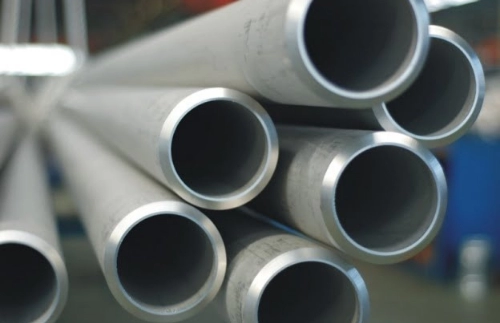
Austenitika neoksidebla ŝtalo gradigoj en la 300 serio estas konataj pro tre ekvilibra mekanika profilo: bona forto, elstara ductileco, kaj elstara malmoleco de krioĝenaj ĝis altaj temperaturoj. Tial ili estas la unua elekto austenitaj gradoj de rusta ŝtofo por postulemaj U.S. produktado kaj fabrikado butikumadoj.
Tensila kaj Rendimenta Forto laŭ Grado
Tipaj ĉambro-temperaturoj propraĵoj por komunaj austenitika rustorezista ŝtofo (annealita stato):
- 304 / 304L neoksidebla ŝtalo
- Rendimenta forto: ~30–35 ksi (205–240 MPa)
- Tensila forto: ~70–85 ksi (485–585 MPa)
- 316 / 316L rustorezista ŝtofo
- Rendimenta forto: ~30–35 ksi (205–240 MPa)
- Ŝarĝa forto: ~75–90 ksi (515–620 MPa)
- Alta-alloga austenitika gradoj (ekz., 904L)
- Simila aŭ iomete pli alta ŝarĝa forto, kun pli bona koroda rezisto
Kun malvarma laboro (rolado, tirado, formiĝo), ĉi tiuj fortoj povas pli ol duobliĝi, donante al vi koroda rezistema ŝtofo kiu povas atingi fortnivelojn kongruajn kun iuj karbonŝtofoj sen varmotraktado.
Etendiĝo kaj Duktileco por Formiĝo
Granda avantaĝo de 300 serio rusta ŝtalo estas alta etendiĝo:
- Etendiĝo ĉe frakasiĝo: kutime 40–60%
- Bonega por profunda desegno, spinado, kaj kompleksa formo
- Alta ductileco helpas eviti krakadon en stampitaj partoj, sinkoj, manĝaĵa ekipaĵo, kaj arkitekturaj komponantoj
Se vi desegnas profundan aŭ formumas mallarĝajn radiusojn, tiuj austenita rustorezista ŝtalo gradoj estas ĝenerale multe pli toleremaj ol feritaj aŭ martensitaj rustaj ŝtofoj.
Malsekureco kaj laboro hardiĝo
En la annealita stato, malsekureco estas modera:
- Tipa malsekureco: ~150–200 HB (Brinell), dependanta de grado
- Facile maŝinebla kun ĝustaj iloj kaj feedoj, kvankam ne tiel facile kiel molaj ŝtaloj
Sed austenitika rustorezista ŝtalo estas fortaj laboro hardiĝantoj:
- Malvarmigo formadon, kurbiĝon aŭ maŝan prilaboradon rapide pligrandigas malmolecon kaj forton
- Tio povas esti uzata intence por pli fortaj, spring‑similaj partoj
- Ĝi ankaŭ signifas, ke tranĉiloj devas esti akraj kaj bone malvarmetigitaj por eviti troan laboran malmolecon en la tranĉa zono
Se vi komparas malsamajn alojojn por forto kaj formo‑eblo, povas helpi rigardi kiel ili malmoliĝas kun streĉo, simile al tio kiel ni taksas alt‑efikecajn alojojn en niaj Gvidilo pri Inconel-alojoj.
Impaktaj Tugeco kaj Kripreagaj Kondiĉoj
Grava kialo austenitika rustorezista ŝtofo estas uzata en LNG, aviado, kaj medicinaj ekipaĵoj estas ĝia impacta fortikecon:
- Tugeco restas alta eĉ ĉe kriogenaj temperaturoj (ĝis likva nitrogeno aŭ LNG kondiĉoj)
- Neniu fragila transiro kiel karbona ŝtalo—partoj restas ductile kaj sekuraj sub impeta ŝarĝo
- Ideala por tankoj, tubado, kaj premoj komponentoj kiuj vidas malvarm-temperaturan servon
Efiko de Malvarma Laboro sur Forto kaj Perfektado
Malvarma laboro havas gravan efikon sur maŝina rendimento:
- Forto supren: rendimento kaj streĉa forto povas pliiĝi 2–3× de peza malvarma redukto
- Duktebleco malpliiĝas: etendiĝo falas kiam forto pliiĝas, do tre alta malvarma laboro malpliigas formeblecon
- Milda magnetaĵo: peze malvarmŝtukita ne-magnetika rustorezista ŝtofo kiel 304 povas fariĝi iom magneta
- Restanta streso: eble postulas streso-relivan annealing por redukti deformadon kaj plibonigi lamenan vivon
En praktiko, ni adapti la nivelon de malvarma laboro por atingi ĝustan ekvilibron de forto, daŭreco, kaj formiĝa konduto por ĉiu apliko, ĉu ĝi estas maldika senrusteca ŝtala folio kaj plato aŭ alta forto stango kaj akcesoraĵoj.
Fizikaj propraĵoj de Austenita Senrusteca Ŝtalo
Denso kaj pezo kontraŭ karbonŝtalo
Austenita senrusteca ŝtalo havas denson de ĉirkaŭ 7.9–8.0 g/cm³, iom pli alta ol tipa karbonŝtalo (~7.85 g/cm³).
En praktiko:
- Pezo po futo de plato, stango, kaj tubo estas tre simila al karbona ŝtalo
- Vi ne elektas austenitan rusten por peza ŝparo—vi elektas ĝin por koroda rezisto kaj daŭreco
Termika etendiĝo kaj veldado-efiko
Austenita rusto havas pli altan koeficienton de termika etendiĝo ol karbona ŝtalo, precipe de ĉambra temperaturo ĝis 1000°F. Tio signifas:
- Pli da moviĝo dum varmigo kaj malvarmigo
- Pli alta risko de distordiĝo kaj deformiĝo en veldadoj
- Vi bezonas bonan fiksaĵon, kontrolitan varmoinputon, kaj taŭgan kunligan desegnon por konservi partojn rektaj
Termika kondukteco kaj varmotransigo
Kompare kun karbonŝtalo kaj kupra alojoj, austenitika rustorezista ŝtalo havas pli malaltan termikan konduktecon:
- Varmo moviĝas pli malrapide tra 300-seria rustorezista ŝtalo
- Varmujoj restas pli varmaj kaj pli lokaj
- En varmotransferiloj kaj alt-temperaturaj partoj, vi eble bezonas pli maldikajn murojn aŭ pli grandan surfacareon por atingi la saman varmotransferon kiel karbona ŝtalo aŭ alia alt-temperaturaj alojoj
Elektrika Rezisteco kaj Magneta Permeablo
Austenitika rustorezista estas alta-rezistado, malalta-magneta materialo en la annealita stato:
- Pli alta elektrika rezistivo ol karbonŝtalo (bone por rezistanca varmigo aplikoj)
- Magnetika permeablo estas proksime al 1.0 (efektive ne-magnetaj kiam plene annealita)
- Post malvarmiga laboro (bendo, formi, maŝini), iuj martensito povas formiĝi kaj la ŝtalo eble iel magnetiĝos—tio estas norma kaj ne signifas ke ĝi estas “falsa rustorezista”
Konduto ĉe Krioĝenaj kaj Altaj Temperaturoj
Unu el la plej grandaj avantaĝoj de austenita rustorezista ŝtalo de austenita grado estas ĝia agado en ekstremaj temperaturoj:
- Kriogenika servo (ĝis -320°F / -196°C): Forteco restas alta, tre malalta risko de fragila frakturo
- Alta temperaturo (ĝis ~1500°F / 815°C por komunaj 304/316): Forto tenas pli bone ol karbona ŝtono kaj skalo rezisto estas multe pli bona
- Specializita varmeco rezistema austenitika rusta ŝtofo gradoj (kiel 310) povas iri eĉ pli alte por kontinua alta varmservado
Ĉi tiuj fizikaj ecoj estas precize kial austenitika rusta ŝtofo estas la elekto en Usono por manĝaĵaj fabrikoj, kemiaj instalaĵoj, kaj alta-temperaturo ekipaĵo kie fidindeco gravas pli ol nur la komenca materialkosto.
Koroda rezisto de austenitika rusta ŝtofo
Austenitika rusta ŝtalo-gradoj estas miaj preferataj kiam mi bezonas fidindan, longdaŭran koroda reziston en realaj Usono-ĉirkaŭaĵoj—ĉu tio estas marborda aero, manĝaĵaj plantoj aŭ kemiaj linioj.
Ĝenerala Korodo en Atmosfero kaj Industrio
En normalaj atmosfera kaj malpeza industriaj medioj, 304 rusta ŝtalo kaj aliaj 18/8 austenitaj rustaj ŝtalo-gradoj ofertas bonegan reziston al rusto kaj makulado. En pli severaj industriaj medioj kun acidoj aŭ poluitaj atmosferoj, pli altaj alojoj 316 rusta ŝtalo kaj 904L austenitika rusta ŝtalo tenas multe pli bone, reduktante prizorgon kaj neatenditan haltadon.
Pikado kaj Krespo Korodo en Kloridoj kaj Maraj Servoj
Kloridoj (salo, glaciaĵaj kemiaĵoj, marakvo) estas la ĉefa malamiko.
- 304 rusta ŝtalo povas pikadi aŭ rusi-tintigi en marbordaj aŭ splashtazoj.
- 316 rusta ŝtalo (molybdeno-aloja rusta ŝtalo) estas la normala “marborda grado rusta ŝtalo” por Usono-marbordaj projektoj, dokoj, kaj boataj ekipaĵoj.
- Super-austenitikaj gradoj kiel 904L estas uzataj kiam varmaj kloridoj kaj mallarĝaj krespoj estas neeviteblaj.
Por malmolaj maraj strukturoj kaj aparatoj, ni ofte kombinas austenitan rustorezistan kun aliaj inĝenieraj solvoj similaj al tiuj uzataj en postulemaj mara inĝenieristiko.
Streĉa koroda krakado (SCC)
Austenita rustorezista ŝtofo povas fronti streĉan korodan krakadon en varmaj kloridaj kondiĉoj (kiel varma brino, iuj refinaĵaj kaj kemiaj procezoj). Por redukti la riskon de SCC:
- Evitu altajn restaĵajn streĉojn (uzu taŭgan dezajnon kaj streĉan malfortigon kie eble).
- Uzu malalt-karbonajn rustorezistajn gradon kiel 304L rustorezistan kaj 316L rustorezistan por pli bona veldado.
- Ĝisdatigu al pli alta alojo aŭ dupleksa rustorezista kiam klorido + temperaturo + streĉo estas ĉiuj altaj.
Intergranula korodo kaj sento
Sento okazas kiam austenita rustorezista estas tenata en la intervalo 800–1500°F (425–815°C), kaŭzante kromian precipitaĵon de kromio-karbidoj ĉe grajnoj kaj lokan atakon:
- Uzu L gradigoj (304L, 316L) por redukti sentigo post veldado.
- Uzu stabiligitaj rustorezistaj gradigoj kiel 321 (titanio stabiligita rustorezisto) aŭ 347 (niobio stabiligita) por ripetaj alt-temperaturaj ekspozicioj.
- Sekvu bonan veldadon kaj post-velda purigado por konservi la pasivan filmon forta.
Uzi PREN por Kompari Austenitajn Gradigojn
Por rapide kompari rustorezistajn ŝtalajn opciojn, mi rigardas PREN (Pitting Resistance Equivalent Number). Pli alta PREN = pli bona pitting/crevice corrosion resistance en kloridoj. Rusta gvidilo por austenitaj rustorezistaj ŝtaloj:
- 304: PREN ~18–19
- 316: PREN ~23–24 (pli bon mara kaj kemia rezisto)
- 904L kaj aliaj altaj alojoj austenitaj rustorezistaj: PREN 30+ por agresema klorido kaj kemia servo
Kiam vi elektas rustorezistan austenitan ŝtalan gradon por Usono marbordo, manĝaĵaŭtenta rustorezista ŝtalo, aŭ kemia plantado, mi ĉiam kongruas la PREN kaj alojecon kun la realaj klorido kaj temperaturo kondiĉoj—ne nur la aĉeta prezo.
Aplikoj de Austenitaj Rustorezistaj Gradoj
Austenitaj rustorezistaj ŝtaloj estas miaj preferataj materialoj kiam mi bezonas mikson de koroda rezisto, purigebleco, kaj facila fabrikado. En la usona merkato, 304 rustorezista ŝtalo, 316 rustorezista ŝtalo, kaj aliaj 300-seriaj rustorezistaj ŝtaloj aperas en preskaŭ ĉiu grava industrio.
Manĝaĵo, Laktaj, kaj Trinkaĵaj Ekipaĵoj
Por manĝaĵaŭtenta rustorezista ŝtalo, 304 kaj 316 austenitaj rustorezistaj ŝtaloj estas normaj. Ili estas facile purigeblaj, rezistas makuladon, kaj plenumas striktajn higienajn atendojn por:
- Manĝaĵaŭtenta produktadlinioj kaj miksaj tankoj
- Daŭrigilar ekipaĵo, tubado, kaj akcesoraĵoj
- Biero, vino, kaj trinkaĵaj sistemoj
Kiam mi provizas ekipaĵon por ekipaĵa fabrikado en ĉi tiuj sektoroj, mi fidas je austenitaj gradoj por konservi surfacojn glataj, sanaj, kaj kongruaj kun Usono-manĝaĵaj sekurecaj atendoj.
Kemiaj kaj petrokemiaj ekipaĵoj
En kemiaj fabrikoj kaj rafinejoj, koroda rezista ŝtofo estas ne-negociinda. 316/316L rustorezista ŝtofo kaj molibdeno-alligita rustorezista ŝtofo kiel 904L pritraktas:
- Kloridoj, mildaj acidoj, kaj procezaj kemiaĵoj
- Reaktoroj, varmotransdoniloj, kaj stokaj tankoj
- Senrusteca ŝtala tubo- kaj tubaroj-sistemoj
Ĉi tie, la ĝusta austenitika rustorezista ŝtala grado reduktas malŝarĝon kaj plilongigas la servodaŭron.
Farmacia kaj Bioteknologiaj Instaladoj
Farmaciaj kaj bioteknologiaj instalaĵoj postulas ultra-purajn, plene loke-bloveblajn rustorezistajn ŝtalojn:
- Alta-pureco-pipoj, manifoldoj, kaj skidoj
- Vaskoj, bioreaktoroj, kaj puraj ĉambroj
Ne-magnetaj rustorezistaj ŝtalo kun glataj finpoluroj kaj bonega loke-blovado helpas plenumi validigajn kaj purigajn protokolojn.
Arkitekturo kaj Konstruado
En konstruado kaj fasadlaboro, 304 kaj 316 rustorezistaj ŝtofoj kaj platoj estas uzataj por:
- Eksteraj ŝtofoj kaj panelaj sistemoj
- Maniloj, kovriloj kaj dekoraciaj trajtoj
316 rustorezista ŝtofo ofte estas preferata en marbordaj urboj de Usono pro pli bona rezisto al saloŝmira aero.
Aŭtomobilaj kaj Transportaj
Austenitaj gradoj estas uzataj kie formebleco kaj fortikeco gravas:
- Eksaŭstaj sistemoj kaj varmokovriloj
- Strukturaj brakoj kaj ornamadoj
- Rilataj kaj komercaj veturilaj komponantoj
Ilia kapablo trakti vibradon, impeton, kaj vojkaj saloj donas al ili avantaĝon super karbonŝtalo en kritikaj punktoj.
Aeroespaco kaj Alt-temperatura Uzo
Varme rezistaj austenitaj rustorezistaj ŝtale kiel 310 kaj 321 aperas en:
- Brulaj partoj, difuziloj, kaj lineroj
- Motoro kaj elirejaj komponantoj
Ekzemple, alt-temperaturaj rustorezistaj komponantoj similaj al tiuj uzataj en a antaŭa difuzilo por brulkamero fidas je stabila rendimento ĉe altaj temperaturoj.
Maraj kaj Marĉaj Solvoj
Por marborda grado da rusta ŝtalo en Usono havenoj kaj marĉefaj regionoj, 316/316L kaj pli altaj aloja gradoj estas uzataj en:
- Boataj akcesoraĵoj, ŝnuroj, kaj relaj sistemoj
- Marĉefaj platformoj, tubaroj, kaj kablaj tavoloj
Ilia rezisto al klorida atako kaj piki konservas prizorgadon sub kontrolo en malfacilaj salakvaj medioj.
Produktaj Formoj kaj Specifoj por Austenitika Rusta Ŝtalo Gradoj
Mi stoki austenitan rustan ŝtalon en ĉiuj komunaj produktaj formoj, grande por Usono fabrikadbutikoj, OEM-oj, kaj projektoj.
Haveblaj Produktaj Formoj
Normaj formoj por 304, 304L, 316, 316L, 310, 321, 904L kaj aliaj austenitaj gradoj:
- Folio & Plateno – laserkvalito, tranĉita laŭ grandeco
- Rulaĵo – milla bobeno kaj tranĉita bobeno por stampado kaj rulformado
- Stango – ronda, heks, kvadrata, plata stango por maŝinado
- Pipo & Tubo – senŝela kaj kunmetita, SCH-pipo kaj metrikaj grandecoj
- Akcesoraĵoj & Flangoj – kubutoj, teoj, reduktantoj, kovriloj, higienaj akcesoraĵoj
Se vi ankaŭ laboras kun ne-ferraj metaloj, mi povas adapti rustorezistan al viaj kupra alojo kaj aluminian aluminiogrado specoj por miksitaj materialaj projektoj.
Surfaca Finado por Austenit-stelaj Rustorezaj
Komunaj finioj por 300-seriaj rustorezaj ŝtofoj kaj platoj:
| Finado | Priskribo | Tipa Uzo |
|---|---|---|
| N-ro 1 | Varme-rolita, annealita, pikla | Strukturaj, forno partoj |
| 2B | Malvarmigita, glata mato | Ĝenerala fabrikado, industrio |
| BA | Brila annealita, reflektanta | Aŭtomatoj, ornamaj frontoj |
| N-ro 4 | Brusita, harlinio | Manĝaĵa ekipaĵo, arkitektura |
| Aŭtenta Polaĵo | #6–#8 spegulo, direkcia | Alta-klasa arkitektura, sanitaro |
Norma Grandeco-Rango (Stoka Programo)
Tipaj stokaj gamoj por austenitika rustorezista ŝtofo:
Folio & Planko (coloj)
- Dikeco: 0.024″ – 2.00″
- Larĝo: 36″, 48″, 60″, 72″
- Longeco: 96″, 120″, 144″ (plus tranĉi-al-longo)
Stango
- Rondo: 3/16″ – 12″ dia
- Plata: 1/8″ – 6″ thick, ĝis 12″ wide
Pipo & Tubo
- NPS: 1/4″ – 24″ (lutitaj kaj senjuntaj)
- Tubaro: 1/8″ – 8″ OD, normaj kaj peza muro
(Kustomaj ne-normaj grandecoj kaj precizaj blankoj haveblas sur peto.)
Normoj kaj Specifoj (ASTM, ASME, EN, ISO)
Mi provizas austenitan rustorezistan ŝtalon laŭ gravaj internaciaj normoj, inkluzive de:
- ASTM: A240 (plato/folio), A276 (barilo), A312 (tubo), A269/A249 (tubo)
- ASME: Sekcio II materialoj por premiloj ekipaĵoj
- EN / ISO: EN 10088, EN 10272, EN 10216 / 10217, ISO materialaj nombroj
Materialo estas identigita per AISI, UNS, kaj EN nomigoj por ke vi facile povu kongrui viajn desegnaĵojn kaj projektspecifojn.
Permesoj, Atestado, kaj Testado
Por Usono-produktado kaj EPC-projektoj, mi konservas dokumentadon striktan kaj antaŭvideblan:
- Dimensiaj Toleradoj
- Al ASTM/EN normoj aŭ pli striktaj laŭ peto
- Plana kontrolo por laser/plasma tranĉado
- Materiala Atestilo
- MTC 3.1 / 3.2 kiel postulas
- Plena varmotrackado kaj lota kontrolo
- Testaj Opcioj
- PMI (Pozitiva Materiala Identigo)
- Meza testado: streĉo, duro, impeto
- Koroda testoj kie specifite (ekz., ASTM A262 kiam postulas)
Vi ricevas austenitan rusten senŝarĝan ŝtalon, kiu estas preta por veldado, formado kaj inspektado kun specifoj kiuj taŭgas por U.S. koda laboro kaj OEM-kvalitaj sistemoj.
Fabrikado kaj Veldado de Austenitaj Rustensilaj Gradoj
Tranĉado, Kurbado, kaj Formado de Austenita Rustensilaj Ŝtaloj
Austenita rustensilaj ŝtaloj (304, 316, 310, 904L, ktp.) estas tre formeblaj, sed ili rapide hardiĝas, do agordado gravas.
Tranĉaj gvidlinioj:
- Uzu plasma, laseron, aŭ akvajn jetojn por mallarĝaj toleroj kaj minimuma deformado. Por preciza folia prilaborado, ni tre dependas de alta rapido lasertranĉado de rustensilaj ŝtalfolioj kaj platoj.
- Por mekanika tranĉado (sawado, ŝraŭbado):
- Uzu ujon, rigidajn ilojn kaj taŭgan subtenon.
- Malpliigu vibradon por malhelpi randon labori‑malfortiĝon kaj burr‑ojn.
- Permesu malgrandajn purigajn tranĉojn sur kritikaj randoj.
Fleksado kaj formadaj konsiloj:
- Uzu pli grandajn fleksoradiojn ol por karbonŝtalo (kutime ≥1–1.5× materialo dikeco).
- Planadu formadajn paŝojn por disvastigi la streĉon; profunda desegno kaj kompleksa fleksado devus esti faritaj en pluraj paŝoj.
- Se partoj iĝas tro malmolaj aŭ komencas kraketi dum formado, konsideru meztempan annealon.
Maŝinaj konsiloj por Austenita Rusta Ŝtalo
Austenitaj rustaj gradoj estas “gumiĝaj” kaj labor‑hardiĝas ĉe la ilo, do maŝinado devas esti kontrolata.
- Uzu rigidajn maŝinojn, solidan fiksaĵon, kaj akra karbidiloj.
- Kurigu pli malaltajn tranĉajn rapidecojn sed pli altajn feed-ratojn por resti sub la labor‑hardiĝinta tavolo.
- Uzu generousan malvarmigan agenton por regi varmigon kaj eviti akumuladon de rando.
- Evitu frikadon—kiam la ilo glitas anstataŭ tranĉi, la hardeco pliiĝas kaj la ilvivo falas.
Weldaj procezoj kaj plumbmetalloj
Plej multaj austenitaj rustaj ŝtalgradoj estas tre weldeblaj kaj pardonas kiam vi elektas la ĝustan procezon kaj plumbmetalon.
Komunaj weldaj procezoj:
- GTAW/TIG – plej bona por maldikaj rustorezistaj folioj, tuboj, kaj kritikaj manĝaĵaj/farmaj veldoj.
- GMAW/MIG – pli alta produktiveco sur plato, struktura laboro, kaj tubo.
- SMAW (stango) – kampo laboro kaj riparo.
- FCAW – peza fabrikado kie rapideco gravas.
Tipaj plenigmetalloj:
- 304 / 304L → ER308L / E308L.
- 316 / 316L → ER316L / E316L (molybdenum-alligita rusta por pli bona klora rezisto).
- 321 → ER347 (niobio-stabiligita).
- 310 → ER310 por alt-temperatura servo.
- 904L → alt-alligita austenitika plenigmetalloj kiel ER385.
Ĉiam kongruu la plenigilon kun la servaj kondiĉoj (korodo, temperaturo, kaj kodpostuloj).
Eviti Sensitization kaj Karbida Precipitation
Por konservi altan korodreziston, vi devas regi la sensitization en la veldadoj.
- Preferu malkarbonan rustaĵan ŝtalon (304L, 316L) por velditaj kunmetaĵoj.
- Por pli alta temperaturo de servo, uzu stabiligitaj rustorezistaj gradigoj (321 Ti-stabilizitan, 347 Nb-stabilizitan).
- Minimumigu varmoinputon kaj evitu longan restadon en 800–1500°F (425–815°C), kie kromkarbidoj formiĝas.
- Regulu interpaŝajn temperaturojn kaj evitu ripetan varmigadon de la sama ligozono.
- Se severa sentemo estas suspektata kaj la dezajno permesas, solva anneal kaj rapida malvarmigo.
Post-ligita purigado, acidigo kaj pasivado
Ligita purigado rekte influas korodon, precipe por “manĝaĵa grado rustorezista ŝtofo” kaj sanitaraj servoj.
- Meĥanike forigu ligoĵetojn, varmecajn nuancojn, kaj ŝlakojn per muelado aŭ broso kun rustorezistaj iloj.
- Uzu kemian acidigon (geloj aŭ banadoj) kie la ligo bruligis la surfacon peze kaj kreis oksidojn.
- Fini kun passivado (nitra aŭ citra solvaĵoj) por restarigi fortan krampion riĉan pasivan filmon.
- Por projektoj kun altaj kosmetikaj aŭ higienaj postuloj, ni ankaŭ aplikiĝas specialigitajn surfacajn traktadojn kaj polurajn servojn por atingi No.4, BA, aŭ spegulajn finadojn.
Varma Traktado kaj Annealing de Austenitic Grades
Austenitic rusta ŝtofo ne estas hardigita per varmotraktado, sed annealing estas ŝlosilo por restarigi trajtojn.
- Solva annealado: kutime 1850–2050°F (1010–1120°C), sekve de rapida akvo- aŭ aero-ŝprucigo por dissolvi karbidojn kaj restarigi la koroda rezisto.
- Uzu solva annealadon post peza malvarma laboro aŭ severa formado por restarigi la ductilecon.
- Evitu teni en la sentiviga gamo (800–1500°F / 425–815°C) dum longaj periodoj.
- Stres-reliefo eblas, sed devas esti farita ĉe pli malaltaj temperaturoj kaj mallongaj tempoj por eviti sentivigon.
Prave traktita, austenita rustorezista ŝtofo restas weldable, formable, kaj koroda rezista tra la tuta fabrikada ciklo.
Elekti la ĝustan austenitan rustorezistan ŝtofan gradon
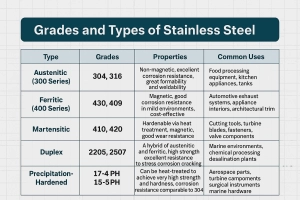
Elekti la ĝustan austenitan rustorezistan ŝtofan gradon dependas de kie ĝi estas uzata, kiom severa estas la medio, kaj kiel vi fabrikos ĝin. Mi ĉiam unue rigardas ĉi tiujn kvin punktojn.
Harmonio de grado al medio kaj korozia risko
Uzu la medion por limigi viajn austenitajn rustorezistajn ŝtalajn opciojn:
- Sekaj internaj, milda atmosfero: 304 / 304L rustorezista ŝtalo kutime sufiĉas.
- Urba, malpeza industrio, lavarejoj: Ankaŭ plejparte 304 / 304L, sed atentu pri kloridoj kaj purigiloj.
- Marborda, marbordo, glaciaĵaj saloj, fortaj purigiloj: Paŝu al 316 / 316L mararmeo-klasa rustorezista ŝtofo.
- Fortaj acidoj, pezaj kloridoŝarĝoj, severaj kemiaj fabrikoj: Rigardu al molebdeno aldonita rusta ŝtalo kiel 316L, 317L, aŭ 904L austenita rustorezista ŝtofo.
Kiam koroda risko estas alta, mi ĉiam kombinas gradelektadon kun solida testado kaj kvalita kontrolo subtenata de ĝusta materiala atestilo, simila al tio, kio estas skizita en niaj rustorezista ŝtofo testado kaj kvalitaj proceduroj.
304 kontraŭ 316: Kosto kontraŭ Efikeco
Ambaŭ estas kernaj 300-seriaj rustorezistaj ŝtofoj, sed ili ne estas interŝanĝeblaj:
- 304 rusta ŝtofo (18/8 rusta ŝtofo)
- Malalta kosto, vaste disponebla, facila por akiri en folio, plato, tubo, kaj tubeto.
- Bona koroda rezisto por plej multaj manĝaĵoj, trinkaĵoj, kaj internaj industriaj uzoj.
- Ne ideala por pezaj kloridoj aŭ salo-ekspozicio.
- 316 rusta ŝtofo
- Kostas pli (plejparte pro molibdeno kaj pli alta nikelo).
- Tre pli bona rezisto kontraŭ truoj kaj kavaj korodo en klorido kaj maraj kondiĉoj.
- La ĉefa “ĝisdatigo” kiam 304 komencas montri rustan tean makuladon aŭ truadon.
Se la medio estas milda, 304 ŝparas monon. Se estas iu ajn vera klorida ŝarĝo aŭ kritika daŭro, 316 kutime repagas sin en malpli da fiaskoj kaj malpli da prizorgo.
Kiam uzi Malaltan Karbonon “L” aŭ Stabiligitajn Gradojn
Malalta karbono kaj stabiligitaj rustorezistaj gradoj helpas vin luti sekure sen perdi koroda reziston:
- Uzu malalt-karbonajn gradojn (304L, 316L) kiam:
- Vi faras multe da luti aŭ pezajn sekciojn.
- Post-lutado aŭ plena solva annealing ne estas praktika.
- Vi volas redukti sensitizadon kaj karbidon precipitiĝi risko en la HAZ.
- Uzu stabiligitajn gradojn (321, 347) kiam:
- La parto vidas longa eksponiĝo ĉe 800–1500°F (425–815°C).
- Ĝi estas por elĉerpo, varmotransmetiloj, aŭ alt-temperatura rustorezista ŝtalo servo.
- Vi bezonas reziston al intergranula korodo post termika ciklado.
Mallonge: “L” por veldebleco en norma servo, stabiligitaj klasoj por alt-temperatura veldita servo.
Ekvilibro Forto, Formebleco, kaj Veldebleco
Plej multaj austenitika rustorezista ŝtalo-graded estas nature dika, forta, kaj loke weldebla, sed ekzistas komercaj kompromisoj:
- Por profunda desegno, kompleksa formado, kaj alta ductileco:
- Norma 304 / 304L kaj 316 / 316L en annealita stato estas via plej bona elekto.
- Por pli alta forto sen varmotraktado:
- Uzu malvarm-traktitajn austenitajn rustorezistajn ŝtofojn; ili rapide hardiĝas.
- Estu preta por pli defia formado kaj maŝinado.
- Por kritika weldebla rustorezista ŝtofo:
- Restu kun 304L, 316L, aŭ 321 kun kongruaj plenigaj metalo.
- Kontrolu varmoinputon kaj sekvu taŭgan post-laboratoria purigado kaj pasivigo.
Mi ĉiam ekvilibrigas:
Ĉu ni povas facile formi ĝin? Ĉu ni povas ligi ĝin sekure? Ĉu ĝi plenumas la minimumajn forto- kaj koroziajn postulojn?
Totala Kosto de Posedo kontraŭ Komenca Materiala Kosto
En Usono, estas ofta fokusiĝo pri prezo por funto, sed kun austenitika rustorezista vi venkas aŭ malvenkas laŭ vivdaŭro-kosto:
- Malpli multekosta grado kiel 304 povas kostumi pli longtempe se:
- Ĝi korodetas aŭ fiaskas en klorida medio.
- Vi havas oftajn malfunkciojn, purigadon aŭ anstataŭigon.
- Pli alta grado kiel 316L aŭ 904L povas esti pli bona interkonsento kiam:
- La procezo estas kritika (manĝaĵo, farmaciaĵo, kemiaĵo).
- Aliro por riparoj estas malfacila aŭ malfermoj estas multekaj.
- Regulaj kaj higienaj normoj postulas altan fidindecon.
Mi ĉiam rigardas tutan koston de posedo: materialan prezon, fabrikadkoston, atendatan vivon, prizorgadon, riskon de fiasko, kaj kongruon. Por plej multaj usonaj plantoj, tio estas la diferenco inter “akceptebla sur papero” kaj “profitebla en reala operacio” kiam oni elektas la ĝustan austenitan rustorezistan ŝtalan gradon.
Kelkaj Demandoj Pri Austenita Rusta Ŝtalo-Gradejoj
1. Kio estas la diferenco inter 304 rusta ŝtalo kaj 316 rusta ŝtalo?
| Trajto | 304 Rusta Ŝtalo (18/8) | 316 Rusta Ŝtalo (Marina Klaso) |
|---|---|---|
| Ĉefaj aljunjaj elementoj | ~18% Cr, 8–10.5% Ni | ~16–18% Cr, 10–14% Ni, 2–3% Mo |
| Koroda rezisto | Tre bona por ĉiutaga uzo | Pli bona en kloridoj, saloj, kaj kemiaĵoj |
| Tipaj uzoj | Aparatoj, kuirejo, tankoj, arkitekturo | Maraj, kemiaj, farmaciaj, marbordaj ekipaĵoj |
| Kosto | Pli malalta | Pli alta |
- La serio 300: Industria Normo laboras bone por plej multaj internaj, sekaj, kaj mildaj korodaj medioj.
- 316 rusta ŝtofo estas mia elekto kiam estas salo, kloridoj, aŭ severaj kemiaĵoj implikitaj.
2. Kiam mi devus elekti 304L kontraŭ 316L malalta karbona gradoj?
“L” = malalta karbona (≤ 0.03% C), desegnita por redukti karbida precipitado dum veldado.
| Gradon | Kiam uzi ĝin |
|---|---|
| 304L | Velditaj tankoj, strukturaj partoj, ĝenerala fabrikado |
| 316L | Velditaj partoj en klorido aŭ kemia servo |
Uzu L gradigoj kiam:
- Vi estas gasmontado kaj ne povas plenumi kompletan solviĝan annealon.
- Vi volas minimumigi sentemoĝadon kaj intergranula koroda risko ĉe gasoj.
3. Kiel mi scias ĉu rusta ŝtofo estas vere “manĝa kvalito”?
En Usono, “manĝa kvalito” temas pli pri konformeco kaj finiĝo ol unu sola nombro.
- Komuna manĝaĵaŭgura austenitika rustorezista:
- 304 / 304L neoksidebla ŝtalo
- 316 / 316L rustorezista ŝtofo (por pli severaj purigaj kemiaĵoj kaj acidoj)
- Serĉu:
- Konformo kun ASTM A240, ASTM A276, aŭ rilata FDA/USDA postuloj
- Glataj, purigeblaj finajĵoj (2B, BA, No.4 poluro)
- Materialaj testraportoj (MTR/MTC) konfirmantaj konstruon kaj gradecon
4. Ĉu austenitika rustorezista ŝtofo taŭgas por maraj medioj?
Jes, sed ne ĉiuj austenitikaj gradoj plenumas la saman:
| Medio | Rekomenditaj austenitikaj rustorezistaj gradoj |
|---|---|
| Kosta atmosfero | 316 / 316L, 317L |
| Spruca zono / akcesoraĵoj | 316 / 316 |

Recenzoj
Ankoraŭ ne estas recenzo.