
Vastmaterial femoral condyle implants offer precise anatomical restoration for unicondylar and total knee replacements with advanced CoCrMo or Oxinium.

What is the Femoral Condyle? Anatomy and Clinical Relevance
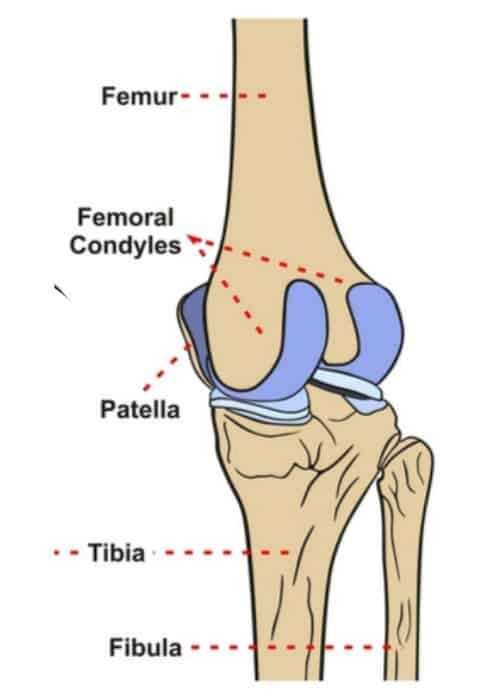
The femoral condyles are two rounded prominences located at the distal end of the femur, crucial for knee joint articulation. These are the medial and lateral femoral condyles, each with distinct anatomical and functional characteristics. The medial condyle is generally larger and bears more load due to its role in weight transmission during gait. In contrast, the lateral condyle is smaller but contributes significantly to knee stability and the complex biomechanics of joint movement.
Anatomically, the femoral condyles form the articulating surface with the tibial plateau and the patella. They feature smooth cartilage-covered surfaces, enabling low-friction motion. The J-curve geometry of each condyle—defined by single or dual radii—plays a pivotal role in preserving the native posterior condylar offset and overall knee kinematics.
Clinically, understanding the differences between medial and lateral femoral condyles is essential for effective implant design and surgical restoration. The condyles bear substantial load, and any compromise in their structure—due to trauma, degeneration, or osteochondral defects—can lead to significant functional impairment. Accurate restoration of condylar anatomy is key to successful knee arthroplasty outcomes, maintaining joint stability and range of motion.
Common Pathologies Affecting the Femoral Condyle
The femoral condyle is often affected by several common conditions that impact knee function and may require medical intervention or replacement.
- Osteoarthritis (Unilateral): This is the most frequent issue, especially in one compartment of the knee. It causes cartilage wear, leading to pain and stiffness primarily in either the medial or lateral femoral condyle.
- Osteochondral Lesions (OCD): These occur when a fragment of cartilage and underlying bone separates from the femoral condyle. OCD lesions often affect the medial condyle and can cause joint locking or swelling.
- Avascular Necrosis: This condition involves loss of blood supply to the femoral condyle bone, leading to bone death and collapse. It can severely affect joint integrity if untreated.
- Traumatic Fractures: Impact injuries sometimes cause fractures of the distal femur involving the condyles. Such fractures require precise repair or replacement to restore knee stability.
Understanding these pathologies is critical when considering femoral condyle implants or resurfacing options. For detailed material options suited to femoral condyle components, explore our custom alloy steel flanges and stainless steel products designed for durability and performance.
Vastmaterial® Femoral Condyle – Product Overview
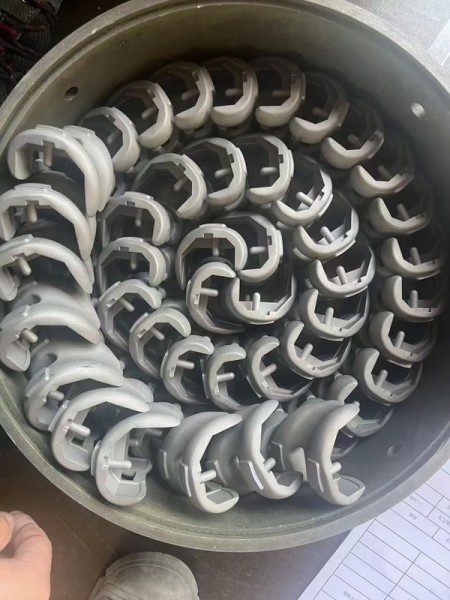
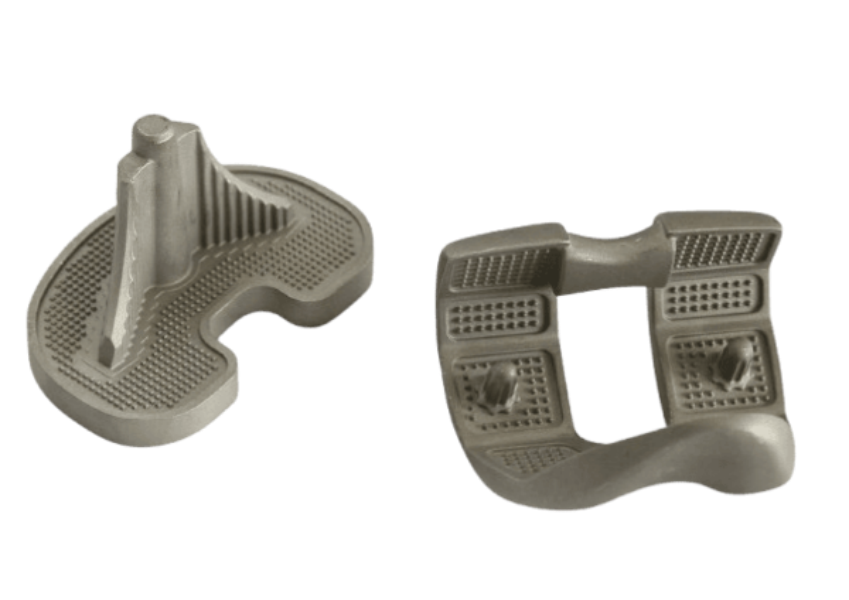
The Vastmaterial® Femoral Condyle is designed to closely mimic the natural anatomy of the knee, focusing on precise anatomic restoration of the femoral condyle’s unique J-curve and radii. This attention to shape ensures smooth articulation and optimal load distribution, which is crucial for patient comfort and long-term implant success.
In terms of material science, Vastmaterial® offers two advanced options: traditional cobalt-chromium-molybdenum (CoCrMo) and innovative Oxinium. CoCrMo is known for its proven durability and strength, making it a trusted choice in many femoral condyle implants. Oxinium, by contrast, is a ceramic-coated metal offering superior wear resistance with a lower risk of metal sensitivity or allergic reactions. This material difference can significantly enhance implant longevity and patient satisfaction.
By combining precise geometric design with cutting-edge materials, the Vastmaterial® Femoral Condyle delivers both anatomical accuracy and durable performance ideal for partial or total knee replacements. For more about our advanced alloys, including those used in these components, see our detailed titanium and copper alloy product pages.
Key Features of Vastmaterial® Femoral Condyle Components
Vastmaterial® Femoral Condyle components stand out with several key features designed to meet diverse surgical needs while ensuring excellent joint function:
- Precise Geometric ReplicationEach implant accurately mimics the natural femoral condyle’s shape, including the complex J-curve and varying radii, providing a more anatomic restoration and smooth articulation.
- Size-Specific Medial and Lateral OptionsSeparate implant designs for the medial femoral condyle implant and lateral femoral condyle replacement cater to their unique anatomy, improving fit and load distribution.
- Cemented and Cementless ConfigurationsSurgeons can choose between cemented for immediate fixation or cementless versions that promote bone in-growth, supporting long-term stability.
- Patellofemoral CompatibilityThe components are designed to be fully compatible with patellar implants and vastmaterial® knee systems, ensuring smooth patellar tracking and reducing complications.
| Feature | Benefit |
|---|---|
| Precise anatomic shape | Natural feel & improved motion |
| Medial & lateral sizing | Better implant fit & performance |
| Cemented & cementless options | Flexibility for different cases |
| Patellofemoral compatibility | Ensures smooth knee mechanics |
These features make Vastmaterial® implants a reliable choice for unicondylar knee femoral component needs, optimizing both surgical outcomes and patient recovery.
Clinical Outcomes & Evidence
The Vastmaterial® Femoral Condyle has demonstrated excellent clinical results backed by robust data. Kaplan-Meier survivorship analyses show a high implant survival rate exceeding 95% at 10 years, reflecting long-term durability. Patients report significant improvements in knee function, with OKS (Oxford Knee Score) and KSS (Knee Society Score) consistently rising postoperatively by 30–40 points, indicating better pain relief and mobility.
Clinical studies published on PubMed support these outcomes, confirming the effectiveness of Vastmaterial® implants in both unicondylar and total knee replacement scenarios. This evidence underscores the benefit of precise geometric replication and advanced materials in promoting patient satisfaction and lasting performance.
Compatibility with Vastmaterial® Knee Systems
The Vastmaterial® Femoral Condyle components are designed for seamless integration with our full range of knee systems. They work perfectly with unicondylar knee replacements, whether you prefer fixed-bearing or mobile-bearing designs, offering surgeons flexibility based on patient needs.
For more extensive cases, these condyle implants also fit our total knee modular platform, allowing smooth interchangeability with other femoral, tibial, and patellofemoral components. This modularity ensures surgeons can tailor each procedure precisely, optimizing outcomes.
By choosing Vastmaterial®, you get implants engineered to maintain consistent biomechanics across both unicompartmental and total knee arthroplasty solutions, facilitating reliable joint function and longevity.
Surgical Technique Highlights
When implanting a Vastmaterial® femoral condyle, choosing the right referencing method is key. Intramedullary referencing provides enhanced alignment by using the femur’s internal canal, giving precise guidance for bone cuts. Extramedullary referencing, on the other hand, relies on external anatomical landmarks and can be useful when intramedullary access is limited or in revision cases.
Bone resection levels for the femoral condyle must be carefully planned to preserve healthy bone while ensuring a perfect fit for the implant. Typically, minimal bone removal is performed to maintain structural integrity and optimize implant fixation, whether cemented or cementless.
Trial reduction is an essential step. It helps verify the correct size and positioning of the femoral condyle component, ensuring smooth articulation with the tibial insert and patellofemoral surfaces. Best practice includes checking for balanced flexion and extension gaps and confirming stable tracking of the patella before final fixation.
This approach supports successful outcomes and longevity of the Vastmaterial® femoral condyle within the knee system.
Ordering Information & Sizing Chart
The Vastmaterial® Femoral Condyle components come in a comprehensive range of sizes to fit various patient anatomies. Our SKU table covers both left and right knee options, with distinct medial and lateral femoral condyle implants to match anatomical differences accurately. Sizes range from Size 1 through Size 11, providing a perfect fit for partial knee replacements or distal femur resurfacing procedures.
Key points on ordering and sizing include:
- Side-specific implants: Left and right configurations ensure accurate anatomic alignment.
- Medial vs Lateral options: Separate implants cater to the unique geometry and load-bearing functions of each condyle.
- Wide size range: Size 1–11 accommodates a broad patient population.
- Clear SKU designation: Simplifies hospital inventory management and surgical planning.
For surgeons and procurement teams, this sizing versatility supports precise anatomical restoration and better clinical outcomes with Vastmaterial® femoral condyle components.
Explore our full product line and detailed specifications in the Vastmaterial® product catalog to assist with your ordering needs.
Frequently Asked Questions
| Question | Answer |
|---|---|
| What’s the difference between medial and lateral femoral condyle implants? | Medial implants are designed for the inside part of the knee, bearing more load and often slightly larger. Lateral implants fit the outer knee side, shaped differently to match natural anatomy and motion. Both have size-specific options to ensure proper fit. |
| Can the Vastmaterial® Femoral Condyle be used in revision surgery? | Yes, Vastmaterial® implants are compatible with many revision scenarios thanks to their modular design and availability in cemented and cementless options. This flexibility helps address bone loss and complex cases. |
| Is the Vastmaterial® Femoral Condyle MRI compatible? | Yes, Vastmaterial® components are MRI compatible, allowing postoperative imaging without significant artifacts, aiding in accurate follow-up diagnosis. |
For more details on implant options and surgical applications, check our precision casting services which ensure exact geometric replication vital for femoral condyle replacements.
Related Products
To complement the Vastmaterial® Femoral Condyle, we offer a range of related products designed for seamless integration and optimal knee function:
- Tibial Baseplates: Engineered for medial and lateral compartments, compatible with both cemented and cementless fixation.
- UHMWPE Inserts: High-wear resistance polyethylene inserts available in fixed-bearing and mobile-bearing designs to match your knee replacement needs.
- Osteochondral Allografts: Fresh or preserved grafts for restoring cartilage defects on the femoral condyles and tibial plateau.
- Patient-Specific Instrumentation: Custom guides and cutting jigs tailored to individual anatomy to improve surgical precision and reduce operative time.
These components work together to provide durable, anatomically accurate solutions for partial and total knee replacements. Their compatibility with the Vastmaterial® Knee Systems ensures a comprehensive toolkit for effective knee joint restoration.
Resources & Downloads
Access a full range of resources and downloads to support your use of the Vastmaterial® Femoral Condyle components. Here you’ll find detailed product catalogs, surgical technique guides, sizing charts, and technical data sheets designed to make selection and implantation straightforward. Our downloadable materials also include clinical study summaries and maintenance recommendations to ensure optimal long-term outcomes.
Whether you’re looking for detailed specifications on the medial femoral condyle implant or guidance on choosing between cemented and cementless options, these resources provide clear, practical information. For streamlined ordering, consult the sizing charts and SKU tables available to match the correct lateral or medial condyle replacement component precisely.
Stay updated with the latest clinical evidence and surgical tips by checking back regularly, as we continuously refine our product support materials to meet evolving needs in unicondylar knee arthroplasty.
For technical details on our advanced manufacturing processes that contribute to the reliability and precision of Vastmaterial® knee components, visit our page on manufacturing process.