Guide technique des matériaux en titane couvrant les propriétés, les nuances, les formes, les conseils d'usinage et l'approvisionnement en matériaux Haoyumaterial pour les applications d'ingénierie.
Vous savez peut-être déjà que le titane offre un rapport résistance/poids inégalé pour les projets d'ingénierie critiques.
Mais choisir la spécification précise ? C’est là que les projets échouent souvent.
Hésitez-vous entre la formabilité du titane commercialement pur (CP) ou la puissance brute de l' alliage de grade 5 ??
Choisissez la mauvaise nuance et vous risquez des cauchemars d'usinage ou des défaillances coûteuses de composants. Choisissez la bonne et vous assurez la longévité et la performance.
Dans ce guide, vous allez obtenir une explication claire et directe de propriétés du titane, des tableaux de nuances, standard et des réalités d'approvisionnement qui séparent les acheteurs amateurs des professionnels de l'approvisionnement.
At Matériau Haoyu, nous croyons en l'ingénierie de la clarté.
Allons droit au but.
Les principaux avantages du matériau en titane
Lorsque nous évaluons le titane pour les applications industrielles, nous ne sélectionnons pas simplement un métal ; nous investissons dans un équilibre stratégique entre performance et longévité. Pour les ingénieurs et les responsables des achats, la décision de passer de l'acier ou de l'aluminium dépend souvent de quatre propriétés non négociables.
Comprendre le rapport résistance/poids
Le principal avantage du titane est son efficacité. C'est le premier choix parmi les métaux à rapport résistance/poids élevé. Le titane offre la résistance à la traction de l'acier, mais est environ 45 % plus léger. Inversement, il est deux fois plus résistant que l'aluminium tout en étant seulement 60 % plus lourd. Cela nous permet de réduire le poids du système dans les conceptions aérospatiales et automobiles sans compromettre l'intégrité structurelle.
Résistance à la corrosion dans l'eau salée et le chlore
La résistance à la corrosion du titane est supérieure en raison de sa passivation naturelle. Lors de l'exposition à l'oxygène, le métal forme instantanément un film d'oxyde stable et continu. Cette couche rend le matériau pratiquement immunisé contre :
- La corrosion atmosphérique dans les environnements urbains pollués.
- Les environnements d'eau salée, ce qui le rend idéal pour la quincaillerie marine.
- Le chlore humide et chlorures métalliques présents dans le traitement chimique.
Données de résistance à la chaleur et de point de fusion
La stabilité thermique est essentielle lorsque les pièces sont exposées à des environnements extrêmes. Comprendre densité du titane et point de fusion les données garantissent que nous sélectionnons la bonne qualité pour les zones à haute température comme les moteurs à réaction ou les échangeurs de chaleur industriels.
| Propriété | Métrique (Norme US) | Métrique (SI) | Impact sur la performance |
|---|---|---|---|
| Point de fusion | ~1 482°C | ~2 708°F | Conserve sa résistance à haute température |
| Densité | 0,163 lb/in³ | 4,51 g/cm³ | Haute efficacité par volume |
| Expansion thermique | 4,67 µin/in·°F | 8,6 µm/m·K | Moins de stress thermique que l'acier |
Biocompatibilité pour les applications médicales
Biocompatibilité du titane est le moteur de sa domination dans le secteur médical. Le matériau est non toxique, non allergène et exceptionnellement capable de ostéo-intégration— c'est-à-dire que l'os humain peut croître directement à la surface de l'implant. Qu'il s'agisse de se procurer des instruments chirurgicaux ou des implants orthopédiques, cette propriété est non négociable. Chez Haoyumaterial, nous reconnaissons que ces quatre piliers — la résistance, la résistance à la corrosion, la stabilité thermique et la biocompatibilité — sont ce qui motive la demande mondiale de stock de titane de haute qualité.
Décoder le tableau des grades de titane
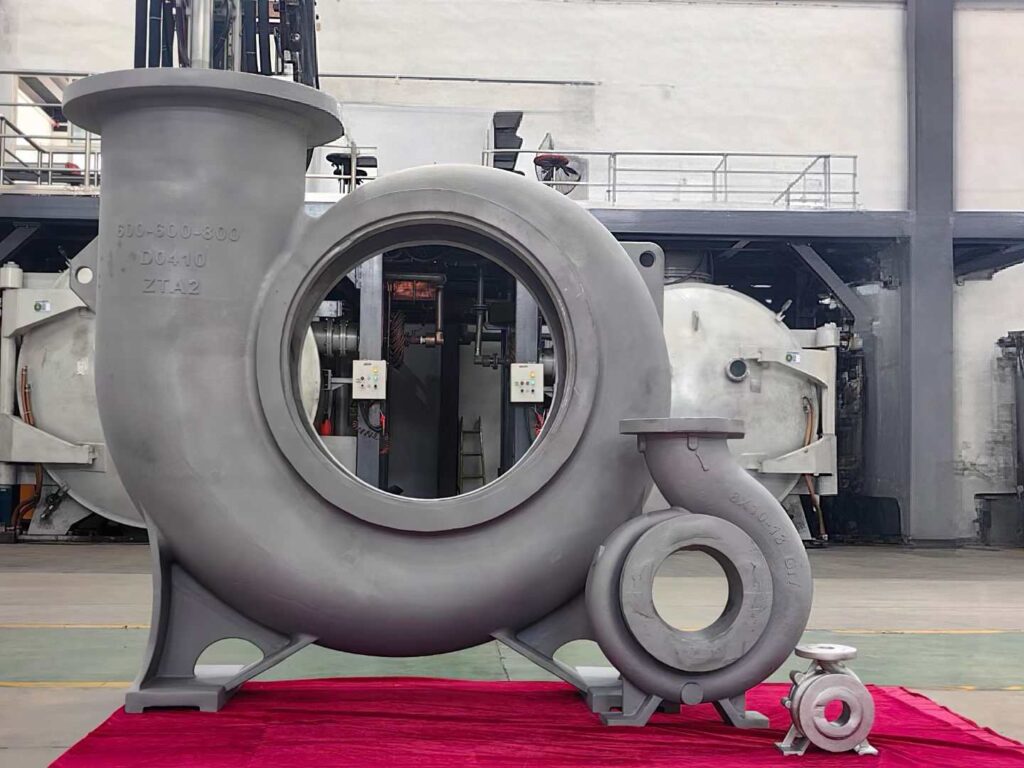
Naviguer dans le tableau des grades de titane peut donner l'impression d'apprendre une nouvelle langue si vous n'êtes pas familier avec les normes ASTM. D'après mon expérience, choisir le bon grade est l'étape la plus critique de l'approvisionnement. Si vous choisissez le mauvais, soit vous payez trop cher pour des propriétés dont vous n'avez pas besoin, soit vous faites face à une défaillance catastrophique lors de l'application.
Nous divisons généralement le titane en deux camps principaux : titane commercialement pur (CP) et les alliages de titane. Les grades CP sont principalement sélectionnés pour leur résistance à la corrosion et leur formabilité, tandis que les alliages sont la solution idéale pour les applications à rapport résistance/poids élevé.
Grades de titane commercialement pur (CP)
Ces grades ne sont pas alliés et se distinguent par leurs niveaux d'impuretés (oxygène, azote, fer). À mesure que le numéro de grade augmente, la limite d'élasticité augmente, mais la ductilité diminue.
- Titane de grade 1 : C'est le grade le plus doux et le plus ductile. Nous l'utilisons lorsqu'une formabilité extrême est requise, comme dans les applications d'emboutissage profond ou de liaison explosive. Il possède une excellente résistance à la corrosion mais la résistance la plus faible.
- Titane de grade 2 (Le cheval de trait industriel) : C’est la qualité CP la plus largement disponible et utilisée. Elle trouve le “ bon compromis ” entre résistance et ductilité. Vous la verrez partout dans le traitement chimique et les systèmes de tuyauterie. Elle offre une excellente soudabilité et est la norme pour la plupart des applications industrielles à travers la industries que nous desservons.
- Titane de grade 4 : C'est le plus résistant des grades CP. Il conserve une bonne résistance à la corrosion mais offre une résistance à la traction nettement supérieure, ce qui en fait un favori pour les composants hydrauliques et aérospatiaux où du titane pur est nécessaire mais le grade 2 est trop mou.
Alliages de titane haute performance
Lorsque nous devons repousser les limites des matériaux, nous passons à alliages de titane alpha-bêta. Ces mélanges incorporent des éléments comme l'aluminium et le vanadium pour modifier la microstructure et améliorer les propriétés mécaniques.
- Grade 5 (Ti-6Al-4V) : C’est le “ roi ” des alliages de titane, représentant environ 50 % de l’utilisation totale de titane dans le monde. Propriétés du Ti-6Al-4V comprennent une résistance à la traction élevée (presque le triple de celle du Grade 1) et une résistance à la chaleur jusqu'à 400 °C (750 °F). Il est traitable thermiquement et constitue la spécification standard pour les cellules d'avion et les composants de moteur aérospatiaux.
- Grade 23 (Ti-6Al-4V ELI) : Il s'agit de la version Extra Low Interstitial (ELI) du Grade 5. En réduisant la teneur en oxygène et en fer, nous obtenons une ductilité et une résistance à la rupture améliorées. Parce qu'il est chimiquement inerte et non magnétique, c'est le premier titane de qualité médicale utilisé pour les broches orthopédiques, les vis et les implants dentaires.
Référence rapide : Propriétés des grades de titane
| Classe | Type | Résistance à l'élasticité (MPa) | Caractéristique clé | Application typique |
|---|---|---|---|---|
| Grade 1 | CP | ~170 | Haute formabilité | Échangeurs de chaleur |
| Grade 2 | CP | ~275 | Utilité équilibrée | Tuyauterie industrielle |
| Grade 4 | CP | ~480 | CP à haute résistance | Matériel chirurgical |
| Niveau 5 | Alliage | ~830 | Haute résistance | Aérospatiale/Turbines |
| Niveau 23 | Alliage | ~760 | Biocompatible | Implants médicaux |
Formes de titane et spécifications des stocks
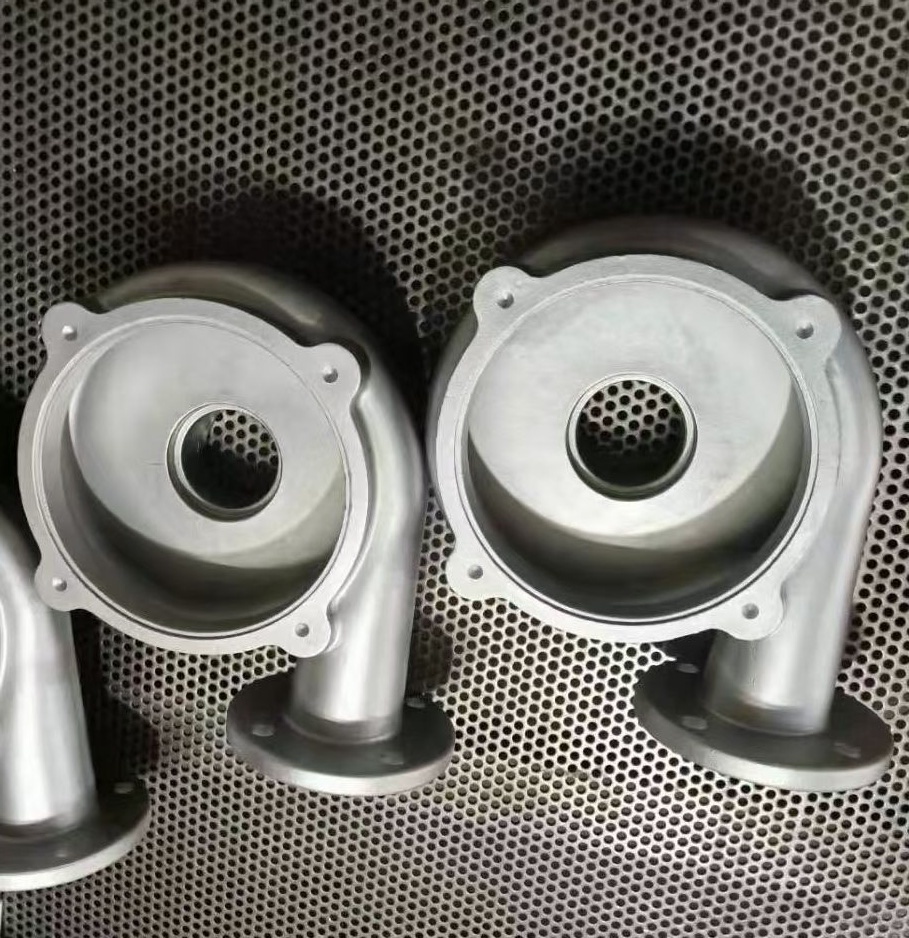
Lors de l'approvisionnement le titane pour votre projet, comprendre les formes disponibles et les spécifications des stocks représente la moitié de la bataille. Nous ne vendons pas seulement du métal ; nous fournissons les géométries spécifiques qui réduisent votre temps d'usinage et augmentent votre efficacité. Que vous traitiez des composants aérospatiaux ou des unités de traitement chimique, connaître la différence entre une feuille et une plaque ou quelle norme ASTM s'applique à votre barre est essentiel pour le contrôle de la qualité et la gestion des coûts.
Normes d'épaisseur des tôles et plaques de titane
La distinction entre tôles de titane et plaques de métal de titane se résume généralement à l'épaisseur, bien que les définitions de l'industrie puissent être strictes. Acheter la mauvaise forme peut affecter considérablement votre coût des tôles de titane et votre stratégie de fabrication.
- Tôle de titane : Généralement définie comme tout produit d'une épaisseur inférieure à 0,1875 pouce (4,75 mm) et d'une largeur de 24 pouces ou plus. Elle est souvent utilisée pour les panneaux de revêtement ou les écrans thermiques où la réduction de poids est primordiale.
- Plaque de titane : Tout produit plat d'une épaisseur de 0,1875 pouce (4,75 mm) ou plus. Les plaques sont généralement utilisées pour des pièces structurelles nécessitant une capacité de charge importante.
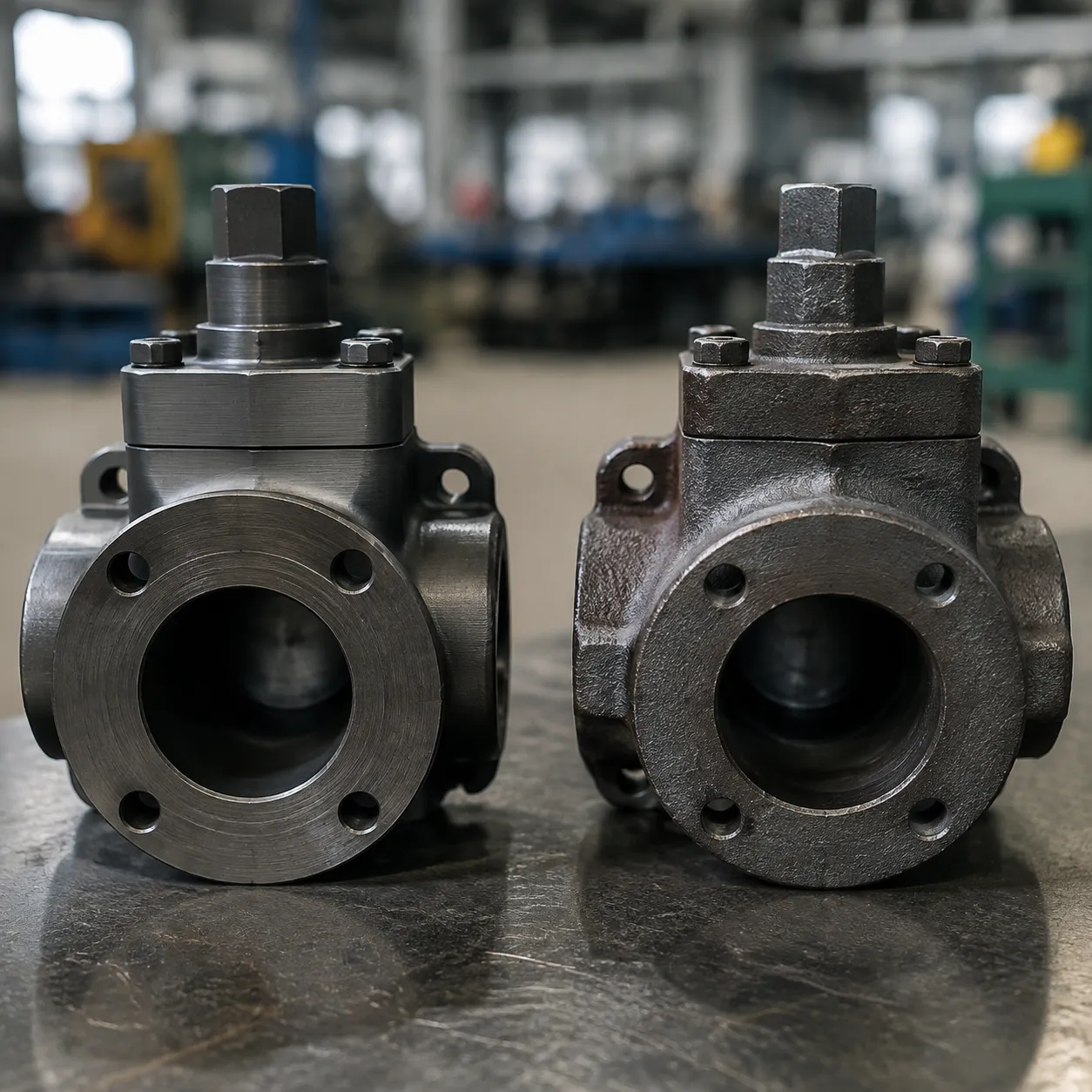
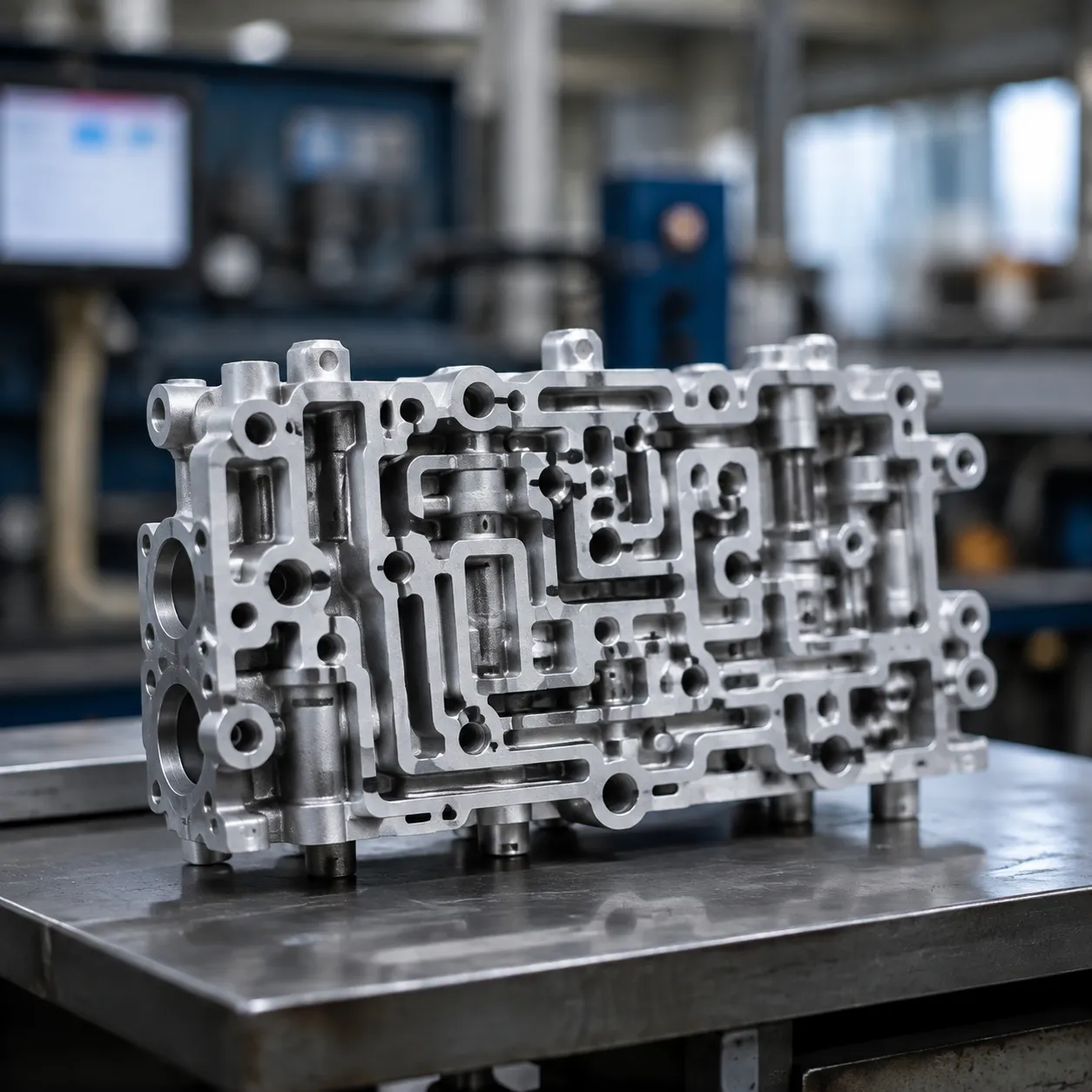
Alors que les formes standard en stock couvrent la plupart des besoins, les géométries complexes en aéronautique orientent souvent les ingénieurs vers une Aerospace Casting Manufacturer for High Performance Alloy Components pour minimiser le gaspillage de matériau par rapport à l'usinage à partir de plaques épaisses.
Options de barre et de lingot en titane
Pour les ateliers produisant des pièces usinées en titane pièces, la matière première de départ est généralement une barre ou un lingot. Nous les fournissons avec différentes finitions — décapée, usinée sans centre, ou tournage grossier — en fonction de vos exigences de tolérance.
- Barre ronde : La forme la plus courante pour les fixations et les pièces tournées.
- Barre rectangulaire/plate : Idéale pour les opérations de fraisage afin de réduire le temps de cycle.
- Lingot : Matériau d'alimentation plus volumineux destiné aux processus de forgeage ou d'extrusion.
Tubage en titane sans soudure vs soudé
Le choix du tubage influence à la fois la résistance à la pression et le prix.
- Tubage sans soudure : Extrudé ou tiré d’un lingot creux. Il ne possède pas de joint de soudure, ce qui le rend plus solide et plus fiable pour les systèmes hydrauliques à haute pression ou les lignes aéronautiques critiques.
- Tubage soudé : Fabriqué à partir d'une bande roulée et soudée. Il est généralement plus économique et offre une meilleure concentricité de l’épaisseur de la paroi, ce qui le rend adapté aux échangeurs de chaleur et aux cadres structurels où la pression extrême n’est pas la principale préoccupation.
Comprendre les normes ASTM B265 et ASTM B348
Pour vous assurer d'obtenir la qualité pour laquelle vous avez payé, vous devez référencer la spécification correcte sur vos bons de commande. Les deux normes les plus citées sur le marché français sont :
| Norme | Forme du matériau couvert | Applications clés |
|---|---|---|
| ASTM B265 | Bande, feuille et plaque | Utilisé principalement pour les produits plats laminés dans les applications structurelles et de revêtement. Vérifie la composition chimique et les propriétés de traction. |
| ASTM B348 | Barres et billettes | La norme pour les barres en titane et les billettes. Essentiel pour les fixations et des pièces usinées en titane composants. |
Le respect des spécifications ASTM B265 pour votre stock plat et la norme ASTM B348 pour vos ronds garantit la cohérence et la traçabilité des matériaux, ce qui est non négociable dans les industries réglementées.
Usinage et fabrication du titane
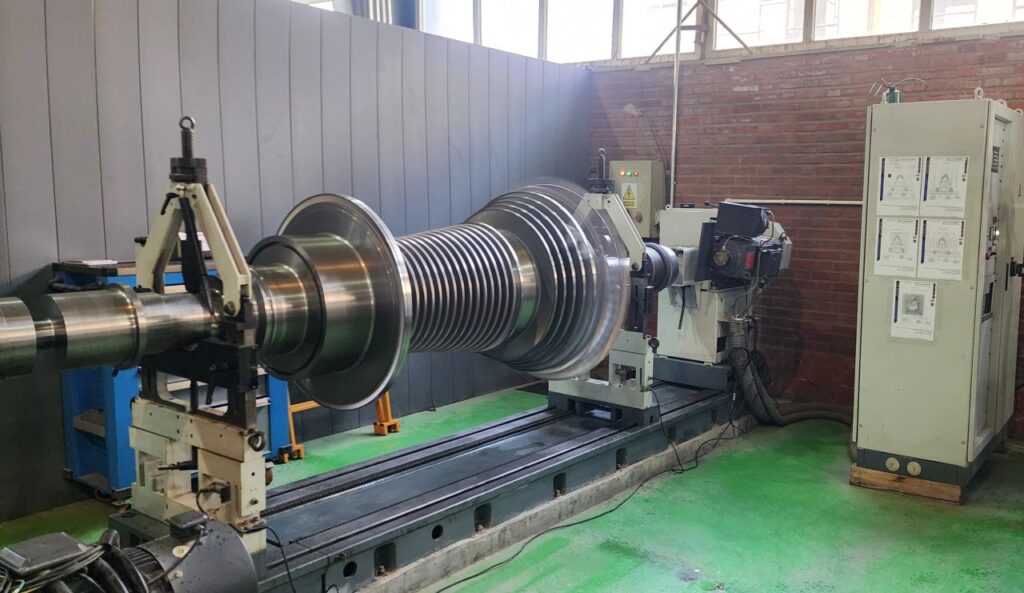
Travailler avec le titane Ce n’est pas comme couper du soft aluminium ou de l’acier doux. Cela exige du respect. D’après mon expérience, si vous traitez le titane comme n’importe quel autre métal, il endommagera vos outils et ruinera votre pièce. Cependant, une fois que vous avez réglé vos paramètres, les résultats en valent la peine.
Défis dans l’usinage des alliages de titane
Le plus grand obstacle que nous rencontrons lorsque nous usinons des alliages de titane est la chaleur. Contrairement à l’acier, le titane est un mauvais conducteur de chaleur. Cela signifie que la chaleur générée lors de la coupe ne se dissipe pas dans la cope ou la pièce, mais se concentre directement sur le bord de l’outil de coupe.
- Concentration de chaleur : Cause une usure rapide de l’outil et sa défaillance.
- Réactivité chimique : À haute température, le titane réagit chimiquement avec les matériaux de l’outil, entraînant des phénomènes de soudure et de cratérisation.
- Élasticité : Le titane est élastique. Il a tendance à s’éloigner de l’outil, provoquant des vibrations, des oscillations et une mauvaise finition de surface.
Meilleures pratiques pour les vitesses et avances de coupe
Pour obtenir une coupe propre sans brûler votre budget en outillage, vous devez suivre des directives strictes. Nous recommandons toujours d’utiliser des vitesses de coupe plus faibles et des avances plus élevées. Cette approche minimise le temps pendant lequel l’outil frotte contre le matériau, ce qui réduit la chaleur.
Il est également crucial de noter que les différentes qualités de titane se comporteront différemment sous la fraise ; la qualité 5 est nettement plus difficile à usiner que la qualité 2.
Principales directives d’usinage :
| Paramètre | Recommandation | Raison |
|---|---|---|
| Liquide de refroidissement | Haute pression, volume élevé | Éloigne la chaleur de l'interface de l'outil. |
| Outillage | Carbure avec revêtement AlTiN | Résiste à la chaleur et à l'usure chimique. |
| Vitesse | Faible / Modéré | Empêche l'accumulation thermique excessive. |
| Avance | Agressif / Constant | Empêche l'écrouissage et le frottement. |
Soudage du titane avec protections de gaz inertes
Techniques de fabrication du titane impliquent souvent le soudage, et c'est là que la propreté est non négociable. Le titane en fusion réagit instantanément avec l'oxygène et l'azote de l'air. Si vous ne protégez pas le bain de soudure, le métal devient cassant et inutile.
Nous utilisons Protection par gaz inerte (généralement de l'argon pur à 99,999 %) pour créer une bulle protectrice autour de la soudure. Vous ne pouvez pas seulement protéger le côté de la torche ; vous devez également utiliser une purge arrière pour protéger le dessous du joint.
Prévention du grippage et de l'accumulation de chaleur
Le grippage est une forme grave d'usure adhésive où le le titane se soude littéralement à l'outil de coupe ou à la surface d'accouplement en raison du frottement. Pour éviter cela, ne laissez jamais l'outil s'attarder au même endroit. Gardez l'outil en mouvement.
- Utilisez des outils tranchants : Les outils émoussés augmentent le frottement et la chaleur.
- Éviter les interruptions : maintenir une coupe continue pour empêcher le durcissement de la surface.
- Lubrification : Utiliser des fluides de taraudage et des lubrifiants spécialisés conçus pour les métaux exotiques afin de réduire la friction.
Applications Industrielles dans le Monde Réel
Le titane n'est pas seulement un métal fantaisiste pour les montres haut de gamme ; c'est l'épine dorsale de certaines des industries les plus exigeantes au monde. En raison de cet incroyable rapport résistance/poids et de sa résistance naturelle à la corrosion, nous l'utilisons le titane où l’échec n’est tout simplement pas une option. Des cieux au fond des océans, ce métal offre des performances que des alternatives moins chères ne peuvent tout simplement pas égaler.
Cellules d'Avions et Pièces de Moteur Aérospatiales
Dans le secteur aérospatial français, le poids est l'ennemi. C'est là que Propriétés du Ti-6Al-4V brille vraiment. Nous utilisons des alliages de titane de manière extensive dans les moteurs à réaction, en particulier pour les rotors, les aubes de compresseur et les composants du système hydraulique, car ils résistent à la chaleur élevée et aux contraintes immenses sans alourdir l'avion.
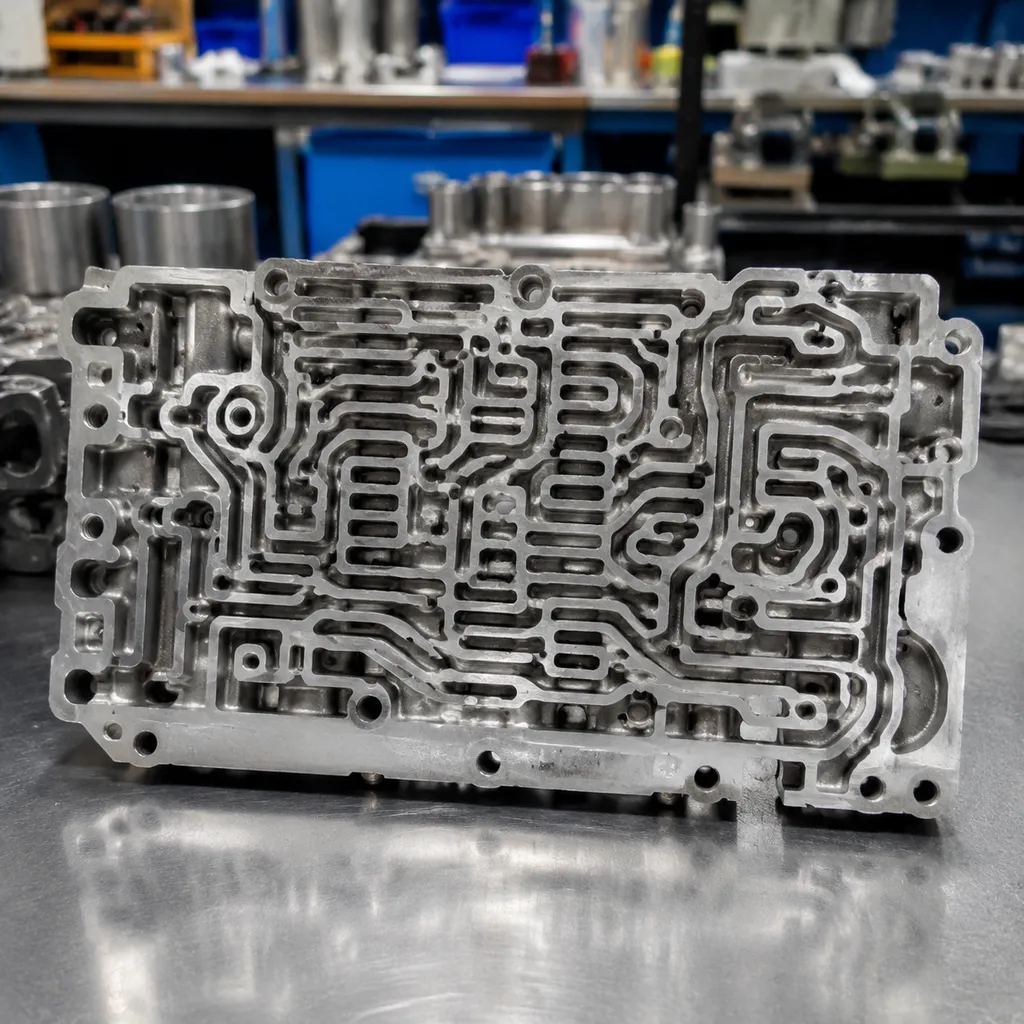
L'intégrité structurelle des cellules d'avion repose sur le titane pour remplacer les composants en acier plus lourds. Pour les géométries de moteur complexes, des services de moulage de précision de haute qualité sont souvent utilisées pour façonner ces alliages selon les normes aérospatiales exactes, garantissant la sécurité et l'efficacité à 9 000 mètres d'altitude.
Traitement Chimique et Échangeurs de Chaleur
Les applications industrielles du titane sont massives dans le secteur chimique. Lorsque vous traitez des acides agressifs, du chlore humide ou des chlorures, l'acier inoxydable standard se dissout ou se fissure souvent. Le titane résiste. Nous fournissons fréquemment du matériel pour :
- Échangeurs de chaleur à calandre et à tubes
- Réacteurs
- Réservoirs de stockage et systèmes de tuyauterie
Parce que la résistance à la corrosion du titane est si élevée, nous pouvons utiliser des parois plus minces dans les échangeurs de chaleur, ce qui améliore en fait l'efficacité du transfert de chaleur par rapport aux autres métaux.
Solutions pour implants médicaux et dentaires
Biocompatibilité du titane est inégalée. Le corps humain ne traite pas le titane comme un envahisseur étranger, ce qui en fait la référence en matière de soins de santé. Titane de qualité médicale (généralement Grade 23 ou CP Grade 4) est utilisé pour les prothèses de hanche, les vis à os et les plaques.
En dentisterie, les implants en titane se lient réellement à l'os de la mâchoire dans un processus appelé ostéo-intégration. Cela crée une base permanente et stable qui imite une racine de dent naturelle.
Équipement marin et de dessalement
L'eau salée détruit rapidement la plupart des métaux, mais le titane de qualité marine y est pratiquement immunisé. Nous le voyons largement utilisé dans les usines de dessalement, les arbres d'hélice et le gréement offshore. Contrairement à l'acier qui nécessite un revêtement et une protection constants, les composants en titane peuvent rester dans l'eau de mer pendant des décennies sans piqûres ni corrosion caverneuse, ce qui réduit considérablement les coûts de maintenance à long terme.
Guide d'achat de matériaux en titane
Acheter le titane nécessite plus de diligence raisonnable que les aciers au carbone standard ou l'aluminium. Le marché est dynamique, et comprendre exactement ce que vous payez aide à protéger vos résultats et le calendrier de votre projet. Nous visons à rendre le processus d'approvisionnement transparent et simple pour nos clients français.
Ce qui influence les prix du titane
Le coût des tôles de titane et les prix des plaques ne sont pas arbitraires ; ils fluctuent en fonction de plusieurs facteurs clés. Contrairement aux métaux à base de fer, l'extraction du titane est très énergivore, ce qui fait des prix de l'énergie une base importante pour le coût.
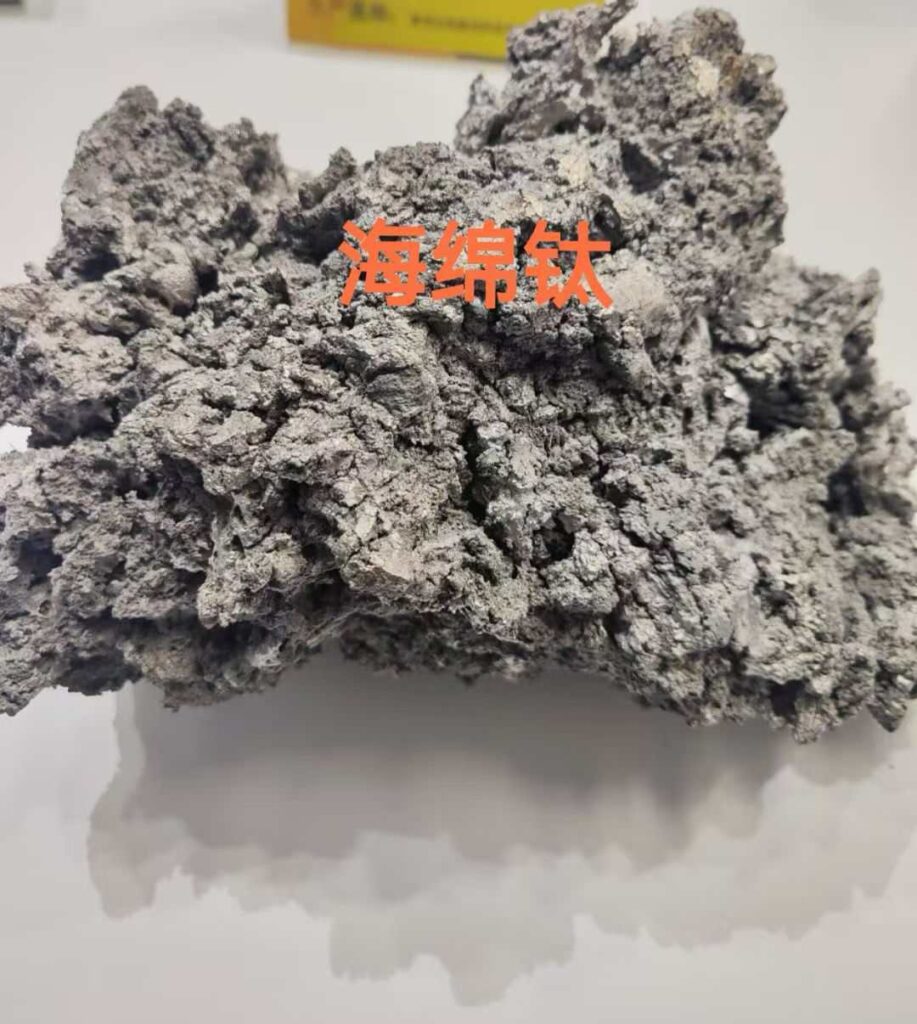
- Coûts des matières premières : Le prix de l'éponge de titane dicte le prix plancher du marché.
- Complexité de la nuance : Les alliages comme le Grade 5 (Ti-6Al-4V) coûtent généralement plus cher que les grades Commercialement Purs (CP) en raison de l'ajout de vanadium et d'aluminium, ainsi que de la difficulté accrue de transformation.
- Demande du marché : Les cycles de l'aérospatiale influencent fortement la disponibilité et les prix. Lorsque les principaux fabricants d'aéronefs augmentent leur production, l'offre se resserre pour tous les autres.
Vérification de la qualité avec les rapports d'essais en usine (MTR)
Ne jamais accepter le titane sans documentation appropriée. Un rapport d'essai en usine en titane (MTR) est votre preuve incontournable de qualité. Ce document certifie que la composition chimique et les propriétés mécaniques respectent des normes spécifiques, telles que ASTM B265 pour bande/feuille ou ASTM B348 pour barres. Que vous vous procuriez du matériau pour des applications critiques fabrication d'équipements ou des récipients sous pression, le MTR garantit que le métal performera comme prévu.
Sourcing auprès de fournisseurs fiables comme Haoyumaterial
Nous comprenons que la qualité constante est aussi importante que le prix. S'approvisionner chez Haoyumaterial signifie que vous bénéficiez d'une traçabilité complète sur chaque commande.
- Disponibilité en stock : Nous maintenons un inventaire de formes populaires comme les feuilles de Grade 2 et les barres rondes de Grade 5 pour minimiser les délais pour les commandes standard.
- Délais de livraison : Alors que les articles en stock sont expédiés rapidement, les forgeages personnalisés ou les dimensions non standard nécessitent un délai de production. Nous recommandons de planifier vos achats à l'avance pour s'aligner sur votre calendrier de fabrication.
Questions fréquemment posées sur le matériau en titane
Nous rencontrons quotidiennement des questions spécifiques concernant la performance et la sélection. Voici des réponses claires aux demandes les plus courantes que nous recevons à propos de le titane.
Quelle est la différence entre le titane de Grade 2 et celui de Grade 5 ?
C'est la distinction principale sur le tableau des grades de titane. Le choix dépend entièrement de votre application :
- Grade 2 (pur commercial) : C’est le “ cheval de bataille ” de l’industrie. Il offre une excellente résistance à la corrosion et une bonne formabilité (pliage et soudage). Il est la norme pour le traitement chimique et la tuyauterie.
- Grade 5 (Ti-6Al-4V) : Il s'agit d'un alliage renforcé avec de l'aluminium et du vanadium. Il offre une résistance à la traction nettement plus élevée que le Grade 2 mais est beaucoup plus difficile à former ou à estampiller.
Pour une exploration plus approfondie de ces spécifications, vous pouvez consulter notre analyse détaillée de les propriétés du titane, ses grades et ses utilisations industrielles pour vous assurer de choisir la bonne matière première.
Le titane est-il plus résistant que l'acier ?
La réponse réside dans l'efficacité plutôt que dans la force brute. Bien que certains aciers trempés à haute résistance aient une résistance à la traction ultime plus élevée, le titane domine en termes de rapport résistance/poids.
- Le titane est environ 45% plus léger que l'acier.
- Il offre une résistance comparable avec près de la moitié du poids.
- Les données sur la densité et le point de fusion du titane montrent qu'il résiste à des conditions extrêmes sans le volume des métaux ferreux.
Pourquoi le titane est-il considéré comme difficile à usiner ?
L'usinage des alliages de titane présente des défis uniques car le métal se comporte différemment de l’acier ou de l’aluminium. Il est souvent décrit comme “ gommeux ” plutôt que simplement dur.
- Concentration de chaleur : Le titane a une faible conductivité thermique. La chaleur ne quitte pas avec la particule ; elle se concentre dans l'outil de coupe, entraînant une usure rapide.
- Refroidissement par travail à froid : Le matériau a tendance à durcir instantanément si la fraise reste immobile à un endroit.
- Galling : Le titane usiné peut réagir chimiquement et se souder à l'outil de coupe sous haute pression.
Le titane rouille-t-il dans les environnements marins ?
Non. C'est la caractéristique définissante de le titane de qualité marine. Contrairement à l'acier, le titane est pratiquement immunisé contre la corrosion par l'eau salée. Lorsqu'il est exposé à l'oxygène, il forme instantanément un film d'oxyde continu et stable. Cette couche passive empêche la rouille, la piqûre et la corrosion en crevasse, ce qui en fait le choix supérieur pour les échangeurs de chaleur, les équipements de dessalement et les composants sous-marins.