
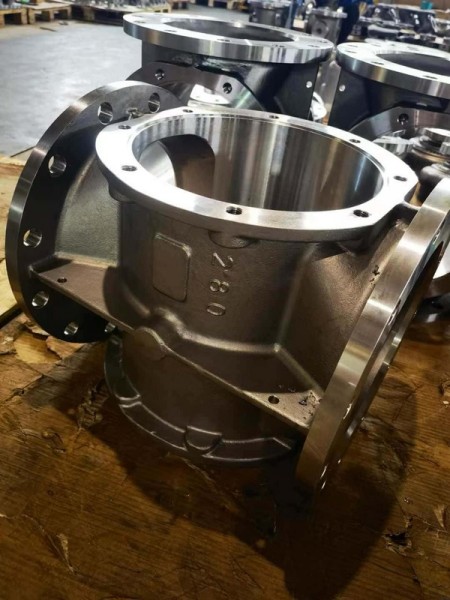
Pourquoi choisir l'acier pour les grandes pièces ?
Lors de la conception composants en acier de grande taille pour l'industrie lourde, le choix du procédé de fabrication et du matériau détermine la durabilité de la pièce. Nous constatons que moulage en acier de grande taille offre souvent le meilleur compromis entre intégrité structurelle et liberté de conception, surtout par rapport à la fabrication ou à la forge. Pour les applications dans l'exploitation minière, l'énergie et la construction, l'acier offre la ductilité et la résistance aux chocs nécessaires pour survivre dans les zones d'impact les plus lourdes.
Comparer le moulage en acier à la forge et au fer
Bien que la forge offre une résistance élevée, elle est fortement limitée par des contraintes de taille et une simplicité géométrique. La fonte en fer est économique mais manque souvent de la résistance à la traction requise pour les applications à haute torsion. La fonderie en acier comble cette lacune, offrant les propriétés mécaniques de l'acier avec la polyvalence géométrique de la coulée.
| Caractéristique | Grande Fonderie en Acier | Le forgeage | Fonderie en Fer |
|---|---|---|---|
| Complexité de conception | Élevée (Cavités internes complexes) | Faible (Formes simples uniquement) | Élevé |
| Résistance aux chocs | Excellente (Haute ductilité) | Excellente | Modéré (Fragile) |
| Polyvalence des matériaux | Élevé (Alliages personnalisés comme 4340, 17-4PH) | Limitée | Limitée |
| Évolutivité | Élevé (Rentable pour les grandes pièces) | Faible (Coûts élevés des outils) | Élevé |
Avantages du rapport résistance/poids supérieur
L'un des principaux avantages de travailler avec un spécialisé fonderie d'acier allié est la capacité d'atteindre un rapport résistance-poids supérieur. Grâce à l'optimisation géométrique, nous pouvons réduire le poids global des pièces massives sans sacrifier l'intégrité structurelle. En utilisant des grades à haute résistance comme l'acier allié 4140 et 4340, nous concevons des composants qui supportent des charges immenses tout en restant plus légers que leurs homologues en fer, ce qui est crucial pour la machinerie lourde mobile où l'efficacité énergétique et la charge utile comptent.
Flexibilité de conception pour des géométries complexes
Pièces moulées en acier lourd permettent aux ingénieurs de placer le métal exactement là où il est nécessaire. Contrairement aux fabrications soudées, qui introduisent des points de stress aux joints, la coulée crée une structure monolithique.
- Contours complexes : Nous pouvons réaliser des passages internes complexes et des courbes composées impossibles à usiner à partir d'un bloc solide.
- Ajustement des alliages : Nous pouvons modifier les compositions chimiques (ajout de Nickel ou de Vanadium) pour cibler des propriétés spécifiques de résistance à l'usure ou à la chaleur dans la forme finale.
Rentabilité à grande échelle pour les pièces lourdes
Pour composants en acier de grande taille, la coulée devient nettement plus rentable à mesure que la taille des pièces augmente. Le processus minimise les déchets par rapport à l'usinage à partir de lingots, où un pourcentage important d'alliage coûteux est transformé en copeaux. Notre approche intégrée — combinant la coulée avec l'usinage CNC en interne — garantit que vous recevez un composant “ prêt à être installé ”, réduisant ainsi les coûts logistiques et les délais liés au déplacement de pièces massives entre plusieurs fournisseurs.
Processus clés pour la grande coulée d'acier
Production grandes pièces moulées en acier nécessite plus qu'un simple four plus grand ; cela exige un changement fondamental dans la technologie de moulage pour gérer les immenses contraintes thermiques et physiques. Chez Vastmaterial, nous nous appuyons fortement sur des méthodes de moulage au sable avancées, car elles offrent la résistance nécessaire pour contenir des tonnes de métal en fusion sans se déformer, garantissant ainsi l'intégrité structurelle requise pour les applications lourdes.
Méthodes de moulage au sable sans cuisson et à la résine
Pour pièces moulées en acier lourdes, le sable vert standard manque souvent de la rigidité nécessaire pour maintenir des tolérances serrées sur de longues portées. Nous utilisons le moulage au sable sans cuisson (à la résine) systèmes. Ce processus utilise des liants chimiques pour durcir le moule à température ambiante, créant ainsi une structure rigide qui résiste à l'immense pression d'une coulée d'acier massive. Cette approche offre des avantages distincts pour la production à grande échelle :
- Stabilité dimensionnelle supérieure : Le moule conserve sa forme fermement, empêchant le mouvement du mur.
- Finition de surface améliorée : Réduit le besoin de meulage excessif après la coulée.
- Support de géométrie complexe : Capable de gérer des conceptions de noyaux complexes sans effondrement.
Techniques de mise en place à l'air pour les coulées massives
Lorsqu'il s'agit de composants en acier de grande taille, le timing et la résistance du moule sont cruciaux. Nos techniques de mise en place à l'air nous permettent de créer des moules massifs qui durcissent de manière prévisible et uniforme. Cette méthode est essentielle pour les coulées en acier industrielles où le moule doit supporter des noyaux lourds et des géométries internes complexes sans se déplacer pendant le processus de coulée. En contrôlant la vitesse de durcissement, nous nous assurons que le moule est prêt à résister au choc thermique des coulées d'alliages à haute température.
Techniques adaptées de Vastmaterial
Nous ne nous contentons pas de suivre les protocoles standard ; nous adaptons nos processus pour une efficacité et une qualité maximales. En intégrant les principes de notre guide de la fonderie en acier, nous optimisons les systèmes d'alimentation et les conceptions de masselottes pour éviter le retrait dans les sections épaisses, un problème courant dans les grandes pièces. Nous employons également des approches hybrides, en utilisant des sables de parement spécialisés pour garantir que les surfaces critiques répondent à des normes de haute précision dès la sortie du moule. Pour les ingénieurs qui évaluent les méthodes de production, notre comparaison de la coulée en sable et la fonderie sous pression explique pourquoi ces techniques de sable adaptées sont le meilleur choix pour la fabrication de composants lourds et structuraux.
Sélection des matériaux pour les applications exigeantes

Lorsque nous abordons un moulage en acier de grande taille projet, choisir le bon matériau n’est pas seulement une case à cocher — c’est la base de la performance.
Dans des industries lourdes comme l’exploitation minière et l’énergie, un composant massif n’est aussi bon que le métal dont il est fait.
Nous agissons comme une extension de votre équipe d’ingénierie pour garantir que la composition chimique répond aux facteurs de stress spécifiques de votre opération., Acier au carbone pour l’intégrité structurelle Pour les projets nécessitant une intégrité structurelle solide sans complexité inutile,.
la coulée d’acier au carbone
reste le cheval de bataille de l’industrie. Il offre la résistance fiable nécessaire pour les cadres de construction et les bases d’infrastructures lourdes. acier allié. Nous utilisons des déchets d’acier recyclé de haute qualité pour produire des pièces en acier au carbone plus propres et plus durables, alliant performance et rentabilité à grande échelle. fonderie d'acier allié, nous nous concentrons sur des grades haute performance comme 4140 et 4340. Ceux-ci sont essentiels pour des applications à haute torsion où le fer standard échouerait. Si vos pièces sont exposées à des températures extrêmes, notre fonte en acier résistant à la chaleur.
utilise des alliages à base de nickel pour maintenir la stabilité sous choc thermique.
Grades spécialisés et personnalisation Nous sommes fiers d'offrir. des solutions de moulage en acier sur mesure.
- Durcissement par précipitation : Nous moulons des grades comme le 17-4PH et le 15-5PH pour les pièces nécessitant une haute résistance et une résistance à la corrosion.
- Options en acier inoxydable : Pour les environnements marins ou chimiques, choisir le bon grade d'acier inoxydable est crucial. Comprendre les nuances, similaires à celles de notre guide de comparaison entre l'acier inoxydable 416 et 316, garantit que vos grandes pièces ne se corroderont pas prématurément.
- Haute dureté : Nous utilisons des grades comme le 440C pour les composants nécessitant une résistance exceptionnelle à l'usure.
Défis techniques dans la grande coulée d'acier et comment les surmonter
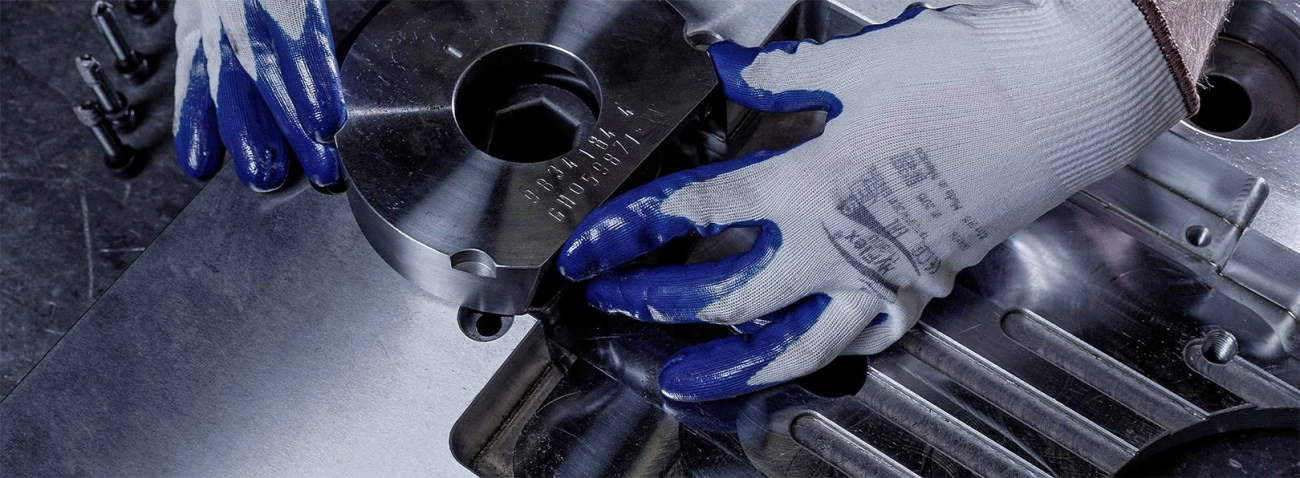
Production moulage en acier de grande taille les composants impliquent plus que simplement augmenter la taille d'un moule ; il faut maîtriser la physique de la solidification à grande échelle. Lorsqu'il s'agit de pièces moulées en acier lourdes, les risques de défauts internes comme la contraction et la porosité augmentent considérablement. Chez Vastmaterial, nous ne laissons pas l'intégrité structurelle au hasard. Nous abordons chaque projet en visant à éliminer les points de défaillance potentiels avant même que le métal ne soit versé.
Atténuer la contraction, la porosité et les inclusions
Le principal défi dans composants en acier de grande taille est de garantir que le métal se solidifie de manière uniforme. Si la coque extérieure refroidit trop rapidement alors que le centre reste liquide, des cavités de contraction se forment. Nous abordons cela grâce à des conceptions avancées de systèmes de canaux qui assurent une alimentation continue en métal fondu vers les zones critiques. De plus, nous utilisons alliage d'acier pour la coulée sous pression techniques et des filtres en céramique pour piéger les impuretés, réduisant ainsi considérablement le risque d'inclusions non métalliques pouvant affaiblir la pièce.
Contrôle de la déformation par traitement thermique
De grandes parties sont sujettes à la déformation lorsqu'elles refroidissent. Pour éviter la distorsion et les fissures de contrainte, nous utilisons des cycles de traitement thermique précis adaptés à la qualité spécifique de l'alliage.
- Refroidissement contrôlé : Nous régulons la vitesse de refroidissement pour minimiser le choc thermique.
- Détente de contrainte : Les cycles de chauffage après la coulée neutralisent les contraintes résiduelles, garantissant que la pièce conserve sa forme lors de l'usinage.
- Cohérence de l'alliage : Notre fusion par induction électrique assure une composition chimique uniforme, évitant la macrosegregation (mélange d'alliage incohérent) dans toute la coulée.
Solutions pour les problèmes courants de moulage
| Défi | Notre solution technique |
|---|---|
| Vides de contraction | Logiciel de simulation pour prédire les trajectoires de solidification et optimiser le placement des risers. |
| Porosité gazeuse | Contrôle strict de la perméabilité du moule et des processus de désoxydation du métal. |
| Déformation | Fixations personnalisées lors du traitement thermique pour maintenir la précision dimensionnelle. |
| Défauts de surface | Contrôle non destructif rigoureux (particules magnétiques et radiographiques) pour vérifier l'intégrité de la surface et sous-surface. |
Gérer la logistique de de grands coulages nécessite également une infrastructure spécialisée. Des conceptions de moules renforcés capables de résister à une pression hydrostatique immense à des équipements de manutention robustes, notre installation est optimisée pour fournir les coulées en acier industrielles qui sont sans défaut et prêtes pour les environnements les plus difficiles.
Services secondaires : De la coulée à la pièce prête à l'emploi
Produire une coulée brute n'est que la moitié de la bataille. Pour livrer une véritable moulage en acier de grande taille, nous intégrons usinage de grandes pièces en acier directement dans notre flux de travail de fabrication. En combinant les capacités de fonderie avec des centres CNC avancés, nous garantissons que même les composants les plus lourds respectent des tolérances dimensionnelles strictes sans le casse-tête logistique de déplacer les pièces entre plusieurs fournisseurs. Notre approche globale guide de moulage par usinage détaille comment nous comblons l'écart entre les coulées brutes et les spécifications finales pour assurer un ajustement parfait.
Nous optimisons les propriétés mécaniques de chaque composant grâce à un post-traitement rigoureux :
- Traitement thermique : Nous utilisons des cycles précis de trempe, de revenu et de ferritisation pour améliorer la dureté et la durabilité, ce qui est crucial pour Si vos pièces sont exposées à des températures extrêmes, notre utilisé dans des environnements extrêmes.
- Finition de surface : De la sablage à la peinture spécialisée, nous préparons les surfaces pour résister à la corrosion et à l'usure.
- Contrôle non destructif (CND) : Nous validons l'intégrité interne à l'aide de l'Inspection par Particules Magnétiques (MPI) et du Contrôle Radiographique (RT) pour détecter tout défaut sous la surface avant l'expédition.
Chaque projet est livré avec une traçabilité complète. Nous fournissons des Rapports d'Essais de Matériaux (MTR) certifiés et garantissons la conformité aux normes ASTM et AISI, vous donnant confiance en la qualité de votre précision grandes coulées sont sûrs, conformes et prêts pour une installation immédiate.
Applications industrielles et impact dans le monde réel

Nous livrons moulage en acier de grande taille solutions où l'échec n'est tout simplement pas une option. Notre fonderie se concentre sur la production de composants qui servent de colonne vertébrale aux industries lourdes, garantissant la continuité opérationnelle dans les environnements les plus difficiles. Des profondeurs d'une mine aux plateformes offshore à haute pression, nos pièces sont conçues pour performer.
Extraction minière et équipements lourds
Dans le secteur minier, l'équipement fait face à une abrasion constante et à des charges d'impact massives. Nous fabriquons pièces moulées en acier lourdes conçus pour la survie.
- Pièces d'usure: Nous moulons des dents de godet d'excavatrice durables, des liners de concasseur et des composants de broyeurs utilisant des aciers alliés de haute qualité.
- Capacité de charge : Notre fonte lourde personnalisée fournir l'intégrité structurelle nécessaire pour les camions de transport et les plateformes de forage.
- Longévité : En utilisant des matériaux résistants à l'usure comme l'acier au manganèse, nous prolongeons la durée de vie des machines, réduisant ainsi les temps d'arrêt lors d'opérations d'extraction critiques.
Énergie : Pétrole & Gaz et Production d'électricité
La fiabilité est essentielle lorsqu'il s'agit de ressources volatiles et de réseaux électriques. Nous fournissons des composants de précision qui respectent des normes de sécurité strictes.
- Corps de soupape : Nous produisons des pièces moulées résistant à la pression pour équipements d'extraction de pétrole et de gaz capables de résister à des pressions extrêmes sous-marines et à des environnements corrosifs.
- Composants de turbines : Notre usine moulent des pièces en alliage résistant à la chaleur pour les composants de turbines à gaz, garantissant stabilité et efficacité lors des cycles de production d'énergie à haute température.
- Applications marines : Nous fournissons des pièces moulées en acier inoxydable résistantes à la corrosion pour les pompes et systèmes de propulsion utilisés dans les navires marins.
Construction et éléments structurels
Les infrastructures modernes exigent composants en acier de grande taille qui offrent des ratios résistance/poids supérieurs.
- Nœuds structurels : Nous moulons des nœuds de connexion complexes pour des ponts et des stades qui ne peuvent pas être fabriqués uniquement par soudure.
- Cadres de machinerie lourde : Notre les coulées en acier industrielles servent de châssis et de cadres de support pour les grues et les équipements de terrassement.
- Métallurgie : Nous fournissons des ladles résistantes à la chaleur et des pots à slag utilisés dans les usines de traitement des métaux, conçus pour résister aux chocs thermiques.
Pourquoi choisir Vastmaterial pour vos besoins en moulage d'acier de grande taille
Lorsque vous traitez avec des composants industriels massifs, vous avez besoin d'un partenaire de fabrication qui comprend les enjeux. Nous agissons comme une extension directe de votre équipe d'ingénierie, en veillant à ce que chaque moulage en acier de grande taille réponde aux exigences rigoureuses des applications lourdes. Notre objectif est de dépasser le rôle d'un fournisseur standard et d'offrir un support d'ingénierie complet du concept à la livraison.
Infrastructure à haute capacité et R&D
Nous avons construit notre installation pour gérer la manutention lourde requise par les secteurs minier, énergétique et de la construction. En tant que fonderie d'acier à haute capacité, nous utilisons la fusion par induction électrique à haute efficacité. Cette technologie nous permet de gérer des coulées à grande échelle tout en maintenant une cohérence chimique précise sur l'ensemble du lot. Notre équipe de R&D travaille constamment à l'optimisation des designs géométriques, aidant à réduire le poids des grandes pièces sans sacrifier l'intégrité structurelle ou la durabilité.
Contrôle de bout en bout et précision
Nous ne faisons pas que verser du métal ; nous livrons des solutions finies. Notre processus intègre des techniques de moulage avancées avec des centres d'usinage CNC internes. Cela nous permet de transformer une pièce brute en un composant “ prêt à installer ” avec des tolérances dimensionnelles strictes. En tirant parti de nos fonderie de coulée sous pression capacités, nous éliminons le besoin de ateliers de machine tiers, simplifiant votre chaîne d'approvisionnement et réduisant les délais.
Répondre aux exigences complexes de haute spécification
Les solutions standard échouent souvent dans des environnements extrêmes. Nous sommes spécialisés dans Nous sommes fiers d'offrir adaptées à vos contraintes opérationnelles spécifiques. Que votre projet nécessite de l'acier allié 4340 à haute couple, des grades de durcissement par précipitation comme le 17-4PH, ou de la fonte ductile résistante à l'usure, nous respectons strictement les normes ASTM et AISI. Notre engagement envers la qualité est soutenu par des contrôles non destructifs (CND) complets et des rapports d'essais de matériaux certifiés (MTR), garantissant une traçabilité totale pour chaque pièce que nous expédions.
Questions fréquemment posées sur la grande coulée d'acier
Quelle est la limite de poids pour les grandes coulées d'acier?
Notre installation est conçue pour gérer des coulées importantes pour pièces moulées en acier lourdes. Tandis que les limites de poids spécifiques dépendent de la géométrie complexe et de la qualité de l'alliage requise, nous nous spécialisons dans la montée en échelle de la production pour des secteurs lourds comme l'exploitation minière et la construction. Nous nous concentrons sur l'optimisation géométrique pour garantir que même les pièces les plus massives maintiennent leur intégrité structurelle sans volume inutile.
Comment prévenir les défauts dans les grosses pièces moulées ?
Le contrôle qualité est essentiel lorsqu'il s'agit de grands volumes de métal en fusion. Nous utilisons des techniques avancées de fusion par induction électrique pour assurer la cohérence chimique et réduire les impuretés. Pour détecter les problèmes internes comme la porosité ou le retrait, nous employons des protocoles rigoureux de qualité en usine d'acier moulé en alliage, y compris Contrôle non destructif (CND) méthodes telles que l'Inspection par Particules Magnétiques (IPM) et le Contrôle Radiographique (CR).
Quels alliages sont les meilleurs pour les environnements à haute tension ?
Choisir le bon matériau est essentiel pour la longévité. Pour les applications à haute torsion, nous recommandons souvent acier allié 4340 en raison de sa résistance exceptionnelle. Si votre projet implique des environnements corrosifs ou nécessite un durcissement par précipitation, 17-4PH est un candidat solide. Nous pouvons vous guider à travers nos procédés de moulage d'alliages et leurs utilisations pour trouver la nuance exacte qui répond à vos exigences mécaniques.
Pouvez-vous usiner de grandes pièces moulées en interne ?
Oui. Nous fonctionnons comme une solution tout-en-un. Notre installation comprend des Centres d'usinage CNC capable de gérer usinage de grandes pièces en acier. Cela nous permet de prendre une pièce brute, d'effectuer une usinage de précision avec des tolérances strictes, et de livrer un composant prêt à être installé immédiatement, vous évitant ainsi les tracas logistiques liés à l'utilisation d'ateliers de machine tiers.
Ping : Fabricant de moulage agricole pour pièces OEM de tracteurs et de moissonneuses-batteuses - vast-cast.com