
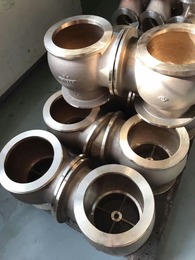
Discover what is brass its copper zinc composition key grades properties and industrial applications。
The Metallurgy of Brass: Composition and Chemistry
When engineers and manufacturers ask what is brass, they are looking for more than a dictionary definition. They need to understand the material science that drives performance in high-precision applications. At Haoyu Material, we define brass as a substitutional alloy primarily composed of copper and zinc. This unique copper-zinc alloy composition creates a material that balances the high conductivity of copper with the mechanical strength of zinc, making it indispensable for industries ranging from automotive electronics to precision hardware.
The Base Elements: Understanding Copper and Zinc Roles
The foundation of every brass strip or foil we produce lies in the synergy between two specific metals:
- Cuivre (Cu) : The primary matrix. It provides the essential electrical and thermal conductivity, corrosion resistance, and the characteristic ductility that allows for cold forming.
- Zinc (Zn): The strengthening agent. Adding zinc increases the tensile strength and hardness of the alloy without significantly compromising its malleability.
By controlling the ratio of these elements, we can tailor the alloy for specific industrial needs. For instance, a higher copper content typically yields better cold-working properties, while increased zinc enhances strength and lowers the melting point.
The Zinc Factor: How Percentage Alters Properties and Color
The percentage of zinc is the single most critical variable in brass metallurgy. It dictates not only the mechanical behavior but also the visual appearance of the finished product.
- Low Zinc (<20%): cURL Too many subrequests. C2100 (Gilding Metal) contain higher copper (around 90-95%). These feature a reddish-gold tone, offer excellent corrosion resistance, and are extremely malleable.
- High Zinc (>30%): As zinc content rises, the alloy becomes stronger and harder. C2680 (Yellow Brass), containing roughly 65% copper and 35% zinc, exhibits the classic bright yellow color and is optimized for deep drawing and spring qualities.
- Cartridge Brass (30% Zinc): C2600 strikes the perfect balance, offering the highest ductility in the yellow brass series, making it ideal for complex forming operations.
Secondary Elements: Effects of Lead, Tin, and Aluminum
While simple binary brasses (Cu-Zn) cover most sheet and strip applications, specific performance requirements often demand secondary alloying elements. We carefully monitor these additions to ensure compliance with global standards.
- Lead (Pb): Often added to improve machinability. It acts as a lubricant during cutting, allowing for high-speed precision machining (common in C3000 series).
- Tin (Sn): Enhances resistance to seawater corrosion. This is crucial for “Naval Brass” or “Admiralty Brass” grades used in marine environments.
- Aluminum (Al): Increases strength and corrosion resistance by forming a protective oxide layer, often used in more aggressive industrial settings.
Understanding these chemical nuances allows us to deliver precision brass strips cURL Too many subrequests.
cURL Too many subrequests.
cURL Too many subrequests. what is brass cURL Too many subrequests.
cURL Too many subrequests.
cURL Too many subrequests. cURL Too many subrequests.. cURL Too many subrequests.
- cURL Too many subrequests. Grades like cURL Too many subrequests. cURL Too many subrequests.
- cURL Too many subrequests. cURL Too many subrequests.
- Usinabilité : cURL Too many subrequests.
Notre manufacturing facility cURL Too many subrequests.
cURL Too many subrequests.
cURL Too many subrequests., cURL Too many subrequests. cURL Too many subrequests.
- cURL Too many subrequests. cURL Too many subrequests.
- cURL Too many subrequests. cURL Too many subrequests.
- cURL Too many subrequests. cURL Too many subrequests.
cURL Too many subrequests.
cURL Too many subrequests. cURL Too many subrequests..
- cURL Too many subrequests. cURL Too many subrequests.
- cURL Too many subrequests. cURL Too many subrequests.
- cURL Too many subrequests. Le cURL Too many subrequests. cURL Too many subrequests.
| cURL Too many subrequests. | Key Characteristic | cURL Too many subrequests. |
|---|---|---|
| cURL Too many subrequests. | cURL Too many subrequests. | cURL Too many subrequests. |
| cURL Too many subrequests. | cURL Too many subrequests. | cURL Too many subrequests. |
| cURL Too many subrequests. | Résistance à la Corrosion | cURL Too many subrequests. |
| Biological | Antimicrobial Action | Naturally eliminates pathogens on touch surfaces. |
Brass vs. Bronze vs. Copper: Clearing the Confusion
In the metal industry, confusing “red metals” is a common issue, but distinct chemical differences dictate their applications. Cuivre is the pure base element, while laiton et bronze are alloys created to enhance specific properties like strength or corrosion resistance.
Laiton is strictly a copper-zinc alloy composition. The addition of zinc increases strength and ductility compared to pure copper. Bronze, on the other hand, is primarily copper and tin. While copper is valued for pure conductivity, industries turn to brass when they need a material that is harder, cheaper, and easier to machine.
Comparison Matrix: Composition, Color, and Hardness
To select the right material for precision manufacturing, you need to look at the elemental makeup and resulting physical traits. When engineering specific components, knowing the densité du laiton par alliage helps in calculating weight and material costs accurately alongside these properties.
| Caractéristique | Cuivre pur | Brass (e.g., C2600, C2680) | Bronze |
|---|---|---|---|
| Primary Composition | 99.9% Cu (Pure Element) | Copper + Zinc (Zn) | Copper + Tin (Sn) |
| Couleur | Reddish-Orange / Earthy | Muted Yellow to Bright Gold | Reddish-Brown / Dark Gold |
| Dureté | Soft, highly malleable | Harder, stiffer than copper | Hard, brittle, resists fatigue |
| cURL Too many subrequests. | Excellent (Electrical/Thermal) | Good (Lower than copper) | Fair (Lowest of the three) |
| Key Characteristic | Highest Conductivity | High Machinability & Acoustics | Marine Corrosion Resistance |
Visual Identification: Distinguishing Patina and Appearance
Identifying the Brass vs Bronze difference visually often comes down to color spectrum and surface finish.
- Copper: Looks like a new penny. It has a distinct pinkish-orange hue. Over time, it oxidizes to a dark brown or develops a green verdigris patina.
- Brass: Resembles yellow gold. High-zinc grades like C2680 (Yellow Brass) cURL Too many subrequests.
- cURL Too many subrequests. cURL Too many subrequests.
cURL Too many subrequests.
cURL Too many subrequests.
Understanding what is brass cURL Too many subrequests.
cURL Too many subrequests.
cURL Too many subrequests. cURL Too many subrequests.. cURL Too many subrequests. cURL Too many subrequests.. cURL Too many subrequests.
- cURL Too many subrequests. cURL Too many subrequests.
- cURL Too many subrequests. C2600 cURL Too many subrequests. cURL Too many subrequests. cURL Too many subrequests.
- cURL Too many subrequests. cURL Too many subrequests.
cURL Too many subrequests.
cURL Too many subrequests. cURL Too many subrequests. cURL Too many subrequests.
- cURL Too many subrequests. cURL Too many subrequests.
- cURL Too many subrequests. cURL Too many subrequests.
- Applications: cURL Too many subrequests.
cURL Too many subrequests.
cURL Too many subrequests. cURL Too many subrequests. cURL Too many subrequests. cURL Too many subrequests. cURL Too many subrequests.
cURL Too many subrequests.
cURL Too many subrequests. cURL Too many subrequests. cURL Too many subrequests. cURL Too many subrequests. cURL Too many subrequests.
cURL Too many subrequests.
cURL Too many subrequests. cURL Too many subrequests.
cURL Too many subrequests.
When we produce high-precision foils and strips, C2680 (Yellow Brass) is often the alloy of choice. With a composition of approximately 65% copper and 35% zinc, it offers a distinct golden-yellow color and excellent corrosion resistance. This grade strikes a perfect balance between strength and formability. It is a staple in our production lines for electrical connectors, radiator cores, and decorative hardware where a high-quality surface finish is non-negotiable.
C3600/C3604 Free-Cutting Brass: Precision Machining
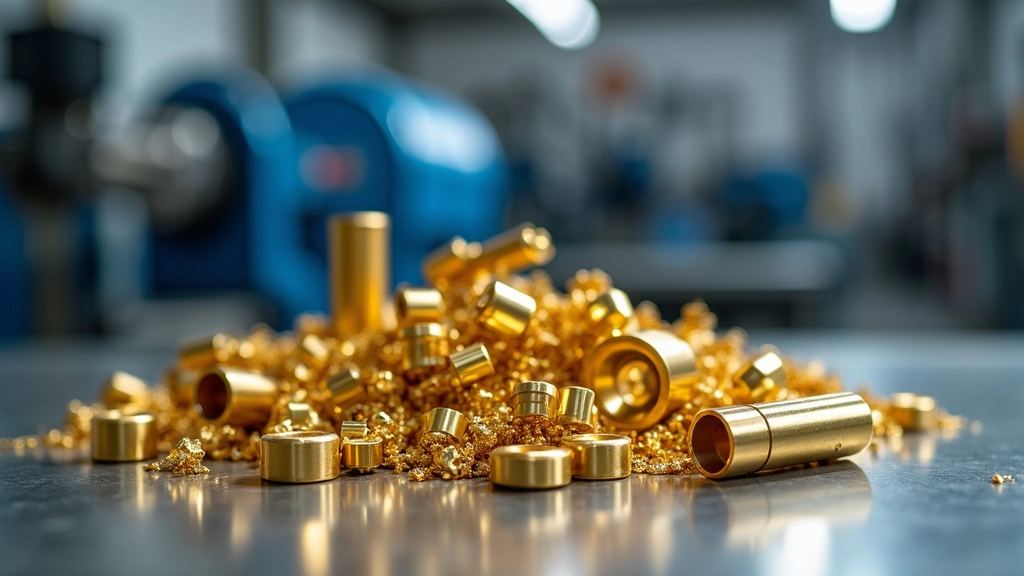
For parts requiring intricate milling or turning, Free-machining brass (C3604) is the standard. This grade typically includes a small percentage of lead, which acts as a lubricant on the microscopic level. This addition causes chips to break off easily during machining, allowing for high-speed production of screws, nuts, and precision valve components. While we focus heavily on rolling sheets and strips, understanding the machinability of C3600 series alloys is crucial for our clients producing turned parts.
Naval Brass: Specialized Corrosion Resistance
Naval brass is essentially a modification of the 60/40 brass structure (similar to Muntz metal) with the addition of a small amount of tin (usually around 1%). This tin content significantly boosts resistance to saltwater corrosion and dezincification. We recommend this grade specifically for marine hardware, propeller shafts, and fittings exposed to seawater, where standard yellow brass might degrade over time.
Manufacturing and Processing Brass
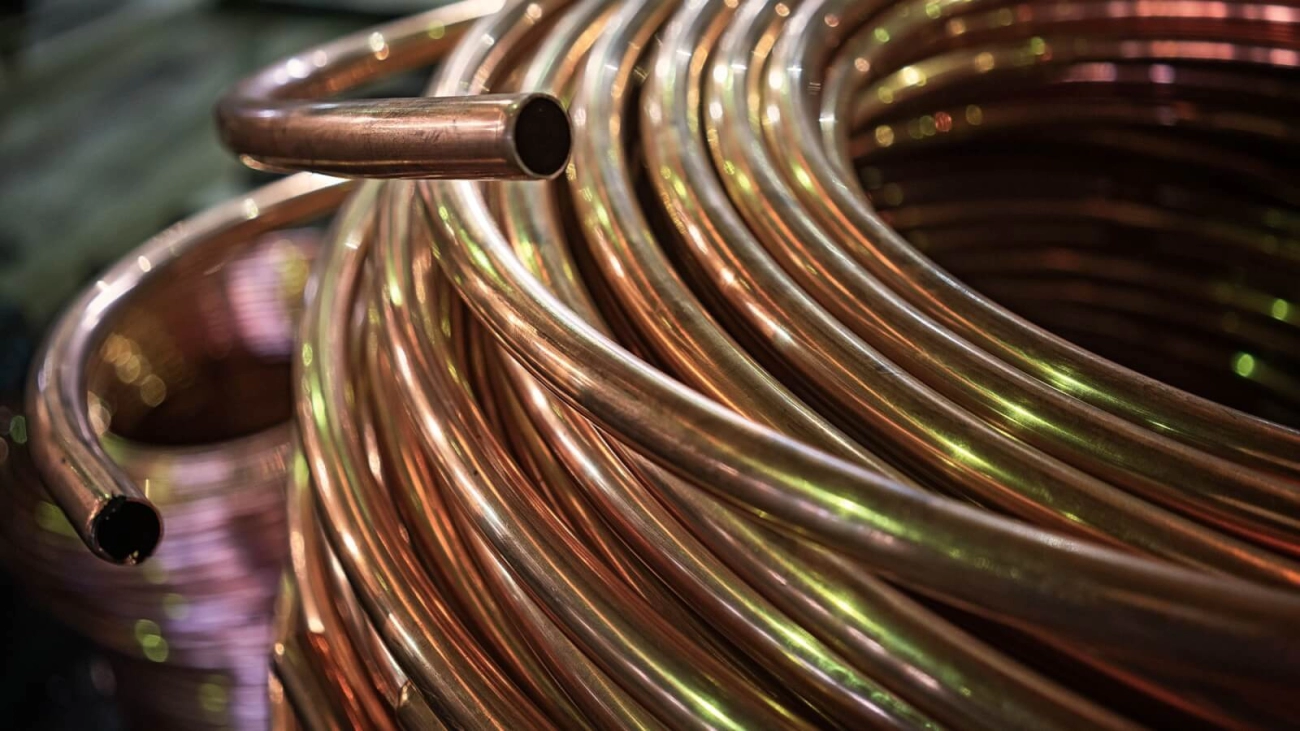
Understanding what is brass in an industrial context means looking beyond the chemistry and into the production line. At Haoyu Material, the transformation from raw elements to high-precision components involves strict control over thermal and mechanical history.
From Casting to Rolling: The Production Journey
The process begins with melting copper and zinc in induction furnaces to create a precise alliage de fonderie. We cast this molten metal into large cakes or billets, which serve as the foundation for all subsequent processing.
- Hot Rolling: The cast brass is heated and passed through heavy rollers to reduce thickness and break down the cast grain structure.
- Scalping: We remove surface oxides and impurities to ensure a flawless finish.
- Cold Rolling: To achieve the final gauge, the material undergoes cold rolling at room temperature. This step is critical for producing a consistent cold rolled brass strip with uniform thickness.
Precision Rolling: Achieving Specific Tempers
Controlling the temper is our specialty. By adjusting the amount of cold work (rolling reduction) and annealing (heat treatment), we dictate the material’s mechanical properties. We don’t just make “hard” or “soft” brass; we engineer specific tempers to match your stamping or forming needs:
- O (Soft/Annealed): Maximum ductility for deep drawing.
- 1/4H to 1/2H: Balanced strength and formability.
- H (Hard) to EH (Extra Hard): High strength for rigid components.
- SH (Spring Hard): Maximum elasticity for contact springs.
Surface Finishing: Polishing and Plating Techniques
The final step ensures the material is ready for the assembly line. We employ tension leveling to ensure flatness and degreasing lines to remove rolling oils. For applications requiring enhanced conductivity or solderability, such as in electronics, the brass strip can undergo surface treatments like tin or nickel plating. This attention to surface quality ensures that the brass performs reliably in sensitive connectors and decorative hardware alike.
Major Applications by Industry
Brass is the silent workhorse of modern manufacturing. From the device in your hand to critical infrastructure, cURL Too many subrequests. rely on the material’s unique balance of durability, conductivity, and workability. At Haoyu Material, we supply the high-precision strips, foils, and sheets that industries stamp and shape into these essential components.
Electronics: Connectors and Terminals
In the electronics sector, signal integrity is paramount. Manufacturers utilize our brass strips for connectors, terminals, and sockets primarily due to cURL Too many subrequests. cURL Too many subrequests.
cURL Too many subrequests.
cURL Too many subrequests.
cURL Too many subrequests.
cURL Too many subrequests. cURL Too many subrequests., cURL Too many subrequests.
cURL Too many subrequests.
cURL Too many subrequests. cURL Too many subrequests.. cURL Too many subrequests.
cURL Too many subrequests.
cURL Too many subrequests.
cURL Too many subrequests. what is brass cURL Too many subrequests. cURL Too many subrequests.. cURL Too many subrequests.
cURL Too many subrequests. cURL Too many subrequests. cURL Too many subrequests.
cURL Too many subrequests.
cURL Too many subrequests.
- Energy Savings: cURL Too many subrequests.
- cURL Too many subrequests. cURL Too many subrequests.
- cURL Too many subrequests. cURL Too many subrequests.
cURL Too many subrequests. what is brass cURL Too many subrequests.
cURL Too many subrequests.
cURL Too many subrequests.
cURL Too many subrequests. cURL Too many subrequests., cURL Too many subrequests. résistance à la corrosion.
cURL Too many subrequests.
cURL Too many subrequests. cURL Too many subrequests. cURL Too many subrequests.
cURL Too many subrequests.
cURL Too many subrequests. cURL Too many subrequests. cURL Too many subrequests. cURL Too many subrequests. cURL Too many subrequests. red brass vs yellow brass differences regarding price and identification.
How do I clean and maintain brass items?
Brass naturally develops a patina (oxidation) over time when exposed to air. While some industries prefer this antique look, maintaining a bright finish requires regular cleaning. For industrial purposes, we deliver brass strips and foils with specific surface treatments to delay oxidation. If cleaning is necessary, mild acid solutions or commercial polishes can remove tarnish without damaging the underlying metal structure.