

Learn how to melt aluminum for casting safely using professional ceramic fiber insulation and graphite crucibles for efficient heat retention.
Are you tired of dealing with slushy metal, wasted fuel, and cracked crucibles?
Mastering how to melt aluminum for casting is the difference between a dangerous backyard experiment and a professional-grade workshop.
As a refractory expert, I know that successful casting isn’t just about applying fire—it’s about superior heat containment.
In this guide, you’ll learn the exact steps to build an efficient system, from choosing a durable graphite crucible to insulating your furnace with high-purity ceramic fiber.
So if you’re looking to stop struggling with heat loss and start pouring perfect ingots, this guide is for you.
Let’s dive right in.
Safety First: Non-Negotiable Protection
When we discuss how to melt aluminum for casting, the process begins long before we light the furnace. Molten aluminum reaches temperatures exceeding 1220°F (660°C). At this heat, safety is not just a precaution; it is the difference between a successful project and a serious injury. We treat personal protection as the absolute foundation of every melt.
Personal Protective Equipment (PPE) Essentials
I cannot emphasize enough that standard shop clothes are insufficient for foundry work. Synthetic fabrics can melt into the skin instantly upon contact with high heat. We rely on foundry safety gear designed specifically to shed molten metal and withstand intense thermal radiation.
- Face Shields: Safety glasses alone are not enough. We always wear a full-face shield to protect against potential splashes or pops from the crucible.
- Leather Aprons: A heavy chrome leather apron is essential. It covers the chest and legs, providing a robust barrier against sparks and spills.
- Respirators: Melting scrap aluminum often releases fumes from paint, oil, or coatings. We use proper respirators to avoid inhaling toxic vapors, especially during the fluxing stage.
Importance of Heat-Resistant Gloves and Textiles
Your hands are closest to the danger zone when handling the crucible. We never use standard welding gloves for lifting molten metal; they often lack the necessary thermal insulation. Instead, we use long-cuff, high-heat resistant gloves—often aluminized or thick leather—that extend up the forearm. This protects not just against direct contact, but also against the intense radiant heat emitted by the furnace and the melt.
Environment Prep: Ventilation and Fire Safety
Setting up the workspace is just as critical as wearing the right gear. We always ensure the melting area is well-ventilated to disperse smoke and gases generated during aluminum dross removal.
Critical Safety Rules for the Workspace:
- Avoid Concrete: Never melt directly over concrete. If molten aluminum spills, the moisture in the concrete can flash to steam, causing the concrete to explode (spall). We prefer a bed of dry sand.
- Moisture Control: Ensure all tools and molds are bone dry. Even a drop of water introduced to the melt can cause a dangerous steam explosion.
- Fire Suppression: Keep a bucket of dry sand and a Class D fire extinguisher nearby to handle metal fires effectively.
Essential Equipment: Building the Heat System

To successfully melt aluminum for casting, you need a rig that can reach and hold temperatures well above the aluminum melting point of 660°C (1220°F). A reliable heat system isn’t just about getting hot; it’s about efficiency, safety, and controlling the melt. Here is the breakdown of the gear I rely on for a solid foundry setup.
The Furnace: Why Insulation Matters
The furnace body is the shell, but the insulation is the engine. Without high-quality insulation, your burner fights a losing battle against heat loss. A well-insulated DIY metal casting furnace reaches melting temperature faster and consumes significantly less fuel. If you are aiming for the quality found in industrial precision aluminum casting, consistent heat retention is mandatory to prevent defects in the final part.
Refractory Lining: Ceramic Fiber vs. Plaster
For the lining, you generally have two choices: traditional refractory cement (castable) or modern ceramic fiber.
- Ceramic Fiber Furnace Lining: This is the superior choice for most small to medium operations. A refractory insulation blanket (often made of Kaowool or similar ceramic fibers) has low thermal mass, meaning it heats up instantly and reflects heat back into the crucible. It is lightweight and handles thermal shock exceptionally well.
- Plaster/Sand Mix: This is the “cheap” route, but I don’t recommend it. It is heavy, takes forever to heat up (acting as a heat sink), and tends to crack after a few firings.
For the floor of the furnace, I always use a high-temperature ceramic board or firebrick to support the crucible, as soft fiber blankets cannot bear weight.
The Crucible: Graphite vs. Steel Vessels
Choosing the right vessel is a safety-critical decision. Many beginners try to use a cut-off steel fire extinguisher, but this is dangerous. Molten aluminum is a universal solvent; it dissolves steel, contaminating your aluminum with iron and eventually eating through the pot, causing a catastrophic spill.
- Clay Graphite Crucible: An economical choice that conducts heat well.
- Silicon Carbide Crucible: The pro standard. These offer superior thermal shock resistance and are much more durable against the chemical erosion of fluxes and slag.
Crucible Comparison:
| Feature | Steel Vessel (Not Recommended) | Clay Graphite | Silicon Carbide (SiC) |
|---|---|---|---|
| Durability | Low (Oxidizes rapidly) | High | Very High |
| Heat Conductivity | Medium | Good | Excellent |
| Contamination | High (Iron pickup) | None | None |
| Thermal Shock | Poor | Good | Excellent |
Heat Source Options: Propane vs. Electric vs. Waste Oil
Your fuel source dictates the design of your foundry.
- Propane Foundry Setup: The most popular choice for speed and cleanliness. Propane burners are easy to build or buy, offering high heat output with minimal mess.
- Electric: Great for precise temperature control, but heating elements can be slow to recover heat after adding cold metal.
- Waste Oil: Extremely cheap to run but requires a complex burner setup and creates a lot of smoke and soot if not tuned perfectly.
For most casting projects, a propane setup combined with a graphite crucible for aluminum provides the best balance of cost, speed, and ease of use.
Step-by-Step: How to Melt Aluminum Properly
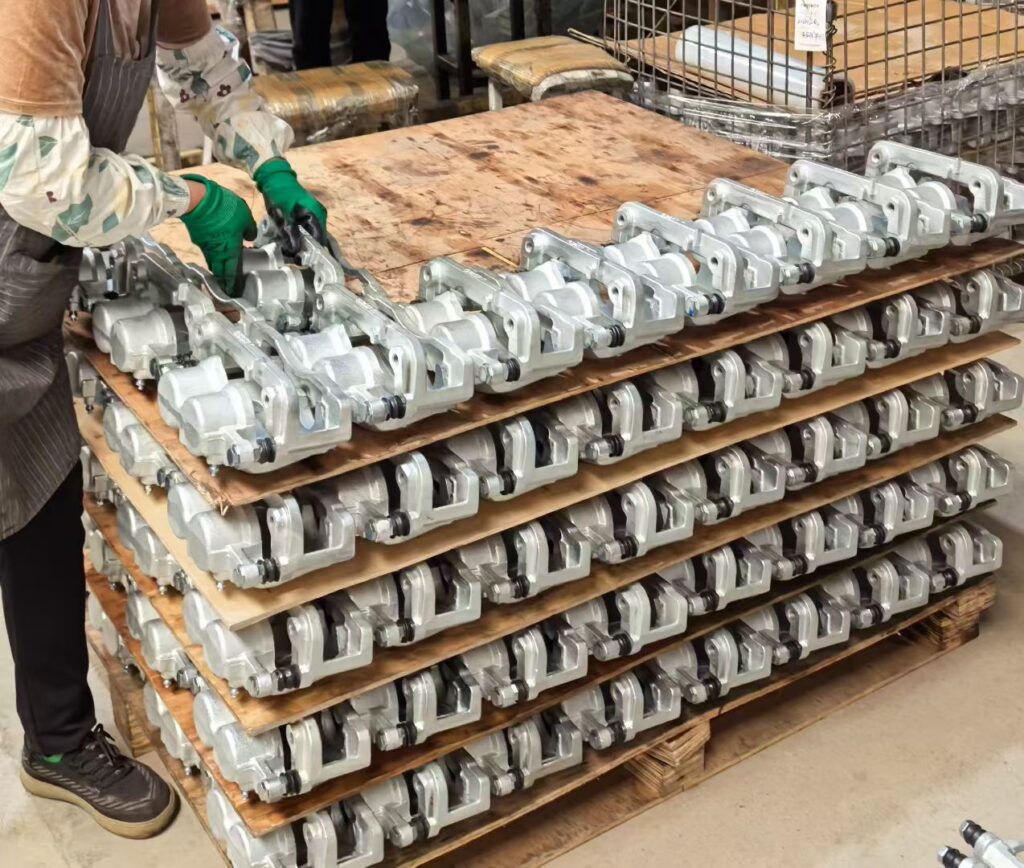
Melting aluminum requires a strict routine to ensure safety and metal quality. We follow a precise sequence to maintain the integrity of our refractory materials and achieve a clean melt ready for casting.
Step 1: Furnace Inspection and Preparation
Before firing up, I always inspect the ceramic fiber furnace lining. Any gaps or wear in the insulation can lead to significant heat loss or damage to the furnace shell. If you are running a propane foundry setup, ensure the burner port is clear and aligned. A well-maintained furnace reaches the aluminum melting point much faster and operates more efficiently, protecting the structural integrity of the unit.
Step 2: Crucible Conditioning to Prevent Cracking
Never blast a cold crucible with high heat. Whether you are using a clay graphite vessel or a silicon carbide crucible, trapped moisture is the enemy. I heat the vessel slowly to around 200°F (95°C) first to drive out any dampness. This conditioning step builds thermal shock resistance and prevents the crucible from cracking under sudden thermal stress, extending the life of your equipment.
Step 3: Charging the Crucible Safely
When adding metal, place the ingots or aluminum scrap recycling material gently into the crucible. Never drop heavy scrap into a hot vessel, as the impact can fracture the bottom. If you are aiming for high-grade results similar to a professional aluminum casting manufacturer for custom precision parts, ensure your scrap is completely clean and dry. Introducing moisture into molten metal causes dangerous steam explosions.
Step 4: Managing the Melt and Temperature
Aluminum melts around 1220°F (660°C). Once the metal turns liquid, I monitor the temperature closely using a pyrometer. Overheating causes the metal to absorb hydrogen gas, leading to porosity in the final cast. The goal is to reach a pouring temperature just above the melting point without “cooking” the metal. This controlled approach also preserves the life of the refractory insulation blanket and the crucible lining.
Step 5: Fluxing and Drossing for Clean Metal
Impurities and oxides naturally float to the top as dross. I use a specific flux to separate the good metal from the waste. Fluxing molten aluminum helps pull out impurities and reduces gas content. After fluxing, I perform aluminum dross removal with a preheated skimmer tool. Clean metal is essential if you plan to pour into a complex investment mold where surface detail is critical. Finally, degassing aluminum may be necessary to remove trapped hydrogen bubbles before the pour.
Pouring and Casting Techniques
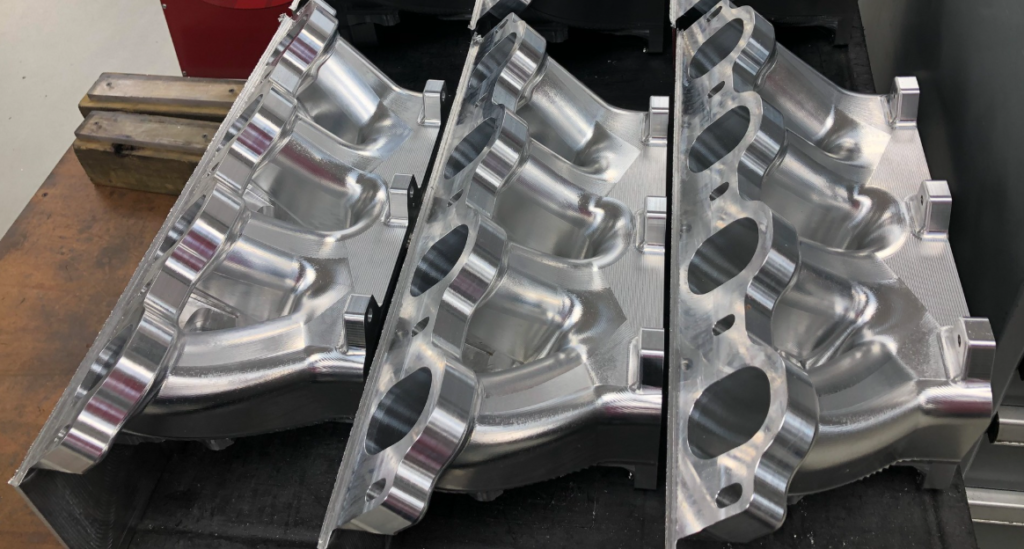
Knowing how to melt aluminum for casting is only half the battle; getting the liquid metal into the mold safely determines the success of your project. The transition from furnace to mold requires precision, the right tools, and steady hands to avoid defects like porosity or cold shuts.
Handling Molten Metal with Proper Tongs
Lifting a superheated vessel requires tools specifically engineered for the job. I cannot stress this enough: never use standard pliers or makeshift grips. You need lifting tongs that perfectly match the contours of your graphite crucible for aluminum.
- Fit Matters: Tongs must support the crucible body, not squeeze the rim. The rim is the weakest point, and pressure there causes cracks.
- Secure Grip: Ensure the tongs lock firmly without crushing the walls.
- Pre-Check: Always inspect the tongs for rust or stiffness before the heat is on.
Using ill-fitting tools is the fastest way to destroy a high-quality Silicon Carbide or Clay Graphite crucible. A dropped crucible spills molten aluminum at 1200°F+, creating an immediate fire hazard and ruining your foundry safety gear.
The Pour: Avoiding Turbulence and Splash
A smooth pour is essential for producing high-quality casting alloy components. When transferring the melt into casting sand molds, gravity is both your friend and enemy. If you pour from too high up, the metal splashes, increasing surface area and introducing oxygen, which leads to dross and bubbles in the final part.
Follow these rules for a clean pour:
- Minimize Drop Height: Keep the crucible lip as close to the mold sprue as possible.
- Continuous Stream: Pour in a single, steady motion. Stopping and starting creates layers and weak spots in the metal.
- Keep the Sprue Full: Maintain a choke feed to prevent air from being sucked down into the mold cavity.
Cooling and Solidification Best Practices
Once the pour is complete, patience is the only way forward. Let the casting cool naturally inside the mold. Rushing this process by spraying water or breaking the mold too early can warp the metal and ruin the grain structure.
For the equipment, proper cooling is just as vital. Place your hot crucible on a high-temperature ceramic board or a bed of dry sand. Never set a red-hot crucible directly on cold concrete or metal. While our Silicon Carbide crucibles have excellent thermal shock resistance, extreme temperature differences can still cause stress fractures, shortening the lifespan of your melting vessel.
Troubleshooting Common Aluminum Melting Issues
Even with a solid propane foundry setup, things can go sideways during a melt. I’ve seen plenty of casts ruined by simple temperature mistakes or equipment failures. Troubleshooting these issues early saves both your fuel and your metal.
Why Metal is Slushy or Won’t Melt
If your aluminum looks like oatmeal rather than a shiny liquid, you likely haven’t reached the necessary superheat. While the aluminum melting point is roughly 660°C (1220°F), you need to push the temperature to around 700°C-750°C to ensure it flows properly into the mold.
- Heat Loss: If your furnace struggles to hold temperature, your insulation might be insufficient. I always recommend checking the refractory insulation blanket or ceramic fiber furnace lining. If the heat bleeds out, the metal stays slushy.
- Dirty Scrap: heavily oxidized aluminum scrap recycling creates a thick skin that prevents the pool from merging.
Preventing Black Specks and Impurities
Black specks are usually aluminum oxide or bits of the furnace wall falling into the melt. This ruins the surface finish, which is critical if you are aiming for aluminum investment castings for precision parts.
- Fluxing: Proper fluxing molten aluminum is non-negotiable. It pulls impurities to the surface for easy aluminum dross removal.
- Degassing: Hydrogen gas causes porosity (tiny bubbles). Degassing aluminum with tablets or a lance helps clear this out before you pour.
Dealing with Crucible Cracks and Thermal Shock
Nothing stops a foundry session faster than a cracked vessel. This is usually caused by thermal shock—heating a cold crucible too fast.
- Material Choice: A silicon carbide crucible generally offers better thermal shock resistance compared to a standard graphite crucible for aluminum, making it more durable for repeated heating cycles.
- Expansion Issues: Never tightly wedge cold metal into the crucible. As the metal heats, it expands faster than the pot and will crack it from the inside out. Always leave room for expansion.
Frequently Asked Questions About Melting Aluminum
What is the exact melting point of aluminum?
Pure aluminum reaches its aluminum melting point at approximately 1,220°F (660°C). However, just hitting this temperature isn’t enough for a successful cast. You typically need to heat the metal to around 1,300°F to 1,400°F to ensure it flows smoothly into the mold without freezing prematurely. Our refractory materials and ceramic fiber furnace lining are engineered to withstand temperatures well beyond this range, ensuring your furnace structure remains stable while you reach the necessary superheat.
Can I use a steel bucket as a crucible?
I strongly advise against this. While steel has a higher melting point than aluminum, molten aluminum is a universal solvent for iron. It will dissolve the steel walls of a bucket, contaminating your melt with iron and eventually causing a catastrophic leak. For safety and purity, you must use a proper vessel, such as a graphite crucible for aluminum or a silicon carbide crucible. These materials resist chemical erosion and provide the thermal shock resistance needed for repeated heating cycles.
How do I remove bubbles from molten aluminum?
Bubbles are usually caused by trapped hydrogen gas, often introduced by moisture in the air or on your tools. To fix this:
- Preheat everything: Ensure all ingots and tools are bone dry before they touch the melt.
- Degassing: Use degassing tablets or a lance to draw hydrogen out of the liquid metal.
- Fluxing: Apply a covering flux to separate impurities.
Using high-quality casting foundry supplies and maintaining a clean melt environment significantly reduces porosity in your final parts.
What is the best fuel for a DIY foundry?
The “best” fuel depends on your setup, but propane foundry setup is the most popular for its balance of cleanliness and speed.
- Propane: Clean burning, easy to control, and widely available.
- Electric: Precise temperature control but slower to heat up.
- Waste Oil: Very cheap (often free) but requires a complex burner and creates more smoke.
Regardless of the fuel, the efficiency of your melt relies heavily on your insulation. Using high-density refractory insulation blanket ensures that the heat stays inside the furnace, melting the metal faster and using less fuel.