
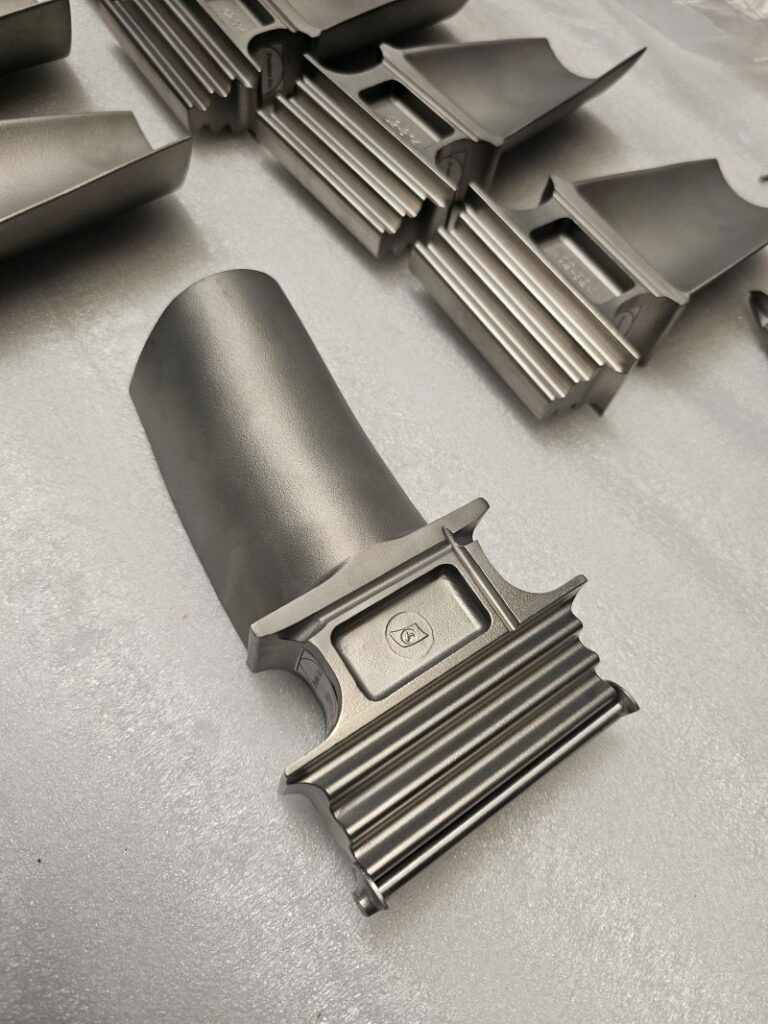
Explore Inconel alloys 2026 guide with grades properties applications welding tips pricing and certified sourcing for aerospace energy and chemical industries.
What Is Inconel? Definition and History
Inconel is a family of high-performance nickel-chromium-based superalloys known for exceptional strength and corrosion resistance at elevated temperatures. Originally developed in the 1930s at Special Metals Corporation’s Wiggin Works in Connecticut, Inconel was designed to meet the demanding conditions of early aerospace and chemical processing industries.
Special Metals Corporation created Inconel primarily to provide an alloy capable of withstanding extreme heat and oxidation, facilitating advances in gas turbines and nuclear reactors. Since then, Inconel has evolved into a versatile material group widely used across multiple high-tech sectors.
Today, “Inconel” is both a registered trademark of Special Metals and a generic term used broadly in industry to describe similar nickel-chromium superalloys. While the trademark remains active, it is common to see “Inconel” applied to alloys produced by various manufacturers worldwide.
Chemical Composition of Main Inconel Grades
Here’s a quick overview of the key chemical makeup for the most popular Inconel grades. These numbers give you a good idea of what makes each grade unique in properties and applications:
| Grade | Ni (%) | Cr (%) | Fe (%) | Mo (%) | Nb (%) | Co (%) | Al (%) | Ti (%) |
|---|---|---|---|---|---|---|---|---|
| Inconel 600 | 72 | 14-17 | 6-10 | ≤1 | – | – | – | – |
| Inconel 625 | 58 | 20-23 | 5-10 | 8-10 | 3.15-4.15 | – | – | – |
| Inconel 718 | 50-55 | 17-21 | 17-21 | 2.8-3.3 | 4.75-5.5 | – | 0.2-0.8 | 0.65-1.15 |
| Inconel 825 | 38-46 | 19.5-23.5 | 28-34 | 2.5-3.5 | – | – | – | – |
| Inconel X-750 | 70-75 | 14-17 | 4-6 | ≤1 | 0.7-1.2 | – | 0.35-0.8 | 0.7-1.2 |
| Inconel 690 | 59 | 27-31 | 7-11 | ≤1 | – | – | – | – |
| Inconel 601 | 58 | 21-25 | 11-15 | ≤1 | – | – | 1-1.5 | ≤0.5 |
- Ni (Nickel) is the base for all these alloys and provides excellent corrosion and heat resistance.
- Chromium (Cr) improves oxidation resistance.
- Iron (Fe) content varies and affects mechanical strength.
- Molybdenum (Mo) and Niobium (Nb) enhance strength, especially under high temperatures.
- Aluminum (Al) and Titanium (Ti) are mainly in 718 and X-750 to improve strength through precipitation hardening.
- Cobalt (Co) is rarely used but can appear in some special formulations.
This table highlights the chemical backbone that lets Inconel perform well across extreme environments — like high heat, corrosive chemical exposure, and mechanical stress. For a deeper dive into how these elements affect performance, check out the range of high-temperature alloy products available.
Key Mechanical and Physical Properties of Inconel
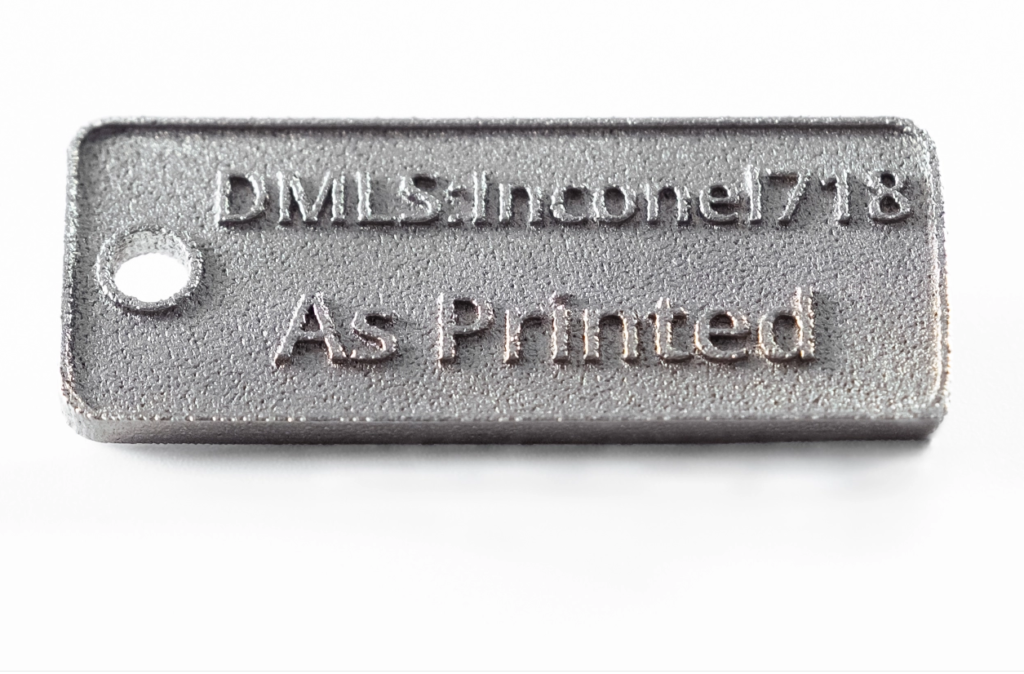
Inconel alloys are prized for their outstanding mechanical and physical properties, especially under extreme conditions. They maintain high strength at temperatures up to 1,200 °C (about 2,190 °F), making them ideal for aerospace and power generation where materials must perform reliably in heat.
High-Temperature Strength
Inconel retains its tensile strength and toughness even at elevated temperatures, resisting deformation when other metals might weaken or melt. This makes grades like Inconel 718 and 625 popular in gas turbines and rocket engines.
Oxidation and Corrosion Resistance
Thanks to their high nickel and chromium content, Inconel alloys offer excellent resistance to oxidation and corrosion. They withstand harsh environments such as seawater, sour gas, and acidic chemical exposure with minimal degradation. This property is why Inconel 625 is commonly chosen for marine applications, while Inconel 825 performs well in chemical processing plants.
Creep and Rupture Strength
Inconel alloys demonstrate superior creep resistance, the ability to resist slow, permanent deformation under long-term stress at high temperatures. This characteristic is critical in components like turbine blades and high-temperature fasteners, where structural integrity over time is vital.
Thermal Conductivity, Expansion, and Density
- Thermal Conductivity: Inconel typically has lower thermal conductivity than other metals like stainless steel, meaning it retains heat well without rapidly spreading it.
- Thermal Expansion: The alloys exhibit moderate thermal expansion rates, allowing for reliable dimensional stability under thermal cycling.
- Density: Inconel is denser than aluminum alloys but less dense than pure nickel, offering a good balance of weight and strength.
For comparison, engineers often refer to detailed charts tracking these properties across key Inconel grades, aiding material selection based on application needs. For instance, knowing the density differences helps when comparing Inconel to materials like aluminum alloys such as A356 T6, which offer much lower density but cannot endure harsh oxidation environments. You can explore a detailed A356 T6 aluminum alloy specifications, strength, and applications as a point of reference for light-weight alternatives used in less demanding conditions.
Understanding these mechanical and physical traits makes it easier to justify using Inconel in cost-sensitive but performance-critical industries worldwide.
Most Popular Inconel Grades in 2026 and Their Best-Use Cases
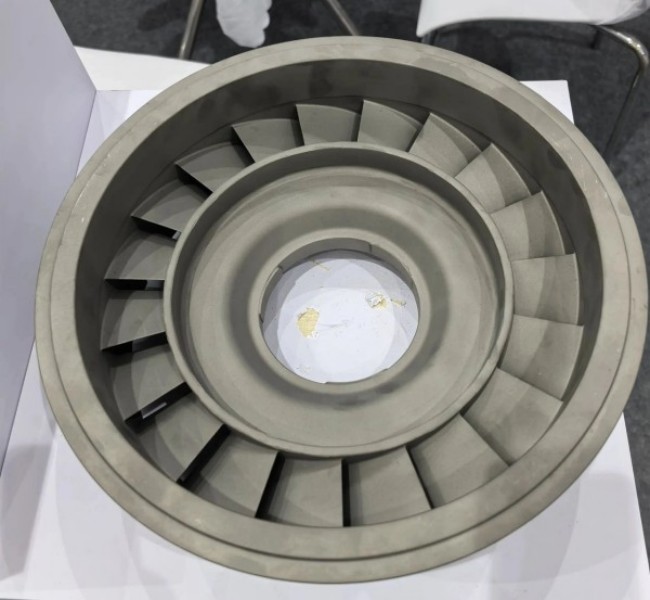
Inconel continues to be a top choice across industries due to its unique properties. Here’s a quick look at the most popular Inconel grades in 2026 and where they really shine:
- Inconel 625Known for its excellent corrosion resistance and high strength, Inconel 625 is widely used in marine environments and aerospace applications. It handles seawater exposure and extreme temperatures well, making it ideal for marine parts and aircraft components.
- Inconel 718This grade dominates around 70% of Inconel consumption worldwide. Its high creep and rupture strength at elevated temperatures make it perfect for gas turbines and rocket engines. If you’re in the energy or aerospace sectors, 718 is often the go-to choice for critical parts like turbine blades and engine casings. Check out detailed info on Inconel’s role in gas turbine engineering.
- Inconel X-750Primarily used for springs and high-temperature fasteners, X-750 offers good strength and resistance to stress corrosion cracking. Its durability under thermal cycling is essential for components like aerospace springs. For machining tips, refer to the high-temperature nickel alloy springs machining service guidelines.
- Inconel 600A solid performer for furnace components and industrial heating elements, 600 tolerates high heat and oxidation without breaking down, making it the choice for many heating and manufacturing systems.
- Inconel 825Its versatility and corrosion resistance in harsh chemical environments make 825 ideal for chemical processing plants. It resists acids, reducing maintenance needs in aggressive industrial conditions.
- Emerging GradesNewer alloys like 740H, 725, and 693 are gaining traction for specialized high-temperature and corrosion-resistant applications, particularly in power generation and nuclear sectors, offering tailored performance for the future.
Each grade has a clear niche based on its balance of strength, corrosion resistance, and temperature capabilities, helping engineers pick the right alloy for their specific challenge.
Industry Applications of Inconel Alloys
Inconel alloys are widely used across many industries thanks to their outstanding strength and corrosion resistance at high temperatures.
- Aerospace: Inconel is a go-to for turbine blades, exhaust systems, and jet engines where heat and mechanical stress are intense. Its durability ensures safety and performance in extreme environments.
- Oil & Gas: Inconel alloys, especially grades like 625 and 718, are crucial for downhole tubing and equipment exposed to sour gas and corrosive environments. Their corrosion resistance protects against failures in harsh conditions. You can explore best practices for this industry in our oil & gas materials section.
- Nuclear Engineering: Inconel’s exceptional performance under radiation and elevated temperatures makes it ideal for various nuclear reactor components where safety is critical.
- Chemical & Petrochemical Plants: Components in these plants often face aggressive chemicals and high temperatures. Inconel alloys stand up well, maintaining integrity and preventing failures.
- Power Generation: Gas turbines, nuclear reactors, and concentrated solar power (CSP) systems rely heavily on Inconel for blades, tubes, and structural parts that endure extreme heat and mechanical loads.
- Marine and Seawater Environments: Inconel resists corrosion from saltwater and biofouling, making it excellent for marine hardware, pumps, and desalination equipment.
- Additive Manufacturing (3D Printing) in 2026: Inconel has become one of the dominant materials in metal 3D printing, enabling complex parts with excellent mechanical properties. This advancement is expanding design possibilities and speeding up prototyping and production cycles.
Inconel’s unique blend of properties keeps it at the heart of many critical industries, making it a trusted choice for demanding applications worldwide.
Advantages and Limitations of Inconel
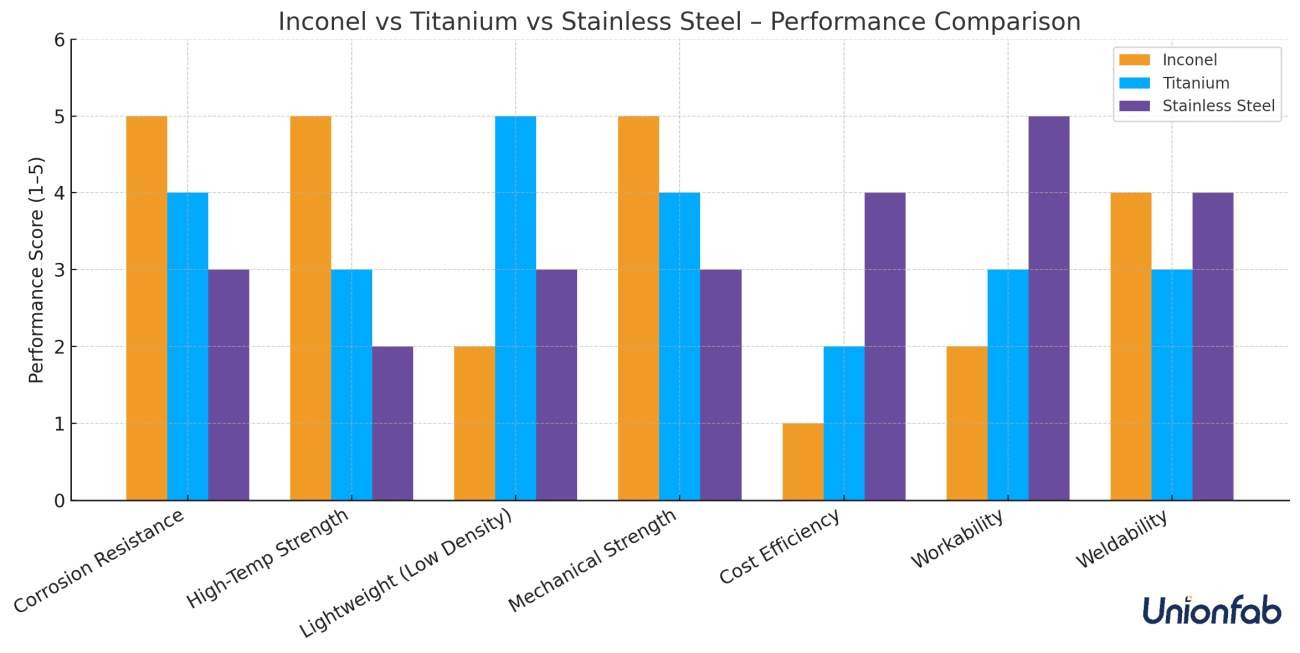
Inconel alloys offer outstanding high-temperature strength, excellent oxidation and corrosion resistance, and good creep resistance, making them a top choice for extreme environments. Compared to common alternatives like 316L stainless steel, Hastelloy, Monel, and titanium, Inconel usually outperforms in heat and corrosion resistance but comes at a higher price.
Pros vs Other Alloys:
- 316L Stainless Steel: Cheaper and easier to machine but less resistant to high temperatures and severe corrosion, especially in sour gas or marine environments.
- Hastelloy: Offers excellent corrosion resistance, sometimes better in specific chemical environments, but generally less strong at very high temperatures than Inconel 718 or 625.
- Monel: Great for seawater corrosion and marine applications but has lower temperature limits and strength compared to Inconel 625.
- Titanium: Much lighter and highly corrosion resistant but can’t match Inconel’s strength at temperatures above 600°C and is more expensive for large heavy parts.
When NOT to Use Inconel:
- If the operating temperature is below 600°C and corrosion isn’t aggressive, less expensive alloys like 316L or Monel might be more cost-effective.
- For applications where weight is critical and moderate strength suffices, titanium could be preferable.
- When budget constraints are tight, the high cost of Inconel may not justify its benefits.
- If machinability and ease of welding are the top priorities, some stainless steels and Monel are easier to work with.
In , Inconel is excellent for extreme conditions but should be chosen carefully based on performance needs versus cost. For more standard applications where heat and corrosion resistance demands are moderate, materials like 316L or even certain copper alloys might be better alternatives. You can explore reliable copper alloy options through our detailed copper alloy resources for comparison.
Machining, Welding and Fabrication Guidelines for Inconel
Working with Inconel requires some care due to its high strength and toughness, especially at elevated temperatures. Here are key tips for machining, welding, and fabricating this alloy:
Machining Best Practices
- Tools: Use sharp carbide or ceramic tooling designed for nickel alloys.
- Speeds and Feeds: Keep cutting speeds low to moderate (around 10-30 m/min) to prevent work hardening and overheating. Use steady, firm feeds and avoid dwell times that cause excessive heat buildup.
- Coolant: Flood coolant or high-pressure coolant systems help reduce tool wear and prevent part distortion.
Welding Inconel 625 vs 718
- Inconel 625: Offers excellent weldability with minimal cracking risk. It’s often welded using TIG or MIG methods with matched filler alloys like ERNiCrMo-3 (AMS 5666). Heat input should be controlled to avoid grain growth.
- Inconel 718: More sensitive to welding due to its precipitation-hardening nature. Pre-weld and post-weld heat treatments are necessary to restore mechanical properties and relieve stresses. Use filler wire ERNiCrFe-7 (AMS 5596) typically, and follow strict weld parameters to avoid cracking.
Heat Treatment Schedules
- Inconel 625: Usually supplied annealed; solution annealing at around 1,020°C with rapid cooling is common to maintain corrosion resistance and toughness.
- Inconel 718: Requires aging heat treatment after welding or fabrication to develop strength. Typical treatment is solution annealing ~980-1,040°C, followed by aging at 718°C for 8 hours, cooling, then 620°C for 8 hours.
Careful adherence to machining and welding guidelines prevents costly rejects and optimizes Inconel’s performance in demanding environments.
For related surface finishing processes that enhance Inconel parts, you can check out detailed surface treatment services available today.
Current Market Prices and Availability (Q4 2026)
As of Q4 2026, Inconel prices vary by grade and market demand, with costs typically ranging from $50 to $120 per kg. For example:
| Inconel Grade | Price Range (USD/kg) |
|---|---|
| 600 | $50 – $65 |
| 625 | $75 – $95 |
| 718 | $80 – $110 |
| X-750 | $70 – $90 |
| 825 | $65 – $85 |
These prices reflect raw material costs, processing, and testing requirements, which can fluctuate based on global commodity markets and production volumes.
Major Global Producers
Top suppliers such as Special Metals Corporation, Allegheny Technologies Incorporated (ATI), VDM Metals, and Haynes International dominate the market with reliable supply chains and certified quality. These companies offer a wide spectrum of Inconel grades with extensive stock programs and global distribution networks.
Supply Chain Risks and Lead Times
- Increasing demand in aerospace, nuclear, and energy sectors is putting pressure on the Inconel supply chain.
- Lead times between 6 to 12 weeks are common, especially for high-grade alloys like 718 and 625.
- Raw material availability and geopolitical events impacting nickel and chromium mining can cause price volatility.
- Working with certified suppliers who maintain strong stock inventories and testing protocols helps mitigate risks.
For sourcing, it’s essential to check for AMS, ASTM, ASME, and NACE MR0175 certifications to ensure compliance and performance. Reliable partners like vastmaterial provide extensive stock lists and tailored cutting services to support your project timelines.
Look for trusted suppliers with clear Mill Test Reports (MTR) and flexible delivery options to stay ahead in the market. For complementary corrosion-resistant materials used in harsh environments, exploring high-temperature alloys similar to Inconel can be beneficial; check out this detailed overview of chromium-cobalt-molybdenum alloys for alternatives and comparative data.
How to Source Certified Inconel Material in 2026
Sourcing certified Inconel today means making sure you get genuine, high-quality material that meets strict industry standards. The key certifications to look for include AMS (Aerospace Material Specifications), ASTM (American Society for Testing and Materials), ASME (American Society of Mechanical Engineers), and NACE MR0175/ISO 15156 for sour service compliance. These ensure your Inconel grade can handle the demanding environments where it’s used.
When ordering, always request a Mill Test Report (MTR). This report verifies the chemical composition and mechanical properties of the batch, confirming traceability and quality. Your MTR checklist should include:
- Heat number and batch traceability
- Chemical analysis matching the grade specification
- Mechanical test results (tensile, hardness, impact)
- Compliance with applicable standards (AMS, ASTM, ASME)
- Heat treatment details
For reliable supply, Vastmaterial stands out as a trusted partner. They offer a wide stock program covering popular Inconel grades such as 625, 718, and X-750. Vastmaterial provides value-added services like custom cutting, thorough testing per certification requirements, and smooth global export capabilities, ensuring your materials arrive ready for production.
Before finalizing your supplier, verify their certifications and customer feedback to avoid counterfeit or substandard Inconel alloys. Choosing a reputable source minimizes risk and keeps your projects on track with genuine, certified materials.
For further details on quality assurance and testing services, check out our testing and quality resources.
Frequently Asked Questions about Inconel
| Question | Answer |
|---|---|
| Is Inconel magnetic? | Most Inconel alloys are non-magnetic in their annealed state but can become slightly magnetic after cold working. |
| Can Inconel be 3D printed? | Yes, Inconel (especially grades like 625 and 718) is widely used in additive manufacturing for complex parts. |
| Difference between Inconel and Incoloy? | Inconel is primarily a nickel-chromium alloy focused on high temperature and corrosion resistance, while Incoloy has higher iron content and is used for a broader range of corrosion and heat resistance. |
| Is Inconel stronger than titanium? | Inconel offers superior strength and high-temperature resistance compared to titanium but is heavier and more expensive. |
| How to tell real Inconel from counterfeit? | Verify mill test reports (MTR), certifications like AMS or ASTM, and buy from reputable suppliers to avoid fakes. |
For more on certified sourcing and mill test reports, you can check our detailed guide on how to source certified Inconel materials in 2026.