
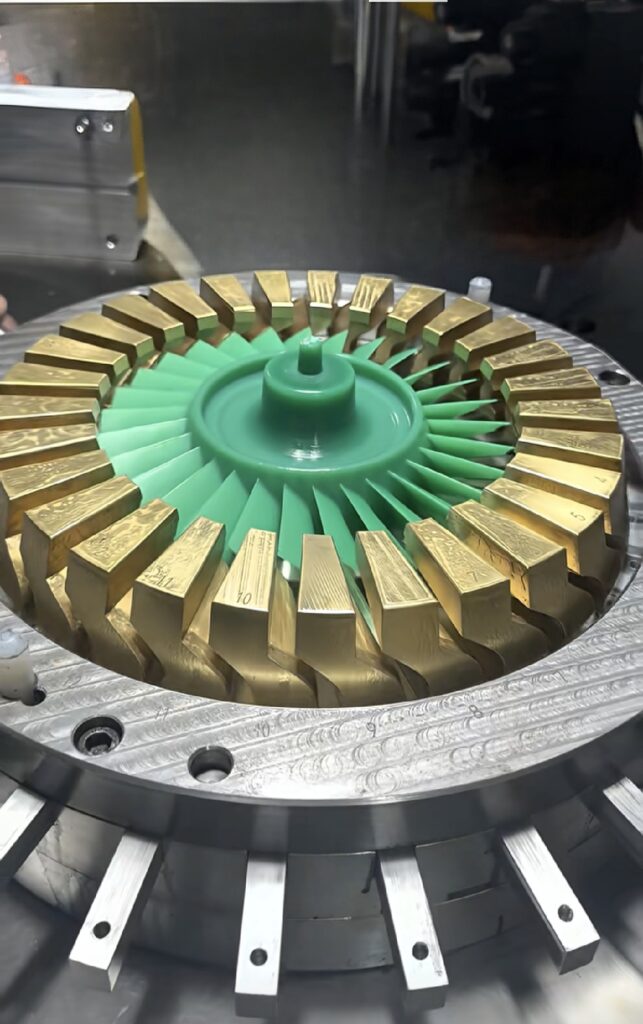
Industrial molds company for precision casting CNC machining and high performance alloys for aerospace automotive and energy.
Are you tired of searching for a molds company and finding residential cleaners instead of industrial engineers?
Finding a manufacturing partner capable of true precision casting isn’t just about tooling; it’s about trusting them with the integrity of your supply chain.
As a specialist in the field, I know that when you are dealing with high-performance alloys and complex geometries, “good enough” simply doesn’t cut it. A single variance in tolerance can cost you weeks in production delays.
In this post, you’re going to learn exactly how to distinguish a basic tool shop from a comprehensive engineering partner.
We’ll cover everything from selecting the right Silicone RTV for prototyping to evaluating a factory’s CNC machining standards.
Let’s get your production line moving.
Material Matters: What Your Molds Company Must Handle
As a dedicated molds company, we understand that precision geometry is useless without the right material properties. Our manufacturing plants are equipped to process a vast spectrum of materials, ensuring your components survive real-world conditions ranging from deep-sea pressure to aerospace heat. We don’t just shape metal; we engineer durability.
High-Performance Alloys & Superalloys
For industries like Aerospace and Gas Turbine manufacturing, standard metals simply won’t cut it. We specialize in casting High-Temperature Alloys and Chromium Cobalt Molybdenum. These superalloys are selected for their ability to maintain mechanical strength and resist creep even under extreme thermal stress.
Silicone RTV Mold Making Essentials
Precision isn’t limited to metal. We utilize Mold Casting Silicone RTV (Room Temperature Vulcanizing) for specialized molding applications. This material is critical for capturing intricate details without distortion.
- High Tear Resistance: Ensures the mold lasts through multiple cycles.
- Low Shrinkage: Guarantees that the final cast part maintains tight dimensional accuracy.
- Versatility: Ideal for complex geometries that rigid molds cannot easily accommodate.
Lightweight Solutions: Aluminum and Titanium
Reducing weight without sacrificing integrity is a primary goal for our Automotive and Marine Engineering clients. We provide expert casting for:
- Aluminum Alloys: The standard for lightweight industrial components and automotive parts.
- Titanium Alloys: Offers superior strength-to-weight ratios and exceptional corrosion resistance, making it vital for aerospace and medical applications.
Corrosion-Resistant Stainless Steel Options
We offer a comprehensive range of steels designed to withstand harsh operating environments. Whether you need Duplex Stainless Steel for chemical resistance or Alloy Steel for structural toughness, we have the casting capabilities to deliver.
Material Selection Guide:
| Material Type | Key Properties | Ideal Applications |
|---|---|---|
| Duplex Stainless Steel | High strength, excellent corrosion resistance | Marine, Oil & Gas, Chemical Processing |
| Low Carbon Steel | Ductile, malleable, cost-effective | General Industrial Equipment, Structural Parts |
| Brass & Bronze | Low friction, good electrical conductivity | Bushings, Bearings, Electrical Components |
| Titanium Alloy | High strength, low density, bio-compatible | Aerospace, Medical Devices, High-End Automotive |
Manufacturing Methods: Casting vs. CNC Machining

As a specialized molds company, we know that the method of manufacturing defines the final quality of the part. We don’t just stick to one lane; we analyze the geometry, volume, and material requirements to decide whether a part should be cast, machined, or subjected to a combination of both.
Precision Investment Casting Techniques
When we need to produce complex geometries with excellent surface finishes, precision investment casting is our primary tool. This method allows us to create intricate details that would be incredibly difficult or expensive to machine from a solid block.
We control every variable, from the temperature of the molten alloy to the cooling rate of the shell. This is particularly vital for the stainless steel casting process, where maintaining the material’s corrosion-resistant properties requires strict adherence to thermal protocols. Our investment casting minimizes material waste and delivers components that are near-net shape right out of the mold.
Pressure & Die Casting for High Volume
For projects requiring high-volume production runs, speed and consistency are king. Pressure and die casting allow us to pump out thousands of identical parts with rapid cycle times.
- High Pressure: Forces molten metal into the mold cavity, ensuring every detail is filled before the metal solidifies.
- Reusable Molds: Steel dies are engineered to withstand thermal shock for thousands of cycles.
- Efficiency: Drastically reduces the cost per unit compared to machining or sand casting.
We design these molds to handle the stress of repeated high-pressure injection, making this the ideal solution for automotive and industrial equipment sectors where uniformity is non-negotiable.
The Role of CNC Machining in Finishing
While casting provides the foundational shape, CNC machining provides the final precision. Even the best casting techniques have tolerance limits. That’s where our machining department steps in.
We utilize advanced CNC centers to refine the raw cast parts. This involves:
- Facing and Boring: Creating perfectly flat sealing surfaces or precise internal diameters.
- Drilling and Tapping: Adding threaded holes that require exact positioning.
- Tight Tolerances: Achieving dimensional accuracy within microns.
We view machining not just as a separate process, but as the critical finishing step that ensures the cast part fits perfectly into your final assembly.
Hybrid Approaches: Reducing Waste, Maximizing Precision
The smartest manufacturing strategy often involves a hybrid approach. Instead of machining a part entirely from a solid billet—which wastes a significant amount of expensive alloy—we cast the part to a “near-net shape.”
This means the raw part is cast very close to its final dimensions, leaving just enough extra material for the CNC machines to clean up critical surfaces. This approach offers the best of both worlds: the material efficiency of casting and the extreme accuracy of CNC machining. It lowers material costs, reduces machining time, and results in a superior final product.
Full-Service Solutions: Design to Delivery

As a dedicated molds company, we know that simply pouring metal isn’t enough. You need a partner who manages the entire lifecycle of the component, from the initial sketch to the final polished part arriving at your dock. We integrate every stage of production to minimize downtime and ensure your specs are met exactly.
Engineering & Alloy Development Support
We don’t just execute; we engineer. Our team steps in early to assist with Design for Manufacturability (DFM), ensuring your concept is viable for mass production before we cut a single tool. This includes rigorous material selection. Whether you need the specific corrosion resistance found in 300 series stainless steel grades or a custom high-temperature superalloy, we handle the alloy development to match your exact performance requirements.
Surface Treatment & Metal Finishing
The job isn’t finished when the part leaves the mold. We offer comprehensive metal surface finishing to enhance durability and aesthetics. Our in-house capabilities ensure that whether you need plating for conductivity or a coating for extreme wear resistance, the final product is ready for assembly immediately.
- Plating & Coating: Advanced chemical treatments for longevity.
- Polishing: Achieving superior surface roughness values (Ra) for aesthetic parts.
- Heat Treatment: Optimizing mechanical properties post-casting.
Quality Assurance (QA) & Tolerance Testing
Precision is our baseline. Our manufacturing plants utilize real-time monitoring systems to track every pour and cut. We adhere to strict quality control protocols, ensuring that every batch meets the tight tolerances required by the aerospace and energy sectors. We don’t guess; we verify.
- Dimensional Inspection: Verifying geometry against CAD models.
- Material Testing: Confirming tensile strength and alloy composition.
- Non-Destructive Testing (NDT): Ensuring internal integrity without damaging the part.
Industry Applications: Who Needs High-End Molds?
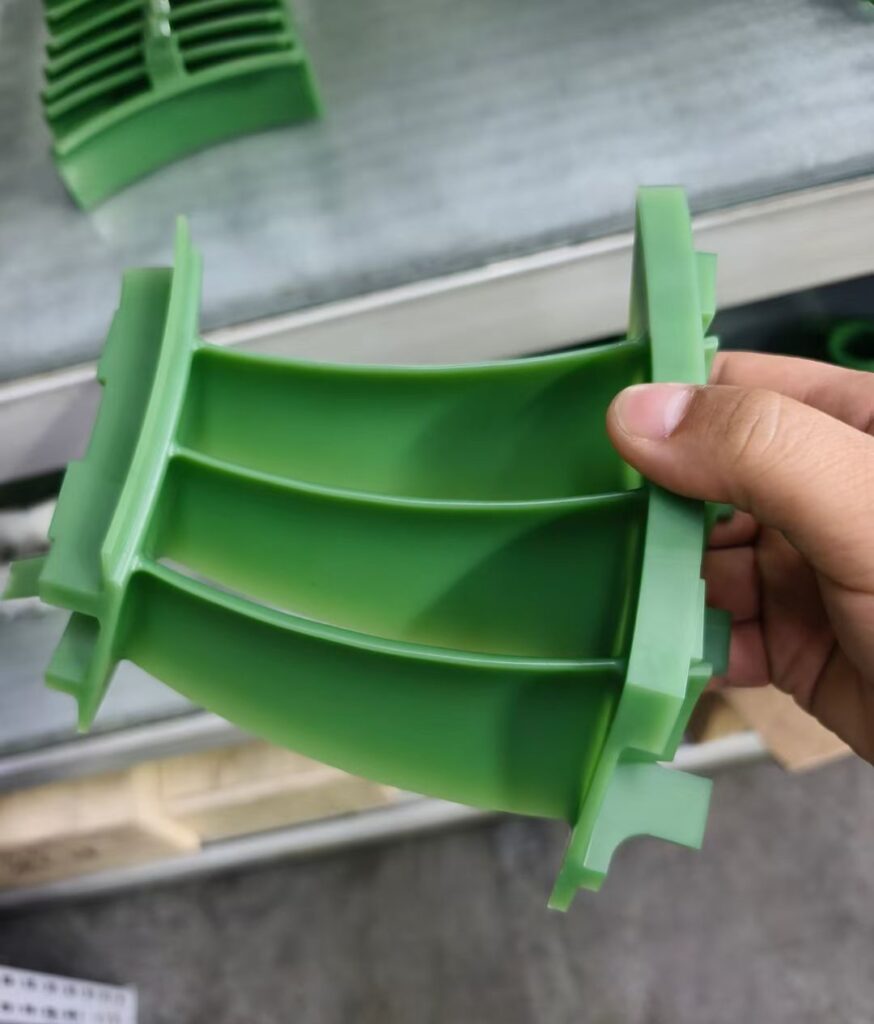
As a dedicated molds company, we don’t just pour metal; we engineer solutions for sectors where equipment failure is simply not an option. Different industries have vastly different “pain points”—from extreme heat to corrosive saltwater—and our job is to deliver components that survive those environments.
Aerospace & Aviation Components
In the aerospace sector, precision is the baseline. We work with manufacturers who require parts capable of withstanding massive thermal stress and mechanical loads.
- Material Focus: Titanium alloys and high-temperature superalloys.
- Key Applications: Turbine blades, structural brackets, and engine components.
- Our Role: Delivering investment casting that maintains structural integrity at 30,000 feet.
Automotive Manufacturing Parts
Automotive clients are constantly balancing weight reduction with safety. We support this by producing lightweight, high-strength molds and parts that improve fuel efficiency without sacrificing durability.
- High-Volume Production: Capable of handling large runs for OEM parts.
- Precision Engineering: Tight tolerances for engine blocks, transmission cases, and suspension components.
Energy Sector: Oil, Gas, and Nuclear
The energy industry operates in some of the harshest environments on earth. Whether it is deep-sea drilling or nuclear power generation, the hardware must resist corrosion and extreme pressure. We supply essential components like custom alloy steel flanges that ensure pipeline integrity and safety in volatile settings.
- Corrosion Resistance: Utilizing Duplex Stainless Steel and Nickel-based alloys.
- Critical Infrastructure: Valves, pumps, and reactor components that require zero-defect manufacturing.
Custom Industrial Machinery
General industrial equipment often requires bespoke solutions that off-the-shelf parts cannot satisfy. We partner with machine builders to create custom housings, gears, and specialized tooling. By integrating our machining services, we ensure that every cast part is finished to the exact geometric specifications required for complex assembly lines.
- Bespoke Solutions: tailored to unique machinery requirements.
- Durability: Heavy-duty parts designed for mining, marine engineering, and construction equipment.
Choosing the Right Manufacturing Partner
Finding a molds company that aligns with your project goals isn’t just about who has the lowest quote. It’s about finding a partner who understands the stakes of your production line. In the US market, where speed and precision are non-negotiable, you need a team that acts less like a vendor and more like an extension of your engineering department.
Comparing Material Supply vs. Execution
A common pitfall is hiring a shop that is great at machining but terrible at sourcing. You don’t want a situation where the execution is flawless, but the mold fails prematurely because the base alloy was subpar. A top-tier molds company handles both. They should have deep knowledge of material science—knowing exactly when to use 416 vs 316 stainless steel for corrosion resistance versus machinability.
When vetting partners, look for:
- Integrated Supply Chains: Do they source their own certified alloys?
- DFM Capabilities: Can they offer Design for Manufacturability feedback before cutting metal?
- End-to-End Control: Do they manage the process from raw ingot to final polish?
Evaluating Efficiency & Reliability
Time is money, especially when you are waiting on precision casting molds to start mass production. Reliability isn’t just about meeting a deadline once; it’s about consistency. A reliable B2B manufacturing partner will have transparent lead times and won’t overpromise on rapid tooling solutions if the geometry requires complex EDM work.
Efficiency also comes down to waste reduction. We focus on hybrid approaches that combine near-net-shape casting with CNC finishing. This reduces the amount of material we have to remove, which lowers costs and speeds up delivery.
Checking for Global Quality Standards
In high-stakes industries like aerospace or medical, “good enough” doesn’t cut it. Your partner must adhere to rigorous global standards. This goes beyond basic ISO certifications. It involves traceability—knowing exactly which heat lot your mold material came from.
Ensure your partner provides:
- Material Certifications: Proof of alloy composition.
- Dimensional Reports: Verification that tolerances meet your prints.
- Clear Terms: A solid understanding of liability and expectations, often outlined in their terms and conditions.
If a shop hesitates to show you their QA documentation or material sourcing, walk away. Quality assurance is the backbone of custom metal fabrication.
FAQs About Industrial Mold Services
What is the difference between mold making and casting?
The simplest way to look at it is that mold making is the creation of the hollow “negative” form (the tool), while casting is the process of pouring liquid material into that form to create the final “positive” part. As a comprehensive molds company, we handle the technical design of the tooling first—whether it’s for precision investment casting or custom injection molding services—to ensure the finished part is structurally sound.
How do I choose the right alloy for my mold?
Selection usually comes down to the environment your part will live in. If your project involves extreme heat, we lean toward high-temperature superalloys. For parts exposed to chemicals or moisture, corrosion resistant materials like 316 stainless steel are the standard. We help you evaluate alloy cast steel factory capabilities to find the sweet spot between material cost and performance.
Can a molds company handle both prototyping and mass production?
Yes. We typically start with industrial prototype tooling to validate your design and catch any “Design for Manufacturability” (DFM) issues early. Once the prototype is dialed in, we utilize rapid tooling solutions to transition into full-scale mass production. This “all-under-one-roof” approach keeps your lead times short and ensures the quality stays consistent from the first unit to the ten-thousandth.
What are the standard tolerances for precision CNC machining?
In the world of precision casting molds, “close enough” isn’t an option. Standard CNC machining tolerances typically range from ±0.005” to ±0.001”. For critical applications in aerospace or energy, we can hit even tighter specs. We combine these tight tolerances with high-performance refractory solutions to ensure your components fit perfectly every time, reducing the need for secondary manual adjustments.
| Feature | Prototyping | Mass Production |
|---|---|---|
| Primary Goal | Design Validation | Cost Efficiency & Speed |
| Typical Tooling | 3D Printing / Soft Molds | Hardened Steel Dies |
| Volume | 1–50 units | 1,000+ units |
| Speed | Very Fast | High Throughput |