
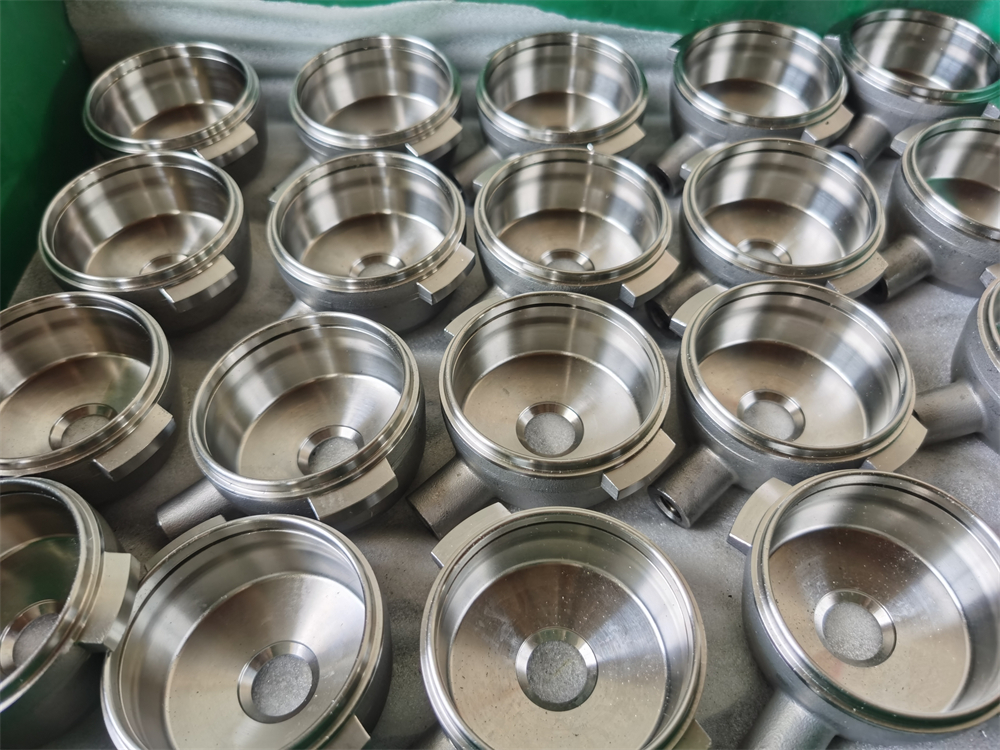
Engineer focused guide to the investment cast part covering precision tolerances alloys DFM tips and Vastmaterial end to end casting solutions.
Are you struggling to manufacture complex geometries without blowing your production budget?
Achieving tight tolerances on intricate components is the ultimate engineering headache.
But there is a solution that bridges the gap between design freedom and cost-efficiency.
The investment cast part.
In fact, switching to this near-net-shape process can significantly reduce your secondary machining needs and unlock material options that traditional methods just can’t handle.
In this guide, you’re going to learn exactly how to optimize your designs for casting, select the perfect high-performance alloys, and how Vastmaterial delivers the precision you need.
Let’s get to work.
Defining the High-Quality Investment Cast Part
At Vastmaterial, we define a superior investment cast part not just by its geometry, but by its structural integrity and manufacturing efficiency. Our process, often referred to as precision lost-wax casting, allows us to transform complex engineering designs into tangible, high-performance metal components with exceptional accuracy. We focus on delivering components that meet the rigorous demands of industries ranging from aerospace to nuclear power.
Understanding the “Near-Net-Shape” Advantage
The primary value of our casting solutions lies in near-net-shape manufacturing. Unlike traditional subtractive methods that machine away vast amounts of expensive raw material, our investment casting process produces parts that are incredibly close to their final dimensions right out of the mold. This approach drastically reduces material waste and minimizes the need for extensive secondary machining.
Key benefits of our near-net-shape approach include:
- Material Efficiency: We maximize the utilization of premium materials, including Stainless Steel, Titanium Alloys, and High-Temperature Alloys.
- Design Freedom: We can cast intricate internal channels and complex contours that are difficult or impossible to achieve through machining alone.
- Reduced Lead Times: By achieving tighter initial tolerances, we streamline the path from raw casting to finished product.
We engineer every investment cast part to meet rigorous industry standards, ensuring that clients receive components that balance cost-effectiveness with uncompromising performance.
Achieving Precision and Surface Finish
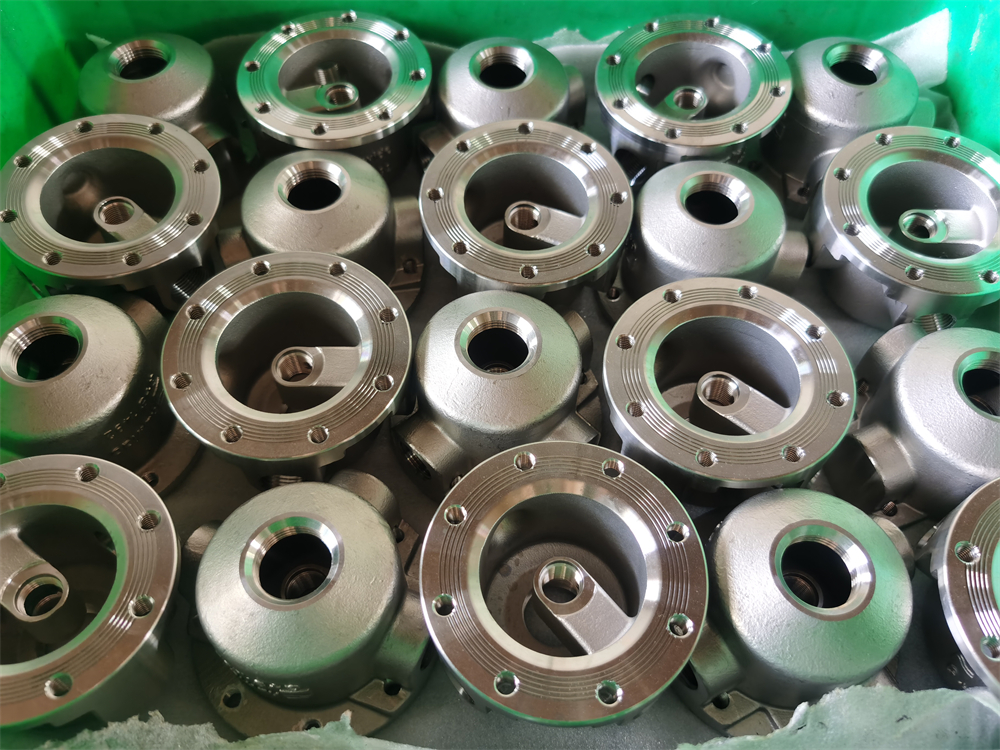
When producing a high-quality investment cast part, we focus on consistency and fit. Our manufacturing process is designed to meet strict casting dimensional tolerances, generally adhering to international standards like ISO 8062 (CT4-CT6). This near-net-shape capability allows us to deliver components that require minimal material removal, saving you time and money.
Here is how we ensure top-tier accuracy and aesthetics:
- Tight Tolerances: We control shrinkage and distortion to maintain dimensional stability, ensuring parts fit your assembly right out of the box.
- Superior Surface Finish RMS: Unlike sand casting, our ceramic shell molds create smooth surfaces (typically 125 Ra or better), reducing the need for extensive polishing.
- Precision Machining: For features requiring micron-level accuracy, we utilize our in-house secondary CNC machining services to finalize critical dimensions.
By integrating rapid prototyping methods during the design phase, we can validate these complex geometries and tolerance requirements before committing to full-scale production tooling.
Material Versatility for Investment Cast Parts
When we engineer an investment cast part, we aren’t limited by narrow material constraints. The lost-wax process allows us to pour a massive variety of metals, giving you the freedom to prioritize weight, strength, or thermal resistance without changing the design geometry. We actively handle both ferrous and non-ferrous alloys to meet specific industry standards, ensuring your components perform exactly as intended in the field.
Ferrous Alloys: Strength and Durability
For components requiring high mechanical strength and superior corrosion resistance, we specialize in casting various steel grades.
- Stainless Steel: We cast Duplex and Low Carbon grades perfect for marine and industrial environments. You can dive deeper into our stainless steel investment casting process to understand how we achieve these specific material properties.
- Alloy Steel: These are our go-to for structural components that need to take a beating without failing.
Non-Ferrous and High-Performance Alloys
We also cater to specialized industries needing lightweight solutions or materials that survive extreme environments.
- Aluminum Alloys: Essential for aerospace and automotive applications where weight reduction is critical. Check out our aluminum alloy capabilities to see how we maintain conductivity and strength.
- High-Temperature Superalloys: We cast Cobalt and Nickel-based alloys designed to withstand the intense heat of gas turbines and jet engines.
- Specialty Metals: From Titanium for elite strength-to-weight ratios to Copper and Bronze for electrical conductivity and wear resistance.
Design for Manufacturing (DFM) Guidelines
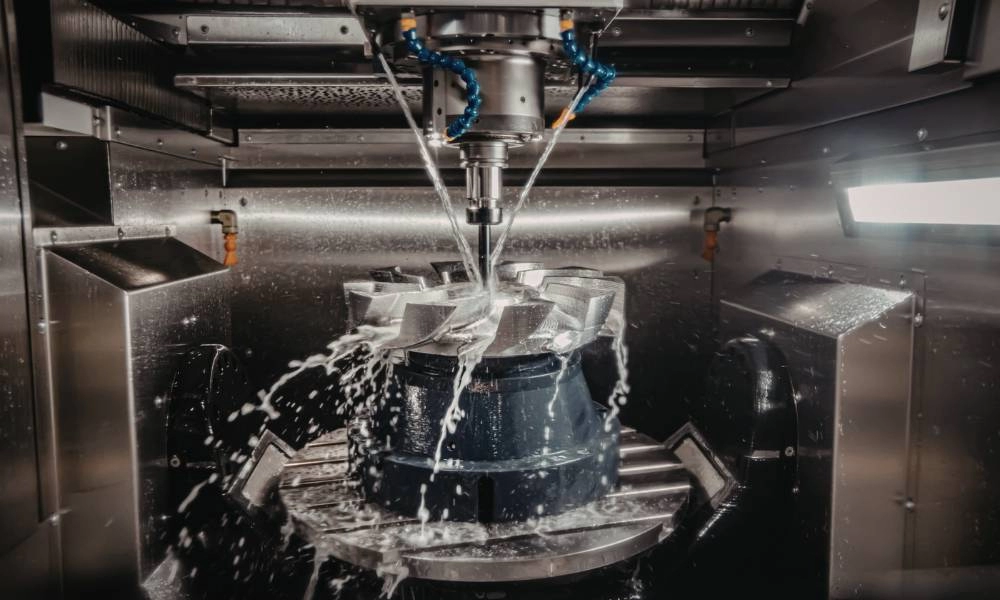
Creating a high-performance investment cast part starts long before we pour the metal. It begins with smart engineering. At Vastmaterial, we prioritize Design for Manufacturing (DFM) to ensure your components aren’t just printable, but castable, durable, and cost-effective. By addressing geometry early, we maximize casting dimensional tolerances and minimize scrap rates.
Optimizing Wall Thickness
Uniformity is the golden rule of casting. Varying wall thicknesses can lead to uneven cooling, resulting in shrinkage or porosity.
- Consistency: We recommend maintaining a consistent wall thickness throughout the part to ensure uniform solidification.
- Thin Walls: While we specialize in thin-wall metal casting, there are physical limits based on the alloy. For example, understanding flow rates in our step-by-step aluminum casting guide is critical for lightweight designs to prevent misruns.
- Transitions: If thickness changes are necessary, use gradual transitions rather than abrupt steps to reduce stress points.
Draft Angles for Wax Injection
Even though investment casting offers great design freedom, the process still relies on tooling to create the wax patterns.
- Wax Removal: To get the wax pattern out of the metal die without damage, we apply slight draft angles (usually 0.5 to 1 degree) to vertical surfaces.
- Internal Features: While precision lost-wax casting allows for undercuts using soluble cores, standard draft angles keep tooling costs lower by simplifying the mold design.
Fillets and Radii
Sharp corners are the enemy of structural integrity in casting. They create stress concentrations and impede smooth metal flow during the pour.
- Stress Reduction: We add generous fillets (rounded internal corners) and radii (rounded external corners) to distribute stress loads evenly.
- Defect Prevention: Smooth curves help molten metal flow freely into the mold cavity, which is essential for casting defects prevention and achieving a high-quality surface finish.
Handling Complex Geometries and Coring
One of the primary advantages of specifying an investment cast part is the ability to produce geometries that defy standard machining logic. We utilize advanced casting techniques to manufacture components with intricate internal configurations that are often impossible to achieve through subtractive manufacturing alone. By using soluble wax or ceramic cores, we create complex internal passageways, such as cooling channels in turbine blades or fluid paths in hydraulic valves, without requiring line-of-sight access for cutting tools.
Our engineering team leverages these capabilities to help clients consolidate multiple fabricated pieces into a single, robust component. This process not only reduces assembly time but also improves structural integrity. Through our precision casting foundry operations, we handle the following geometric challenges with ease:
- Internal Coring: Creating hollow sections and non-linear internal channels for weight reduction or fluid flow.
- Thin-Wall Metal Casting: Achieving lightweight structures with walls as thin as 1.5mm while maintaining high mechanical strength.
- Undercuts and Overhangs: Casting features directly that would otherwise require expensive multi-axis machining or specialized fixtures.
- Draft Angles: Minimizing draft requirements to keep the part closer to the final desired shape.
By focusing on custom metal component manufacturing at the design stage, we ensure that even the most complex shapes are produced efficiently. This design freedom allows engineers to prioritize performance over manufacturing constraints, resulting in a superior final product.
End-to-End Manufacturing and Secondary Operations
Getting a raw casting is often just the starting point. We handle the entire production lifecycle, transforming a basic investment cast part into a precision-engineered component ready for immediate assembly. By keeping secondary operations in-house, we significantly reduce lead times and ensure total accountability for the final product quality.
Secondary CNC Machining Services
While investment casting achieves near-net-shape results, critical mating surfaces and complex features often demand tighter tolerances. We bridge this gap with secondary CNC machining services. Whether it involves facing, boring, or threading, we refine the cast metal to meet strict geometric specifications. You can review our CNC process and material selection guide to see how we maintain consistency and accuracy across high-volume production runs.
Finishing and Heat Treatment
Performance isn’t just about shape; it’s about optimizing material properties and surface quality. Our comprehensive finishing capabilities include:
- Heat Treatment Processes: Essential for optimizing hardness, ductility, and stress relief in high-strength alloys.
- Surface Treatments: Advanced plating and coating solutions to maximize corrosion resistance in harsh environments.
- Polishing: Achieving superior surface finish RMS for specific functional or aesthetic requirements.
Quality Assurance Protocols
Reliability drives our manufacturing process. We utilize rigorous testing and quality control measures to validate material integrity and dimensional accuracy. Our engineering team focuses heavily on casting defects prevention through real-time monitoring and non-destructive testing, ensuring every part we ship can withstand the demands of high-stress industrial applications.
Industry Applications and Performance
At Vastmaterial, our investment cast parts are engineered to perform in the most demanding environments imaginable. We don’t just make parts; we deliver critical solutions where reliability and precision are non-negotiable. By leveraging advanced casting techniques and rigorous quality control, we serve industries that require components to withstand extreme heat, high pressure, and corrosive atmospheres.
Here is how our custom metal component manufacturing supports key sectors:
- Aerospace: We specialize in producing components that meet strict safety and performance standards. utilizing aerospace casting capabilities for high-performance alloys, we create parts like turbine blades and structural elements capable of enduring extreme thermal stress.
- Automotive: Our process delivers lightweight, high-strength parts essential for modern vehicle efficiency. We focus on tight tolerances to ensure seamless integration into engine and transmission systems.
- Energy (Oil & Gas, Nuclear, Gas Turbine): Reliability is critical in power generation and extraction. We supply robust components designed for thermal stability and durability in high-stress environments.
- Marine & Mining: To combat harsh operating conditions, we utilize stainless steel and alloy steel materials that offer superior corrosion resistance and mechanical strength, ensuring longevity even in saltwater or abrasive mining settings.
Whether it is high-temperature superalloys for a gas turbine or corrosion-resistant fittings for marine engineering, our investment cast parts deliver the material properties and dimensional accuracy required for mission-critical applications.
Cost Analysis: Tooling vs. Volume
Deciding between machining from solid stock and creating an investment cast part often comes down to the numbers. In our experience, the tipping point usually depends on your production volume and the complexity of the design. While machining offers a lower barrier to entry, casting provides long-term efficiency for scaling operations.
When to Stick with Machining:
- Low Volume: If you need a small run (typically under 50-100 parts), direct machining is usually cheaper because you avoid upfront tooling costs.
- Simple Shapes: Basic geometries are fast to machine, keeping labor and machine time costs down.
- Immediate Needs: There is no wait time for mold creation, allowing for faster delivery on prototypes.
When to Switch to Investment Casting:
Once your volume increases, the per-unit cost of machining remains high due to cycle time and material waste. An investment cast part becomes the smarter financial choice for:
- Mid-to-High Volume: The initial tooling cost is amortized quickly over thousands of units, drastically lowering the price per part.
- Material Savings: Machining removes material to get the shape, turning expensive stock into scrap. Casting builds the shape up, which is crucial when working with high-value casting alloys like superalloys or titanium.
- Complex Geometries: Intricate internal features or thin walls are often cheaper to cast than to machine from a solid block.
We help clients navigate this transition in custom metal component manufacturing to ensure you aren’t overpaying for production methods that don’t scale. By analyzing your specific design and quantity requirements, we can determine exactly when the switch to casting will yield the best ROI.
FAQs About Investment Cast Parts
When sourcing a custom investment cast part, we know you have specific technical questions. Here are the answers to the most common inquiries regarding our precision manufacturing capabilities.
What dimensional tolerances can you achieve?
We strictly adhere to international standards like ISO 8062. For most precision lost-wax casting projects, we consistently hit tight casting dimensional tolerances. If your design requires even higher precision, we utilize our in-house CNC machining to finalize critical dimensions to your exact specifications.
What materials are available for casting?
Our material versatility is a core strength. We cast a wide array of ferrous and non-ferrous alloys, including high-temperature superalloys, titanium, and stainless steel. For lightweight applications, our aluminum investment castings provide excellent strength-to-weight ratios. We also handle specialized materials like low carbon steel for components requiring specific ductility or magnetic permeability.
Do you handle secondary operations?
Yes. We provide a complete end-to-end solution. After the initial casting, we perform secondary CNC machining services, heat treatment processes, and surface treatments—such as plating or coating—to ensure your parts are ready for assembly immediately upon delivery.
Is investment casting suitable for low-volume orders?
Absolutely. While the process is highly efficient for mass production due to tooling amortization, it is also viable for rapid prototyping casting. We work with you to determine the most cost-effective approach based on your volume and geometry requirements.