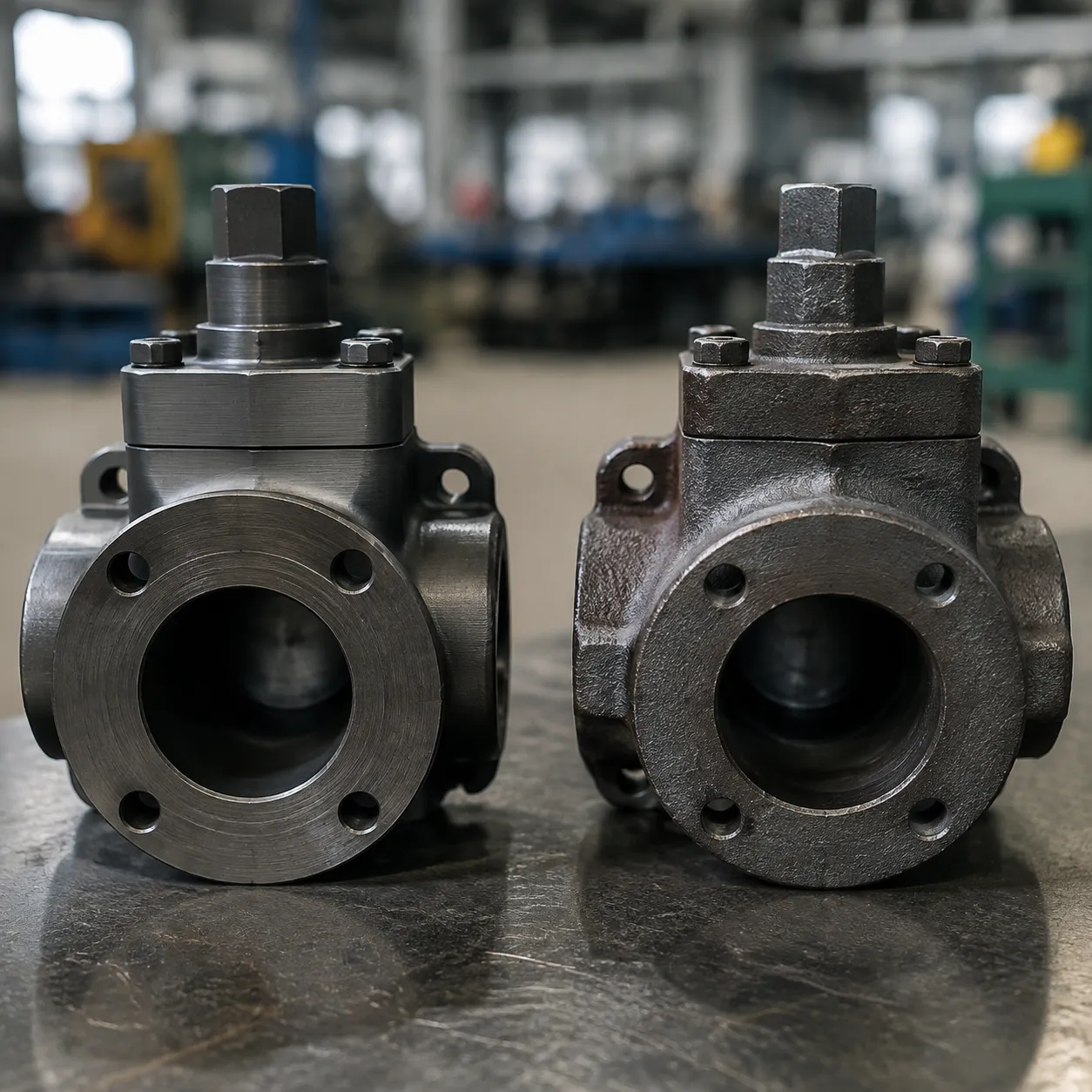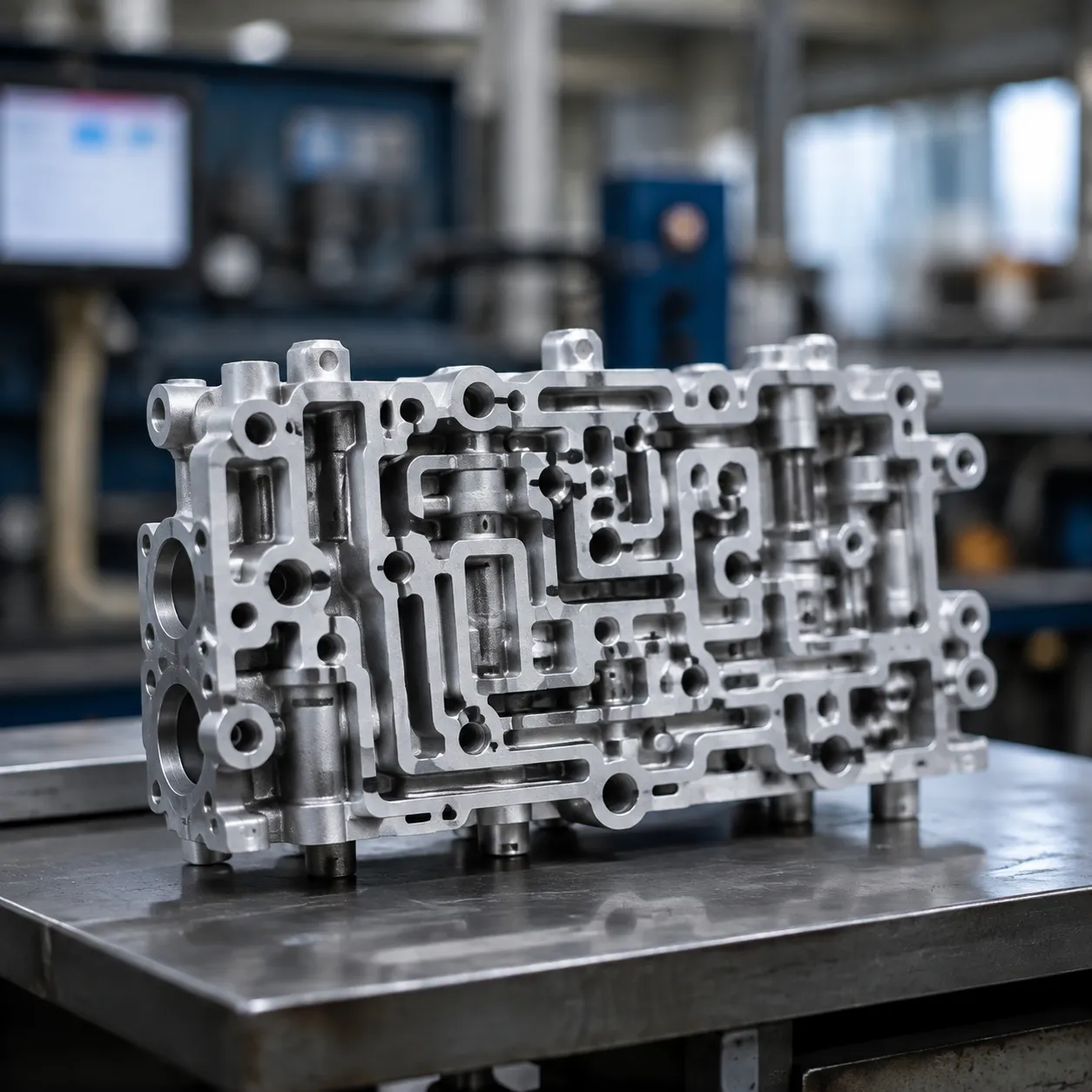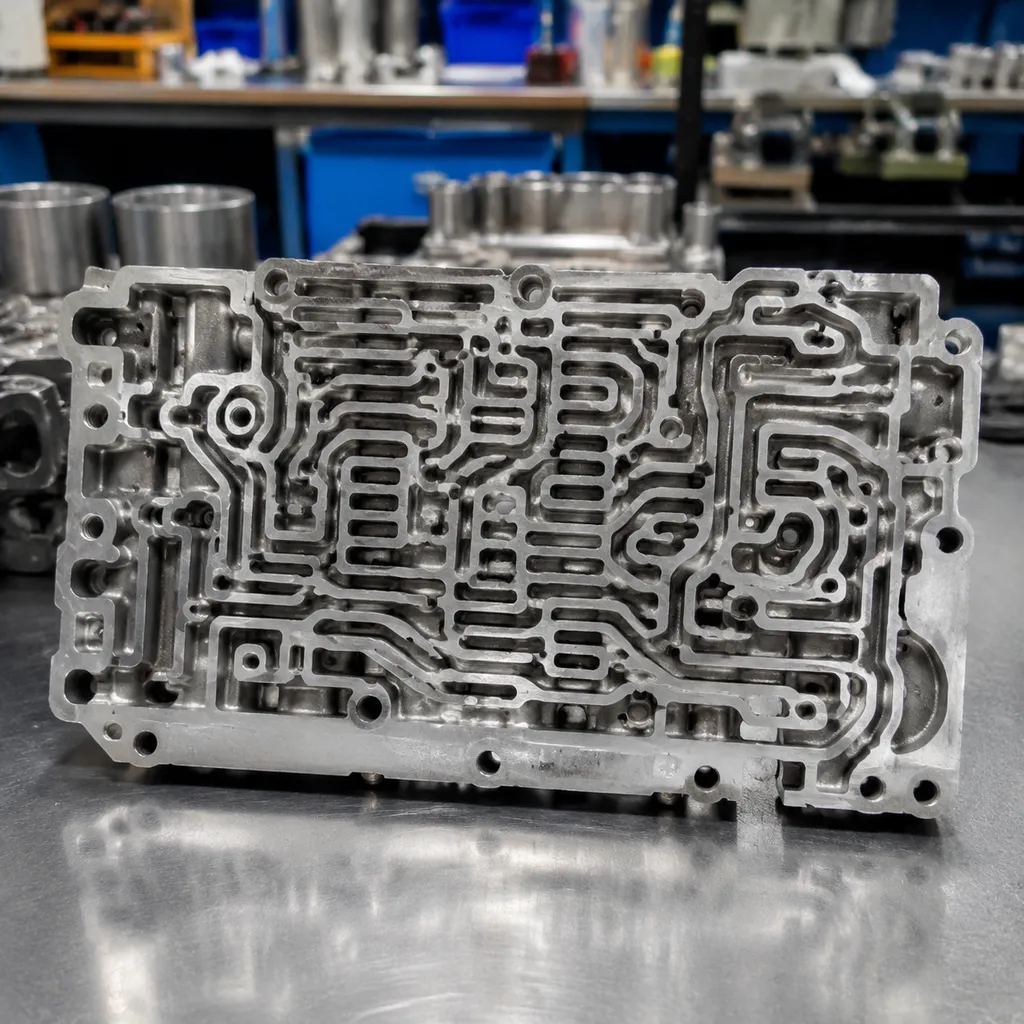
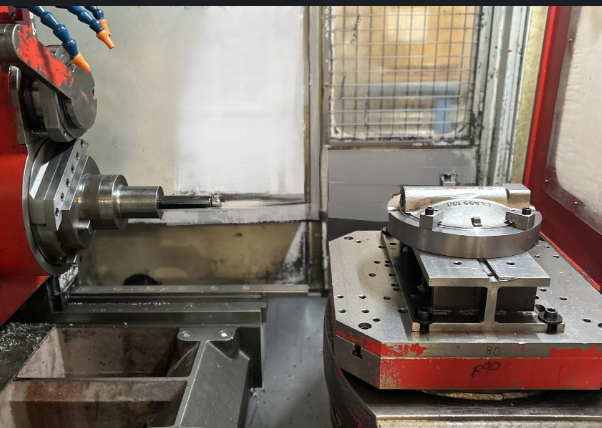
Scopri cos'è un metallo non ferroso con definizione chiara, proprietà, esempi e usi da Vastmaterial.
Cos'è un metallo non ferroso?
Quando digiti “cos’è un metallo non ferroso” o “che cos’è un metallo non ferroso” nella barra di ricerca, di solito stai cercando un significato semplice e diretto. In termini semplici, un non ferroso è un metallo che contiene poco o nessun ferro al suo interno. Alluminio, rame, ottone e bronzo sono esempi classici.
Le persone lo scrivono erroneamente come “metallo non ferroso” tutto il tempo quando sono di fretta, ma la domanda dietro è seria. Potresti essere:
- Uno studente che cerca di capire il differenza tra metalli ferrosi e non ferrosi
- Un fai-da-te o creatore che sceglie tra alluminio vs acciaio per un progetto
- Un ingegnere o designer che cerca metalli leggeri or metalli resistenti alla corrosione
- Un acquirente o responsabile degli acquisti che confronta valore del metallo di scarto non ferroso e costo a lungo termine
I metalli non ferrosi sono importanti perché risolvono problemi reali che l’acciaio quotidiano non può:
- Resistono alla ruggine, quindi sopravvivono all'aperto, in ambienti marini e chimici
- Spesso sono più leggeri, il che è fondamentale per veicoli, aerospaziale e prodotti portatili
- Molti sono eccellenti metalli conduttori elettrici, perfetti per cablaggi ed elettronica
- La maggior parte dei metalli e delle leghe non ferrosi sono altamente riciclabili, aggiungendo valore a lungo termine
Come fornitore di materiali, presto attenzione a come i clienti cercano e a cosa hanno realmente bisogno. Quando qualcuno chiede “cos’è un metallo non ferroso,” ciò che vogliono davvero è la scelta del materiale giusto per un progetto reale, con le prestazioni e il prezzo adeguati.
Cosa sono i metalli non ferrosi?
Quando le persone chiedono “cos’è un metallo non ferroso” o “che cos’è un metallo non ferroso,” stanno realmente chiedendo di metalli che hanno poco o nessun ferro in essi.. Questa è la definizione fondamentale di metalli non ferrosi: alluminio, rame, zinco, ottone e materiali simili che sono non basati sul ferro o sull'acciaio.
Significato di ferrosi vs. non ferrosi
- Metalli ferrosi = metalli a base di ferro come acciaio al carbonio, ghisa e acciaio inossidabile. Di solito arrugginiscono, sono magnetici e più pesanti.
- Metalli non ferrosi = metalli con nessun contenuto di ferro significativo, come alluminio, rame, ottone, bronzo, zinco, piombo e leghe a base di nichel.
Come i metalli non ferrosi differiscono da acciaio e ferro
Poiché non dipendono dal ferro, non ferrosi vs ferrosi i metalli si comportano in modo molto diverso:
- Ruggine e corrosione: I metalli non ferrosi non arrugginiscono come l'acciaio al carbonio. Molti di essi formano naturalmente uno strato protettivo superficiale, motivo per cui li usiamo come metalli resistenti alla corrosione n costruzione, ambienti marini e chimici.
- Magnetismo: La maggior parte dei metalli non ferrosi sono non magnetico, il che è importante in elettronica, apparecchiature mediche e qualsiasi configurazione in cui i campi magnetici causano problemi.
- Peso e resistenza: Molti metalli non ferrosi sono metalli leggeri con elevato rapporto resistenza/peso, come le leghe di alluminio utilizzate nel settore aerospaziale e automobilistico.
- Comportamento elettrico e termico: Rame e alluminio sono i migliori metalli conduttori elettrici, motivo per cui dominano nel cablaggio, nelle barre colletrici e nei sistemi di alimentazione.
Quando aiuto i clienti a scegliere i materiali, questa mancanza di ferro è di solito il fattore decisivo. Se hai bisogno di leggerezza, assenza di ruggine e elevate prestazioni elettriche, quasi sempre cerchi un metallo non ferroso o una lega non ferrosa. Ad esempio, i nostri materiali in lega di alluminio sono progettati specificamente per quell'equilibrio tra peso ridotto, resistenza e resistenza alla corrosione nella produzione e nei progetti di costruzione italiani:
Puoi vedere come regoliamo queste proprietà qui nella nostra lineup di prodotti in lega di alluminio.
Metalli non ferrosi vs Metalli ferrosi
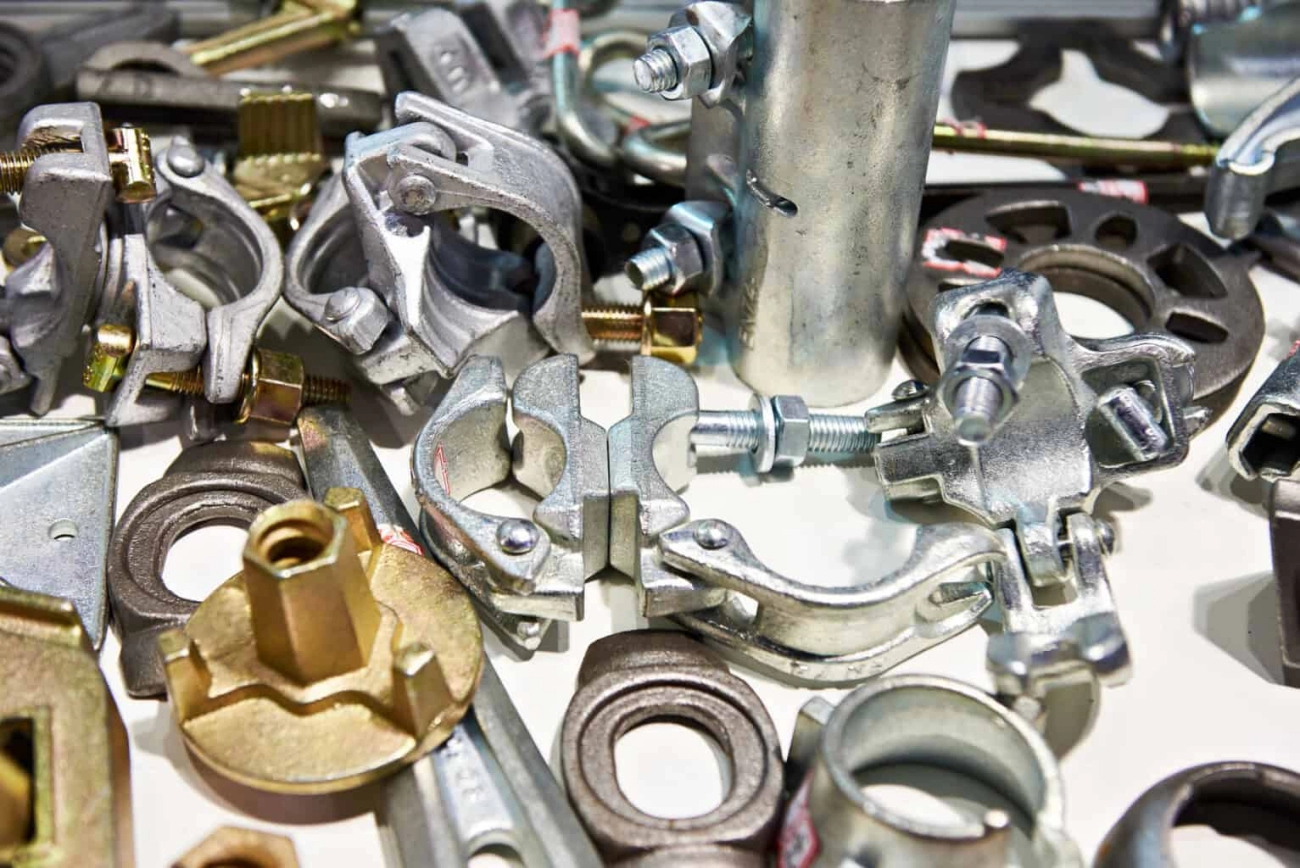
Quando le persone cercano “cos’è un metallo non ferroso,” di solito vogliono un confronto semplice tra metalli non ferrosi e ferrosi che possano usare nelle decisioni reali. Ecco una rapida panoramica.
Confronto di base tra non ferrosi e ferrosi
- Metalli ferrosi: Metalli che contengono una quantità significativa di ferro (come acciaio al carbonio, ghisa, acciaio a bassa lega).
- Metalli non ferrosi: Metalli con poco o nessun contenuto di ferro (come alluminio, rame, ottone, bronzo, zinco, titanio).
Il contenuto di ferro è ciò che determina la maggior parte delle differenze tra metalli ferrosi e non ferrosi in termini di prestazioni, costi e applicazioni tipiche.
Ferro, Ruggine e Corrosione
- I metalli ferrosi con ferro di solito arrugginiscono quando sono esposti a umidità e ossigeno, a meno che non siano protetti o legati (come l’acciaio inossidabile).
- I metalli non ferrosi non arrugginiscono allo stesso modo. Molti formano uno strato di ossido protettivo (alluminio, rame) o resistono naturalmente alla corrosione, motivo per cui sono comuni in ambienti marini, chimici e all'aperto.
- Quando progetterò parti per ambienti difficili o penserò a fusioni ad alte prestazioni, spesso mi affido a leghe non ferrose e processi simili a quelli usati da un produttore di fusione aerospaziale per componenti in lega ad alte prestazioni.
Magnetico vs Non Magnetico nell'Uso Reale
- La maggior parte dei metalli ferrosi sono magnetico, il che è importante in motori, trasformatori e strumenti che necessitano di proprietà magnetiche.
- La maggior parte dei metalli non ferrosi sono non magnetico, il che è essenziale in:
- Elettronica e sensori che non possono essere disturbati da campi magnetici
- Apparecchiature mediche (sale MRI, alcuni strumenti chirurgici)
- Componenti di difesa e aerospaziali in cui le firme magnetiche devono rimanere basse
Peso, Resistenza e Durabilità
- I metalli ferrosi (come l'acciaio) sono di solito più pesanti ma offrono alta resistenza e robustezza a un prezzo inferiore. Sono la scelta principale per telai strutturali, travi, armature e macchinari pesanti.
- I metalli non ferrosi includono molti metalli leggeri come alluminio e titanio, che offrono un alto rapporto resistenza/peso. Per questo sono presenti in parti di aeromobili, auto sportive e componenti sensibili al peso.
- La durabilità riguarda spesso l'ambiente:
- Ferroso: durevole in condizioni asciutte e controllate
- Non ferroso: durevole dove metalli resistenti alla corrosione sono un must
Costo, Disponibilità e Casi d'uso tipici
- I metalli ferrosi sono generalmente più economici e ampiamente disponibili. Li vedi in:
- Strutture edilizie e ponti
- Telai e chassis automobilistici
- Strumenti, tubi, basi di macchine
- Metalli non ferrosi di solito costano di più al chilo, ma ripagano quando hai bisogno di:
- Metalli non magnetici per elettronica e strumentazione
- Metalli conduttori di elettricità come il rame per cablaggi e barre
- Metalli leggeri per aerospaziale, veicoli elettrici e apparecchiature di alta gamma
- Durata a lungo termine dove la ruggine distruggerebbe un'opzione ferrosa
In termini semplici: se hai bisogno di basso costo e alta resistenza a crudo, i metalli ferrosi (acciaio, ferro) vincono. Se hai bisogno di resistenza alla corrosione, peso ridotto, comportamento non magnetico o alta conduttività, un metallo non ferroso è di solito la scelta giusta.
Proprietà chiave dei metalli non ferrosi
Quando le persone chiedono “cos’è un metallo non ferroso,” di solito vogliono sapere cosa rende questi metalli diversi nell’uso reale. I metalli non ferrosi condividono alcune proprietà fondamentali che li rendono preziosi nella produzione, costruzione e fai-da-te in Italia.
Proprietà principali in linguaggio semplice
I metalli non ferrosi (come alluminio, rame, ottone e bronzo) sono metalli con poco o nessun ferro. Poiché non dipendono dal ferro, si comportano in modo diverso rispetto all'acciaio di tutti i giorni:
- Non arrugginiscono allo stesso modo dell’acciaio
- La maggior parte sono non magnetici
- Molti sono più leggeri ma comunque resistenti
- Di solito conducono molto bene elettricità e calore
Metalli resistenti alla corrosione
I metalli non ferrosi sono noti come metalli resistenti alla corrosione perché non formano ruggine rossa come l'acciaio al carbonio. L'alluminio crea un sottile strato di ossido che lo protegge, mentre il rame e l'ottone formano pellicole superficiali stabili invece di ruggine sfaldabile. Ecco perché si vedono metalli non ferrosi in grondaie, coperture, serpentine HVAC, ferramenta nautica e attrezzature chimiche dove umidità, sale o sostanze chimiche distruggerebbero l'acciaio normale.
Metalli non magnetici
La maggior parte dei metalli non ferrosi sono non magnetici. Questo è importante quando:
- Stai progettando involucri elettrici e non vuoi interferenze magnetiche
- Stai costruendo apparecchiature mediche o di laboratorio attorno a sensori sensibili
- Hai bisogno di strumenti e fissaggi che non si attacchino ai magneti intorno a unità MRI o campi magnetici forti
Alluminio, rame, ottone e molte leghe non ferrose rimangono non magnetiche, il che è un grande vantaggio per le applicazioni industriali ed elettroniche specializzate in Italia.
Metalli leggeri e rapporto resistenza/peso
L'alluminio è il metallo leggero non ferroso più conosciuto. Offre un alto rapporto resistenza/peso, il che lo rende ideale per:
- Componenti di auto e camion dove l'efficienza del carburante è importante
- Carri, scale e scaffali che devono essere resistenti ma facili da spostare
- Componenti aerospaziali e strutturali dove ogni libbra conta
Usare un metallo leggero non ferroso permette spesso di ridurre il peso senza rinunciare alla resistenza critica.
Conducibilità elettrica e prestazioni termiche
Molti metalli non ferrosi sono eccellenti conduttori elettrici:
- Il rame è lo standard per cablaggi, barre bus e connettori di alimentazione
- L'alluminio è ampiamente usato nelle linee elettriche e in alcuni sistemi di busbar per risparmiare costi e peso
Trasferiscono anche il calore in modo efficiente, quindi si vedono metalli non ferrosi in dissipatori di calore, radiatori e parti in pressofusione. Quando si lavora con la pressofusione di alluminio, le buone prestazioni termiche sono una ragione chiave per cui è ampiamente usato in parti e componenti ad alto volume realizzati con esso processo di pressofusione industriale.
Formabilità, lavorabilità e finitura
I metalli non ferrosi sono generalmente più facili da formare e lavorare rispetto a molti acciai ad alta resistenza:
- Buona formabilità per piegatura, trazione e formatura profonda
- Lavorabilità pulita per tornitura, fresatura e foratura
- Finitura superficiale attraente che può essere lucidata, anodizzata, placcata o verniciata
Questo rende i materiali non ferrosi popolari per parti visibili, raccordi, prodotti di consumo e pressofusioni dettagliate che richiedono tolleranze strette e un buon aspetto fin dall'estrusione.
Riciclabilità e valore a lungo termine dei rottami
I metalli non ferrosi mantengono il loro valore come rottami non ferrosi:
- Rame, alluminio, ottone e altri metalli non ferrosi sono altamente riciclabili
- Possono essere fusi e riutilizzati con perdita minima di prestazioni
- I depositi di rottami pagano un premio per i rottami non ferrosi puliti rispetto all'acciaio comune
Per i produttori, i fabbricanti e anche le piccole officine negli Stati Uniti, il riciclo dei metalli non ferrosi migliora il valore totale del ciclo di vita e riduce i costi dei rifiuti, mantenendo il materiale prezioso nell'economia circolare.
Esempi di metalli non ferrosi
Quando le persone chiedono “cos’è un metallo non ferroso,” di solito pensano ai metalli che vedono ogni giorno. Ecco i metalli non ferrosi che incontrerai più spesso e a cosa sono utili.
Metalli non ferrosi comuni
- Alluminio (Al) – Il metallo non ferroso di riferimento per strutture leggere. È resistente al suo peso, facile da lavorare e naturalmente resistente alla corrosione. Mi affido a fusioni in alluminio quando ho bisogno di parti precise e leggere per clienti statunitensi nel settore automobilistico, contenitori per attrezzature e accessori, spesso utilizzando fusioni personalizzate fusioni di precisione in alluminio per lavori con tolleranze strette.
- Rame (Cu) – Il classico metallo non ferroso di rame per cablaggi ed elettronica. Offre un'eccellente conducibilità elettrica e termica, quindi lo si vede in cavi elettrici, barre bus, caratteristiche di PCB, motori e componenti HVAC.
- Zinco (Zn) – Comunemente usato in rivestimenti e zincature per proteggere l'acciaio dalla ruggine. Lo zinco compare anche in parti in pressofusione, ferramenta e piccoli componenti meccanici dove è importante una buona resistenza alla corrosione e una fusione a basso costo.
- Piombo (Pb) – Denso e morbido, usato in schermature contro le radiazioni, pesi di bilanciamento e alcune saldature speciali. A causa delle normative sulla salute in Italia, considero il piombo solo dove è strettamente necessario e conforme.
- Stagno (Sn) – Spesso usato nelle vernici e nelle leghe di saldatura. Lo stagno resiste alla corrosione e si lega bene, motivo per cui è una parte fondamentale della saldatura elettronica e delle vernici sicure per il cibo.
- Nichel (Ni) – Un metallo non ferroso che aumenta la resistenza alla corrosione e la resistenza alle alte temperature nelle leghe. Vedrai il nichel nelle batterie, placcature e leghe non ferrose resistenti al calore per attrezzature industriali.
- Titanio (Ti) – Un metallo leggero ad alta resistenza usato dove la performance conta: componenti aerospaziali, impianti medici, articoli sportivi di alta gamma e viti critiche. Offre un'eccellente resistenza alla corrosione e rapporto resistenza-peso, ma a un costo più elevato.
- Metalli preziosi (Au, Ag, Pt) – Oro, argento e platino sono metalli non ferrosi con eccezionale conducibilità elettrica e resistenza alla corrosione. Sono usati in gioielleria, connettori ad alta affidabilità, contatti e applicazioni industriali ed elettroniche specializzate dove il fallimento non è un'opzione.
Leghe non ferrose comuni
Cosa rende un'lega non ferrosa?
Una lega non ferrosa è qualsiasi miscela di metalli che contiene poco o nessun ferro. Il metallo di base è solitamente alluminio, rame, nichel o titanio, quindi la lega mantiene le proprietà non ferrose proprietà non ferrose: buona resistenza alla corrosione, bassa o assente magnetismo e alta conduttività elettrica o termica.
Leghe di ottone e bronzo
Due delle più note leghe non ferrose sono:
- Ottone – principalmente rame + zinco
- Colore giallo caldo (spesso usato come imitazione dell'oro)
- Eccellente lavorabilità e buona resistenza alla corrosione
- Comune in raccordi, valvole, ferramenta, strumenti musicali
- Bronzo – principalmente rame + stagno (a volte con alluminio, nichel o fosforo)
- Colore marrone rossastro, più duro del ottone
- Eccellente resistenza all'usura e alla corrosione
- Usato in cuscinetti, bussole, parti marine e sculture
In breve, ottone è più facile da lavorare e lucidare, mentre bronzo è più resistente e affronta ambienti più ostili meglio.
Leghe non ferrose comuni usate nell'industria
In tutta la produzione e costruzione negli Stati Uniti, vedo gli stessi leghe non ferrose ancora e ancora:
- Leghe di alluminio (come 6061, 7075): parti strutturali, telai, componenti aerospaziali e automobilistici; spesso abbinati a controllato le proprietà di trazione dell'alluminio per resistenza leggera (vedi questi dettagliati test di trazione e dati sull'alluminio).
- Leghe di rame (ottone, bronzo, cupronickel): connettori elettrici, raccordi idraulici, ferramenta marina.
- Leghe di nichel (Tipo Inconel): alta temperatura e leghe non ferrose resistenti al calore per turbine, impianti chimici e raffinerie.
- Leghe di titanio: elevata resistenza, peso ridotto ed eccellente resistenza alla corrosione per componenti aerospaziali, medicali e automobilistici ad alte prestazioni.
Come la lega cambia la resistenza, la corrosione e il colore
Quando aggiungiamo altri elementi a un metallo non ferroso, possiamo regolarne il comportamento:
- Resistenza – magnesio e zinco nell'alluminio, o stagno nel rame, possono aumentare la resistenza mantenendo basso il peso.
- Resistenza alla corrosione – nichel, cromo e alluminio possono rendere le leghe più durevoli in acqua salata o in presenza di sostanze chimiche.
- Colore e finitura – lo zinco nel ottone sposta il colore verso il giallo; lo stagno nel bronzo conferisce quell'aspetto più scuro e classico; il nichel può creare una tonalità più bianca, simile all'acciaio inossidabile.
Per questo motivo molti metalli leggeri ad alta resistenza e metalli resistenti alla corrosione sono leghe non ferrose, non metalli puri.
Dove vedrai queste leghe in prodotti reali
Incontrerai leghe non ferrose nei prodotti che usi ogni giorno:
- Casa e edificio – ferramenta in ottone, rubinetteria, bronzine in apparecchi HVAC, telai di finestre in alluminio.
- Automotive e aerospaziale – ruote in alluminio, parti del motore, staffe strutturali, elementi di fissaggio in titanio.
- Elettronica e energia – connettori in rame e ottone, terminali e busbar realizzati tramite servizi di colata a precisione per parti metalliche complesse quando le tolleranze sono critiche (come in questo tipo di fusione avanzata per componenti di precisione).
- Marino e chimico – eliche in bronzo, scambiatori di calore in cupronickel, leghe di nichel in pompe e valvole.
Se stai scegliendo materiali per un progetto, comprendere questi leghe non ferrose comuni ti aiuta ad abbinare il metallo giusto ai tuoi obiettivi di prestazioni, costi e durata.
Applicazioni dei metalli non ferrosi
I metalli non ferrosi sono presenti ovunque nella vita quotidiana, soprattutto in Italia dove affidabilità, sicurezza e lunga durata sono importanti.
Applicazioni quotidiane dei metalli non ferrosi
Vedrai metalli non ferrosi in:
- Custodie di telefoni e laptop (alluminio)
- Ferramenta per porte e finestre (ottone, alluminio)
- Elettrodomestici, accessori e pezzi di arredamento (rame, ottone, bronzo)
Questi materiali offrono un aspetto pulito, resistono alla ruggine e durano bene in case affollate e spazi commerciali.
Usi elettrici ed elettronici
Poiché sono metalli eccellenti conduttori elettrici, i metalli non ferrosi dominano nel settore elettrico ed elettronico:
- Conduttori non ferrosi di rame per cavi, barre di distribuzione e connettori
- Fili non ferrosi in alloggiamenti di distribuzione di energia, soprattutto dove peso e costo sono importanti
- Stagno, nichel e metalli preziosi su schede e connettori per contatti stabili e a bassa resistenza
Per sistemi di alimentazione industriale, mi affido a barre di rame e componenti in bronzo di precisione, spesso realizzati tramite servizi specializzati lavorazione CNC del bronzo, per mantenere il flusso di corrente in modo sicuro ed efficiente.
Usi aerospaziali e automobilistici
Metalli leggeri ad alta resistenza sono fondamentali quando ogni libbra conta:
- Alluminio come metallo non ferroso per pannelli della carrozzeria, ruote, componenti del motore
- Titanio in parti di prestazioni e aerospaziali dove sono richiesti resistenza, resistenza al calore e resistenza alla corrosione
- Leghe non ferrose a base di nichel in turbocompressori e zone ad alta temperatura
Qui il vantaggio del rapporto resistenza/peso delle leghe non ferrose rispetto a quelle ferrose si traduce in risparmi di carburante e prestazioni.
Costruzioni, idraulica e HVAC
Nelle costruzioni statunitensi, i metalli non ferrosi si trovano ovunque importi la corrosione e l'affidabilità a lungo termine:
- Tubi e raccordi in rame per impianti idraulici e HVAC
- Profili non ferrosi in alluminio per facciate continue, porte e finestre
- Valvole, rubinetti e componenti di controllo in ottone per una gestione dell'acqua durevole
I metalli non ferrosi aiutano a ridurre perdite, macchie di ruggine e cicli di sostituzione precoce in case e edifici commerciali.
Ambienti marini e chimici
Per progetti di impianti costieri, marini e chimici, i metalli resistenti alla corrosione sono indispensabili:
- Ferramenta in rame-nichel e bronzo su barche e moli
- Strutture in alluminio e titanio esposte a spruzzi di sale
- Leghe non ferrose in pompe, valvole e scambiatori di calore nei processi chimici
Qui, la differenza tra metalli ferrosi e non ferrosi è ovvia—l'acciaio arrugginisce rapidamente, mentre la giusta lega non ferrosa continua a funzionare.
Riciclo ed economia circolare
Il riciclo dei metalli non ferrosi è una parte importante del loro valore:
- Il valore dei metalli di scarto non ferrosi rimane alto, soprattutto per rame, alluminio e nichel
- La maggior parte dei metalli non ferrosi può essere riciclata ripetutamente con perdita minima di proprietà
- La raccolta e il riutilizzo dei rottami riducono il consumo di energia e supportano un'economia più circolare
Per acquirenti e ingegneri negli Stati Uniti, scegliere materiali non ferrosi spesso significa migliori prestazioni oggi e un valore di scarto superiore alla fine della vita del prodotto.
Quando scegliere un metallo non ferroso (metalli non ferrosi)
Come decidere: non ferroso vs ferroso
Se ti chiedi “cos'è un metallo non ferroso e quando dovrei usarlo?”, ecco la logica rapida che uso nei progetti reali:
| Domanda | Se SÌ → Scegli | Se NO → Di solito OK con |
|---|---|---|
| Vedrà umidità, sale o sostanze chimiche? | Non ferrosi (alluminio, rame, ottone) | Ferrosi (acciaio al carbonio) |
| Ne ho bisogno non magnetico? | Non ferrosi (rame, ottone, alluminio) | Ferrosi va bene |
| Il peso è un grosso problema? | Metalli leggeri non ferrosi | Acciaio/ferro standard |
| Ho bisogno di alta conduttività elettrica/termica? | Rame, alluminio | Acciaio |
| Il costo iniziale più basso è la massima priorità? | Spesso ferrosi | A volte non ferrosi |
Quando i metalli resistenti alla corrosione sono indispensabili
Scegli metalli non ferrosi quando non puoi permetterti ruggine o corrosione pesante:
- Ferramenta da esterno, installazioni costiere e parti marine
- Bobine HVAC, condensatori e raccordi
- Componenti idraulici, valvole e raccordi che trasportano acqua o sostanze chimiche
- Finiture e pannelli architettonici che devono rimanere puliti e luminosi
Ad esempio, molti clienti passano a parti in alluminio, rame o ottone dal mio negozio invece di acciaio verniciato quando desiderano prestazioni a lungo termine e a bassa manutenzione.
Quando i metalli non magnetici risolvono problemi
I metalli non magnetici sono più importanti di quanto si pensi:
- Pannelli elettrici ed elettronica sensibile (assenza di interferenze magnetiche)
- Sale MRI, attrezzature da laboratorio e sensori
- Strumenti di precisione e strumenti di misurazione
In questi casi, di solito consiglio opzioni non ferrose come rame, ottone, bronzo o alcune leghe di nichel ad alta temperatura (li vedrai molto in componenti in lega di nichel e molle).
Bilanciare costo e prestazioni
I metalli non ferrosi generalmente costano di più al chilo, ma possono ripagare:
- Manutenzione inferiore: meno ruggine, meno riverniciature
- Durata più lunga: soprattutto in ambienti difficili
- Prestazioni migliori: peso più leggero, migliore conduttività, migliore aspetto
Per lavori a budget limitato in condizioni asciutte e interne, l'acciaio al carbonio di solito vince. Per progetti di maggior valore dove il fallimento è costoso, i metalli non ferrosi sono l'opzione migliore a lungo termine.
Scelte tipiche dei acquirenti
La maggior parte degli acquirenti negli Stati Uniti con cui lavoro seguono schemi come:
- Alluminio: telai leggeri, staffe, coperture, involucri
- Rame: barre di distribuzione elettrica, connettori di alimentazione, hardware di cablaggio
- Ottone/bronzo: idraulica, valvole, raccordi, ferramenta decorativa
- Componenti a base di zinco: ferramenta pressofusa, rivestimenti protettivi, fissaggi
Se non sei sicuro, di solito ti suggerisco di elencare le tue 2-3 priorità principali (resistenza alla corrosione, peso, costo, aspetto) e scegliere l'opzione non ferrosa o ferrosa che si allinea meglio. Per scelte di ottone più specializzate, molti clienti confrontano le leghe usando guide come questa Confronto tra ottone rosso e giallo.
Vantaggi e limiti dei metalli non ferrosi
Quando scelgo un materiale per un progetto reale negli Stati Uniti, considero i metalli non ferrosi come un investimento a lungo termine, non solo un costo di linea. Offrono punti di forza chiari, ma anche veri compromessi rispetto all'acciaio e ad altri metalli ferrosi.
Principali vantaggi dei metalli non ferrosi
- Resistenza alla corrosione: La maggior parte dei metalli non ferrosi (come alluminio, rame e ottone) non arrugginisce come l'acciaio al carbonio. Questo rappresenta un grande vantaggio per le strutture all'aperto, le parti marine, i componenti HVAC e qualsiasi parte esposta a umidità o sostanze chimiche.
- Leggerezza e resistenza: Molti metalli non ferrosi offrono alta resistenza con basso peso. Alluminio e titanio sono metalli leggeri ad alta resistenza classici per l'automotive, l'aerospaziale, i rimorchi e i prodotti di consumo dove il risparmio di carburante e la maneggevolezza sono importanti.
- Comportamento non magnetico: Metalli non magnetici come alluminio, rame, ottone e bronzo sono fondamentali vicino a elettronica sensibile, sale operatorie MRI, sensori e pannelli elettrici dove i campi magnetici non devono interferire con le prestazioni.
- Eccellente conduttività elettrica e termica: Rame e alluminio sono i metalli preferiti per la conduttività elettrica di cablaggi, barre bus e distribuzione di energia, e spostano anche il calore in modo efficiente in dissipatori di calore, bobine HVAC e sistemi di batterie.
- Buona finitura superficiale e formabilità: I metalli non ferrosi di solito si formano, lavorano e rifiniscono facilmente, il che è utile se si combinano con processi di alta precisione come taglio laser di lamiere metalliche o lavorazione CNC. Ottieni tolleranze strette e un aspetto pulito con meno rifacimenti.
- Riciclabilità e valore di scarto: Il riciclo dei metalli non ferrosi è facile e ampiamente supportato. Il valore dello scarto di metalli non ferrosi è generalmente superiore a quello dell'acciaio, il che può compensare i costi del progetto nel tempo e supporta gli obiettivi di economia circolare.
Limitazioni e compromessi rispetto ai metalli ferrosi
- Costo maggiore del materiale: Pound for pound, la maggior parte dei metalli non ferrosi costa più dell'acciaio al carbonio standard. Per grandi lavori strutturali, quel salto di prezzo può essere un ostacolo a meno che la resistenza alla corrosione o il risparmio di peso non siano critici.
- Minore resistenza assoluta in alcuni casi: Mentre alcune leghe sono molto resistenti, molti metalli non ferrosi non raggiungono gli acciai di alta qualità in termini di resistenza e rigidità, specialmente per strutture portanti pesanti.
- Limiti termici: Non tutte le leghe non ferrose gestiscono il calore elevato altrettanto bene di leghe non ferrose resistenti al calore o di alcuni acciai. In ambienti ad altissima temperatura, la lega non ferrosa sbagliata può ammorbidirsi o deformarsi.
- Usura e danni superficiali: Metalli non ferrosi più morbidi (come alluminio puro o rame) possono graffiare, ammaccare o incastrarsi più facilmente rispetto all'acciaio temprato, quindi potrebbero aver bisogno di rivestimenti, trattamenti superficiali o design più spessi.
Costi, disponibilità e scelte di lavorazione
- Costo vs prestazioni: La differenza tra metalli ferrosi e non ferrosi spesso si riduce al costo totale del progetto rispetto alle prestazioni. Se la corrosione, il peso o le proprietà elettriche sono importanti, i non ferrosi vincono; se il budget e la resistenza sono prioritari, l'acciaio ha più senso.
- Disponibilità e tempi di consegna: Nella maggior parte delle regioni degli Stati Uniti, le scorte standard di alluminio, rame e ottone sono facili da reperire. Le leghe non ferrose più specializzate, in particolare metalli leggeri ad alta resistenza o leghe non ferrose resistenti al calore, possono avere tempi di consegna più lunghi e quantità minime d'ordine più elevate.
- Metodi di lavorazione: I metalli non ferrosi spesso si lavorano e si tagliano più velocemente e in modo più pulito rispetto all'acciaio, il che può ridurre i tempi di lavoro. L'uso di processi di taglio efficienti e attrezzature precise (ad esempio, una macchina laser per il taglio di fogli di metallo ad alta precisione e potenza stabile) aiuta a controllare gli sprechi e a ridurre il costo effettivo per pezzo.
- Conoscenze di fabbricazione: Alcuni materiali non ferrosi richiedono fili di saldatura specifici, gas di protezione o trattamenti termici. Se la tua officina o il tuo fornitore non hanno questa esperienza, vedrai costi di configurazione extra e una curva di apprendimento.
Prestazioni a lungo termine e valore del ciclo di vita
- Minore manutenzione: I metalli resistenti alla corrosione riducono i cicli di riverniciatura, rivestimento e sostituzione. Nel corso di 10-20 anni, spesso questo supera il costo iniziale più elevato del materiale, specialmente in ambienti costieri, industriali o ad alta umidità.
- Prestazioni stabili: I metalli non ferrosi mantengono bene le loro proprietà se specificati correttamente. Sono affidabili per applicazioni a lungo termine come facciate di edifici, sistemi elettrici e componenti critici che non possono fallire senza costosi tempi di inattività.
- Valore residuo: Alla fine della vita di un prodotto, il riciclo dei metalli non ferrosi restituisce denaro reale. Le aziende che separano e vendono rottami non ferrosi recuperano costantemente valore che non esiste con la maggior parte dei rottami di acciaio di bassa qualità.
- Sostenibilità e branding: Per molti clienti in Italia, l'uso di metalli non ferrosi riciclabili supporta obiettivi ESG e il marketing “green”. Questo può influenzare le decisioni di acquisto in edilizia, prodotti di consumo e attrezzature industriali.
Se stai decidendo quale materiale usare, considererei:
- Quanto è aggressivo l'ambiente (rischio di corrosione)
- Limiti di peso e costi energetici
- Requisiti elettrici o magnetici
- Capacità di fabbricazione e competenza del fornitore
- Quanto deve durare il prodotto e quale potrebbe essere il suo valore di scarto
Da lì, la scelta giusta tra metalli ferrosi e non ferrosi di solito diventa abbastanza chiara.