
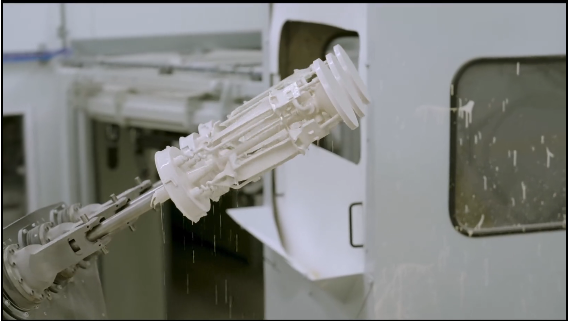
Sai già che raggiungere una produzione a zero difetti è l'obiettivo finale per qualsiasi fonderia moderna…
Ma come ci si arriva realmente?
Non si tratta solo del forno; si tratta di padroneggiare la tecnologia di fusione attraverso un controllo preciso del flusso e materiali avanzati.
In questa guida, elimineremo il rumore di fondo per concentrarci su ciò che conta davvero: ottimizzare la resa della fonderia, eliminando le inclusioni, e selezionando i giusti sistemi di filtrazione.
Che tu stia fondendo ghisa, acciaio o alluminio, la differenza tra una colata redditizia e un mucchio di scarti spesso si riduce ai tuoi materiali di consumo.
Immergiamoci nelle soluzioni.
Processi di fusione dell'anima e le loro sfide tecnologiche
Moderno la tecnologia di fusione è più che semplice fusione e colata; è una scienza rigorosa della prevenzione dei difetti. Ogni processo di fonderia affronta nemici unici, dalle inclusioni di sabbia sciolta al gas idrogeno intrappolato. Per produrre componenti ad alte prestazioni, dobbiamo abbinare la specifica sfida metallurgica con le giuste soluzioni di filtrazione e purificazione.
Fusione in sabbia: fermare le inclusioni al cancello
La fusione in sabbia rimane la spina dorsale dell'industria pesante, ma il processo è intrinsecamente soggetto a inclusioni di lavaggio della sabbia e scorie. Per combattere questo, ci affidiamo ad alta resistenza Filtri in schiuma ceramica (CFF) progettati per resistere al peso fisico e allo shock termico di grandi colate.
- Filtri in Carburo di Silicio (SiC): Lo standard per ghisa grigia e ductile. Con resistenza alle temperature fino a 1500°C, questi filtri catturano efficacemente le inclusioni non metalliche senza bloccare il flusso.
- Filtri in Zirconia: Essenziali per la tecnologia di colata dell'acciaio. Quando le temperature raggiungono i 1700°C, la Zirconia garantisce la stabilità chimica necessaria per prevenire il guasto del filtro e assicurare una fusione pulita.
Colata a Cera Persa: La Ricerca della Perfezione Superficiale
Nella colata a cera persa, la finitura superficiale e la precisione dimensionale sono non negoziabili. Qui, la tecnologia di fusione sposta l'attenzione dalla filtrazione di massa alla precisione microscopica. Utilizziamo filtri ad alta densità di pori per garantire che anche le impurità più piccole siano catturate.
- PPI Elevato (Pori Per Pollice): In genere utilizziamo filtri da 30 a 60 PPI. Questa struttura a maglia fine cattura particelle minute che altrimenti rovinerebbero la superficie.
- Flusso Laminare: Lisciando il flusso del metallo, questi filtri prevengono l'erosione dello stampo, preservando i dettagli intricati del modello in cera.
Colata in Alluminio con Stampi a Dado & Colata a Gravità: Eliminazione della Porosità
Le leghe di alluminio presentano un insieme di problemi diversi, principalmente porosità da idrogeno e formazione di film di ossido. Risolvere questi problemi richiede un trattamento attivo del fusione prima e durante la colata.
- Rotori di Degassaggio: Utilizziamo rotori in grafite specializzati per iniettare gas inerte nella fusione. Questa agitazione meccanica rimuove l'idrogeno disciolto, riducendo significativamente la porosità da gas nel pezzo finale.
- Filtrazione con Rete in Fibra di Vetro: Per la colata a gravità, la rete in fibra di vetro ad alta temperatura è una soluzione economica. Rimuove efficacemente scorie e grandi ossidi, assicurando che solo alluminio pulito entri nella cavità dello stampo.
La Tecnologia “Nascosta”: Filtrazione e Controllo del Flusso
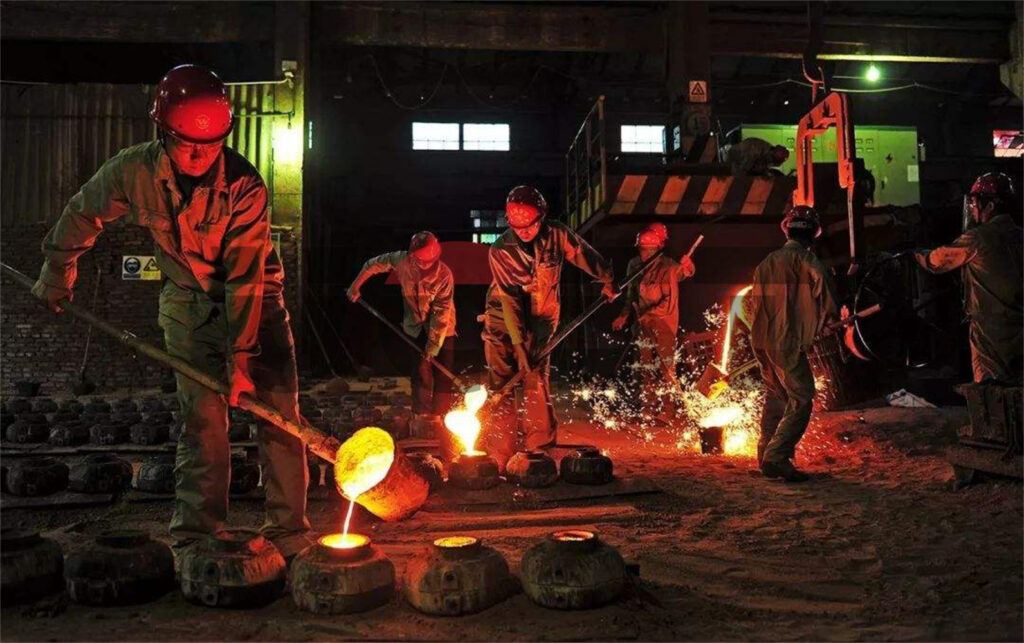
Nel settore della fonderia, ciò che accade all’interno dello stampo è altrettanto critico quanto la fusione stessa. Spesso si vede che la differenza tra un componente di alta qualità e un pezzo di scarto dipende da come il metallo fuso si comporta entrando nella cavità. la tecnologia di fusione si basa fortemente su sistemi di filtrazione avanzati non solo per eliminare detriti, ma per cambiare fondamentalmente la fisica del versamento.
La fisica del flusso: convertire il flusso turbolento in flusso laminare
Quando il metallo fuso viene versato in uno stampo, desidera naturalmente essere turbolento. Questo schizzi e vortice intrappolano aria e creano ossidi, che sono i nemici di una fusione pulita. Il nostro obiettivo principale con sistemi di filtrazione del metallo fuso is riduzione del flusso laminare. Costringendo il metallo attraverso una struttura ceramica precisa, trasformiamo quell'energia caotica e turbolenta in un flusso liscio e aerodinamico.
Questa rettificazione impedisce al metallo di ri-ossidarsi una volta entrato nello stampo. Un riempimento uniforme significa meno erosione dello stampo di sabbia e meno tasche di gas intrappolate. È un concetto semplice, ma richiede un ingegneria precisa per bilanciare la portata del flusso con il controllo del flusso.
Scienza dei materiali nella filtrazione: SiC, Zirconia e Allumina
Non si può usare un approccio “taglia unica” quando si affrontano temperature estreme. La stabilità chimica del materiale del filtro deve corrispondere alla lega versata. La scelta del materiale del filtro è altrettanto critica quanto la comprensione delle proprietà delle diverse leghe da fusione per garantire che il metallo fuso non reagisca con il filtro.
- Filtri in Carburo di Silicio (SiC): Questi sono i cavalli di battaglia per leghe di ferro e rame. Con resistenza alle temperature fino a 1500°C, i filtri in SiC sopportano lo shock termico della fusione di ghisa grigia e ductile senza rompersi.
- Filtri in ceramica di zirconia: Per applicazioni in acciaio dove le temperature raggiungono fino a 1700°C, la zirconia è l'unica opzione praticabile. Mantiene l'integrità strutturale sotto calore estremo e resiste alla corrosione da chimiche aggressive dell'acciaio.
- Filtri in allumina: Questi sono specificamente progettati per la fusione di alluminio, gestendo la gamma di temperature più basse e catturando efficacemente i film di ossido.
Nido d'ape vs. Schiuma: Resistenza vs. Efficienza
In colata tecnologica discussioni, confrontiamo spesso filtri a nido d'ape estruso contro Filtri in schiuma ceramica (CFF). Entrambi hanno il loro ruolo nel reparto fonderia, ma funzionano in modo diverso.
- Nido d'ape estruso: Questi presentano canali dritti e paralleli. Offrono un'elevata resistenza meccanica e sono eccellenti per colate molto grandi dove la portata è prioritaria. Tuttavia, poiché i canali sono dritti, alcuni particelle più piccole potrebbero passare.
- Filtri in Schiuma Ceramica (CFF): Utilizzano una struttura reticolata a pori aperti (che va da 10 PPI a 60 PPI). Il percorso interno è tortuoso, il che significa che il metallo deve torcersi e girare per passare. Questo meccanismo di “filtrazione profonda” è superiore per rimozione di inclusioni non metalliche, poiché intrappola fisicamente particelle di micron di diametro all’interno della matrice ceramica.
Per parti ad alta specifica, dove la finitura superficiale e l’integrità interna sono non negoziabili, la capacità di filtrazione profonda della schiuma è di solito la scelta preferita.
Gestione Termica: Padroneggiare la Solidificazione
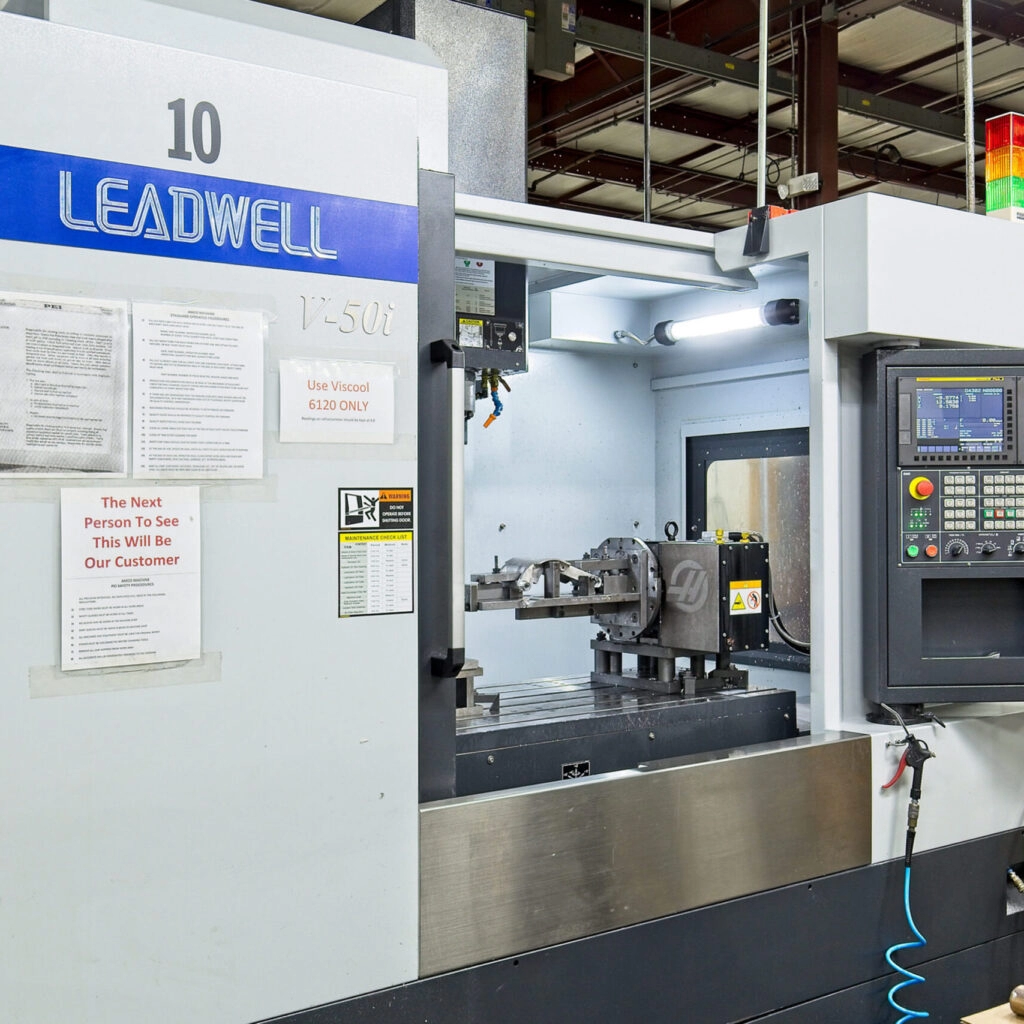
Comprendere il Ritiro nella Colata di Metallo
Quando il metallo fuso passa dallo stato liquido a quello solido, la contrazione di volume è inevitabile. Questa contrazione rappresenta una sfida fondamentale in la tecnologia di fusione poiché compromette direttamente l’integrità strutturale. Se il processo di solidificazione non è controllato, il metallo si stacca, creando vuoti interni, porosità o difetti di “tubo” nelle sezioni critiche del pezzo. Affrontiamo questo problema non solo come una questione di materiale, ma come un problema di ingegneria termica. L’obiettivo è manipolare il gradiente termico affinché la fusione si solidifichi prima, attraendo il metallo liquido da un serbatoio (il riser) per riempire eventuali vuoti che si formano.
Riser Esotermico vs. Isolante
Per garantire che il riser rimanga liquido più a lungo rispetto alla fusione stessa, utilizziamo materiali refrattari specializzati ad alta temperatura nei nostri design di manicotti. La scelta tra tecnologia esotermica e isolante dipende dalla specifica lega e dal modulo della colata.
- Manicotti Esotermici per Materozze: Questi manicotti contengono materiali che si infiammano a contatto con il metallo fuso, generando calore intenso (fino a 1600°C-1700°C a seconda della miscela). Questo riscaldamento attivo alimenta efficacemente la colata, rendendoli essenziali per leghe di acciaio e ferro dove il raffreddamento rapido è un rischio.
- Manicotti Isolanti per Materozze: Invece di generare calore, questi manicotti agiscono come una barriera termica ad alta efficienza. Prevengono la perdita di calore verso la sabbia circostante, mantenendo il metallo fuso per un periodo prolungato. Questo è spesso sufficiente per applicazioni non ferrose o specifici tipi di ghisa dove la prevenzione del ritiro della colata deve essere bilanciata con il costo.
Strategie di Ottimizzazione della Resa
L'efficienza di una fonderia è spesso misurata dalla sua resa: il rapporto tra il peso della colata finita e il peso totale colato. Le materozze tradizionali in sabbia sono inefficienti; si raffreddano rapidamente, richiedendo un grande volume di metallo di alimentazione per funzionare. Implementando manicotti per materozze ad alta efficienza, consentiamo alle fonderie di ridurre significativamente le dimensioni della materozza senza sacrificare le prestazioni di alimentazione.
Questo cambiamento porta a una diretta ottimizzazione della resa della fonderia. Una materozza più piccola significa:
- Più Pezzi per Colata: Si spreca meno metallo nel sistema di colata.
- Lavorazione Ridotta: Aree di contatto più piccole significano meno taglio e molatura per rimuovere la materozza.
- Risparmio Energetico: Meno rottami metallici devono essere rifusi.
Per le strutture focalizzate su risultati di alta qualità, come complessi servizi di fusione di precisione, l'ottimizzazione della resa è fondamentale per mantenere la redditività garantendo al contempo componenti privi di difetti.
Tecnologia di Trattamento del Metallo Fuso: Purezza Prima della Colata
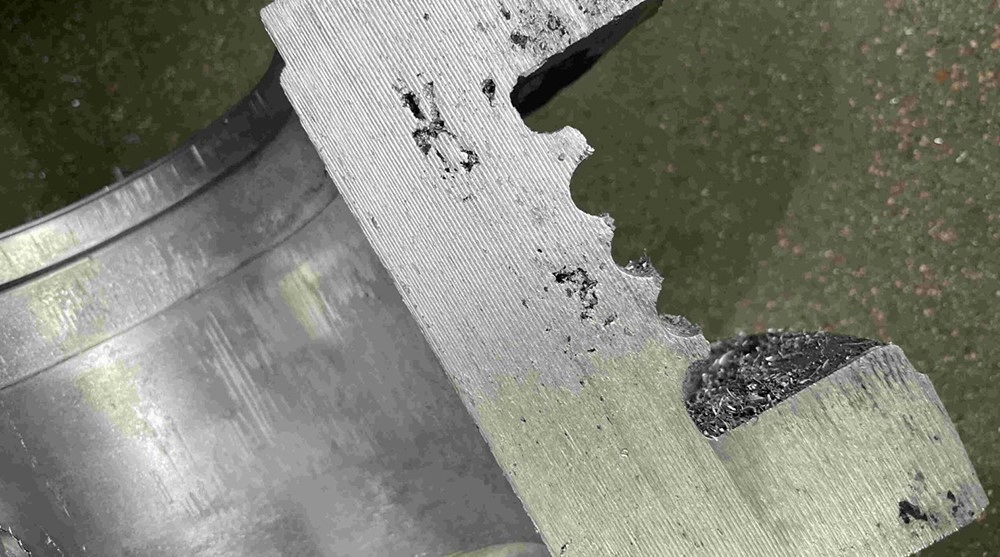
Reale la tecnologia di fusione non si tratta solo dello stampo; inizia nella fornace. Se il metallo fuso non è pulito prima della colata, nemmeno il miglior sistema di filtraggio salverà la fusione. Ci concentriamo molto sul trattamento del metallo fuso per garantire che il metallo liquido che entra nello stampo sia privo di gas e ossidi, che è la base per una metallurgia ad alte prestazioni.
Sistemi di degasaggio: rimozione dell'idrogeno con rotori in grafite
La porosità da gas, in particolare le bolle di idrogeno, è un incubo per l'integrità strutturale. Questo è fondamentale quando si tratta di materiali sensibili. Ad esempio, in soluzioni di fusione di leghe di alluminio, la solubilità dell'idrogeno cambia drasticamente durante la solidificazione, portando a microfori.
Per combattere questo problema, utilizziamo sistemi avanzati tecnologia del rotore di degasaggio.
- Rotori in grafite: Questi si immergono nel metallo fuso e ruotano per iniettare gas inerte (come azoto o argon).
- Dispersione delle bolle: L'azione rotatoria rompe il gas in bolle sottili, che raccolgono l'idrogeno mentre salgono in superficie.
- Risultato: Una fusione più densa e priva di gas con proprietà meccaniche superiori.
Garantire la purezza delle lega di alluminio fusioni attraverso un corretto degasaggio è essenziale per prevenire difetti invisibili fino alla lavorazione.
Rimozione di scorie e loppa
Oltre al gas, dobbiamo affrontare le impurità solide. Ossidi, scorie e loppa si formano naturalmente sulla superficie del metallo fuso. Se questi rimangono intrappolati nel flusso, creano punti deboli nel prodotto finale.
Affrontiamo rimozione di inclusioni non metalliche direttamente in siviera utilizzando agenti chimici specializzati:
- Flussanti di copertura: Questi creano una barriera sulla superficie per prevenire ulteriori ossidazioni dall'atmosfera.
- Coagulanti per scorie: Questi agenti legano le scorie e i residui dispersi in grumi grandi e coesi.
Rendendo la scoria “appiccicosa” e solida, diventa facile rimuoverla completamente prima di versare. Questo passaggio garantisce che solo metallo pulito entri nel sistema di canali, proteggendo l'integrità della tecnologia di colata a valle.
Industry 4.0: Il futuro della tecnologia di colata
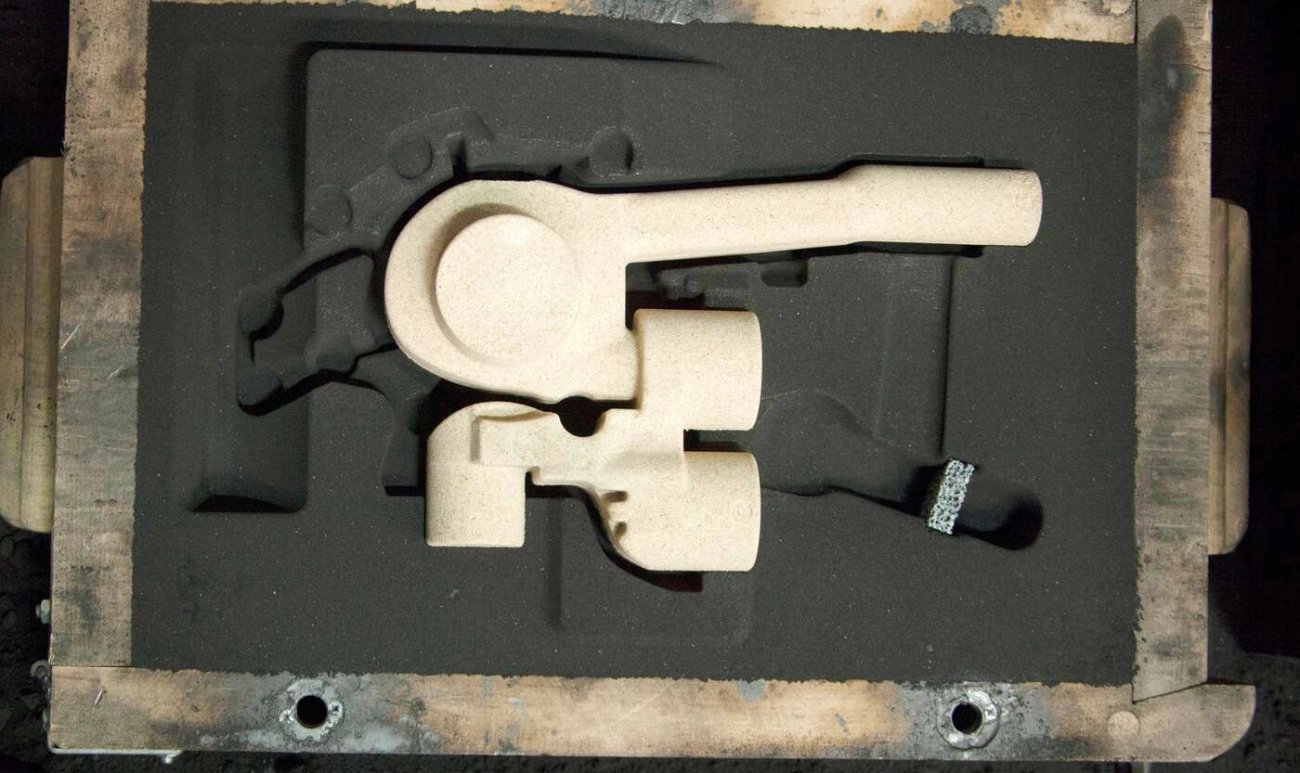
Il reparto fonderia sta cambiando rapidamente. Non ci affidiamo più solo a tecniche secolari; stiamo integrando dati in tempo reale in ogni fase del processo. Tecnologia di colata si è evoluta da una semplice operazione di versamento a sistemi complessi e interconnessi dove gemelli digitali e automazione guidano l'efficienza. Questo passaggio verso Industry 4.0 è necessario per soddisfare le tolleranze strette e i volumi elevati richiesti dal mercato italiano.
Colata basata sui dati: Prevedere i difetti
Prima che venga versato anche solo un goccio di metallo, sappiamo esattamente come si comporterà. Il software di simulazione moderno ci permette di modellare la dinamica dei fluidi e i modelli di solidificazione in un ambiente virtuale. Questa capacità predittiva è un elemento rivoluzionario per controllo di qualità metallurgica.
- Modellazione Virtuale: Possiamo identificare potenziali punti caldi, turbolenze e porosità da restringimento digitalmente.
- Ottimizzazione del flusso: La simulazione aiuta a modificare le posizioni delle porte e il posizionamento dei filtri per garantire un flusso laminare regolare.
- Riduzione degli scarti: Risolvendo gli errori su uno schermo anziché sul campo, evitiamo costose rifatturazioni, contribuendo direttamente a ottimizzazione della resa della fonderia.
Materiali di consumo nell'automazione
Man mano che le fonderie si muovono verso linee di versamento e finitura completamente automatizzate, la coerenza dei materiali di consumo diventa critica. I robot non improvvisano. Se un filtro o una manica di riser varia di dimensione anche di una frazione di pollice, può inceppare un braccio robotico o causare un errore di posizionamento.
Per le linee automatizzate, in particolare quelle che utilizzano capacità di fonderia per colate di alta precisione per investimenti di precisione, garantiamo che ogni filtro in schiuma ceramica e manicotto esotermico sia prodotto secondo standard geometrici precisi. Questa precisione garantisce che colata tecnologica le soluzioni si integrino perfettamente con i manipolatori robotici, mantenendo le linee di produzione operative senza tempi di inattività.
Domande frequenti sulla tecnologia di colata
Incontriamo quotidianamente domande tecniche specifiche su come ottimizzare il processo di fonderia. Ecco le risposte alle domande più comuni che riceviamo riguardo a la tecnologia di fusione selezione dei materiali e tecnologie moderne.
Come migliorano i filtri in schiuma ceramica (CFF) la resa in fonderia?
I filtri in schiuma ceramica (CFF) sono fondamentali per aumentare la resa affrontando le due principali cause di scarti: inclusioni e turbolenza.
- Filtrazione fisica: La struttura complessa 3D (che varia da 10 a 60 PPI) intrappola meccanicamente scorie, scorie di fusione e inclusioni non metalliche che altrimenti finirebbero nel pezzo finale.
- Controllo del flusso: Convertendo il flusso turbolento del metallo in un flusso laminare e uniforme, il filtro previene la re-ossidazione del metallo e l'erosione dello stampo.
Questa doppia azione riduce significativamente il tasso di rigetto, consentendo di ottenere più tonnellate vendibili per colata.
Qual è la differenza tra manicotti esotermici e isolanti?
Mentre entrambe le tecnologie mirano a prevenire difetti di restringimento mantenendo il metallo nel manicotto fuso, funzionano in modo diverso:
- Manicotti esotermici: Contengono materiali che si accendono a contatto con il metallo fuso, generando attivamente calore (reazione esotermica) per ritardare la solidificazione. Sono ideali per metalli che richiedono un alto gradiente termico.
- Manicotti isolanti: Sono realizzati con materiali a bassa conducibilità termica che semplicemente trattengono il calore già presente nel metallo.
La scelta del manicotto giusto dipende dalla lega specifica e dai requisiti di modulo per garantire che il manicotto solidifichi per ultimo.
Perché è essenziale la degassificazione per la colata di lega di alluminio?
L'alluminio fuso è molto suscettibile all'assorbimento di idrogeno dall'umidità presente nell'aria. Se questo idrogeno non viene rimosso prima della solidificazione, si precipita sotto forma di porosità gassosa, compromettendo l'integrità meccanica e resistenza alla trazione dell'alluminio.
Utilizziamo unità di degassificazione dotate di rotori in grafite per iniettare gas inerte (come azoto o argon) nel bagno di fusione. Queste bolle catturano l'idrogeno e lo fanno salire in superficie, garantendo una colata densa e priva di porosità.
Qual è il materiale filtrante migliore per la colata di acciaio ad alta temperatura?
Per tecnologia di colata dell'acciaio, la resistenza alle temperature è il fattore decisivo.
- Zirconia (ZrO2): Questo è lo standard per l'acciaio. Sopporta temperature fino a 1700°C e resiste all'attacco chimico aggressivo dell'acciaio fuso.
- Carburo di Silicio (SiC): Sebbene sia eccellente per ferro e rame (fino a 1500°C), il SiC non può gestire le temperature estreme dell'acciaio.
L'uso del filtro in Zirconia corretto garantisce l'integrità strutturale di applicazioni di colata in acciaio inossidabile senza fallimenti del filtro durante la colata.