
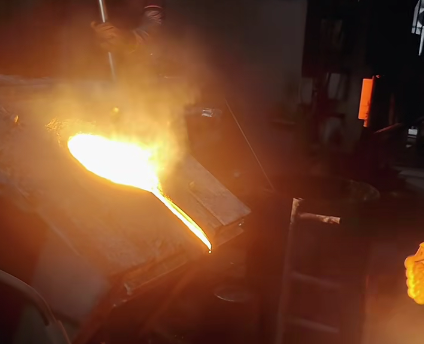
Processi di Colata Industriale Spiegati
Quando gli acquirenti dicono “colata industriale”, di solito intendono una cosa: scegliere il processo giusto per costo, qualità e tempi di consegna. Di seguito vediamo come considero le principali vie di colata industriale quando abbino un nuovo progetto alla produzione nel mercato italiano.
Panoramica: Quando Utilizzare Ogni Processo di Colata Industriale
A livello generale, pensa in termini di volume, complessità, lega e tolleranza:
- Prototipo o basso volume, grandi parti, design flessibile → Colata in sabbia
- Volume medio, buona finitura superficiale, leghe non ferrose → Colata in pressofusione a gravità
- Volume medio-alto, alluminio strutturale → Colata in pressofusione a bassa pressione
- Volume elevato, pareti sottili, ripetibilità precisa → Colata in pressofusione ad alta pressione (HPDC)
- Tolleranze strette, dettagli fini, geometrie complesse → Colata con modello a investimento
- Tubi e anelli simmetrici rotazionalmente → Colata centrifuga
- Prodotti in acciaio a sezione costante e lunga → Colata continua
Selezionare la qualità giusta pressofusione di metalli industriali il percorso precoce può facilmente risparmiare 20–40% nel costo totale del programma.
Processo di colata in sabbia: grande, complesso, conveniente
Utilizzo il processo di colata in sabbia quando una parte è:
- Grande o pesante (da pochi chili fino a diverse tonnellate)
- Complessa nella forma, ma con tolleranze moderate
- Richiesto in volumi annuali bassi o medi
Casi d'uso tipici:
- Ghisa ductile e grigia fusione di macchinari pesanti, involucri di pompe, scatole di ingranaggi
- Parti in fusione di acciaio per edilizia, miniere e attrezzature agricole
Vantaggi principali:
- Costo di attrezzaggio più basso e la massima flessibilità di cambiamento
- Quasi qualsiasi design di fusione può essere testato e migliorato rapidamente
- Punto di partenza ideale per nuovi fonderie metalliche personalizzate prima che il volume si stabilizzi
Colata in pressofusione: Alluminio e Ottone a volume medio
Mi sposto su colata in pressofusione a gravità (colata in stampo permanente) quando hai bisogno di:
- Migliore finitura superficiale e controllo dimensionale rispetto alla colata in sabbia
- Volumi medi dove lo stampo permanente diventa economico
- Leghe non ferrose come alluminio e ottone per componenti industriali
Ideale per:
- Fusione a volume medio per fusione automobilistica e staffe industriali
- Alloggi, collettori e coperture che necessitano spessore uniforme delle pareti
Vantaggi:
- Attrezzature più durature rispetto ai modelli di sabbia
- Meno porosità rispetto alla pressofusione ad alta pressione in molti design
- Buon equilibrio di Prezzo del pezzo vs investimento negli stampi
Pressocolata a bassa pressione: componenti strutturali in alluminio
Per componenti strutturali parti industriali in alluminio pressofuso consiglio spesso pressocolata a bassa pressione:
- L'alluminio fuso viene spinto verso l'alto sotto bassa pressione in uno stampo permanente
- Riempe più delicatamente rispetto alla HPDC, quindi otteniamo integrità migliore e meno difetti da gas
Ideale per:
- Componenti di sospensione, ruote e alloggiamenti strutturali
- Componenti di pressofusione automobilistica di volume medio-alto elettrici e componenti EV dove la resistenza è importante
Vantaggi:
- Migliorate proprietà meccaniche vs HPDC in molti design
- Buono precisione dimensionale e finitura superficiale
- Adatto al trattamento termico (T5, T6) per una maggiore resistenza
Pressocolata ad alta pressione (HPDC): Alluminio a parete sottile, ad alto volume
Utilizzo pressocolata ad alta pressione (HPDC) quando un cliente ha bisogno di:
- Volumi annuali molto elevati (decine di migliaia a milioni)
- Pressocolata di alluminio a parete sottile con caratteristiche e inserti complessi
- Altamente ripetibile, produzione di getti a tolleranza stretta
Applicazioni comuni:
- Alloggiamenti per automotive e veicoli elettrici, staffe, coperture, vassoi per batterie
- Contenitori per consumatori e industriali con vincoli di imballaggio rigorosi
Punti chiave:
- Costo di attrezzaggio più alto, prezzo unitario più basso su larga scala
- Eccellente per pressofusione di alluminio di leghe ADC12, A380 e simili
- Richiede forte fonderia di pressofusione controllo del processo per gestire porosità e stabilità dimensionale
Cera persa: Precisione e Dettagli Fini
Quando un produttore di fusioni di precisione è necessario per requisiti molto stringenti, vado a fusione a investimento (fusione a cera persa):
- Gli stampi in cera sono assemblati in alberi, rivestiti e poi fusi per creare parti altamente precise
- Gestisce estremamente geometrie complesse senza lavorazioni pesanti
Ideale per:
- Componenti in fusione di acciaio con tolleranze strette e passaggi interni complessi
- Piccole e medie valvole, raccordi, componenti aerospaziali e di difesa
- Progetti di fornitori di fusioni OEM dove i costi di lavorazione devono essere minimizzati
Vantaggi:
- Eccellente finitura superficiale (tipicamente Ra 3.2–6.3 µm)
- Tolleranze strette con minimo scalino
- Ampia gamma di leghe: acciaio al carbonio, acciaio legato, acciaio inossidabile, alcuni non ferrosi
Fusione centrifuga: Tubi, manicotti e tubazioni
Per i prodotti cilindrici, guardo a fusione centrifuga:
- Il metallo fuso viene versato in uno stampo rotante, utilizzando la forza centrifuga per formare la parte
- Produce molto strutture dense e solide con inclusioni minime
Ideale per:
- Tubo per fusione centrifuga, manicotti, boccole e anelli
- Alta pressione movimentazione di fluidi e parti soggette ad usura
Perché funziona bene:
- Eccellente struttura della grana e proprietà meccaniche
- Spessore della parete molto uniforme per tubi e rivestimenti
- Adatto per ghisa sferoidale, ghisa grigia e vari acciai
Colata continua: Billette, bramme e prodotti lunghi
Quando penso a colata continua, penso all'approvvigionamento a monte piuttosto che ai componenti finiti:
- L'acciaio fuso viene solidificato in billette, blumi e bramme in un processo continuo
- Queste forme semilavorate diventano barre, lamiere e profilati strutturali dopo la laminazione
Casi d'uso:
- Sezione trasversale lunga e costante parti di fusione in acciaio nell'industria pesante
- Materia prima per forgiatura, lavorazione e ulteriori fusione industriale operazioni
Vantaggi:
- Molto efficiente, ad alto volume produzione
- Qualità stabile e ripetibile per la produzione a valle
- Fondamentale per catene di approvvigionamento affidabili per fusione di automobili e mercati di macchinari
In pratica, raramente guardo questi processi isolatamente. Per ogni nuovo progetto, confronto almeno due o tre fusione industriale percorsi contro i tuoi volume, tolleranza, lega e obiettivi di budget prima di definire una raccomandazione.
Materiali e Leghe per Colata Industriale
Per qualsiasi progetto di colata industriale in Italia, inizio sempre con una decisione: la lega. Il materiale giusto determina resistenza, durata all’usura, lavorabilità e costo totale per la tua colata industriale.
- Colate di ferro (ductile, grigia, ADI, ad alto contenuto di cromo)
Per le colate di macchinari pesanti, pompe e valvole, la ghisa ductile offre resistenza e resistenza agli urti, mentre la ghisa grigia garantisce un’ottima damping delle vibrazioni a costi inferiori. Quando hai bisogno di una forte resistenza all’usura nelle lavorazioni di metallo industriale (liner, parti di frantumatori), passo ad ADI o ferro ad alto contenuto di cromo. - Componenti in fusione di acciaio
Parti di colata in acciaio al carbonio e legato sono la mia scelta preferita per componenti ad alta resistenza, contenenti pressione o critici per la sicurezza—come ganci, ingranaggi e staffe strutturali—dove saldatura o forgiatura da soli non bastano. - Leghe di alluminio, zinco e rame
Le leghe di pressofusione di alluminio A356 e ADC12 sono ideali per parti di colata automobilistiche, involucri di motori EV e involucri leggeri. Lo zinco, il ottone e il bronzo sono ideali per lavori di colata industriale dove sono richieste tolleranze strette, finitura superficiale eccellente e resistenza alla corrosione in componenti di precisione. Per un’analisi più approfondita, mi affido alla nostra guida alle leghe per la colata per tipi, proprietà e selezione. - Leghe di magnesio e avanzate
La colata industriale di magnesio è la mia scelta quando la riduzione del peso è critica nella produzione di parti di automobili e attrezzature portatili. Per applicazioni all’avanguardia, sto già considerando leghe ad alta entropia e compositi a matrice metallica per migliorare rapporto resistenza-peso e prestazioni a temperature elevate nella colata industriale avanzata e nella progettazione e produzione future.
Applicazioni di colata industriale per settore

La colata industriale è il punto in cui la vera ingegneria incontra l’uso reale. Mi concentro sull’abbinare il processo di colata industriale giusto a ogni settore, così ottieni parti affidabili e ripetibili che resistono sul campo.
Parti industriali di colata per Automotive & EV
Per la colata di piattaforme automobilistiche e EV, le priorità sono peso, resistenza e costo:
- Blocchi motore, involucri, staffe, vassoi per batterie
- Colata di alluminio in pressofusione e pressocolata a bassa pressione per alloggiamenti di veicoli elettrici e parti strutturali ad alto volume
- Componenti in fusione di acciaio e fusione di ghisa sferoidale dove la resistenza agli urti e la durata a fatica sono fondamentali
Per parti in alluminio con tolleranze strette, spesso utilizzo fusione di alluminio a investimento di precisione per ridurre la lavorazione e migliorare la consistenza.
Fusioni per macchinari pesanti
Nel settore delle costruzioni, minerario e della movimentazione dei materiali, la disponibilità è tutto:
- Fusioni per macchinari pesanti: telai, bracci, alloggiamenti degli ingranaggi, contrappesi
- Ghisa ductile e acciaio al carbonio per resistenza agli urti e alla fatica
- Ghisa ADI e ghisa ad alto tenore di cromo dove l'usura estrema è la principale causa di guasto
Fusioni per macchinari agricoli
Le attrezzature agricole necessitano di parti robuste ed economiche che sopravvivano a sporco, urti e lunghe ore di lavoro:
- Riduttori, mozzi, alloggiamenti, fusioni strutturali
- Fusione di ghisa grigia per componenti economici che smorzano le vibrazioni
- Fusione di ghisa sferoidale quando è necessaria una maggiore resistenza con livelli di costo simili
Fusioni per la produzione di energia
Le applicazioni energetiche richiedono lunga durata e un controllo qualità rigoroso:
- Fusioni di wind, gas, idroelettrico e nucleare: involucri, staffe, giranti, componenti per turbine
- Parti di fusione in acciaio e acciaio inossidabile per resistenza a temperature, pressioni e corrosione
- Documentazione chiara con relazioni di prova complete material test reports è standard per questo settore.
Fusioni industriali per ferroviario e marittimo
Componenti ferroviari e marittimi soggetti a carichi costanti, vibrazioni e ambienti ostili:
- Carrelli ferroviari, accoppiatori, componenti frenanti
- eliche marine, pompe, valvole e involucri
- Acciaio, bronzo e ghisa duttile ad alta resistenza per gestire shock, acqua salata e fatica
Fusioni per pompe, valvole e controllo fluidi
Per industrie chimiche, petrolifere e dell'acqua, la tenuta e la resistenza alla corrosione sono critiche:
- Corpi valvole, involucri di pompe, giranti, collettori
- Acciaio inossidabile, duplex e bronzo per media aggressivi
- Gestisco progetti di servizio completo per OEM che necessitano fuselli di valvole personalizzati finiture lavorate a CNC, simili alle nostre dedicate capacità di produzione di fusione di valvole.
Esigenze industriali di fusione aerospaziale e difesa
Quando le tolleranze sono strette e la tracciabilità è non negoziabile:
- Supporti aerospaziali, alloggiamenti, componenti turbine, parti di sistemi d'arma
- Fusione a cera persa (investment casting) attraverso aziende di fusione con esperienza aziende di fusione a investimento
- Focus su livello AS9100 qualità, lavorazioni di precisione e piena tracciabilità dal fusione all'ispezione finale
In tutti questi settori, il mio approccio è semplice: scegliere la modalità di produzione della fusione che si adatta al caso di carico, all'ambiente e al volume annuo—poi assicurare qualità e costi stabili a lungo termine.
Standard di qualità e certificazioni per la fusione industriale
Quando acquisti parti industriali in fusione sul mercato, i sistemi di qualità sono importanti quanto il prezzo. Considero le certificazioni e la documentazione come non negoziabili, soprattutto per clienti nel settore automotive, energia e attrezzature pesanti.
Principali sistemi di qualità da verificare sempre
Prima di approvare un fornitore di fusione industriale, confermo che abbia:
- ISO 9001 – Dimostri di gestire un sistema di gestione della qualità strutturato, con procedure, audit e miglioramento continuo per ogni ciclo di produzione della fusione.
- IATF 16949 – Essenziale per parti di fusione automotive e progetti seri di fornitori OEM. Impone un controllo rigoroso sulla variazione, sulla tracciabilità e sulla prevenzione dei difetti lungo tutta la catena di fornitura.
Per aerospaziale, difesa o apparecchiature a pressione, mi fido solo di fonderie che possiedono anche:
- AS9100 – Si basa su ISO 9001 ma aggiunge controlli più rigorosi per la fusione di metalli industriali di qualità aerospaziale, documentazione e gestione del rischio.
- PED 2014/68/UE – Critico quando le fusioni vengono utilizzate in recipienti a pressione, valvole o pompe che devono rispettare le norme europee sugli apparecchi a pressione.
PPAP, FAI e Piani di Controllo per la Produzione di Colata in Serie
Una volta superati i prototipi, blocco la produzione utilizzando metodi di qualità automobilistica:
- PPAP (Processo di Approvazione del Pezzo di Produzione) per dimostrare che la fonderia di pressofusione o di ghisa grigia può ripetere la produzione in modo coerente in volume.
- FAI (Ispezione del Primo Articolo) per verificare che i campioni di fusione industriale iniziali corrispondano completamente al disegno 2D e 3D prima di passare alla produzione su larga scala.
- Piani di Controllo che definiscono chiaramente come ogni dimensione critica, specifica dell'alleato e parametro di processo venga monitorato e registrato nella produzione in serie di fusioni metalliche personalizzate.
Certificati dei Materiali, Verifica Chimica e Meccanica
Per applicazioni esigenti—come fusioni di macchinari pesanti, pompe o parti di fusione in acciaio di sicurezza—richiedo sempre piena trasparenza sui materiali:
- Rapporti di Test sui Materiali (MTR) per ogni colata, collegati al tuo ordine e ai numeri delle parti.
- Analisi chimica (spettrometro o laboratorio) per verificare la qualità della fusione di ghisa ductile, ghisa grigia o lega di pressofusione in alluminio (A356, ADC12, ecc.).
- Test delle proprietà meccaniche (trazione, snervamento, durezza, impatto) conformi alle tue specifiche e agli standard ASTM/EN rilevanti.
Questo è come evito sorprese nelle prestazioni sul campo e nelle richieste di garanzia.
Controllo Dimensionale, Scansione 3D e NDT
Per componenti industriali di fusione con tolleranze strette—specialmente per clienti di produzione di apparecchiature—combino metrologia classica con strumenti moderni:
- CMM e scansione 3D per verificare le caratteristiche di progettazione di fusioni complesse, la posizione reale e la planarità su superfici fuse e lavorate.
- Controllo non distruttivo (NDT) come radiografia, ultrasuoni, penetranti, o test a particelle magnetiche per zone critiche nelle fusioni di alluminio, acciaio e ferro ad alto cromo.
- Controllo Gauge R&R e calibrazione affinché i sistemi di misurazione siano ripetibili e affidabili.
Tracciabilità e Controllo del Processo presso un produttore di fusioni di precisione
Un vero produttore di fusioni di precisione non si limita a “controllare la qualità alla fine”. Integro la tracciabilità e il controllo del processo in ogni ordine tramite:
- Assegnando numeri di lotto e di fusione unici a ogni fusione, linea di stampo e lotto industriale di fusione.
- Registrando dati del forno, trattamento della fusione e parametri di colata per ogni lotto di fusione di metallo industriale.
- Collegando risultati di ispezione, MTR e rapporti NDT a pallet, contenitori e lotti di spedizione specifici.
- Mantenendo registri digitali e codici a barre/QR in modo da poter tracciare qualsiasi componente automobilistico fuso o parte di attrezzature pesanti dal guasto sul campo fino alla fusione.
Ecco come proteggo il tuo programma da rischi nascosti e garantisco che la tua catena di fornitura di fusioni industriali possa sostenere audit, PPAP dei clienti e requisiti OEM a lungo termine.
Scegliere un Processo di Colata Industriale

Scegliere il processo di colata industriale giusto è il modo in cui si definiscono il 80% dei costi, della qualità e dei tempi di consegna. Ecco come lo valuto quando facciamo preventivi e pianifichiamo la produzione di colata nel mercato italiano.
Abbinare Processo a Pezzo e Volume
Inizio sempre con quanti pezzi sono necessari all'anno e cosa deve fare il pezzo:
- Fusione in sabbia – Ideale per volumi bassi a medi, pezzi grandi o ingombranti, modifiche di design flessibili.
- Colata a gravità / stampo permanente – Volume medio, migliore ripetibilità rispetto alla sabbia, adatta ad alluminio/ottone.
- Colata a bassa pressione e ad alta pressione (HPDC) – Volume da medio a molto alto, pareti sottili, cicli stretti.
- Fusione a investimento – Volume inferiore o medio, geometrie complesse, alta precisione senza lavorazioni massicce.
- Colata centrifuga e continua – Tubes, manicotti, barre e prodotti lunghi.
Se stai ancora confrontando la colata con altri metodi, la mia più ampia guida ai processi di produzione spiega come la colata si confronta rispetto a lavorazioni meccaniche, forgiatura e altre opzioni.
Fattori chiave di selezione
Prima di impegnarci in una strada, definisco sempre:
- Volume annuo – 50 pezzi/anno contro 50.000 pezzi/anno cambia tutto.
- Complessità del pezzo – Sovrapposizioni, passaggi interni, branding, canali di raffreddamento.
- Materiale – Acciaio, ghisa duttile, alluminio, zinco, ottone, bronzo, magnesio.
- Tolleranze – Adattamento di base vs indicazioni di posizione e profilo preciso.
- Livello di resistenza / sicurezza – Strutturale, fatica, impatto, pressione.
Finitura superficiale, tolleranza e limiti di spessore delle pareti
Scheda di riferimento molto breve per i processi di fusione industriale più comuni:
- Processo di fusione a sabbia
- Superficie: più ruvida, di solito parti critiche lavorate a macchina.
- Tolleranza: più ampia, maggiore variazione da pezzo a pezzo.
- Spessore delle pareti: pareti più spesse, non ideale per design ultra-leggeri.
- Colata a pressofusione ad alta pressione (HPDC)
- Superficie: liscia, buon potenziale estetico con pulizia minima.
- Tolleranza: stretta, ottima per la fusione di alloggiamenti e staffe automobilistiche.
- Spessore delle pareti: possibile pareti sottili, ideale per pressofusione di alluminio ad alto volume.
- Fusione a cera persa (investment casting)
- Superficie: molto buona, forma quasi netta.
- Tolleranza: stretta, ideale per progetti di fusione di precisione.
- Spessore delle pareti: ragionevolmente sottile, forme complesse.
Costo e tempi di consegna: sabbia vs pressofusione vs investimento
Pensa in termini di strumentazione vs prezzo del pezzo:
- Fusione in sabbia
- Strumentazione: basso costo, rapido da modificare.
- Prezzo del pezzo: più alto per pezzo se il volume è grande.
- Tempi di consegna: relativamente brevi per nuovi modelli.
- Stampaggio a pressofusione (gravità / HPDC / bassa pressione)
- Strumentazione: alto costo iniziale per gli stampi.
- Prezzo del pezzo: basso a volumi medi–alti.
- Tempi di consegna: più lunghi per progettare e costruire gli stampi, poi cicli molto veloci.
- Fusione a investimento
- Strumentazione: moderata.
- Prezzo del pezzo: superiore a HPDC ma risparmia lavorazioni su dettagli fini.
- Tempi di consegna: moderati; la catena di processo è più lunga.
Acciaio vs Alluminio vs Ghisa Duttile
Ecco come solitamente guido gli acquirenti in Italia:
- Componenti in fusione di acciaio
- Usa quando hai bisogno di alta resistenza, resistenza agli urti, o alte prestazioni a temperature elevate.
- Comune in costruzione, estrazione mineraria e componenti critici di sicurezza.
- Colata di alluminio in pressofusione
- Usa per leggerezza, parti di automobili e veicoli elettrici a elevato volume di fusione: vassoi per batterie, involucri, staffe.
- Ottimo dove la resistenza alla corrosione e la conduttività termica sono importanti.
- Fusione di ghisa sferoidale
- Punto di equilibrio per resistenza + smorzamento + costo.
- Ottimo per fusione di macchinari pesanti, cambi, involucri, corpi di pompe.
Matrice decisionale semplice (Usa questa nel tuo RFQ)
Mi piace ridurlo a una rapida griglia decisionale:
- Basso volume + grande + semplice + tolleranza allentata → Colata in sabbia
- Volume medio + dimensione media + migliore coerenza → Colata in pressofusione a gravità
- Alto volume + pareti sottili + alluminio o zinco → HPDC
- Geometria complessa + tolleranza stretta + adattamento critico → Colata con modello a investimento
- Forme tubolari / ad anello → Colata centrifuga
Usa quella matrice come primo filtro, poi perfezioniamo insieme in base ai dettagli.
Progettazione per la Produzione (DFM) con il tuo fornitore di fusione OEM
Se ci coinvolgi presto per DFM, possiamo:
- Regola angoli di bozza, filetto e transizioni di parete per evitare porosità e restringimenti.
- Ottimizza gating e risers quindi la fusione di metallo industriale si riempie in modo pulito.
- Taglia tempo di lavorazione aggiungendo caratteristiche di colata invece di quelle fresate.
- Evita cambi di utensili e rilavorazioni che compromettono il tuo programma di lancio.
I programmi di maggior successo che gestiamo iniziano con una breve revisione DFM sui tuoi disegni 2D/3D, non dopo che i primi campioni di scarsa qualità emergono.
Costi di Fonderia Industriale nel 2025–2026
Nel 2025–2026, il costo della fusione industriale è meno influenzato dal “tariffa oraria” e più da quanto sia pulito il design della fusione e il piano di approvvigionamento. Quando offro preventivi per parti di fusione industriale a clienti italiani, lo suddivido sempre in alcune leve principali.
Cosa Influisce Davvero sul Costo della Fonderia di Metallo Industriale
- Utensili vs. prezzo per pezzo: Il processo di fusione a sabbia richiede stampi a basso costo ma un prezzo per pezzo più alto; una fonderia di pressofusione o un produttore di fusione di precisione necessita di stampi costosi ma offre un costo molto basso per pezzo in volume.
- Volume annuo: Sotto circa 300 pezzi/anno, vincono i pezzi di fusione a sabbia o in acciaio in stampi senza legante; oltre migliaia al mese, vince la pressofusione di alluminio o la produzione con automazione intensiva.
- Complessità del pezzo: Pareti sottili, tolleranze strette e nuclei complessi aumentano i tempi di preparazione, i passaggi del processo e il rischio di scarto.
Utensili, Stampi e Dies vs. Prezzo per pezzo
- Bassi costi di utensili, prezzo per pezzo elevato: Lavoro di fusione a sabbia e fonderia di ghisa grigia di base. Ottimo per parti di riparazione e fusione di macchinari pesanti a basso volume.
- Attrezzaggio costoso, basso costo unitario: HPDC, pressofusione a bassa pressione e molte aziende di microfusione. Ideale per parti di fusione automobilistiche, alloggiamenti per veicoli elettrici e programmi OEM ripetuti.
- Guarda sempre Costo totale quinquennale, non solo il preventivo per il primo attrezzaggio.
Benchmark regionali dei costi (Cina, India, Europa, Italia, Messico)
- Cina: Ancora molto competitiva per fusioni metalliche personalizzate ad alto volume, ma tariffe, trasporto merci e ritardi di comunicazione possono erodere i risparmi.
- India: Forte nella fusione di ghisa sferoidale e parti di fusione di acciaio, soprattutto per pompe e valvole, con sistemi di qualità in miglioramento.
- Europa: Manodopera più costosa, ma controllo di processo e certificazioni di prim'ordine per il settore aerospaziale e le apparecchiature a pressione.
- Italia e Messico: Prezzo diretto più alto, ma rischio inferiore, risposta più rapida, visite in loco più semplici e migliore protezione della proprietà intellettuale per i programmi di fusione automobilistica.
Lega, peso e contenuto di lavorazione
- Scelta della lega: Le leghe di ferro ad alto contenuto di cromo, acciaio inossidabile e nichel costano di più al chilo e di solito necessitano di un controllo di processo più rigoroso.
- Peso della parte: Ogni chilo in più moltiplica il costo di fusione, spedizione e talvolta il tempo di lavorazione; la progettazione di fusioni ottimizzata per il peso ripaga.
- Contenuto di lavorazione: Più fori, facce e filetti stretti ti servono, più il costo totale rivaleggia con quello di barre o piastre completamente lavorate. In alcuni casi, l'abbinamento di fusioni con un intelligente guida per il taglio laser di lamiere può ridurre i costi di lavorazione e fabbricazione.
Costi nascosti che la maggior parte degli acquirenti non nota
- Rifacimenti e scarti: Gestione scadente, controllo di processo debole o fonderia di pressofusione sbagliata aggiungono costi nascosti per ogni pezzo buono.
- Logistica e tariffe: Spedizioni marittime, sovrattasse e ritardi doganali sono molto importanti per le fusioni pesanti.
- Comunicazione e fusi orari: Ritardi nei feedback rallentano il PPAP, le approvazioni delle modifiche e i programmi di lancio.
Perché le partnership a lungo termine con le fonderie sono vantaggiose
- Una fonderia industriale stabile impara i tuoi disegni, tolleranze e abitudini di ispezione e riduce silenziosamente scarti e rifacimenti.
- Ottieni capacità prioritaria, feedback di ingegneria più rapido, migliore DFM e tempi di consegna più affidabili sulla produzione di fusioni.
- In alcuni programmi, questo di solito compensa un preventivo leggermente più alto “per pezzo” e riduce il costo totale di atterraggio.
Ottenere preventivi competitivi senza compromettere la qualità
- Invia disegni 2D puliti + modelli 3D, volume annuo, prezzo target e lavorazioni previste in anticipo.
- Chiedi al fornitore di fusione OEM di quotare due percorsi di processo (ad esempio, fusione a sabbia vs. pressofusione di alluminio) quando non è ovvio.
- Richiedi dettagli chiari per stampi, costo del campione, prezzo a pezzo a 3–4 livelli di volume e documentazione di qualità inclusa (MTR, NDT, livello PPAP).
Tendenze sostenibili nella fusione industriale

Come la fusione industriale si sta adattando a ESG
In Italia, la maggior parte degli acquirenti di fusione industriale più seri ora considera l'ESG come un requisito imprescindibile, non più un semplice “piacevole da avere”. Quando fornisco preventivi per programmi di fusione industriale, mi si aspetta di mostrare:
- CO₂ e energia documentate per libbra di fusione
- Contenuto riciclato nel metallo fuso
- Prova di controllo delle emissioni e gestione dei rifiuti
- Tracciabilità dal materiale grezzo alla fusione finita
Se i vostri clienti OEM sono nel settore automobilistico, veicoli elettrici, energia o controllo dei fluidi, questo influisce direttamente sulla vostra capacità di vincere o perdere le richieste di offerta (RFQ).
Rifiuti riciclati e economia circolare nelle fonderie
La moderna fusione di metalli industriale si basa sull'uso di materiali in ciclo chiuso:
- Elevato utilizzo di scarti: Le fonderie fondono scarti interni, porte e riser nel forno, riducendo la domanda di metallo grezzo e i costi.
- Resi dei clienti: Alcuni programmi utilizzano loop di riacquisto o restituzione per fusione fuori specifica o a fine vita.
- Leghe certificate: I clienti spesso richiedono un contenuto riciclato minimo pur rispettando strette finestre di composizione per acciai al carbonio, ghisa ductile, leghe di pressofusione di alluminio o leghe a base di rame come quelle che utilizziamo per fusione di leghe di rame industriali.
Questo approccio in ciclo chiuso ti aiuta a raggiungere sia gli obiettivi di costo che di sostenibilità.
Efficienza energetica e forni elettrici
Gli impianti di fusione industriale stanno passando decisamente a fusione elettrica dove la stabilità della rete permette:
- Forni a induzione a frequenza media sostituire le cupole più vecchie e i sistemi di gas inefficienti.
- Gestione della domanda e fusione fuori orario di punta aiuta a controllare i costi energetici in Italia e Messico.
- Migliore isolamento e recupero del calore minore consumo di kWh per tonnellata di metallo fuso.
Per i produttori italiani sotto pressione per ridurre le emissioni di Scope 3, questo è ora un elemento distintivo nella scelta di un fornitore di fusioni industriali.
Recupero della sabbia, controllo della scoria e delle emissioni
Fonderie che desiderano lavori a lungo termine di Tier 1 e Tier 2 investono pesantemente in operazioni pulite:
- Sistemi di recupero della sabbia: Rigenerare 80–95% di sabbia per il processo di fusione a sabbia, riducendo i rifiuti in discarica e il trasporto su strada.
- Gestione della scoria e recupero del metallo: Recuperare il metallo residuo dalla scoria e trattarlo come risorsa, non solo come rifiuto.
- Controllo delle emissioni atmosferiche: Camere di filtraggio, filtri e scrubber riducono polvere, VOC e fumi per rispettare le normative italiane ed europee.
Se si effettua la fusione di ghisa grigia o di ghisa ductile in volume, questi controlli influenzano direttamente l'affidabilità dello stabilimento e il rischio del marchio.
Stampi e attrezzature in sabbia stampata in 3D
Gli stampi in sabbia stampata in 3D stanno cambiando il modo in cui avviamo nuove produzioni di fusioni in Italia:
- Nessun attrezzo rigido per le prime produzioni: Validare il progetto di fusione, il raffreddamento e il materiale di lavorazione prima di tagliare costosi stampi o matrici.
- Riduzione degli scarti e rifacimenti: Passaggi interni complessi e caratteristiche fini possono essere testati rapidamente senza sovraccaricare di metallo.
- Iterazioni più rapide: Perfetta progettazione delle caratteristiche critiche di fusione per pompe, valvole, alloggiamenti EV o fusioni di macchinari pesanti prima di bloccare i tuoi stampi a lungo termine.
Questo approccio è particolarmente utile per fusioni metalliche personalizzate a basso volume o ad alta varietà.
Industry 4.0, gemelli digitali e IoT
Le moderne strutture di fusione industriale stanno diventando basate sui dati:
- Sensori IoT monitorano la temperatura del forno, l'umidità della sabbia, la pressione di formatura e il tempo di raffreddamento in tempo reale.
- Gemelli digitali simulano il riempimento e la solidificazione dello stampo prima della produzione, riducendo problemi di porosità e deformazioni.
- Manutenzione predittiva aumenta il tempo di attività delle linee di formatura, centri di lavorazione e forni.
Per te come acquirente, questo significa qualità più stabile, meno sorprese e dati più affidabili sulla capacità del processo durante PPAP o FAI.
Come la sostenibilità e la tracciabilità influenzano la selezione dei fornitori
I produttori di apparecchiature originali globali ora valutano i fornitori di fusione industriale sulla sostenibilità allo stesso modo di costi e qualità:
- Tracciabilità completa dal numero di calore alla fusione finita lavorata
- MTR digitali, analisi chimiche e rapporti meccanici associati a ogni lotto
- Documentazione del contenuto riciclato e dati energetici per la rendicontazione ESG
- Audit chiari di gestione della sabbia, dello scarto e delle emissioni
Se i tuoi clienti finali sono nel settore automobilistico, veicoli elettrici, energia o costruttori di attrezzature che vendono in mercati regolamentati, scegliere un produttore di fusioni di precisione con forte ESG e tracciabilità non è opzionale—è la tua polizza assicurativa per future richieste di preventivo e conformità.
Selezione di un Fornitore di Fusioni Industriali
Cosa cercare in un partner affidabile per le fusioni industriali
Quando scelgo un fornitore di fusioni industriali in Italia, mi concentro su tre aspetti: profondità tecnica, qualità ripetibile e comunicazione. Vuoi una fonderia che possa guidare i tuoi ingegneri nella progettazione delle fusioni, rispettare le scadenze e garantire ogni lotto e spedizione con dati concreti, non promesse.
Le capacità interne sono importanti
Un forte partner industriale di fusioni dovrebbe gestire la maggior parte del lavoro internamente, così da non dover gestire una catena di approvvigionamento fragile. Al minimo, cerco:
- Progettazione e simulazione degli stampi - Supporto solido alla progettazione delle fusioni, più simulazione di flusso/solidificazione per prevenire porosità e difetti di colata.
- Realizzazione di core e stampi - Processo di fusione in sabbia stabile o configurazioni di pressofusione ottimizzate per le tue leghe.
- Lavorazioni CNC - Lavorazioni di precisione con tolleranze strette sotto lo stesso tetto riducono i tempi di consegna e le variazioni.
- Trattamento superficiale e finitura - Capacità di gestire rivestimenti, lucidature o passivazioni internamente o con partner affidabili. Per esempio, integriamo le fusioni con le finiture a valle attraverso i nostri servizi di trattamento superficiale per mantenere sotto controllo le specifiche.
Più controllano internamente, meno rischi e attribuzioni di colpa devi affrontare.
Capacità, attrezzature e scalabilità
Per fusioni metalliche personalizzate, il tuo fornitore deve corrispondere al tuo volume attuale e alla futura crescita:
- Capacità di fusione e linee di stampaggio che si adattino alle dimensioni del tuo pezzo e al volume annuo.
- Gamma di attrezzature: linee di sabbia, celle HPDC, LPDC o fusione a cera persa dove necessario.
- Scalabilità: Possono passare da run pilota a decine di migliaia di pezzi all'anno senza trasferirti in un altro stabilimento?
Chiedi esempi concreti di aumenti di produzione di fusioni che hanno supportato per OEM italiani.
Esperienza di settore: automotive, macchinari pesanti, valvole
Controllo sempre se la fonderia ha esperienza diretta nel mio settore:
- Parti di fusione automotive e involucri per veicoli elettrici – Mentalità IATF, tolleranze strette e pressofusione stabile di alluminio.
- Fusioni per macchinari pesanti – Parti di fusione in ghisa ductile e acciaio per carichi elevati e impatti.
- Pompe, valvole e controllo dei fluidi – Capabilities di fonderia in ghisa grigia e acciaio inossidabile, fusioni a tenuta di pressione, esperienza NDT.
Se già forniscono al tuo settore, conosceranno i requisiti nascosti che non arrivano mai sulla stampa.
Sistemi di qualità, certificazioni e prove
Per la fusione industriale nel mercato italiano, non faccio compromessi sui sistemi di qualità:
- ISO 9001 minimo, IATF 16949 pressofusione per l'automotive, AS9100 se sei nel settore aerospaziale.
- PPAP, FAI, piani di controllo per la produzione in serie.
- Certificati dei materiali con rapporti chimici e meccanici completi.
- Storico delle verifiche: Richiedi di vedere i pacchetti PPAP passati, i piani di controllo e le chiusure delle verifiche del cliente.
Se non possono mostrare documentazione strutturata, non sono pronti per un lavoro serio come fornitore di pressofusioni OEM.
Servizio totale vs fonderia a processo singolo
Una fonderia di ghisa a processo singolo o di pressofusione può funzionare per lavori di base, ma per la maggior parte dei progetti OEM preferisco un modello di servizio totale:
- Una squadra responsabile da design di fusione fino a lavorazioni meccaniche e finiture
- Meno passaggi, meno sorprese, costo totale di consegna inferiore
- Più facile gestire modifiche ingegneristiche e problemi di qualità
Vuoi un partner che si assuma la responsabilità dell'esito, non solo versi il metallo.
Costruire una relazione di fornitura di pressofusioni OEM a lungo termine
Il mercato italiano premia partnership stabili e a lungo termine, non acquisti una tantum. Cerco:
- Apertura a revisioni DFM congiunte e coinvolgimento precoce.
- Trasparente Processo di lancio in stile APQP con tappe fondamentali e gate.
- Impegno per il miglioramento continuo su costi, qualità e tempi di consegna.
- Comunicazione trasparente quando c'è un problema, non silenzio.
Quando trovi un produttore di fusioni di precisione che offre risultati coerenti e tratta il tuo programma come se fosse il proprio, fidelizzalo e crescete insieme.
FAQ sulla fusione industriale
Risposte rapide per progetti di fusione industriale
D: Fusione in sabbia vs fusione a cera persa: qual è la vera differenza?
- Fusione in sabbia: ideale per fusioni di metallo industriali di grandi dimensioni, pesanti e a basso costo, tolleranza moderata, superficie più ruvida.
- Fusione a cera persa: ideale per parti di fusione di precisione di piccole-medie dimensioni, tolleranze strette, dettagli fini, superficie più liscia, costo degli utensili più elevato.
D: Quali sono i limiti tipici di dimensione e peso per processo?
| Processo | Dimensione/Peso massimo tipico (linea guida) | Note |
|---|---|---|
| Processo di fusione a sabbia | Molto grande, possibile oltre 4.500 kg | Ideale per fusioni e alloggiamenti di macchinari pesanti |
| Gravità / pressofusione a bassa pressione | Dimensione media, fino a circa 90–135 kg | Adatto per la fusione di componenti automobilistici in alluminio |
| Pressocolata ad alta pressione | Piccolo-medio, di solito <30 kg | Pressofusione di alluminio a parete sottile, parti ad alto volume |
| Fusione a investimento | Piccolo-medio, di solito <45 kg | Percorso del produttore di fusioni di precisione |
(I limiti esatti dipendono dalle attrezzature della fonderia e dal design della fusione.)
D: Quanto tempo richiedono di solito la nuova attrezzatura e l'approvazione del campione?
- Attrezzatura semplice per la fusione in sabbia: circa 3–4 settimane.
- Attrezzatura per stampi permanenti / HPDC: circa 5–8 settimane.
- Invio e approvazione del campione (FAI/PPAP): di solito 1–3 settimane dopo la prova, a seconda del feedback.
D: Quali sono le mie opzioni per prototipi a basso volume e serie pilota?
- Stampi in sabbia stampati in 3D per la fusione di prototipi industriali.
- Attrezzatura morbida o stampi semplificati per brevi tirature.
- Parti “surrogate” ricavate dal pieno per convalidare il design della fusione prima dell'attrezzatura completa.
D: Come posso inviare disegni 2D e modelli 3D per un preventivo di fusione?
- Invia PDF 2D + 3D modificabile (STEP/IGES/Parasolid) tramite e-mail o portale sicuro.
- Indicare chiaramente le dimensioni critiche per la funzione, la finitura superficiale e i riferimenti di lavorazione.
- Includere il materiale di destinazione (ad esempio, una lega tra le nostre materiali di fusione in acciaio legato) e il volume annuale.
D: Quali informazioni dovrei preparare per ottenere prezzi accurati e tempi di consegna?
- File 2D/3D, grado di materiale e proprietà meccaniche richieste.
- Volumi annuali e di rilascio, intervallo di peso target e processi richiesti (lavorazione, rivestimento).
- Standard applicabili (ASTM, ISO, IATF 16949 fusione, ecc.) e eventuali requisiti di test o certificazioni.
Con queste informazioni in anticipo, posso fornire un preventivo più rapido e tempi di produzione realistici per le tue fusioni metalliche personalizzate.