
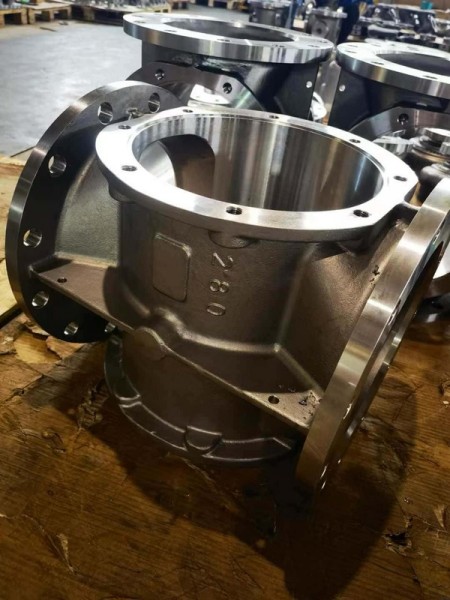
Perché scegliere l'acciaio per componenti di grandi dimensioni?
Quando si progetta componenti in acciaio di grandi dimensioni per l'industria pesante, la scelta del metodo di produzione e del materiale determina la durata del pezzo. Troviamo che la fusione di acciaio di grandi dimensioni spesso offre il miglior equilibrio tra integrità strutturale e libertà di progettazione, soprattutto rispetto alla lavorazione o alla forgiatura. Per applicazioni in miniere, energia e costruzioni, l'acciaio offre la duttilità e la resistenza agli urti necessarie per sopravvivere nelle zone di impatto più pesanti.
Confronto tra fusione di acciaio e forgiatura e ferro
Mentre la forgiatura offre elevata resistenza, è fortemente limitata dalle restrizioni di dimensione e dalla semplicità geometrica. La fusione di ferro è conveniente, ma spesso manca della resistenza alla trazione richiesta per applicazioni ad alta coppia. Fusione di acciaio colma questa lacuna, offrendo le proprietà meccaniche dell'acciaio con la versatilità geometrica della fusione.
| Caratteristica | Grande fusione di acciaio | Forgiatura | Fusione di ferro |
|---|---|---|---|
| Complessità del design | Alta (Cavità interne complesse) | Bassa (Solo forme semplici) | Alto |
| Resistenza all'impatto | Eccellente (Alta duttilità) | Eccellente | Moderato (Fragile) |
| Versatilità dei Materiali | Elevato (Leghe personalizzate come 4340, 17-4PH) | Limitata | Limitata |
| Scalabilità | Elevato (Conveniente per grandi parti) | Basso (Alti costi di attrezzaggio) | Alto |
Vantaggi del rapporto resistenza/peso superiore
Uno dei principali vantaggi di lavorare con un specialista fonderia di acciaio legato è la capacità di ottenere un rapporto resistenza/peso superiore. Attraverso ottimizzazione geometrica, possiamo ridurre il peso complessivo delle parti massicce senza compromettere l'integrità strutturale. Utilizzando leghe ad alta resistenza come acciaio legato 4140 e 4340, progettiamo componenti che sopportano carichi enormi rimanendo più leggeri rispetto alle controparti in ferro, il che è fondamentale per le macchine mobili pesanti dove l'efficienza del carburante e la capacità di carico sono importanti.
Flessibilità di progettazione per geometrie complesse
Colate di acciaio pesante consentono agli ingegneri di posizionare il metallo esattamente dove è necessario. A differenza delle lavorazioni saldate, che introducono punti di stress alle giunzioni, la fusione crea una struttura monolitica.
- Contorni complessi: Possiamo realizzare passaggi interni intricati e curve composte impossibili da lavorare da un blocco solido.
- Lavorazione di leghe: Possiamo modificare le composizioni chimiche (aggiungendo nichel o vanadio) per mirare a specifiche proprietà di resistenza all'usura o al calore nella forma finale.
Rapporto costo-efficacia su larga scala per parti pesanti
Per componenti in acciaio di grandi dimensioni, la fusione diventa significativamente più conveniente all'aumentare delle dimensioni delle parti. Il processo riduce al minimo gli sprechi rispetto alla lavorazione dal pieno, dove una percentuale significativa di lega costosa viene trasformata in trucioli. Il nostro approccio integrato, che combina la fusione con la lavorazione CNC interna, garantisce la ricezione di un componente “pronto per l'installazione”, riducendo i costi logistici e i tempi di consegna associati allo spostamento di parti massicce tra più fornitori.
Processi chiave per la fusione di grandi acciai
Produzione di grandi fusioni in acciaio richiede più di un semplice forno più grande; richiede un cambiamento fondamentale nella tecnologia di stampaggio per gestire le immense sollecitazioni termiche e fisiche. In Vastmaterial, facciamo molto affidamento su metodi avanzati di fusione in sabbia perché offrono la forza necessaria per contenere tonnellate di metallo fuso senza cedimenti, garantendo l'integrità strutturale richiesta per applicazioni gravose.
Metodi di fusione in sabbia senza cottura e con resina
Per fusioni pesanti in acciaio, la sabbia verde standard spesso manca della rigidità necessaria per mantenere tolleranze strette su lunghe campate. Noi utilizziamo fusione in sabbia senza cottura (resina) sistemi. Questo processo utilizza leganti chimici per indurire lo stampo a temperatura ambiente, creando una struttura rigida che resiste all'immensa pressione di una colata di acciaio massiccia. Questo approccio offre vantaggi distinti per la produzione su larga scala:
- Stabilità dimensionale superiore: Lo stampo mantiene saldamente la sua forma, prevenendo il movimento delle pareti.
- Finitura superficiale migliorata: Riduce la necessità di un'eccessiva rettifica post-fusione.
- Supporto di Geometria Complessa: Capace di gestire disegni di nuclei intricati senza collasso.
Tecniche di Asciugatura ad Aria per Colate Massicce
Quando si tratta di componenti in acciaio di grandi dimensioni, il tempismo e la resistenza dello stampo sono critici. Le nostre tecniche di asciugatura ad aria ci permettono di creare stampi massicci che si induriscono in modo prevedibile ed uniforme. Questo metodo è essenziale per fusioni industriali in acciaio dove lo stampo deve sostenere nuclei pesanti e geometrie interne complesse senza spostarsi durante il processo di colata. Controllando la velocità di indurimento, garantiamo che lo stampo sia pronto a resistere allo shock termico delle colate di lega ad alta temperatura.
Tecniche Adattate di Vastmaterial
Non seguiamo solo protocolli standard; adattiamo i nostri processi per massimizzare efficienza e qualità. Integrando principi da nostri guida alla fonderia di colata in acciaio, ottimizziamo i sistemi di alimentazione e i disegni dei riser per prevenire il restringimento nelle sezioni spesse, un problema comune nelle grandi parti. Utilizziamo anche approcci ibridi, impiegando sabbie di faccia specializzate per garantire che le superfici critiche soddisfino gli standard di alta precisione direttamente dallo stampo. Per gli ingegneri che valutano i metodi di produzione, il nostro confronto di colata di sabbia vs colata in stampo chiarisce perché queste tecniche di sabbia adattate sono la scelta superiore per la produzione di componenti pesanti e strutturali.
Selezione dei materiali per applicazioni esigenti

Quando affrontiamo un la fusione di acciaio di grandi dimensioni progetto, la scelta del materiale giusto non è solo una casella da spuntare—è la base delle prestazioni. In industrie pesanti come l'estrazione mineraria e l'energia, un componente massiccio è valido solo quanto il metallo da cui è versato. Agiamo come estensione del vostro team di ingegneria per garantire che la composizione chimica soddisfi i fattori di stress specifici della vostra operazione.
Acciaio al carbonio per l'integrità strutturale
Per progetti che richiedono un'integrità strutturale solida senza complessità inutili, colata in acciaio al carbonio rimane il cavallo di battaglia dell'industria. Offre la resistenza affidabile necessaria per strutture edilizie e basi infrastrutturali pesanti.
Acciaio Legato per Resistenza al Calore e all'Ammortamento
Quando l'ambiente diventa difficile, ci impegniamo a acciaio legato. Come specializzati fonderia di acciaio legato, ci concentriamo su gradi ad alte prestazioni come 4140 e 4340. Questi sono essenziali per applicazioni ad alta coppia dove il ferro standard fallirebbe. fusioni in acciaio resistente al calore Se i tuoi pezzi affrontano temperature estreme, i nostri.
utilizzano leghe a base di nichel per mantenere la stabilità sotto shock termici.
Siamo orgogliosi di offrire soluzioni di colata di acciaio su misura.. Non versiamo semplicemente miscele standard; adattiamo la chimica alle tue specifiche esatte.
- Indurimento per precipitazione: Realizziamo leghe come 17-4PH e 15-5PH per parti che richiedono alta resistenza e resistenza alla corrosione.
- Opzioni in acciaio inossidabile: Per ambienti marini o chimici, scegliere la giusta lega in acciaio inossidabile è fondamentale. Comprendere le sfumature, simili a quelle nella nostra guida di confronto tra acciaio inossidabile 416 e 316, garantisce che i tuoi componenti di grandi dimensioni non si corrodano prematuramente.
- Elevata durezza: Utilizziamo gradi come 440C per i componenti che richiedono un'eccezionale resistenza all'usura.
Sfide tecniche nella fusione di acciaio di grandi dimensioni e come superarle
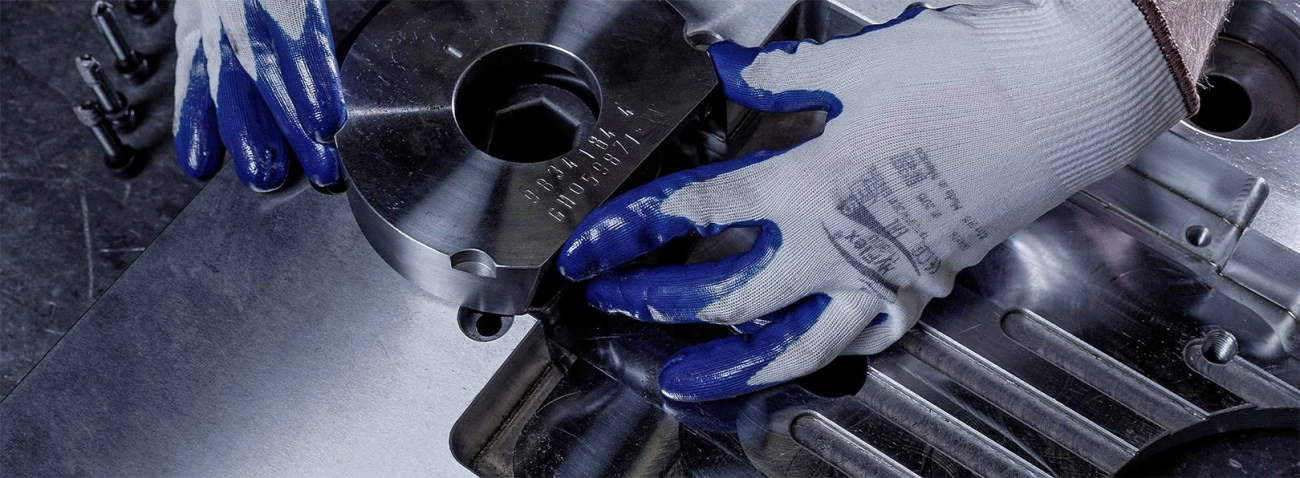
Produzione la fusione di acciaio di grandi dimensioni i componenti implica più che semplicemente ingrandire uno stampo; richiede la padronanza della fisica della solidificazione su vasta scala. Quando si ha a che fare con fusioni pesanti in acciaio, i rischi di difetti interni come ritiro e porosità aumentano significativamente. In Vastmaterial, non lasciamo l'integrità strutturale al caso. Affrontiamo ogni progetto concentrandoci sull'eliminazione ingegneristica dei potenziali punti di cedimento prima ancora che il metallo venga colato.
Mitigazione di ritiro, porosità e inclusioni
La sfida principale in componenti in acciaio di grandi dimensioni assicura che il metallo si solidifichi in modo uniforme. Se l'involucro esterno si raffredda troppo rapidamente mentre il centro rimane liquido, si formano cavità di restringimento. Affrontiamo questo problema attraverso design avanzati del sistema di colata che garantiscono un flusso continuo di metallo fuso verso le aree critiche. Inoltre, utilizziamo lega di acciaio per microfusione tecniche e filtri in ceramica per catturare le impurità, riducendo significativamente il rischio di inclusioni non metalliche che potrebbero indebolire il pezzo.
Controllo della deformazione tramite trattamento termico
Le grandi parti sono soggette a deformazioni durante il raffreddamento. Per prevenire deformazioni e crepe da stress, adottiamo cicli di trattamento termico precisi adattati alla lega specifica.
- Raffreddamento controllato: Regoliamo la velocità di raffreddamento per minimizzare lo shock termico.
- Rilassamento delle tensioni: I cicli di riscaldamento post-cast neutralizzano le tensioni residue, garantendo che il pezzo mantenga la sua forma durante le operazioni di lavorazione.
- Consistenza della lega: La nostra fusione per induzione elettrica garantisce una composizione chimica uniforme, prevenendo la macrosegregazione (miscela di lega incoerente) durante la colata.
Soluzioni per problemi comuni di colata
| Sfida | La nostra soluzione tecnica |
|---|---|
| Vuoti di restringimento | Software di simulazione per prevedere i percorsi di solidificazione e ottimizzare la posizione dei riser. |
| Porosità gassosa | Controllo rigoroso della permeabilità dello stampo e dei processi di degassaggio del metallo. |
| Deformazione | Fissaggio personalizzato durante il trattamento termico per mantenere la precisione dimensionale. |
| Difetti superficiali | Controllo non distruttivo rigoroso (particelle magnetiche e radiografiche) per verificare l'integrità superficiale e sottosuola. |
Gestione della logistica di colate massive richiede anche infrastrutture specializzate. Dai disegni di stampi rinforzati in grado di resistere a immense pressioni idrostatiche, alle attrezzature di movimentazione pesanti, il nostro stabilimento è ottimizzato per consegnare fusioni industriali in acciaio che siano prive di difetti e pronte per gli ambienti più difficili.
Servizi secondari: dalla fusione al componente pronto all'uso
Produrre una fusione grezza è solo metà della battaglia. Per consegnare un prodotto veramente funzionale la fusione di acciaio di grandi dimensioni, integriamo lavorazioni di grandi parti in acciaio direttamente nel nostro flusso di produzione. Combinando le capacità di fonderia con centri CNC avanzati, garantiamo che anche i componenti più pesanti rispettino strette tolleranze dimensionali senza il problema logistico di spostare le parti tra più fornitori. La nostra completa guida alla lavorazione delle fusioni spiega come colmiamo il divario tra colature grezze e specifiche finali per garantire una vestibilità perfetta.
Ottimizziamo le proprietà meccaniche di ogni componente attraverso un rigoroso post-processo:
- Trattamenti Termici: Utilizziamo cicli di tempra, rinvenimento e ferritizzazione precisi per migliorare durezza e durabilità, fondamentali per fusioni in acciaio resistente al calore utilizzato in ambienti estremi.
- Finitura superficiale: Dalla sabbiatura ai rivestimenti specializzati, prepariamo le superfici per resistere alla corrosione e all'usura.
- Controllo Non Distruttivo (NDT): Validiamo l'integrità interna utilizzando l'Ispezione con Particelle Magnetiche (MPI) e i Test Radiografici (RT) per rilevare eventuali difetti sottosuperficiali prima della spedizione.
Ogni progetto è accompagnato da piena tracciabilità. Forniamo Rapporti di Prova del Materiale (MTR) certificati e garantiamo la conformità agli standard ASTM e AISI, dandoti la sicurezza che i tuoi grandi fusori di precisione siano sicuri, conformi e pronti per l'installazione immediata.
Applicazioni industriali e impatto nel mondo reale

Forniamo la fusione di acciaio di grandi dimensioni soluzioni in cui il fallimento semplicemente non è un'opzione. La nostra fonderia si concentra sulla produzione di componenti che fungono da spina dorsale per le industrie pesanti, garantendo la continuità operativa negli ambienti più difficili. Dalle profondità di una miniera alle piattaforme offshore ad alta pressione, i nostri pezzi sono progettati per funzionare.
Miniere e Attrezzature Pesanti
Nel settore minerario, le attrezzature affrontano un'usura costante e carichi di impatto enormi. Produciamo fusioni pesanti in acciaio progettati per la sopravvivenza.
- Parti di Usura: Realizziamo denti di benne di escavatori durevoli, rivestimenti di frantumatori e componenti di mulini a grind using acciai legati di alta qualità.
- Portata di Carico: Il nostro fusione pesante personalizzata fornire l'integrità strutturale necessaria per camion di trasporto e piattaforme di perforazione.
- Durata: Utilizzando materiali resistenti all'usura come l'acciaio al manganese, estendiamo la vita utile delle macchine, riducendo i tempi di inattività nelle operazioni di estrazione critiche.
Energia: Petrolio & Gas e Generazione di Energia
L'affidabilità è fondamentale quando si trattano risorse volatili e reti di distribuzione dell'energia. Forniamo componenti di precisione che rispettano rigorosi standard di sicurezza.
- Corpi delle Valvole: Produciamo fusioni resistenti alla pressione per attrezzature di estrazione di petrolio e gas in grado di resistere a pressioni estreme sott'acqua e ambienti corrosivi.
- Componenti della turbina: Il nostro stabilimento realizza parti in lega resistente al calore per componenti di turbine a gas, garantendo stabilità ed efficienza durante i cicli di generazione di energia ad alta temperatura.
- Applicazioni marine: Forniamo fusioni in acciaio inossidabile resistenti alla corrosione per pompe e sistemi di propulsione utilizzati nelle imbarcazioni marine.
Elementi di costruzione e strutturali
L'infrastruttura moderna richiede componenti in acciaio di grandi dimensioni che offrano rapporti resistenza/peso superiori.
- Nodi Strutturali: Realizziamo nodi di connessione complessi per ponti e stadi che non possono essere fabbricati solo mediante saldatura.
- Strutture di Macchinari Pesanti: Il nostro fusioni industriali in acciaio servono come telai e supporti per gru e attrezzature per movimento terra.
- Metallurgia: Forniamo scuderie resistenti al calore e recipienti per scorie usati negli impianti di lavorazione dei metalli, progettati per resistere allo shock termico.
Perché scegliere Vastmaterial per le tue esigenze di grandi fusioni in acciaio
Quando lavori con componenti industriali di dimensioni enormi, hai bisogno di un partner di produzione che comprenda le sfide. Funzioniamo come un'estensione diretta del tuo team di ingegneria, garantendo che ogni la fusione di acciaio di grandi dimensioni risponde alle rigorose esigenze delle applicazioni pesanti. Il nostro obiettivo è andare oltre il ruolo di venditore standard e fornire un supporto ingegneristico completo dalla progettazione alla consegna.
Infrastrutture ad alta capacità e R&S
Abbiamo costruito la nostra struttura per gestire il sollevamento pesante richiesto dai settori minerario, energetico e delle costruzioni. Come fonderia di acciaio ad alta capacità, utilizziamo la fusione per induzione elettrica ad alta efficienza. Questa tecnologia ci permette di gestire colate di grandi dimensioni mantenendo una precisa coerenza chimica in tutto il lotto. Il nostro team di R&S lavora costantemente per ottimizzare i design geometrici, aiutando a ridurre il peso delle grandi parti senza sacrificare l'integrità strutturale o la durabilità.
Controllo end-to-end e focus sulla precisione
Non ci limitiamo a versare metallo; consegniamo soluzioni finite. Il nostro processo integra tecniche di colata avanzate con centri di lavorazione CNC interni. Questo ci permette di trasformare una fusione grezza in un componente “pronto per l'installazione” con tolleranze dimensionali strette. Sfruttando le nostre fonderia di colata di precisione capacità, eliminiamo la necessità di officine di lavorazione di terze parti, semplificando la vostra catena di approvvigionamento e riducendo i tempi di consegna.
Requisiti complessi ad alte specifiche per incontri
Le soluzioni standard spesso falliscono in ambienti estremi. Siamo specializzati in soluzioni di colata di acciaio su misura. su misura per le vostre specifiche sollecitazioni operative. Che il vostro progetto richieda acciaio legato 4340 ad alto torque, gradi di indurimento per precipitazione come 17-4PH, o ghisa resistente all'usura, aderiamo rigorosamente agli standard ASTM e AISI. Il nostro impegno per la qualità è supportato da controlli NDT (Test Non Distruttivi) e Rapporti di Prova Materiali (MTR) certificati, garantendo la tracciabilità totale di ogni pezzo che spediamo.
Domande frequenti sui grandi fusori in acciaio
Qual è il limite di peso per grandi fusori in acciaio?
La nostra struttura è progettata per gestire colate sostanziali per fusioni pesanti in acciaio. Mentre i limiti di peso specifici dipendono dalla geometria complessa e dalla qualità dell'lega richiesta, ci specializziamo nell'aumentare la produzione per settori pesanti come l'estrazione mineraria e l'edilizia. Ci concentriamo sull'ottimizzazione geometrica per garantire che anche le parti più massicce mantengano l'integrità strutturale senza ingombro inutile.
Come prevenite difetti nei grandi fusori?
Il controllo qualità è fondamentale quando si gestiscono grandi volumi di metallo fuso. utilizziamo la fusione ad induzione elettrica per garantire la coerenza chimica e ridurre le impurità. Per individuare problemi interni come porosità o restringimenti, adottiamo rigorosi, inclusi Test non distruttivi (NDT) protocollo di qualità delle fonderie di acciai legati.
metodi come l'ispezione con particelle magnetiche (MPI) e i test radiografici (RT).
Quali leghe sono le migliori per ambienti ad alta tensione? Selezionare il materiale giusto è fondamentale per la longevità. Per applicazioni ad alta coppia, spesso consigliamo a causa della sua superiore resistenza. Se il tuo progetto coinvolge ambienti corrosivi o richiede indurimento per precipitazione, 17-4PH è un forte candidato. Possiamo guidarti attraverso i nostri processi di fusione di leghe e utilizzi per trovare la qualità esatta che soddisfa i tuoi requisiti meccanici.
Puoi lavorare in-house grandi fusione?
Sì. Funzioniamo come soluzione completa. La nostra struttura include integrato Centri di lavorazione CNC capace di gestire, lavorazioni di grandi parti in acciaio. Questo ci permette di prendere una fusione grezza, eseguire lavorazioni di precisione con tolleranze strette e consegnare un componente pronto per l'installazione immediata, risparmiandoti il problema logistico di utilizzare officine di lavorazione di terze parti.
Pingback: Produttore di fusioni agricole per parti OEM di trattori e mietitrebbiatrici - vast-cast.com