
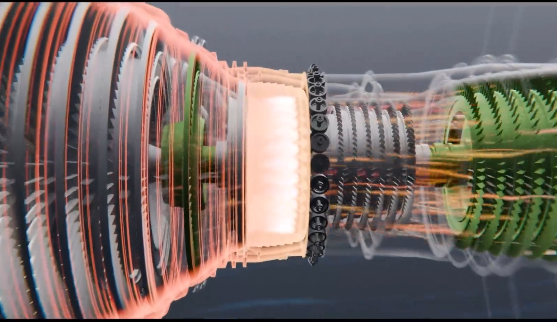
Learn superalloy material classification and product applications in aerospace energy and chemical industries.
What Makes Superalloys Unique? Core Properties and Strengthening Mechanisms
Superalloys stand as a critical class of heat-resistant alloys, engineered to excel in environments where extreme heat and stress would cause conventional metals to fail. Their unique performance stems from a combination of intrinsic core properties and sophisticated strengthening mechanisms. Primarily, superalloys exhibit exceptional high-temperature mechanical strength and superior creep resistance, meaning they resist deformation under prolonged stress at elevated temperatures. We also rely on their excellent oxidation and corrosion resistance, maintaining structural integrity in harsh chemical atmospheres, alongside robust surface stability and impressive thermal fatigue performance, enduring repeated heating and cooling cycles without degradation.
Key strengthening mechanisms empower these high-temperature alloys:
- Solid Solution Strengthening: Alloying elements like Molybdenum (Mo) and Tungsten (W) are dissolved in the matrix, distorting the crystal lattice and hindering dislocation movement.
- Precipitation Hardening: This is a cornerstone, especially in nickel-based superalloys, where coherent intermetallic phases, such as the gamma prime (γ’) phase (Ni₃Al, Ti), form. These finely dispersed particles effectively block dislocation motion, significantly enhancing strength.
- Carbide Formation: Carbon combines with elements like Chromium (Cr) and Tungsten, forming stable carbides that strengthen grain boundaries and contribute to overall rigidity.
The precise performance of a superalloy is meticulously tuned by its alloying elements. Chromium (Cr) is vital for oxidation resistance, while Aluminum (Al) and Titanium (Ti) are key for γ’ precipitation. Molybdenum (Mo), Tungsten (W), and Tantalum (Ta) contribute to solid solution strengthening and high-temperature stability, making superalloys indispensable for demanding applications.
Primary Classification of Superalloys
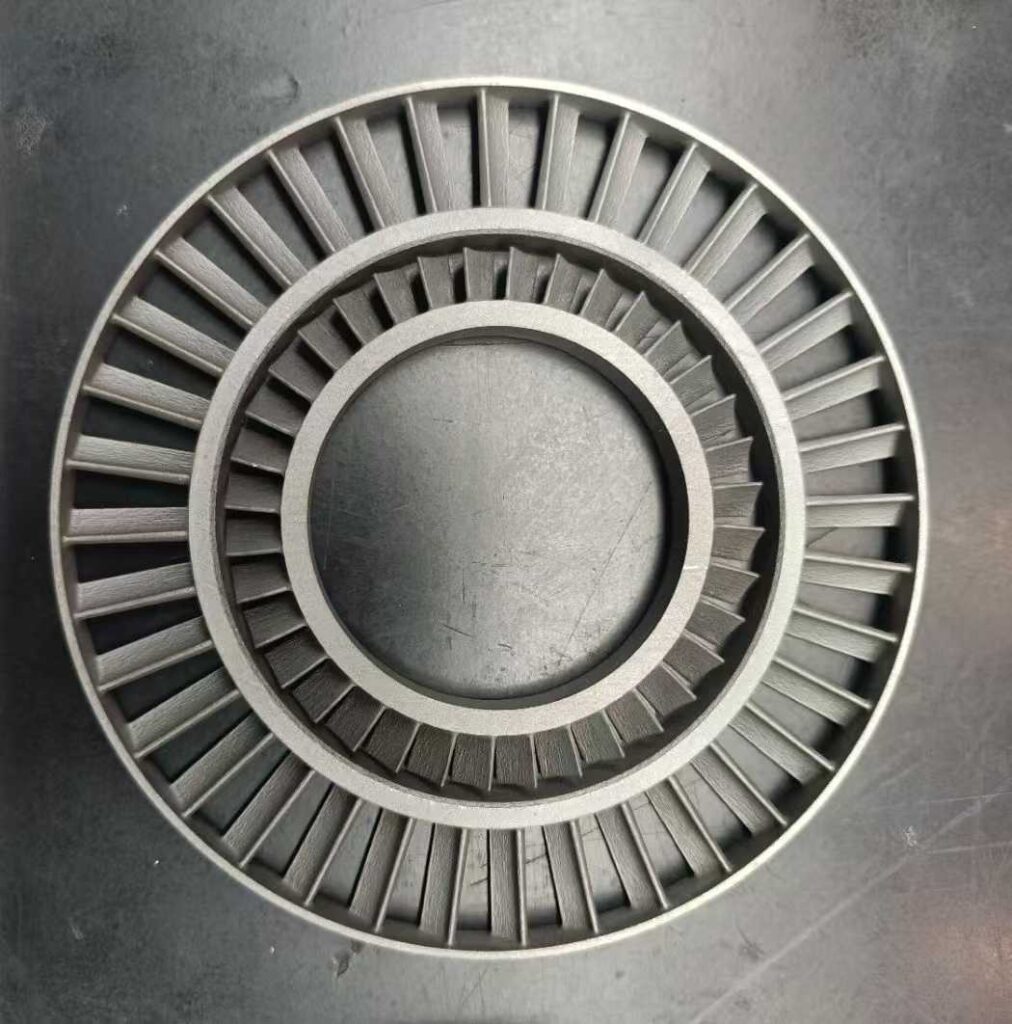
When we talk about superalloys, we’re mainly looking at three big families, each with specific strengths. Understanding these classifications is key to picking the right material for demanding jobs, especially in high-temperature applications.
Nickel-Based Superalloys: The Industry Standard
Nickel-based superalloys are by far the most common, accounting for roughly 70% of all superalloy uses. Their core is predominantly nickel (over 50%), often combined with elements like cobalt, chromium, aluminum, and titanium to boost performance. These high-temperature alloys come in various forms:
- Wrought vs. Cast: Depending on whether they are formed by mechanical working or pouring into a mold.
- Polycrystalline vs. Directionally Solidified vs. Single-Crystal: Single-crystal varieties offer superior creep resistance and strength at extreme temperatures, crucial for turbine blades.
You’ll recognize names like Inconel alloys (e.g., Inconel 718, Inconel 625), Hastelloy superalloys, Waspaloy, Rene alloys, and the CMSX series as prime examples.
Cobalt-Based Superalloys: Built for Tough Environments
Cobalt-based superalloys are based on cobalt, typically alloyed with chromium, tungsten, and molybdenum. These heat-resistant superalloys are prized for their exceptional hot corrosion and oxidation resistance, making them ideal for environments where extreme chemical stability is needed. Common examples include Haynes 188, Stellite, and the Mar-M series. In fact, specialized alloys like certain cobalt-chromium-molybdenum formulations are used in demanding applications such as hip joint machining services.
Iron-Based Superalloys: A Smart, Cost-Effective Option
While not always featuring the absolute highest temperature capability, Iron-based superalloys are an excellent, more cost-effective alternative. They consist of an austenitic iron matrix with significant nickel additions, providing a good balance of strength, corrosion resistance, and affordability. Key examples include A-286, the Incoloy 800/825 series, and Alloy 901.
Other Niche Superalloy Variants
Beyond these main three, there are also specialized categories for specific needs. These include titanium-based and niobium-based superalloys, as well as oxide-dispersion-strengthened (ODS) variants, which get their strength from fine, stable oxide particles.
Superalloy Product Applications Across Industries
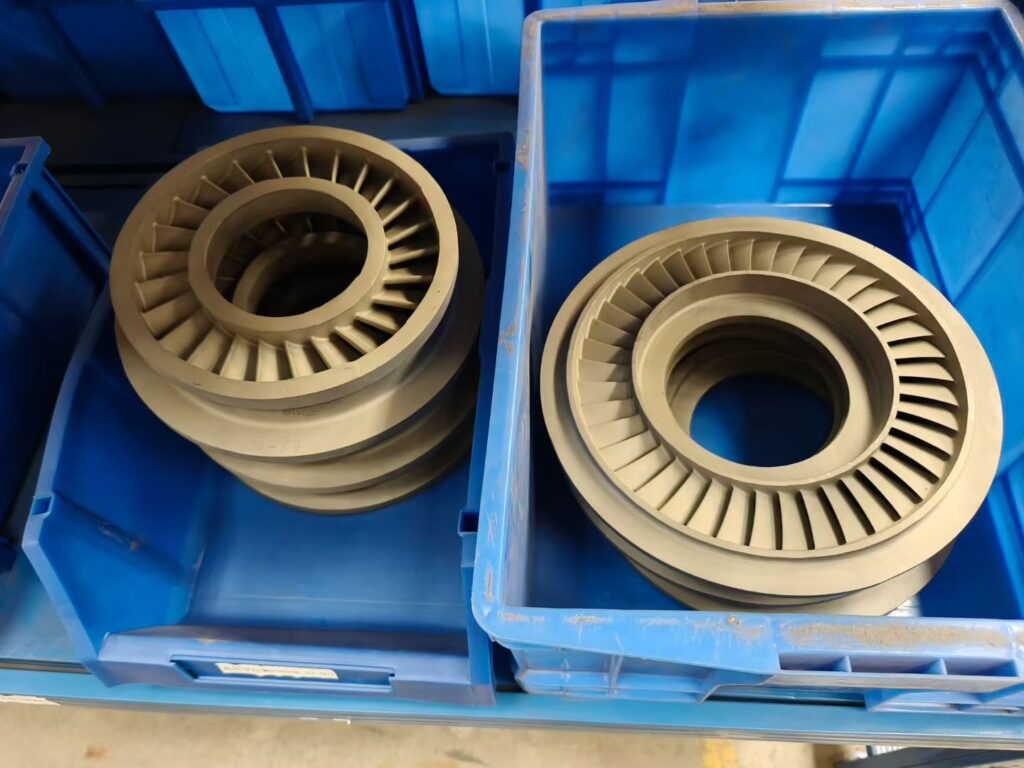
Superalloys are essential materials, driving innovation across a wide range of demanding industries. We see these high-performance alloys used where extreme conditions like high temperatures, aggressive environments, and intense mechanical stress are the norm.
Aerospace and Aviation Superalloys
In aerospace, superalloys are absolutely critical. Their ability to maintain strength and stability at very high temperatures makes them indispensable for aircraft and rocket propulsion.
- Gas Turbine Engines: This is a prime application, especially for components like turbine blades, discs, vanes, and combustors. Nickel-based superalloys, particularly single-crystal variants, are specifically engineered for the hottest sections of these engines, allowing for greater efficiency and power.
- Rocket Engines and Exhaust Systems: The extreme heat and pressure in rocket propulsion systems demand materials that won’t fail, making heat-resistant superalloys a go-to choice.
- Structural Components: Any part needing a high strength-to-weight ratio at elevated temperatures, common in aircraft frames and engine mounts, often incorporates aerospace superalloys.
Power Generation and Energy Sector
The energy industry relies heavily on superalloys for durability and efficiency in high-temperature operations.
- Industrial Gas and Steam Turbines: Similar to aircraft engines, land-based turbines for power generation use superalloys for their blades and other hot section parts to withstand continuous high heat.
- Nuclear Reactors: Within nuclear facilities, certain core components and fuel cladding utilize superalloys due to their excellent corrosion resistance and ability to handle radiation and high temperatures.
- Land-Based Power Plants: We find these high-temperature alloys in heat exchangers and boiler tubes, where they resist scaling and degradation under constant heat.
Chemical, Petrochemical Processing, and Oil & Gas
Industries handling corrosive chemicals and extreme temperatures depend on superalloys to ensure safety and operational longevity.
- Reactors, Heat Exchangers, and Piping: In chemical and petrochemical plants, superalloys form the backbone of equipment that processes aggressive fluids at high temperatures, preventing costly downtime and failures.
- Oil & Gas: Downhole tools, valves, and specialized tubing in oil and gas extraction often use superalloys to resist corrosion from sour gas and maintain integrity under high pressure and temperature in deep wells.
Other High-Performance Superalloy Sectors
Beyond the primary industries, superalloys also enable advancements in several other critical areas.
- Medical Implants and Surgical Instruments: Biocompatible variants of superalloys are used in medical devices due to their corrosion resistance and strength, ensuring long-term performance and patient safety.
- Automotive Turbocharger Components: To boost engine performance and efficiency, superalloys are essential for turbocharger parts that endure intense exhaust heat.
- Marine Turbine Engines and Exhaust Systems: Just like in aviation, marine applications for turbines benefit from the heat and corrosion resistance of these advanced materials.
- Industrial Furnaces and Heat Treatment Equipment: Components like furnace linings, trays, and fixtures that operate continuously at high temperatures rely on superalloys to prevent deformation and degradation. Many of these specialized components, requiring precise shapes and durability, are often manufactured using advanced techniques, similar to how leading manufacturers use precision casting for other demanding applications. We often work with partners who are top stainless steel casting manufacturers to ensure the highest quality.
Comparing Superalloy Types: Your Selection Guide
Choosing the right superalloy is critical for optimal performance and cost-effectiveness. Different superalloy types offer distinct advantages based on their base elements and alloying compositions. This guide helps you understand the key differences between nickel-based superalloys, cobalt-based superalloys, and iron-based superalloys to make an informed decision for your project.
Superalloy Comparison Chart
Understanding the core properties is key when selecting high-temperature alloys. Here’s a quick overview of how the main superalloy types stack up:
| Superalloy Type | Max Temperature Capability | Corrosion Resistance | Strength (High Temp) | Weldability | Relative Cost |
|---|---|---|---|---|---|
| Nickel-Based | Highest | Excellent | Excellent | Moderate-Good | Highest |
| Cobalt-Based | Very High | Excellent | Very Good | Good | High |
| Iron-Based | High | Good-Very Good | Good | Good | Moderate |
When to Choose Each Superalloy Type
Your choice of superalloy type depends heavily on the specific demands of your application:
- Nickel-based superalloys are the go-to for the most extreme conditions requiring superior high-temperature strength and creep resistance, often seen in aerospace and advanced power generation components.
- Cobalt-based superalloys excel in hot corrosion and oxidation resistance, making them ideal for environments where surface stability and wear resistance are paramount, such as in certain turbine parts and industrial furnace components.
- Iron-based superalloys provide a more cost-effective solution with good high-temperature strength and corrosion resistance for applications that don’t require the absolute highest performance, like some chemical processing equipment or less demanding engine parts.
Critical Material Selection Factors
Effective material selection involves weighing several factors beyond just the superalloy type. Consider these key points:
- Operating Temperature: This is often the primary driver. Higher temperatures generally necessitate more advanced nickel- or cobalt-based alloys.
- Environment: Is the environment oxidizing, sulfidizing, or highly corrosive? This impacts the required corrosion resistance and oxidation resistance.
- Cost: Balancing performance requirements with budget constraints is crucial. Iron-based alloys offer a good balance of performance and value.
- Fabrication Methods: The ease of manufacturing, including processes like forging, casting, and weldability, can influence the final choice and overall project cost.
Emerging Trends and Future Outlook for Superalloys
We are consistently seeing superalloys evolve, with new advancements pushing the boundaries of what these high-performance materials can achieve. The future of high-temperature alloys is being shaped by several key innovations that promise even greater efficiency and reliability in demanding applications.
Advancements in Superalloy Manufacturing
Significant progress is being made in developing advanced single-crystal superalloys and powder metallurgy superalloys. These sophisticated methods create materials with superior microstructures, leading to enhanced mechanical properties and improved performance at extreme temperatures. This continuous refinement in how these superalloys are formed is critical to their future in sectors like aerospace. We’re always investing in and observing these manufacturing processes to ensure top-tier material quality. Our advanced manufacturing processes are key to delivering these high-performance materials.
The Rise of Additive Manufacturing for Superalloys
Additive manufacturing, commonly known as 3D printing, is revolutionizing how complex superalloy components are produced. This technology allows for the creation of intricate geometries and optimized designs that are difficult or impossible with traditional manufacturing methods. This not only significantly reduces material waste but also enables faster prototyping and opens up new possibilities for aerospace superalloys and other critical applications.
Sustainable Superalloy Practices
Sustainability is an increasingly important aspect of superalloy development. This includes developing more efficient new alloy formulations that perform better with less material, as well as advancing techniques for recycling existing heat-resistant superalloys. These efforts aim to reduce the environmental impact and conserve valuable resources while maintaining or even enhancing performance standards.
Reliable Superalloy Stock from Leading Suppliers
As these technologies advance, the role of reliable suppliers remains paramount. We ensure access to certified, high-quality superalloy stock, meeting the stringent demands of various industries. Our commitment is to provide the best materials for your critical applications, supporting innovation with consistent product excellence, whether you need specialized casting alloys or other forms. We provide high-quality casting alloys to meet diverse industrial needs.
Frequently Asked Questions About Superalloys
We often get questions about superalloys and their capabilities. Here are some of the most common inquiries we receive, helping you better understand these critical high-temperature alloys.
What Exactly are Superalloys and Why are They So Important?
Superalloys are advanced metallic materials designed to maintain exceptional mechanical strength, surface stability, and resistance to creep, oxidation, and corrosion at extremely high temperatures—often over 1200°F (650°C). Their importance cannot be overstated; they are indispensable for applications operating in severe conditions where conventional metals would fail. These heat-resistant alloys are the backbone of modern aerospace, power generation, and chemical processing industries, enabling higher efficiency and safety.
How Do Nickel-Based Superalloys Differ from Cobalt- or Iron-Based Types?
The primary distinction lies in their base metal and characteristic properties.
- Nickel-based superalloys: These are the most common and offer the best combination of high-temperature strength and creep resistance alloys, primarily due to their superior precipitation hardening capabilities (especially the gamma-prime phase). They are the go-to for the hottest sections of jet engines.
- Cobalt-based superalloys: Known for their excellent hot corrosion and oxidation resistant materials properties, they often contain higher amounts of chromium and are ideal for components requiring extreme surface stability, though they may have slightly lower high-temperature strength compared to nickel alloys under certain stresses.
- Iron-based superalloys: These are generally more cost-effective. While still offering good high-temperature strength and corrosion resistance, their maximum operating temperature is typically lower than their nickel or cobalt counterparts. They are often used in less extreme environments or as a more economical alternative.
Which Industries Benefit Most from Superalloys?
Several sectors heavily rely on the unique properties of superalloys.
- Aerospace and Aviation: This is perhaps the biggest user, with aerospace superalloys forming critical components like gas turbine blades, vanes, and combustors in jet engines.
- Power Generation: Industrial gas turbines, steam turbines, and nuclear reactors depend on these materials for efficiency and safety.
- Chemical and Petrochemical Processing: Reactors, heat exchangers, and piping handling corrosive and high-temperature chemicals.
- Automotive: Turbocharger components are a growing application.
- Marine: Marine turbine engines and exhaust systems.
- Medical: Certain biocompatible variants are used in implants.
What Strengthening Mechanisms Improve Superalloy Performance?
The remarkable performance of high-temperature alloys comes from several key metallurgical techniques:
- Solid Solution Strengthening: Adding alloying elements that dissolve into the base metal’s crystal structure, impeding dislocation movement.
- Precipitation Hardening: Forming finely dispersed, coherent particles (like the gamma-prime phase in nickel-based superalloys) that act as barriers to deformation.
- Carbide Formation: Introducing elements that form stable carbides at grain boundaries, enhancing strength and creep resistance.
How Do I Select the Right Superalloy for My Specific Application?
Choosing the correct superalloy requires careful consideration of several factors:
- Operating Temperature: The most critical factor, dictating which alloy family is even viable.
- Environmental Conditions: Is it an oxidizing, sulfidizing, or highly corrosive atmosphere?
- Required Mechanical Properties: Strength, creep resistance, fatigue life, etc.
- Cost: Balancing performance needs with budget constraints.
- Fabrication Methods: Weldability, machinability, and castability.
We recommend consulting with experts or your supplier to ensure you select the optimal heat-resistant alloy for your project.
What Are the Latest Innovations in Superalloy Technology?
The field of superalloys is constantly evolving. Key innovations include:
- Single Crystal Superalloys: Eliminating grain boundaries to drastically improve creep and fatigue resistance, especially in gas turbine blades.
- Powder Metallurgy: Creating more homogeneous structures and enabling complex alloy compositions.
- Additive Manufacturing: Utilizing techniques like 3D printing to produce complex geometries with reduced material waste and improved performance.
These advancements continue to push the boundaries of what high-temperature alloys can achieve.
Where Can I Source Premium Superalloy Materials Reliably?
When it comes to sourcing superalloys, reliability and quality are paramount. We pride ourselves on providing certified, high-quality high-temperature alloy stock to meet the stringent demands of industries requiring these advanced materials. For more common questions and detailed information on our offerings, please visit our FAQs page. To explore our range of high-temperature alloy products, you can also check out our products page.### Frequently Asked Questions About Superalloys
We often get questions about superalloys and their capabilities. Here are some of the most common inquiries we receive, helping you better understand these critical high-temperature alloys.
What Exactly are Superalloys and Why are They So Important?
Superalloys are advanced metallic materials designed to maintain exceptional mechanical strength, surface stability, and resistance to creep, oxidation, and corrosion at extremely high temperatures—often over 1200°F (650°C). Their importance cannot be overstated; they are indispensable for applications operating in severe conditions where conventional metals would fail. These heat-resistant alloys are the backbone of modern aerospace, power generation, and chemical processing industries, enabling higher efficiency and safety.
How Do Nickel-Based Superalloys Differ from Cobalt- or Iron-Based Types?
The primary distinction lies in their base metal and characteristic properties.
- Nickel-based superalloys: These are the most common and offer the best combination of high-temperature strength and creep resistance alloys, primarily due to their superior precipitation hardening capabilities (especially the gamma-prime phase). They are the go-to for the hottest sections of jet engines.
- Cobalt-based superalloys: Known for their excellent hot corrosion and oxidation resistant materials properties, they often contain higher amounts of chromium and are ideal for components requiring extreme surface stability, though they may have slightly lower high-temperature strength compared to nickel alloys under certain stresses.
- Iron-based superalloys: These are generally more cost-effective. While still offering good high-temperature strength and corrosion resistance, their maximum operating temperature is typically lower than their nickel or cobalt counterparts. They are often used in less extreme environments or as a more economical alternative.
Which Industries Benefit Most from Superalloys?
Several sectors heavily rely on the unique properties of superalloys.
- Aerospace and Aviation: This is perhaps the biggest user, with aerospace superalloys forming critical components like gas turbine blades, vanes, and combustors in jet engines.
- Power Generation: Industrial gas turbines, steam turbines, and nuclear reactors depend on these materials for efficiency and safety.
- Chemical and Petrochemical Processing: Reactors, heat exchangers, and piping handling corrosive and high-temperature chemicals.
- Automotive: Turbocharger components are a growing application.
- Marine: Marine turbine engines and exhaust systems.
- Medical: Certain biocompatible variants are used in implants.
What Strengthening Mechanisms Improve Superalloy Performance?
The remarkable performance of high-temperature alloys comes from several key metallurgical techniques:
- Solid Solution Strengthening: Adding alloying elements that dissolve into the base metal’s crystal structure, impeding dislocation movement.
- Precipitation Hardening: Forming finely dispersed, coherent particles (like the gamma-prime phase in nickel-based superalloys) that act as barriers to deformation.
- Carbide Formation: Introducing elements that form stable carbides at grain boundaries, enhancing strength and creep resistance.
How Do I Select the Right Superalloy for My Specific Application?
Choosing the correct superalloy requires careful consideration of several factors:
- Operating Temperature: The most critical factor, dictating which alloy family is even viable.
- Environmental Conditions: Is it an oxidizing, sulfidizing, or highly corrosive atmosphere?
- Required Mechanical Properties: Strength, creep resistance, fatigue life, etc.
- Cost: Balancing performance needs with budget constraints.
- Fabrication Methods: Weldability, machinability, and castability.
We recommend consulting with experts or your supplier to ensure you select the optimal heat-resistant alloy for your project.
What Are the Latest Innovations in Superalloy Technology?
The field of superalloys is constantly evolving. Key innovations include:
- Single Crystal Superalloys: Eliminating grain boundaries to drastically improve creep and fatigue resistance, especially in gas turbine blades.
- Powder Metallurgy: Creating more homogeneous structures and enabling complex alloy compositions.
- Additive Manufacturing: Utilizing techniques like 3D printing to produce complex geometries with reduced material waste and improved performance.
These advancements continue to push the boundaries of what high-temperature alloys can achieve.
Where Can I Source Premium Superalloy Materials Reliably?
When it comes to sourcing superalloys, reliability and quality are paramount. We pride ourselves on providing certified, high-quality high-temperature alloy stock to meet the stringent demands of industries requiring these advanced materials. For more common questions and detailed information on our offerings, please visit our FAQs page. To explore our range of high-temperature alloy products, you can also check out our products page.