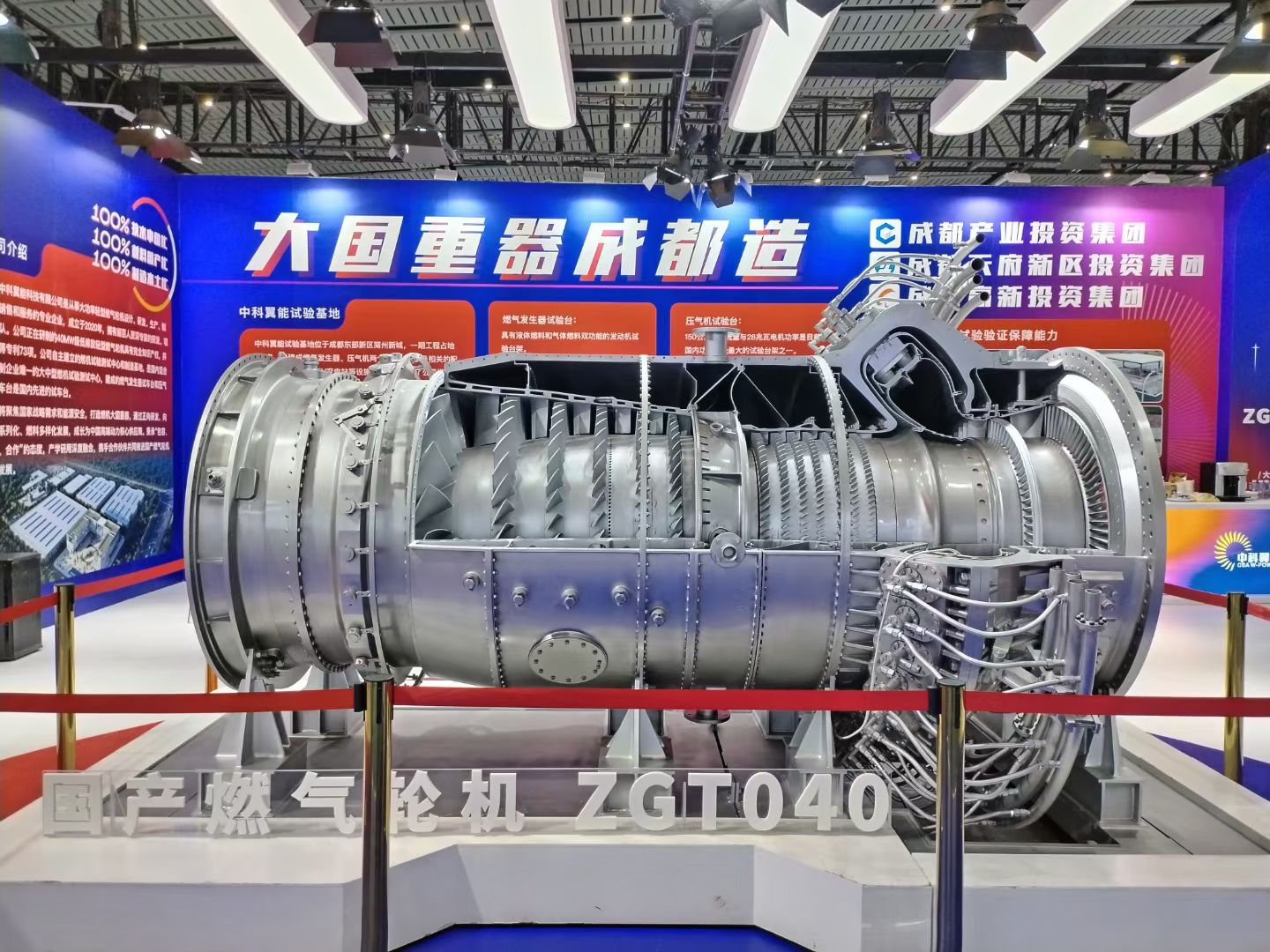
Explore high-quality investment materials for casting including silica sol binders and zircon flours to ensure precision and reduce defects.
Får du vanske med å oppnå ein feilfri overflatefinish på metalldelane dine?
Å velje riktig investering for støping—frå binder til refraktær mjøl er den enkelt største variabelen i Foundry-en din sin suksess.
Som industriell materialspesialist hos Vastmateriale, veit eg at eit svakt skall fører til kostbare feil. Eg kjem til å dele innsikt basert på verkeleg metallurgisk vitskap, ikkje berre generell teori.
I denne guida vil du oppdage dei kritiske ordføringane mellom Zirkon, Mullitt, og Silika Sol, og korleis du kan konstruere den perfekte forma for høg presisjon.
La oss optimere prosessen din.
Forstå Investment Casting Shell System
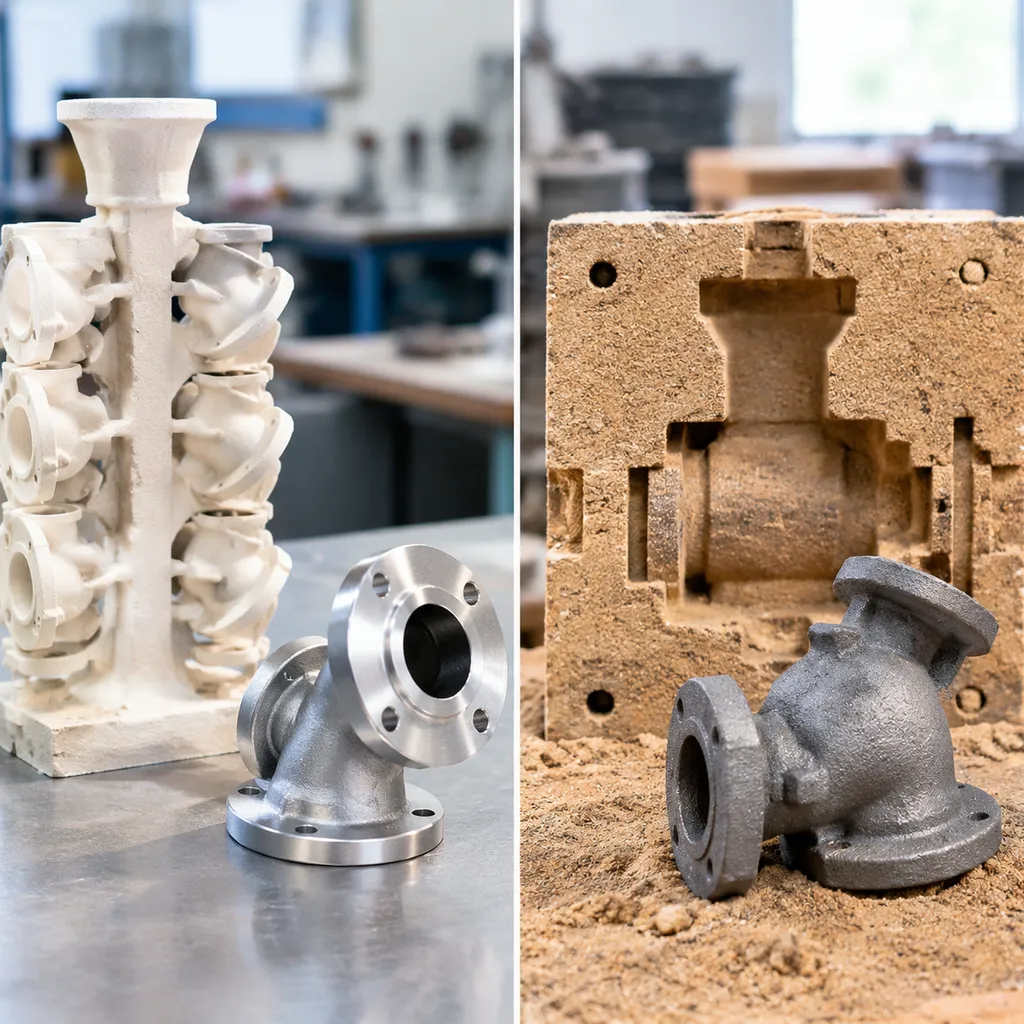
I verda av presisjonsproduksjon refererer omgrepet “investment” til keramisk støpeforma som omfamnar – eller “investerer” – vaxmønsteret. Hos Haoyu Material kjenner vi til at integriteten til dette skallet er den eine viktigaste faktoren for å oppnå stramme toleransar og førsteklasses overflatefinish. Når du skaffar investering for støping, så kjøper du ikkje berre sand og bindemiddel; du er med på å utforme fartøyet som definerer sluttproduktet ditt sine kvalitet.
Gipsbasert vs. keramisk skalinvestering
Det er ofte forvirring mellom dei to hovudtypane av investeringsformer. Det er avgjerande å velje rett system basert på legeringa du hell:
- Gipsbaserte investeringar: Vanleg brukt for ikkje-jernholdige metallar med lågare smeltepunkt, som gull, sølv og aluminium. Desse er vanleg i smykke- og kunststøyping, men manglar varmegard for industrielle stålapplikasjonar.
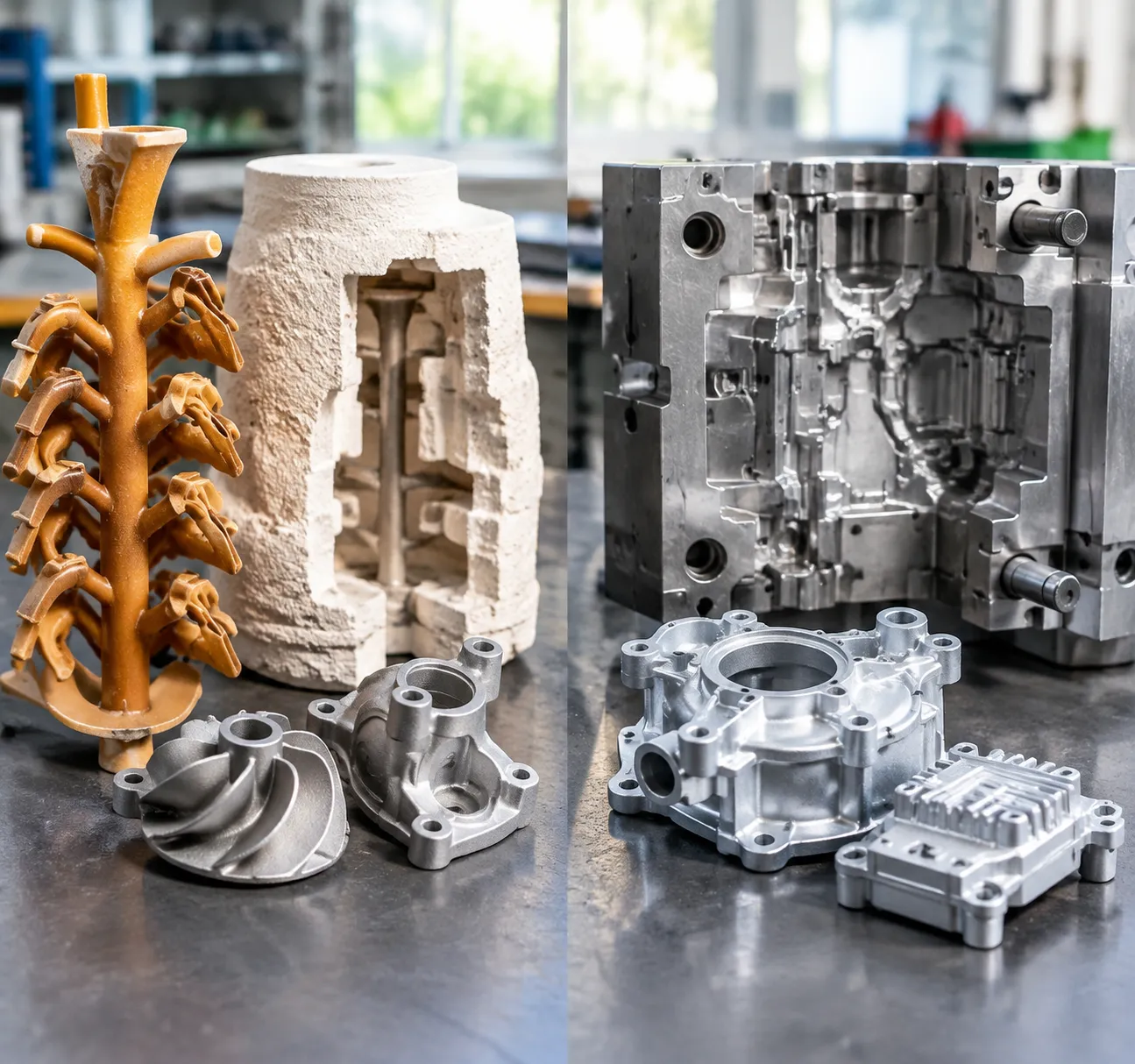
- Keramisk Skal Investeringar: Dette er vårt fagfelt. Desse er designa for vokskunstprosessen som involverer jernholdige metallar (rustfritt stål, karbonstål) og superlege, desse skallane er avhengige av høg-graders motstandsmaterialar. Vi produserer kjernekomponentane—Silika Sol bindemiddel og refraktære tilslag—som gjer at desse skallane tål helltemperaturar over 1600°C utan spraging eller degradering.
Lagskapskonseptet: Ansiktslag vs. Tilbakelag
Ein robust keramisk skallstøping forma blir bygd i lag, kvar av dei har ein tydleg rolle i det investering og støyping syklus. Vi tilrår kundane våre å behandle slam-samansetningen forskjellig for primær- og sekundærlag for å optimalisere både ytelse og kostnad.
1. Face Coat (Primærlag)
Dette er det viktigaste laget fordi det er i direkte kontakt med den smelta metalla. Det avgjer overflateråheit (Ra) og reproduksjon av fint detalj.
- Materiale: Vi tilrår høg reinleik Zirkon-pulver og Zirkon-sand for dette laget.
- Funksjon: Zircon tilbyr særs høg motstandsdyktighet mot brenn og kjemisk inertheit, som hindrar metalla frå å reagera med forma (innbrenning) og sikrar ein glatt overflate.
2. Backup-lag (sekundærlag)
Når detaljen er fanga, treng skallet strukturell integritet for å støtte vekta av den smelta metalla.
- Materiale: Vi leverer Mullitt-sand og -pulver (Kalsinert kaolin) for desse laga.
- Funksjon: Mullitt gir den nødvendige mekaniske styrke og termisk stabilitet. Det byggjer opp skallettjukkinga effektivt medan det held tilstrekkjeleg porøsitet for at gasen kan røyme ut under støypinga.
Ved å kombinere eit premium Zircon-fresepuss med eit solid Mullitt-backup, bunde av vår stabile Silika Sol, funn gudar skapar eit investeringssystem som både er dimensjonalt nøyaktig og kostnadseffektivt.
Backbone-ryggraden til Shell: Bindemiddel (Silika Sol)
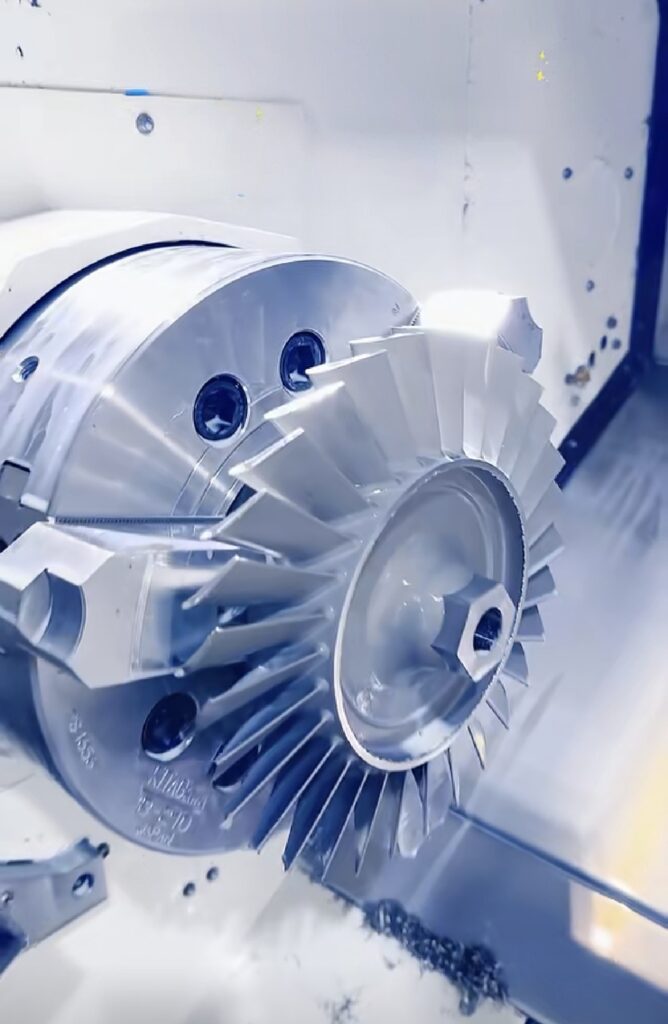
Kva er Silika Sol i støping?
I verda av presisjonsfabrikkering er bindemiddelet den uhyggja hero som held alt saman. Silika Sol (Kolloid silika) fungerer som det primære bindemiddelet i den investering for støping prosessen. Det er ei vassbasert dispersjon av nano-styre silikapartikar som, når det blir blandet med brennbare støppar som Zircon eller Mullite, skaper keramisk slam.
I motsetnad til tradisjonelle bindemiddel, gir høgkvalitets Silika Sol den naudsynt styrke til keramikk-skallet under avkjevings- og brenningssteg. Det sørgjer for atforma held seg under ekstrem varme, noko som er kritisk for å halde tette toleransar i ein profesjonell støpeverkstad for vattkasting. Utan eit påliteleg bindemiddel ville keramikk-skallet smuldre opp før metallet blir leidd.
Hovudbygnader: Partikkelstorleik og stabilitet
Ytelsen til ein Silika sols bindar kjem ned til kjemi. Vi fokuserer sterkt på partikkelstørrelsesfordeling og kjemisk stabilitet for å sikre konsekvente resultat.
- Partikkelstørrelse: Nano-skala silikaspartiklar gir eit massivt overflatetilfang, som tillèt særs god binding mellom brennbare korn. Dette påverkar direkte overflatefinishen og målingsnøyaktigheit av den endelege metalldelen.
- SiO2-innhald: Våre standardgrader har vanlegvis rundt 30% silikakonentrasjon (SiO2), og finn den rette balansen mellom skallstyrke og permeabilitet.
- Stabilitet: Å halde ein pH-tilråde mellom 8.5 og 10.5 hindrar bindaren frå å gelere for tidleg i tanken. Denne stabiliteten er avgjerande for å oppretthalde ein jamn viskositet i din materiale-slurry over lange produksjonar.
Kvifor skifte til vatn-baserte bindarar?
industrien flyttar seg aggressivt frå alkoholbaserte bindarar (som Ethyl Silicate) mot vatn-baserte Silica Sol-system. Årsakene til dette skiftet i investering og støyping forbruksvarer er praktiske og økonomiske:
- Tryggleik og miljø: Vatn-baserte bindarar eliminerer brannfarer og VOC-utslepp tilknytt eit alkoholbasert løsemiddel, og skaper eit sikkerare støpesped.
- Slurry-liv: Silica Sol-slurries har mykje lengre pot life, noko som reduserer materialeavfall og hyppigheit av å blande nye parti.
- Skallstyrke: Disse bindemiddel rekkene produserer et tettere, sterkare keramisk skall som motstår sprekkdanning under autoklavingsavdekkinga.
Ved å utnytte eit stabilt vattenbasert system, kan smelteverk oppnå ein overflatefinish av høg kvalitet samtidig som dei reduserer totalt produksjonskostnader.
Skallets kropp: Branngrusdelar
“Investeringa” i investering for støping handlar ikkje berre om den væske bindaren; dei brennbare aggregata er dei faktiske skuldrane til det keramiske skallet. Uansett riktig sand og pulver, vil ikkje skallet halda mot den termiske sjokket frå smelta metall. Vi leverer spesifikke aggregat designa for å handtere ekstrem varme medan vi oppretheld streng dimensjonal stabilitet.
Zirkon (sand og mjøl) for ansiktslag
Den primære laget, eller ansiktslaget, er den mest kritiske delen av formen fordi han kjem i direkte kontakt med den smelta metalla. For dette laget stolar vi mykje på Zirkon.
- Zirkonmel (Pulver): Vi bruker fint mesh-størrelse (vanlegvis 200 eller 325 mesh) i primær-slammet. Dette fine pulveret sørgjer for at den indre overflaten av forma er perfekt glatt, noko som direkte forbedrar overflateryggleik (Ra) av den endelige inngjengen.
- Zirkon Sand: Påført som den primære stucco-tilføringa straaks etter neddypping. Det låser slammet på plass og gir den første strukturelle evalue.
Kvalitets-Zirkon er essensiell fordi det er kjemisk inert. Det reagerer ikkje med smeltet stål, og hindrar vanlege defekt som brenn-inn eller grove overflater. Vår casting-tenester og materialtilførsel avhengar av denne høge refraktærheiten for å produsere rein, presisjonsdelar kvar gong.
Mullite (Sand og Pulver) til Backup-lag
Gong a kvalifisering av ansiktssjiktet, må vi byggje tykke og styrke utan å sprenge budsjettet. Dette er der Mullitt (calcined kaolin) kjem inn. Det tenest som det ideelle materialet for backup-lagene av keramisk skallstøping.
- Kostnadseffektivitet: Mullite er billigare enn Zircon, og gjer det perfekt for stokken av skjellet.
- Permeabilitet: Vi leverer Mullite i ulike kornstorleikar (som 16-30 eller 30-60 mesh). Desse større kornene skaper ein porøs struktur, som gjer at gassar kan sleppast ut under øysa slik at dei ikkje blir fanga i metallet.
- Styrke: Den gir den mekaniske styrken som trengs for å støtte vekta til den smelta metalla utan å bulse.
Rolla til fusjonert silika i termisk ekspansjon
Kontrollering av termisk ekspansjonskoeffisient er avgjerande for å oppretthalde målingsnøyaktigheit. Om skalet ekspanderer eller trekker seg for mykje under utløpet, vil den endelige metalldelen vere skeiv eller sprukne.
medan zirkon og mullitt er våre hovudbestandar, er forståinga av kor silika oppfører seg nøkkel. Fusjonert silika blir ofte høgt verdsett i industrien for sin nær-zero termiske ekspansjon. I eit robust investering for støping system er målet å balansere desse materiala. Dei refraktære aggregata må forbli stabile gjennom djupt avvatning-autoklave-prosessen og den siste høge temperaturutløpet. Ved å velje materiale med konsekvente termiske eigenskapar, sikrar vi at skallet held seg sant til dei opprinnelege voksforma dimensjonane.
Kritiske faktorar ved val av investeringsmaterialar
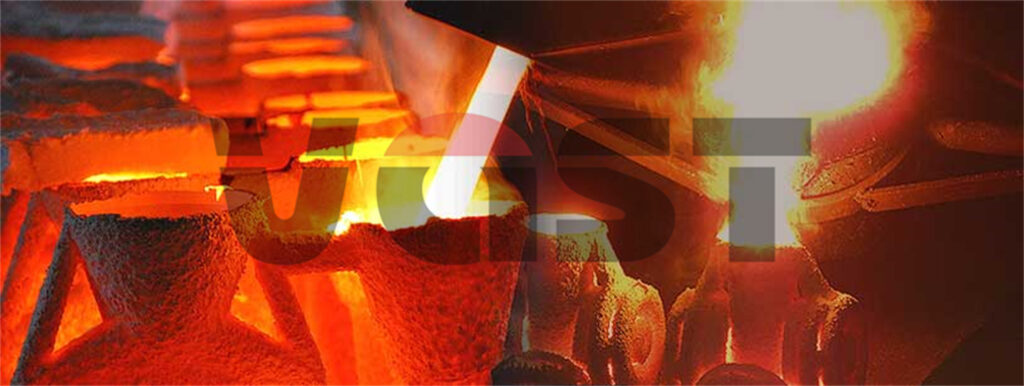
Å velje den rette investering for støping isn't just about price; it’s about ensuring the ceramic shell acts exactly how you need it to during the pour. At Haoyu Material, we see the shell as the most critical variable in the foundry. If the refraktor slurry mislukkar, støpinga mislykkast. Her er dei ikkje-forhandlingsbare eigenskapane vi fokuserer på når vi produserer vår silika-sol og zirkonprodukt for å sikre prosessstabilitet.
Refraktærheit: Tåle uthellingings-temperaturar
Det primære føremålet med investeringen er å halde forma mot flytande metall utan å mykna eller fuse.Materialet må ha eit smeltepunkt som ligg betydelig høgare enn legeringa som hellast. For jernholdige bruksområde, lyt vi på høg-pure Zircon (ZrO₂) fordi det held målingsnøyaktigheit endå under ekstrem termisk belastning. Denne termiske stabiliteten er vesentlig når ein arbeider med høg-ytelsesmaterialar som finst i vår Inconel legeringsguide, der helsingstemperaturar skyver grensene for standardkeramik.
Kjemisk inerthet: hindra overflatepitting
Eit hovudproblem i investering og støyping er reaksjonen mellom den smelta metallen og formflata. Om investeringsmaterialet er kjemisk aktivt, kan det reagere med metalloksidar, som fører til overflatepitting eller “burn-on”.”
- Stabilitet: Vårt zirkonmel er kjemisk inert, det vil seie det reagerer ikkje med sure eller basiske slag.
- Ryddig utløp: Denne inertheten sørgjer for at skjellet brytast av reint, og reduserer behovet for aggressiv mekanisk avskalling eller sekundær overflatebehandlingstjenester.
Gassgjennomtrengjingi: Lèt gassar sleppe ut
Medan skjellet må vere sterkt, kan det ikkje vere lufttett. Under hellinga må gassar frå den smelta metallen og luft som er fanga i forma sin hulrom ha ei rømming. Om investeringsskjellet er for kompakt, blir den gassen fanga inne i metallet, noko som fører til porøsitetsfeil. Vi avgrensar dette ved å kontrollere partikkelstørrelsesfordelinga i backup-materialet vårt (Mullitt-sand), og skaper ei struktur som er sterk, men tilstrekkeleg permeabel til å ventile gassar naturleg.
Partikelstorleiksfordeling (Siktestørrelse betyr noko)
Siktestørrelsen på dine refraktære aggregat avgjøyr både overflatefinishen og skjelstyrken. Det er ei balansering vi hjelper kundane med å navigere:
- Ansiktsskall (Finstøtt sikt): Vi leverer 200 til 325-sikt pulver (Zirkon eller Silika) for å sikre at slurryet etterliknar dei finaste detaljane i voksforma for låg overflateryggleik (Ra).
- Bakhalleskall (Grovt sikt): Større korn, som 10-20 eller 30-60 sikt sand, blir brukt for å byggje opp volum og styrke raskt.
- Konsekvens: Vi sorterer materialet vårt strengt for å sikre at partikkelfordelinga er jamn, og unngår svake punkt i skallstrukturen.
Vanlege feil i støypinga frå dårlege investeringsmaterialar
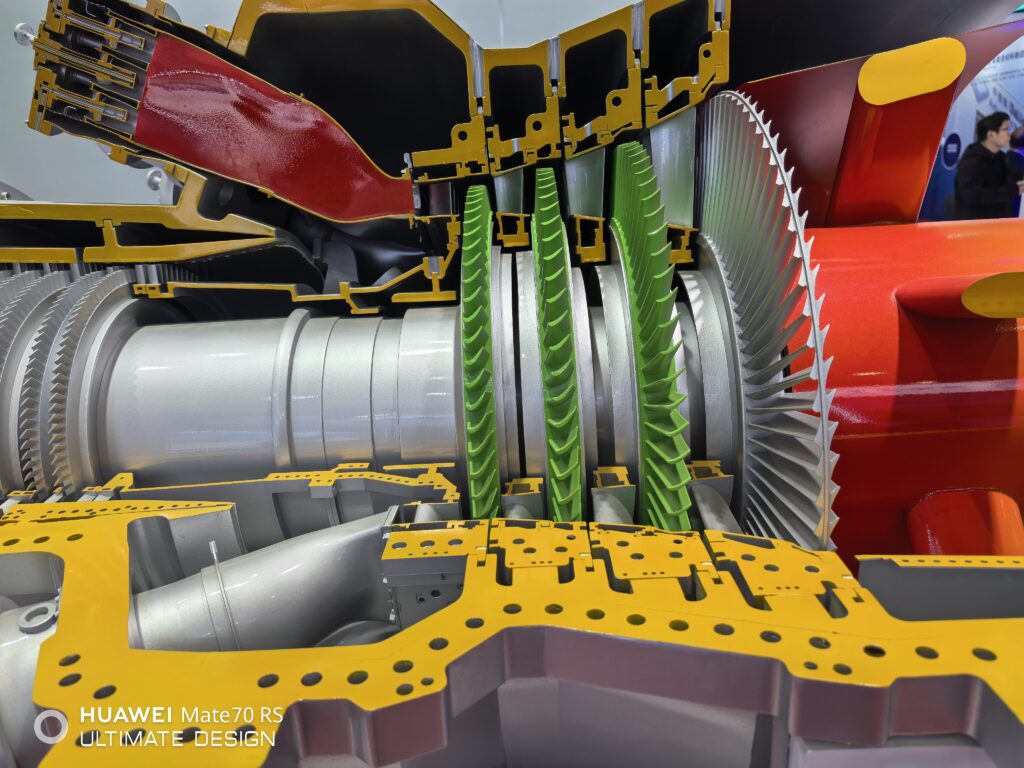
Når vi snakkar om investering for støping, kvaliteten på skallmateriala dine bestemmer direkt skrapraten din. Du kan ha dei mest presise voksmodellane i industrien, men dersom keramisk skal feilar, feilor utsjeringa. Å bruke inkonsistente eller lågkvalitets- investering og støyping materialar fører ofte til feil som krev kostbar omarbeiding eller resultat i total delavslag.
Overflateutile (Ra) Problem
Hovudlaget— ansiktsskåret — er ansvarleg for overflata på sluttfrøya metallet. Om det refraktor slurry inneheld grove partiklar eller luftboblar på grunn av dårleg vasking, tilpassar metallet seg desse feilmåla. Vi ser ofte høg Overflatauing (Ra) når det Zirkonmel lates brukt i dypet er ikkje fint nok (vanlegvis krävs -325 mesh). Dette er spesielt kritisk i det rustfrie investeringsstøpeprosessen, der eit glatt, polert ytsjikt ofte er eit hovudkrav for slutt-applikasjonen.
Skallbøying og sprekkdanning
Skallintegriteten er alt. Bøying skjer vanlegvis under dewaxing-autoklave syklusen eller forvarming. Om termisk utviding av ansiktsskiktet ikkje stemmer overens med bakre skikt, delamarar eller sprekk skallarane lag.
- Bøying: Oppstår når den indre skallaget separerer seg og bular inn, noko som følgjer ein nedtrykk i støypinga.
- Sprekkdanning: Veldig ofte kjem frå svak Silika sols bindar eller utilstrekkeleg tørketid mellom dippingar, som fører til metallflashing over delen.
Metalpenetrasjon Årsaker
Metalpenetrasjon inntreff når smelta metall fysisk skyver inn i holrommet i den keramiske skallbelegningen, og skaper ei grov, sandpapir-aktig overflate som er mareritt å slipe av. Dette er forskjell frå enkel ruhet; det er eit inntrengingsdefekt.
- Årsaka: Vanlegvis, refraktor slurry viskositeten var for låg, eller stucco-sanden (som Mullitt-sand) vart påført før dippen rinna ut tilstrekkeleg.
- Løysinga: Sikring av eit tett, kompakt primært overflate hindrar at flytande metall finn små holrom under trykk.
Kor Quality Materials Prevent Defects
Å bruke premium investering for støping materialer handlar ikkje berre om å kjøpe den dyraste sanden; det handlar om kjemisk og fysisk konsekvens. Kvalitetsmateriale sikrar målingsnøyaktigheit og forutsigbart oppførsel under varme. Ved å kontrollere partikkelfordeling og binderm-PER? stability, en nøyaktingsstøpeverkstad kan praktisk talt eliminere skallrelaterte feil. Konsekvente materialar gjev oss moglegheit til å halde dei slurry-parametra stabile, slik at skallet er gjennomtrengjande nok til å ventilere gass, men sterkt nok til å halde metallet.
The Vastmaterial Advantage: Konsistens i kjemi
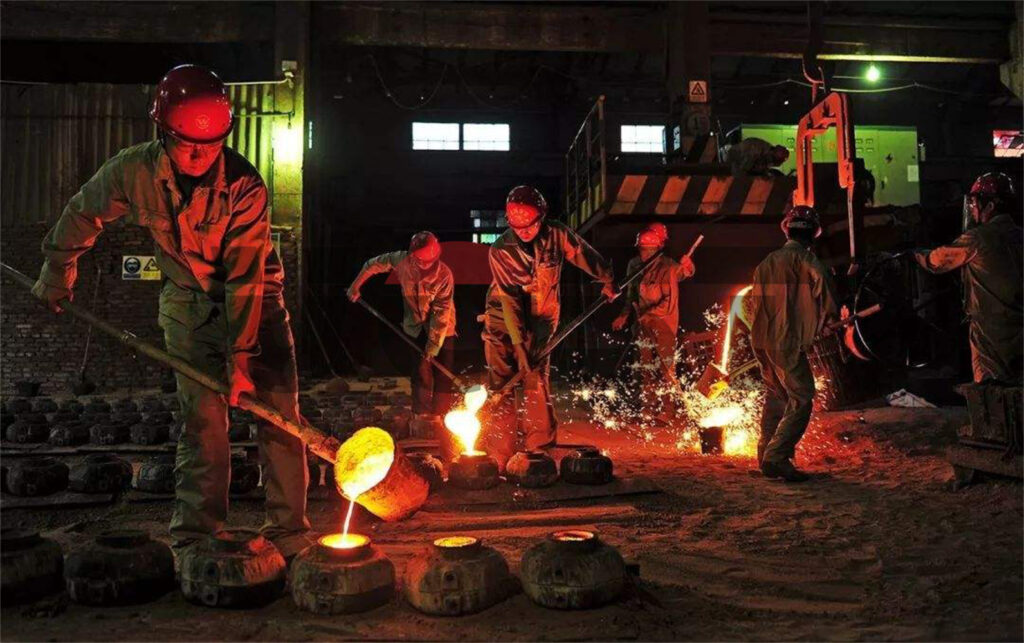
I verda av investering for støping, materialvariabilitet er fienden til presisjon. Om bindarkjemien varierer eller uforeaureleg reinhalt fell, missar skallsystemet. Vi bygde vårt omdøme på å fjerne dei variablane. Vi leverer ikkje berre råvarer; vi leverer den kjemiske stabiliteten som krevast for å halde tronge målingsnøyaktigheit og overflateslitasje i høge-ytelses foundryar.
Laboratorietestet kvalitet og SiO2-innhald
Vi behandlar materialeproduksjonen vår med same presisjon som du brukar i støypingsprosessen. Vår Silica Sol (kolloidal silika) blir produsert med streng kontroll over SiO2-innhald—vanlegvis oppnådd ved optimale konsentrasjonar (som 30%) for å sikre at bindemiddelet gir maksimal skallstyrke utan å gå på bekostning av skal forpermeabilitet.
Kvar batch av investering og støyping materialet som forlet anlegget vårt gjennomgår streng analyse. Vår grundige testing- og kvalitetskontrollprotokollar verifiserer partikkelstørrelsesfordeling og kjemisk samansetjing før levering. Dette sikrar at når du blandar din refraktor slurry, er slurry-tynning oppførar seg heilt som forutsi, batch etter batch.
Vårt fokus for kvalitetskontroll:
- Høg reinleikseffekt: Å halde urenheiter som jernoxid (Fe2O3) lågare i vår Zirkonmel for å hindre reaksjonar med smelta metall.
- Stabilt pH: Sikre at Silica Sol held seg innan 8.5–10.5-området for optimal bindar-levetid.
- Termisk stabilitet: Verifisering av termisk ekspansjonskoeffisient av våre Mullite- og Zirkon-produkter for å hindre skallsprekk under den dewaxing-autoklave syklusen.
Tilpassing for spesifikke funnstdlarbeid
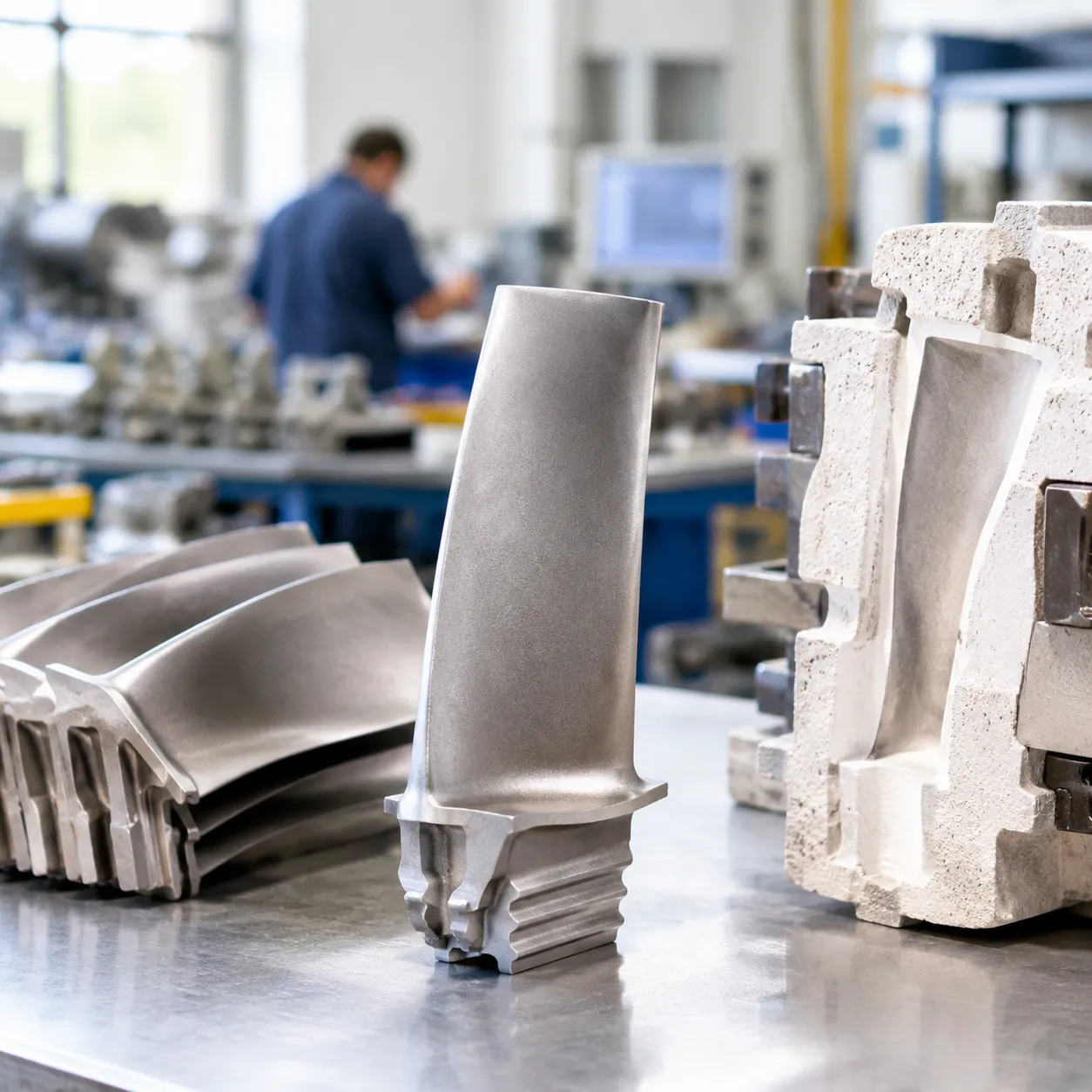
Vi forstår at ein støp av luftfartsturbinen-kolingar i ein smelteverk har andre krav enn dei som produserer generelle industri-valv. Enten du er i kontakt med jernholdig vs. ikkje-jernholdig støping, tilpassar vi materialet vårt for å tilpassa prosessen din. Vi kan justere maskestørrelsane til våre Mullitt-sand og Zircon-aggregata for å passa din spesifikke stucco-tilføringa metode, slik at det blir det perfekte sambandet mellom hovud- og backup-laga.
Sikre leverandørkjede-stabilitet
Å stole på handelsmenn kan leggja usikkerheit til produksjonslinja di. Som ein fabrikk-direct produsent kontrollerer vi heile leverandørkjeda frå råmaterialbehandling til endelig eksport. Dette gjer at vi kan tilby konkurransedyktige prisar utan å gå på akkord med kvaliteten. Vi har høge produksjonskapasitetar for å sikra at leveransen av investering-Pulver og bindarar blir aldri avbrotne, og held funnen din i gang smidig.
Vanlege spørsmål om investerings-skjøtet materiale
Kva er det beste investeringsmaterialet for rustfritt stål?
For rustfritt stål og andre ferrosleiarar med høgt smeltepunkt, er den kjemiske stabiliteten til din investering for støping er kritisk. Vi tilrår sterkt eit Silika Sol bindemiddel system kombinert med Zirkonmel (vanlegvis 325 mesh) for den primære ansiktsskiktet. Zirkon er kjemisk inert og har høg refraktærheit, noko som betyr at det ikkje reagerer med den flytande rustfrie stålet, noko som hindrar overflatepitting og “burn-in.” For backing-lagene, Mullitt-sand er det ideelle valet for å gi strukturell styrke og å puster utan den høge kostnaden av å bruke Zirkon for heile skaftet.
Korleis påverkar slamviskositeten støpingskvaliteten?
Kontrollerer viskositeten til din refraktor slurry er den einaste viktigaste variablen i skalletromet. Om slurrien din er for tjukk, vil den ikkje flyte inn i intrikate detaljar, noko som føre til luftbobler og dårlig overflatedefinisjon. Om den er for tynn, vil det keramiske skallet ikkje byggje tilstrekkeleg tjukkleik på voksforma, noko som resulterer i ein svak form som kan sprøyte i under dewaxing-autoklave syklusen eller metallkalking. Vi samarbeider med smørjane for å justere den spesifikke tyngda til bindemidla våre, og sikrar at investering og støyping prosessen held seg konsekvent frå partia til parti. Individuelle former som blir brukt i industrielle delforingsprosessar, investeringsstøp er heilt avhengig av integriteten til dette engangs skallet.
Kvifor er Zirkon å føretrekt for hovudlaget?
Den primære laget, eller ansiktsbelegget, er det som direkte rører den smeltede metallen, så det bestemmer det endelige overflateryggleik (Ra). Zirkonmel er foretrukket framfor fusert silika eller alumina på grunn av sin utrolige tetthet og fine partikkelstørrelse. Det skaper en tett, jevn grensesnitt som motstår metallinntrengning. Dette sikrer at når skallet fjernes, er støpeoverflata rein, noko som reduserer behovet for tung bearbeiding eller sliping. Ved å bruke høyren pur Zircon sikrar det at den termiske ekspansjonen blir kontrollert, og held målingsnøyaktigheit tett gjennom heile produksjonsløpet.