

Kva er rustfritt stålsandstøping?
Rustfritt stålsandstøping er industrivirksomheten for produksjon av store, tunge komponentar der strukturell integritet og kostnadseffektivitet er avgjerande. Hos Vastmaterial definerer vi denne prosessen som den mest levedyktige løysinga for å produsere massive delar med komplekse geometriar som ville vere kostnadskrevjande med andre metodar. Det involverer å helle smelta rustfritt stål i ein engangs sandform for å skape nesten-nettformer, og balanserer materialmangfald med skalerbar produksjon.
Den grunnleggjande arbeidsflyten: Mønster til støp
Vår prosess følgjer ein streng sekvens for å sikre kvalitet og gjentakingsevne:
- Mønsteroppretting: Vi maskinar mønster av tre, metall eller plast for å kopiere ytre geometrien til den ferdige delen.
- Forma forberedelse: Sand vert pakka rundt mønsteret for å danne formhulen. Kjerner vert sett inn for å lage interne passasjar eller hulrom.
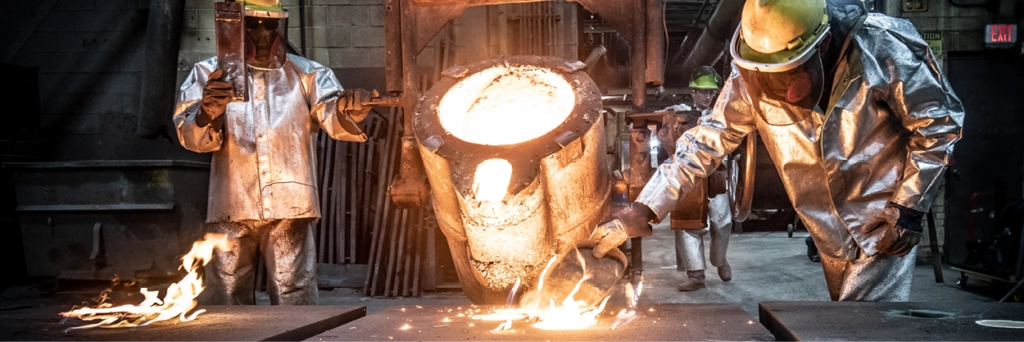
- Helning: Smelta rustfritt legering vert helta i styringssystemet, og fyller hulrommet.
- Stivning: Metallet avkjøler og stivnar før sanden vert broten vekk (risteut) for å avsløre den grove støypinga.
Kontrollert avkjøling og høgtemperaturhåndtering
Rustfrie stållegeringar krev nøyaktig termisk styring under støypeprosessen. Sidan desse materiala har høge smeltepunkt og er sårbare for oksidasjon eller krympingsfeil, kontrollerer vi strengt helletemperaturen og avkjølingshastighetene. Riktig håndtering sikrar at metallet stivnar jevnt, og forhindrar indre spenningar og oppretthald den høge strekkstyrken og korrosjonsmotstanden som krevst for bruk i marine og olje- og gasssektoren.
Grønsand vs. No-Bake (Luft-Set) støyping
Vi brukar ulike støypeteknikker basert på dei spesifikke krava til rustfritt stållegering og delstorleik:
- Grønsandstøyping rustfritt: Denne metoden bruker ein blanding av sand, leire og vatn. Den er svært økonomisk og ideell for høgvolums produksjonskjøyrer der moderate overflatefinishar er akseptable.
- Sandstøyping utan baking (lufttørking): For større, tyngre komponentar som krev strengare toleransar og betre overflatefinish, brukar vi kjemiske bindemiddel for å herde sanden. Denne stive formstrukturen gir overlegen dimensjonsstabilitet, noko som gjer han til det føretrekte valet for massive industridelar.
Viktige rustfrie ståltypar for sandstøyping
Hos Vastmaterial ser vi på materialval som ein kritisk ingeniørfase. Vi berre heller ikkje metall; vi optimaliserer legeringssamansetjingar for å møte spesifikke mekaniske og miljømessige krav. Sjølv om vi handterer eit breitt spekter av materialar, er ekspertisen vår sentrert rundt fire hovudkategoriar av rustfritt stål, kvar tilpassa ulike industrielle utfordringar.
Austenittiske typar (300-serien)
Dette er den vanlegaste kategorien for korrosjonsbestandige sandstøypingar. Vi støyper ofte 304 (CF8) og 316 (CF8M) grader. Desse legeringane tilbyr utmerka ductilitet og seighet, og gjer dei til standard for væskebehandlingskomponentar som ventilkroppar og pumpehus. For miljø som krev betre motstand mot pitting og syre, bruker vi 300-serie rustfrie ståltypar, spesielt 316L, som oppretthald stabilitet sjølv i tøffe marine forhold.
Duplex- og Super Duplex-legeringar
Når standard austenitiske grader ikkje er sterke nok, bruker vi Dupleks rustfritt stålstøyping slik som 2205. Desse legeringane kombinerer dei beste eigenskapane til ferrittiske og austenitiske stål, og tilbyr om lag dobbelt så høg flytestraum som rustfritt 304. Dei er vår foretrukne løysing for høgstress-oppgåver i olje- og gassektoren der motstand mot stresskorrosjonsbrot er ikkje til å forhandle om.
Martensittiske og utfellingherdande grader
For komponentar som krev høg hardheit og slitestyrke, som turbinblad eller slitedeksel, bruker vi Martensittiske grader lik 410 og 440C. Desse legeringane kan varmebehandlast for å oppnå eksepsjonell hardleik. Du kan lære meir om dei spesifikke eigenskapane til desse magnetiske legeringane i vår guide til 400-serien rustfritt stål. I tillegg, for delar som treng ein balanse mellom høg styrke og korrosjonsbestandigheit, støpar vi Precipitation-Hardening-stål som 17-4PH, ofte med T6-varmebehandlingar for å maksimere ytinga.
Legeringssammensetning og eigenskapsjämføring
| Gradkategori | Vanlege legeringar | Viktig kjenneteikn | Typisk bruk |
|---|---|---|---|
| Austenittisk | 304, 316, 316L | Høg korrosjonsbestandigheit, ikkje-magnetisk | Matvarebehandling, Marine utstyr |
| Martensittisk | 410, 420, 440C | Høg hardheit, slitestyrke | Turbinedeler, Bestikk, Ventilar |
| Dupleks | 2205, 2507 | Høg styrke, motstand mot stresskorrosjon | Kjemiske tanker, Olje- og gassrøyrlegging |
| Fellingherding | 17-4PH | Høg strekkstyrke, seighet | Luftfartsdeler, Søyler |
Sandstøypingsprosessen steg for steg
Ved Vastmaterial ser vi på sandstøyperiprosessen for rustfritt stål som ein nøyaktig ingeniørsyklus heller enn berre ein støypeoperasjon. Frå den innleiande designen til den ferdige varmebehandla komponenten, blir kvart steg overvaka for å handtere dei høge smeltepunkta og krympingshøva som kjenneteiknar rustfrie legeringar.
Mønsterdesign og formforberedelse
Alt byrjar med mønsteret. Vi designar verktøy som tek høgde for dei spesifikke krympingshøva til rustfritt stål (som er høgare enn støypejern). Mens vi brukar ulike metodar, no-bake sandstøyping (luftsett) er vårt foretrukne val for større rustfrie komponentar. Denne metoden bruker kjemiske bindemiddel for å herde sanden, og skapar ein stiv form som gir betre dimensjonsstabilitet og overflatefinish samanlikna med tradisjonell grønn sand.
- Mønsteroppretting: Tre-, metall- eller resinmønster vert maskinert til nær-nettform.
- Kjerneproduksjon: For delar med indre hulrom (som pumpehus), set vi inn resin-bundne sandkjerner i forma.
- Forma montering: Koppen (øvre) og draget (nedre) er sikkert klemt fast for å tåle trykket frå smelta stål.
Smelting og støping
Vi brukar induksjonsovnar for å oppnå presis temperaturkontroll og kjemisk samansetjing. Dette gjer at vi kan finjustere legeringsmatrisen—leggje til krom, nikkel eller molybden—for å møte spesifikke korrosjons- eller styrkekrav som er skissert i vår støpelegeringsguide. Når smelta når måltemperaturen, heller vi den smelta rustfrie stålet inn i forma. Kontrollert herding er avgjerande; vi styrer avkjølingshastigheiter for å forhindre segregasjon og sikre ein jamn kornstruktur.
Etterbehandling og kvalitetssikring
Når metallet har stivna, går støpeprosessen gjennom risting for å fjerne sanden. Vår anlegg bruker automatiserte sandgjenbrukssystem for å resirkulere støpesand, og held dermed drifta vår berekraftig. Arbeidsflyten går deretter til etterbehandling:
- Gatfjerning: Fjerning av portesystemet, oppstikkere og kanaler.
- Slipning: Jevne ut delingslinjer og ru kanter.
- Varmebehandling: Vi bruker prosessar som T6-varmebehandling (løyse- og aldringsbehandling) for å optimalisere hardheit, spesielt for grader som 17-4PH.
- NDT- inspeksjon: For å sikre strukturell integritet utfører vi ikkje-ødeleggande testing, inkludert magnetpartikkelinspeksjon (MPI) og radiografisk inspeksjon (RT), for å oppdage eventuelle indre krympingar eller gassporositet.
Ved å integrere desse stega med våre CNC-maskineringskapabilitetar, leverer vi ein komplett rustfritt stålgjengingsprosessen som omformer råmetall til ferdige komponentar for montering.
Fordelar med rustfritt stålsandstøyping
Når vi ser på produksjon av tunge industrielle komponentar, sandstøyperiprosessen for rustfritt stål står ut som arbeidshesten i industrien. Det tilbyr ein unik balanse mellom økonomisk effektivitet og ingeniørfagleg allsidigheit, spesielt når det gjeld massive delar som andre metodar rett og slett ikkje kan handtere.
Her er kvifor vi stolar på sandstøyping for kritiske bruksområde:
- Kostnadseffektivitet for låge til middels volum: i motsetnad til trykkstøyping, som krev dyre metallformer, bruker sandstøyping sandformer som er vesentleg billigare å produsere. Dette gjer det til det ideelle valet for prototypeproduksjon og kortsiktige produksjonsløp der det er viktig å halde verktøy kostnadene nede.
- Evne til store og tunge delar: Vi er spesialiserte på å produsere store rustfrie stålgodsringar som kan veie tusenvis av pund. Mens investeringsstøping er begrensa av vekta på voksestammen, gjer sandstøping det mogleg å støype massive komponentar som turbinhus og pumpehus utan storleiksrestriksjonar.
- Designfleksibilitet: Bruken av sandkjerner gjer oss i stand til å lage komplekse indre geometriar og underkutt som ville vere umogleg å maskinere frå ein heil blokk. Dette gjer det mogleg for ingeniørar å designe intrikate indre kjølekanalar eller væskekanalar direkte i støypa.
- Materialintegritet: Om vi heller støypar korrosjonsbestandige sandstøypingar bruker 316L eller høgstyrke Duplex 2205, beheld prosessen dei fulle mekaniske eigenskapane til legeringa. Vår integrerte produksjonsstyring sikrar at den kjemiske samansetjinga oppfyller strenge krav til seighet og termisk stabilitet.
- Skalerbarheit med moderne teknikkar: Ved å bruke avansert no-bake sandstøyping metodar og automatiserte sandgjenbrukssystem, kan vi skalere produksjonen effektivt medan vi minimerer avfall. Denne moderne tilnærminga sikrar jamn kvalitet og raskare leveringstid for kundane våre.
For prosjekt som krev høg varigheit og storleik, er vårt rustfrie stålgjennomføringsløysingar gjev den pålitelegheita som trengs for sektorar som marinteknikk og olje & gass.
Begrensningar og når ein skal velje alternativ

Sjølv om rustfritt stålsandstøyping er arbeidsdyret for massive industrielle komponentar, det er ikkje ei universalløysing. Å forstå dei fysiske begrensningane til prosessen hjelper med å velje riktig produksjonsmetode for dine spesifikke ingeniørutfordringar. Vi prioriterer openheit om kva sandstøyping kan og ikkje kan gjere for å sikre at prosjektet ditt lukkast.
Handtering av overflatefinish og toleransar
Sanden sin formingsmetode resulterer i ein meir grov overflatestruktur samanlikna med andre metodar. Du kan vanlegvis forvente ein overflatefinish i området av 250–500 RMS. Denne teksturen er iboende i den granulære strukturen til sanda som vert brukt i forma.
Når rustfritt stål støping toleranser, sandstøping held seg generelt til CT 10–13. Dette er eigna for nær-nettsformer der små dimensjonsvariasjonar er akseptable eller der overflatedesign er sekundært i forhold til strukturell integritet. For kritiske sammenføyningsflater eller presise passformer, integrerer vi etterstøpeoperasjonar. Ved å bruke presisjons CNC-maskineringsstrategiar, får vi desse grove støypingane ned til nøyaktige spesifikasjonar.
Sandstøping vs. Investeringstøping
Det mest vanlege valet ingeniørar står overfor er å velje mellom sandstøping og investering (tapt voks) støping. Her er ein direkte samanlikning basert på våre støperidata:
| Eigenskap | Sandstøyping | Investeringstøyping |
|---|---|---|
| Overflatefinish | Grovt (250–500 RMS) | Glatt (60–125 RMS) |
| Delsstorleik | Store, tungt utstyr | Lette til medium intrikate delar |
| Verktøykostnad | Lav (Kostnadseffektivt) | Høg (Komplekse former) |
| Veggtykkleik | Tynnare veggar krevst | Tynne veggar er mogleg |
| Nøyaktigheit | Moderat (CT 10–13) | Høg (CT 4–6) |
Om prosjektet ditt krev intrikate detaljar og eit førsteklasses resultat rett ut av forma, vår presisjonsinvesteringsstøpeverkstad kan vere det betre alternativet.
Når skal du velje sandstøyping
Trass i den grovare overflata, er sandstøyping framleis det beste valet for spesifikke scenarier. Du bør velje denne metoden dersom:
- Storleik er viktig: Du treng store, tunge komponentar som pumpehus eller maritimt utstyr som overskrid vektrestriksjonane for investeringsstøyping.
- Kostnadseffektivitet: Du er på jakt etter lågare verktøykostnader og materialmangfald for låge til middels volum.
- Etterbehandling: Delen krev omfattande maskinering uansett, noko som gjer den innleiande overflatefinishen uvesentleg.
- Strukturell integritet: Du treng den høge strekkstyrken og seighet som legeringar som Duplex 2205 or 17-4PH i massive strukturelle former.
Søknader på tvers av kritiske industrier
Vi utformar våre rustfritt stålsandstøyping løsningar for å møte dei strenge kravene i sektorar der holdbarheit og materialintegritet er ikkje til å forhandle om. Ved å utnytte spesifikke legeringsgrader, leverer vi komponentar som tåler ekstreme trykk, korrosive miljø og høge termiske belastningar.
- Olje & Gass: Denne sektoren er sterkt avhengig av sandstøping for store komponentar til væskehandtering. Vi produserer tungt utstyr tilpassa OEM-ventilhus og pumpehus som er i stand til å motstå sulfidsprengning og høgtrykkmiljø.
- Marinteknikk: Saltvannskorrosjon er ei konstant trussel. Vi bruker marine-grad 316 og Duplex rustfritt stål for å støpe robuste propellkomponentar, dekkutstyr og fittings som gir overlegen levetid i offshore-applikasjonar.
- Kraftproduksjon: Effektivitet i kraftverk avhenger ofte av termisk stabilitet. Vår støperibedrift produserer varmebestandige turbinekapslingar og strukturelle delar spesielt utforma for gass turbinekomponentar og kjernekraftsystem.
- Luftfart & Forsvar: Påliteligheit er avgjerande her. Vi tilbyr strukturelle braketter og turbinstøtte ved bruk av høgstyrkelegeringar som 17-4PH, og sikrar at delane held seg intakte under betydelig mekanisk belastning.
- Mat & Farmasøytisk: Hygienestandardar krev ikkje-reaktive overflater. Vi støper sanitære utstyrsdelar i 304 og 316 rustfritt stål, og sikrar at delane er enkle å rengjere og motstandsdyktige mot hyppig kjemisk steriliseringsprosess.
Vastmaterials rustfrie stålsandstøpeevne

Hos Vastmaterial opererer vi som ein fullservice skreddarsveisingsverk av rustfritt stål, brot gapet mellom råstøyping og ferdige, klare til montering komponentar. Vår integrerte tilnærming kombinerer avansert materialteknikk med presisjonsproduksjon, og sikrar at sjølv dei mest komplekse rustfritt stålsandstøyping prosjekta møter strenge industrielle standardar. Vi leverer ikkje berre delar; vi løser ingeniørutfordringar ved å styre heile livssyklusen frå legeringsformulering til sluttbehandling av overflata.
Vår fabrikk er utstyrt for å håndtere den tunge løfta som krevst for massive industrielle komponentar. Ved å bruke automatiserte sandgjenbrukssystem og sanntids produksjonsovervaking, opprettholder vi konsistens over store produksjonsrundar samtidig som vi reduserer miljøpåverknad. Enten du treng korrosjonsbestandig maritimt utstyr eller høgstyrke gruvedriftsutstyr, har vår fabrikkfasilitetar og kvalitetsprosessar sikrar påliteleg ytelse i dei tøffaste miljøa.
Kvifor samarbeide med oss?
- Integrerte løysingar: Vi kombinerer sandstøping med intern CNC-maskinering for å oppnå stramme toleransar som rå støyping åleine ikkje kan gi.
- Materialekspertise: Vi spesialiserer oss på presisjons sandstøpelegeringar, inkludert 300-serien, 400-serien, Duplex 2205, og herdelege stål som 17-4PH.
- Høg kapasitet: Vår infrastruktur støttar betydningsfull rustfritt stålvægtkapasitet for støyping, noko som gjer oss til det ideelle valet for store, tunge delar.
- Hastigheit & Effektivitet: Våre datadrevne leiingsmetodar minimerer nedetid, slik at vi kan tilby raskare leveringstider utan å gå på kompromiss med kvaliteten.
Kvalitetsstandardar og testing
Hos Vastmaterial forstår vi at pålitelegheit i rustfritt stålsandstøyping er ikkje til å forhandle om, spesielt for komponentar brukt i høgrisikoindustrier som luftfart og maritim ingeniørkunst. Vi heller ikkje berre helle metall; vi implementerer eit strengt kvalitetssikringssystem som gir full sporbarheit frå råe ingotar til ferdige delar.
Verifisering av kjemisk samansetjing
Vi sørgjer for at legeringsblandinga er nøyaktig før helleprosessen startar. Ved bruk av optisk emisjonsspektrometri overvakar vi strengt prosentdelen av kritiske legeringselement som krom, nikkel, molybden og vanadium. Dette gjer at vi kan overgå standard fysiske og kjemiske grenser, og sikre at kvalitetar som 316 rustfritt stål or 17-4PH oppfyller dei nøyaktige korrosjonsbestandigheits- og hardleikskravene som er nødvendige for miljøet ditt.
Ikke-destruktiv testing (NDT)
For å garantere intern integritet utan å skade komponenten, brukar vi avanserte NDT-metodar. Våre omfattande testing og kvalitetssikringsprotokollar er utforma for å oppdage sjølv dei minste avvik:
- Radiografisk testing (RT): Vi bruker røntgenbilder for å identifisere intern krymping, gassporøsitet eller innslag som ikkje er synlege for det blotte auge.
- Ultralydtesting (UT): Høgfrekvente lydvågar hjelper oss å finne djupe undergrunnsfeil i tjukke støpte delar.
- Magnetisk partikkelinspeksjon (MT): Dette er naudsynt for å oppdage overflatesprekker i ferromagnetiske materialar, som 400-serien rustfritt stål.
- Dåpen Penetrant Inspeksjon (PT): Vi bruker dette for ikkje-magnetiske austenittiske grader for å avdekkje overflatediscontinuitetar.
Mekanisk og dimensjonsmessig validering
Kvalitet går utover berre kjemi. Vi utfører mekanisk testing for å verifisere strekkstyrke, flytegrense og forlengelse, og sikre at varmebehandlingar (som T6) har oppnådd ønskje hardheit. Til slutt utfører vi detaljerte dimensjonskontrollar for å bekrefte at støpen oppfyller spesifiserte toleransar og at overflatefinishen ligg innanfor standarden 250–500 RMS, slik at delen er klar for sluttbehandling. CNC-maskinering eller samansetjing.
Ofte stilte spørsmål (FAQs)
Kva er den minimale veggtykkelsen for rustfritt stål sandstøping?
For dei fleste prosjekt med rustfritt stål sandstøping, anbefaler vi ein minimum veggtykkelse på 0,12 til 0,20 tommar (3mm til 5mm). Mens vi kan presse grensene avhengig av geometrien, aukar tynnare veggar risikoen for misruns eller ufullstendige utfyllingar på grunn av den raske avkjølingshastigheita til rustfritt stål i sandformer. For ekstremt tynne eller intrikate veggar er investeringsstøping vanlegvis det tryggare ingeniørvalet.
How does sand casting cost compare to investment casting?
Sandstøping er generelt meir kostnadseffektivt, spesielt for store, tunge komponentar og lågare produksjonsvolum. Verktøykostnadene for sandformer er vesentleg lågare enn metallformer som krevst for andre metodar. Men, dersom delen din krev null etterbehandling og speilaktige overflater, kan dei innleiande besparingane bli utlikna av maskineringskostnader. Dersom du vurderer presisjon mot kostnad, kan dette samanliknast med vår rustfrie investeringsstøpeprosessen kan hjelpe med å finne riktig alternativ for budsjettet ditt.
Kan du sandstøpe 316L rustfritt stål?
Absolutt. 316L rustfritt stål er ein av våre mest brukte legeringar. Det er standarden for maritimt utstyr, kjemisk prosessutstyr og matvaregodkjent maskineri på grunn av sin overlegne korrosjonsmotstand. Vi støper også rutinemessig 304, Duplex 2205 og 17-4PH avhengig av dei spesifikke mekaniske krava til applikasjonen din.
Kva overflatefinish kan ein forvente frå sandstøping?
Du bør forvente ein overflatefinish i området av 250–500 RMS. Denne teksturen er meir ru enn investeringsstøping (som typisk har 60–125 RMS). Denne finishen er standard for industrielle delar som pumpehus eller ventilkroppar der det ytre estetiske er sekundært til strukturell integritet. For kritiske samingsflater bruker vi våre eigen CNC-maskineringsfasilitetar for å oppnå presise toleransar og glatte overflater der det er viktig.